Who Are the Himba?
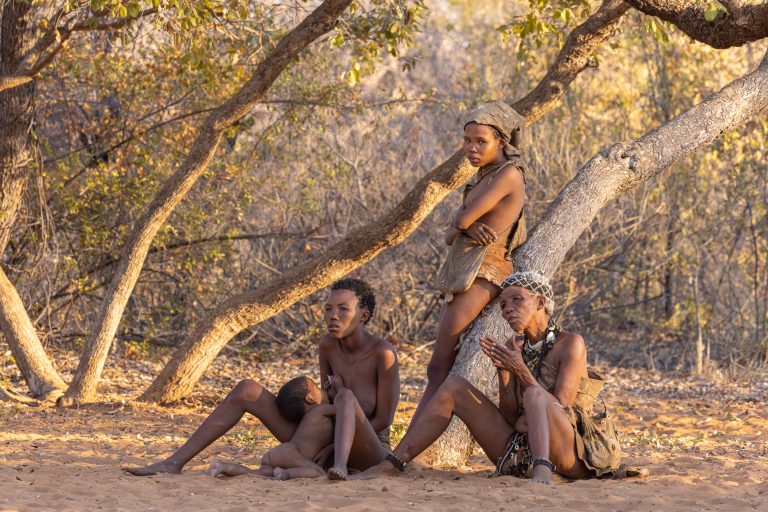
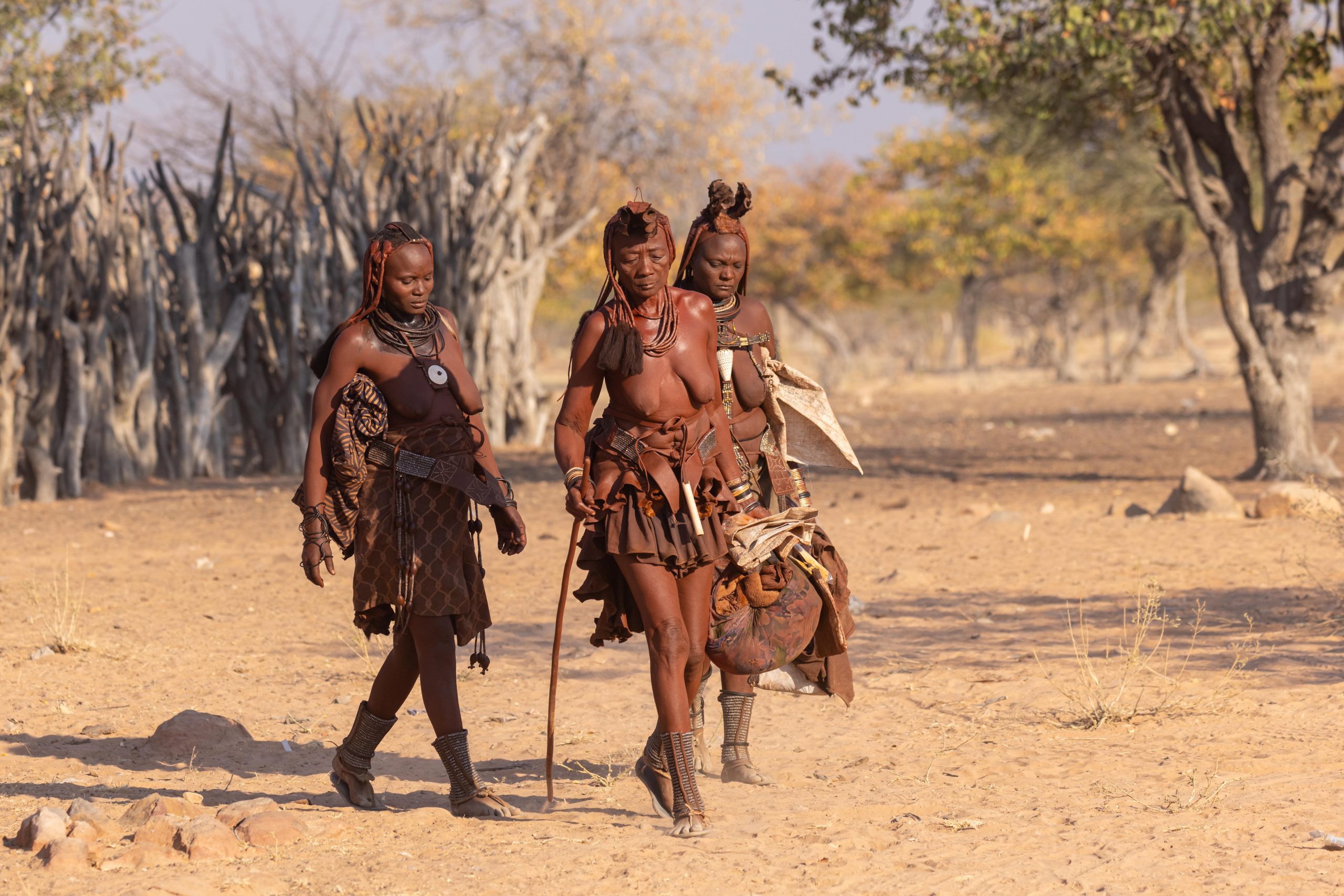
The Himba are an Indigenous semi-nomadic people residing primarily in Namibia’s arid Kunene Region, with some communities also found in southern Angola. With a population of approximately 50,000, the Himba are renowned for their resilience, cultural traditions, and distinctive appearance, which have remained largely unchanged despite external influences and modernization.
You can explore a collection of portraits and scenes from Himba life in my Himba photo gallery.
Livestock and Daily Life
The Himba are traditionally pastoralists, relying heavily on cattle and goats for their livelihood. Livestock serves not only as a source of milk and occasional meat, but also as a measure of wealth and social status. Cattle play a central role in marriage negotiations, inheritance, and spiritual rituals.
Milk is a dietary staple, and women often spend hours churning it into butterfat — an essential resource in daily life.

The Himba Village and Traditional Mud Huts
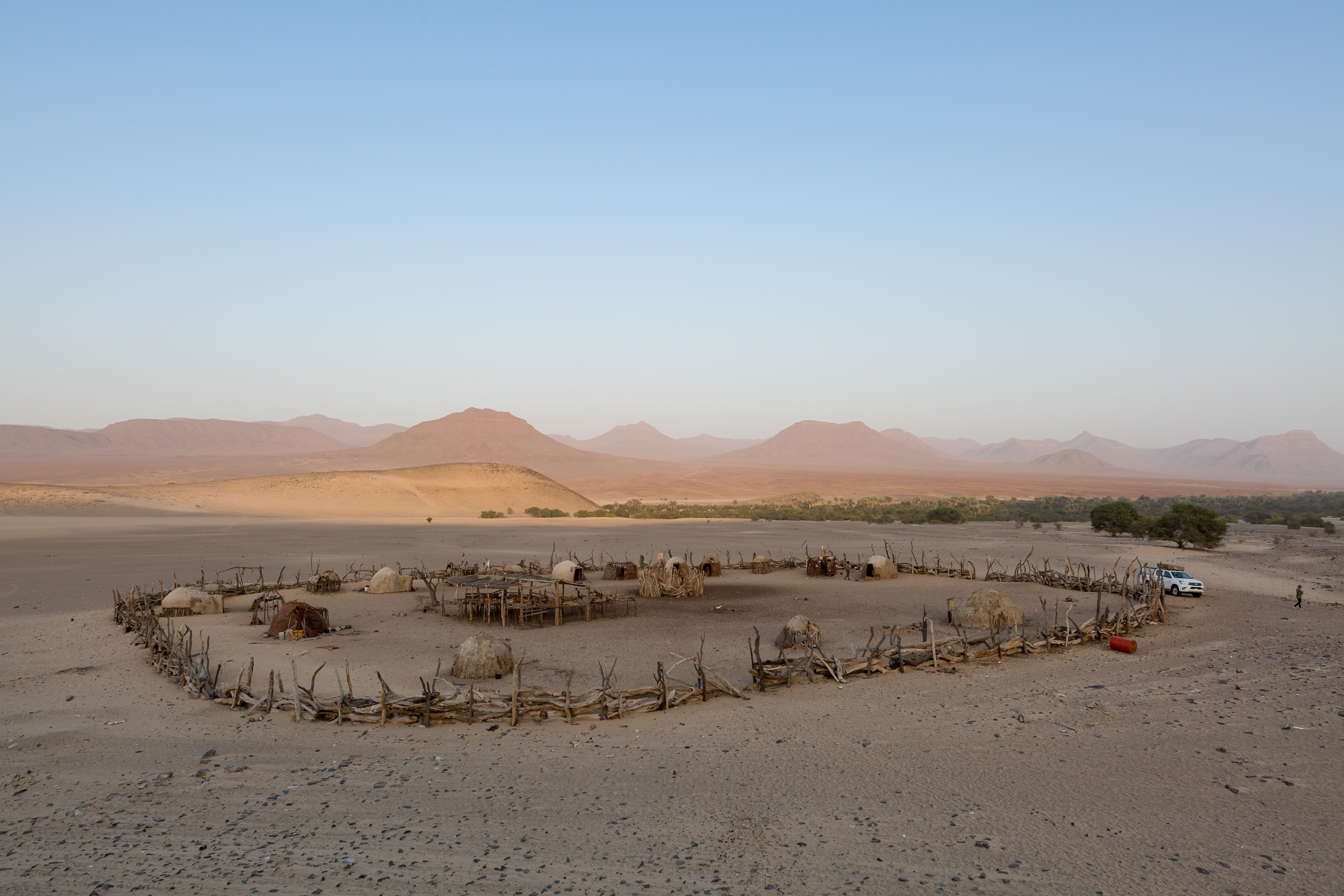
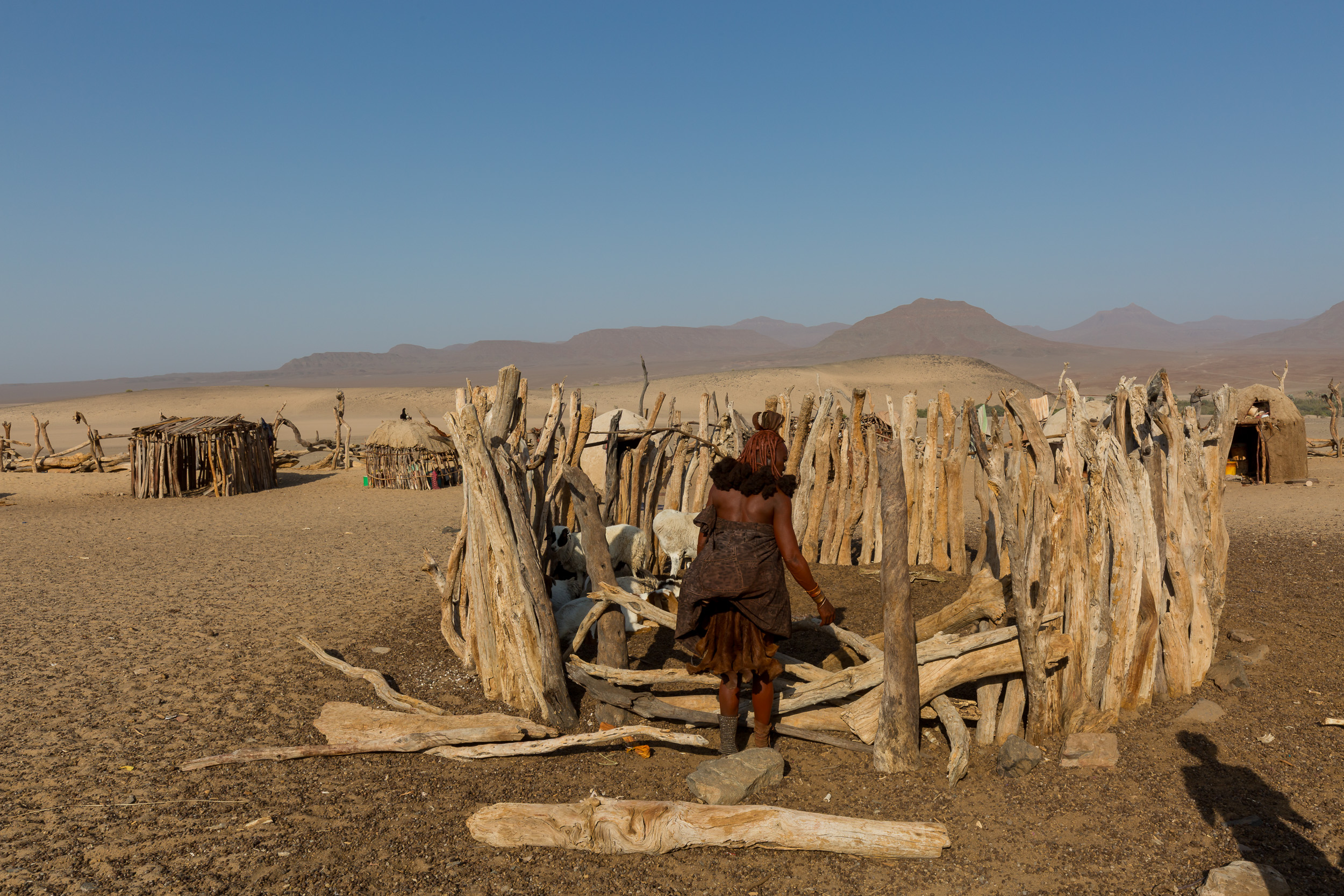
A traditional Himba village, known as an onganda, is usually arranged in a circle, with small mud huts surrounding a central livestock enclosure. The layout is practical but also deeply symbolic.
The huts are built from a mixture of mud, clay, branches, and cattle dung. From the outside they appear simple and earthy, blending almost seamlessly into the dry landscape of northern Namibia. Inside, the spaces are compact and minimal, designed to stay cool in the intense desert heat.
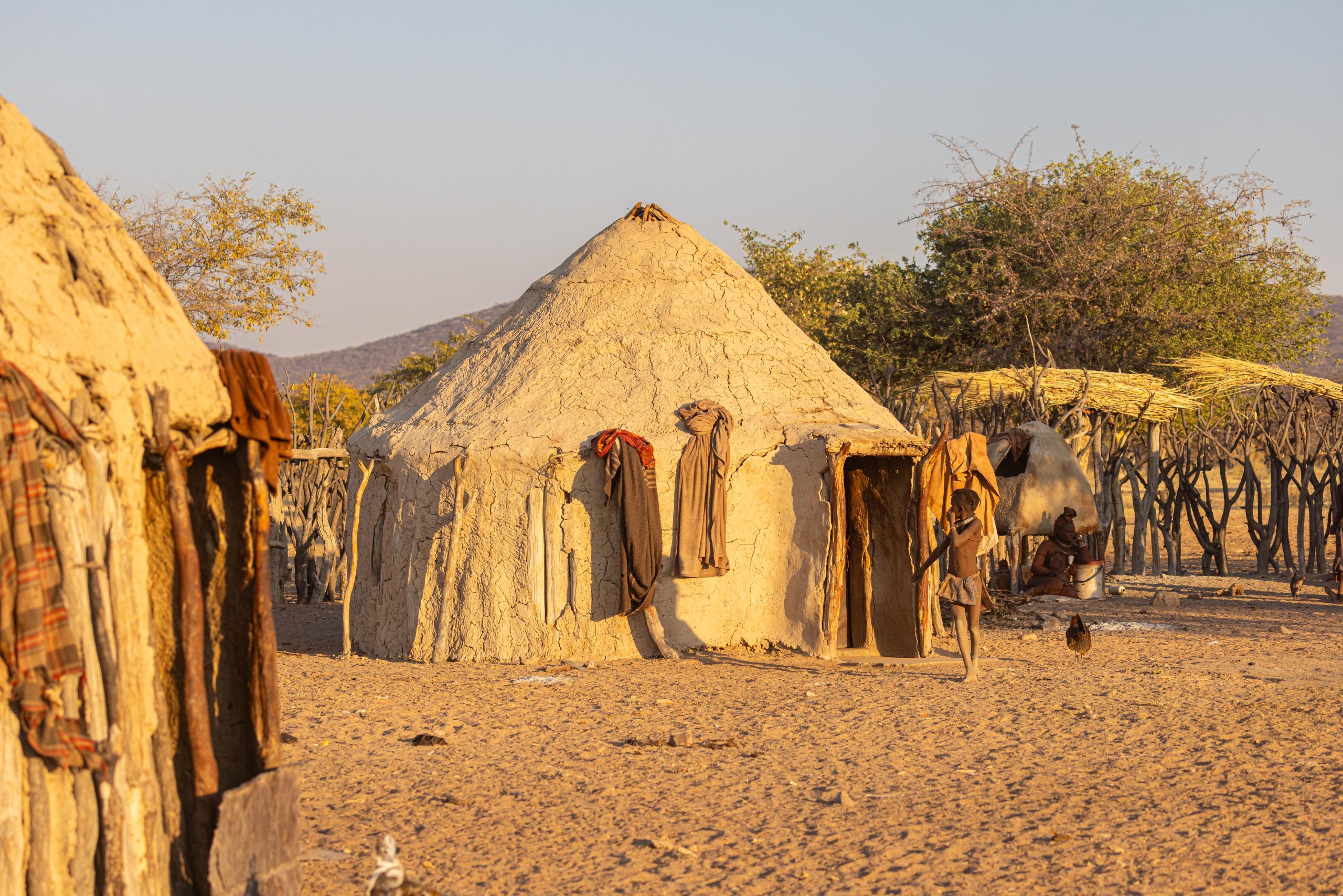
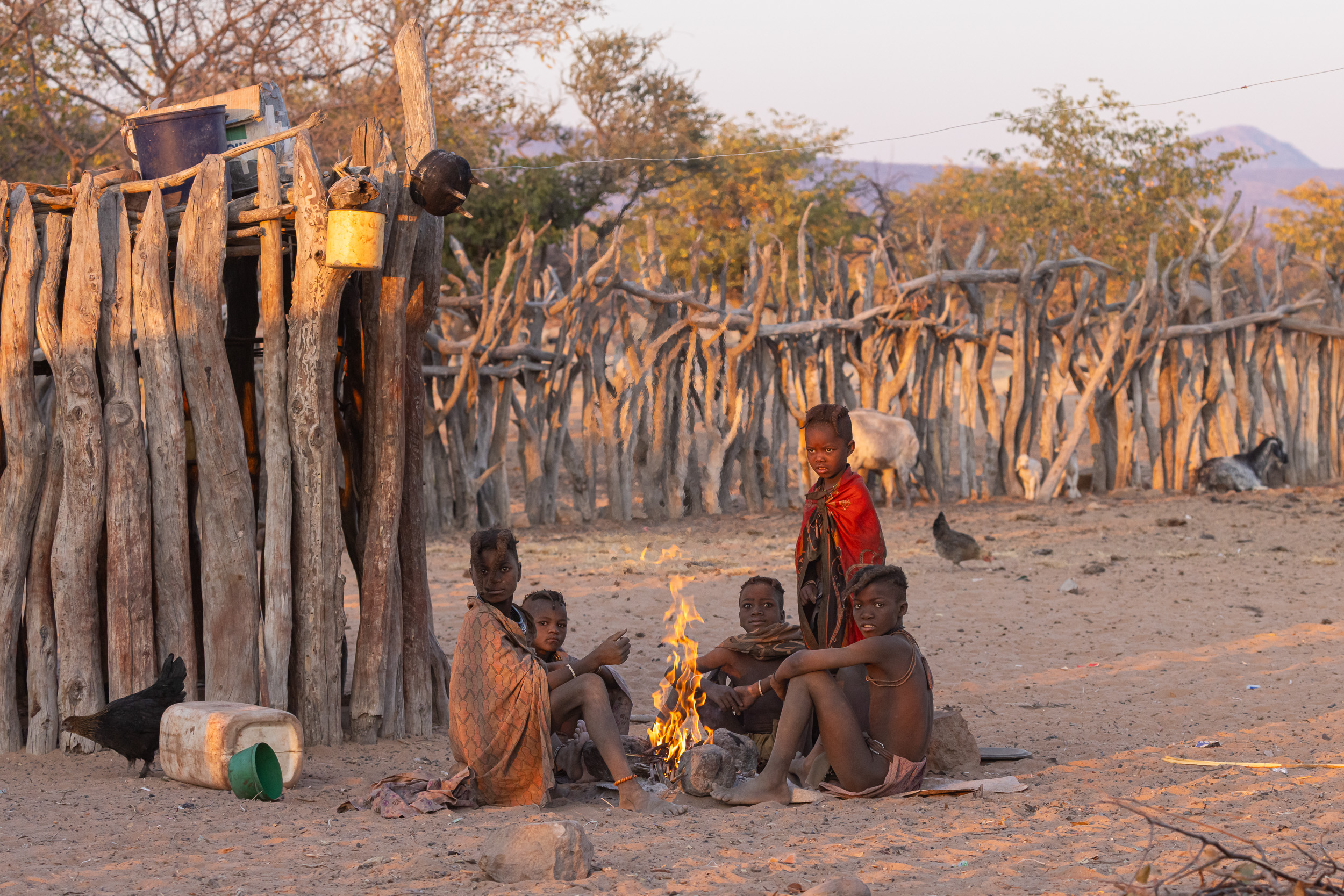
At the heart of the village lies the cattle kraal — a reminder of how central livestock is to Himba life. Nearby, the ancestral fire burns continuously, forming the spiritual center of the homestead.
Walking into a Himba village feels both intimate and timeless. Everything — from the circular layout to the natural building materials — reflects a way of life shaped by climate, tradition, and continuity.
The Sacred Meaning of Otjize
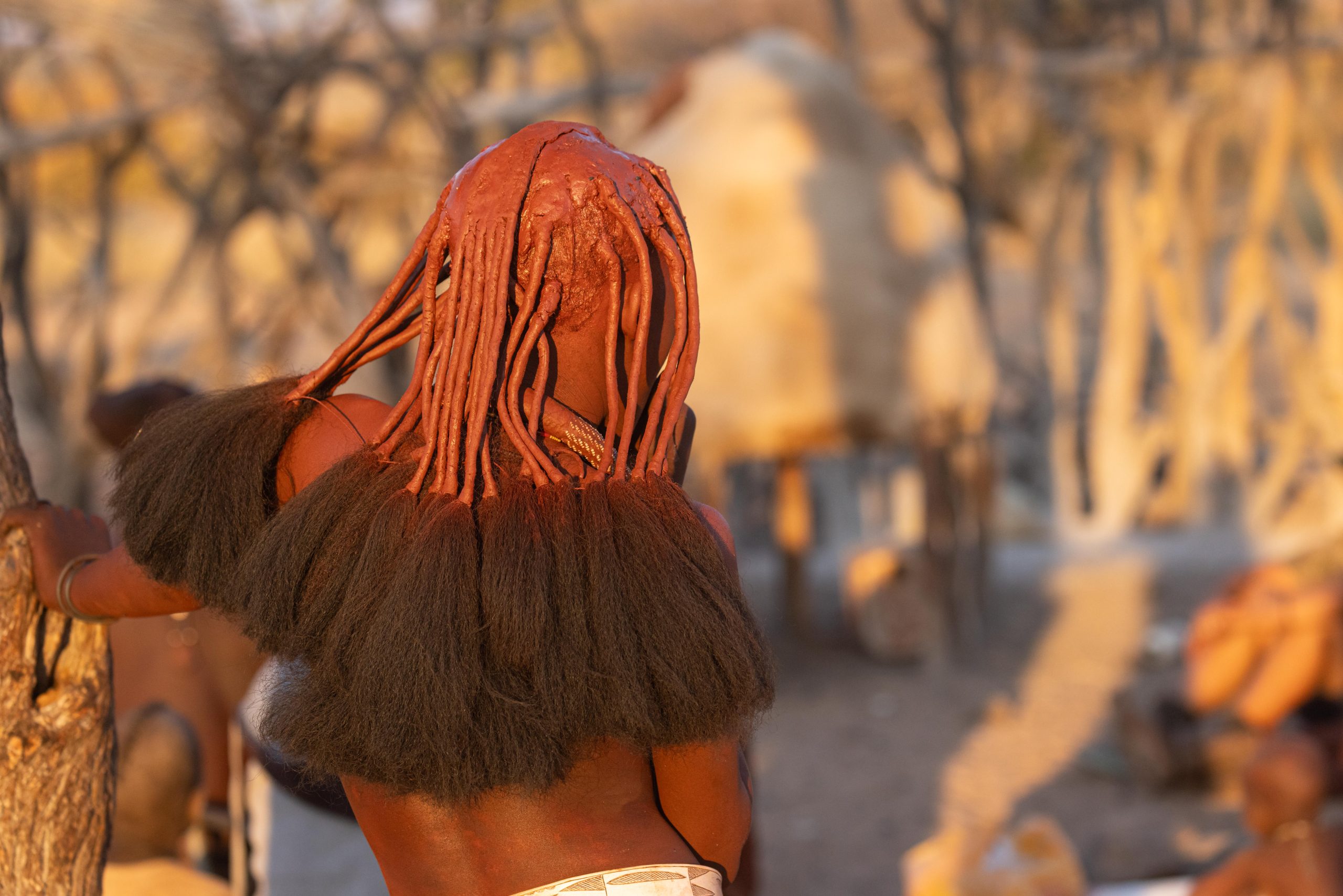
One of the most defining features of Himba culture is the daily application of otjize, a mixture of butterfat and ground ochre.
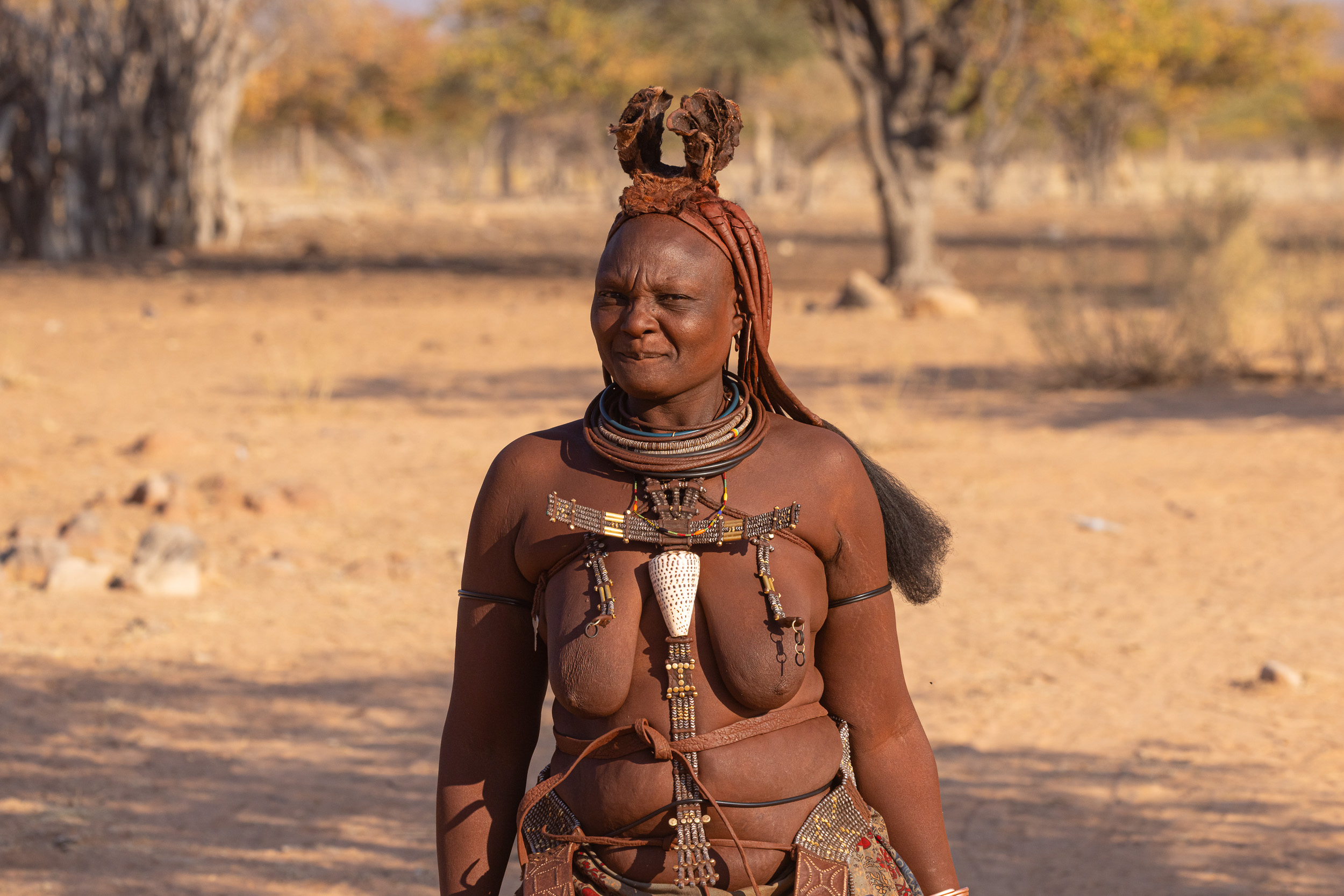
Far more than a cosmetic practice, otjize carries deep symbolic meaning. The rich red color represents the earth and the life-giving power of blood. It signifies beauty, fertility, and cultural identity, connecting women physically and spiritually to the land.
In practical terms, otjize also acts as natural sun protection and helps cleanse the skin in a harsh desert climate where water is scarce.
The preparation and application of otjize is a daily ritual, reinforcing both tradition and identity across generations.
If you would like to explore this tradition in greater depth, you can read more about the meaning and symbolism of otjize here.
More about otjize here:
Social Structure and Gender Roles
Himba society is patriarchal, though women carry significant responsibilities within the household. They care for children, maintain the homestead, prepare food, and oversee daily domestic activities.
Men are primarily responsible for herding livestock and making major family decisions. Marriages are often arranged, and polygamy is common, particularly among wealthier men.
Every individual belongs to two clans — one through the father and one through the mother — forming a complex system of bilateral descent that shapes inheritance, identity, and social belonging.
Spirituality and the Sacred Fire
Spiritual life is deeply woven into Himba culture. The Himba worship Mukuru, their supreme god, and maintain a sacred ancestral fire called okuruwo.
This fire represents a spiritual connection between the living and the ancestors and is never allowed to extinguish. Rituals, offerings, and prayers are conducted around it, ensuring protection, guidance, and continuity.
The structure of the homestead reflects this spiritual worldview, with the ancestral fire and cattle kraal forming the symbolic heart of village life.
Hairstyles, Jewelry and Social Identity
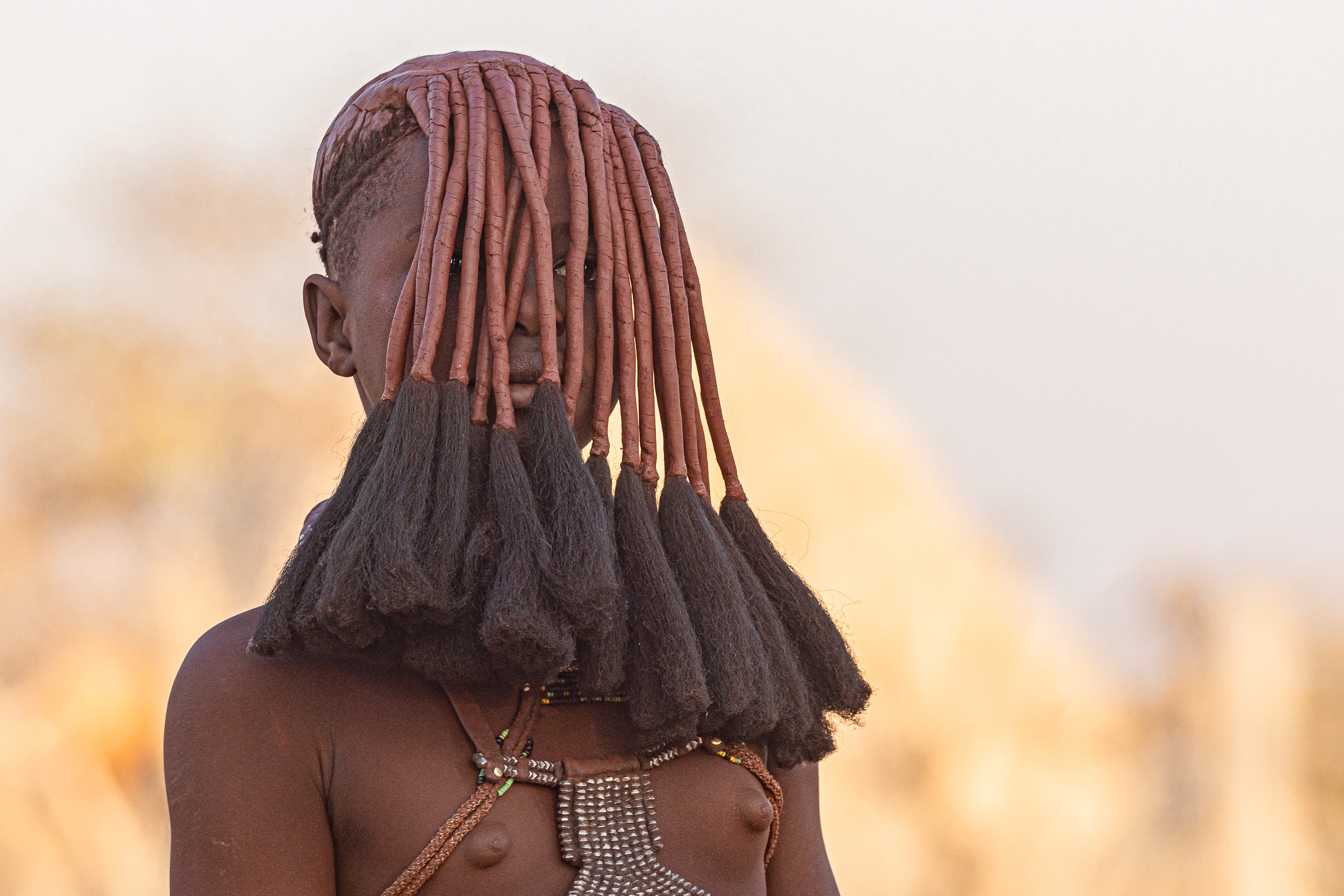
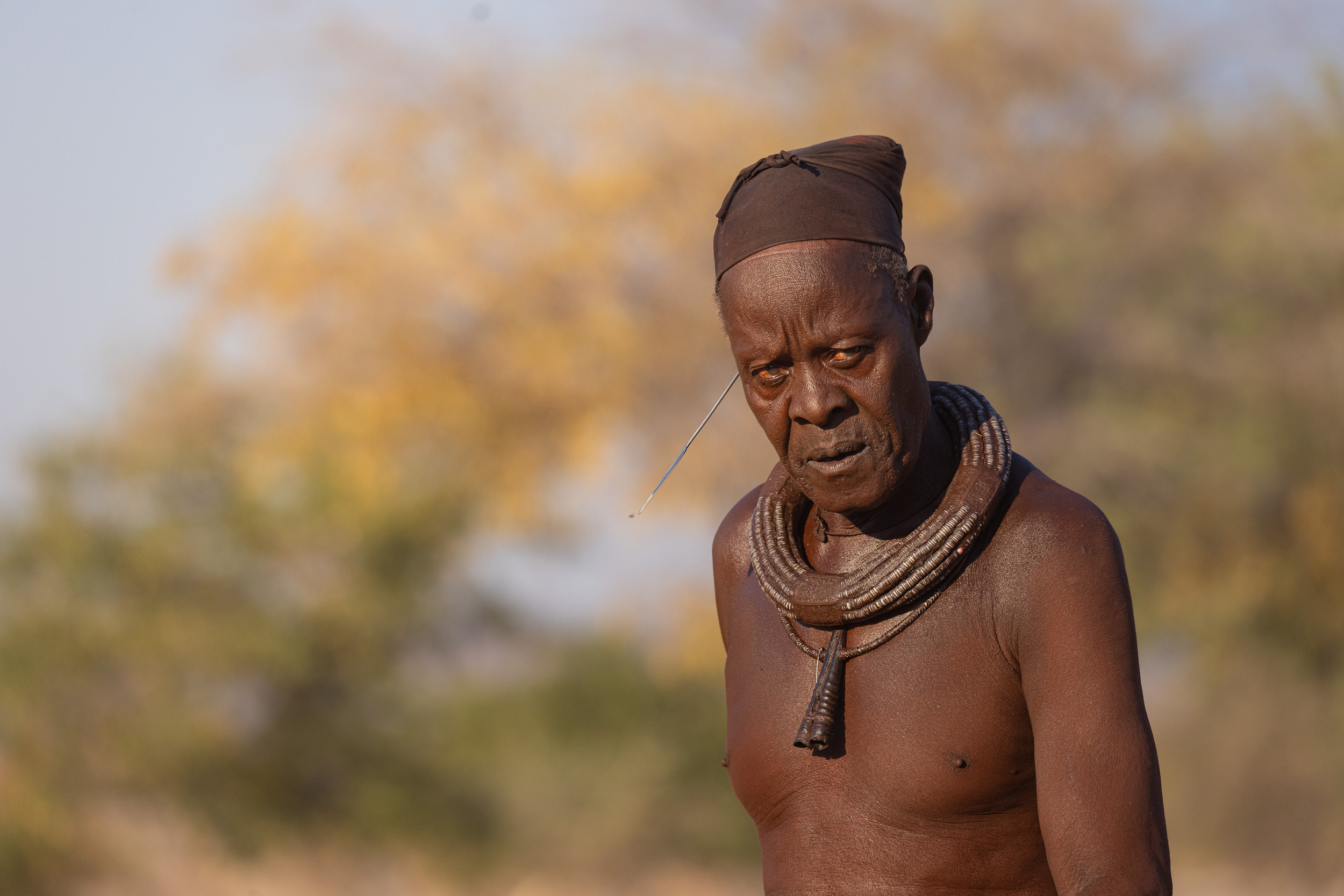
Himba hairstyles and jewelry are not merely decorative — they communicate age, marital status, and social position.
Young girls wear forward-hanging braids, while married women wear the distinctive erembe crown made from goatskin. Men also have specific headpieces that indicate life stages.
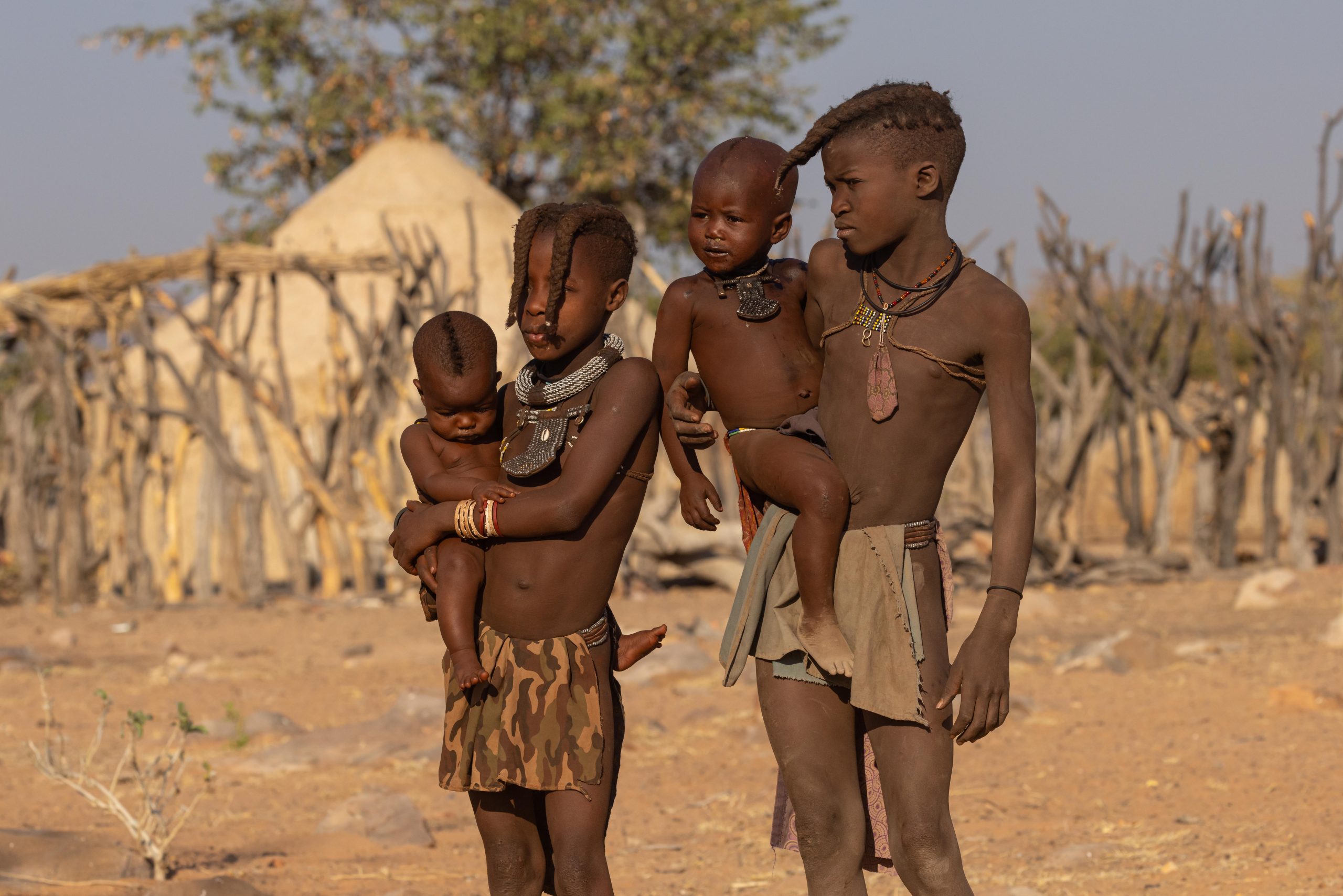
Beads, shells, and metal adornments serve both aesthetic and symbolic functions, forming a visual language within the community.
Challenges in the Modern World
Despite their resilience, the Himba face growing challenges. Climate change threatens their cattle-based economy, and prolonged droughts strain traditional pastoral systems.
Tourism has created income opportunities but also cultural pressure. Infrastructure projects and land disputes further complicate their ability to maintain traditional territory and way of life.
Yet the Himba continue to adapt while preserving their identity — proving that tradition is not static, but evolving.
Thinking about travelling through Namibia?
The journeys and stories on Duniart come from many years of travelling through Namibia — independently, with friends and family, and in places far beyond the usual routes.
Discover the Himba and their traditions as part of a private journey through northwestern Namibia with Namibia Guided Safaris.