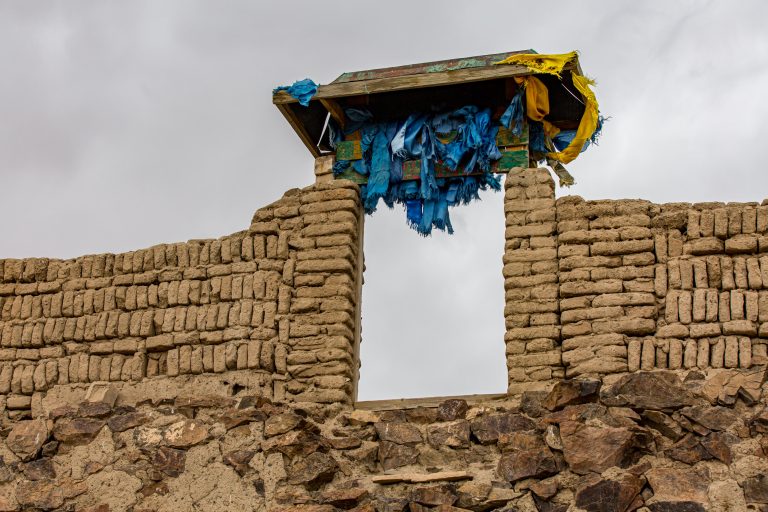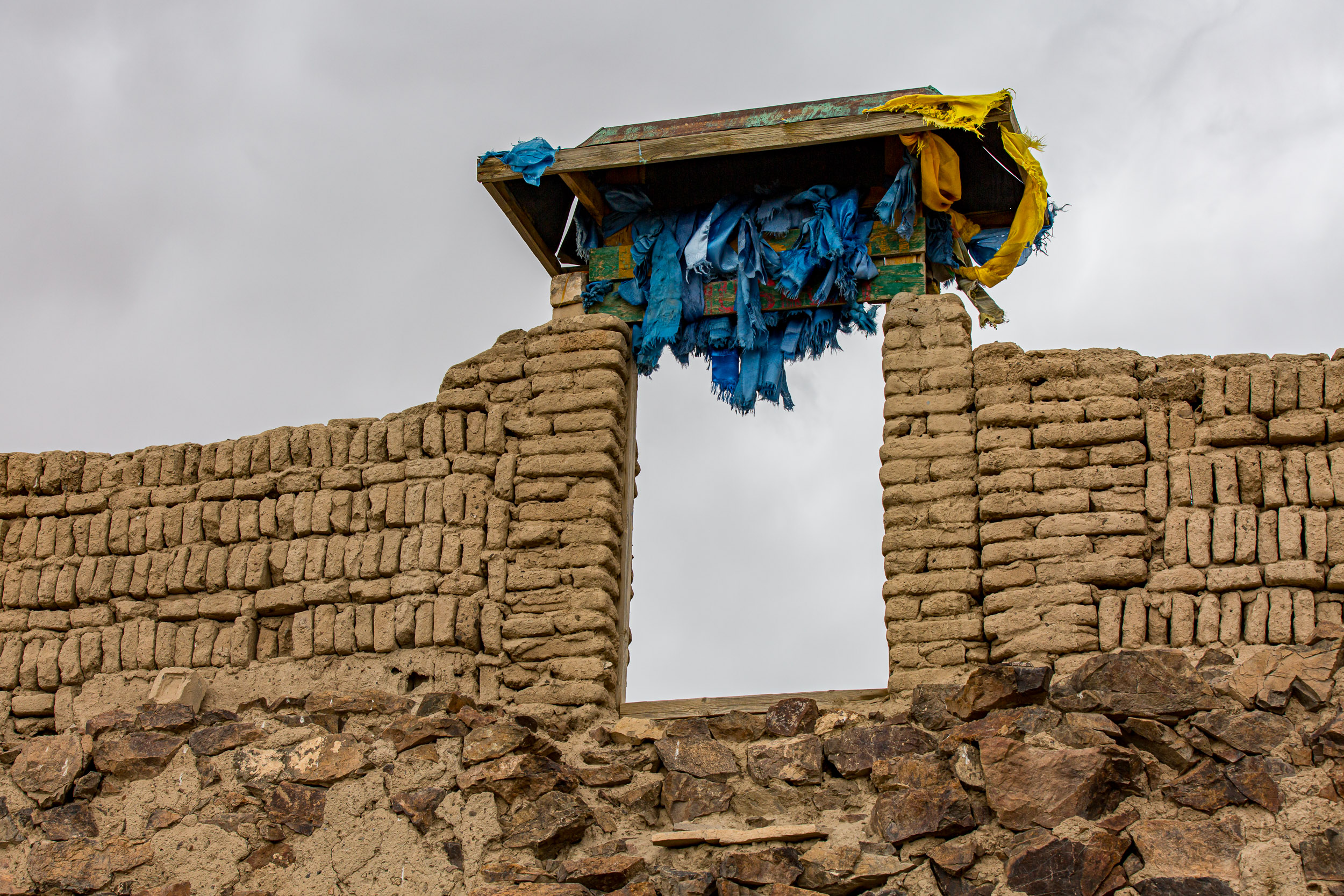
Ongiin Khiid Monastery in Central Mongolia
Day 7 of 17 – Mongolia Road Trip
The drive to Ongiin Khiid took most of the day. What should have been straightforward turned into a six-hour journey, interrupted by a simple roadside lunch and a flat tire somewhere along the dusty tracks of central Mongolia.
By the time we reached the monastery ruins, the sky had begun to shift — and so had the mood of the landscape.
A Once-Great Buddhist Monastery
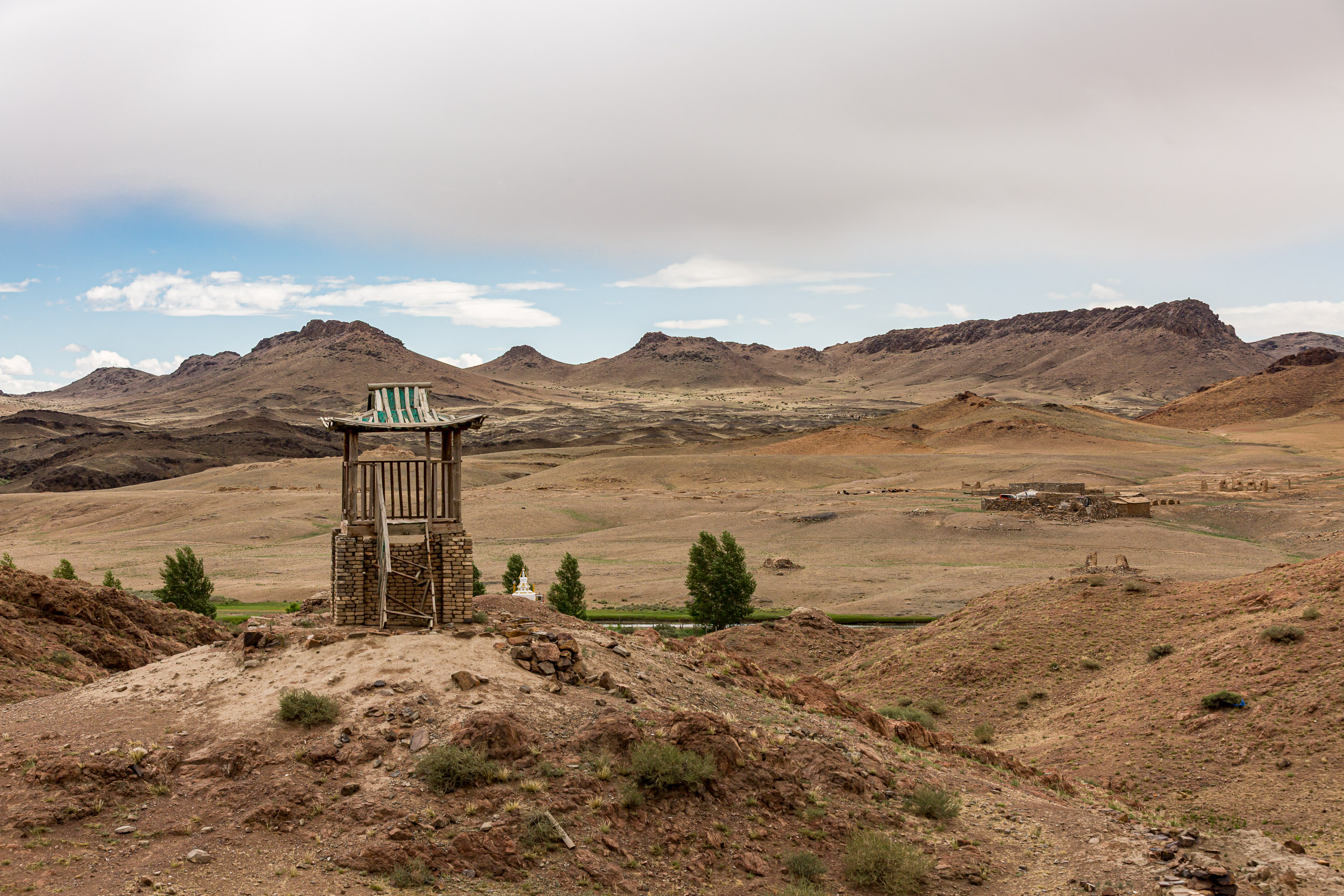
Founded in 1660, Ongiin Khiid was once one of the largest monasteries in Mongolia. At its height, the complex included 28 temples and four Buddhist universities, housing more than 1,000 monks. It was a major center of devotion and scholarship in the region.
That era ended abruptly in the 1930s during the socialist purges. Soldiers arrived, around 200 lamas were executed, and the entire complex was destroyed. Today, only scattered ruins remain — fragments of walls and foundations standing quietly above the Ongi River.
Walking among the remains, it is difficult to imagine the scale and vibrancy the monastery once held.
Rain Over the Ruins
During our visit, we experienced our first light rain shower of the trip. Nothing dramatic — just enough to cool the air and briefly interrupt our exploration. The rain clouds soon moved on, leaving behind unusually dramatic skies over the broken stone structures.
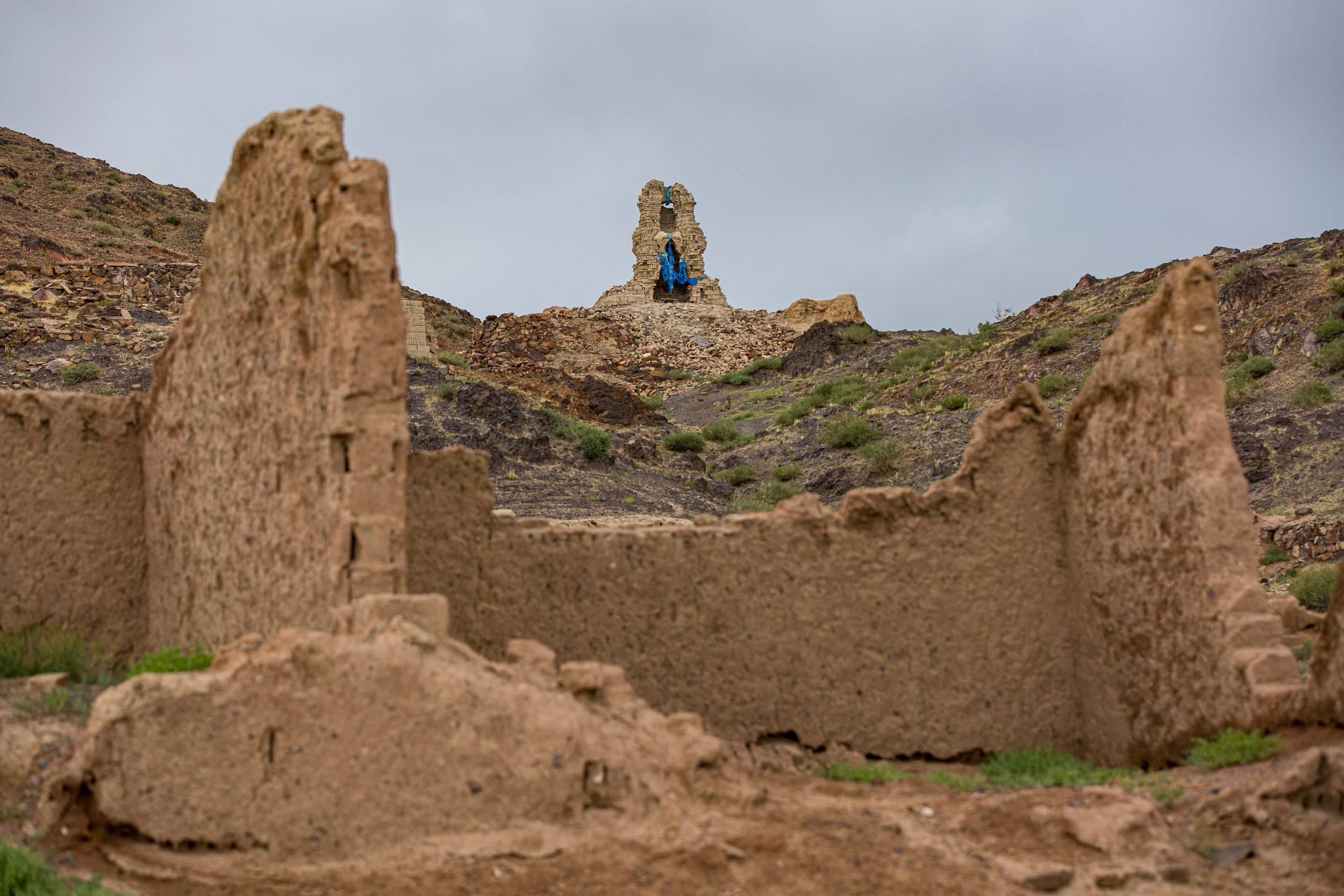
The combination of history, isolation and changing weather gave the site a reflective atmosphere.
From the Gobi to the Open Steppe
After visiting Ongiin Khiid, we drove another hour north to meet a nomadic family who had recently relocated from the Gobi Desert. Their sheep grazed across an immense open steppe, and their ger had only just been erected in its new seasonal location.
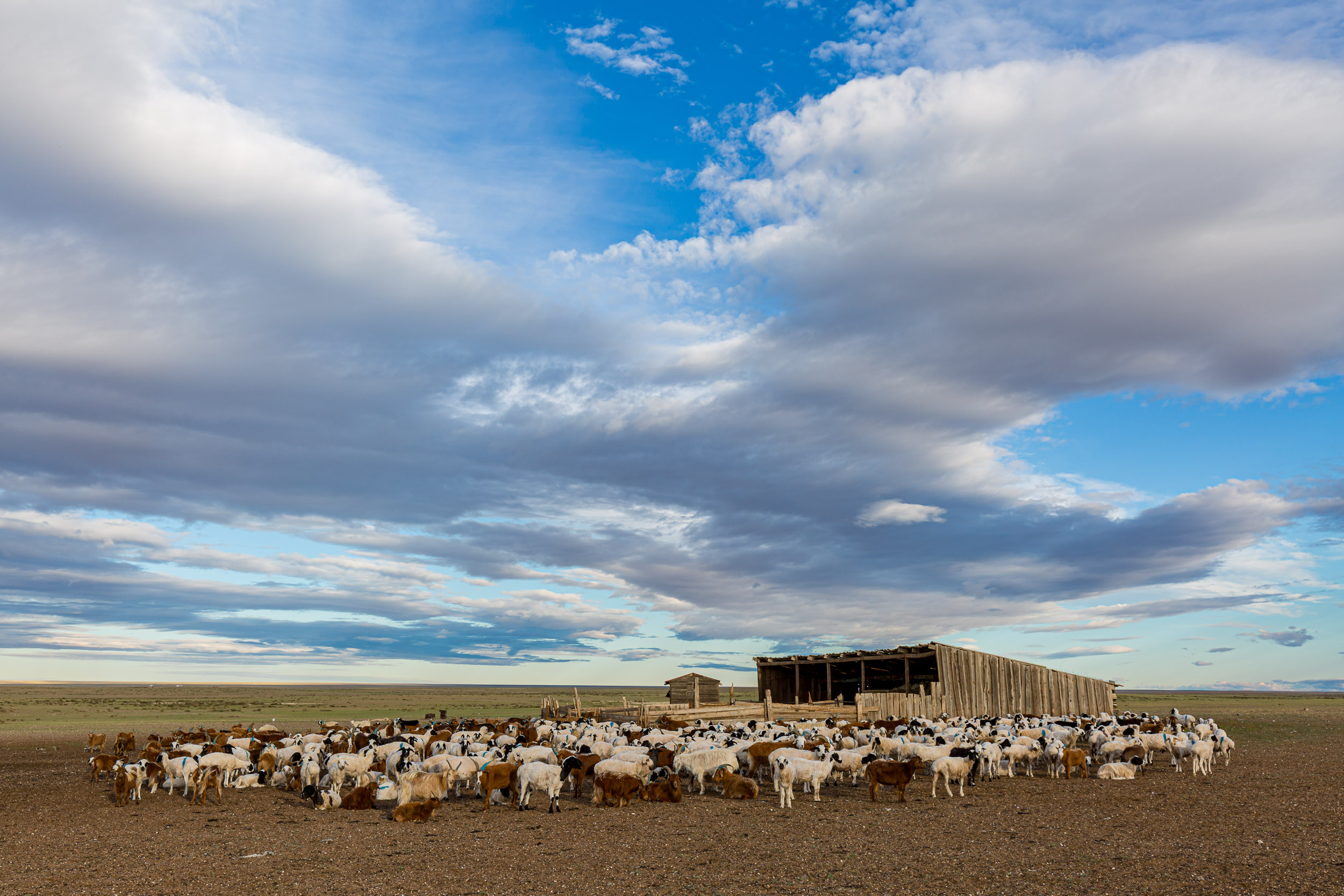
We arrived in the late afternoon and simply relaxed, watching the landscape stretch endlessly in every direction.
A Sky We Did Not Expect
Nothing prepared us for what happened next.
Behind the ger, the horizon slowly turned an unusual turquoise-green. At first we had no idea what we were witnessing. Purple and orange followed, and gradually a rainbow rose from behind the distant plains, arching across the vast sky.
It felt surreal — the kind of spectacle that makes you question whether the colors are real.
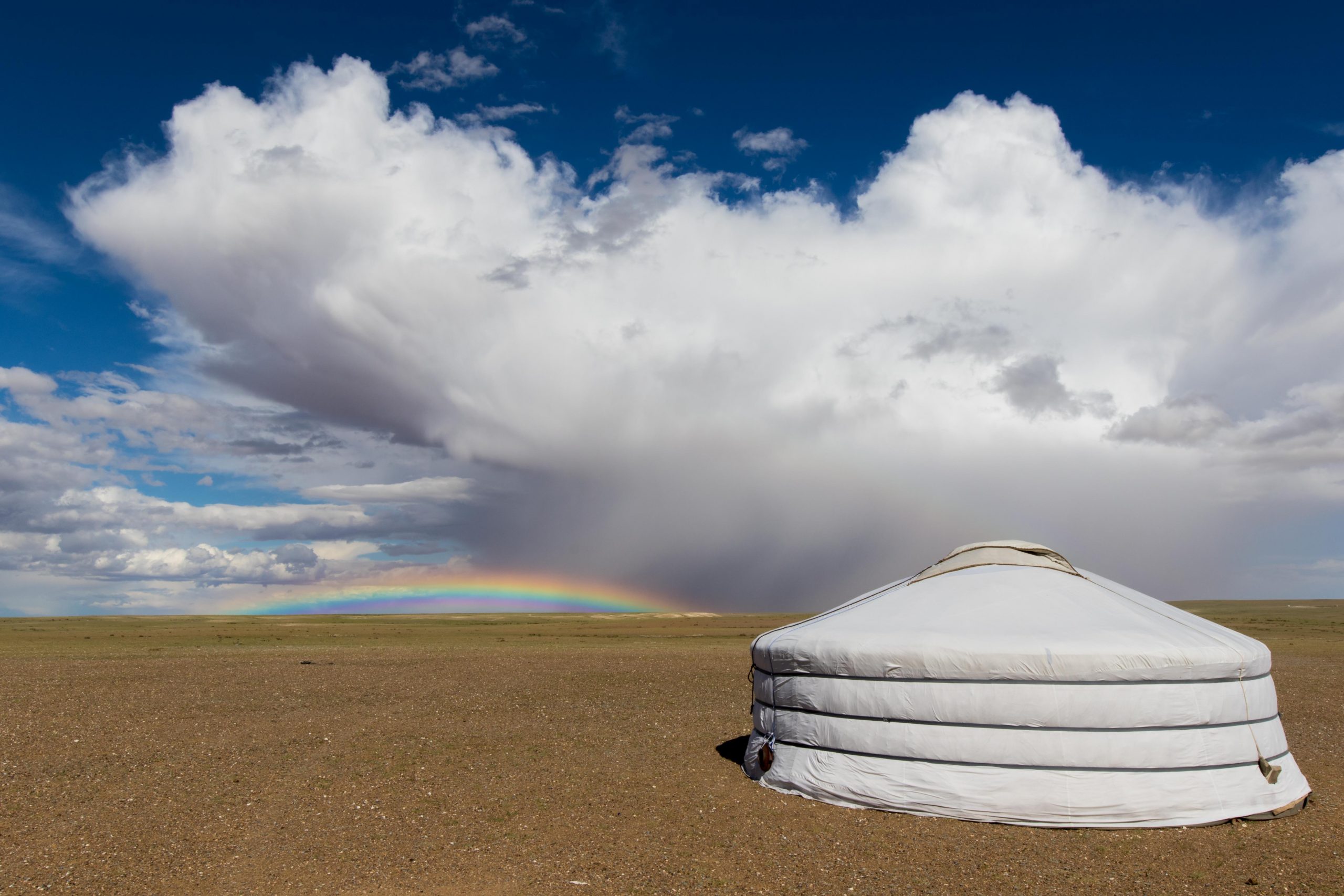
After the sky settled back into calm evening tones, our host welcomed us into his ger. As always, we were offered warm hospitality: traditional snacks, goat milk, and Mongolian sniff tobacco passed around in quiet ceremony.
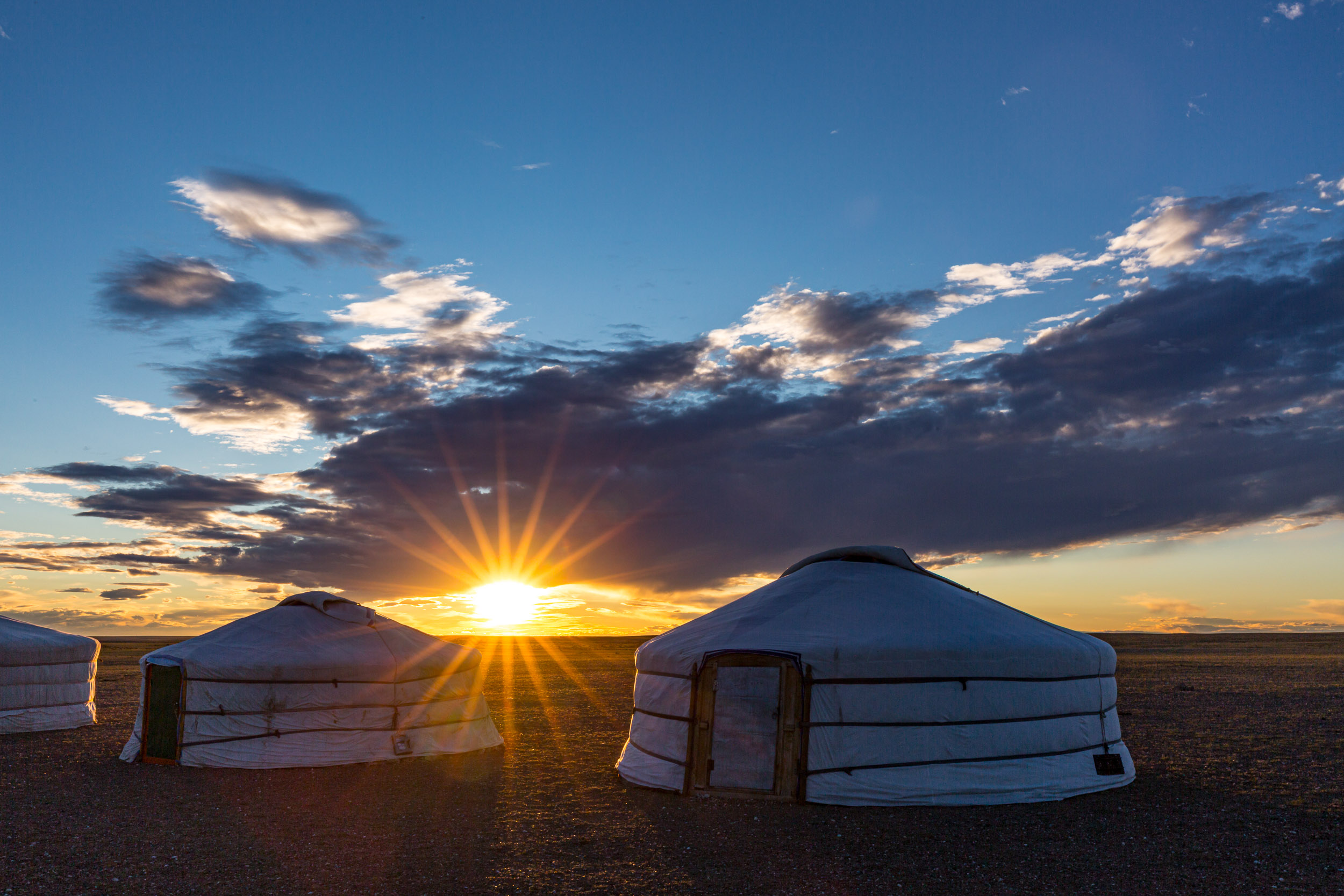
A peaceful end to a day that had started with ruins and ended in light.