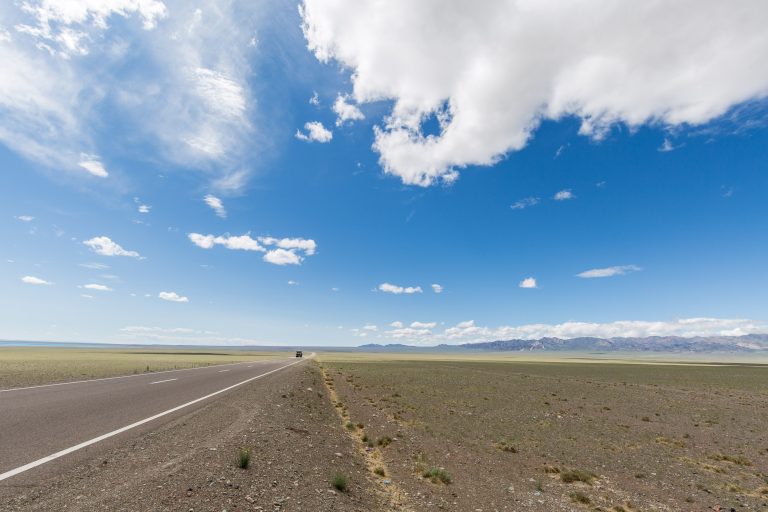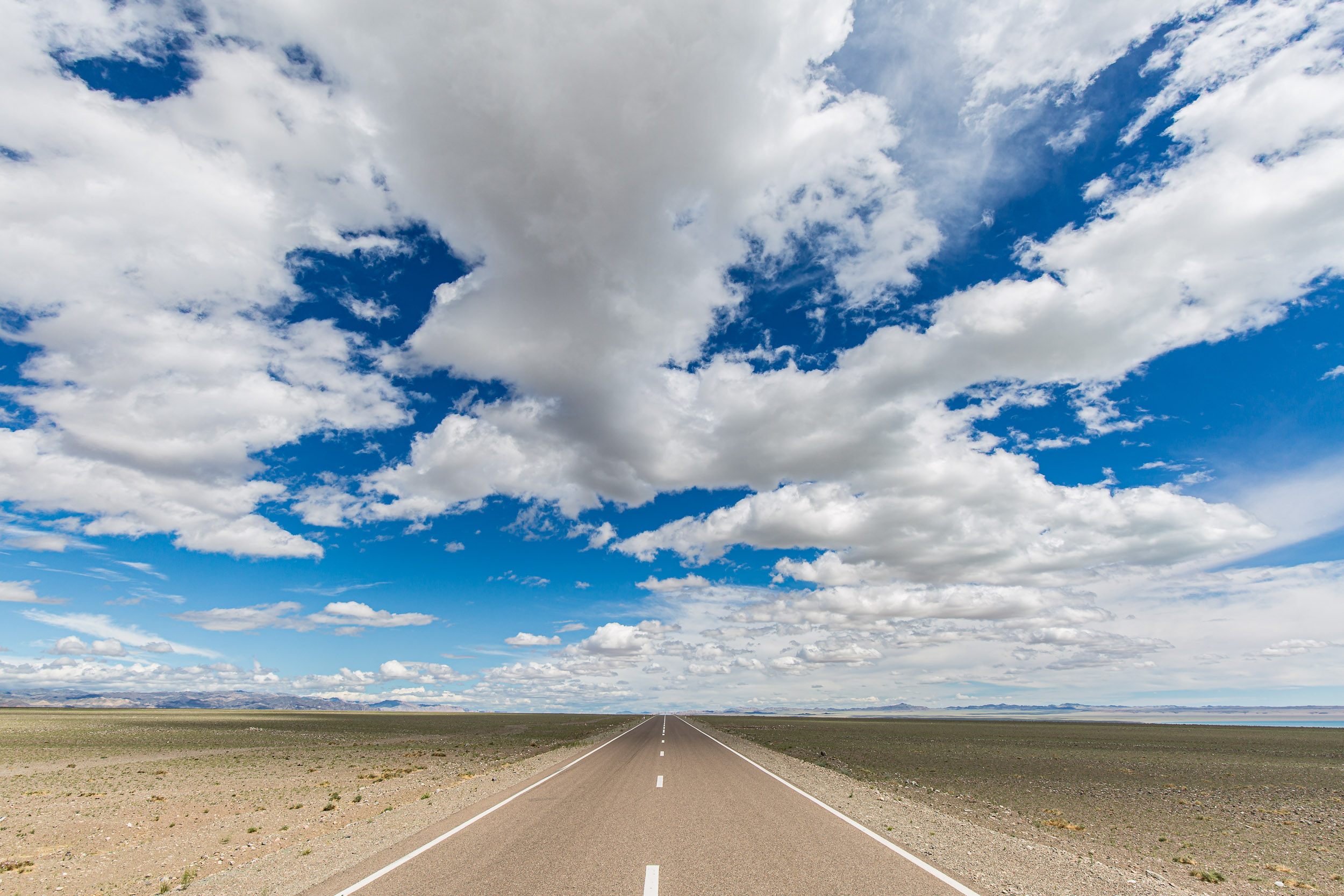
Khyargas Lake in Western Mongolia
Day 13 of 17 – Mongolia Road Trip
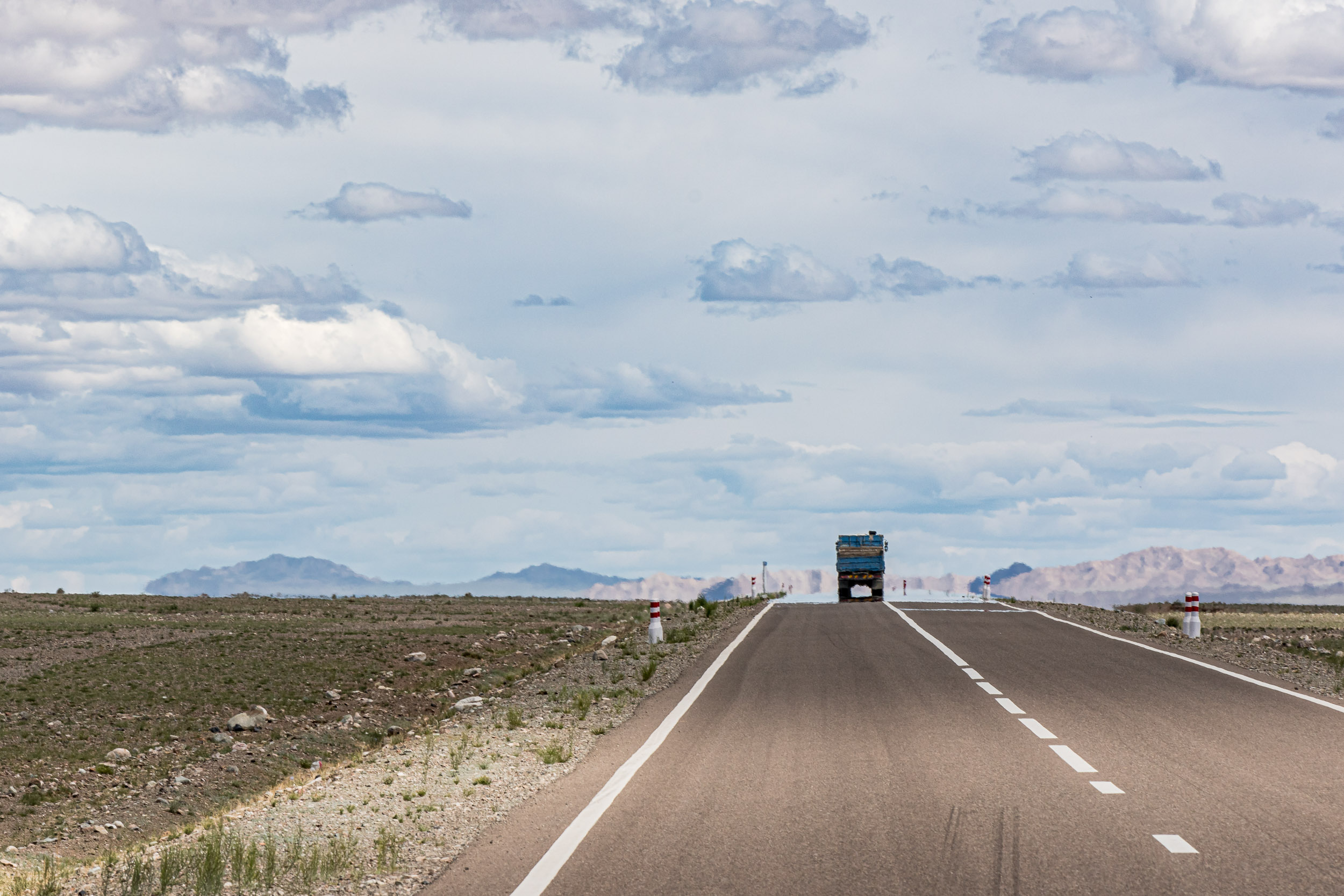
Today was another long driving day — a full journey across the vast plains of western Mongolia. The scenery remained expansive and beautiful, with endless horizons and distant mountain silhouettes guiding our route.
By late afternoon we arrived at Khyargas Lake, one of the largest lakes in Mongolia.
One of Mongolia’s Largest Lakes
Khyargas Lake is a saline lake, roughly twice as salty as the ocean. Despite its harsh conditions, it attracts migratory birds during the warmer months and is considered ecologically important.
We were slightly early in the season, however, and birdlife was limited during our visit.
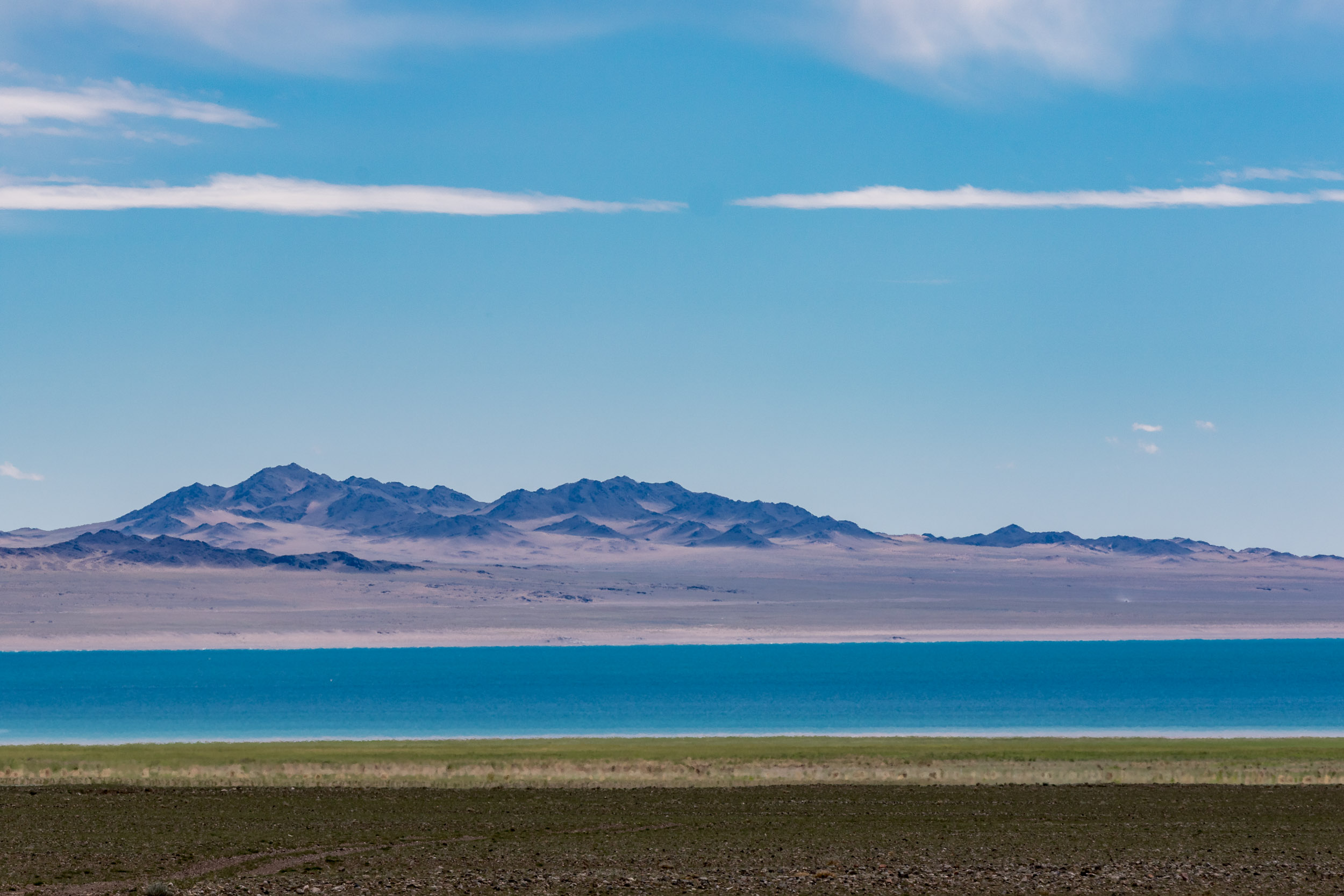
The shoreline felt stark and exposed. Unlike Telmen Lake, which offered soft grasslands and a peaceful camping atmosphere, Khyargas appeared more rugged and barren. The surrounding landscape lacked the charm we had experienced the previous evening.
After exploring briefly, we decided not to camp along the shore and instead continue toward a nearby village.
A Change of Plan
Originally, we had hoped to camp wild again, but fatigue from the long drive caught up with us. Without a tourist ger camp nearby and limited appealing camping spots, we opted for a very basic local guesthouse in a small village close to the lake.
It turned out to be the right decision.
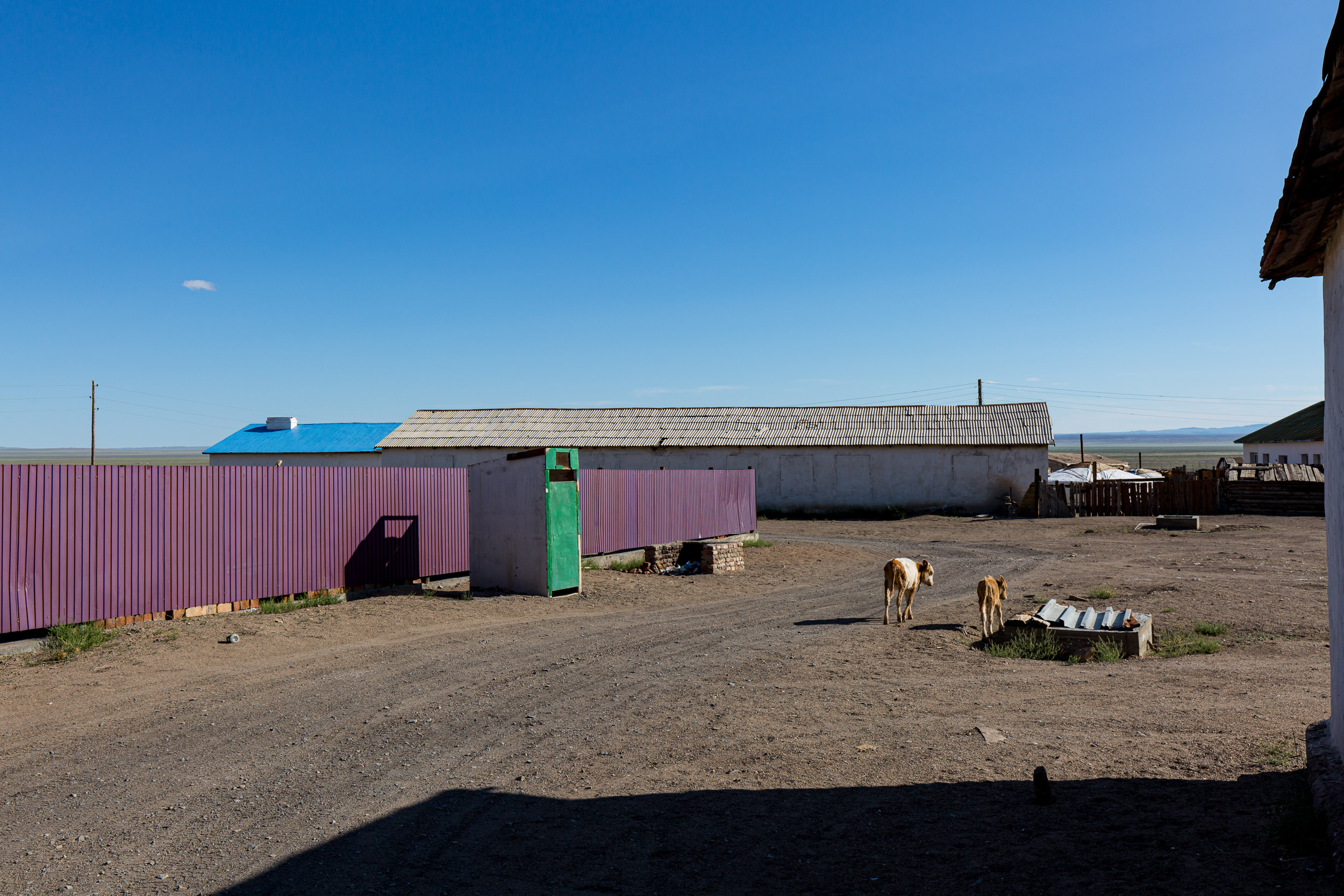
The simplicity of the guesthouse — modest, practical, and unpolished — offered a different kind of experience. For the first time on this journey, we spent real time wandering through a Mongolian village.
Village Life and Russian Influence
Walking through the settlement, the Russian influence was immediately noticeable — in architecture, layout, and general atmosphere. Low concrete buildings, faded paint, satellite dishes, and wide dusty streets gave the place a distinctly post-Soviet feel.
So far on our trip, we had mostly stayed with nomadic families or camped in the wild. Village life had remained somewhat abstract. Here, it felt tangible.
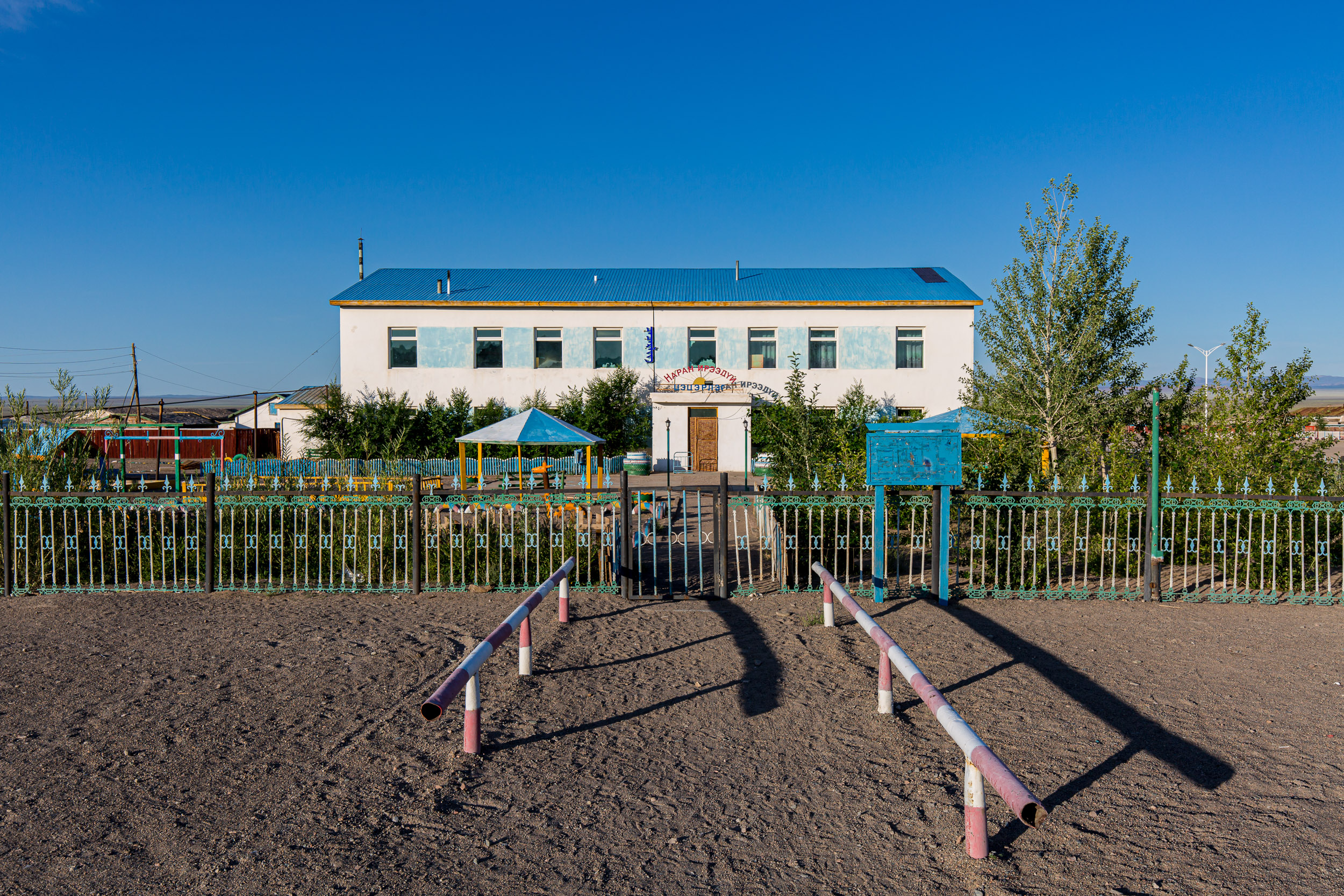
Children played outside, small shops operated quietly, and daily life unfolded at an unhurried pace. From the edge of the village, we could see the snow-capped Altai Mountains rising faintly in the distance — a striking contrast to the dry plains surrounding us.
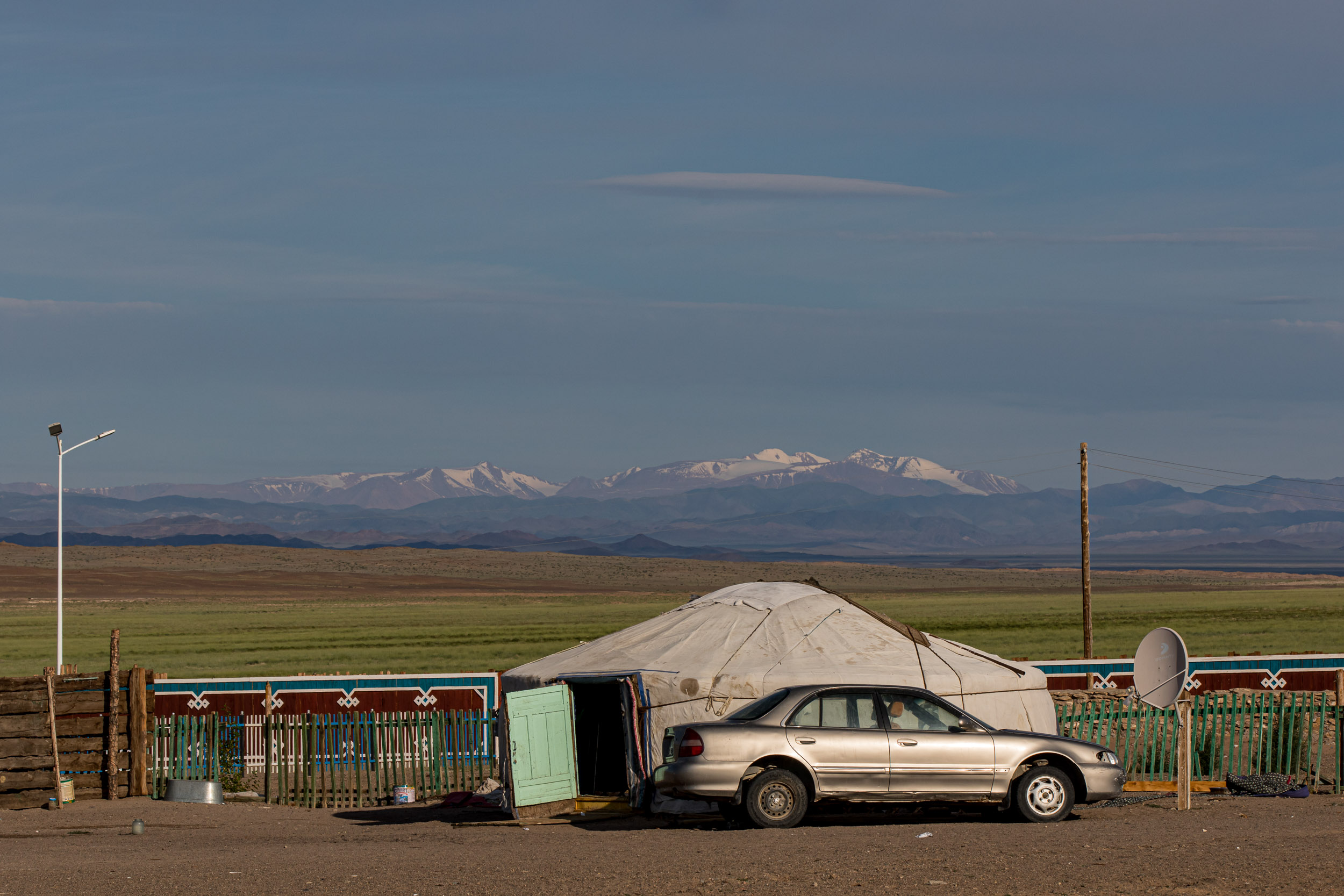
It wasn’t the most spectacular stop of the journey — but it added an important new layer to our understanding of Mongolia beyond the steppe.
The next day, we would continue toward Khar Us Lake.