Khar Us Lake National Park in Western Mongolia
Day 14 of 17 – Mongolia Road Trip
We left the small village near Khyargas early in the morning and reached Khar Us Lake by early afternoon. The drive was far more varied than the previous day — constantly changing scenery, open plains, scattered mountains, and herds moving across the steppe.
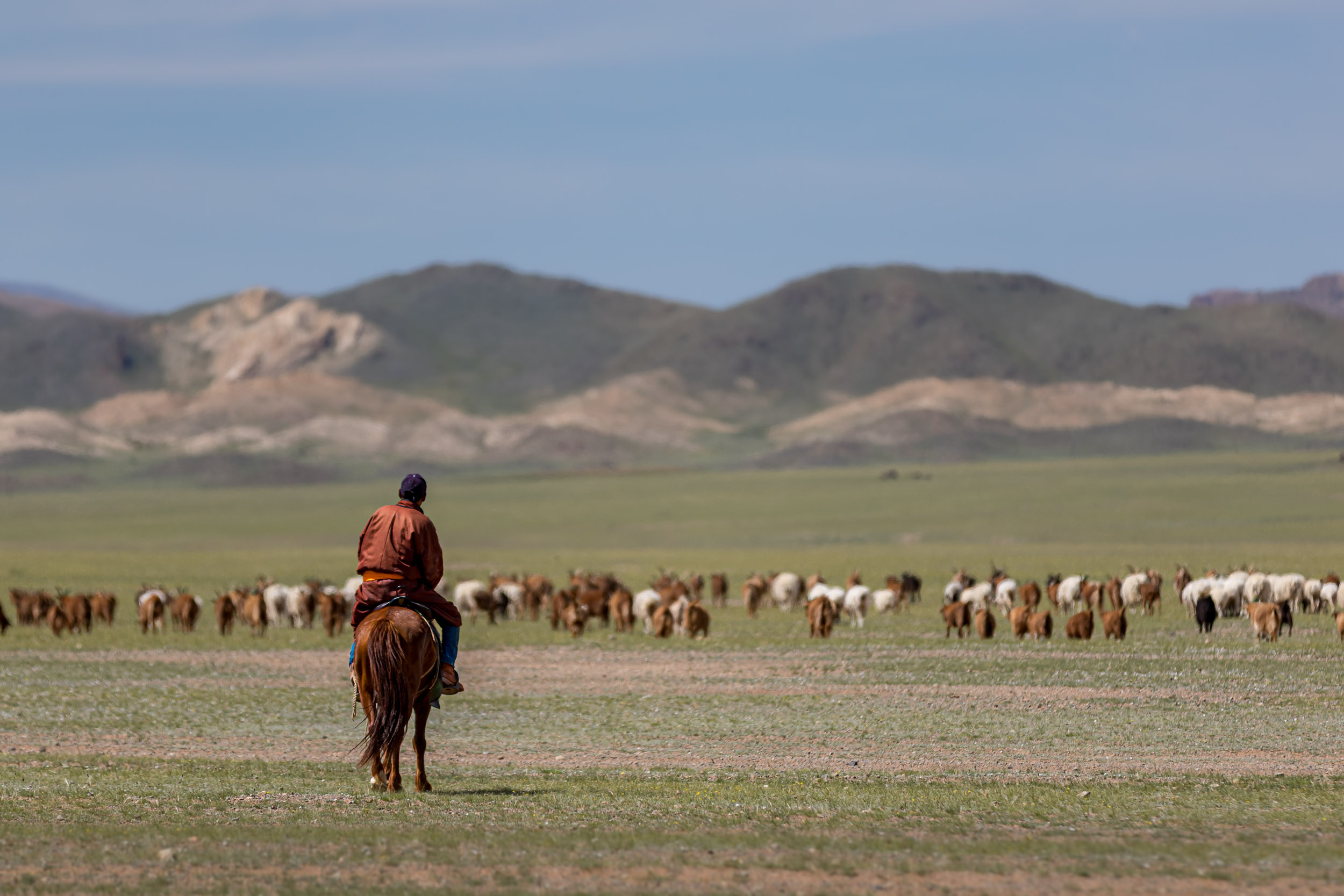
Several times we stopped along the way: first to watch a camel herder guiding his animals across dry ground, later to observe a sheep herder managing an impressive flock stretching far across the plains.
Western Mongolia felt vast and alive again.
A National Park of Wetlands and Reed Fields
Khar Us Lake, meaning “Black Water,” lies within a national park established in 1997 to protect its fragile ecosystem. Unlike the saline Khyargas Lake, Khar Us is freshwater and sits more than 1,100 meters above sea level.
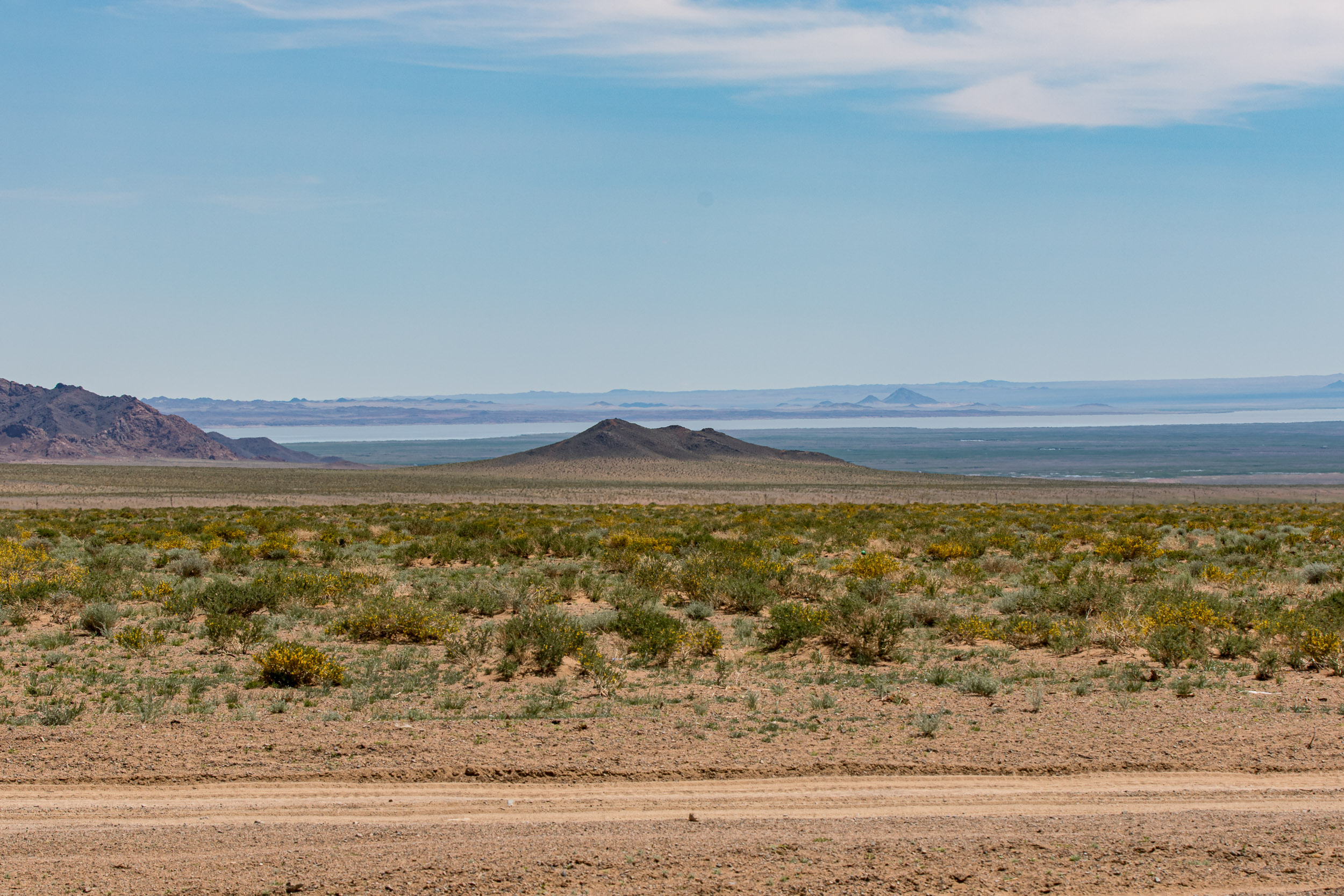
The park is known for its extensive wetlands and some of Asia’s largest reed beds, providing habitat for countless bird species and rare wildlife.
Among them is the Saiga antelope — one of the most unusual and endangered mammals in the world. They migrate through the park, though the areas where sightings are most common were too remote for us to reach. I had hoped for a glimpse, but it was not meant to be.
From Dry Plains to Green Wetlands
But the wetlands came with a challenge: mosquitoes and flies in overwhelming numbers. Within minutes, it became clear that staying near the water would be impossible. Even standing still for a moment turned into a battle.
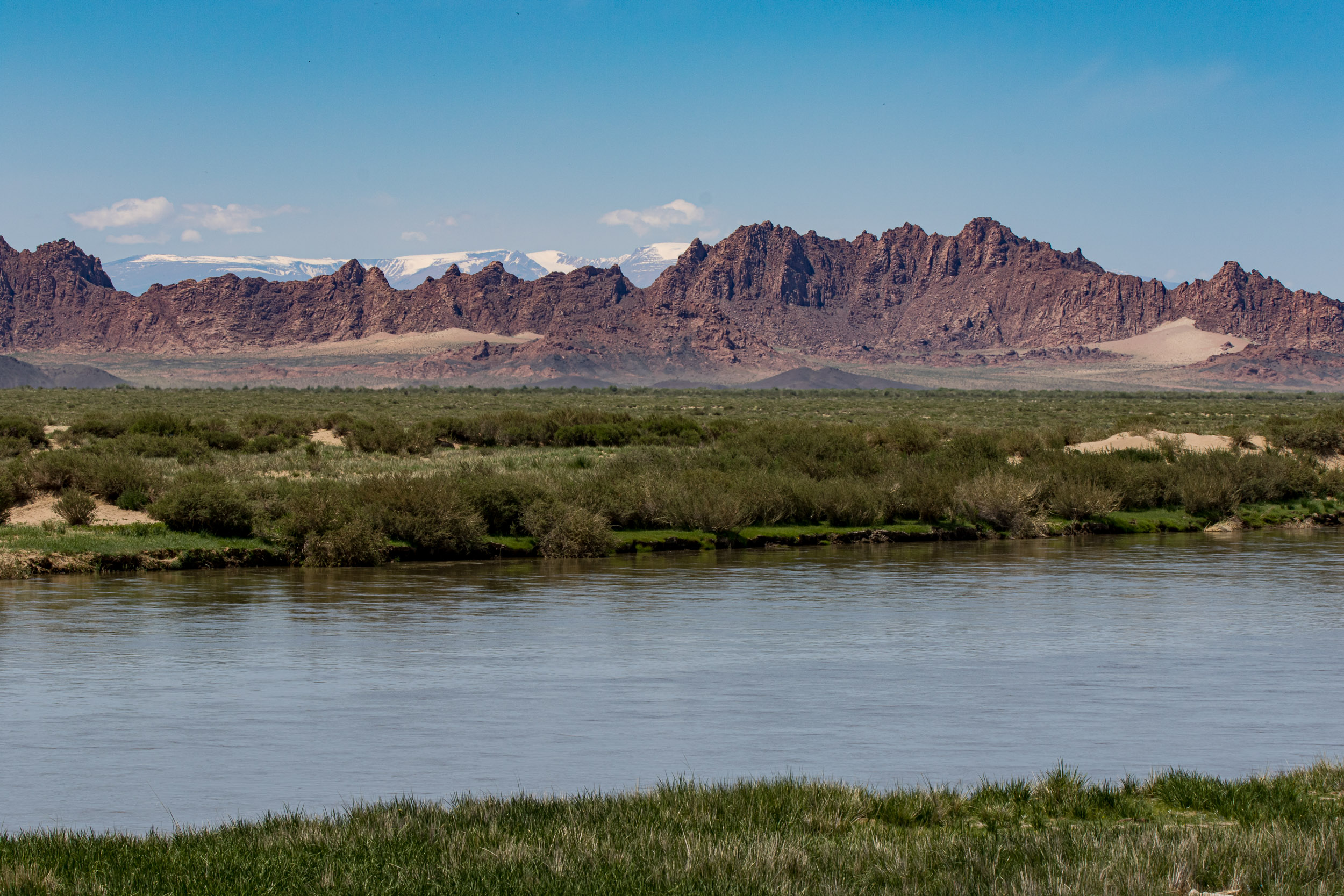
But the wetlands came with a challenge: mosquitoes and flies in overwhelming numbers. Within minutes, it became clear that staying near the water would be impossible. Even standing still for a moment turned into a battle.
Camping at the Foot of the Mountains
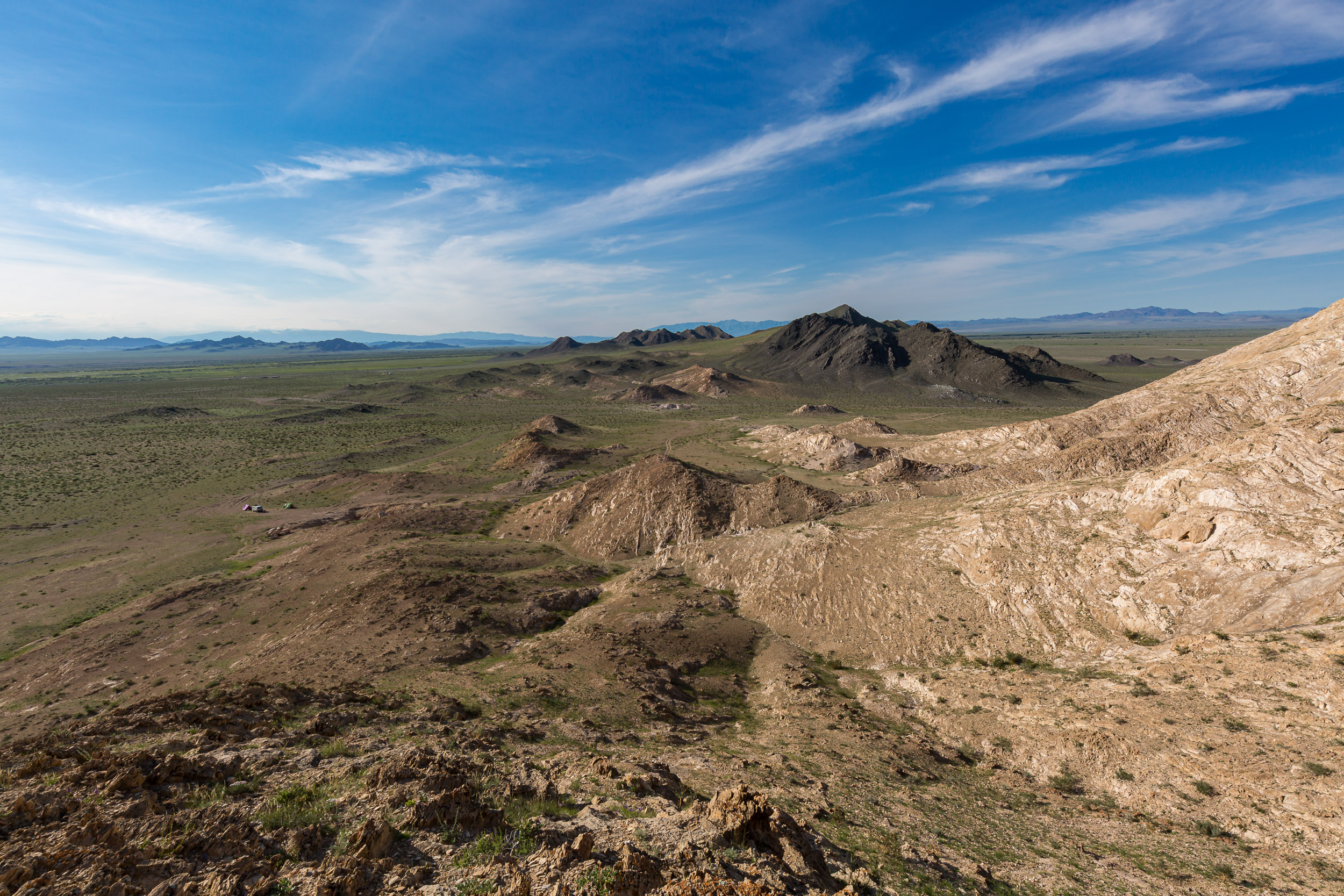
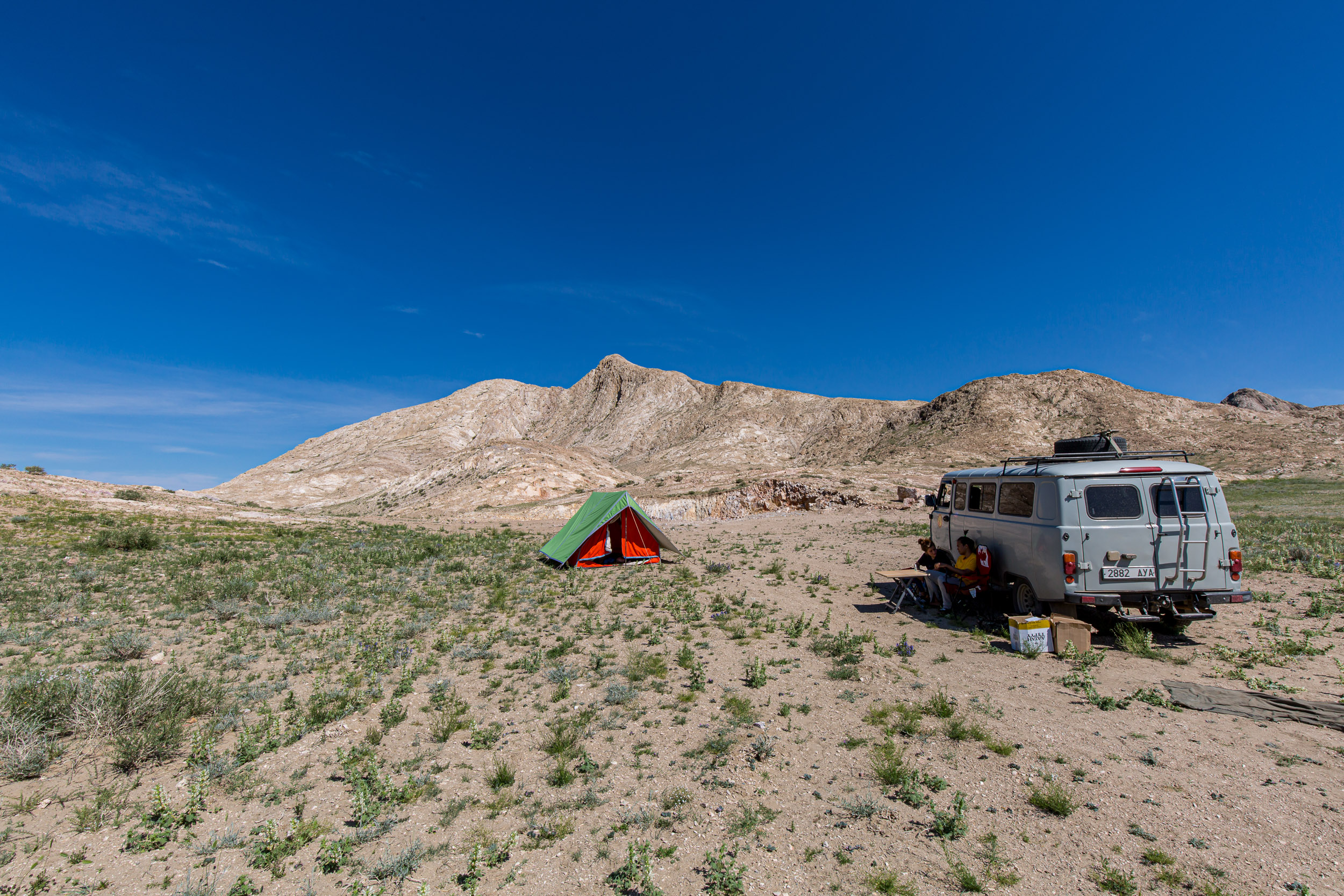
We retreated from the wetlands and searched for higher, drier ground. Eventually, we found a spot near the base of a few small mountains — far enough from the reeds to escape the worst of the insects.
It turned out to be an ideal compromise: open views across the plains, distant water shimmering below, and a quiet sense of isolation.
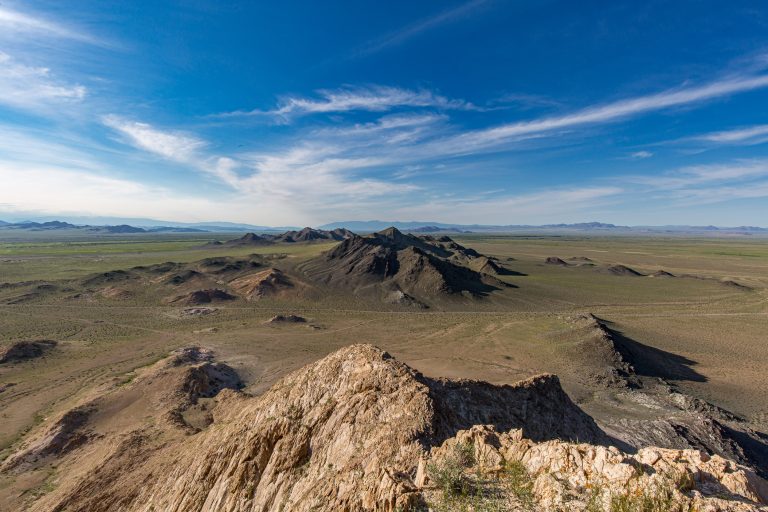
In the late afternoon, I climbed one of the nearby hills. From the summit, the perspective changed entirely — wetlands stretching in one direction, dry steppe fading into mountains in the other.
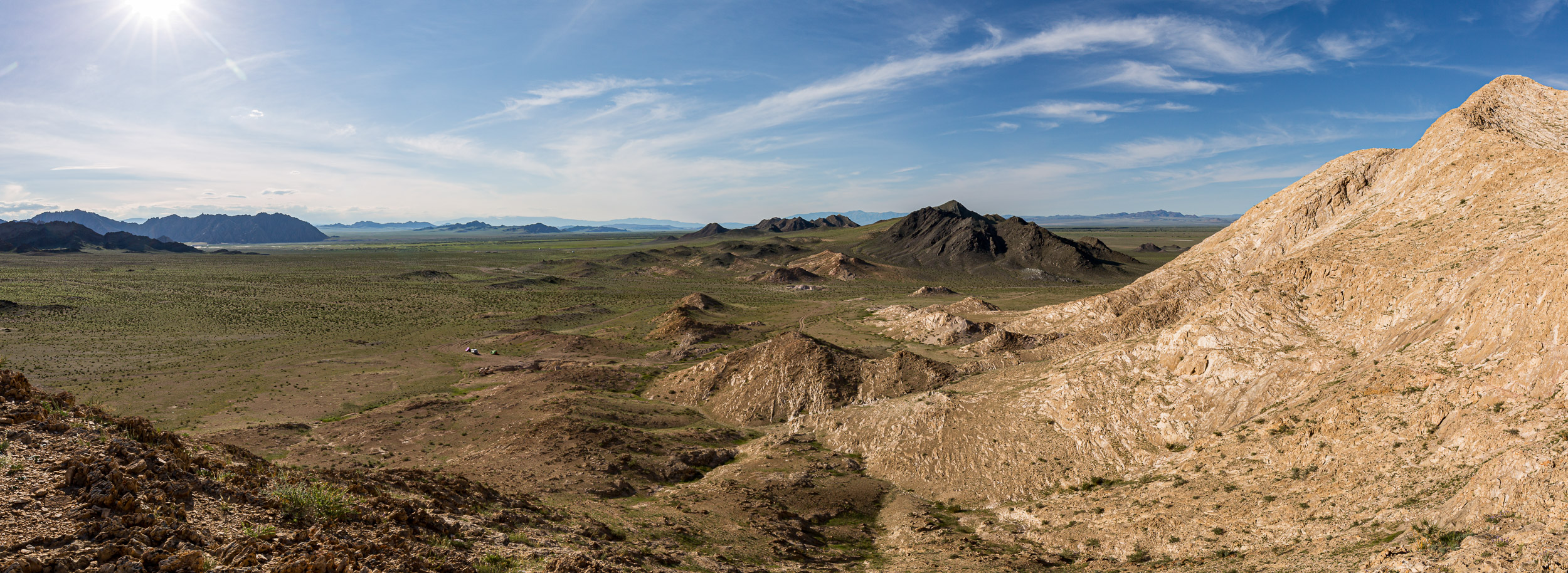
Khar Us felt raw and untamed — not polished, not easy, but undeniably wild.