Photography

INDONESIA — PHOTOGRAPHY

Islands, cultures and wildlife across the world’s largest archipelago

Indonesia stretches across more than seventeen thousand islands, forming the largest archipelago on Earth. From equatorial rainforests and volcanic mountains to coral reefs and remote island cultures, the country contains an extraordinary diversity of landscapes and traditions.

Across these islands, geography has shaped both ecosystems and cultures. Active volcanoes dominate many horizons, tropical forests support some of the richest biodiversity on the planet, and hundreds of ethnic groups maintain distinct traditions shaped by island life.

This site explores Indonesia through photography, documenting landscapes, wildlife and communities across several of the archipelago’s most remarkable islands.

Major Islands and Regions of Indonesia

Indonesia’s diversity is best understood through its islands, each shaped by different geological histories, ecosystems and cultural traditions.
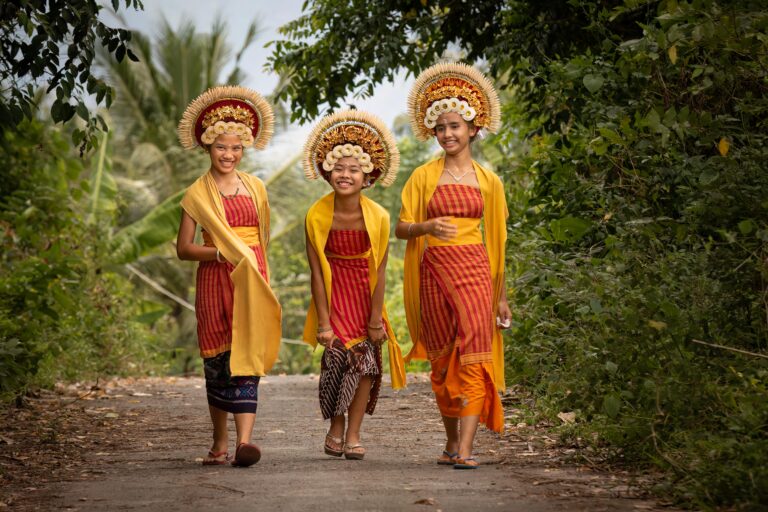
Girls in East Bali's Bungaya on their way to a temple ceremony
Bali
Bali combines volcanic landscapes with rich cultural traditions, where Hindu temples, terraced rice fields and coastal villages form one of Indonesia’s most distinctive cultural environments. Ceremonies, rituals and agriculture remain closely connected to daily life across the island.
ngada village bajawa flores indonesia
Flores
Flores is known for its dramatic volcanic terrain, traditional villages and proximity to Komodo National Park. The island forms part of the Lesser Sunda chain, where landscapes range from forested mountains to dry savannah hills.
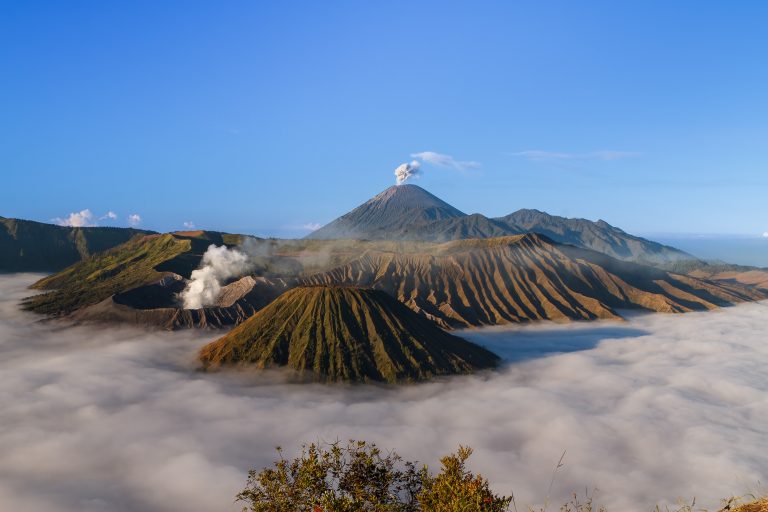
Bromo, Indonesia, Java
Java
Java is Indonesia’s political and cultural heartland, where volcanic landscapes, ancient temples and densely populated agricultural valleys shape everyday life. The island contains some of Indonesia’s most famous cultural landmarks alongside dramatic volcanic scenery.
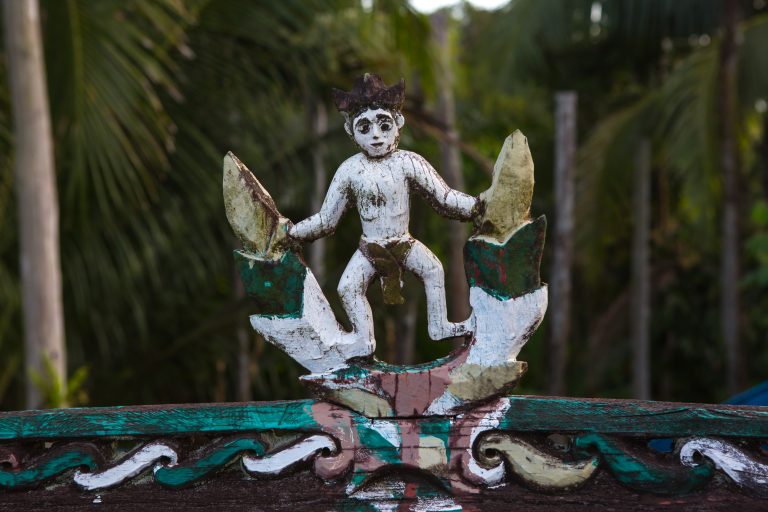
Culture, Dayak, Indonesia, Kalimantan, Tiwah, Tumbang Manggu
Kalimantan
Kalimantan forms the Indonesian part of Borneo and contains some of Southeast Asia’s largest remaining rainforests. These forests support remarkable wildlife including orangutans, proboscis monkeys and many endemic species.
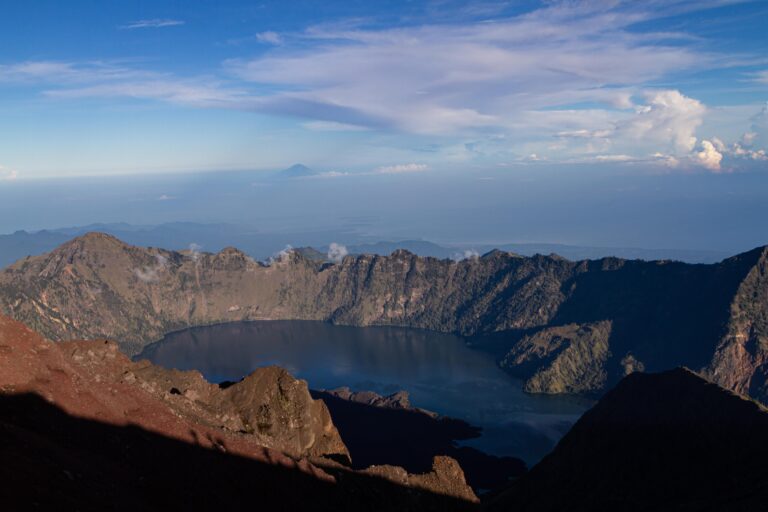
Mount Rinjani caldera lombok indonesia
Lombok
Located just east of Bali, Lombok offers quieter landscapes shaped by Mount Rinjani, traditional Sasak villages and scenic coastlines. The island combines volcanic mountains, rural agriculture and island life with access to the nearby Gili Islands.
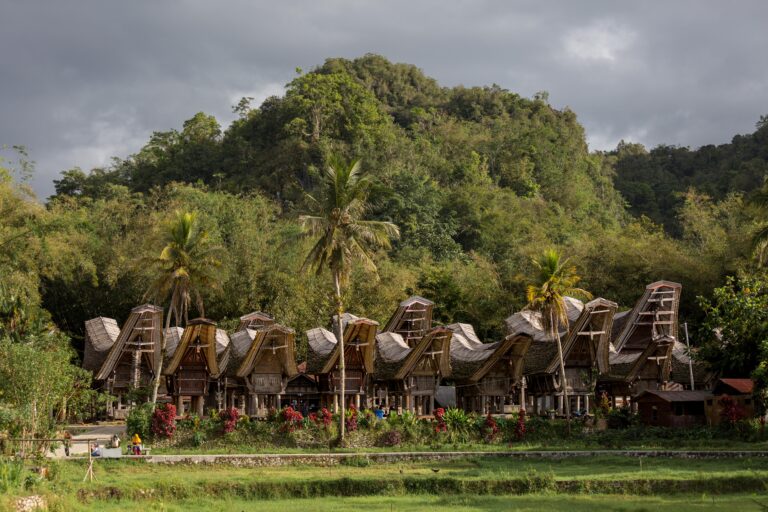
A traditional village with Tongkonans in Tana Toraja, Sulawesi, Indonesia
Sulawesi
Sulawesi’s unusual geography has produced extraordinary biodiversity and cultural diversity. Its mountainous interior and complex coastline are home to distinctive wildlife and traditions such as those of the Toraja highlands.
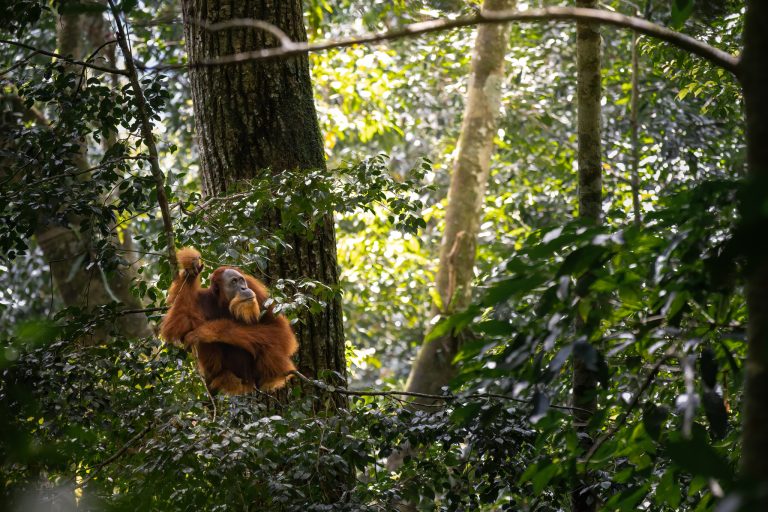
Orang Utan Gunung Leuser Sumatra Indonesia
Sumatra
Sumatra is one of Indonesia’s largest islands, known for vast tropical rainforests, remote indigenous communities and remarkable wildlife. National parks across the island protect endangered species such as orangutans, tigers and elephants, while places like Siberut Island preserve traditional forest cultures.
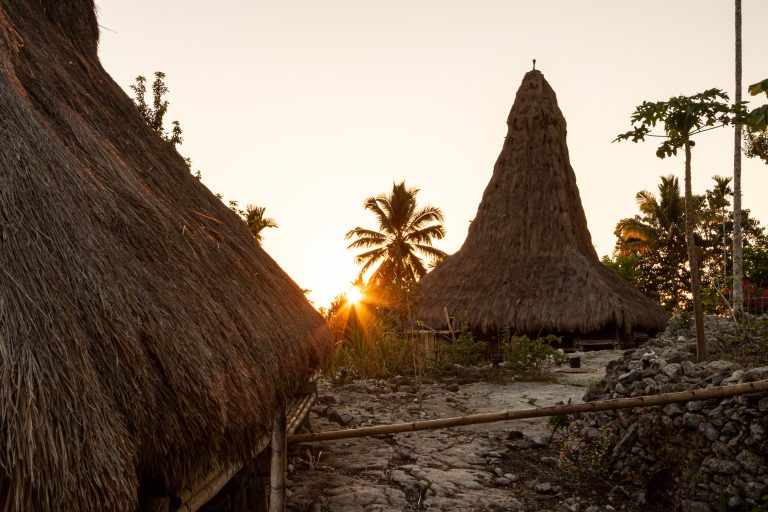
Indonesia, Sumba
Sumba
Sumba remains one of Indonesia’s most culturally distinctive islands, known for traditional villages, megalithic tombs and strong ancestral traditions. Rural landscapes of savannah hills and small farming communities define much of the island.
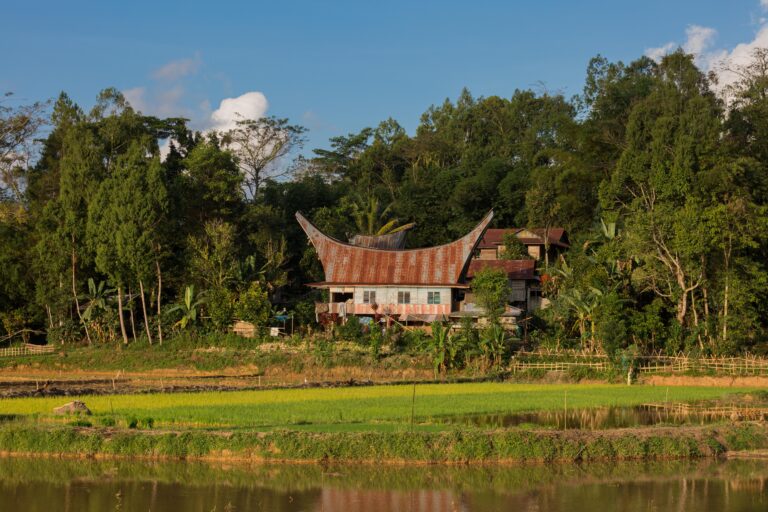
A traditional Tongkonan house in Tana Toraja, on the island of Sulawesi, Indonesia
Tana Toraja, Sulawesi
Tana Toraja lies in the mountainous highlands of southern Sulawesi and is known for its distinctive ancestral culture and dramatic landscapes. Traditional tongkonan houses, cliffside burial sites and elaborate funeral ceremonies remain central to Toraja society.

Exploring Indonesia Through Photography

The galleries and stories on this site follow journeys across different regions of Indonesia, from the rainforests of Sumatra and Borneo to the volcanic landscapes of Java and the cultural traditions of eastern Indonesian islands.

Each island reveals a different character of the archipelago. Some regions are defined by dense jungle and wildlife, while others are shaped by volcanic mountains, coastal landscapes and long-standing cultural traditions.

Together these galleries present Indonesia not as a single destination, but as a vast collection of landscapes, cultures and ecosystems spread across thousands of islands.