Khovd in Western Mongolia
Day 15 of 17 – Mongolia Road Trip
We left our camp near Khar Us Lake a little later than usual, enjoying one final slow morning in the vast wilderness of western Mongolia. After nearly two weeks of desert, steppe, wetlands and lakes, it felt strange to know we were heading toward a city again.
Khovd was only a few hours away, and we made sure to stretch the journey.
Springs, Lakes and Final Stops
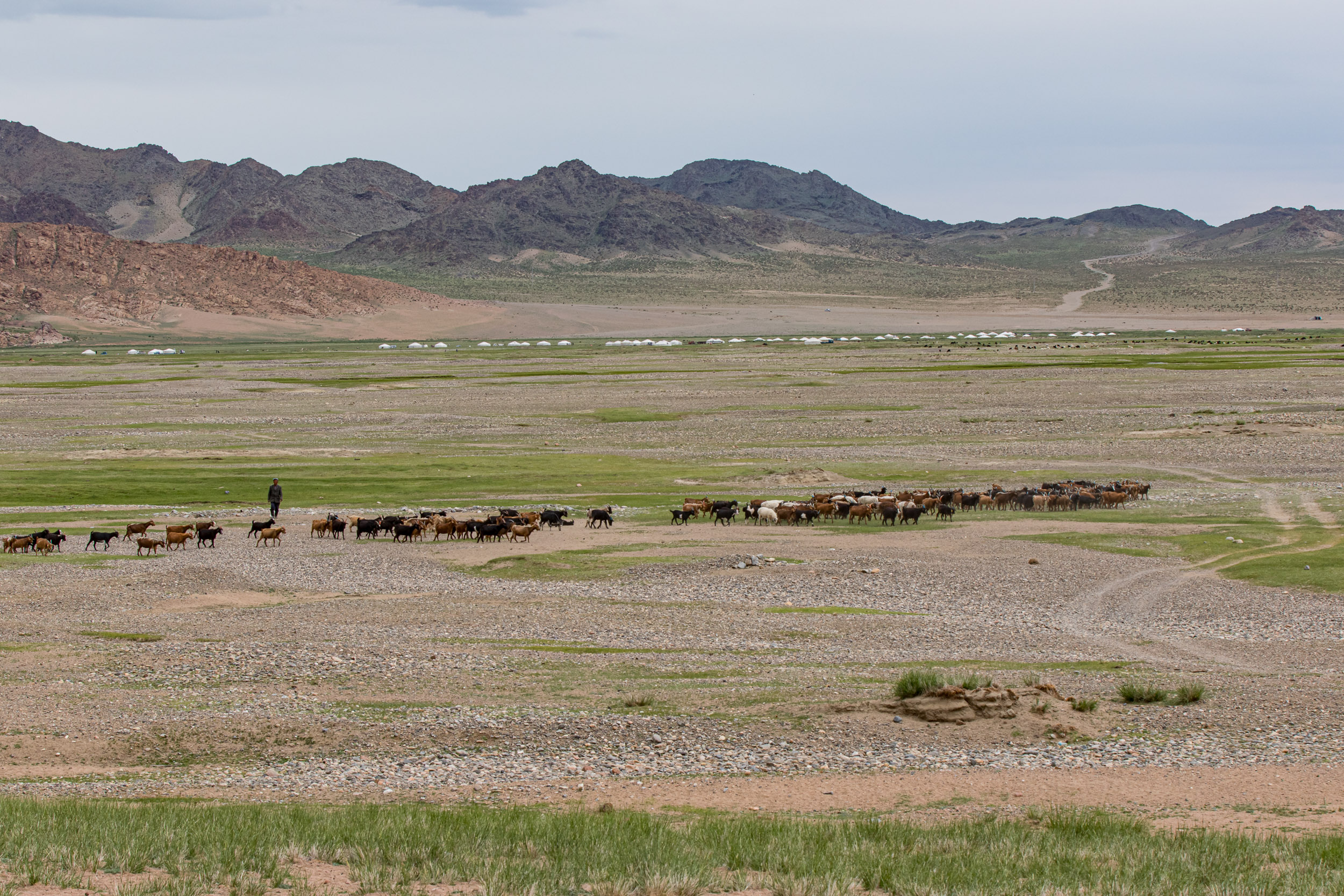
Not far from our campsite, we stopped at a natural spring known for its crystal-clear drinking water and supposed healing powers. Whether or not it truly heals, it was some of the freshest water we had tasted on the trip.
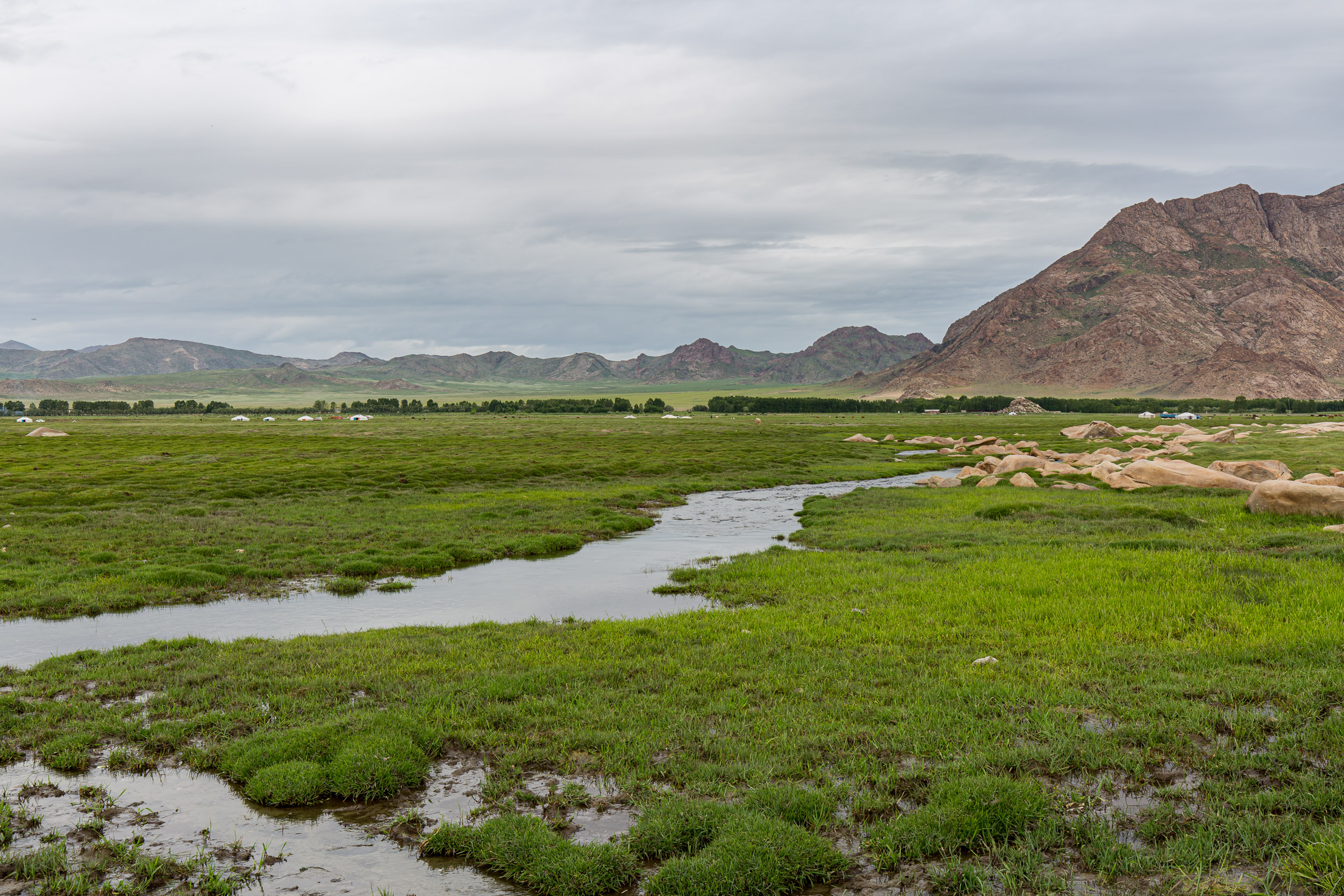
Further along the road, we paused again at a small lake for birdwatching. After days in remote landscapes, it felt fitting to end the wilderness portion of our journey quietly — scanning the shoreline and simply taking in the scenery one last time.
Arrival in Khovd
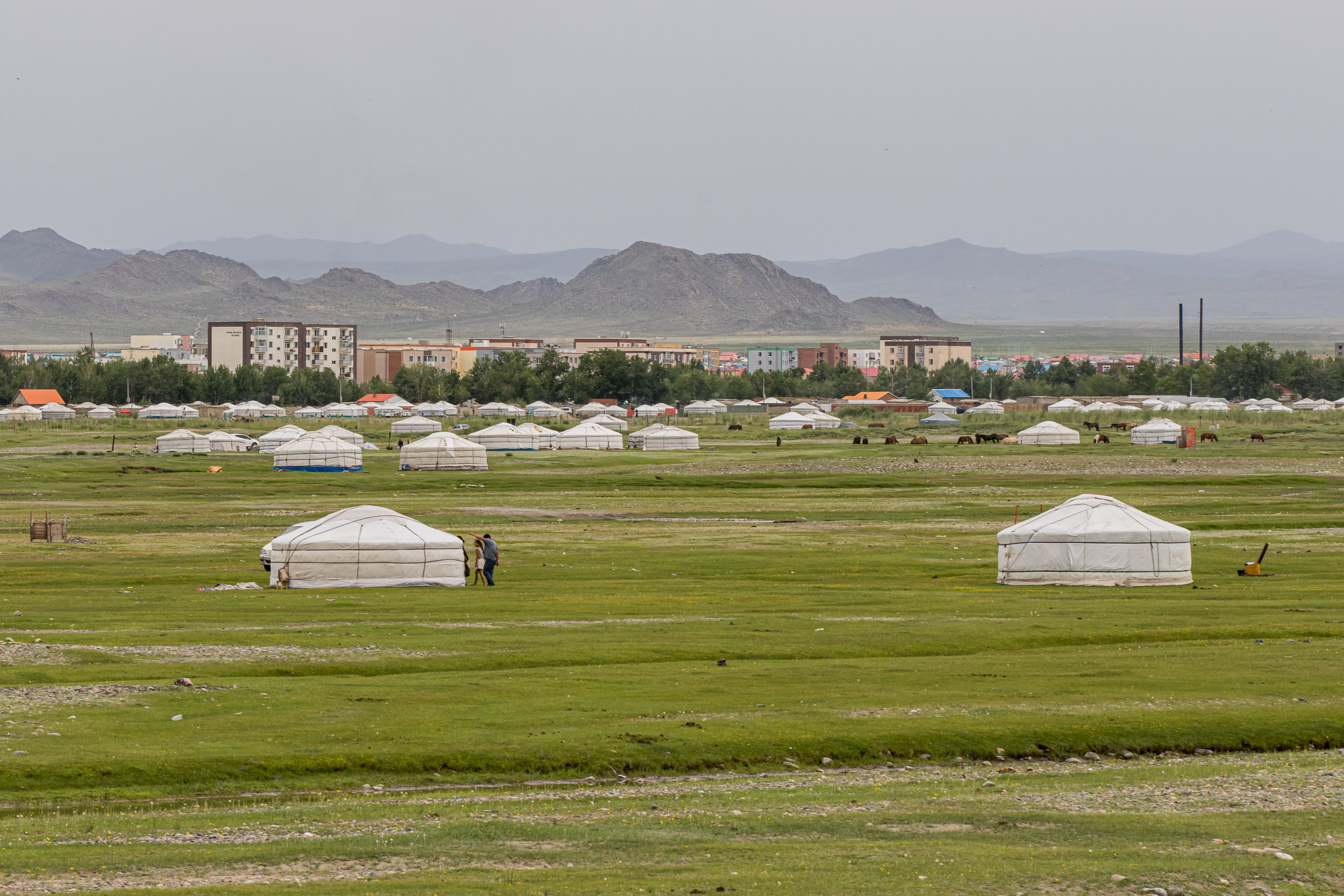
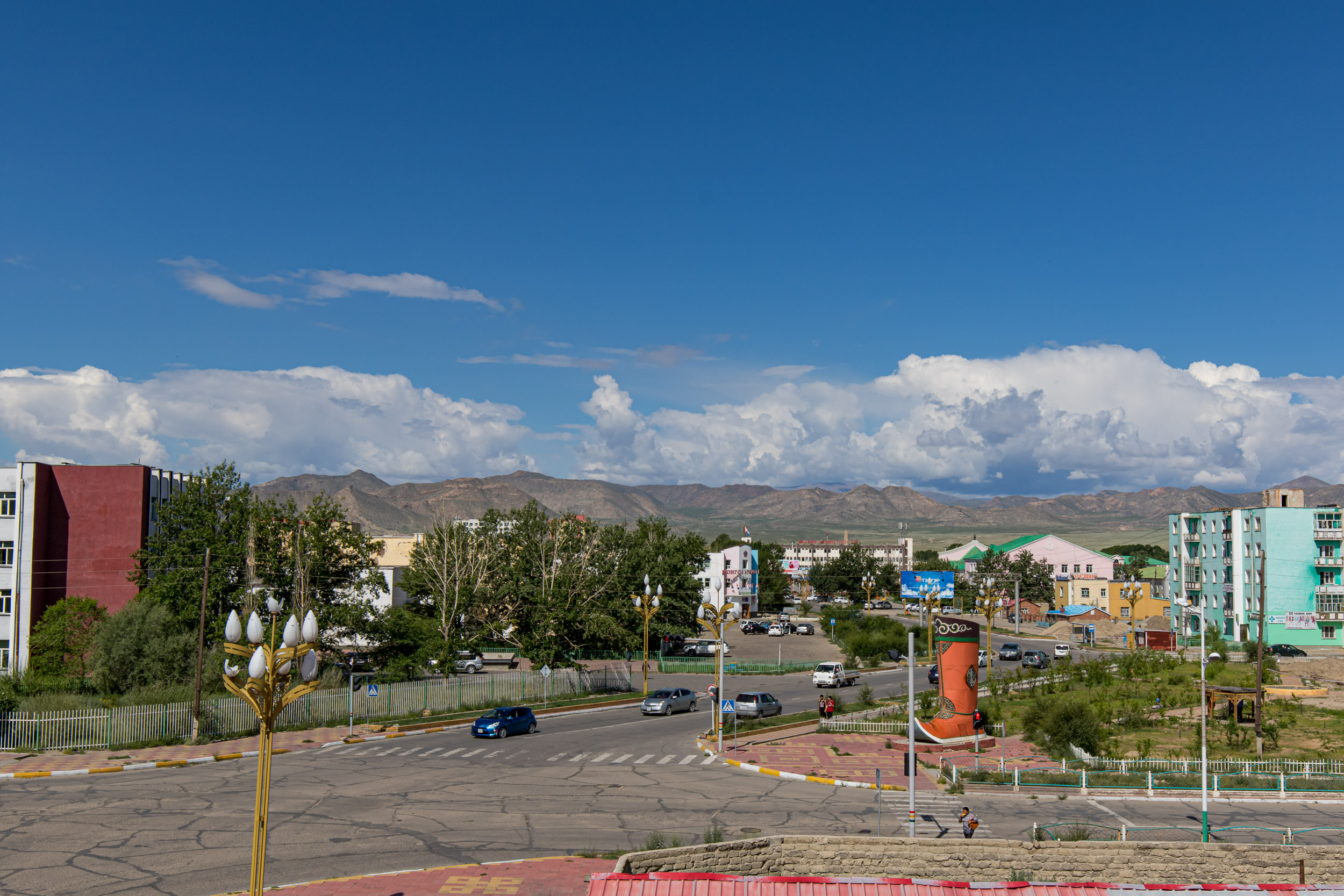
We reached Khovd by mid-afternoon. Officially, it is the largest city in western Mongolia and the second-largest in the country. To us, after coming from Indonesia and larger Asian cities, it felt more like a modest provincial town.
Khovd lies against the dramatic backdrop of the snow-capped Altai Mountains, immediately reminding you that this region is different from central Mongolia. The population here is ethnically diverse, home to various nomadic tribes and cultural groups.
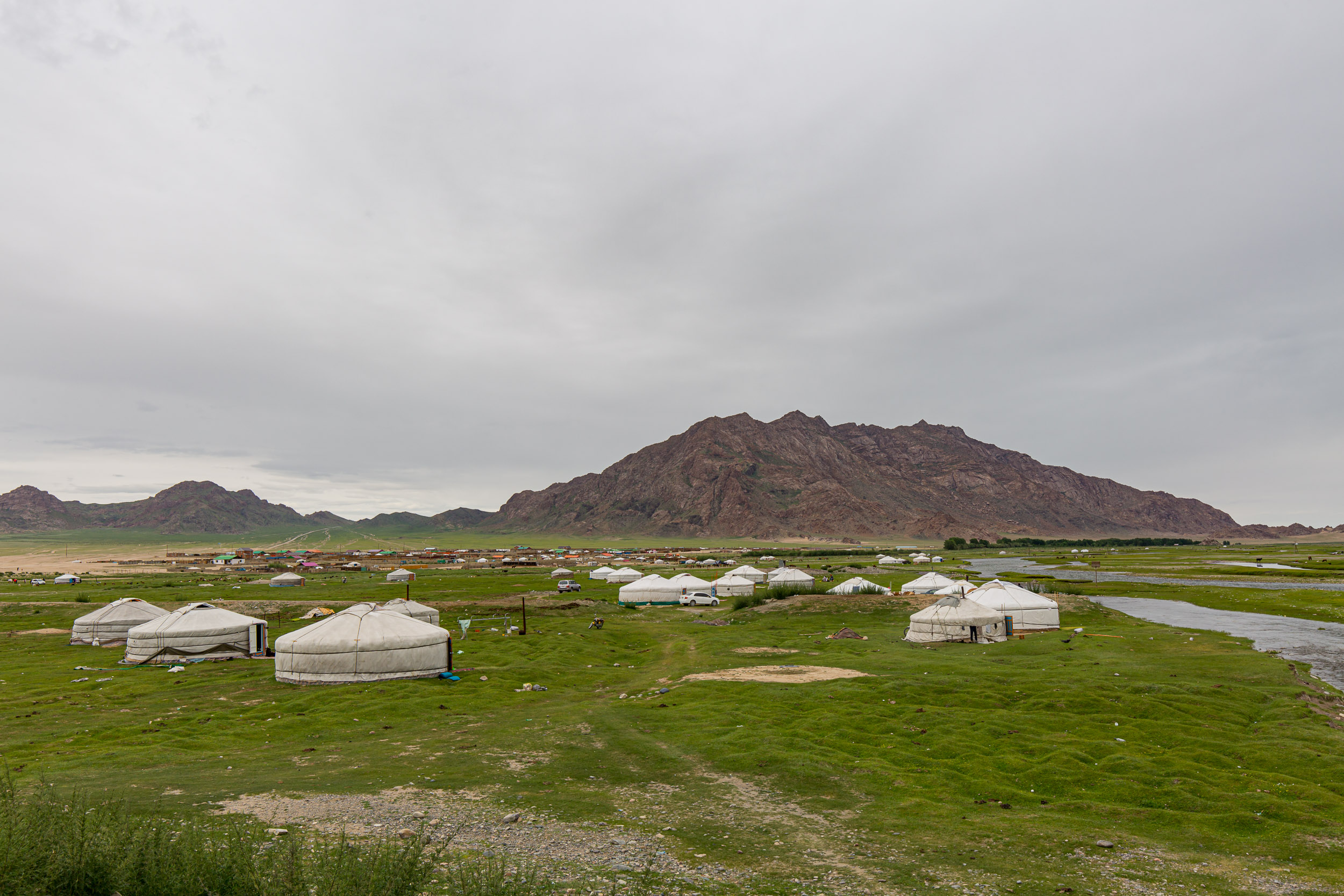
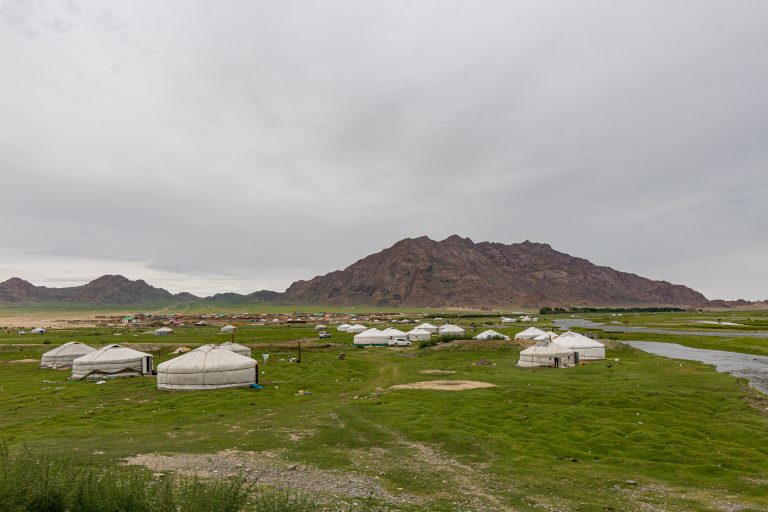
What surprised me most was the number of gers scattered across and around the city. Many nomadic families have gradually settled closer to urban centers, giving up parts of their traditional migratory lifestyle. Yet for economic reasons, they often continue to live in ger districts rather than permanent houses. Even within city limits, the circular white tents remain a defining feature of the Mongolian landscape.
That evening, our guide arranged a special farewell: a traditional singer came to our hotel for a private performance of khöömei, Mongolia’s famous throat singing. Producing multiple tones simultaneously, the deep, resonating sound felt both ancient and haunting. He accompanied himself on a traditional string instrument — a tovshuur — adding rhythmic depth to the performance.
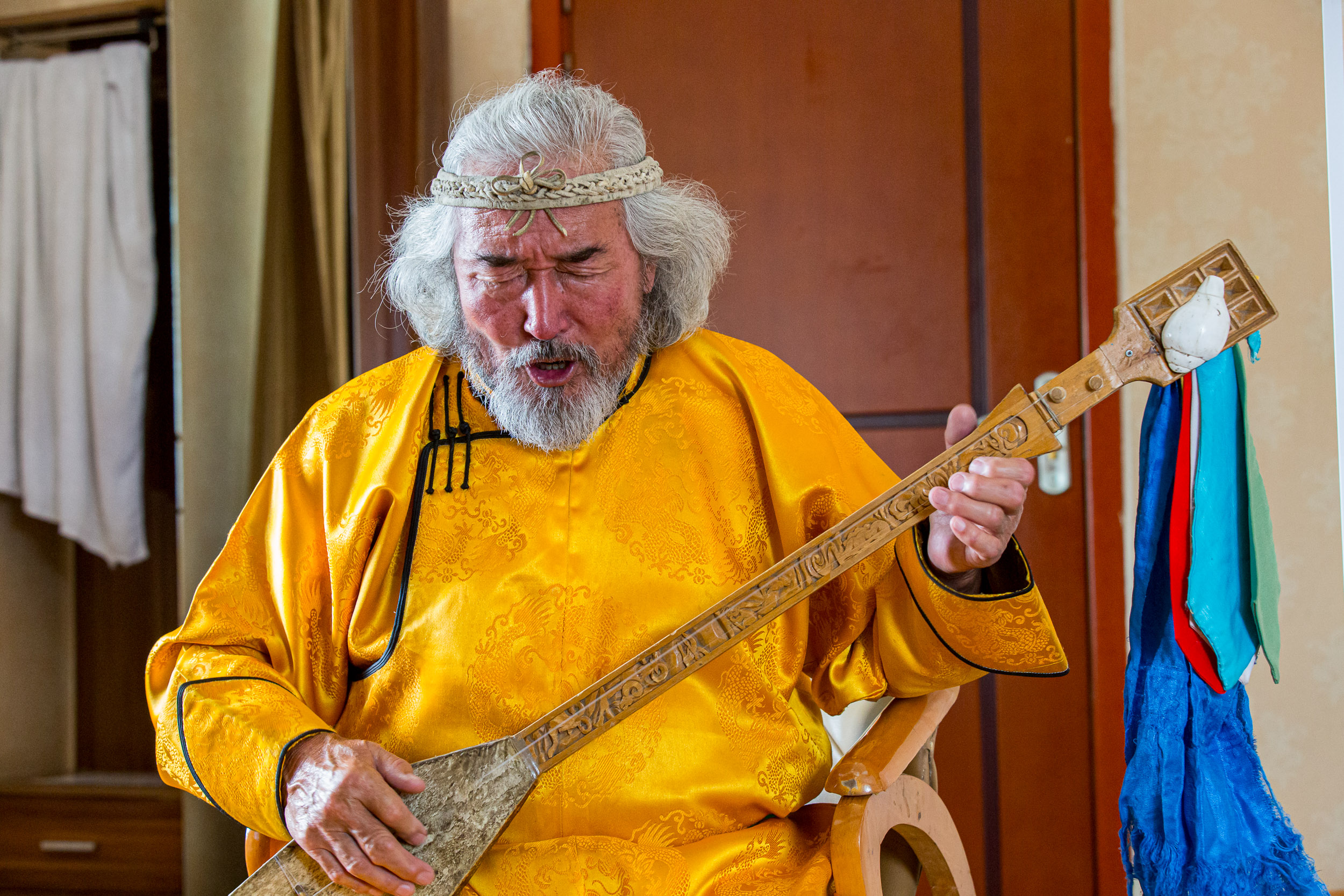
It was an intimate and powerful way to end our journey through western Mongolia.
After weeks of sleeping in gers and tents, checking into a hotel again felt almost unfamiliar.
Gateway to the Altai
Khovd is the main hub for exploring the Altai Mountains — one of Mongolia’s wildest and most remote regions. The area is home to rare wildlife such as the Altai argali (wild sheep), Siberian ibex and even the elusive snow leopard.
It is also a cultural crossroads, where different ethnic nomadic communities continue traditions that date back centuries.
We had reached the end of this journey — but not the end of western Mongolia. The Altai remains unfinished business.
I will be back.
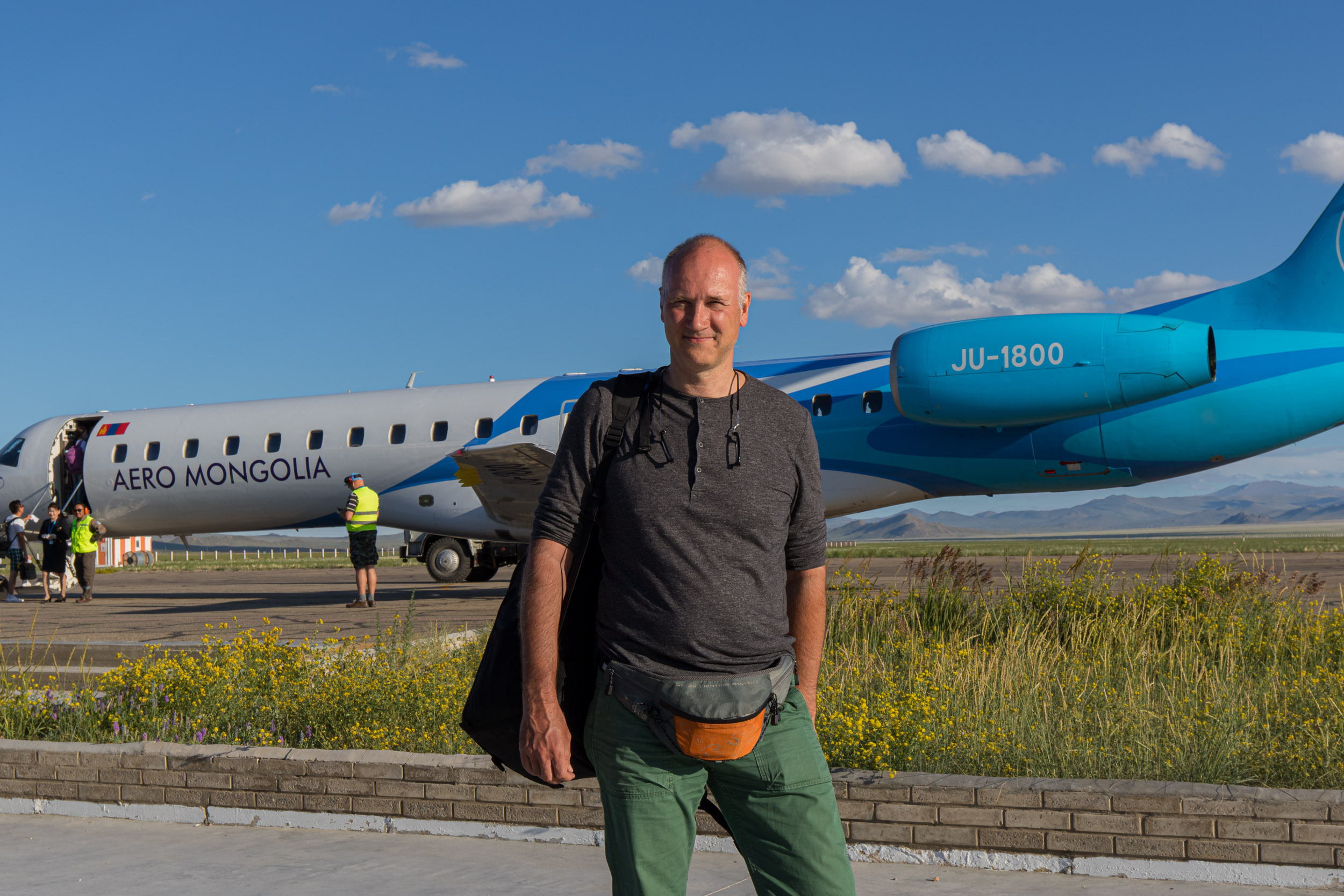
The next morning, we flew to Ulaanbaatar, spent one final night near the airport, and then began the long journey home to Bali via Hong Kong.
I hope you enjoyed this trip report!
Toine IJsseldijk