Java is one of Indonesia’s most dynamic islands, where volcanic landscapes, ancient temples and living cultural traditions shape a remarkably diverse environment. From the smoking crater of Mount Bromo and the turquoise lake of Kawah Ijen to traditional villages in West Java and historic temple complexes in Central Java, the island offers an extraordinary range of landscapes and cultures within a relatively compact area.
— Photo Galleries — Java
visual collections
Culture & Traditions
Java’s cultural landscapes are shaped by centuries of history, religion and tradition. Ancient temples, traditional villages and urban celebrations reveal how culture continues to influence everyday life across the island.
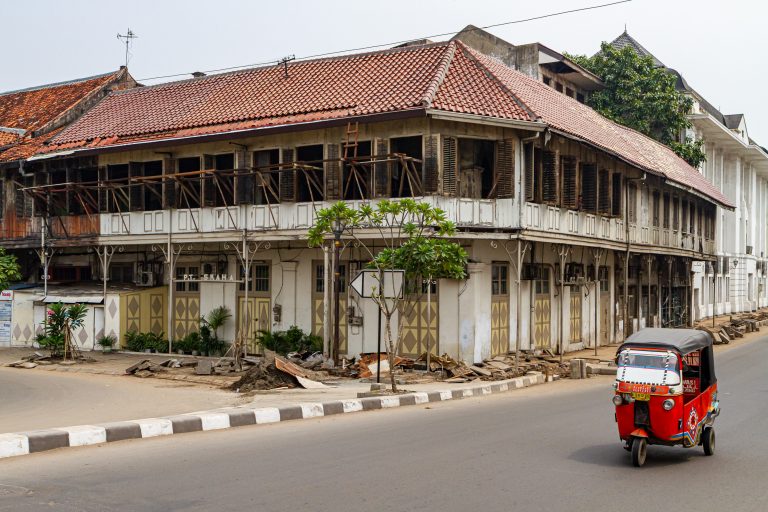
Chinatown - Kota, Jakarta
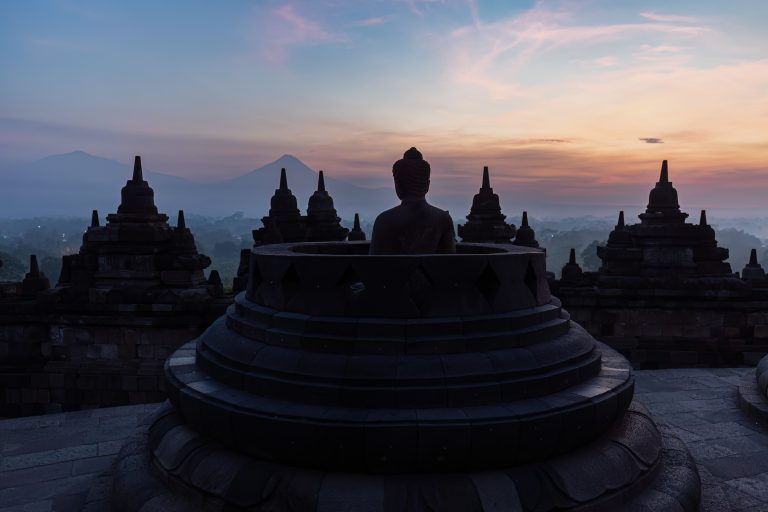
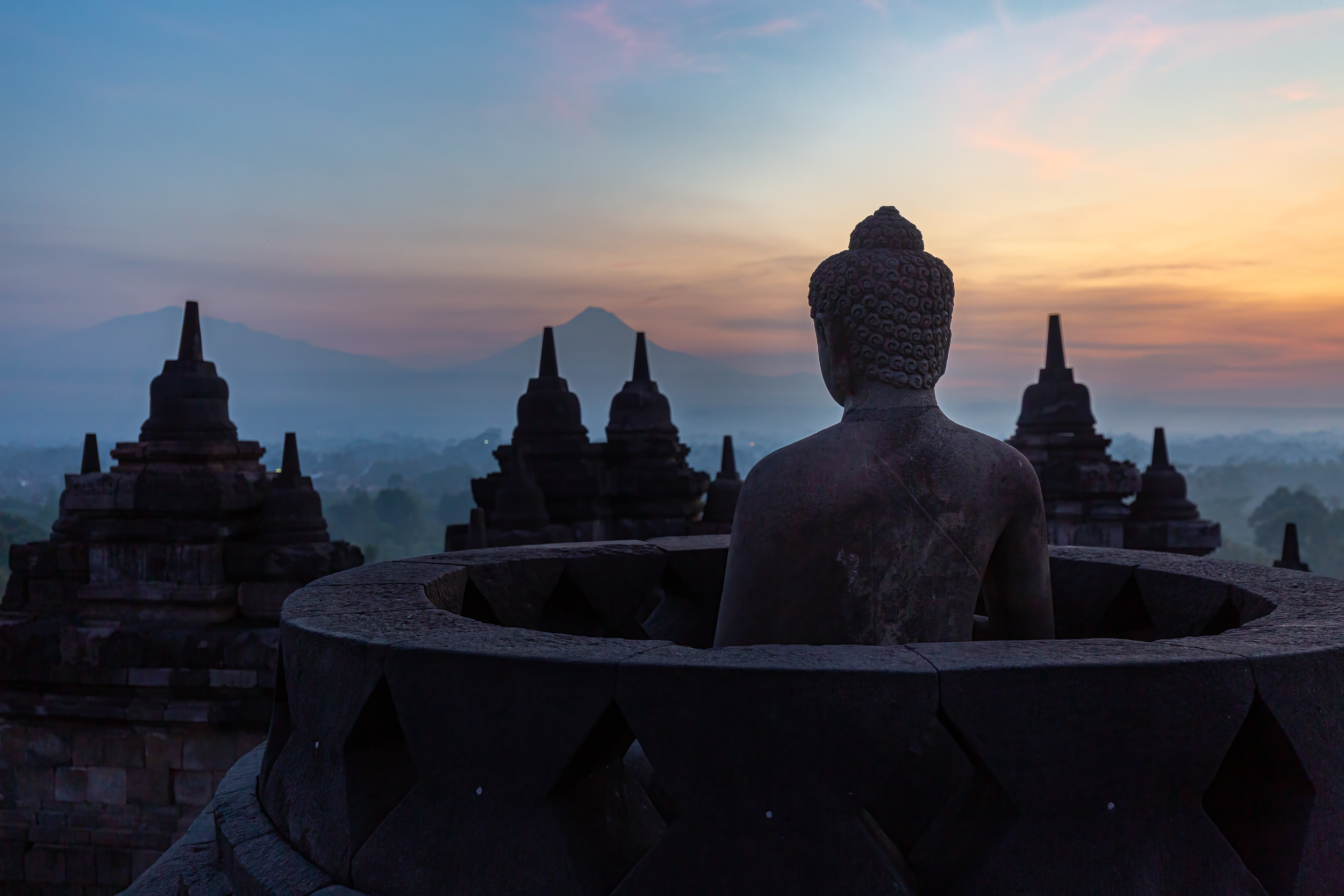
Borobudur - Central Java
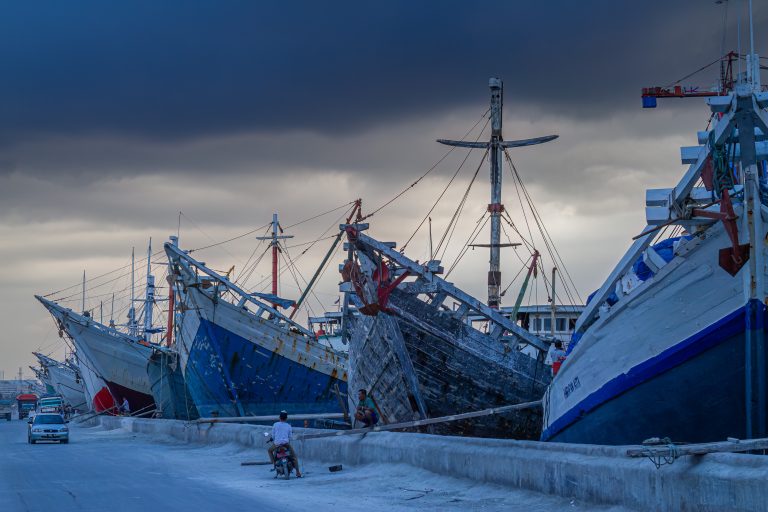
Sunda Kelapa - Kota, Jakarta
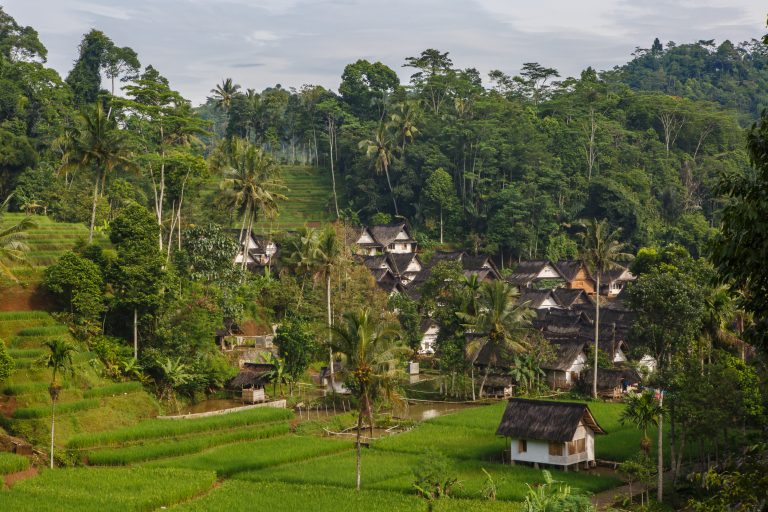
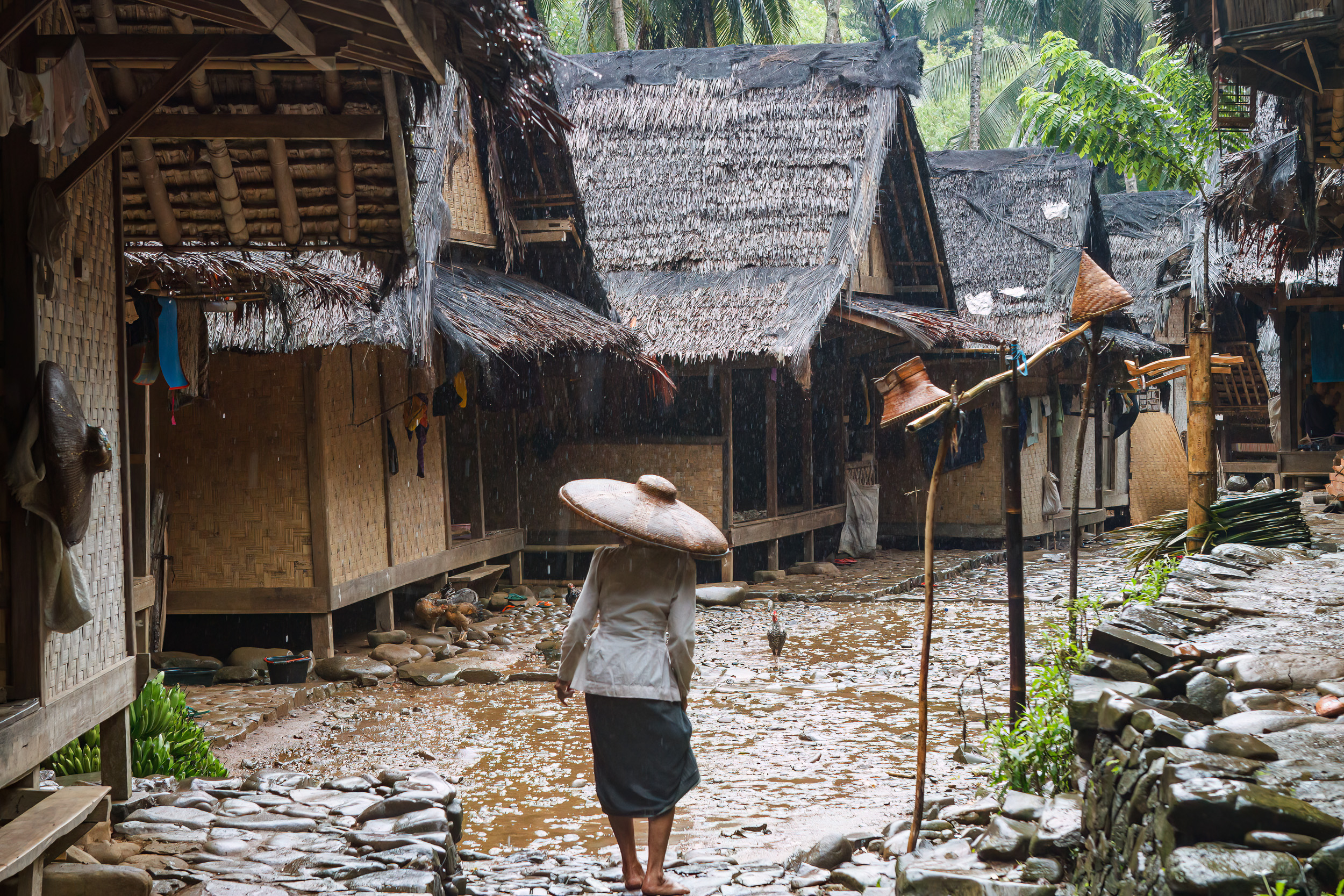
Kampung Naga - Garut, West Java
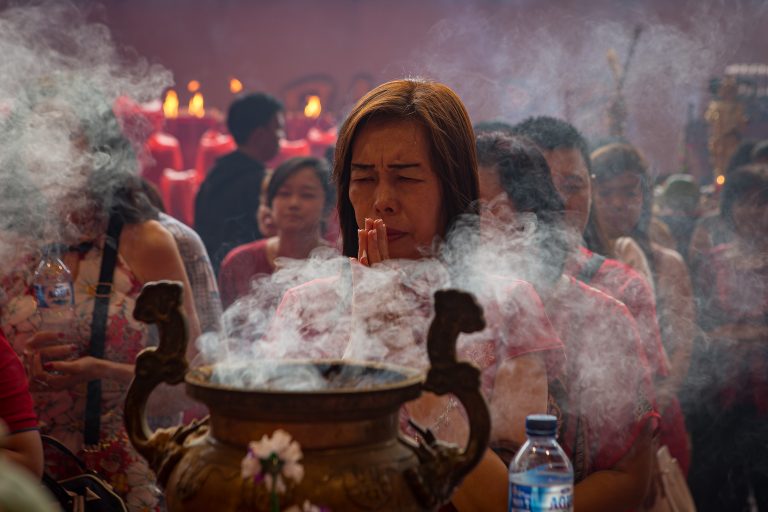
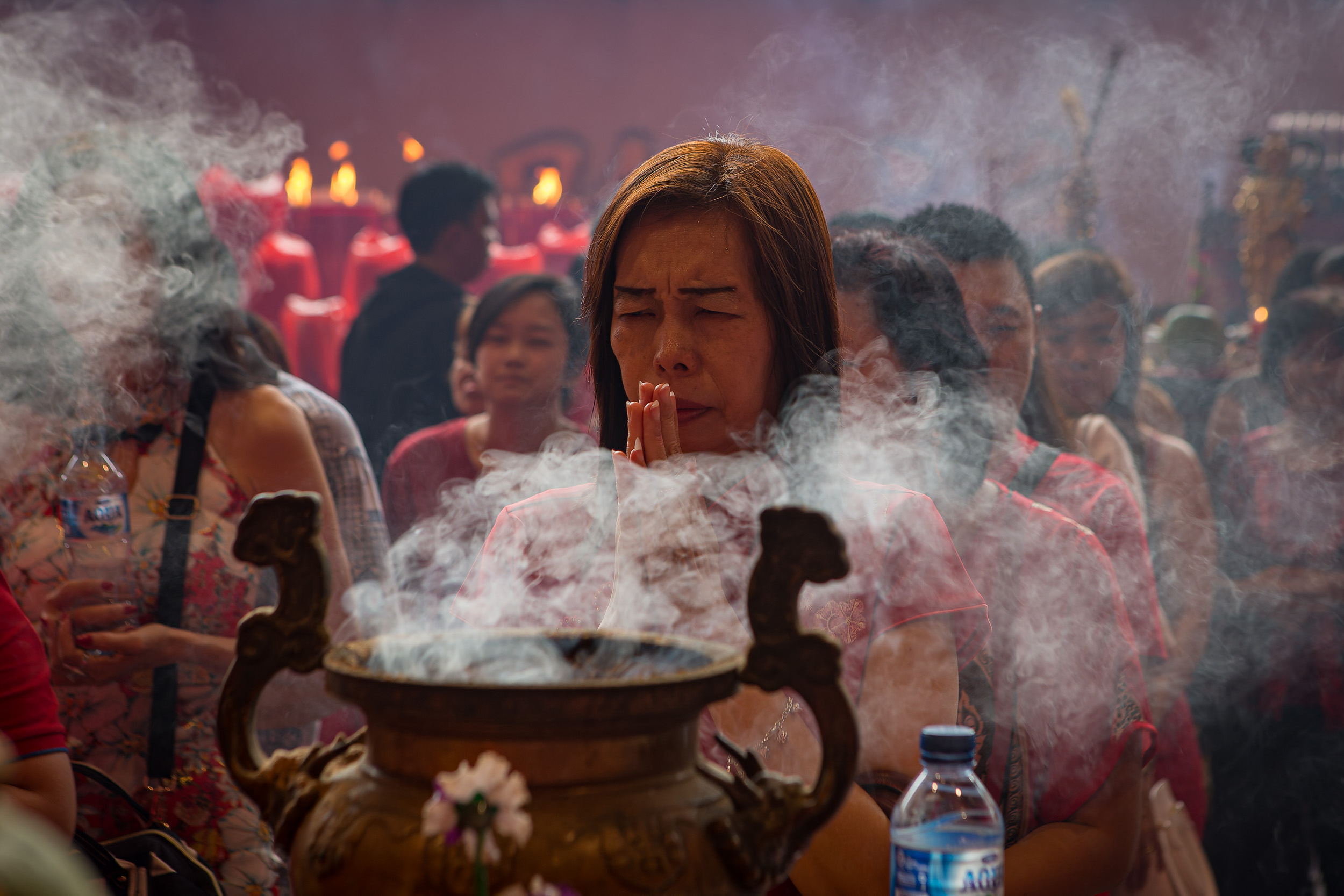
Imlek - Kota, Jakarta
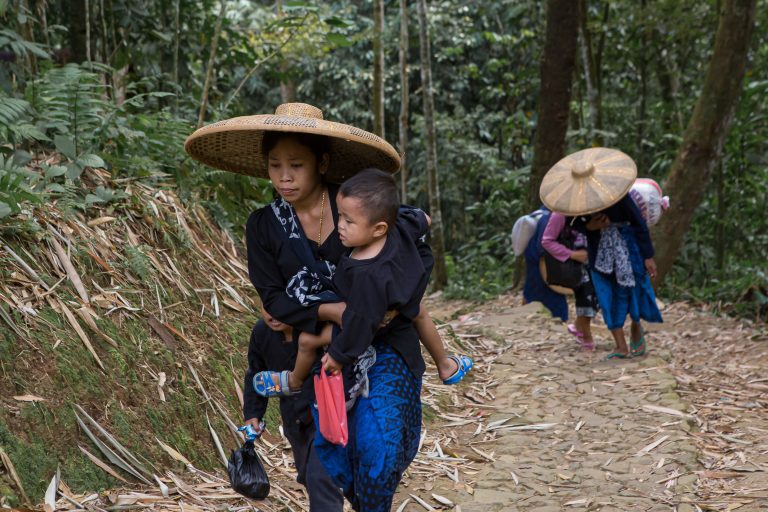
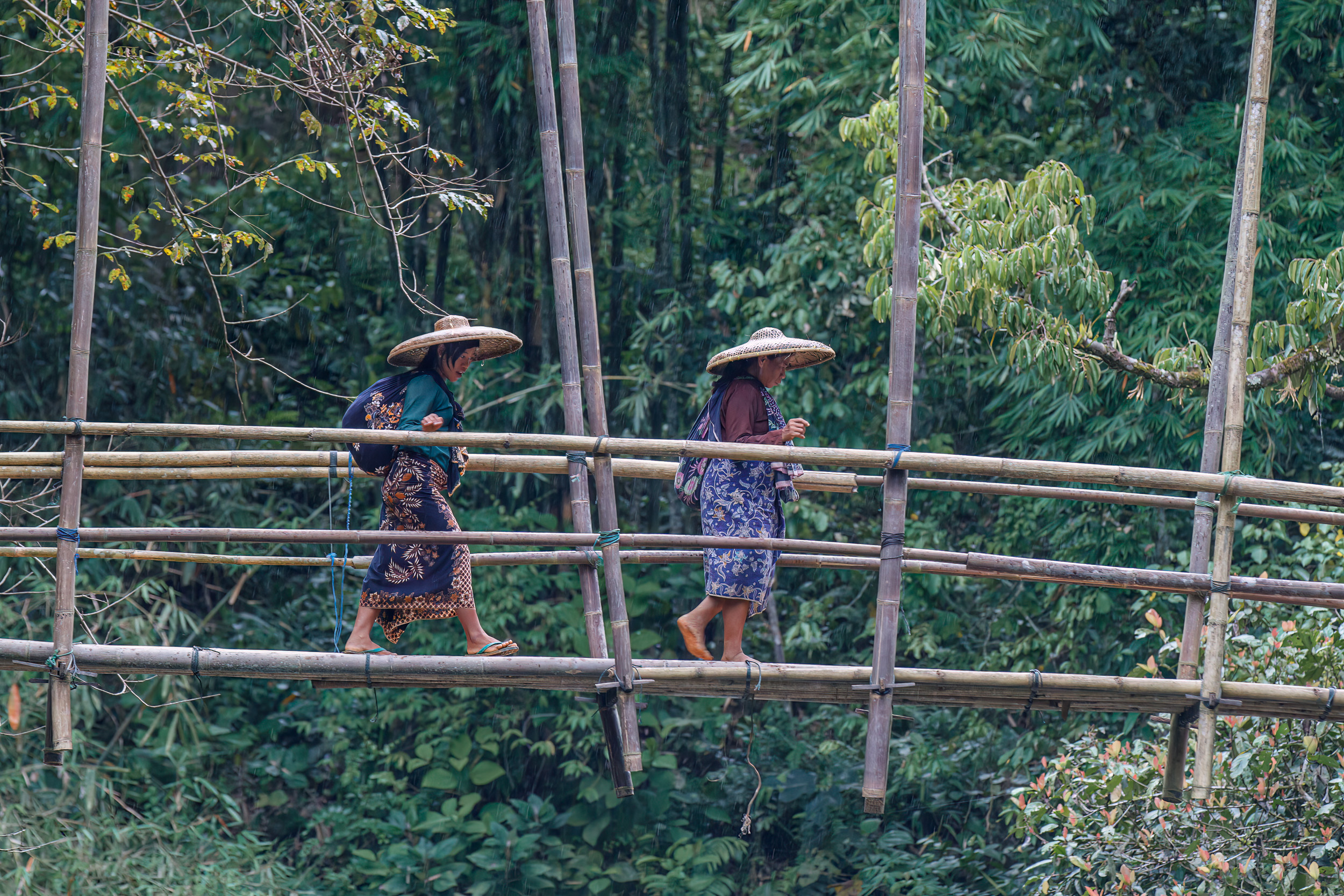
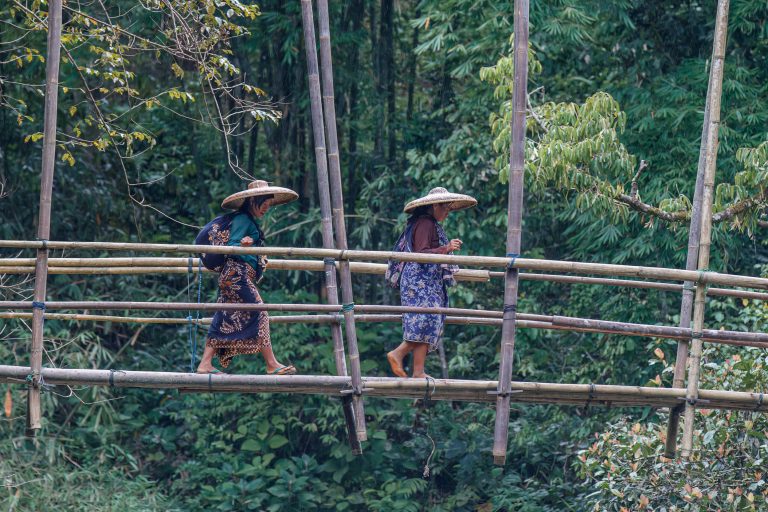
Kanekes: the Baduy - West Java
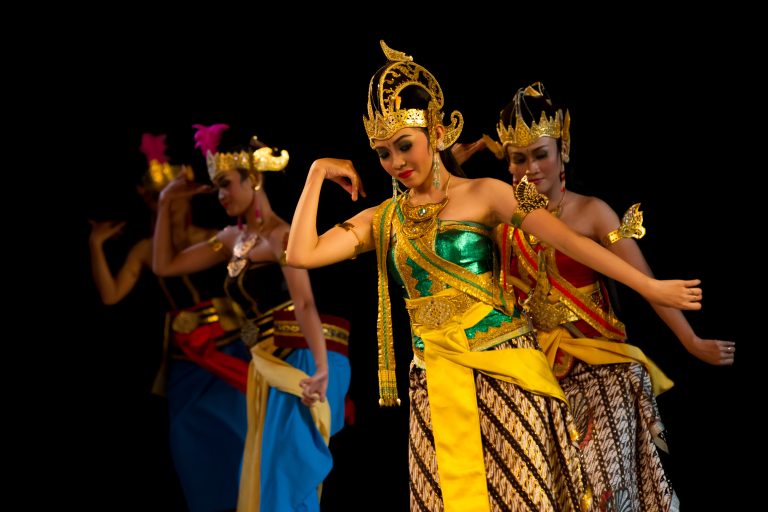
Ramayana Ballet - Prambanan Temple, Yogyakarta
Nature & Landscapes
Java’s landscapes are dominated by volcanoes, fertile valleys and dramatic mountain environments. These geological forces shape both the scenery and the agricultural landscapes that surround many of the island’s settlements.
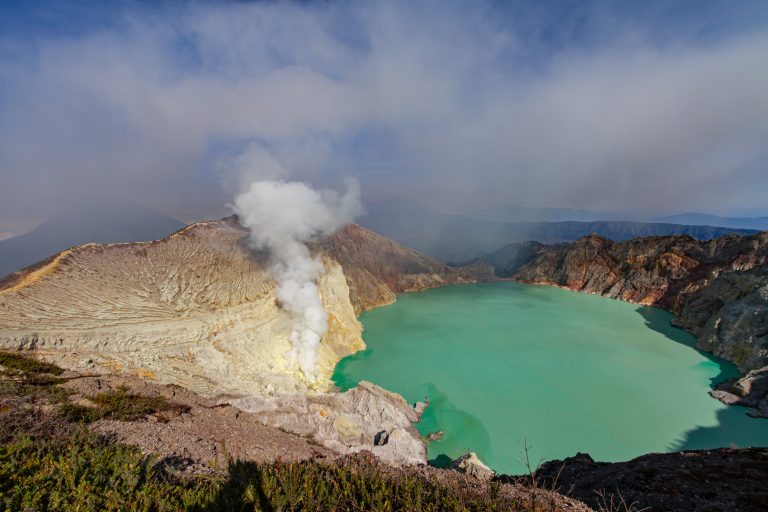
Kawah Ijen - East Java
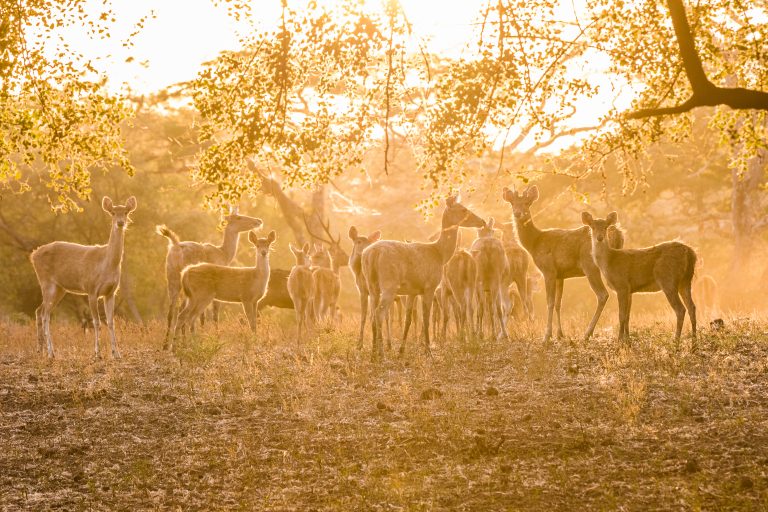
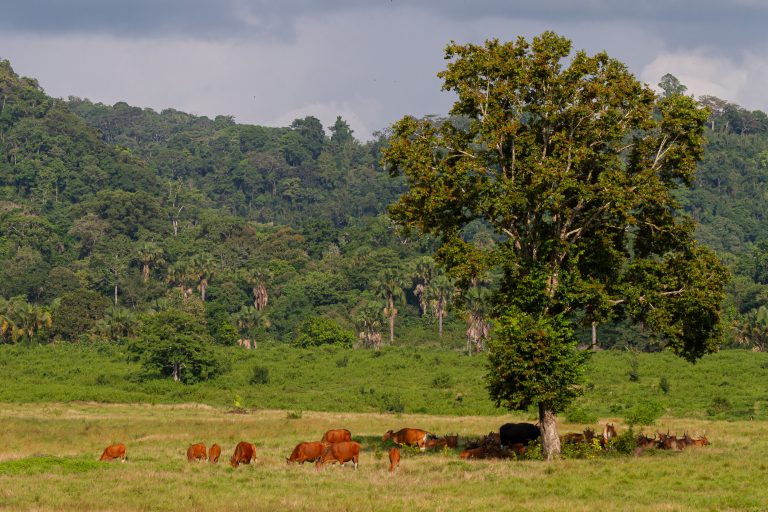
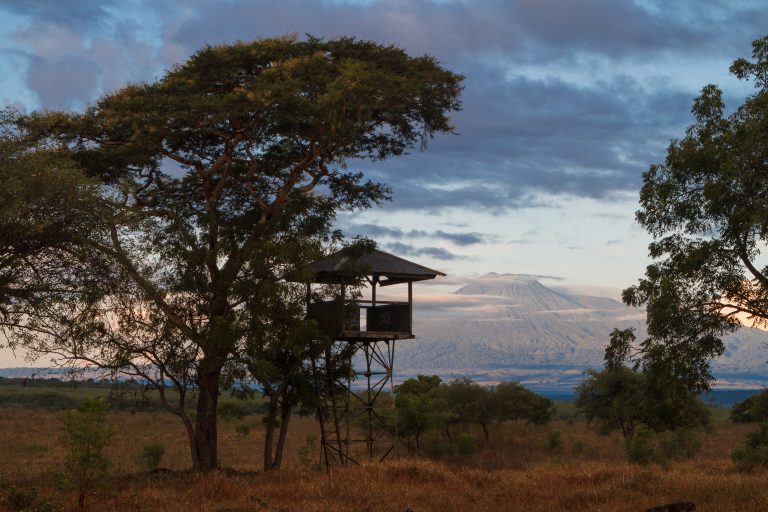
Baluran National Park - East Java
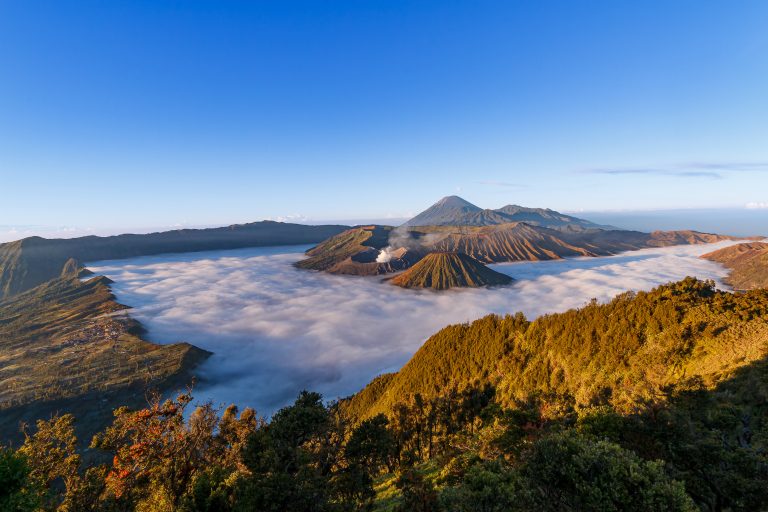
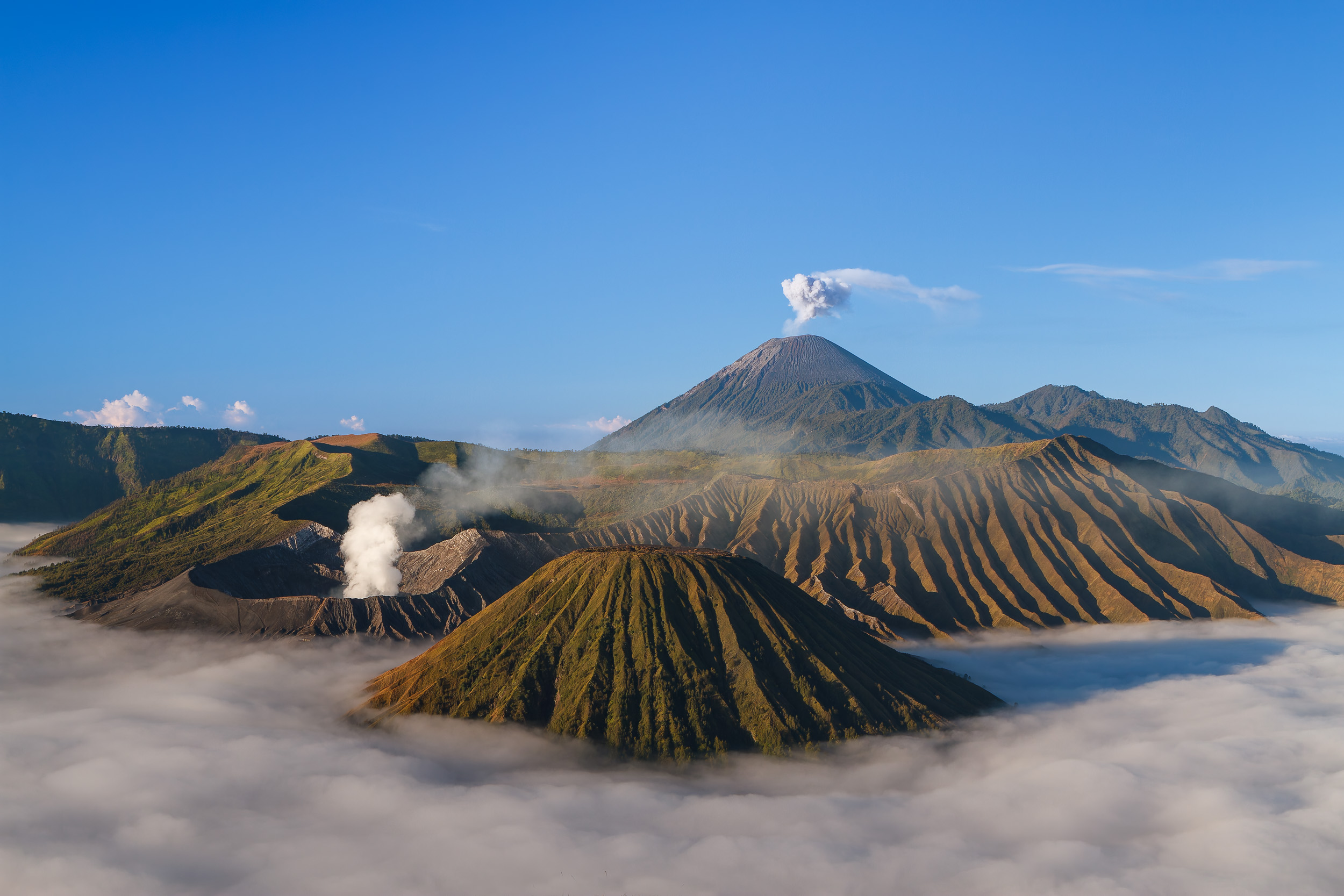
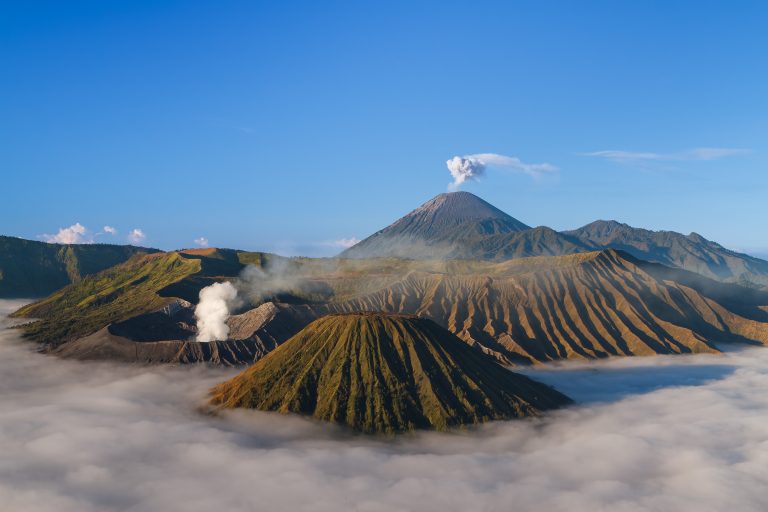
Bromo Tengger Semeru National Park - East Java
Women from the Baduy Dalam tribe crossing a bamboo bridge.
Wildlife & National Parks
Beyond its cities and cultural landmarks, Java also contains several protected areas where wildlife and coastal forests still thrive. These national parks reveal a quieter and less visited side of the island.
Alas Purwo National Park - East Java
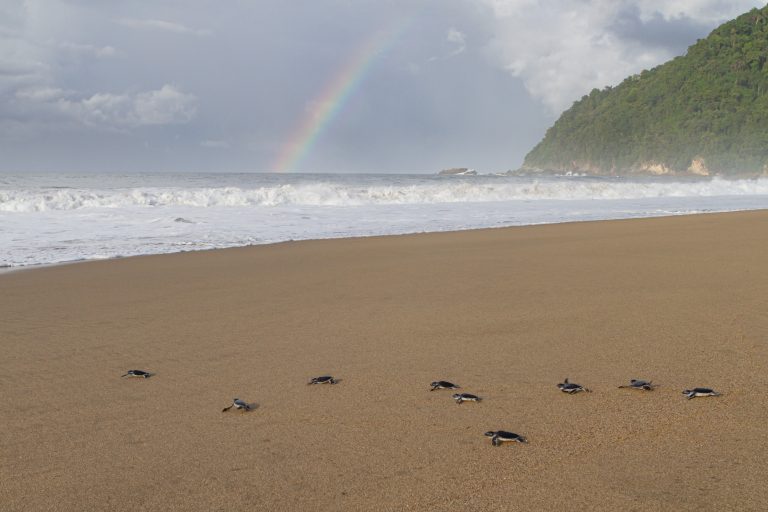
Meru Betiri National Park - East Java
Baluran National Park - East Java
Exploring Java Through Photography
This site explores Java through photography across its volcanic landscapes, historic sites and everyday life.
From sunrise over volcanic craters to quiet rural villages and temple complexes, the galleries above document different aspects of the island’s landscapes and cultural environments.
Java’s landscapes often combine natural and human elements: rice terraces climbing steep hillsides, temples emerging from tropical vegetation, and villages surrounded by volcanic mountains.
Together these galleries offer a visual exploration of Java as both a natural and cultural landscape.
Regions of Java
Although relatively small compared to other Indonesian islands, Java contains an extraordinary diversity of landscapes and cultures shaped by volcanic geology, agriculture and centuries of human settlement.
West Java – Traditional Villages and Mountain Landscapes
Western Java contains mountainous landscapes and traditional communities that preserve some of the island’s oldest cultural traditions. Villages such as Kampung Naga and the Baduy community of Kanekes maintain distinctive ways of life closely connected to nature and ancestral customs.
These regions reveal a quieter side of Java, where daily life still follows rhythms shaped by agriculture, tradition and the surrounding mountains.
Gajeboh village.
Central Java – Temples and Cultural Heritage
Central Java forms the historical and spiritual heart of the island. The region around Yogyakarta contains some of Indonesia’s most important cultural landmarks, including the ancient Buddhist temple complex of Borobudur and the Hindu temples of Prambanan.
These monumental sites rise from fertile volcanic landscapes where rice cultivation and traditional villages reflect centuries of life shaped by volcanic soils and religious traditions.
East Java – Volcanoes, Savannas, and Rainforest
East Java contains some of the most dramatic landscapes on the island of Java. Active volcanoes rise above vast ash plains, while savannas and tropical forests support diverse wildlife and remote national parks.
Several of these environments are explored through photographic journeys on this site:
Kawah Ijen A striking crater lake known for its turquoise waters and traditional sulfur mining.
Baluran National Park A unique savanna ecosystem often called the “Africa of Java”, where deer, banteng and peafowl roam beneath Mount Baluran.
Meru Betiri National Park A remote rainforest and coastal reserve known for sea turtle nesting beaches.
Alas Purwo National Park One of the oldest protected forests on Java, with monsoon forest, savannas and remote coastal landscapes.
The Bromo volcano in the Tengger caldera with Mount Batok and the Semeru volcano, East Java.
Jakarta – Ports and Urban Culture
At the western end of the island, Jakarta reveals another side of Java’s identity. Historic districts such as Sunda Kelapa preserve the legacy of old trading ports, where traditional wooden cargo ships still dock along the waterfront.
The capital also reflects the cultural diversity of Indonesia, with celebrations such as Imlek (Chinese New Year) illustrating the influence of Chinese-Indonesian communities within the city’s urban landscape.
Imlek celebrations in a temple in Kota, Jakarta Old Town.