Villages, landscapes and traditions of eastern Indonesia
Sumba is one of the most distinctive islands of eastern Indonesia, known for its traditional villages, dramatic landscapes and strong cultural identity. Located in the Lesser Sunda Islands between Flores and Timor, the island is shaped by wide savanna plains, limestone hills and rural communities where ancestral traditions remain visible in everyday life.
Across the island, hilltop villages with towering thatched houses rise above ceremonial courtyards and stone tombs. Horses roam the dry landscapes, while weaving traditions and village ceremonies continue to shape daily life.
This page brings together photographic galleries and visual stories from across Sumba, exploring its landscapes, villages and cultural traditions.
For a deeper introduction to the island’s culture and architecture, explore the Sumba Island photo story, which looks more closely at traditional villages, Marapu houses and megalithic tombs.
— Photo Galleries — Sumba
visual collections
Culture & Traditions
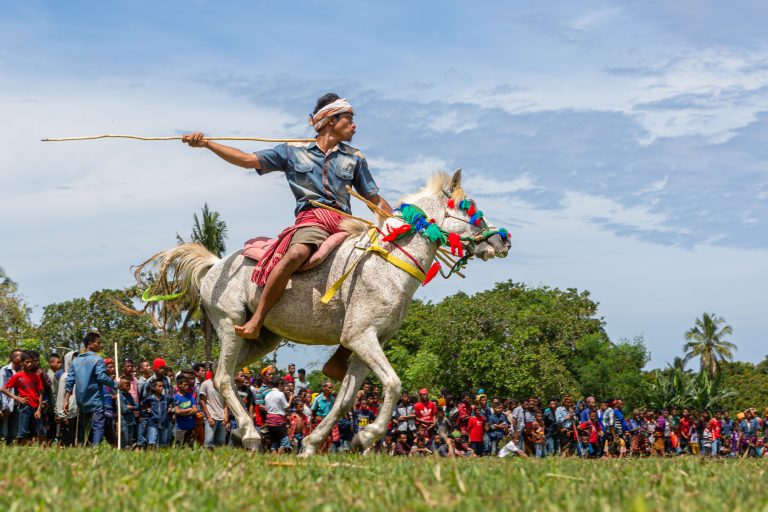
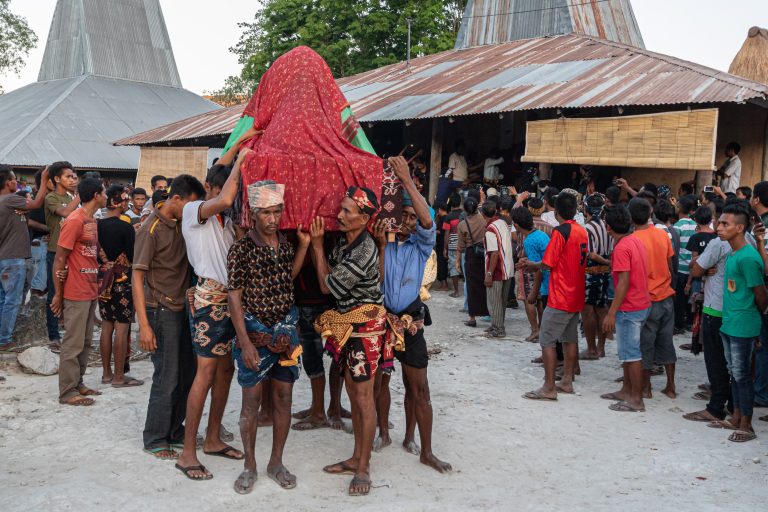
Sumba is famous for its strong cultural traditions, where ceremonies, textiles and village life remain closely connected to ancestral beliefs. Ritual gatherings, traditional clothing and everyday life in rural villages reveal the cultural richness of the island.
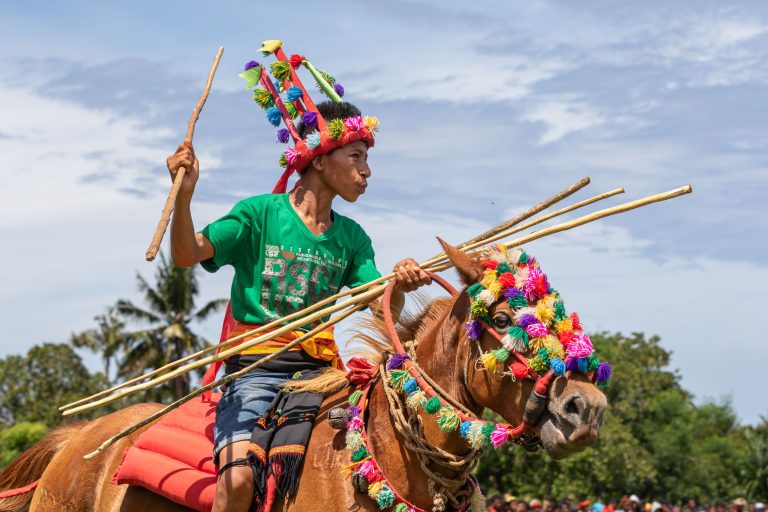
Pasola - West Sumba
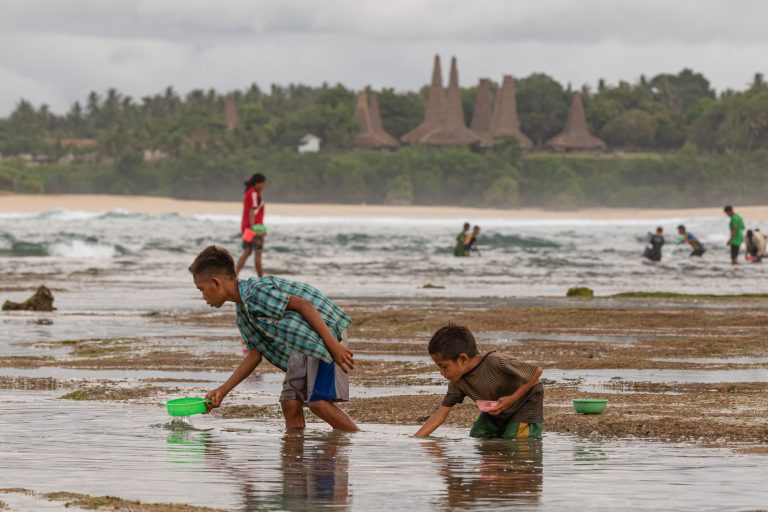
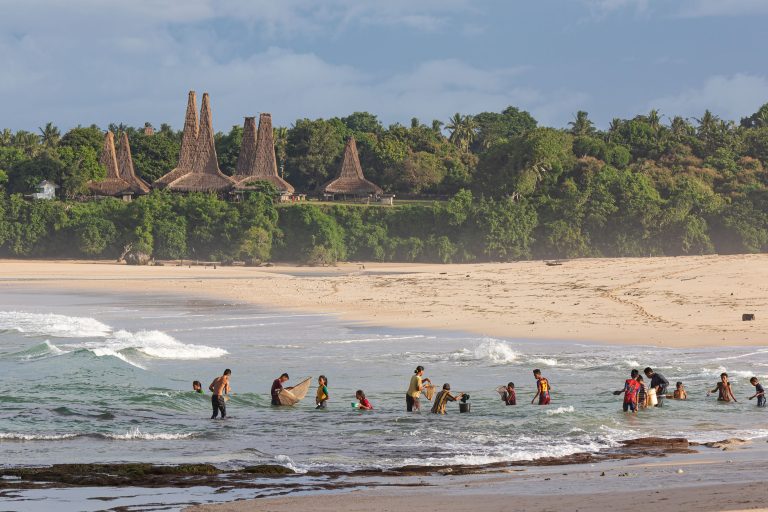
Nyale Ritual - Wainyapu, West Sumba
Villages & Architecture
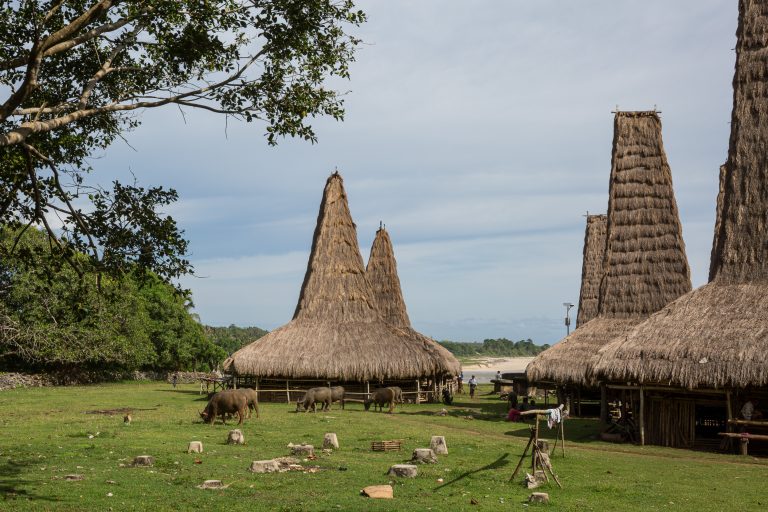
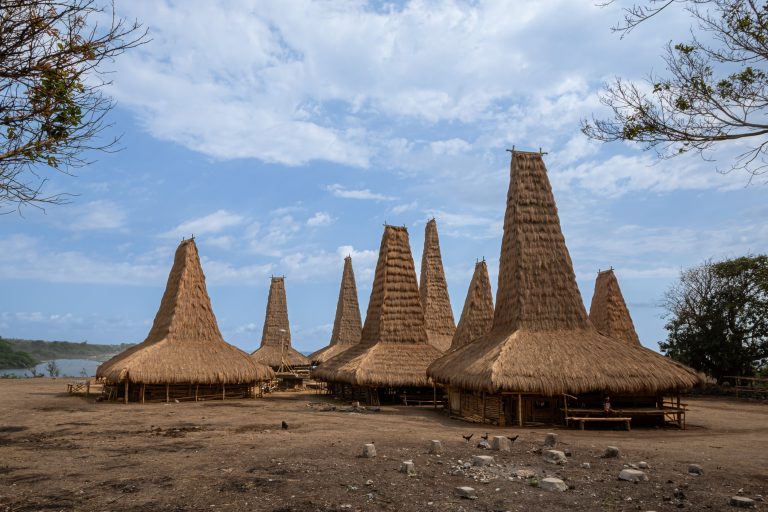
Traditional villages are one of the most striking features of Sumba. Towering Marapu houses, megalithic tombs and ceremonial courtyards form the cultural centre of village life.
Wainyapu - West Sumba
Best of Sumba
Landscapes & Rural Life
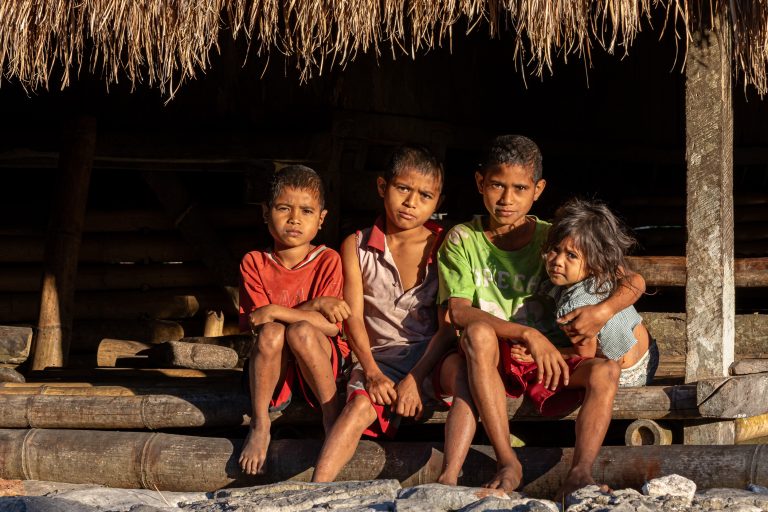
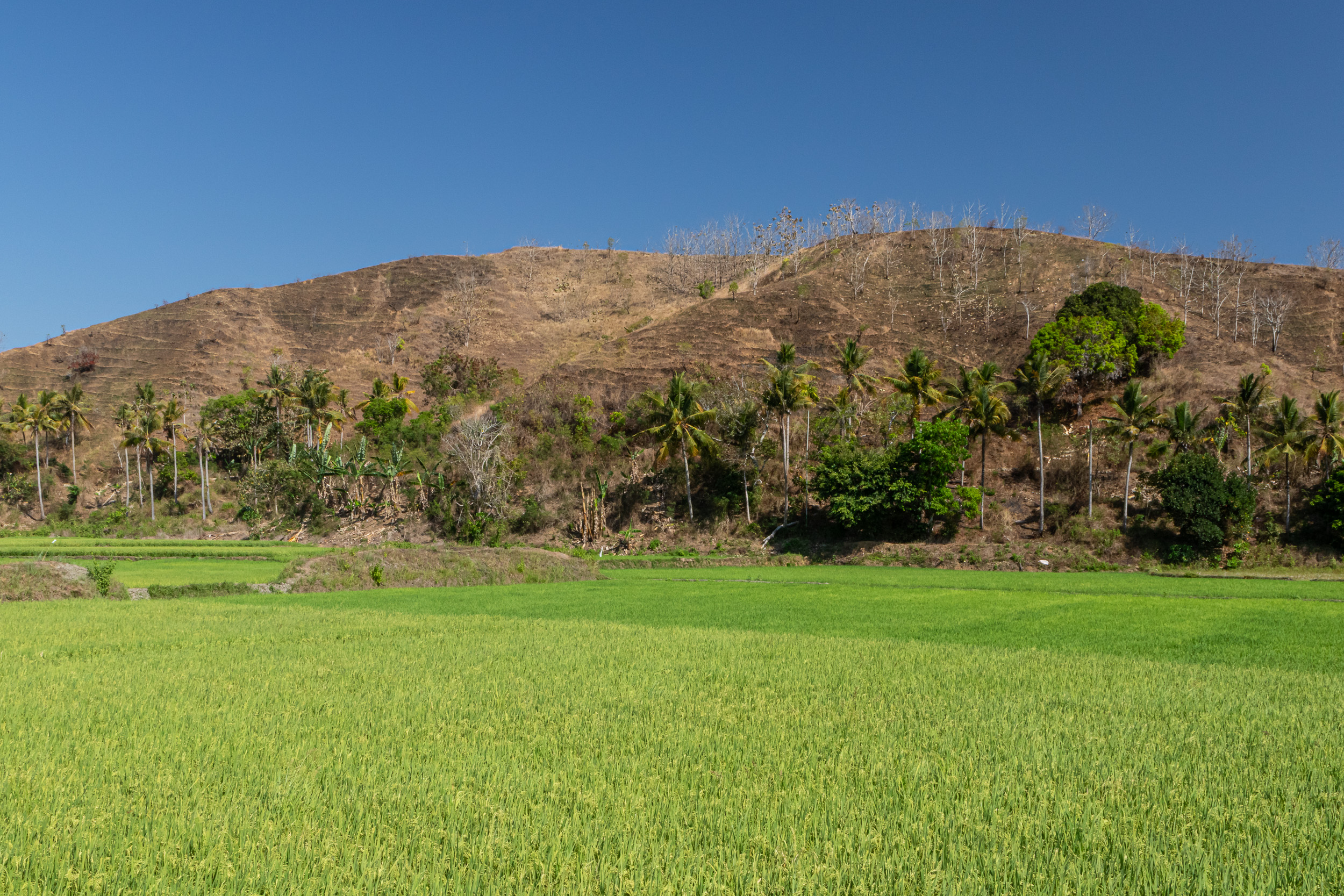
Beyond its villages, Sumba is shaped by wide savanna landscapes, rolling hills and rural agricultural areas where horses, cattle and water buffalo are part of everyday life.
Exploring Sumba Through Photography
The galleries above explore different aspects of Sumba through photography, from traditional villages and ceremonial culture to landscapes and rural life.
Together they offer a visual overview of the island and its distinctive environments.
Regions of Sumba
Although relatively small, Sumba contains several distinct regions shaped by geography and cultural traditions.
East Sumba – Savannas and Ceremonial Traditions
East Sumba is known for its open landscapes, horse culture and ceremonial traditions. The region around Waingapu and Melolo contains many villages where traditional customs and weaving traditions remain strong.
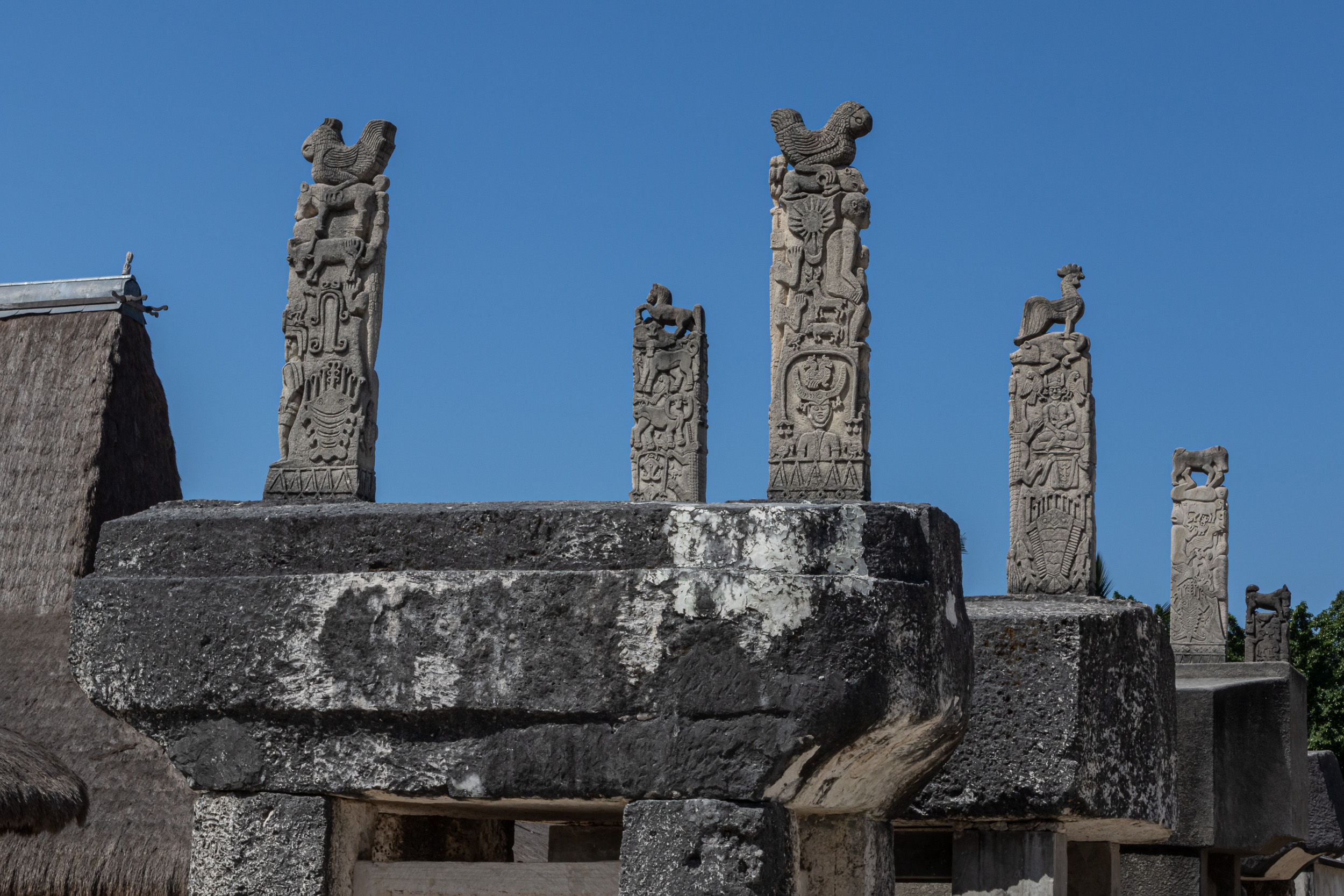
Megalithic tombs in Praiyawang, Eastern Sumba.
West Sumba – Villages and Cultural Landscapes
West Sumba contains some of the island’s most traditional settlements and landscapes. Hilltop villages with towering houses and megalithic tombs remain a defining feature of this region.
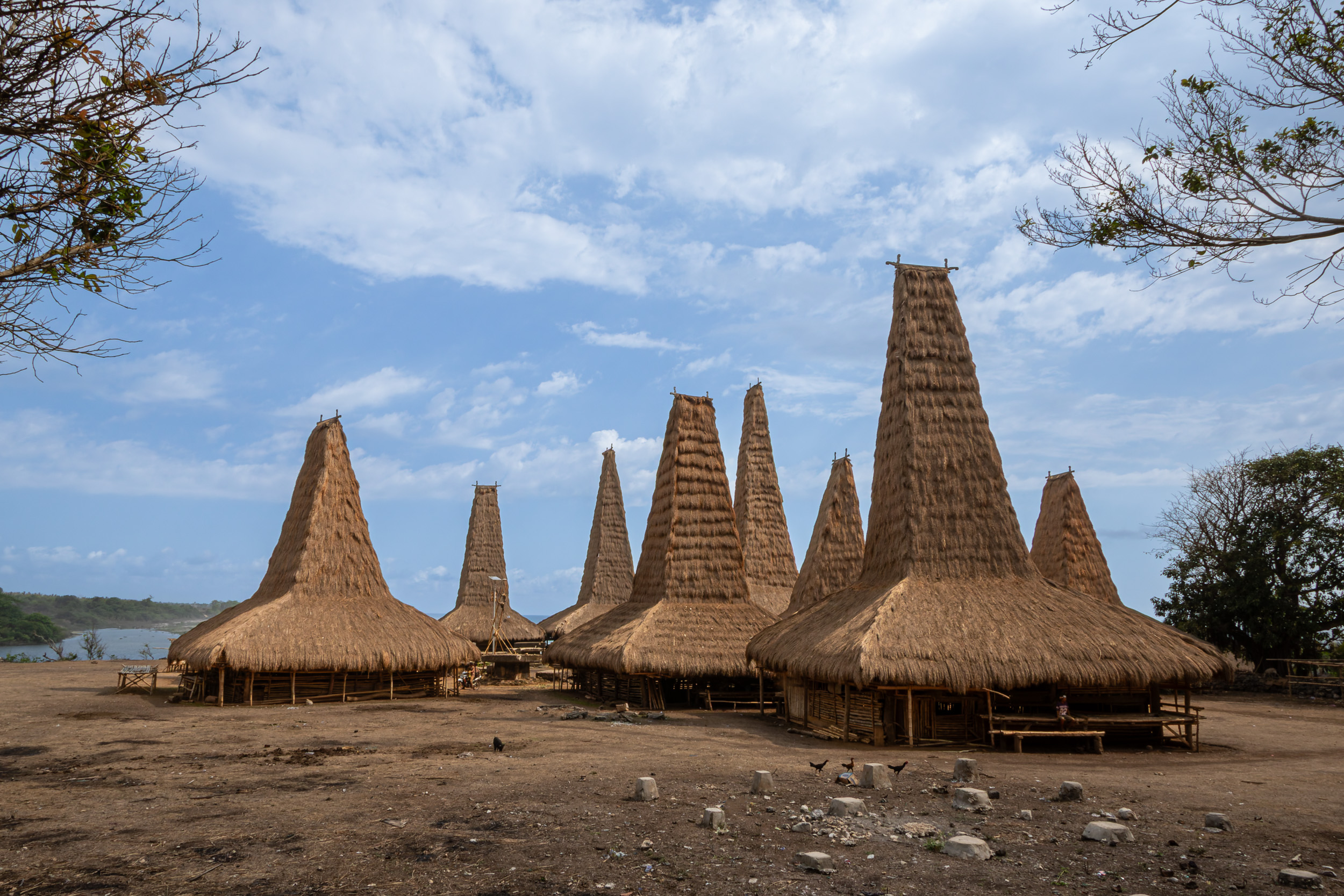
A traditional village in West Sumba, in eastern Indonesia.