The Chobe River Ecosystem
Day 16, 17 & 18 of 27 – Namibia & Botswana Safari Trip
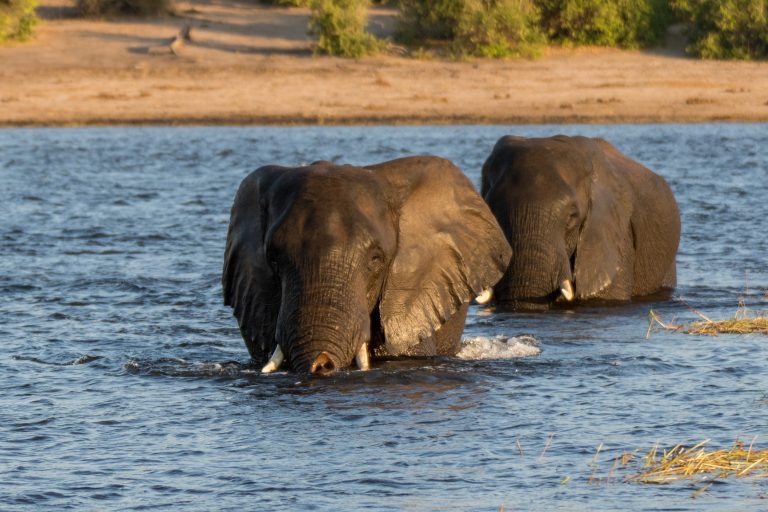
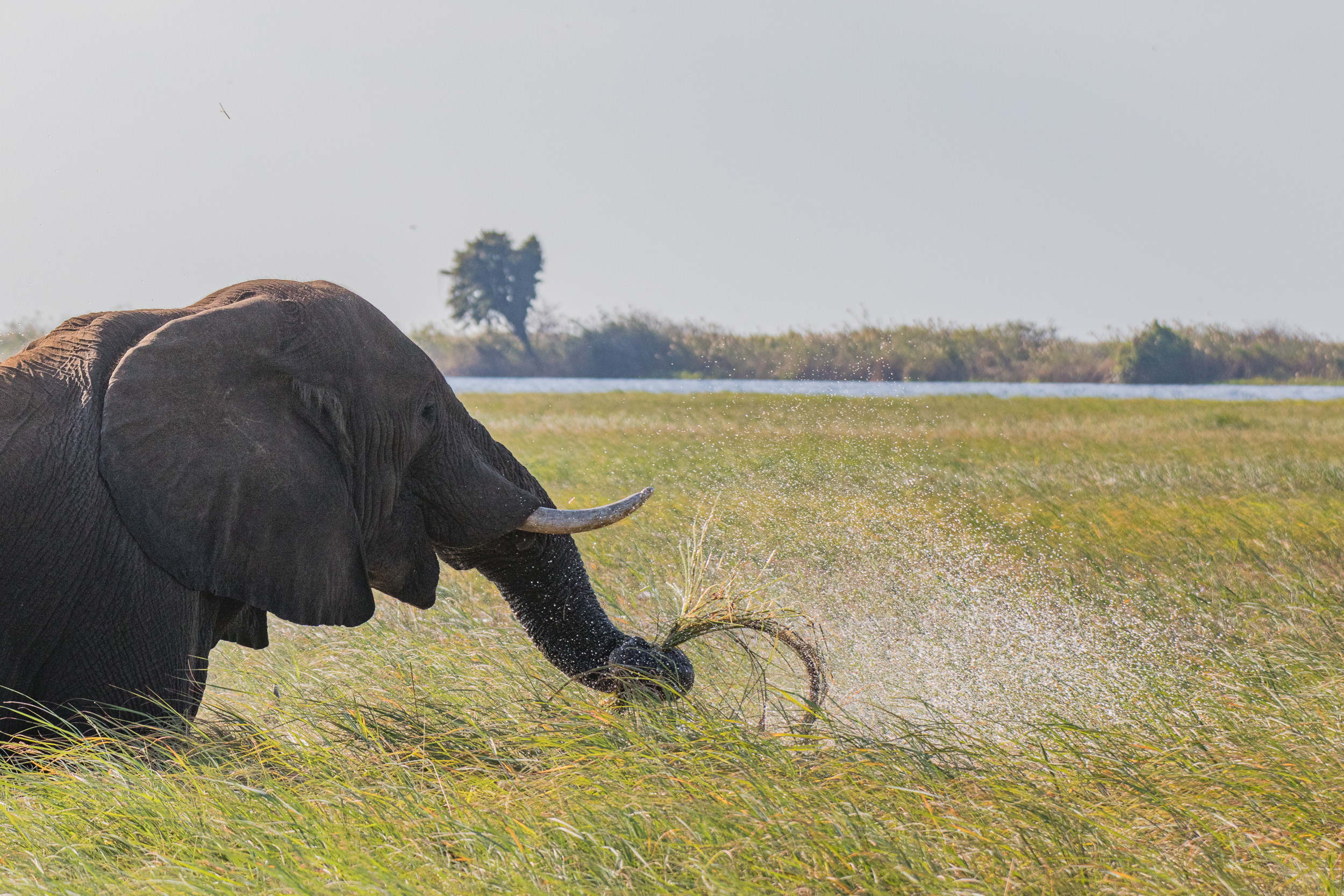
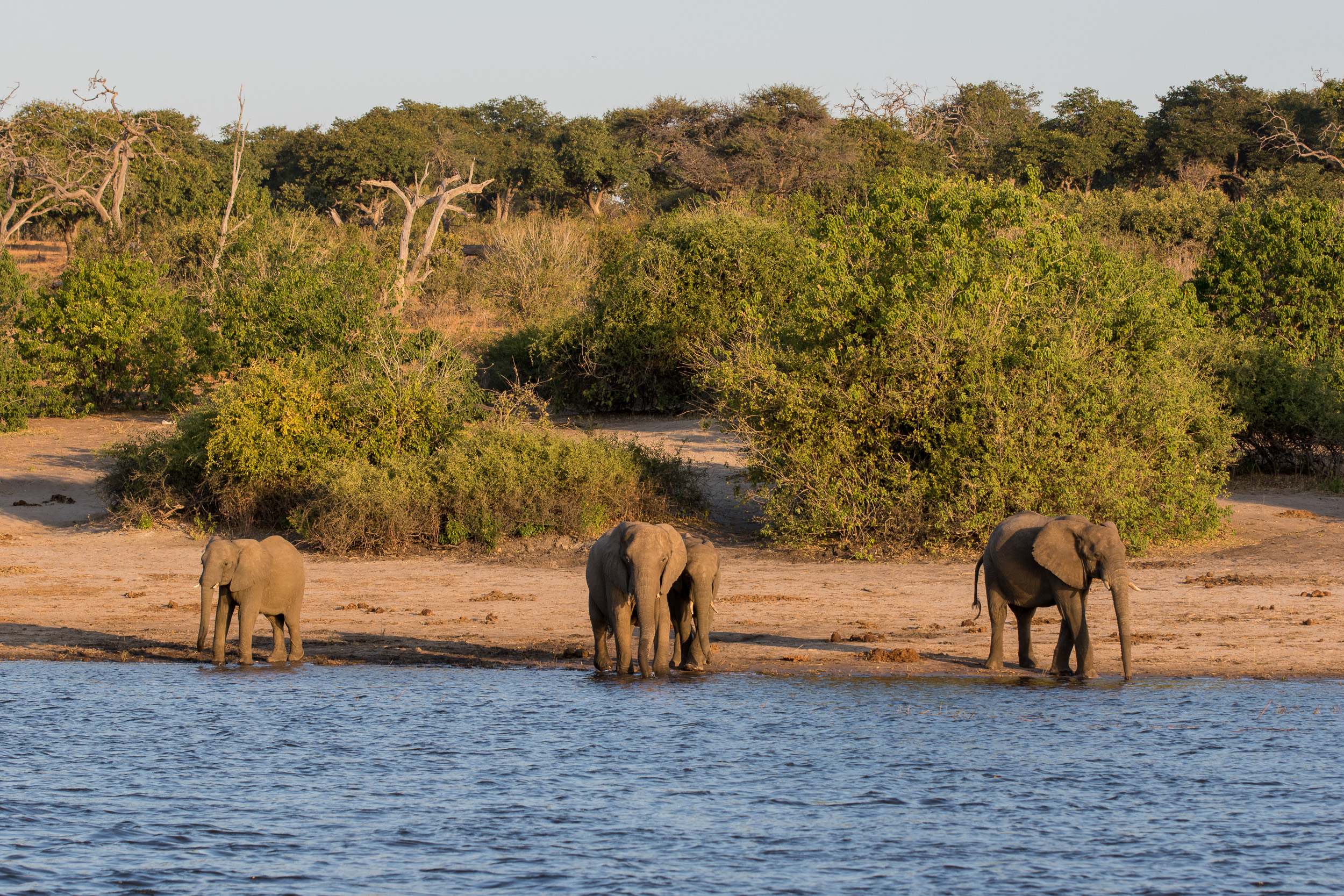
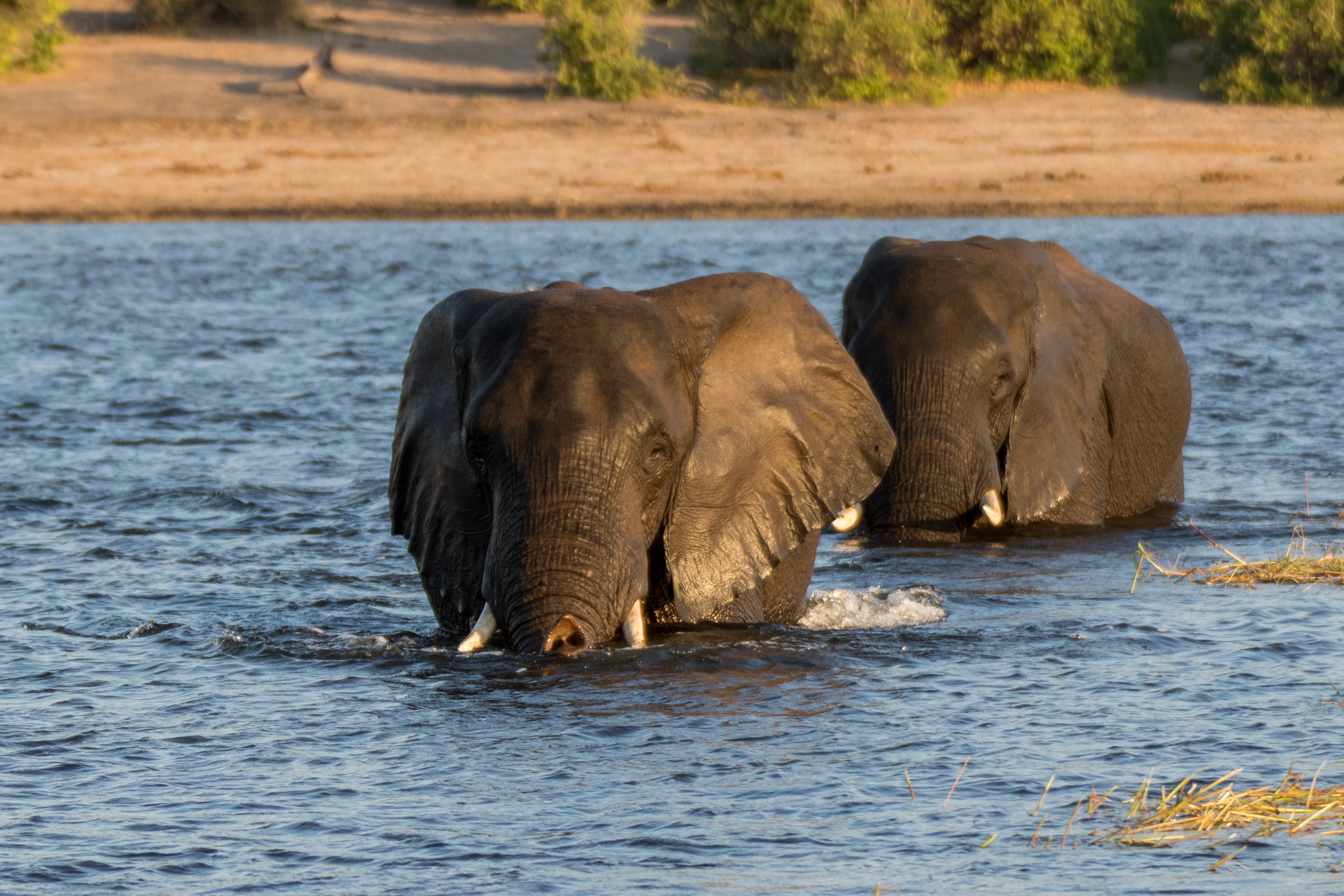
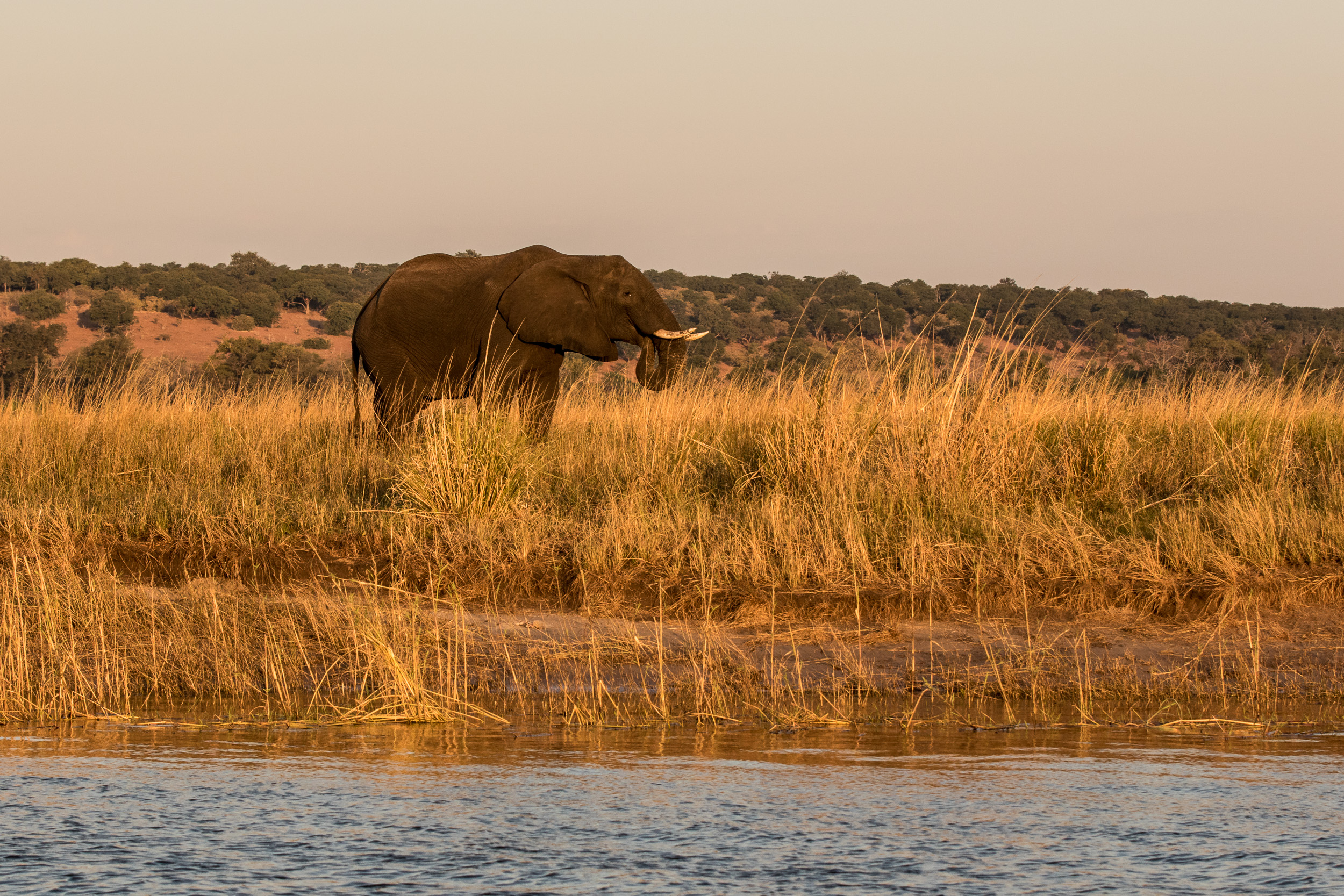
Located in northern Botswana near the borders of Namibia, Zimbabwe and Zambia, Chobe National Park forms part of one of southern Africa’s most interconnected wildlife regions. The park is best known for its substantial elephant population and the Chobe River, a permanent water source that sustains large concentrations of wildlife, particularly during the dry season.
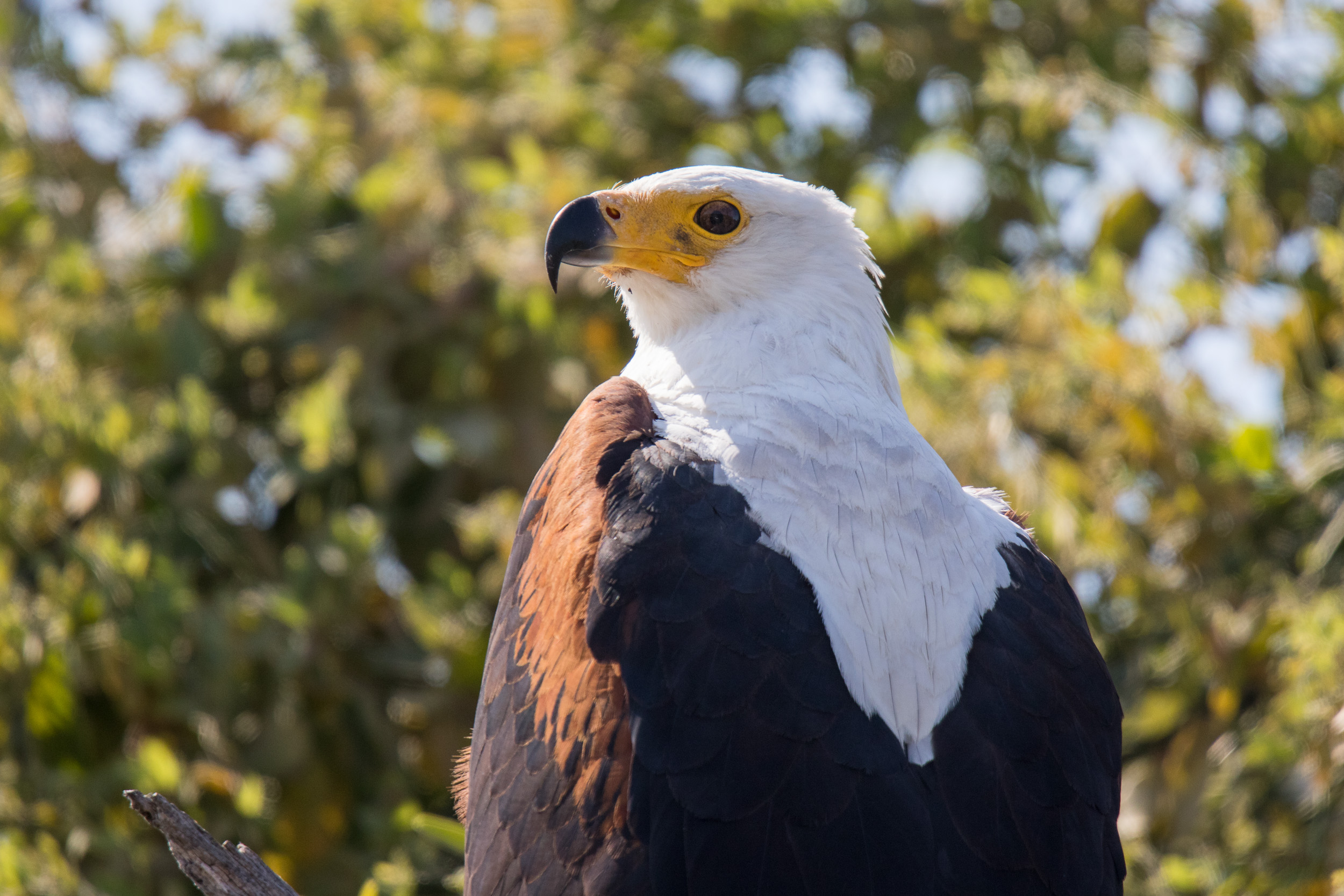
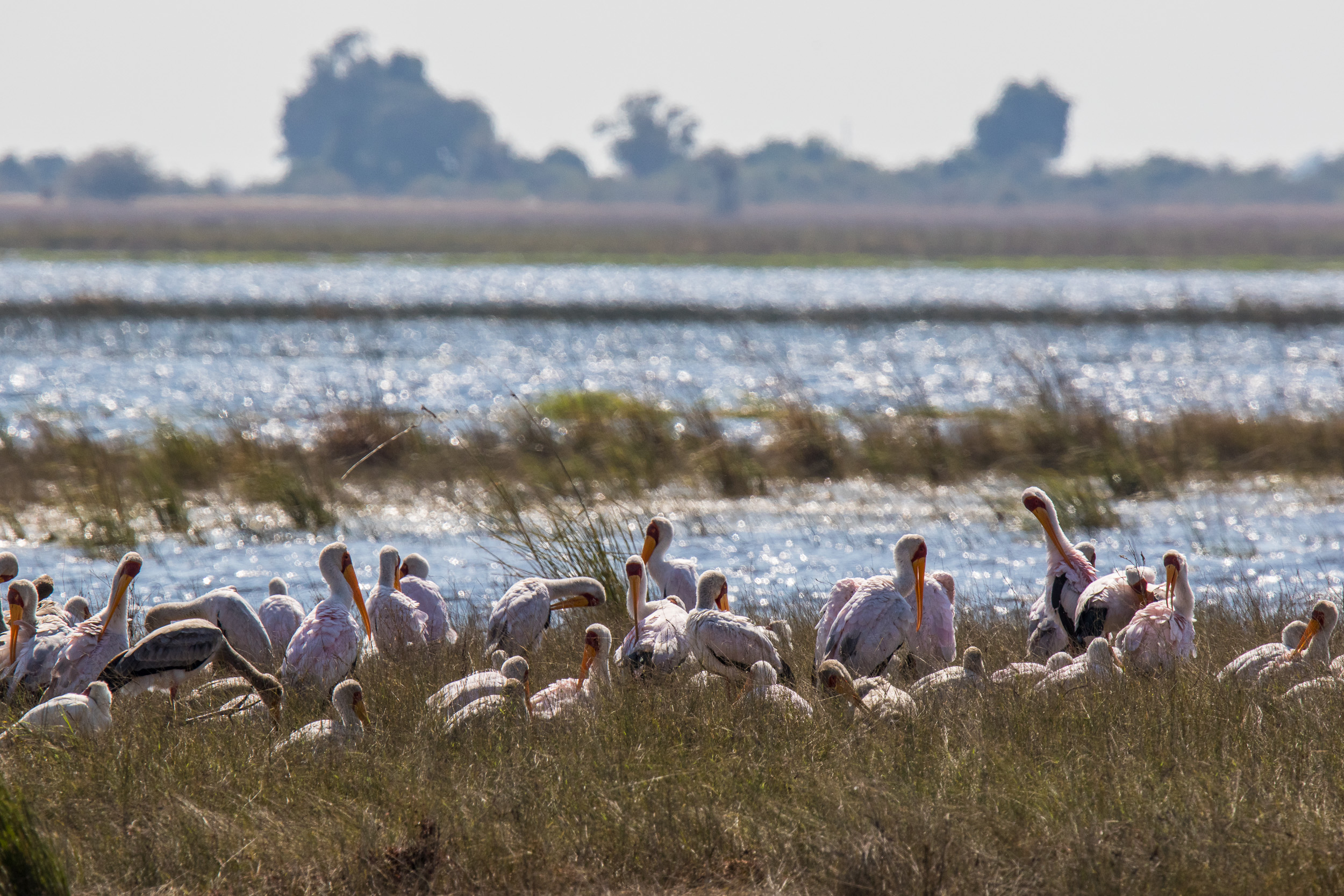
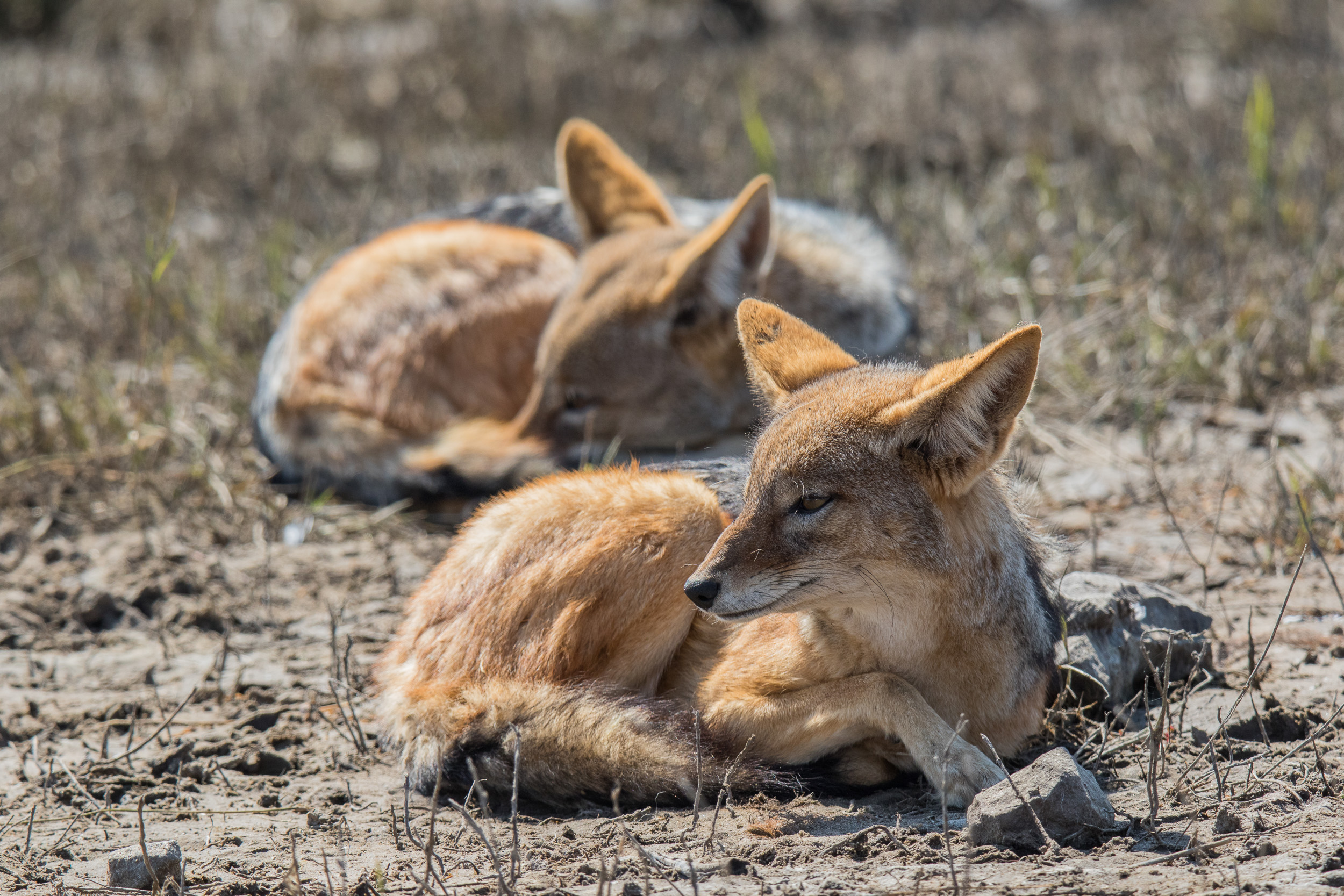
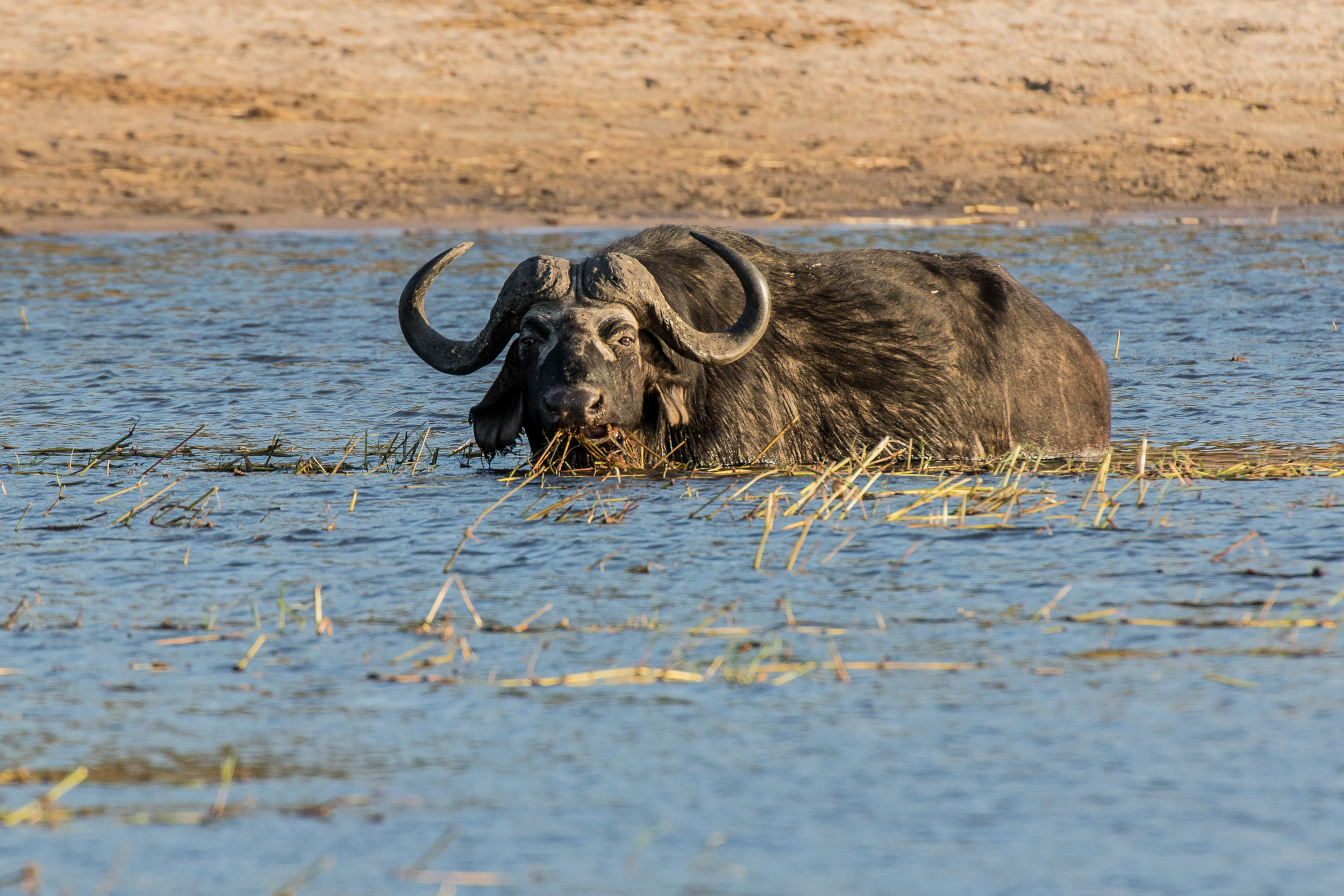
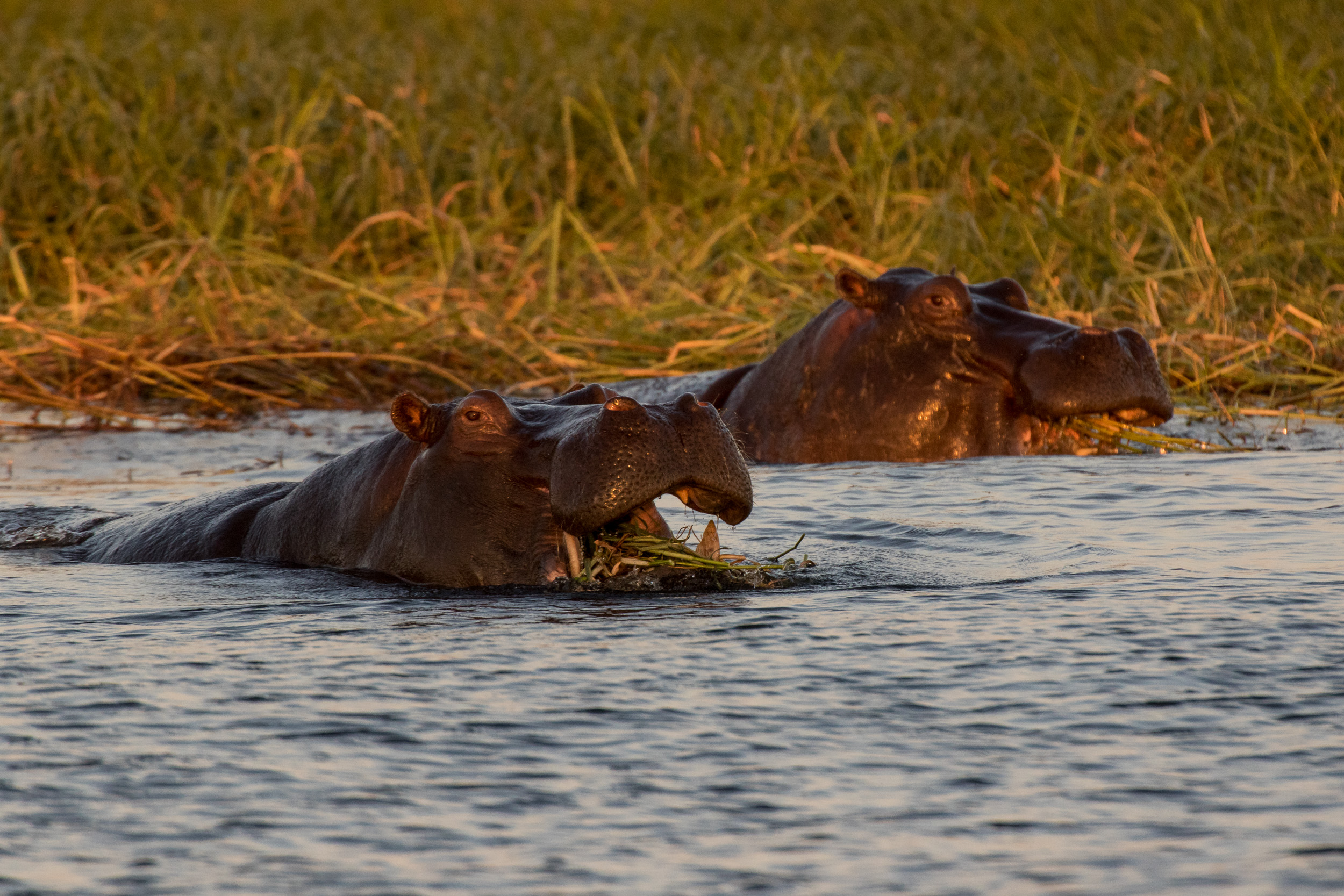
The riverfront area near Kasane supports dense gatherings of buffalo, hippo and antelope species, attracting predators that move along the floodplains and woodland edges. Further inland, landscapes transition into mopane woodland and seasonal pans, creating ecological variation within the broader park.
Chobe’s position within the Kavango–Zambezi Transfrontier Conservation Area (KAZA TFCA) allows wildlife to move across international boundaries, reinforcing its importance as a regional migration corridor.
From Namibia to Kasane in Botswana
Day 16: Kongola – Chobe National Park – Kasane
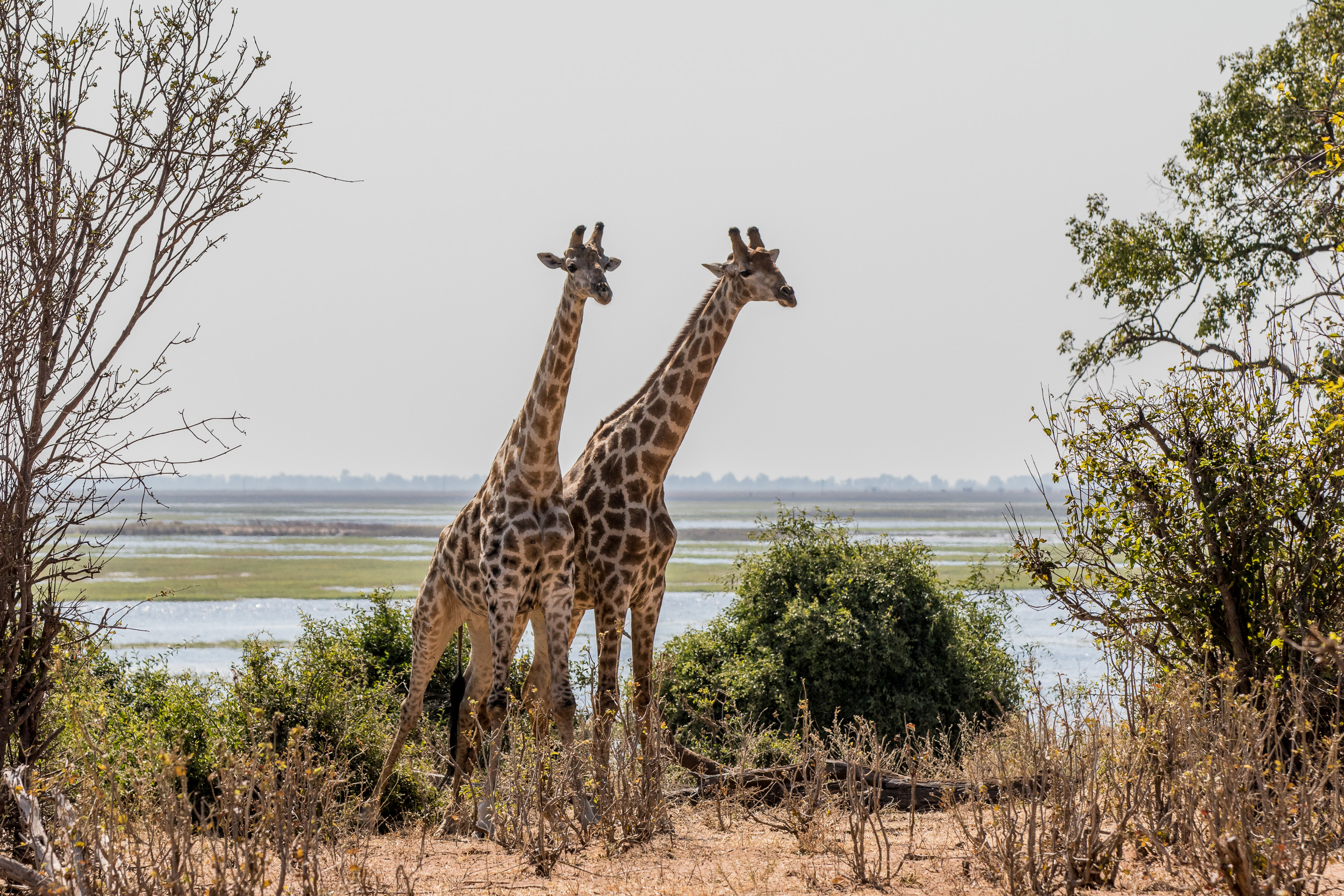
We arrived at Chobe National Park’s Ngoma Gate at lunch time and after a quick bite we did a game drive along the Chobe river, before continuing to Kasane.
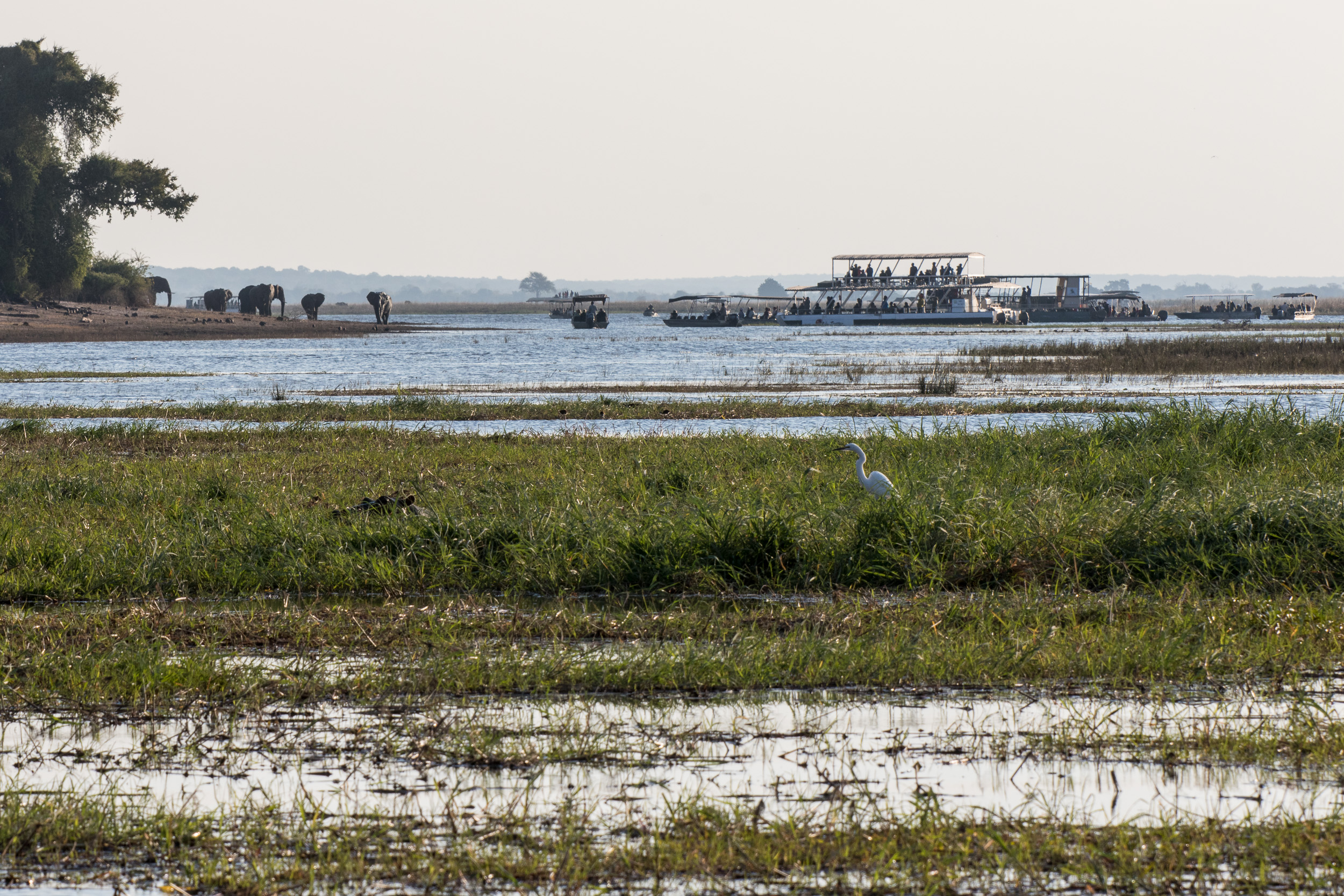
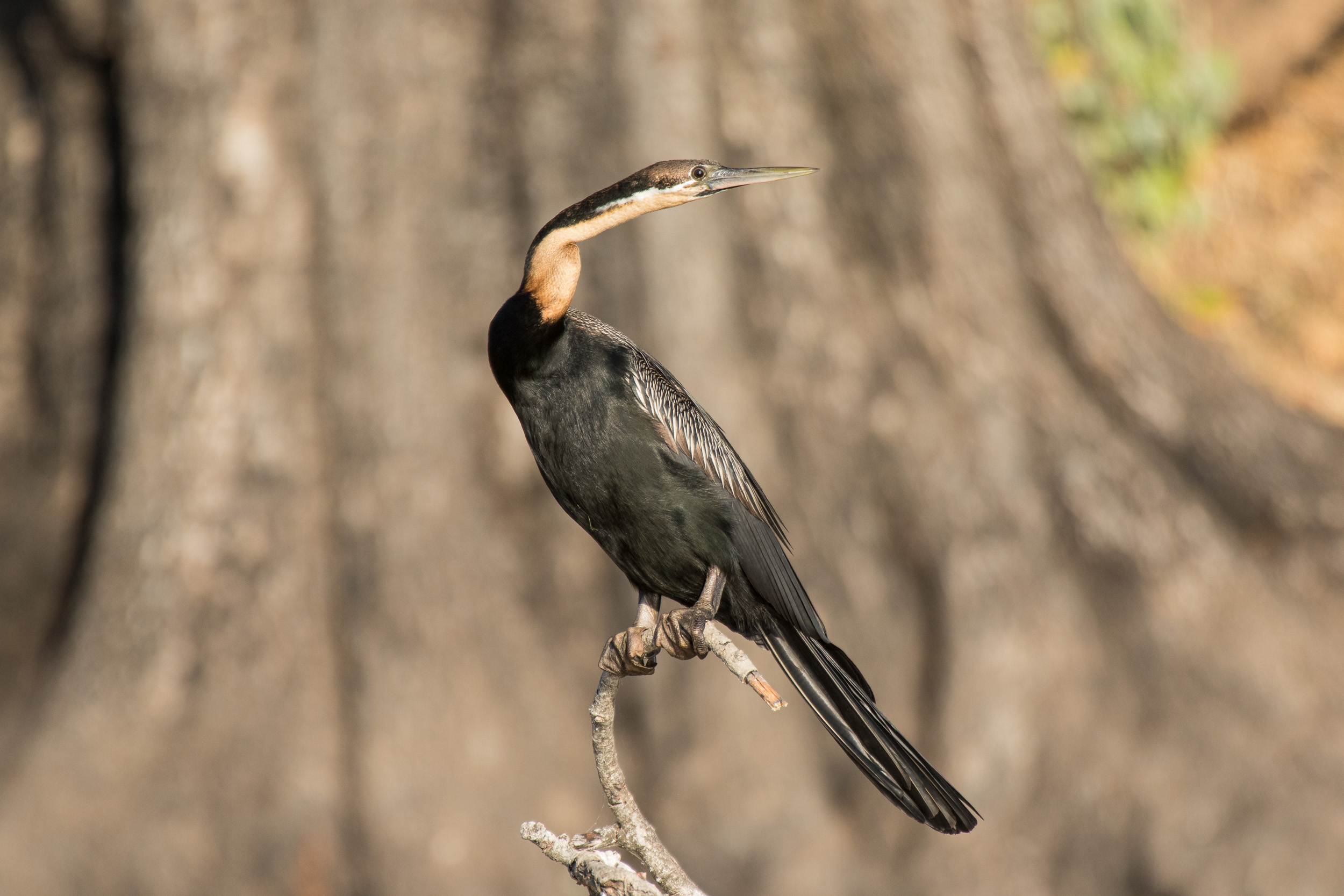
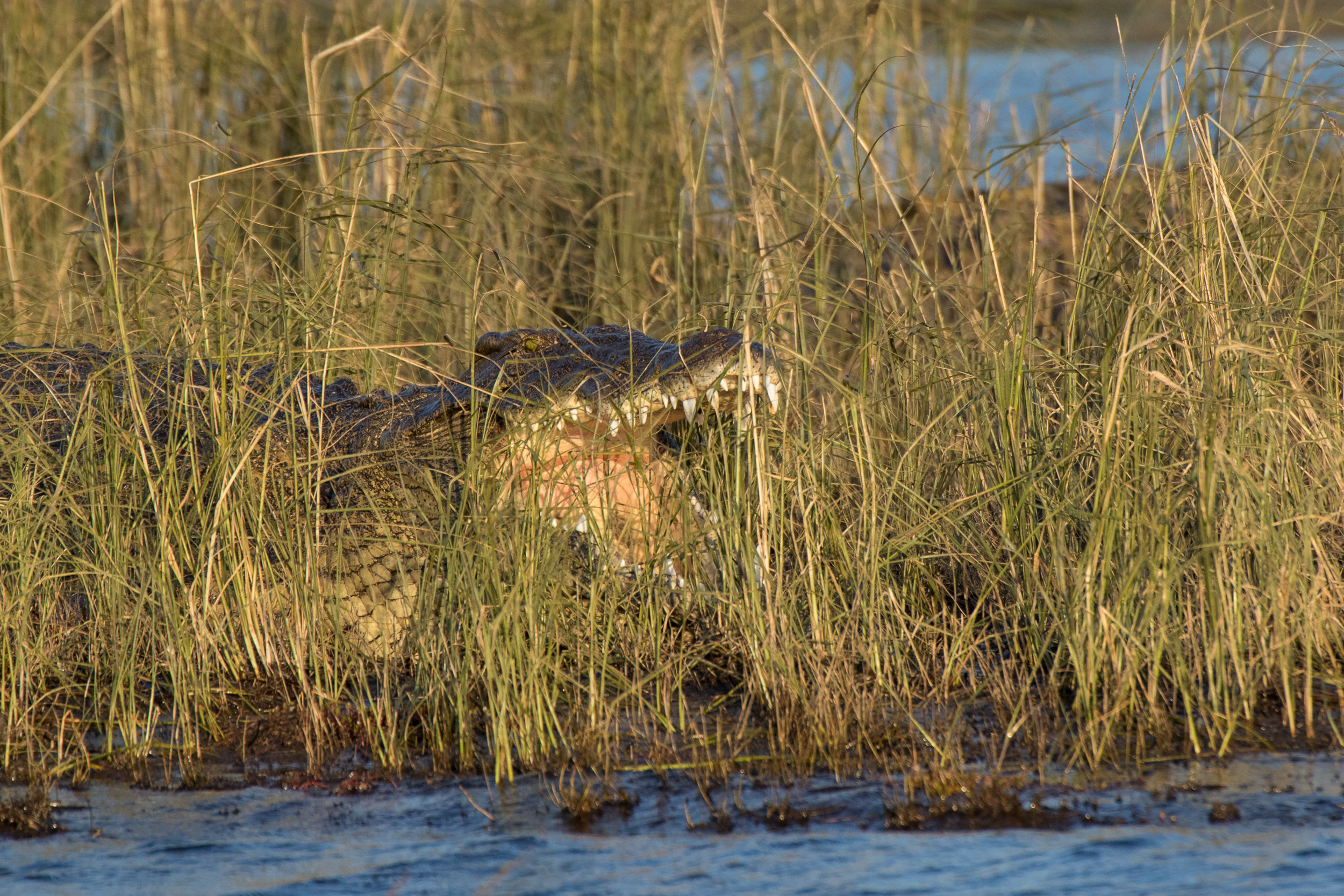
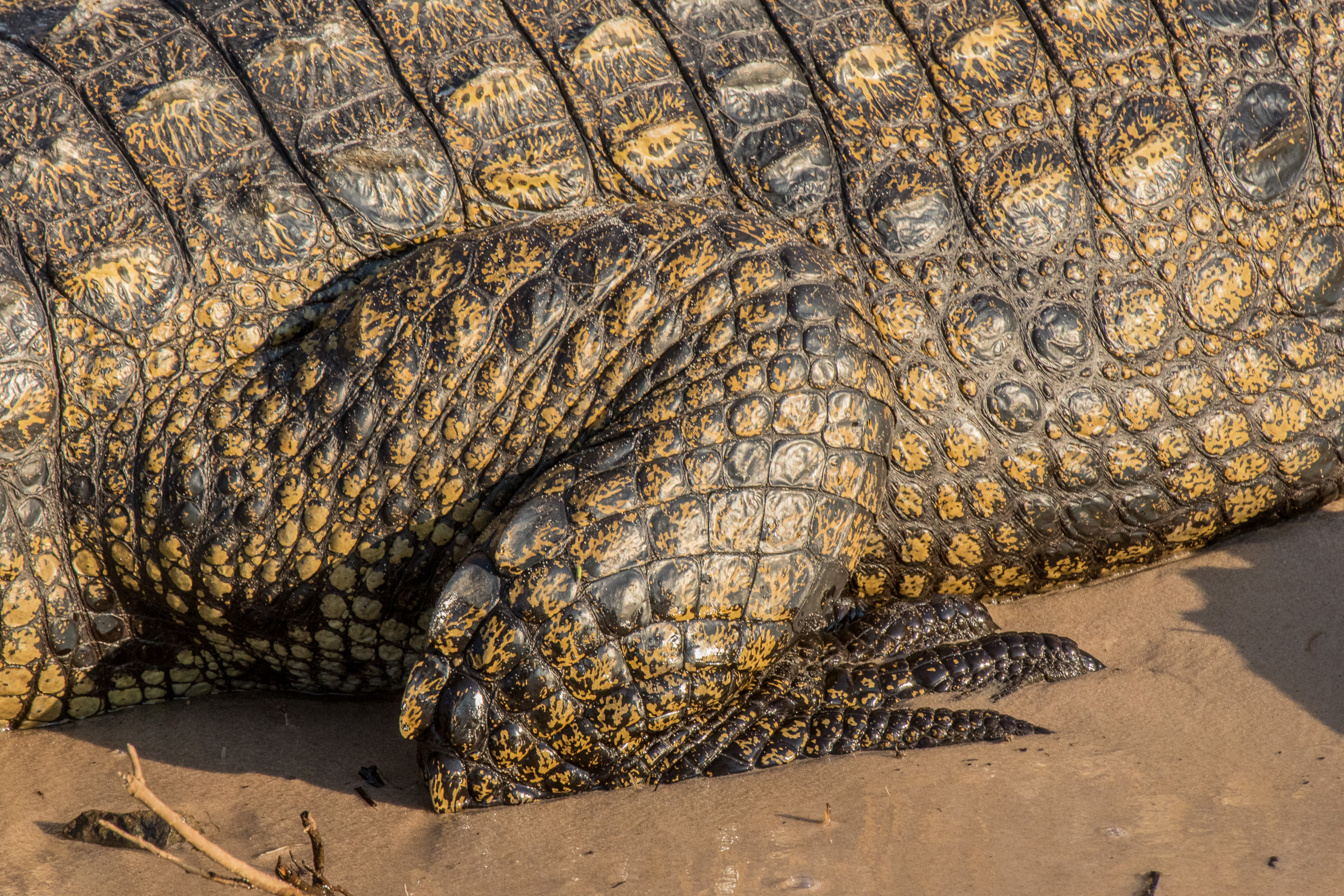
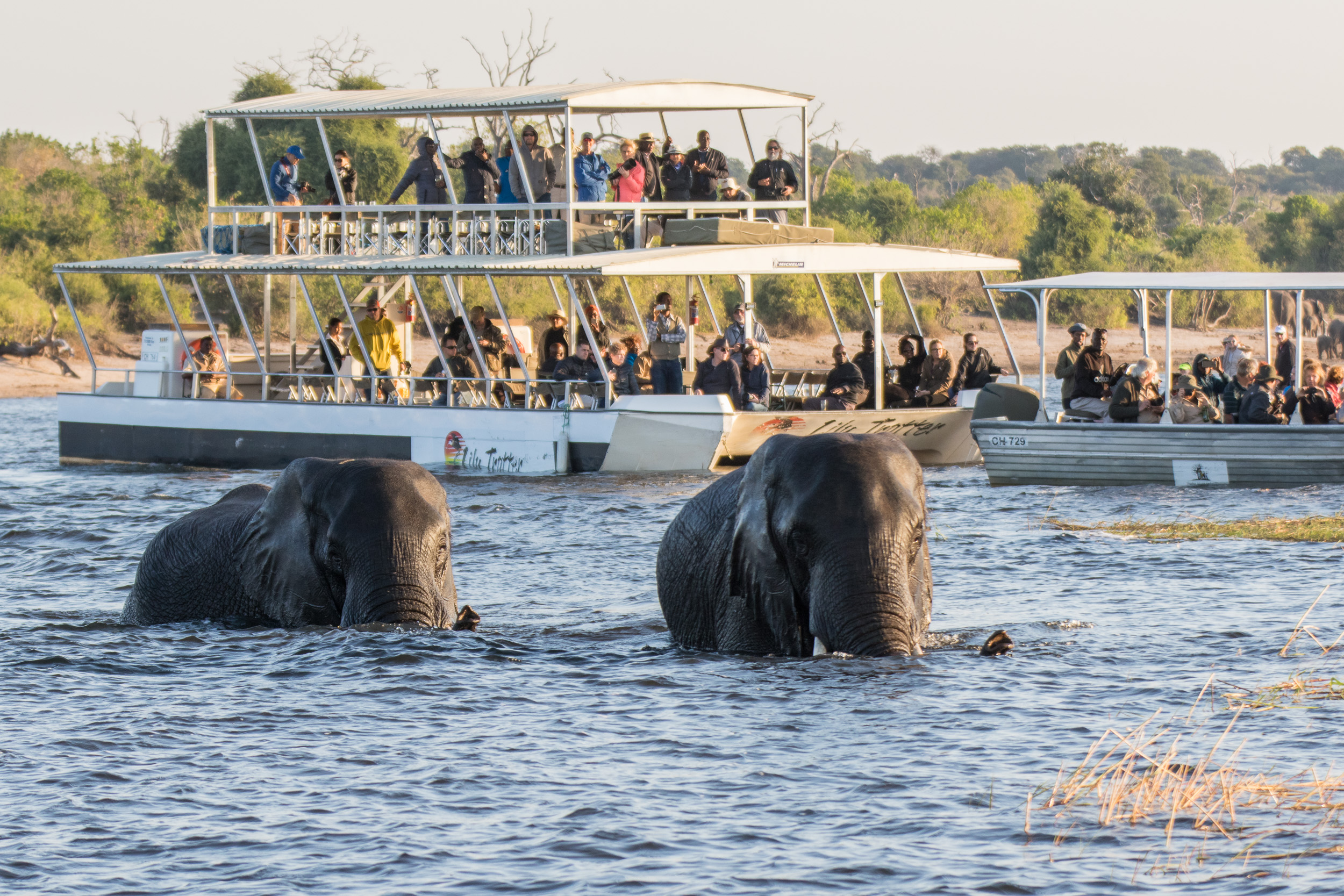
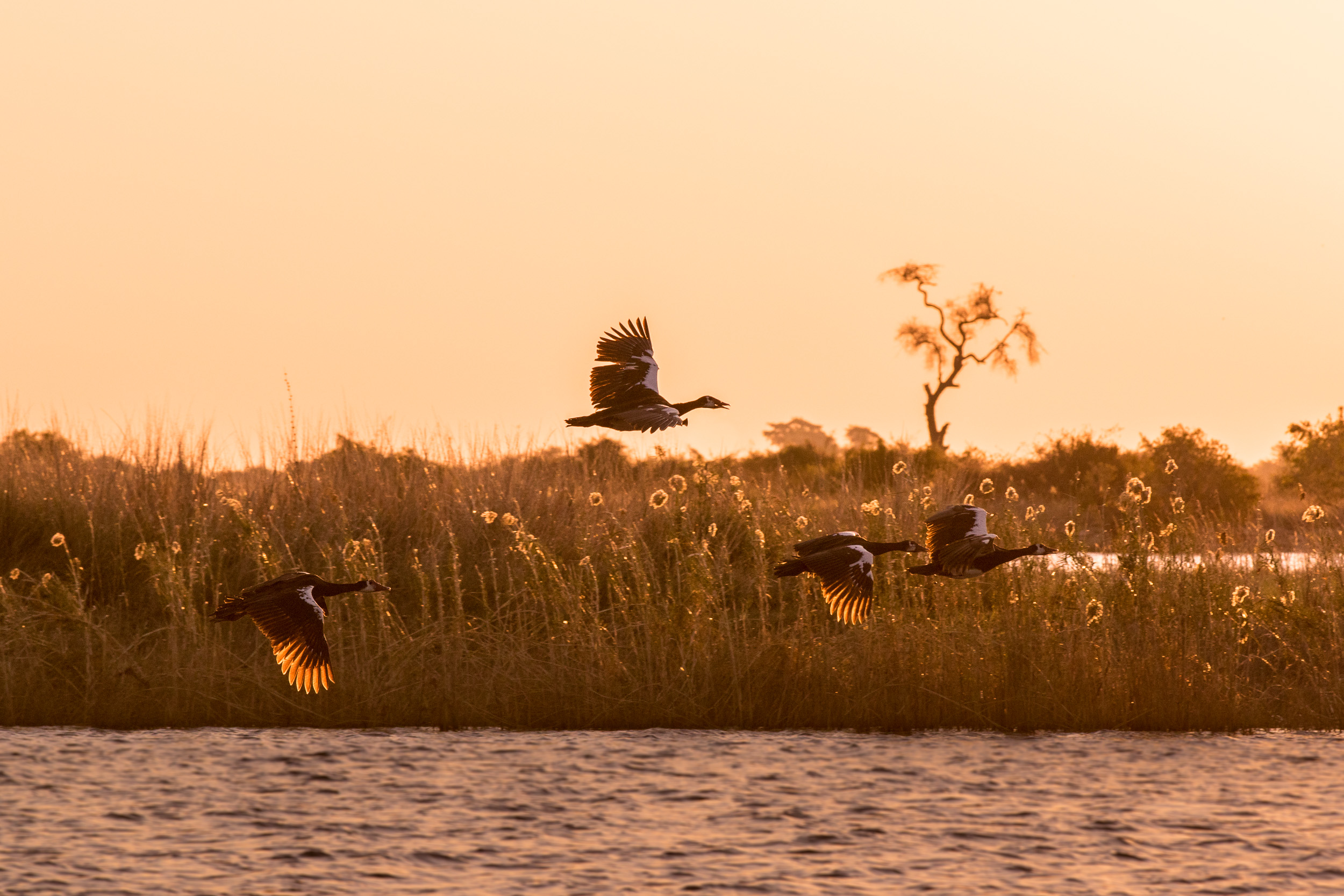
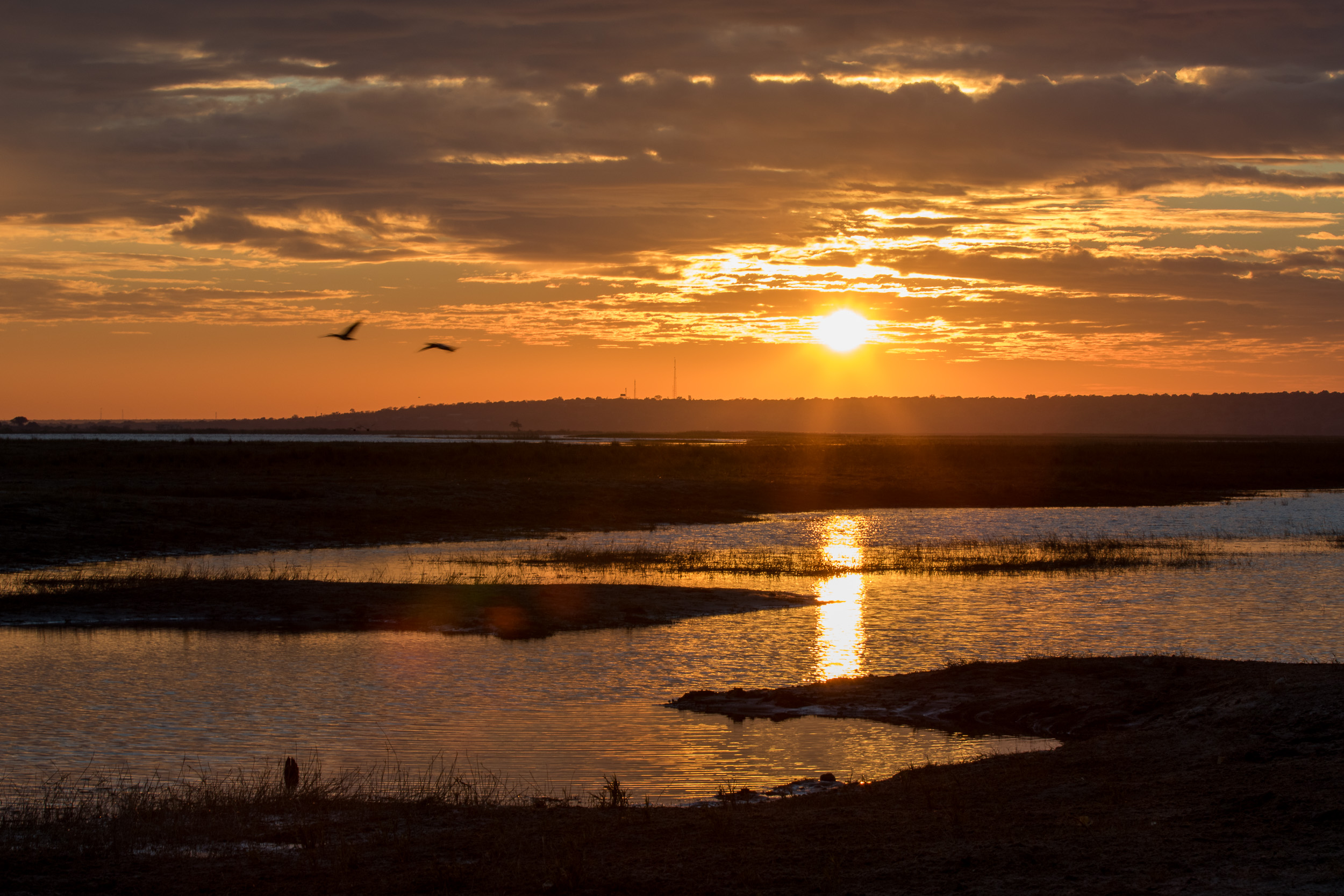
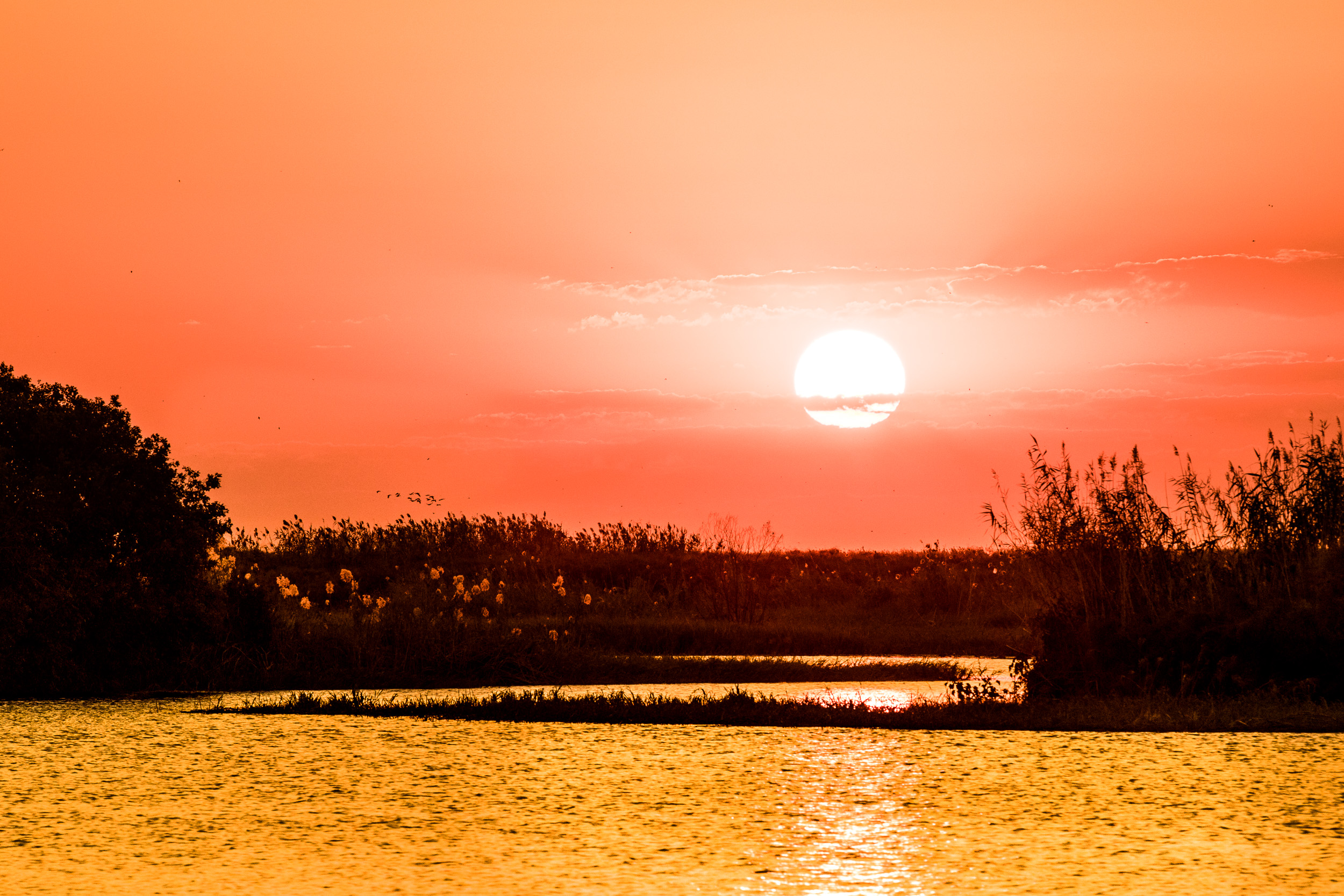
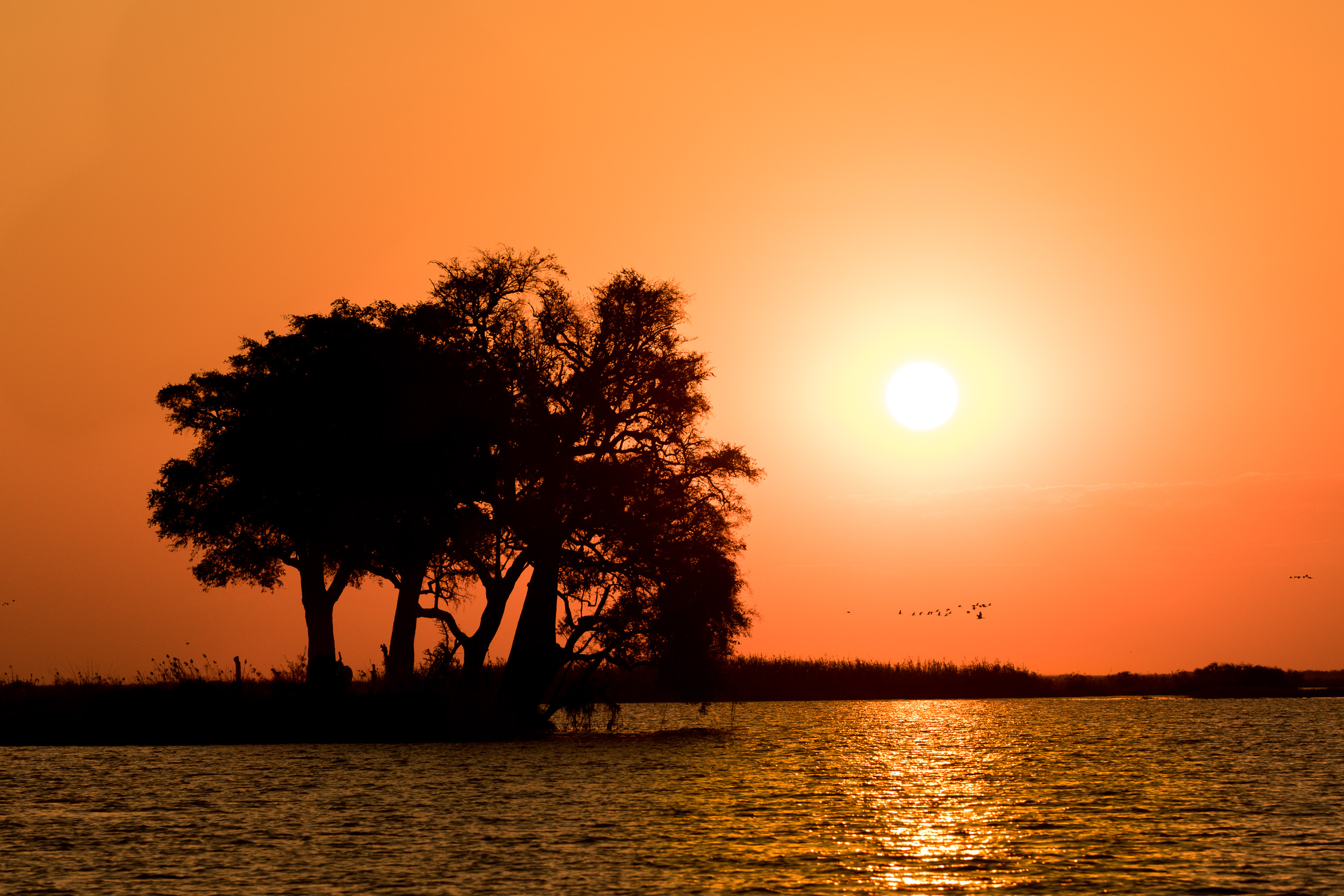
In Kasane we had pre-booked a private sunset river cruise on the Chobe river, which turned out fantastic value and with probably one of the best guides on the river. It was immediately clear that he was very senior and extremely knowledgeable and often other guides would keep an eye on us and our sightings. He also had a clear own itinerary and route, ignoring all other boats who seemed to like herding around the same sightings.
We camped at the Big 5 Chobe Lodge, on the shore of the Chobe River; it was the least attractive camping site of our entire trip, but we knew that in advance. My preferred camping was fully booked a year in advance…