Wildlife and dry landscapes in the “Africa of Java”
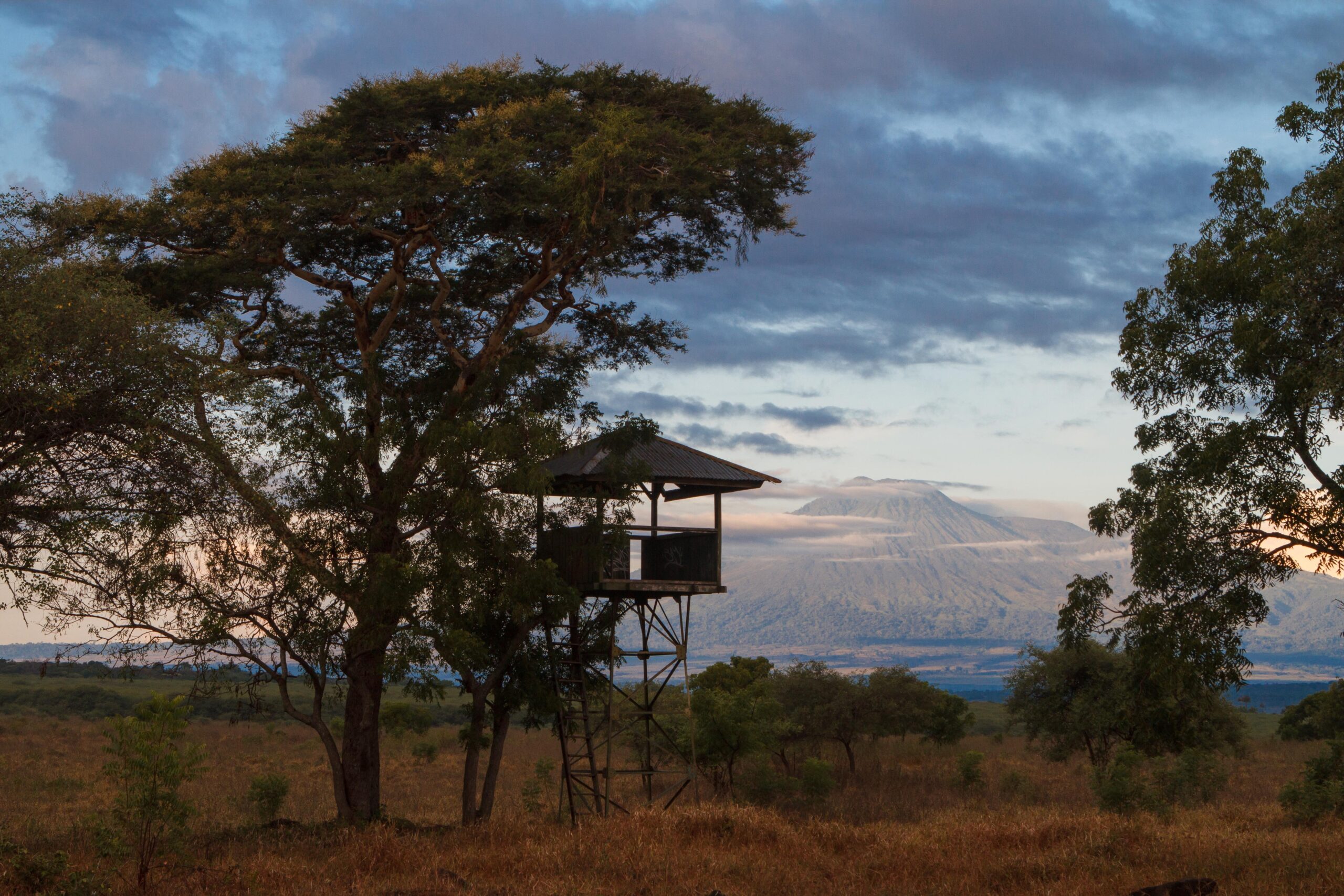
Baluran National Park in East Java is one of Indonesia’s most distinctive wildlife landscapes. Often referred to as the “Africa of Java”, the park is known for its wide open savanna, scattered acacia trees and the dramatic silhouette of Mount Baluran, a dormant volcano rising above the plains.
Located near the northeastern tip of Java, Baluran protects a unique ecosystem of grasslands, monsoon forest, coastal mangroves and seasonal wetlands. This diversity of habitats supports a surprisingly rich wildlife population, making the park one of the best places on Java to observe large mammals and birds in open landscapes.
The Savanna of Baluran
The heart of the park is the Bekol savanna, an expansive grassland surrounded by monsoon forest and low volcanic hills. During the dry season the landscape turns golden and dusty, resembling the savannas of East Africa.
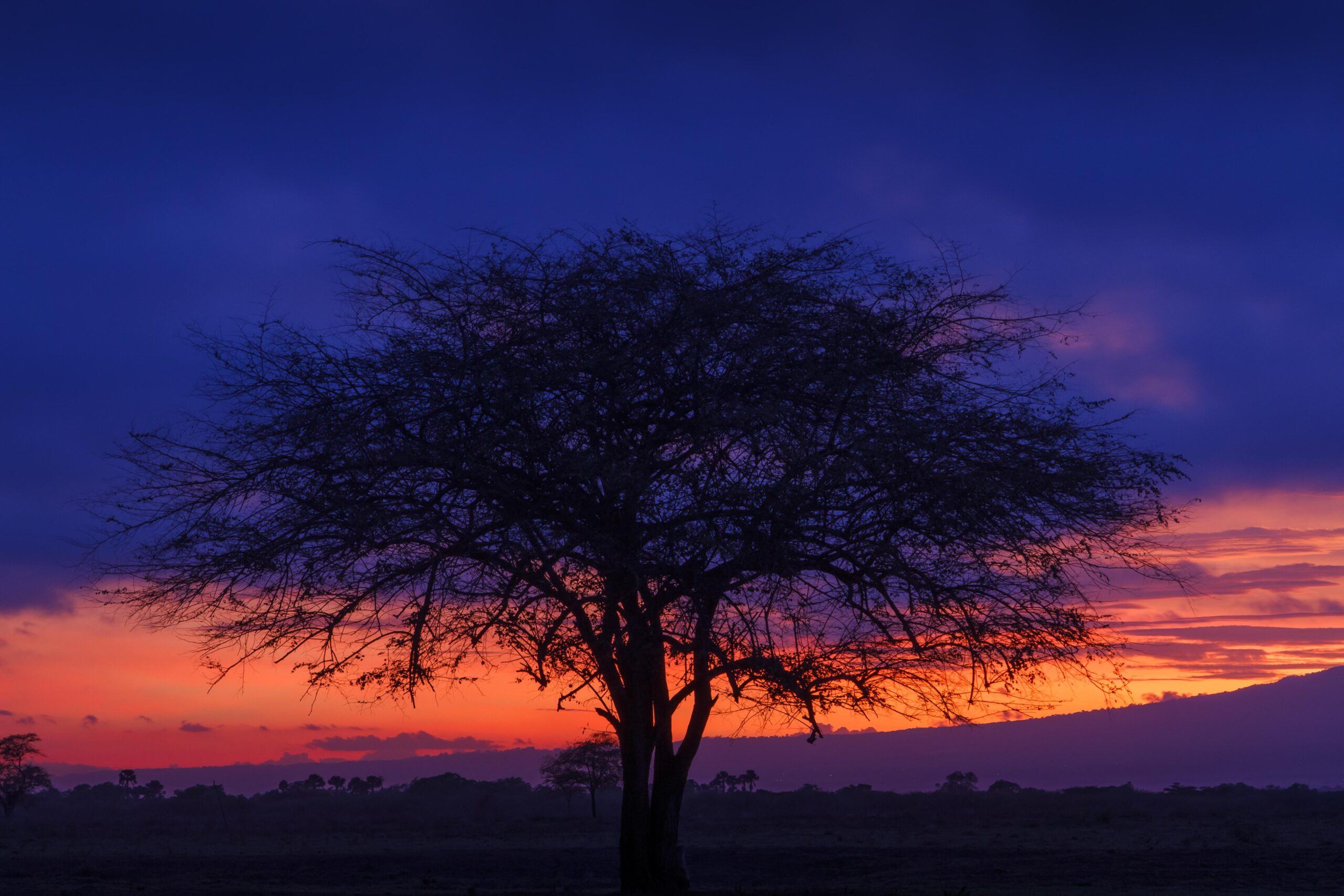
Acacia trees scattered across the plains provide shade for wildlife and create one of the most iconic landscapes in East Java. The savanna lies at the foot of Mount Baluran, a dormant volcano that gives the park its name and forms a striking backdrop to the grasslands.
These open plains are the best place to observe wildlife, particularly during the early morning and late afternoon when animals move out of the surrounding forest to graze.
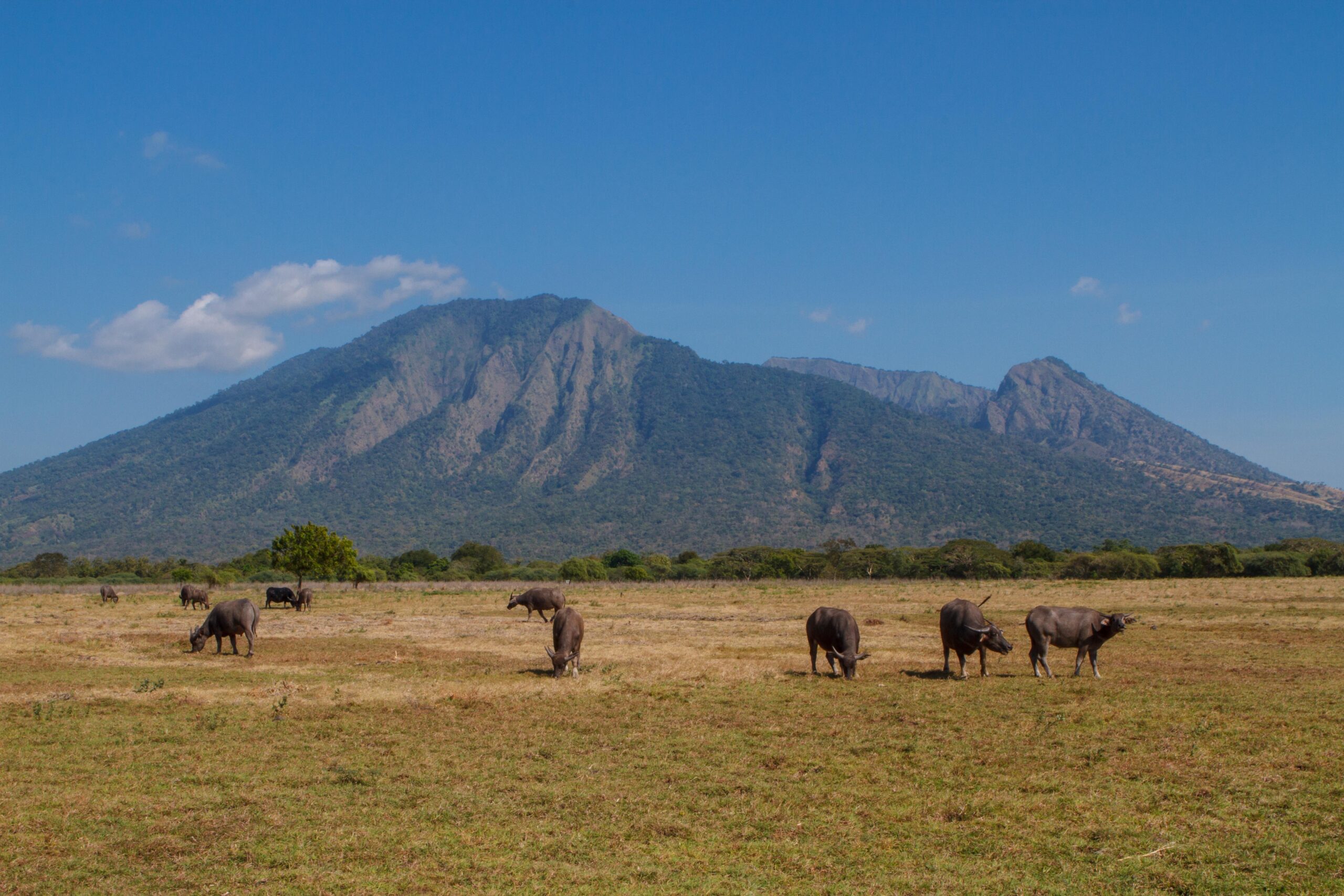
The Bekol savanna with Mount Baluran volcano rising above the grasslands of East Java.
Wildlife of Baluran National Park
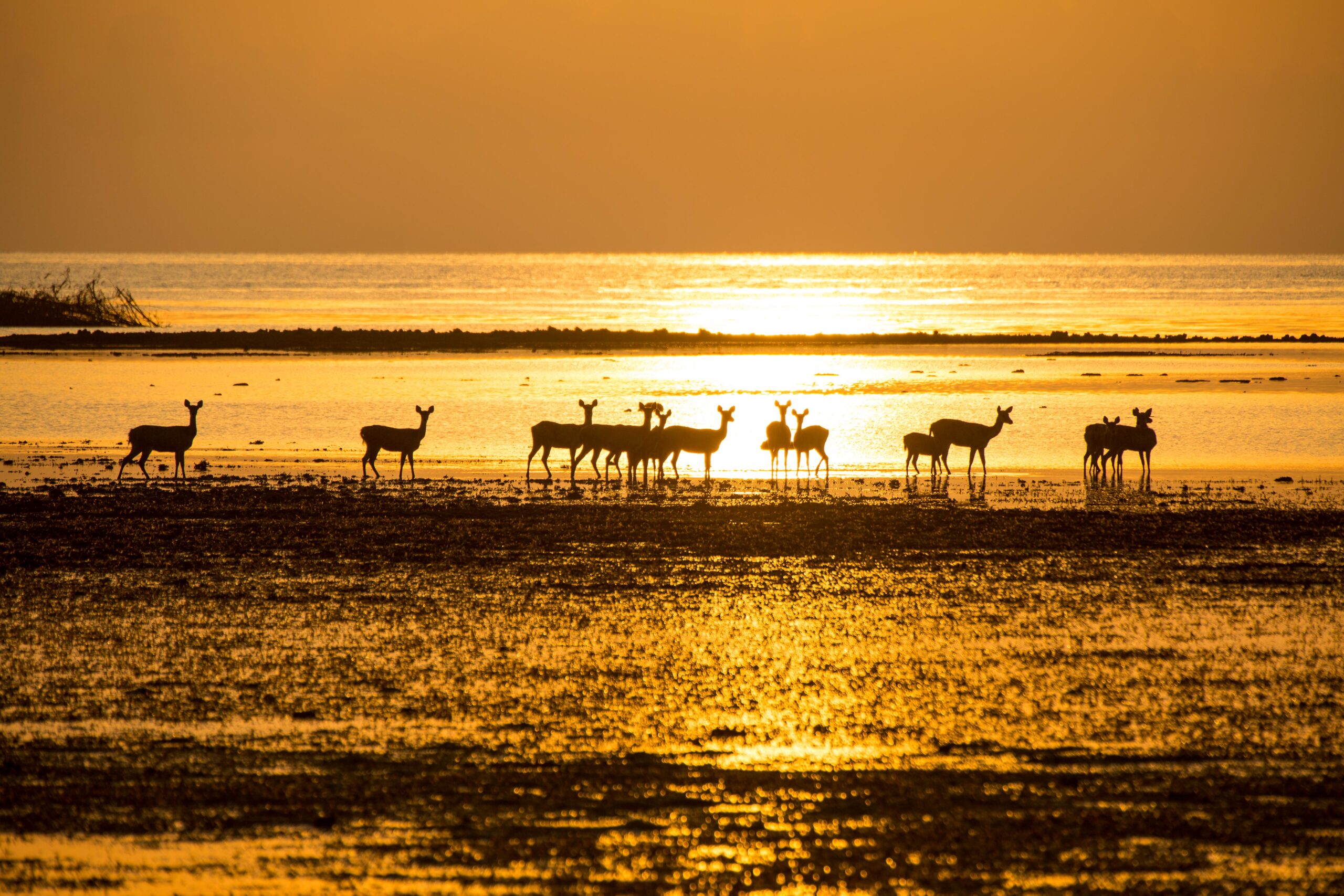
The most visible large mammals in the park are Javan rusa deer, which often roam the savanna in large herds. Early mornings and late afternoons are the best times to observe them grazing in the open grasslands.
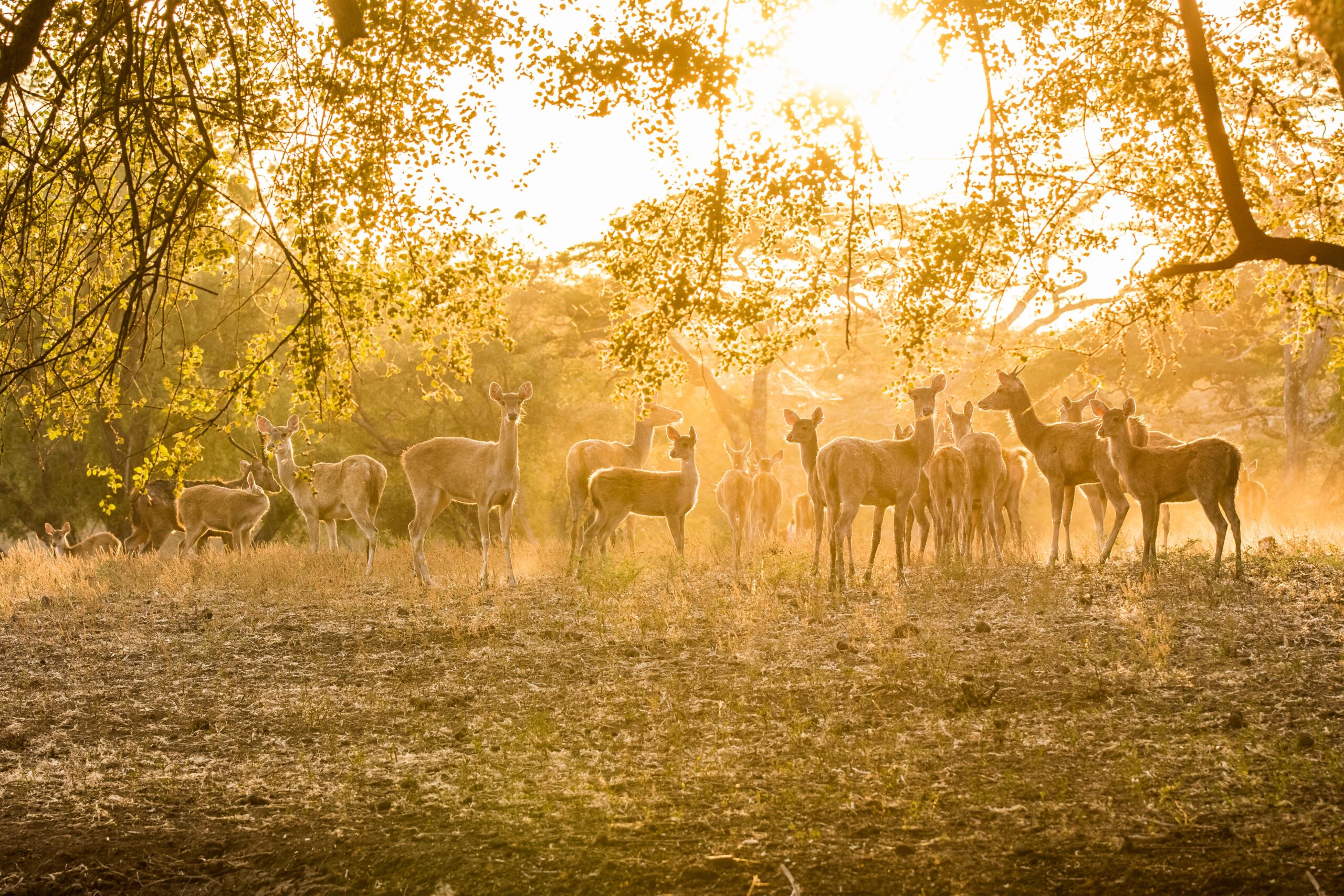
Javan rusa deer grazing on the savanna of Baluran National Park at sunrise.
During the heat of the day, most animals retreat into the shade of the surrounding forest.
Another common species is the water buffalo, which frequently gather around waterholes. These muddy pools provide both cooling relief from the heat and protection against parasites.
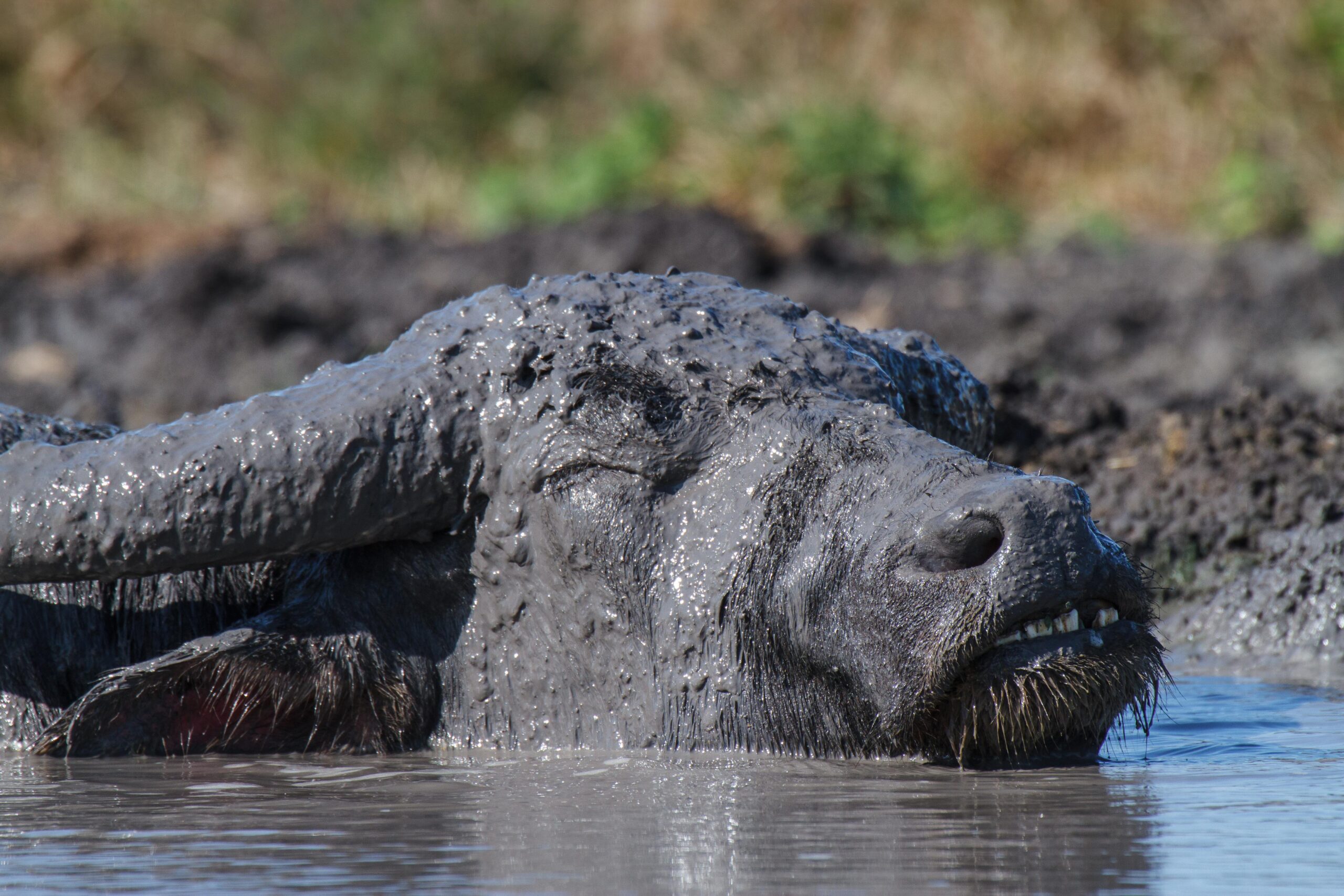
Water buffalo resting in a muddy waterhole during the dry season in Baluran.
Deer and Grazing Animals
Despite its relatively small size, Baluran supports an impressive range of wildlife.
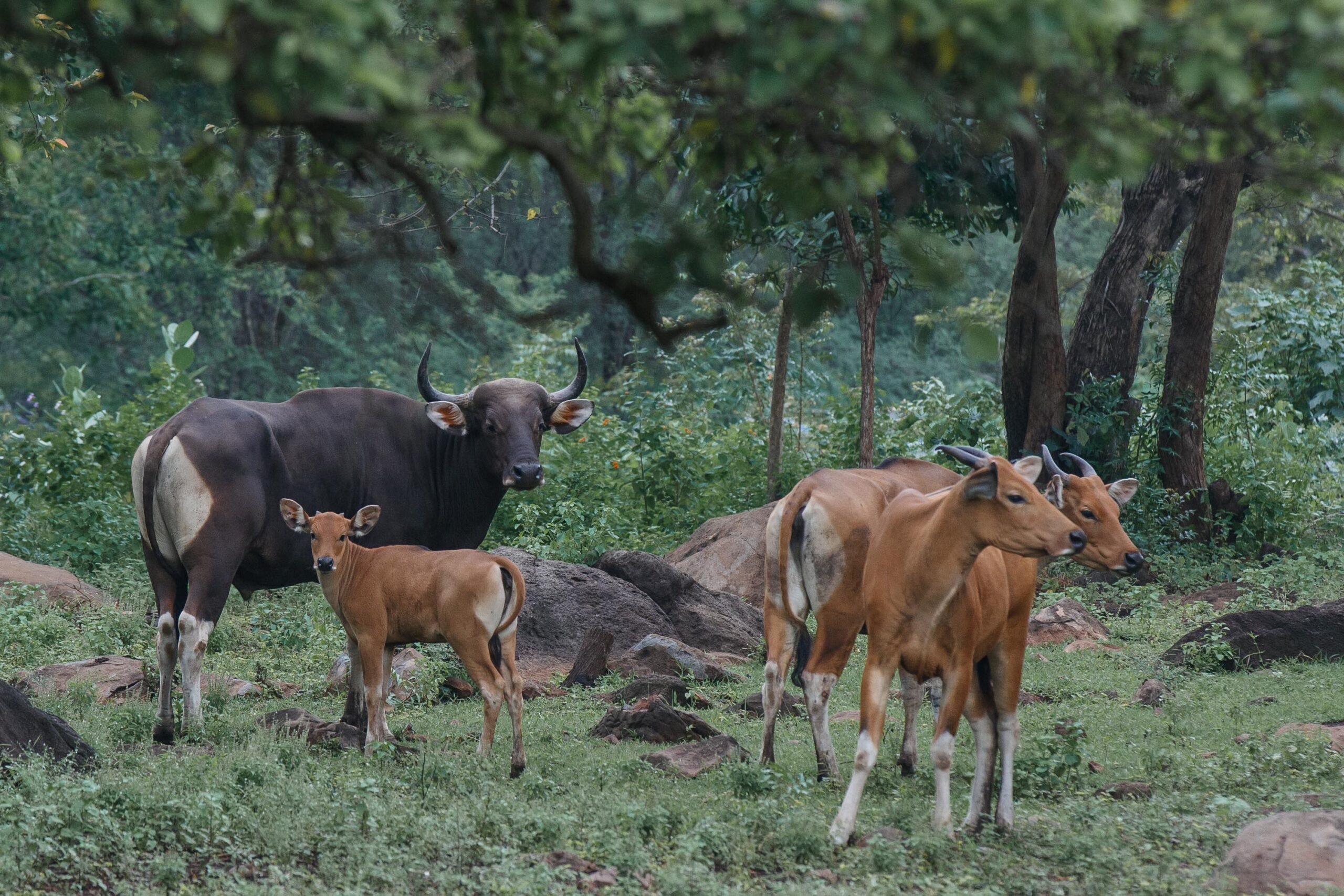
The park’s official flagship species is the banteng, a wild cattle species that once roamed widely across Java and Bali. Today the endangered banteng survives mainly in a few protected areas, including Baluran, Ujung Kulon National Park in West Java and Alas Purwo National Park in East Java.
Banteng, a wild cattle species in Baluran National Park.
Although banteng were once abundant here, their numbers have declined significantly. One of the reasons is the spread of invasive acacia trees, which were originally introduced to prevent forest fires but have since overgrown large parts of the savanna, reducing grazing areas for herbivores.
Predators of Baluran
Baluran is also home to several elusive predators.
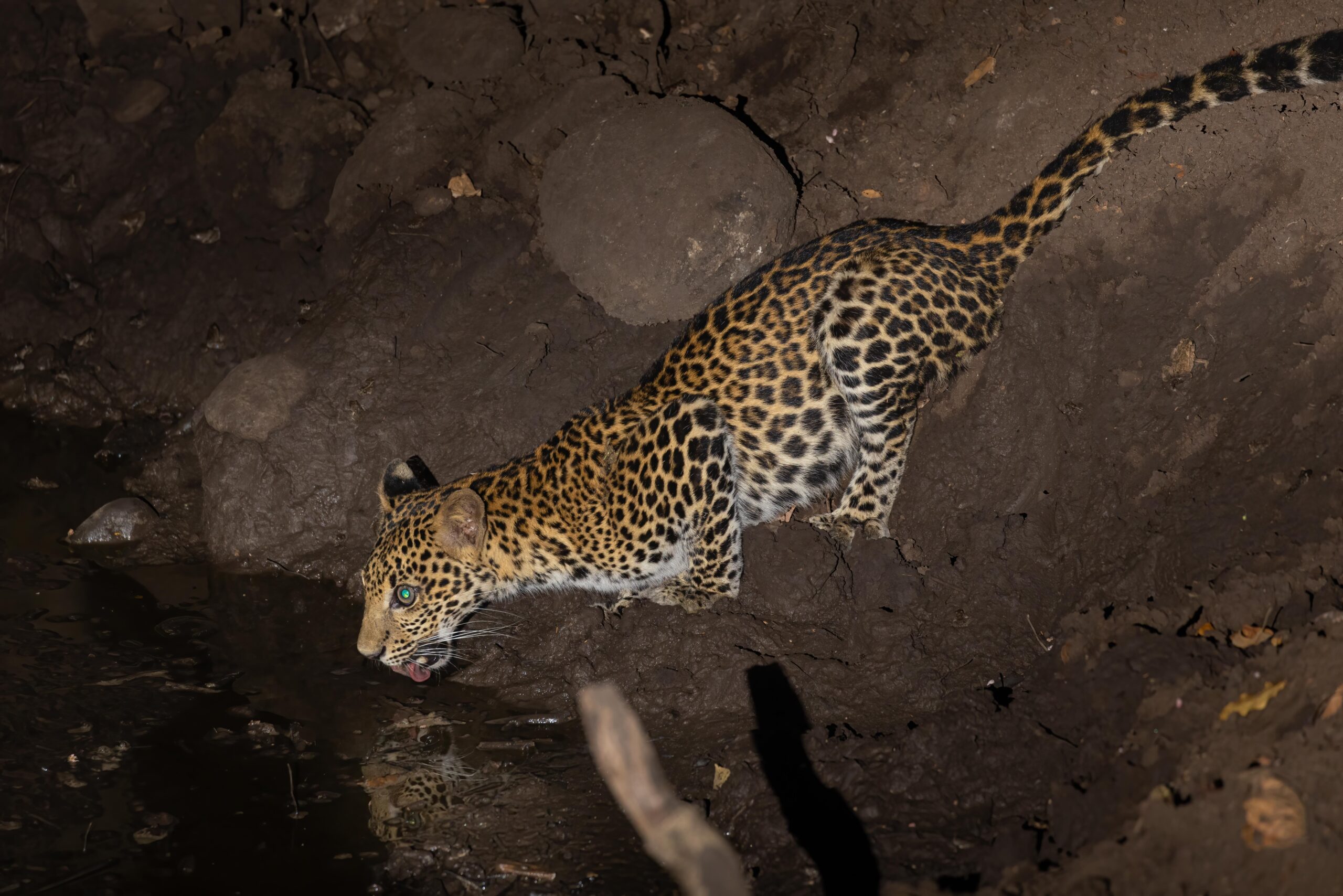
The most famous is the Javan leopard (macan tutul), one of the rarest big cats in Southeast Asia. These solitary predators are extremely difficult to observe, spending most of their time in dense forest and hunting primarily at night.
Javan Leopard at a water hole in Baluran National Park.
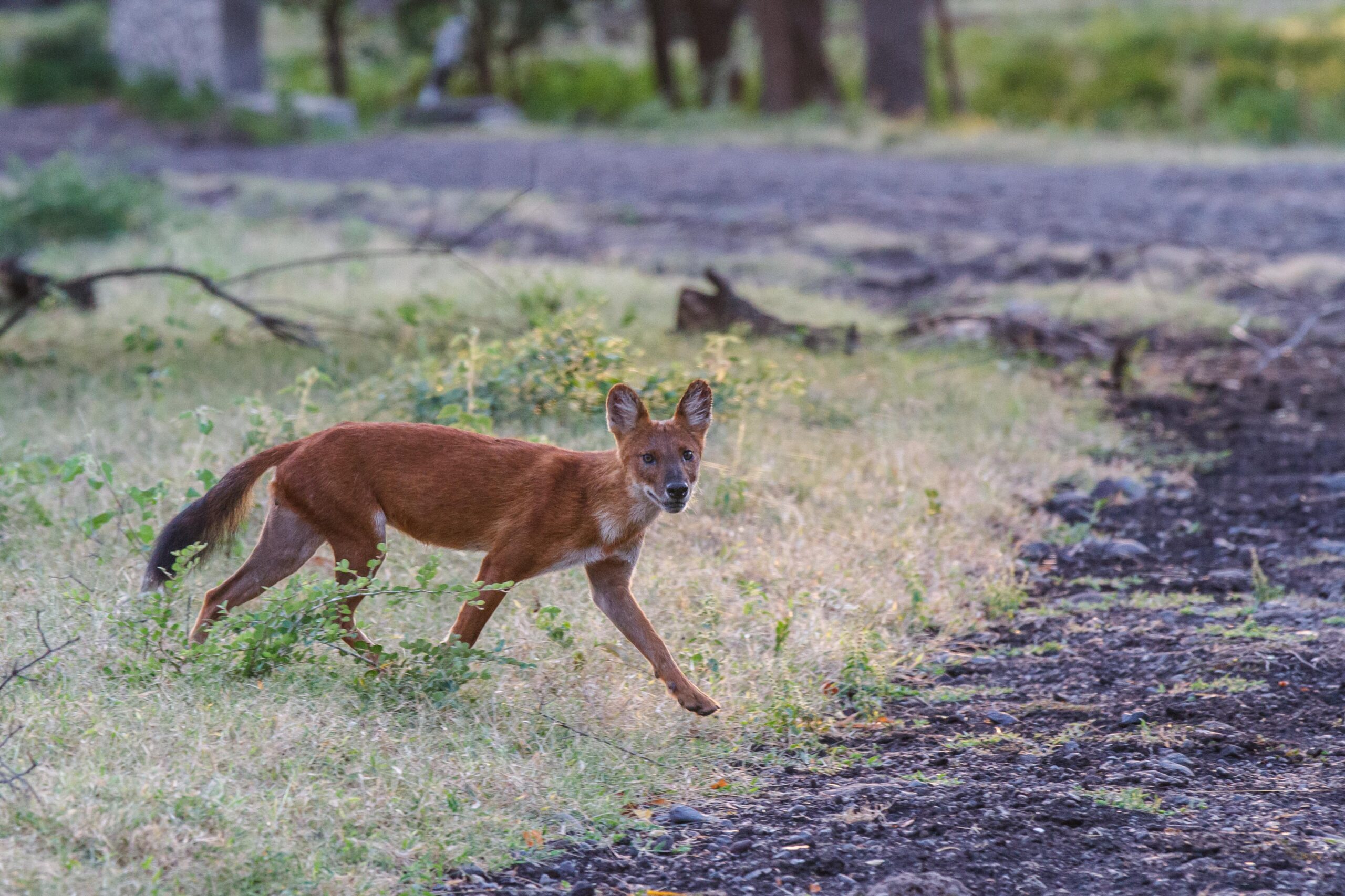
Another predator found in the park is the Asiatic wild dog, or dhole (ajag). These highly social hunters move in packs and prey mainly on deer, and occasionally young banteng.
An Asiatic wild dog, or dhole (ajag) on an early morning hunt on the Baluran savanna.
Birds of the Savanna
Baluran is also well known for its birdlife.
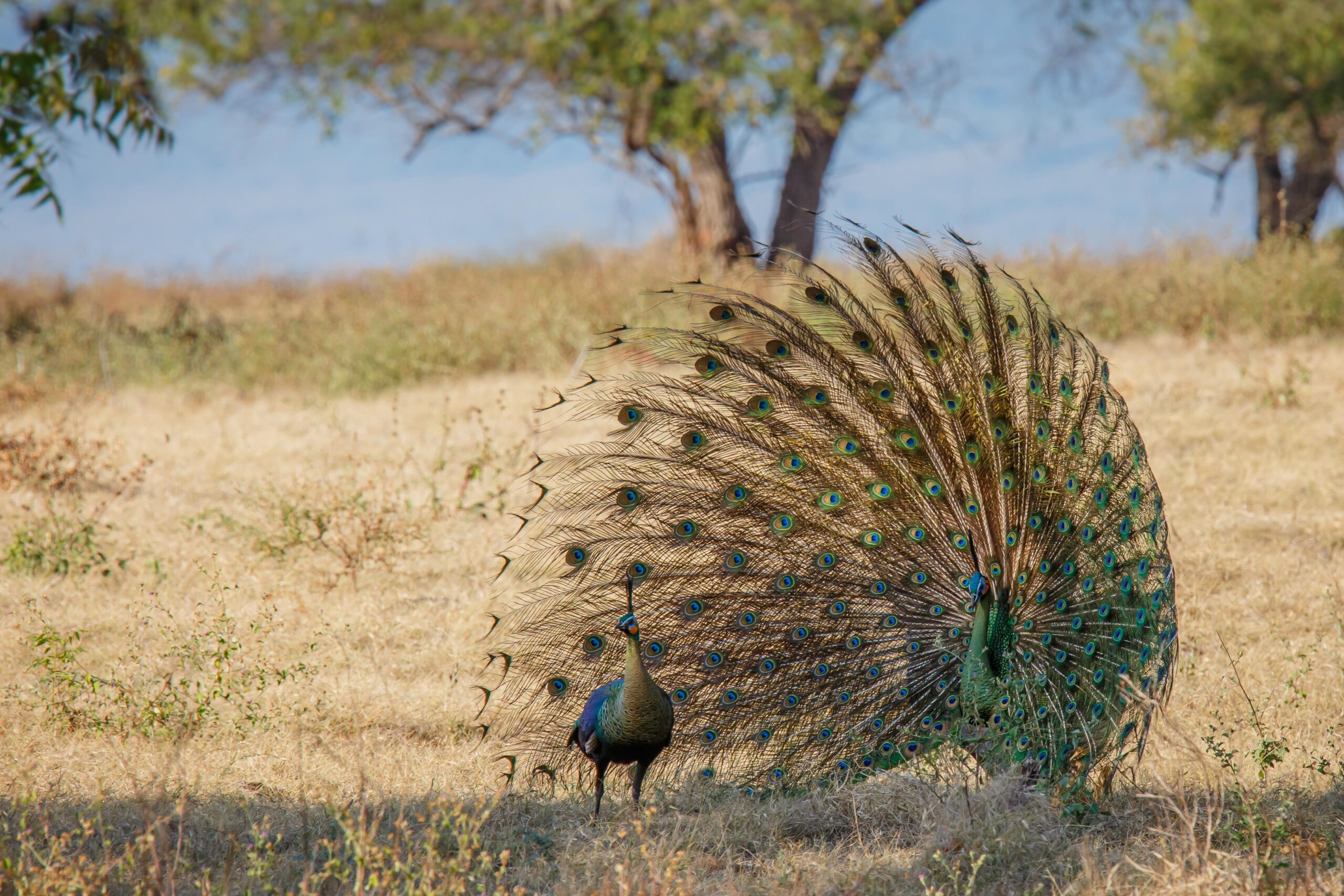
One of the most iconic species is the green peafowl, whose spectacular courtship displays occur mainly between August and November. During this period males fan out their colourful tail feathers while calling loudly to attract females.
Green peafowl displaying its spectacular tail feathers on the grasslands of Baluran.
Peafowl are also remarkable fliers. At sunrise and sunset they often fly between feeding areas and the tall trees where they roost at night — a spectacular sight against the open savanna.
Monkeys and Smaller Wildlife
Several primate species inhabit the forests around the savanna.
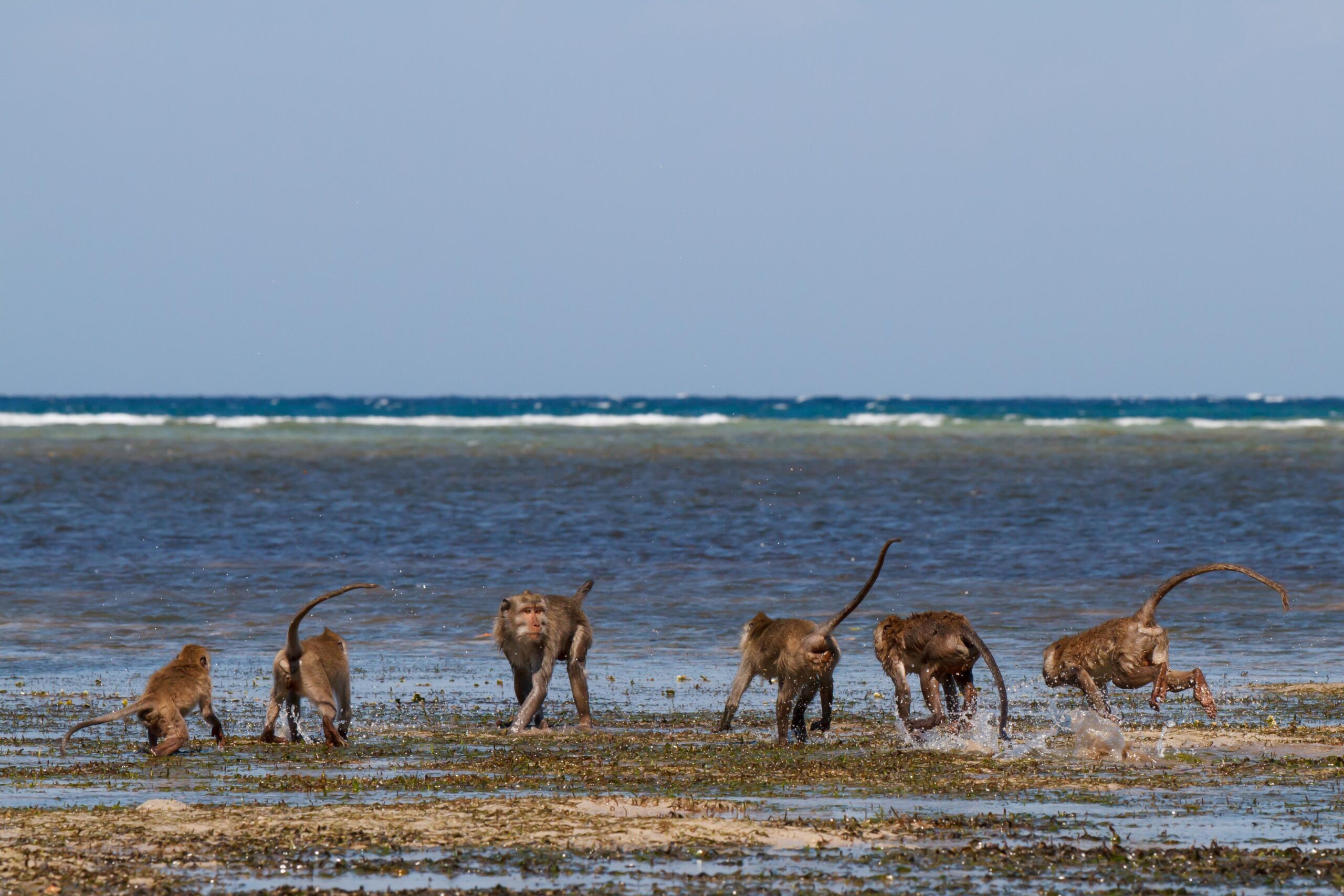
Long-tailed macaques are the most common and are often seen near park roads. Unfortunately many visitors still feed them, which has made some populations increasingly aggressive.
Long-tailed Macaques fighting on the Bama beach at low tide.
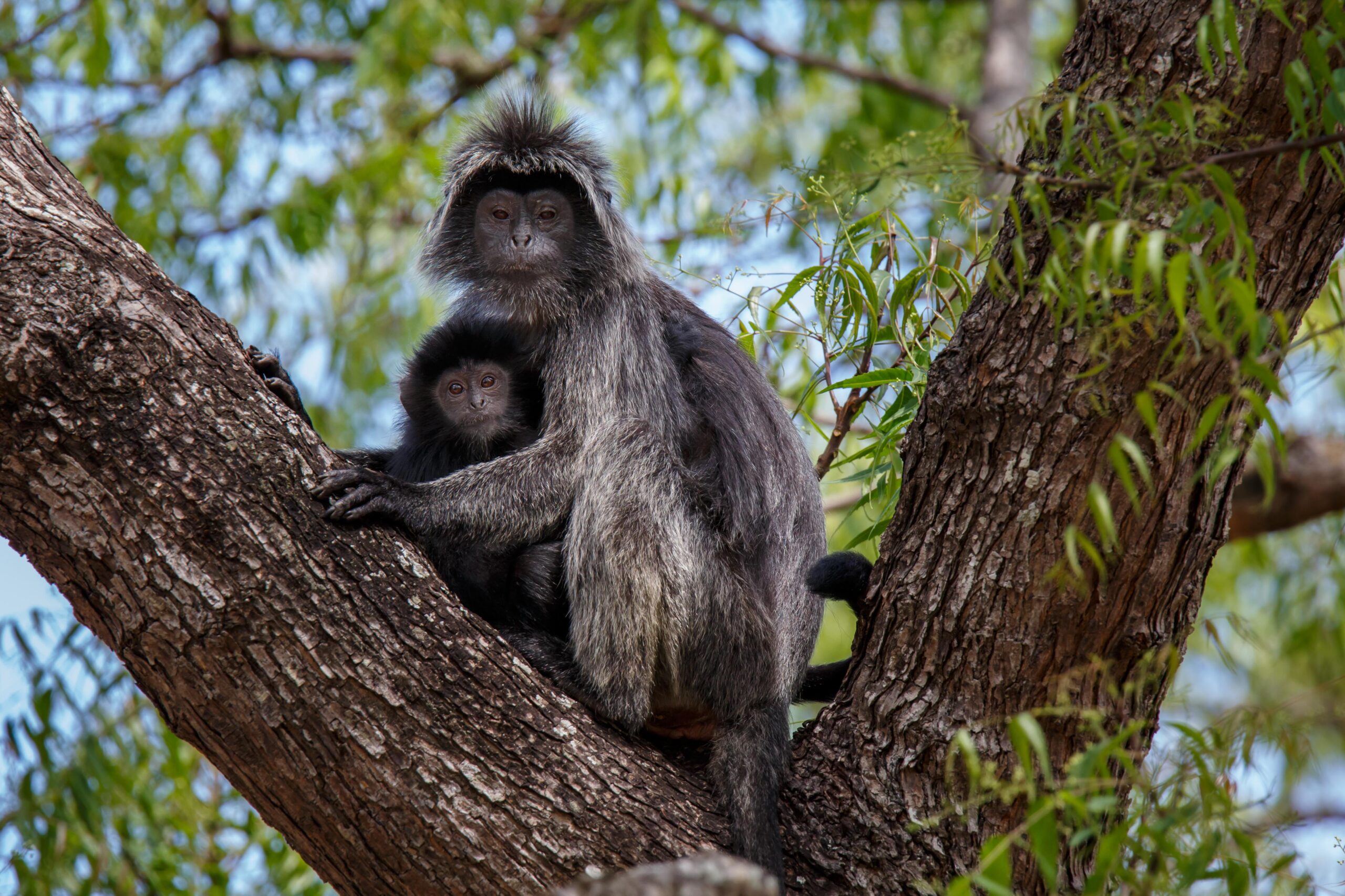
More elusive is the Javan lutung, a shy leaf-eating monkey that spends much of its time moving through the treetops of the forest.
A female and juvenile Javan lutung.
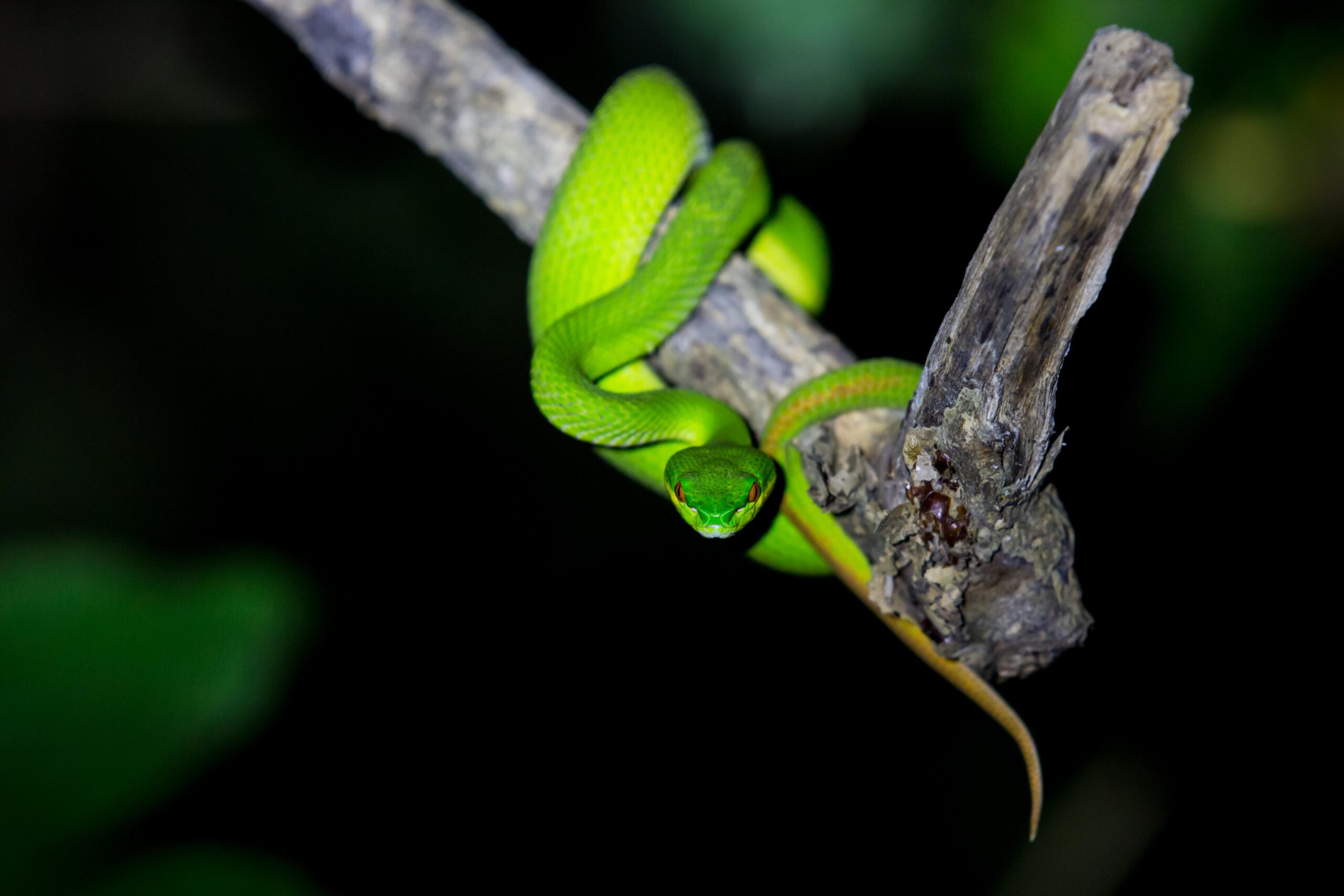
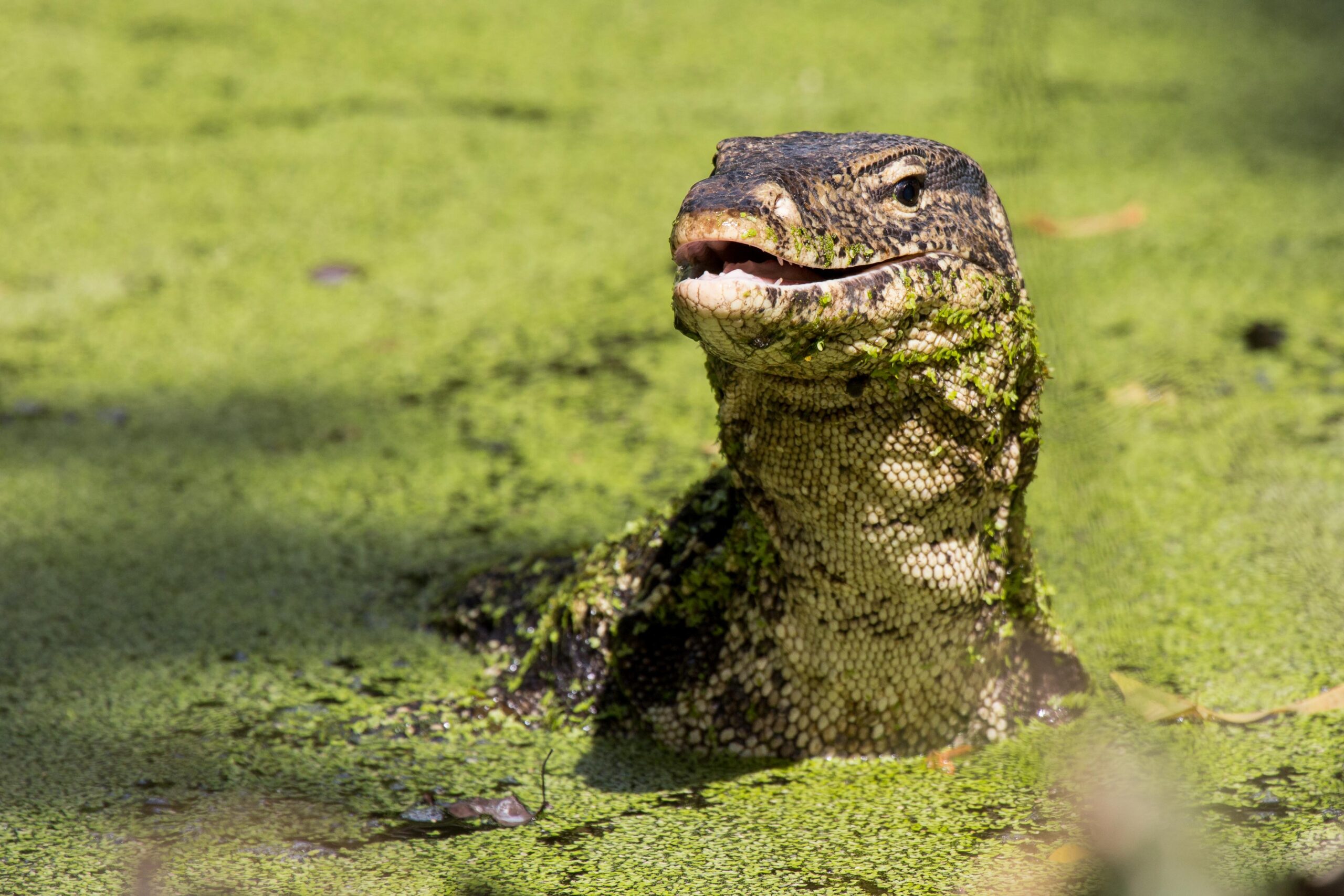
Baluran also supports a wide variety of reptiles, particularly during the wet season when many species become active at night.
A green Pit Viper, one of many venomous snakes in Baluran.
A monitor lizard in a water hole near Bama Beach in Baluran.
Seasons in Baluran
One of the most striking aspects of Baluran is the strong seasonal transformation of the landscape.
During the dry season the park becomes extremely arid, with much of the vegetation turning brown and dusty. At this time wildlife concentrates around the few remaining water sources, including several man-made wells that provide essential water for animals.
When the rains arrive, the landscape changes rapidly. Grasslands turn green again and flowering plants appear across the savanna, attracting birds and insects.
These seasonal shifts create very different photographic opportunities throughout the year.
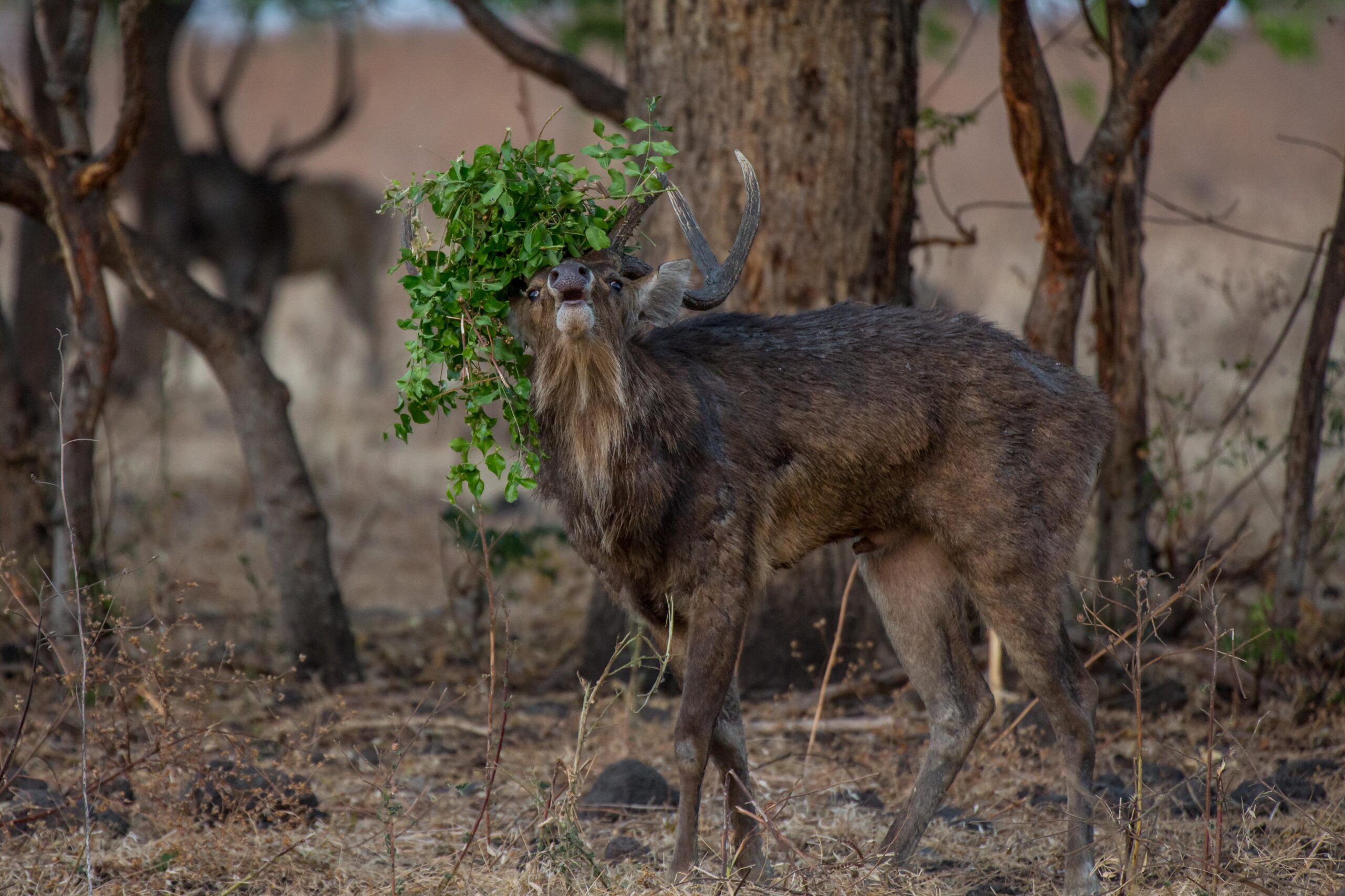
A deer stag decorating itself during the mating season.
Photography in Baluran
Baluran offers some of the most photogenic landscapes on Java.
The open savanna makes wildlife easier to observe and photograph than in many other Indonesian forests. Early morning and late afternoon provide the best light, when animals are active and the low sun casts warm tones across the grasslands.
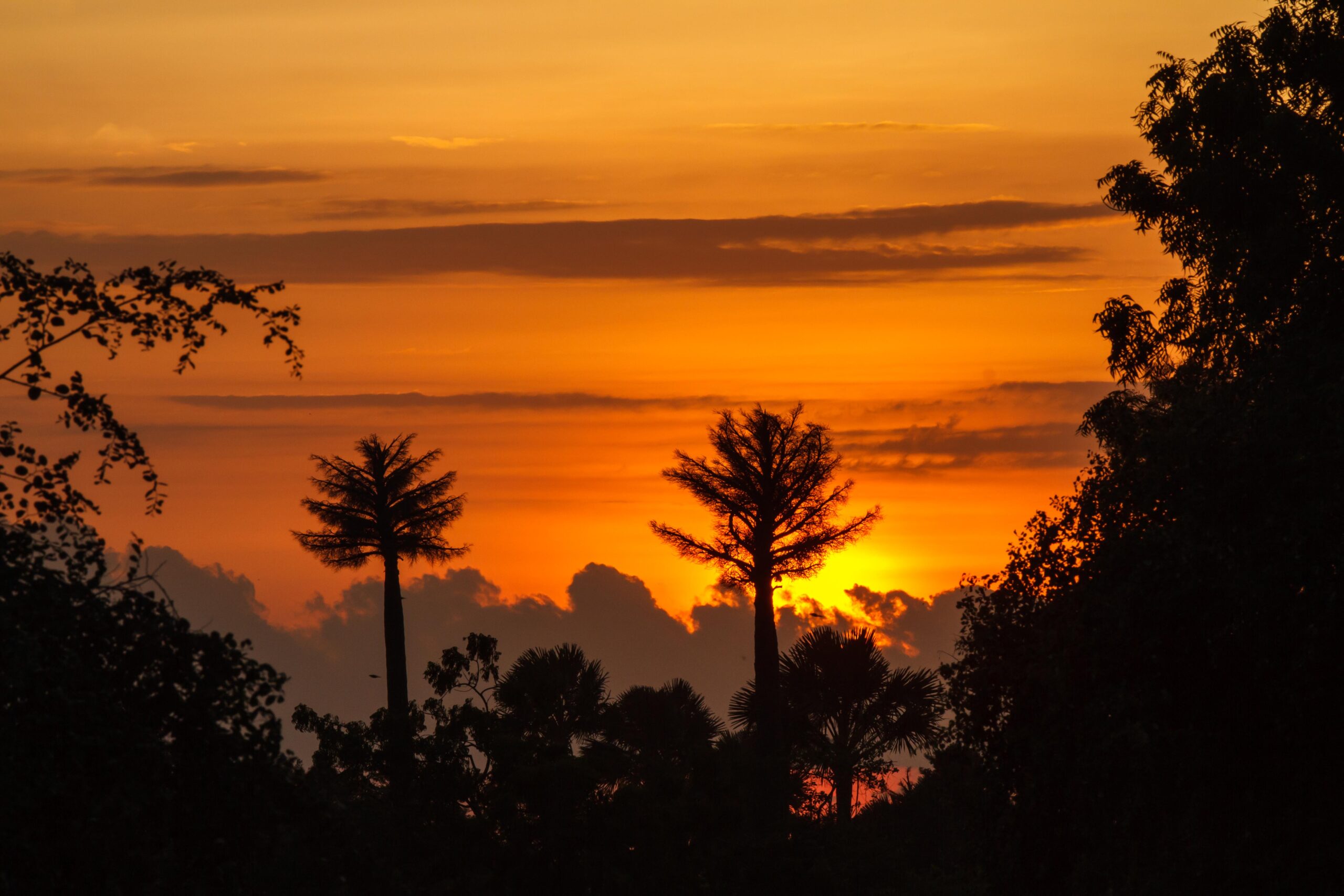
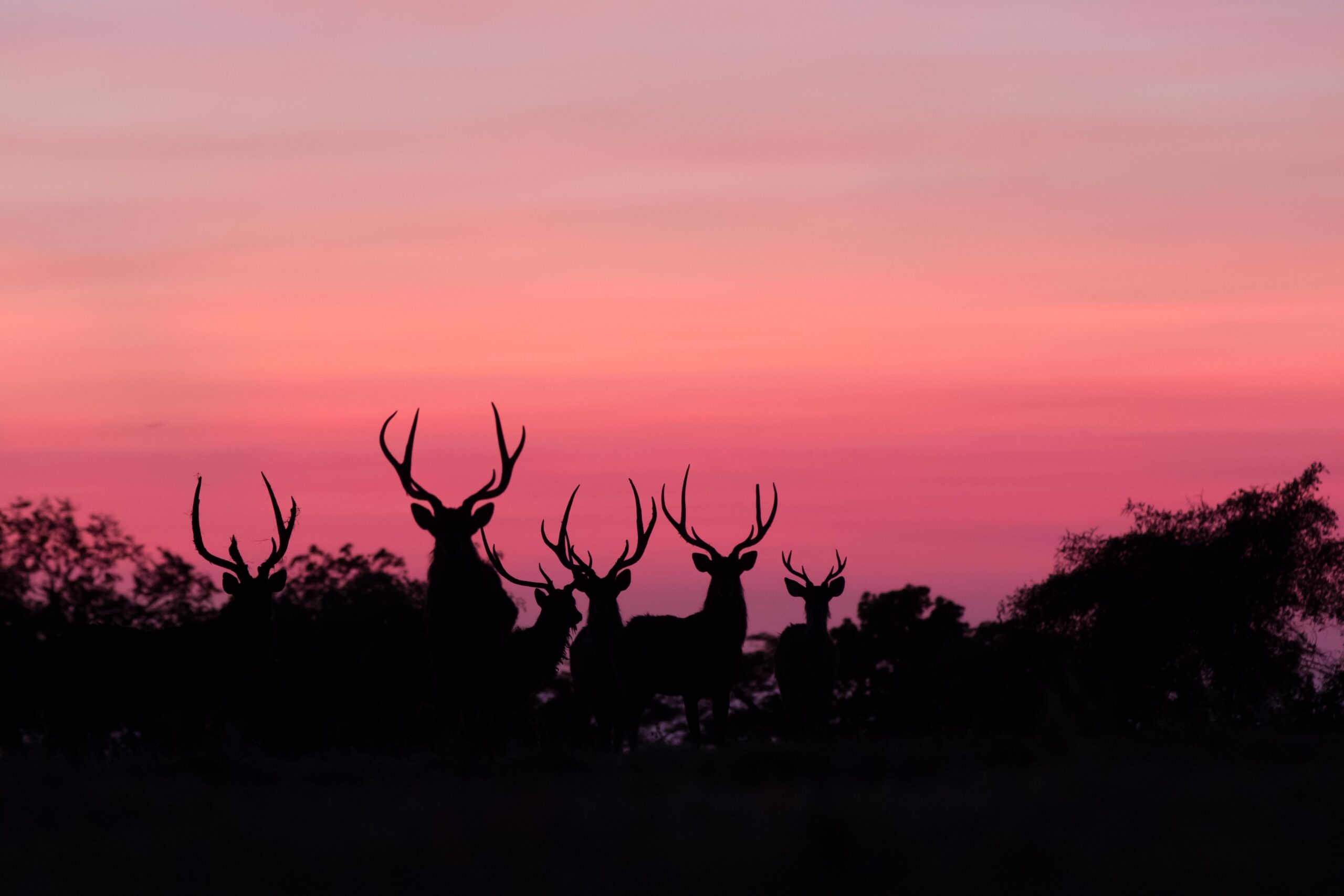
Sunset scenes with deer or peafowl silhouetted against the savanna and Mount Baluran are among the park’s most memorable photographic moments.
Visiting Baluran National Park
The main entrance to Baluran National Park is located at Wonorejo, about thirty minutes from Banyuwangi in East Java.
The park is relatively small and road access is limited, with most visitors travelling along the main route toward the Bekol savanna and the coastal area of Bama.
Accommodation inside the park has remained closed to the public since the pandemic, so visitors usually stay in guesthouses near the park entrance.
A small canteen can sometimes be found at Bekol and another at Bama beach, but these are not always open on weekdays, so bringing sufficient water and food is recommended.
Wildlife viewing is best early in the morning or late in the afternoon, when temperatures are cooler and animals move out onto the savanna. Midday is generally quiet, as most animals retreat into the shade of the surrounding forest.
Related Destinations in East Java
East Java contains some of the most diverse landscapes on the island of Java. From volcanic mountains to savannas and coastal rainforest, the region offers a remarkable variety of ecosystems.
Other destinations in East Java explored on this site include:
Bromo Tengger Semeru National Park One of Indonesia’s most dramatic volcanic landscapes, where Mount Bromo rises from a vast ash caldera beneath the towering Mount Semeru.
Kawah Ijen A striking volcanic crater lake known for its turquoise waters and traditional sulfur mining on the rim of the volcano.
Meru Betiri National Park A remote coastal rainforest reserve known for sea turtle nesting beaches and dense tropical forest.
Alas Purwo National Park One of the oldest protected forests on Java, where monsoon forest, coastal savannas and remote beaches shelter wildlife including banteng, deer and monkeys.