The Language of the Land
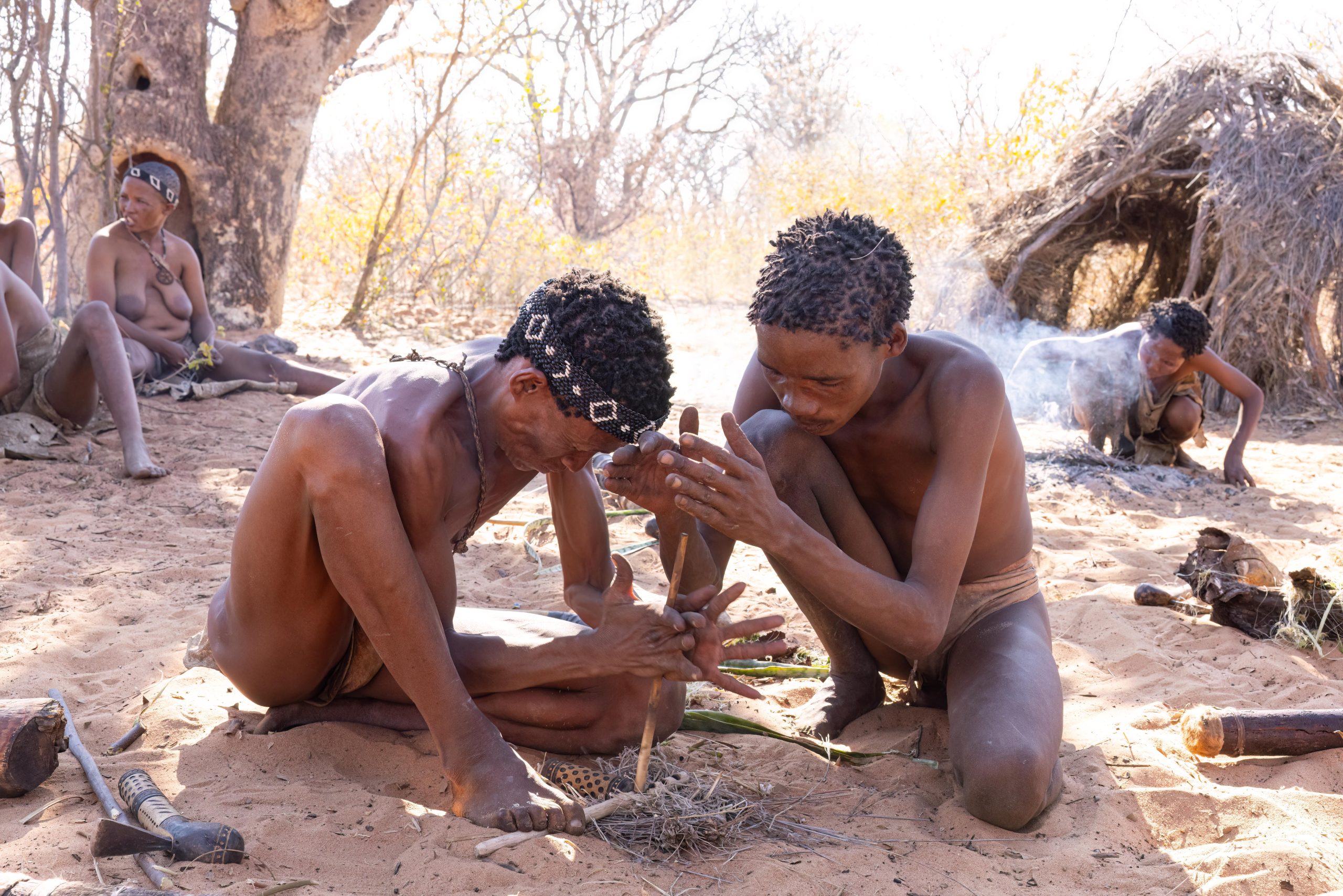
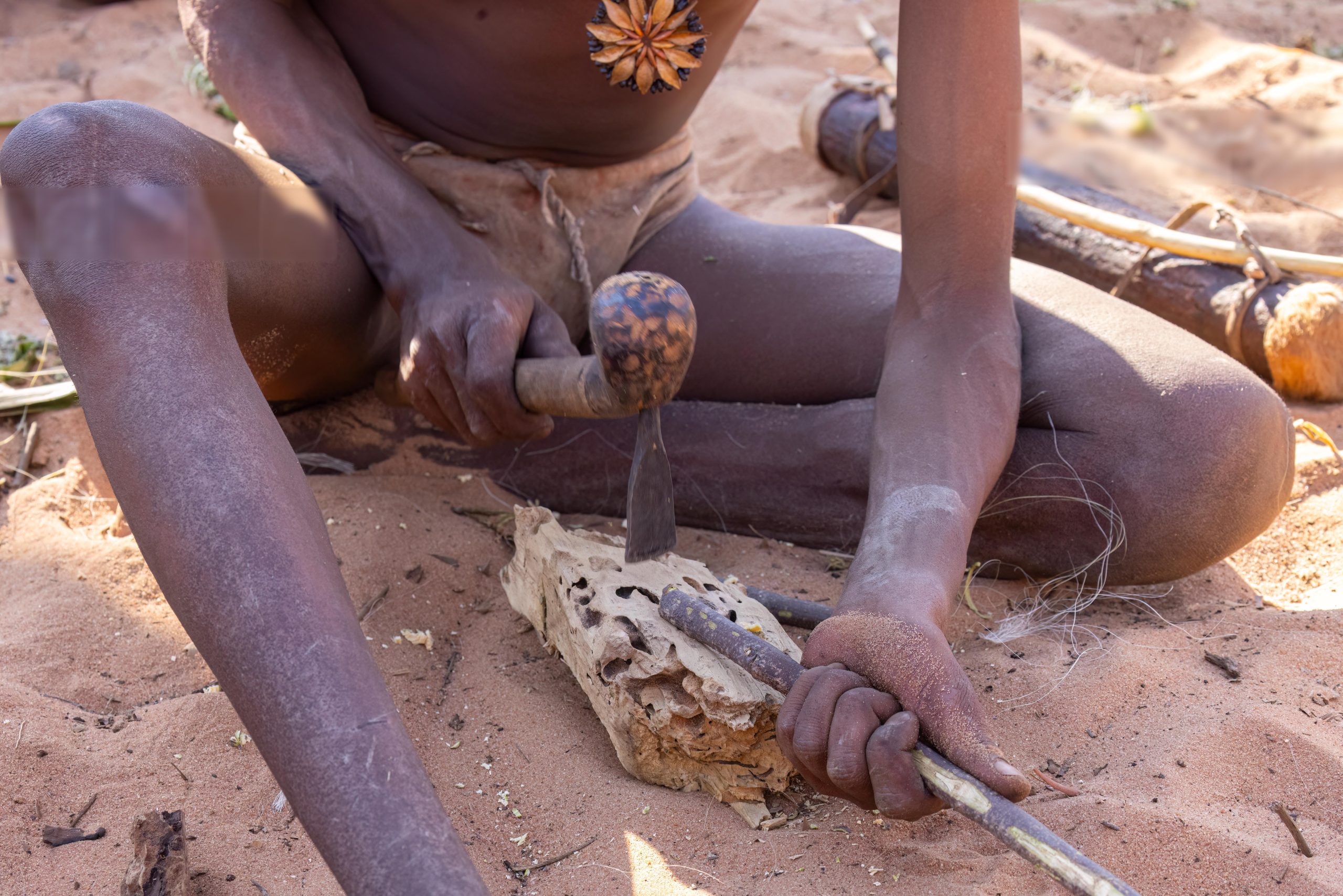
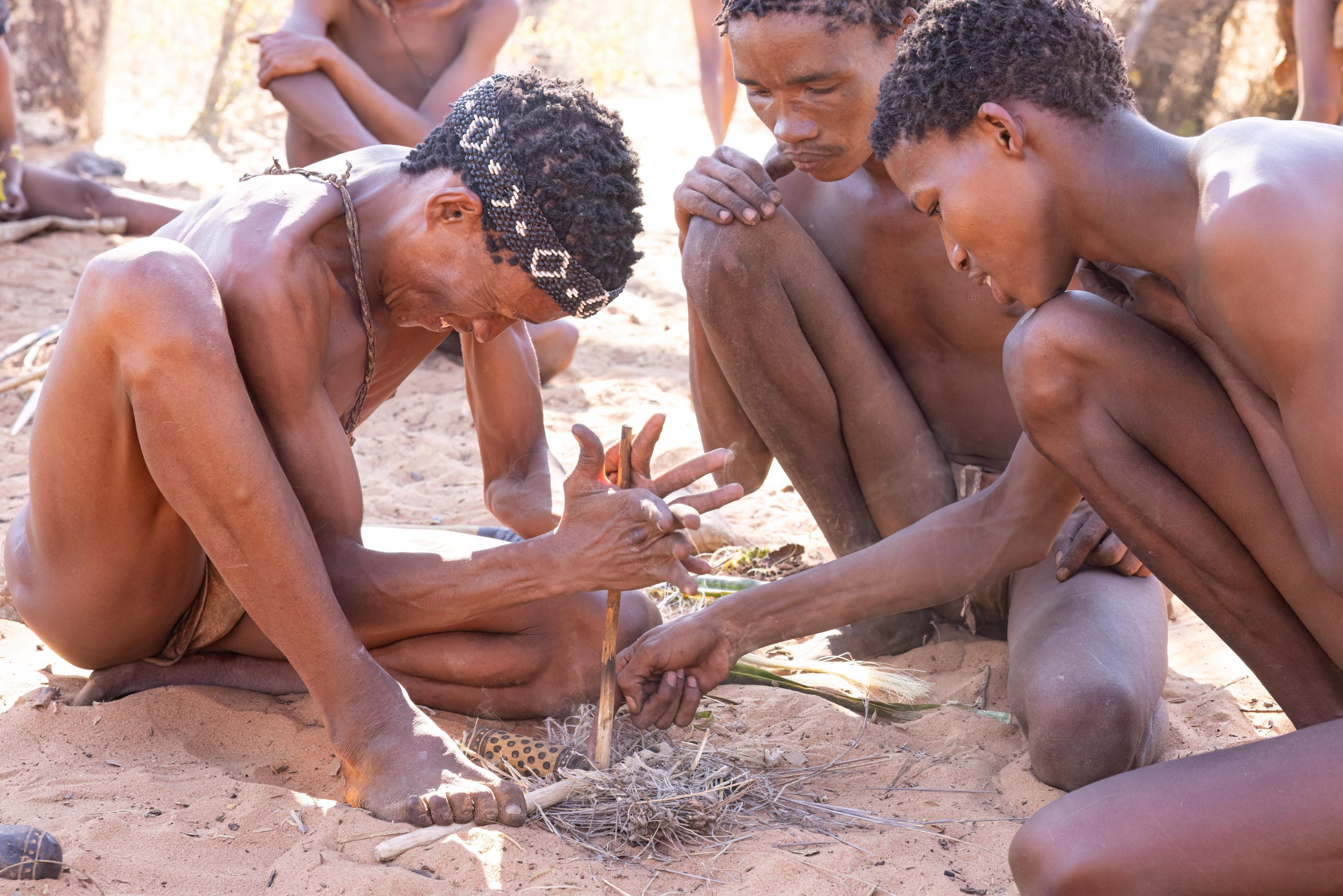
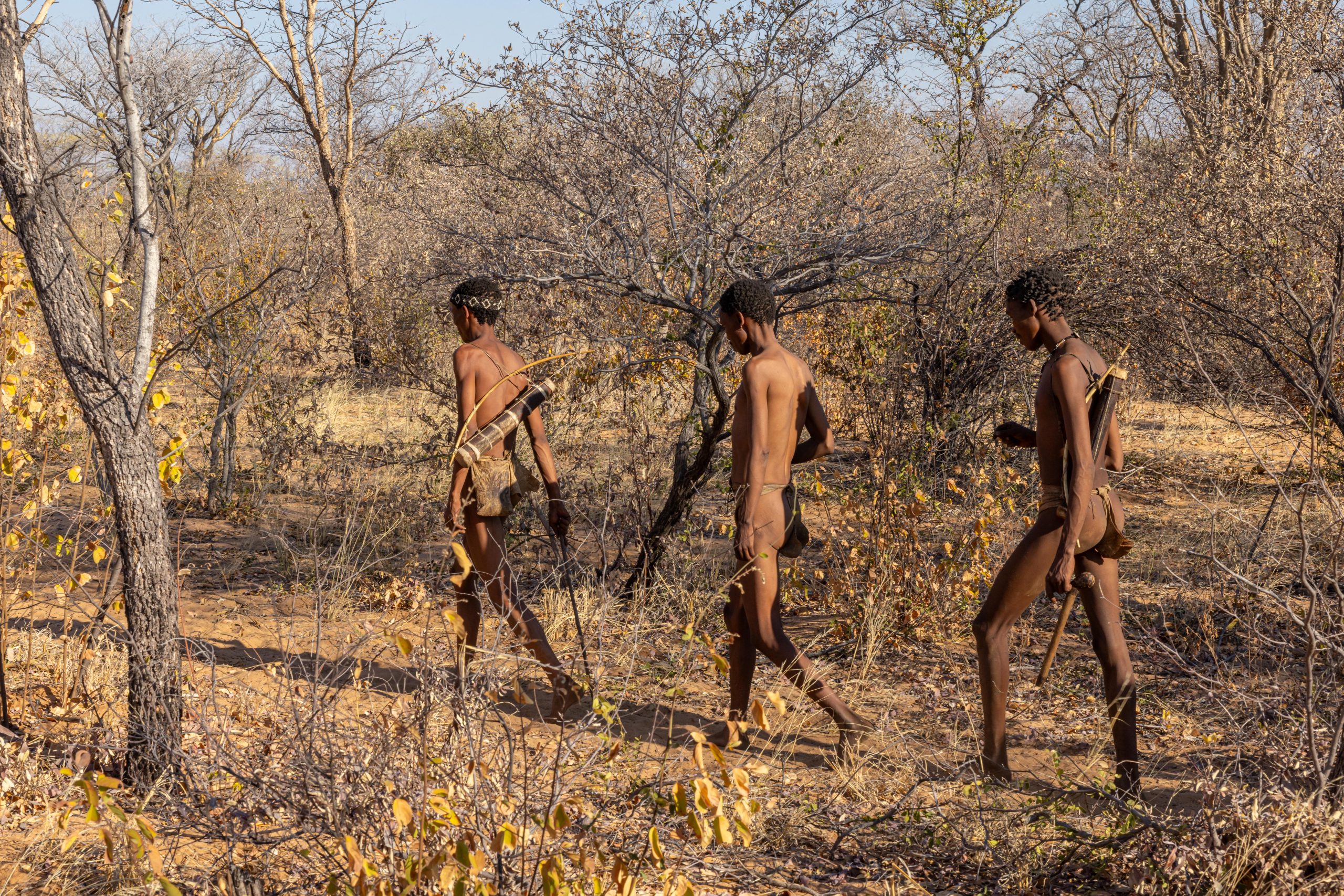
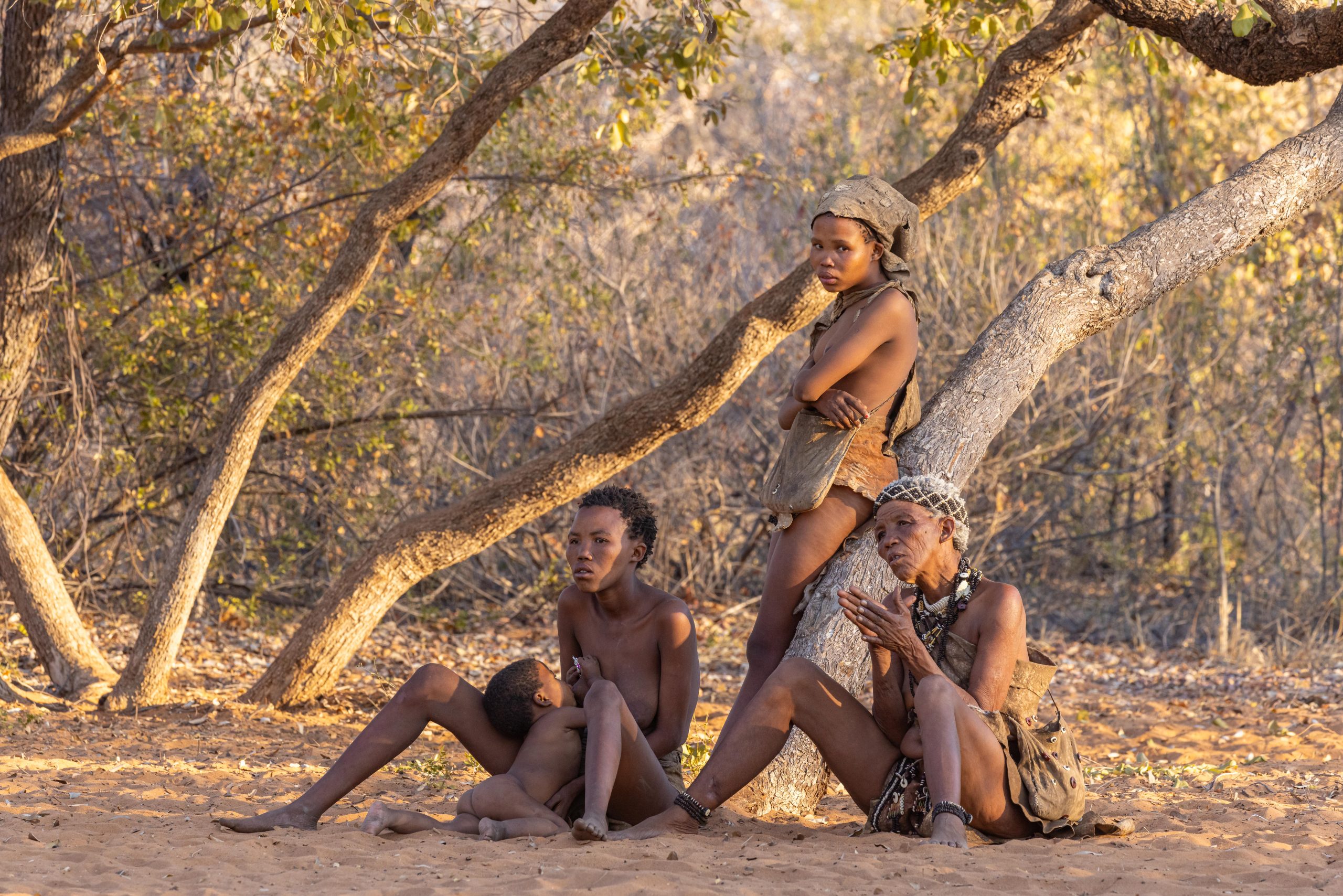
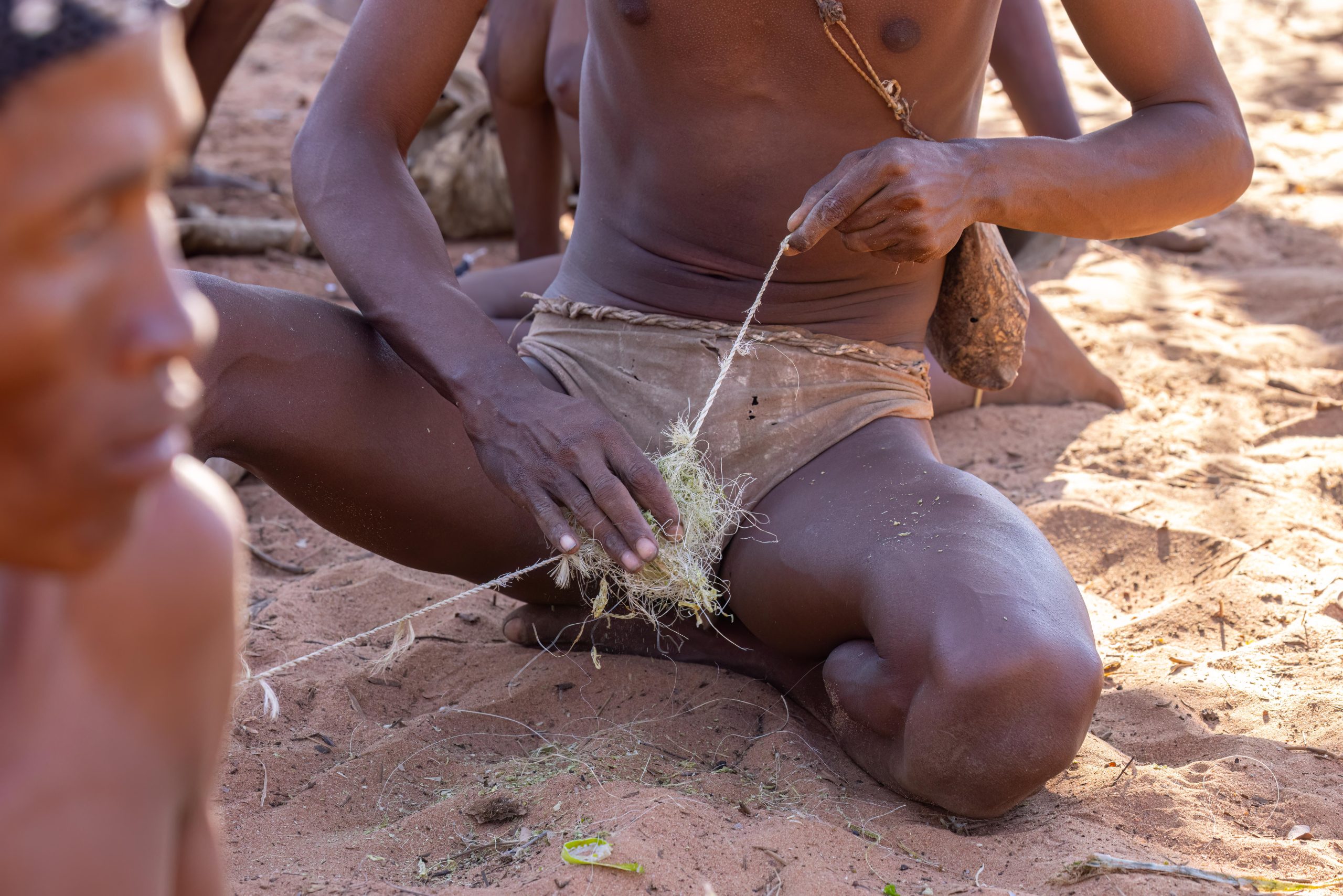
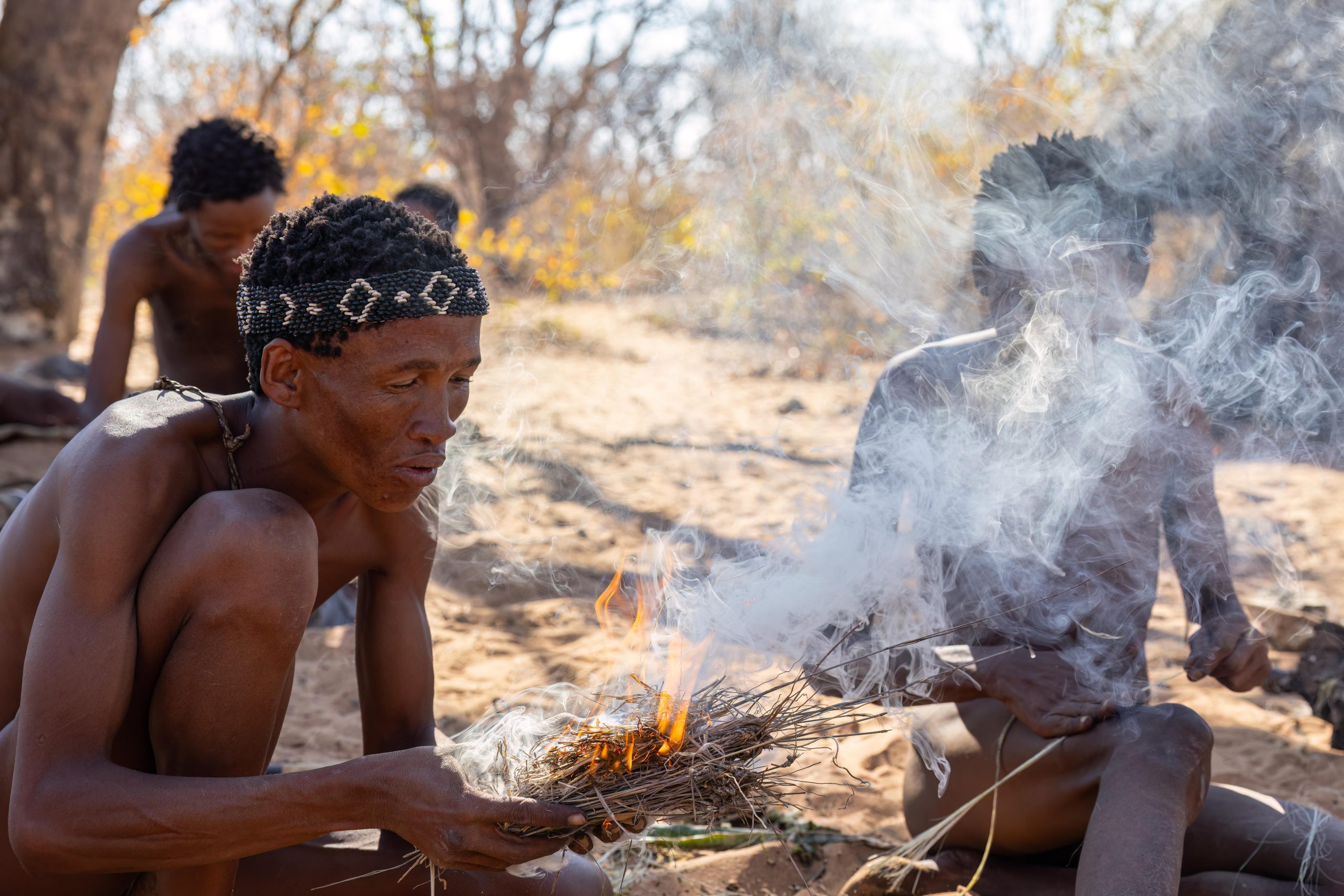
To the untrained eye, the Kalahari is a landscape of scarcity; to the Ju’/hoansi, it is a bountiful pharmacy and larder. Their survival is predicated on an encyclopedic knowledge of flora and fauna. In these scenes, you see the quiet intensity of the "master trackers"—men who can read a story in a single displaced pebble or a bent blade of grass. This intimate literacy of the earth allows them to navigate a world where water is hidden in tubers and life is sustained by the rhythmic cycles of the desert.
The Healing Dance and Spiritual World
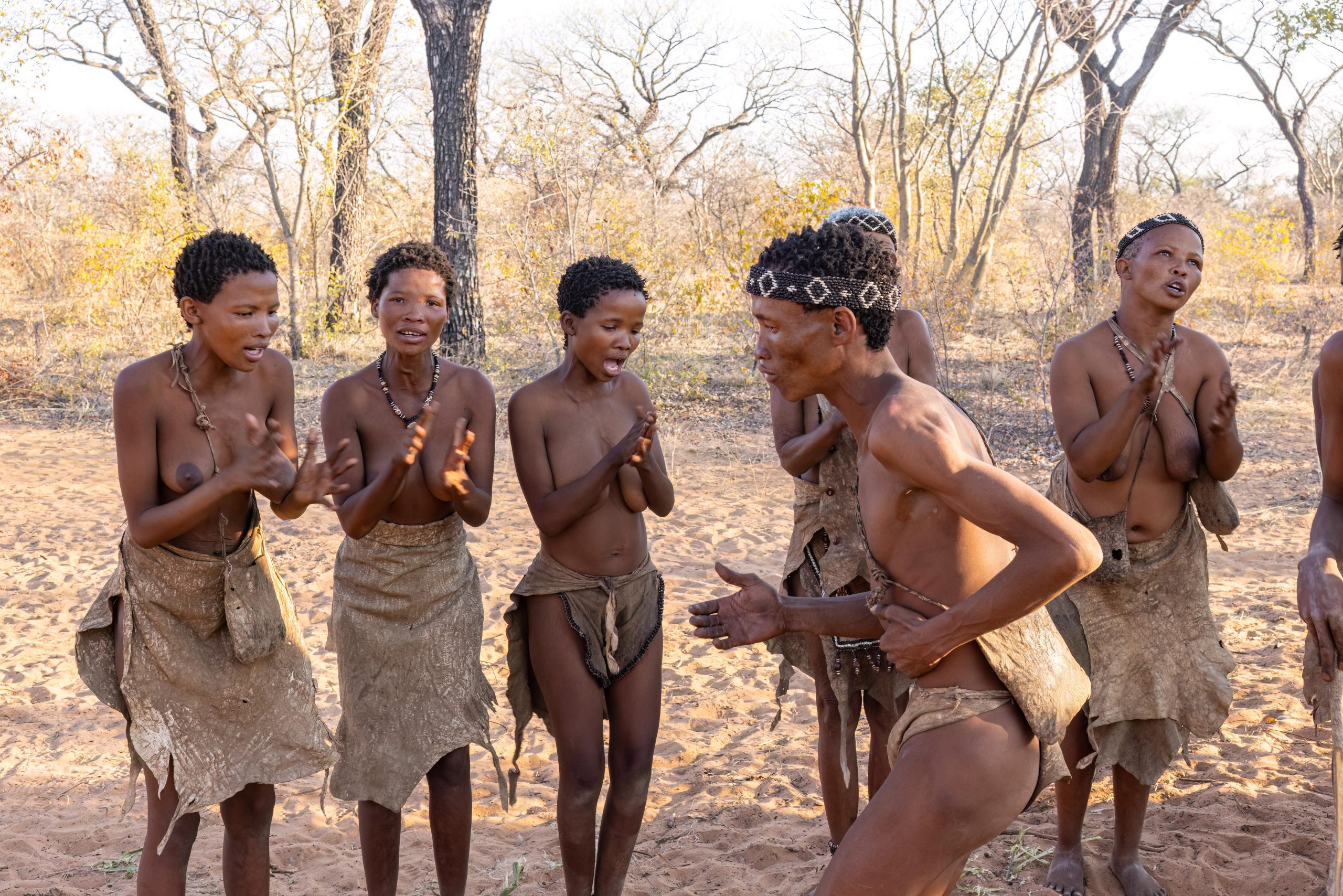
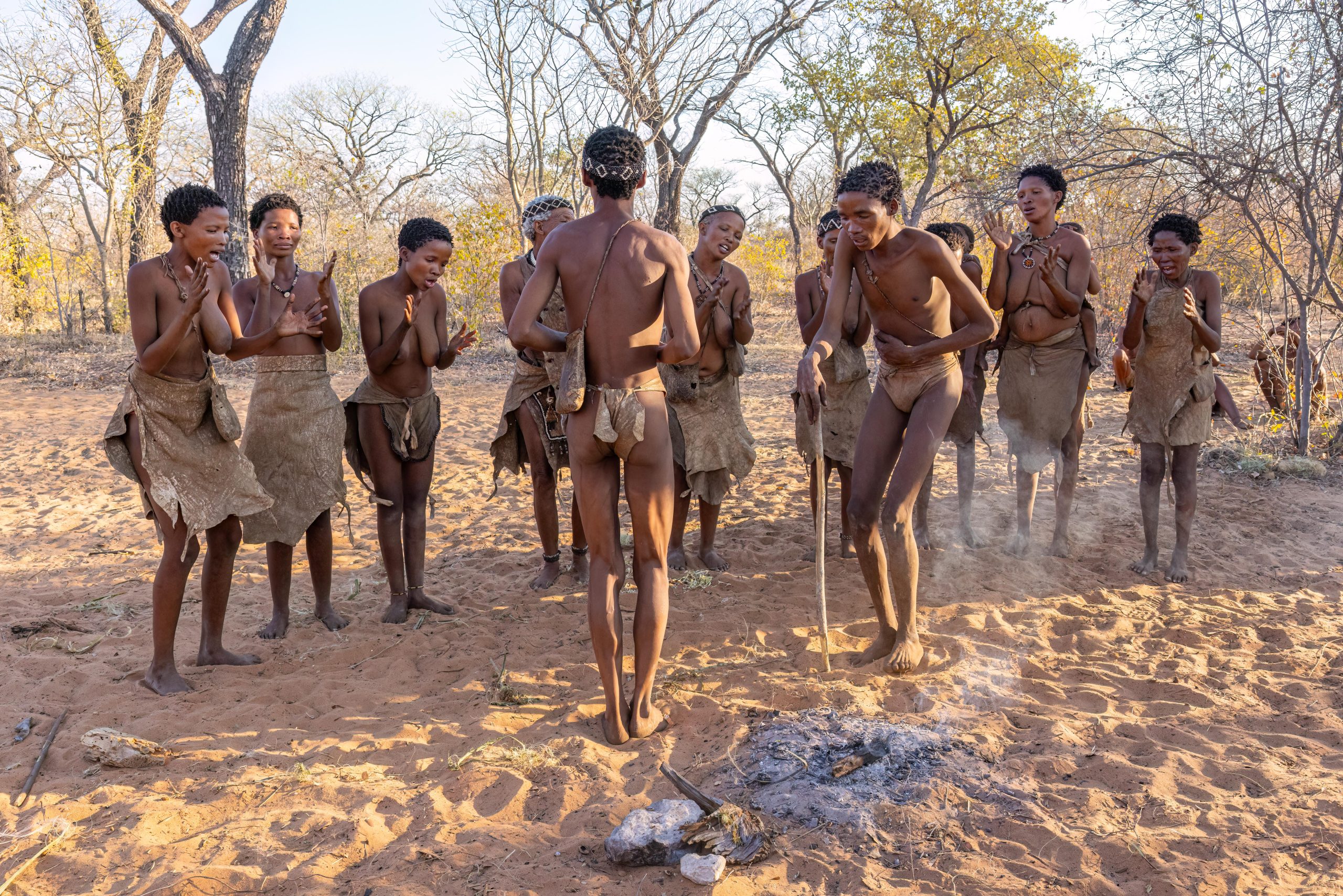
Beyond the physical hunt lies a deep spiritual landscape. The Ju’/hoansi are known for their powerful "Trance Dances," where the rhythmic clapping of women and the circular dancing of men awaken n/um—a spiritual energy or "boiling heat." This energy is used to heal the sick and expel "arrows" of misfortune. It is a communal experience, devoid of hierarchy, where the spiritual and physical worlds bleed into one another under the vast canopy of the African night sky.
The Art of the Everyday
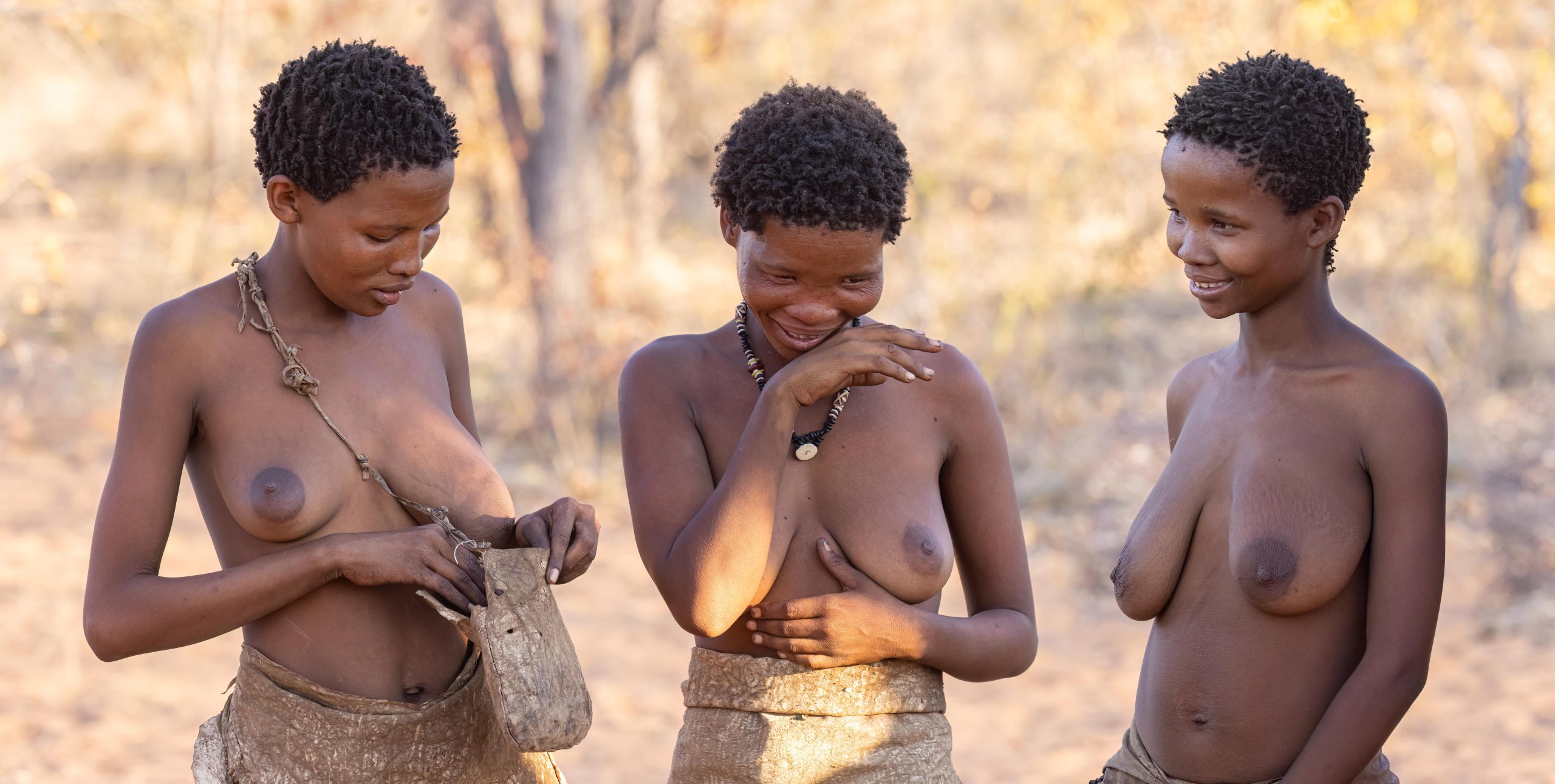
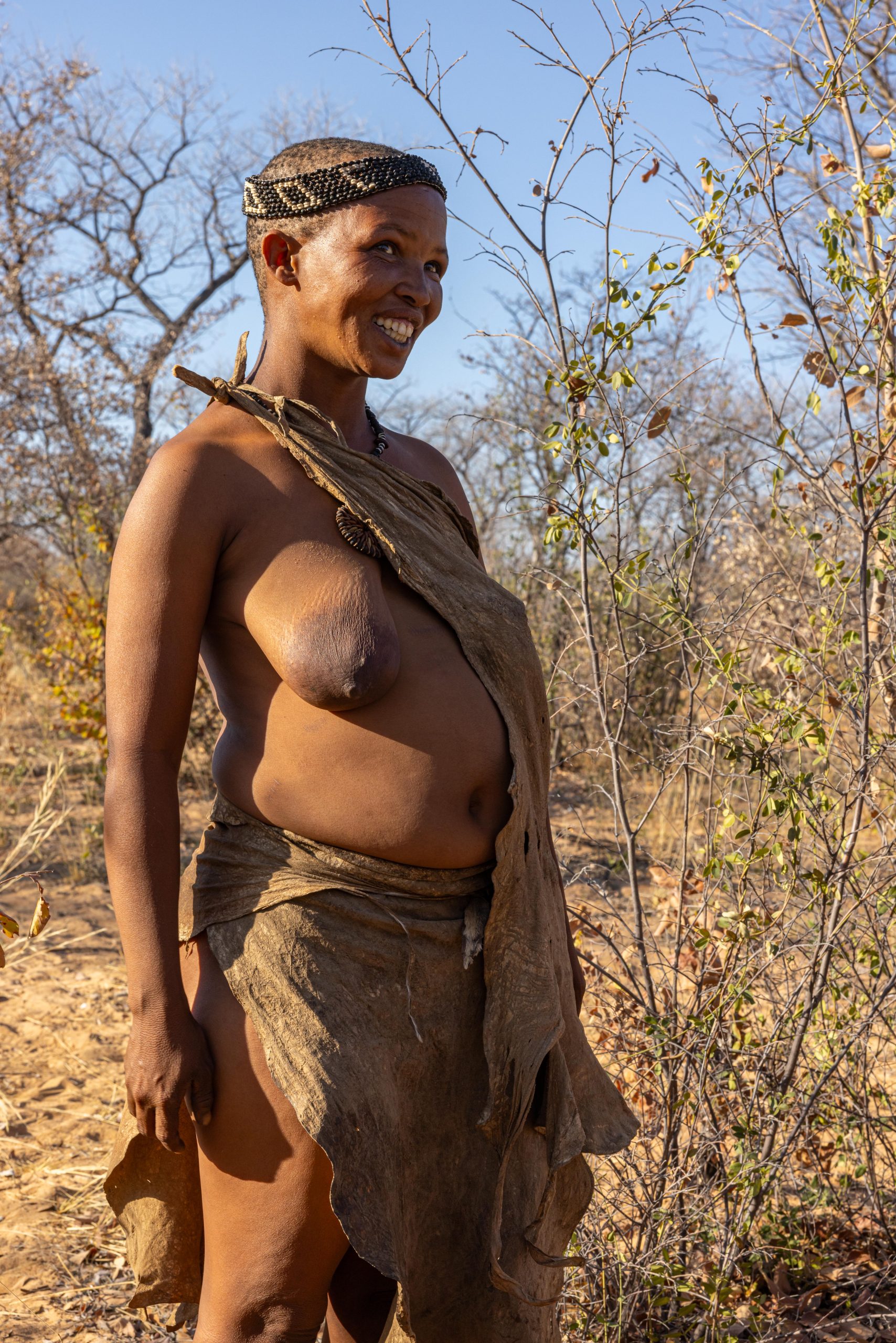
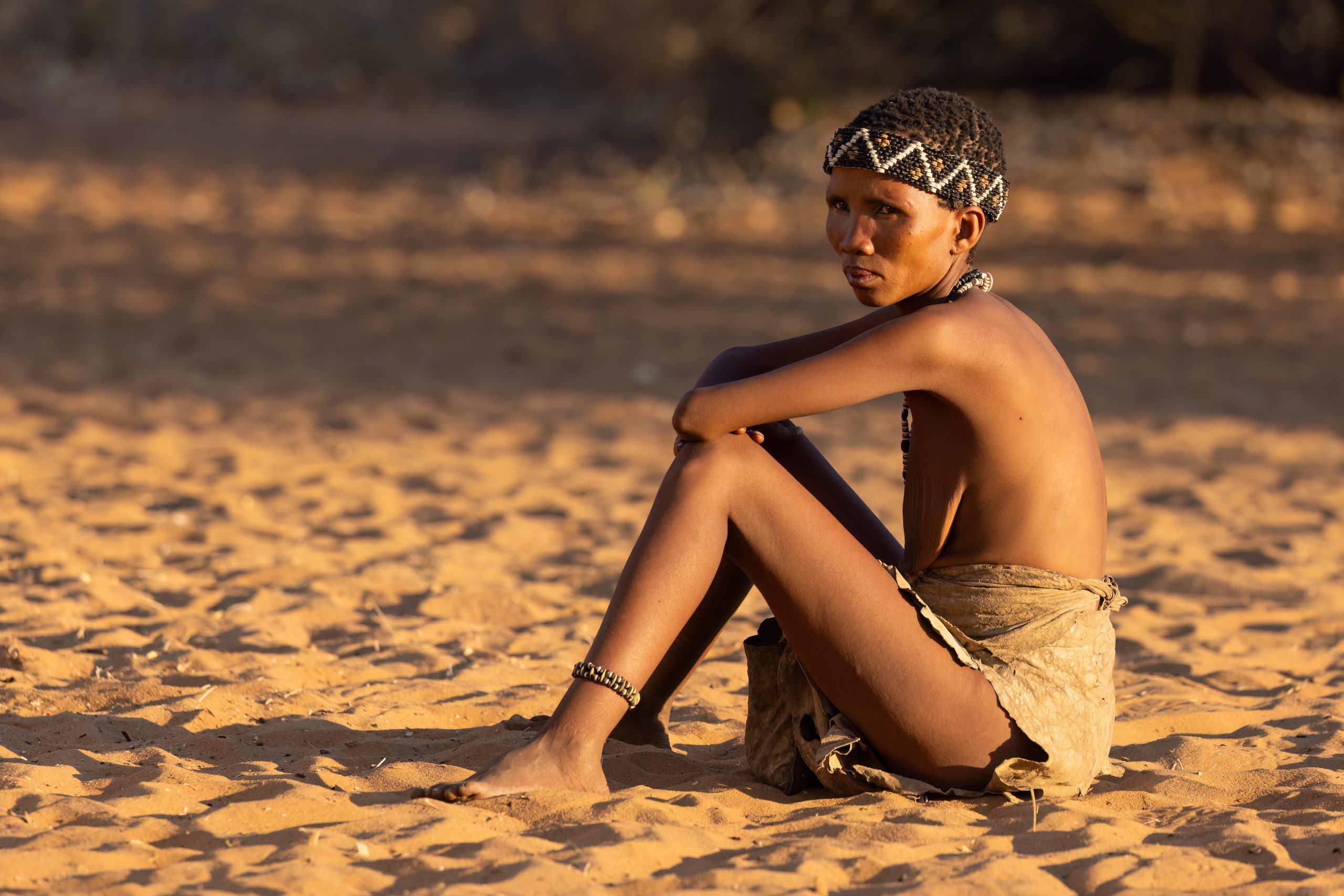
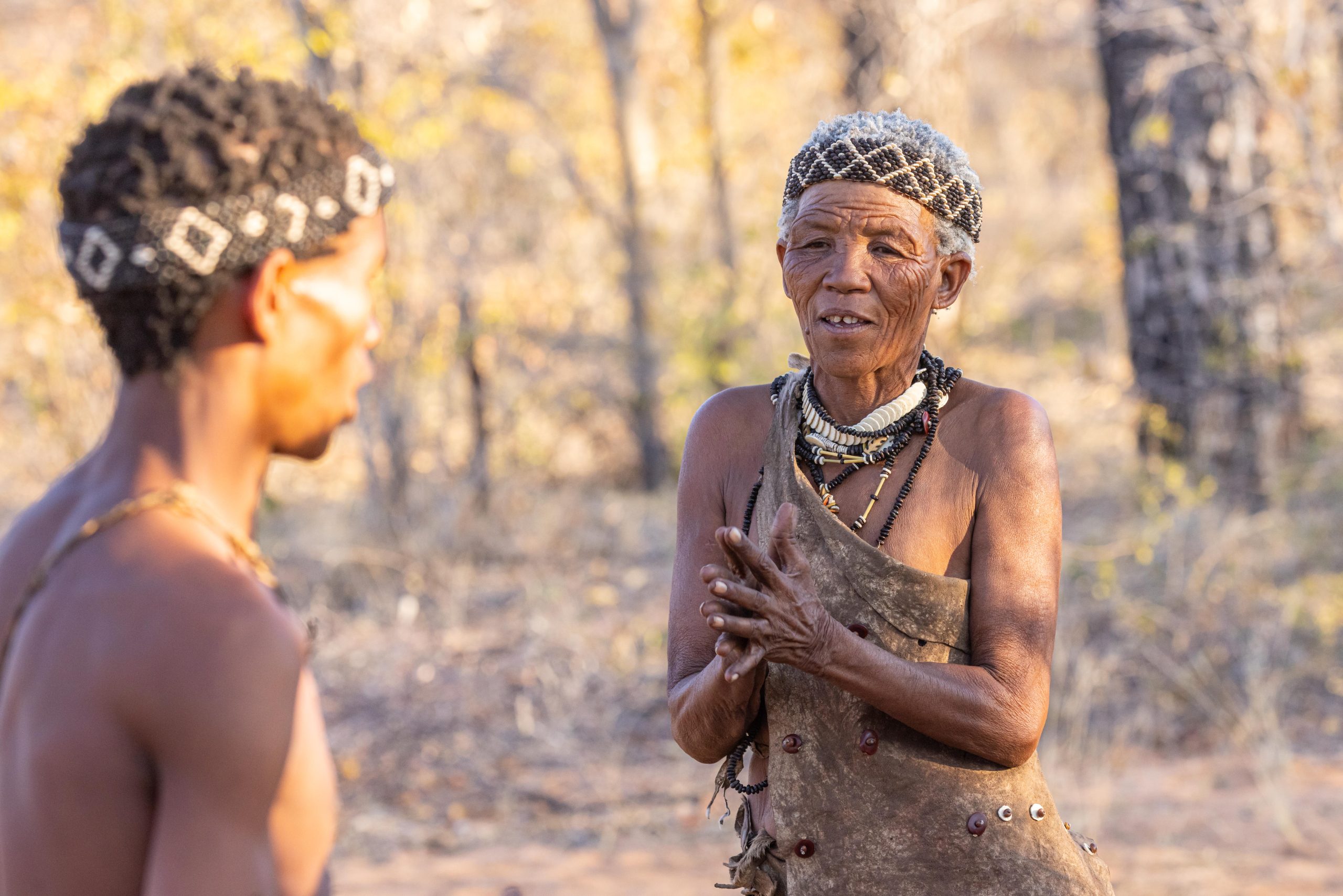
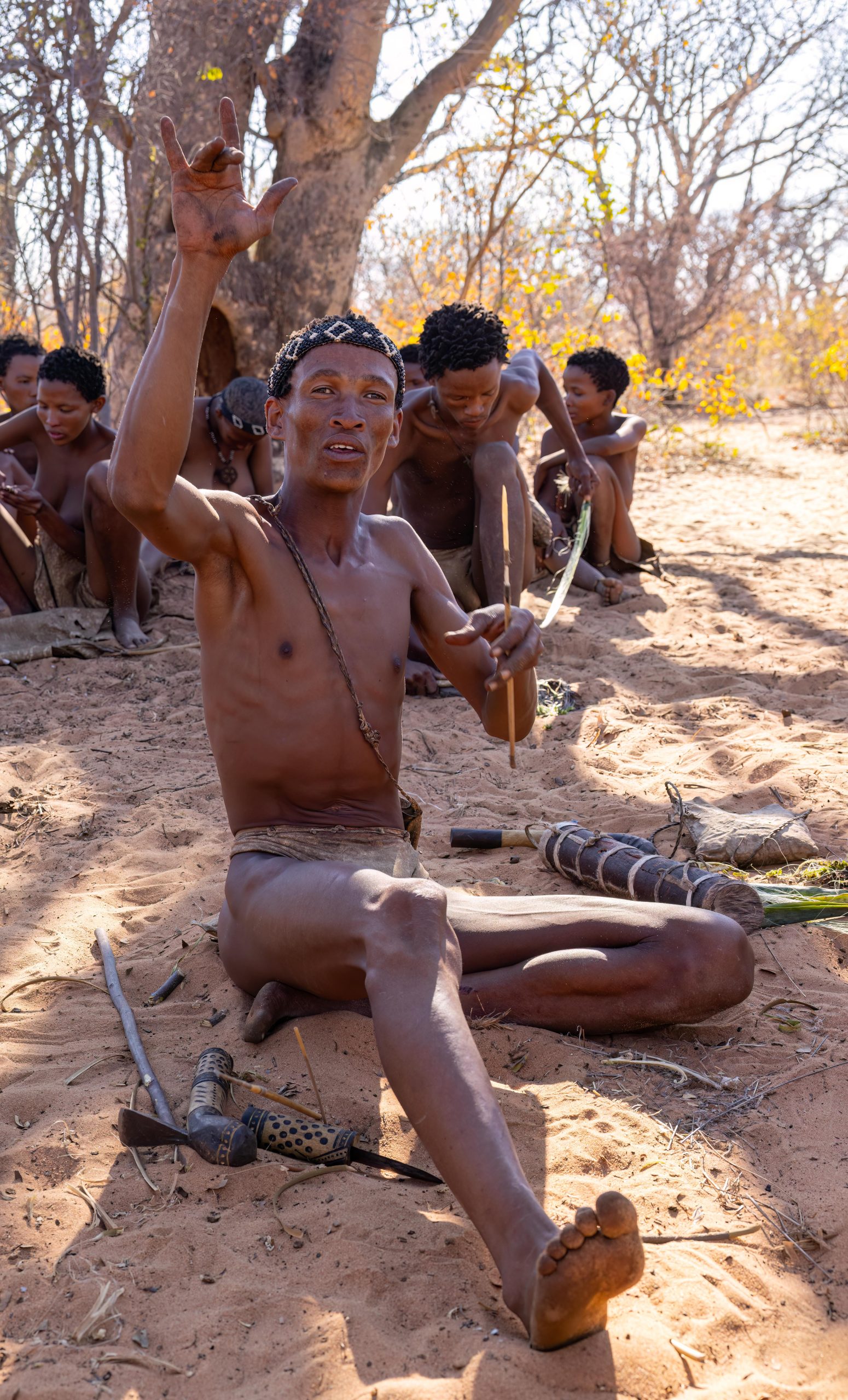
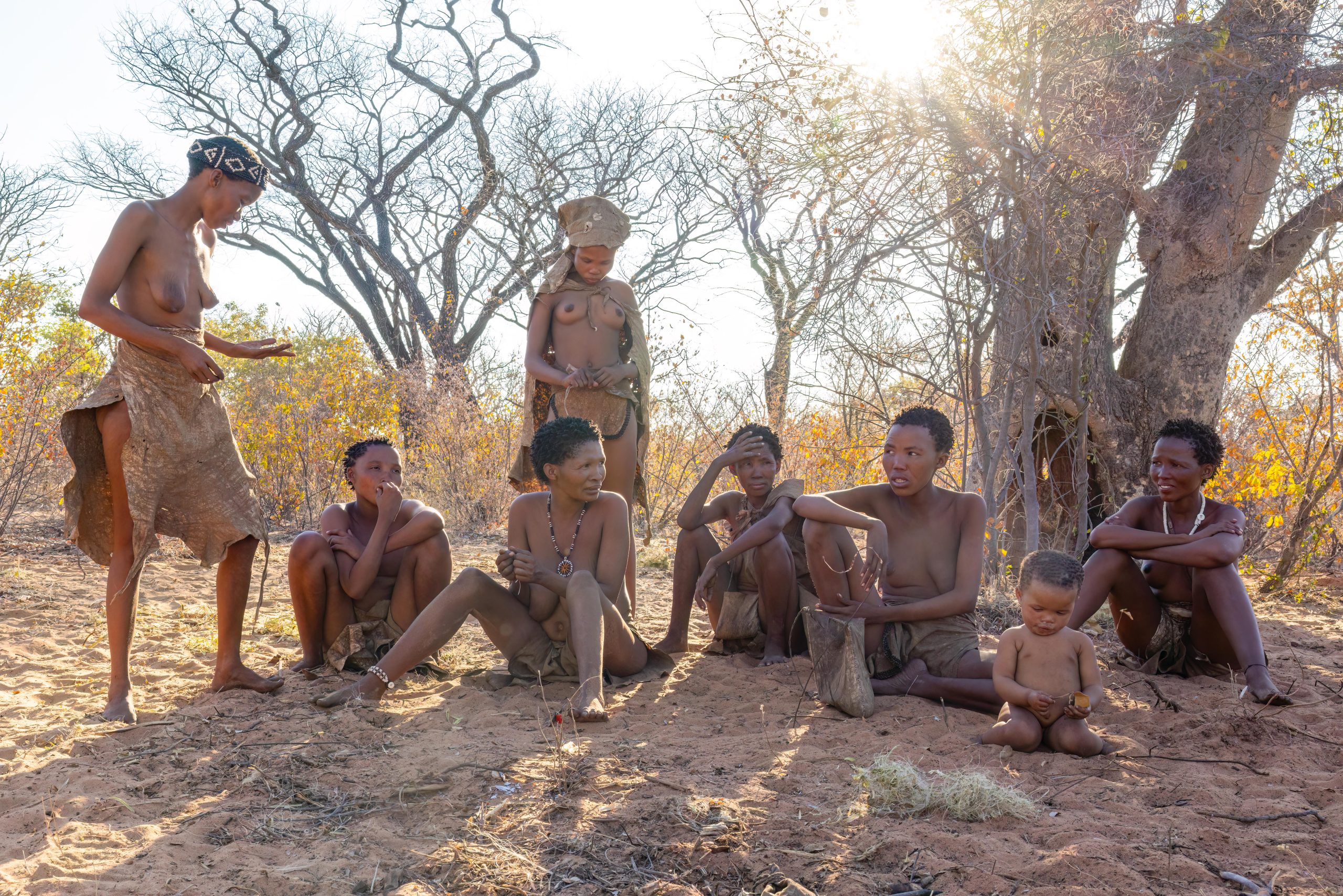
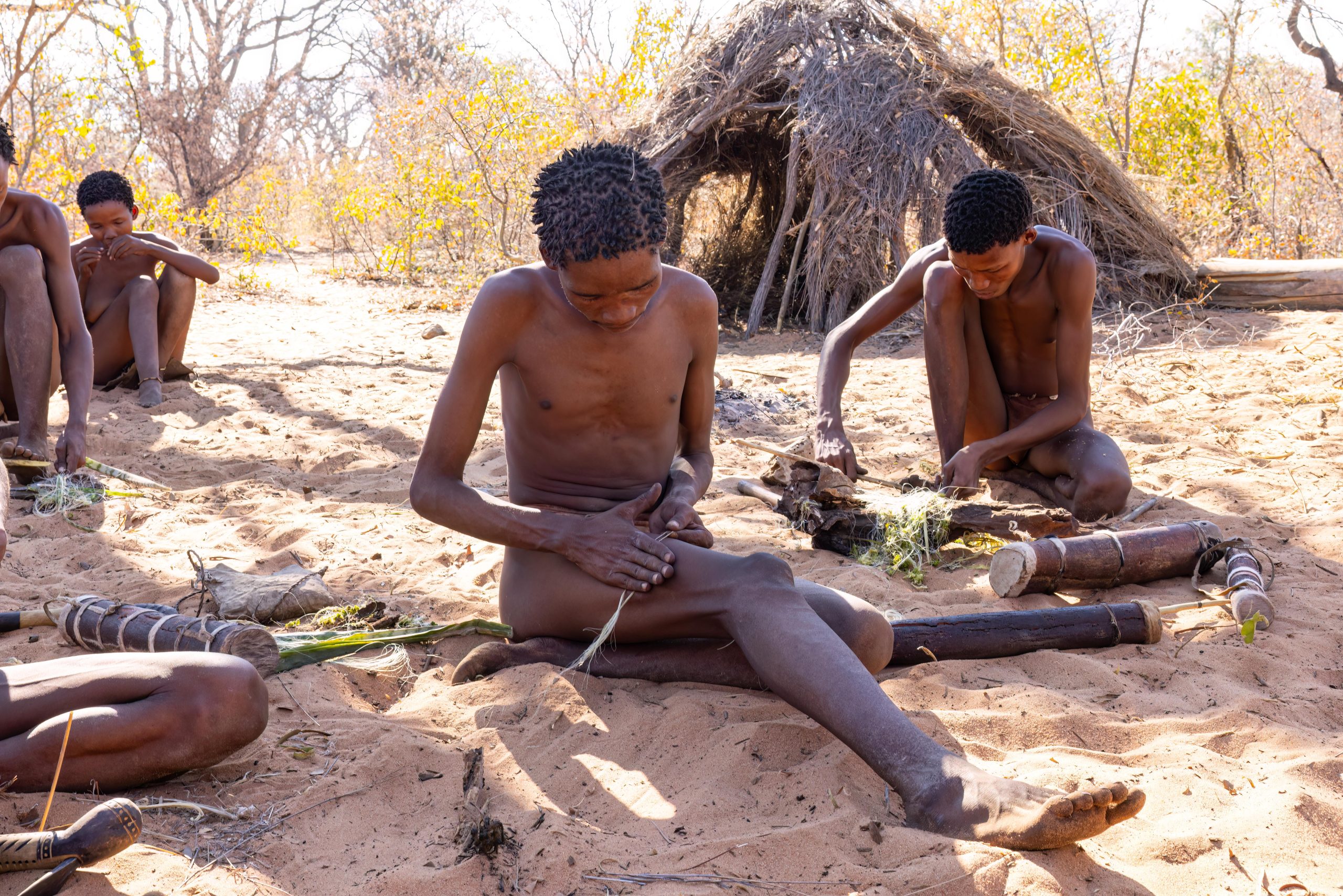
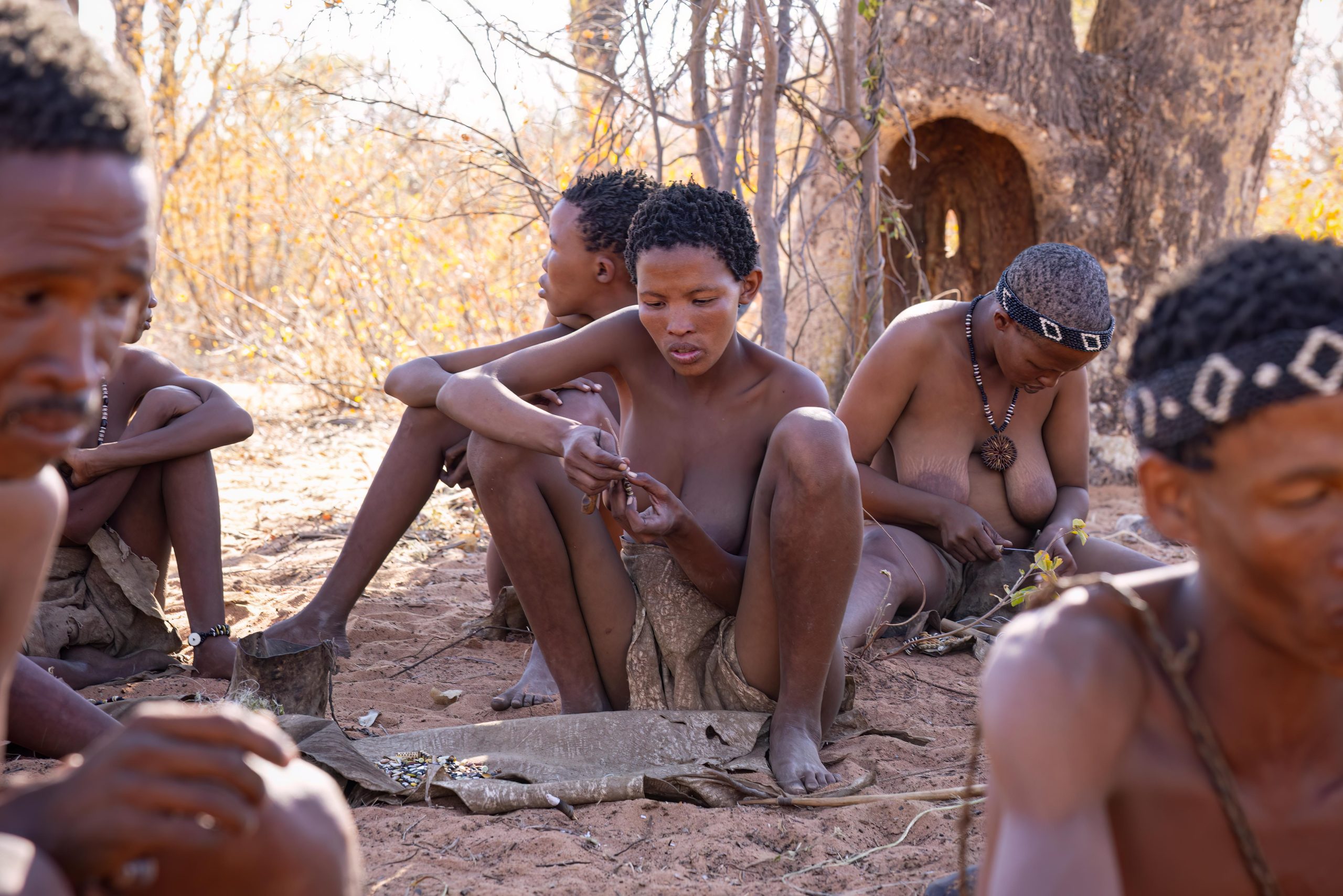
Every object in Ju’/hoansi life is a marriage of utility and beauty. From the poison-tipped bone arrows and leather quivers to the intricate ostrich eggshell jewelry worn by the women, nothing is wasted. The ostrich eggshell beads, in particular, are more than adornment; they are traditional gifts used in the hxaro exchange system—a complex network of gift-giving that reinforces social ties and ensures that no one person accumulates more than another.
A Legacy of Resilience
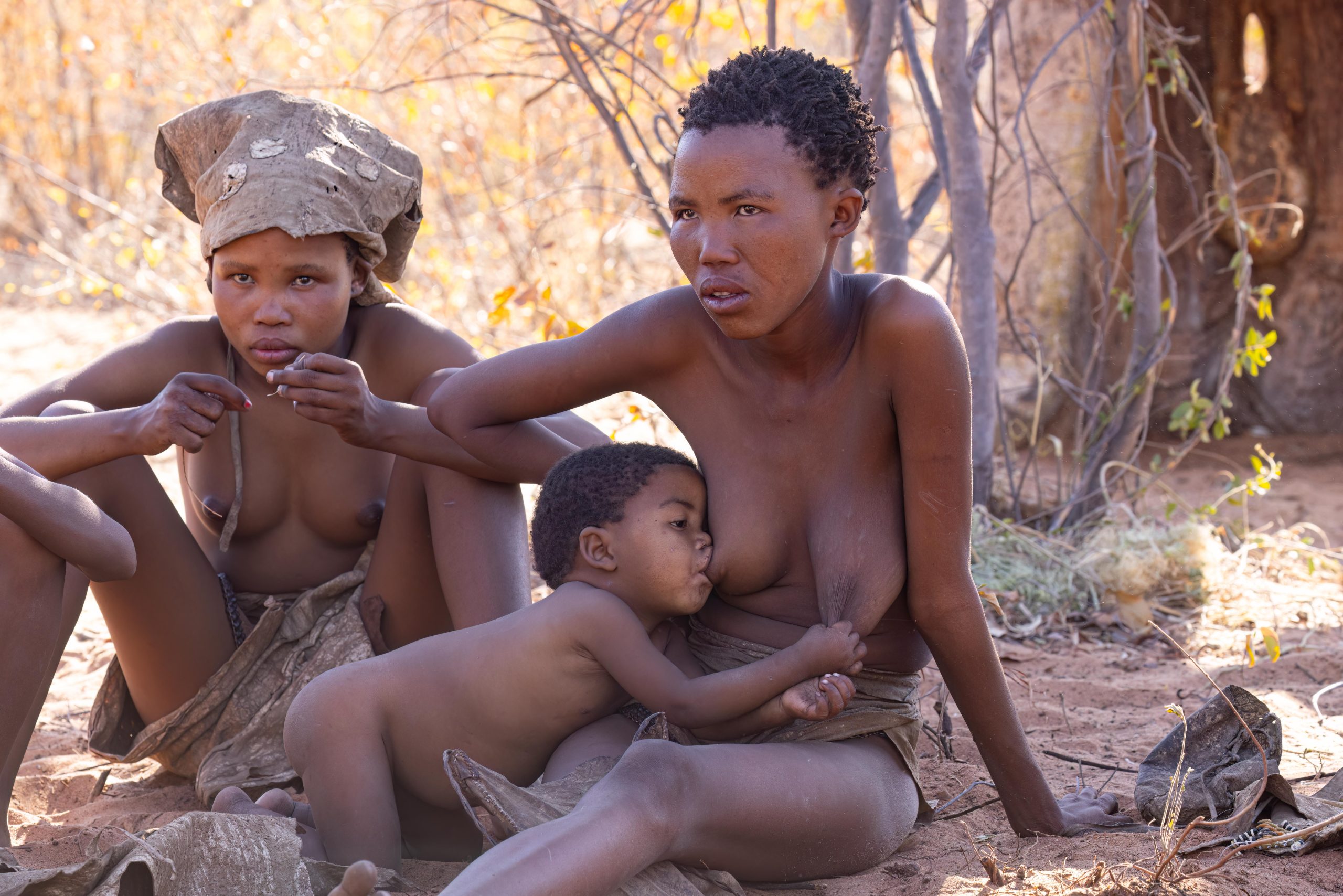
The Ju’/hoansi face the modern era with a quiet, resilient dignity. While the world around them changes, they continue to pass down the "old talk" and the skills of their ancestors to the next generation. Their existence is a reminder of a time when humanity lived in a balanced loop with nature—a story written in the red sands of the Nyae Nyae and reflected in the steady, knowing gazes of the people who call the Kalahari home.