MONGOLIA
Across the Gobi Desert, nomadic steppe and remote western lakes
Mongolia – Landscapes, Nomadic Culture and Remote Horizons
Mongolia is defined by distance, open space and constant movement across land shaped by climate and nomadic tradition.
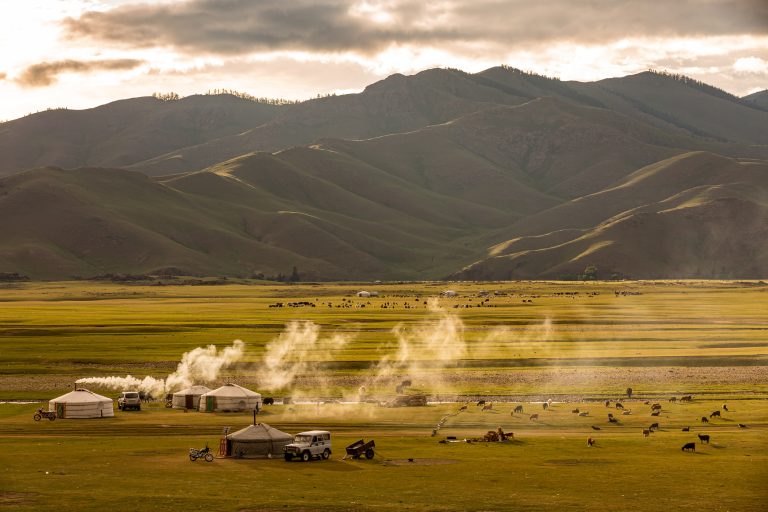
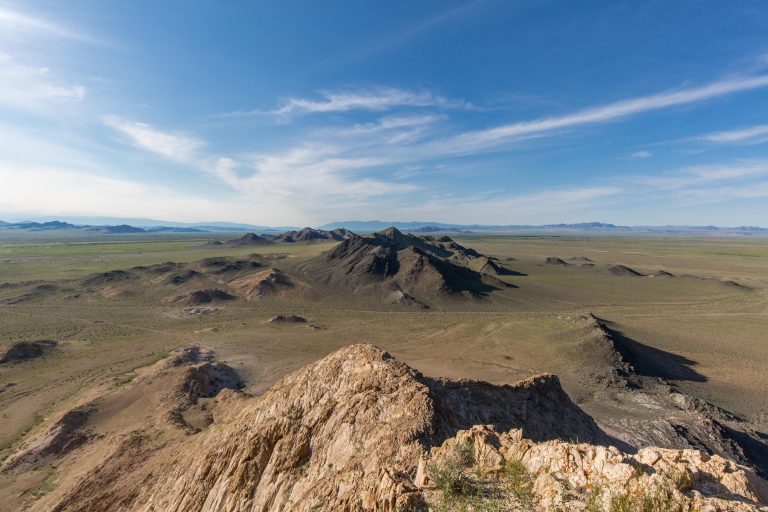
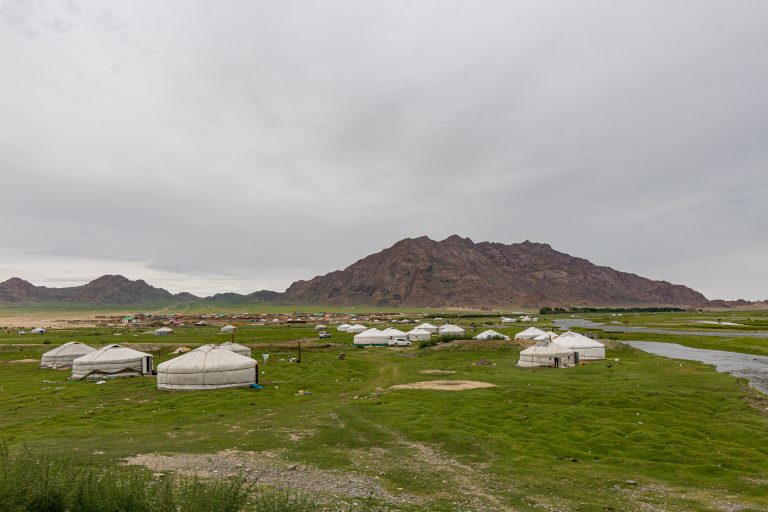
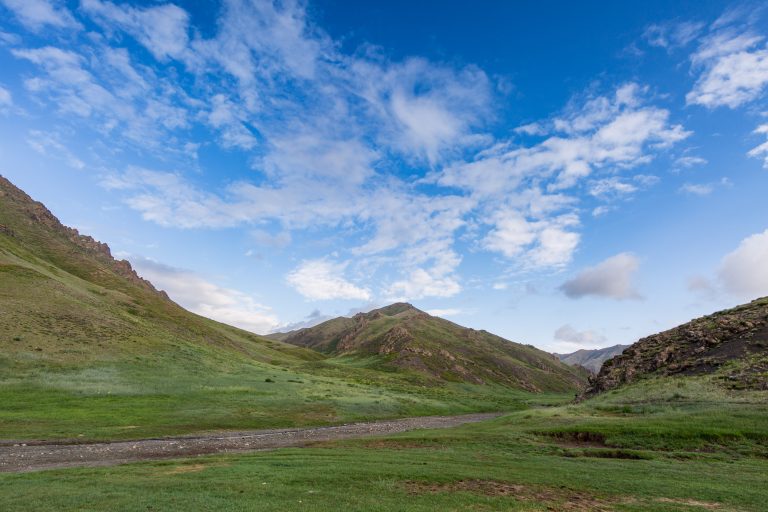
Vast steppe landscapes stretch to distant horizons, broken by desert mountains, volcanic terrain and remote lakes. Much of the country remains sparsely populated, where traditional herding families still move seasonally across the land with their livestock.
From the dramatic desert landscapes of the Gobi to the volcanic highlands and lakes of western Mongolia, the country offers some of the most expansive and visually striking environments in Central Asia.
Exploring Mongolia Through Photography
This site explores Mongolia through photographic journeys across its landscapes, nomadic culture and remote regions.
The galleries and stories below follow an overland journey from Ulaanbaatar through central and southern Mongolia, across the Gobi Desert and further west toward volcanic landscapes and remote lakes.
Along the way the journey passes traditional ger camps, isolated monasteries and vast open steppe where the rhythm of daily life is still shaped by livestock, weather and seasonal movement.
Together these galleries offer a visual exploration of Mongolia — from desert cliffs and sand dunes to volcanic craters, high steppe valleys and remote western lakes.
Mongolia Destinations and Regions
Mongolia’s landscapes change dramatically across the country, from the deserts of the south to volcanic plateaus and lake basins in the west.
The destinations featured in the galleries below follow a route through several of Mongolia’s most distinctive regions.
The Gobi Desert
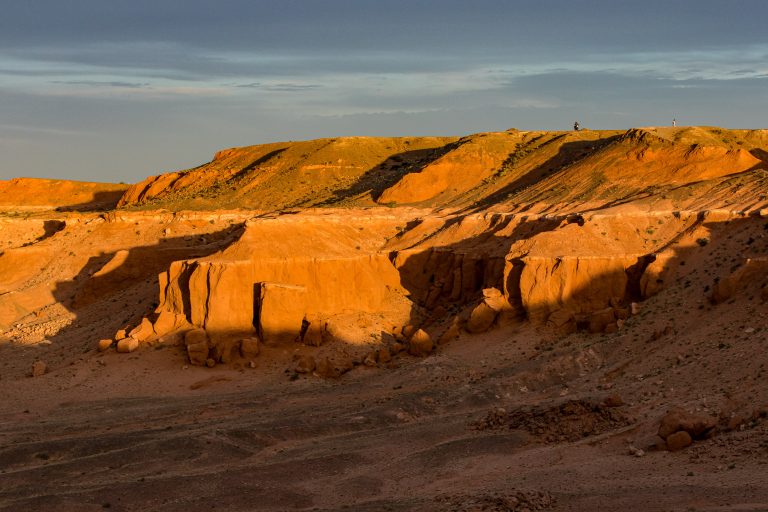
Southern Mongolia’s Gobi Desert is known for its dramatic geological formations and vast open landscapes. Highlights include Tsagaan Suvarga, the ice-filled canyon of Yoliin Am, the towering dunes of Khongoryn Els and the famous Flaming Cliffs of Bayan Zag.
Central Mongolia and the Orkhon Valley
North of the Gobi lies central Mongolia, where grasslands and river valleys surround historical and cultural sites such as Ongiin Khiid monastery and the UNESCO-listed Orkhon Valley.
Volcanic Landscapes and Mountain Lakes
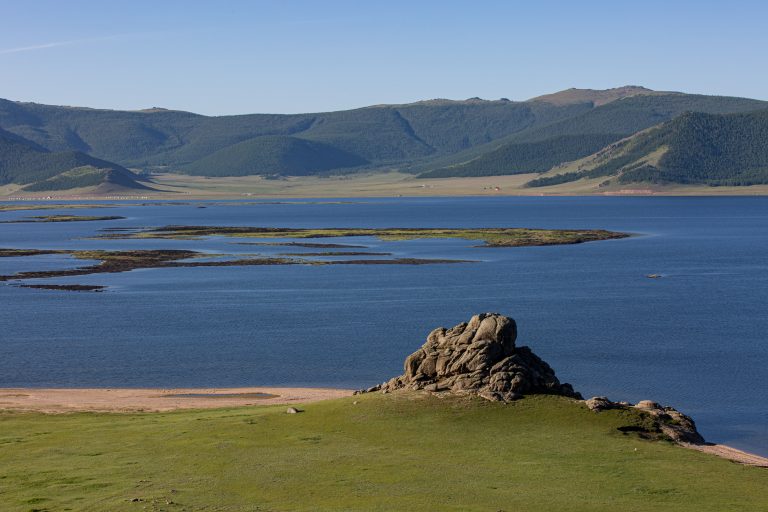
Further west, Mongolia’s landscapes shift toward volcanic terrain and highland lakes. Destinations such as Khorgo Volcano, Great White Lake, Telmen Lake and Khyargas Lake reveal a quieter and more remote side of the country.
Western Mongolia
The far west of Mongolia, including the region around Khovd and Khar Us Lake, offers vast open steppe landscapes, wetlands and mountain horizons that remain among the least visited parts of the country.
- PHOTO GALLERIES -
- TRIP REPORTS -
Mongolia Road Trip - 2019
Planning a Mongolia Road Trip?
If you are considering a journey through Mongolia, the full Mongolia Road Trip report describes the route, landscapes and practical experience of travelling across the country by road.
The journey connects the Gobi Desert, central Mongolia and the remote lakes of the west, offering a deeper look at the distances, landscapes and culture encountered along the way.
And if this is the kind of journey you would love to experience yourself, let’s talk. I occasionally design and personally lead small, carefully planned road trips for travellers who want to explore a country in a meaningful and personal way.