The daily program of our 3-week private guided safari in Namibia, visiting the Zambezi Region, Etosha National Park, the riverbeds of Kaokoland and Damaraland, Spitzkoppe, the Sossusvlei and Deadvlei of the Namib Desert, as well as the Ju’/Hoansi San and Himba Indigenous people of Namibia.
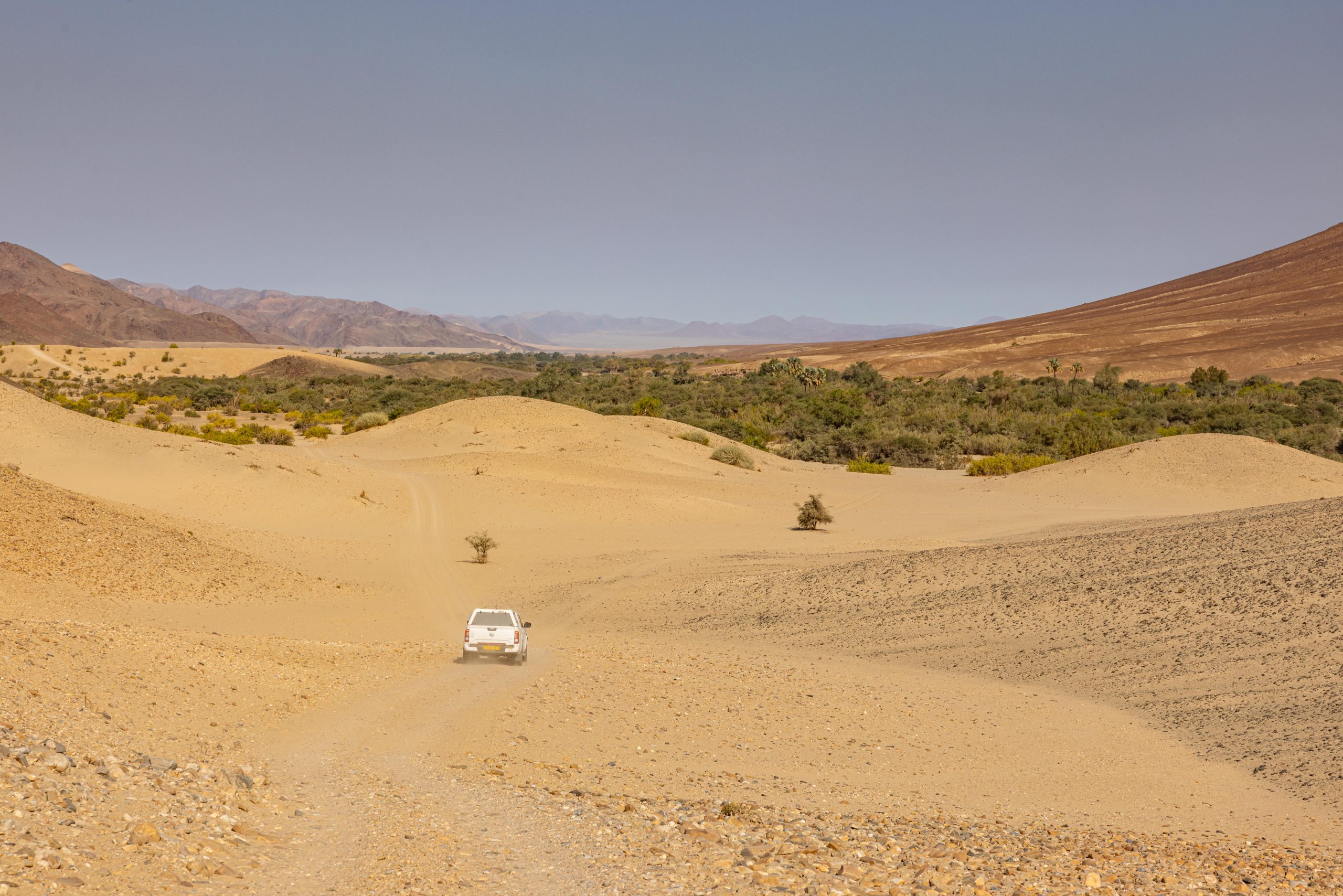
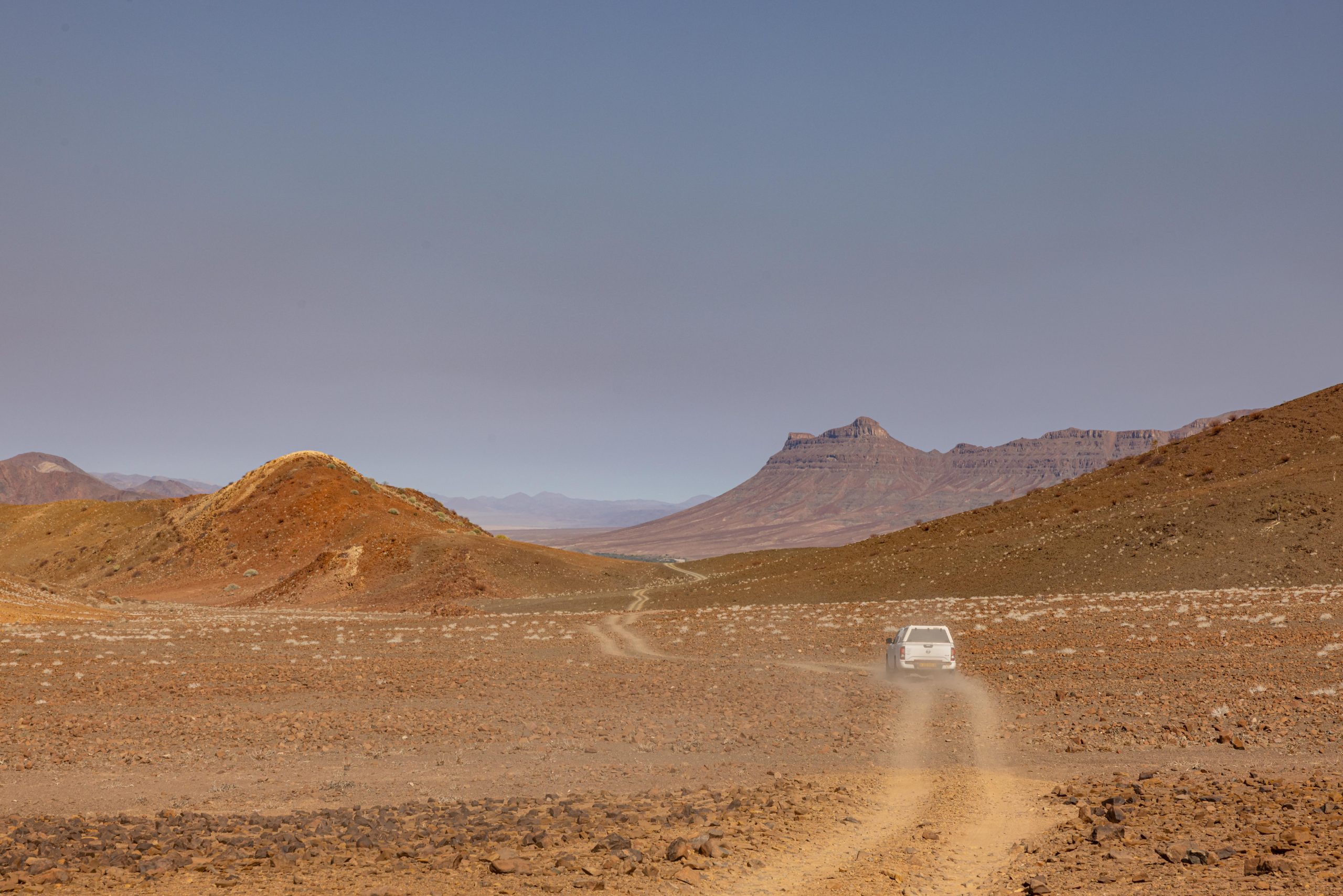
The Hoarusib river valley right ahead
Day 1: Arrival in Windhoek
Upon arrival in Windhoek we will check-in into our accommodation for the first night. We will then pick-up our vehicles, where we receive a brief about the car and all its equipment.
In the afternoon we will go into town for shopping. We will buy supplies and food for the first couple of days of the tour. Windhoek has some great shopping malls, where you can get pretty much everything you can think of!
Day 2: Windhoek – Grootfontein
From Windhoek we leave early morning and drive to Grootfontein, where we will spend our first night. We will camp on an intimate campsite in the bush with excellent facilities, including a restaurant and pool.
On and around the camp site we will encounter some unique wildlife, which we may not even see anywhere else during our trip!
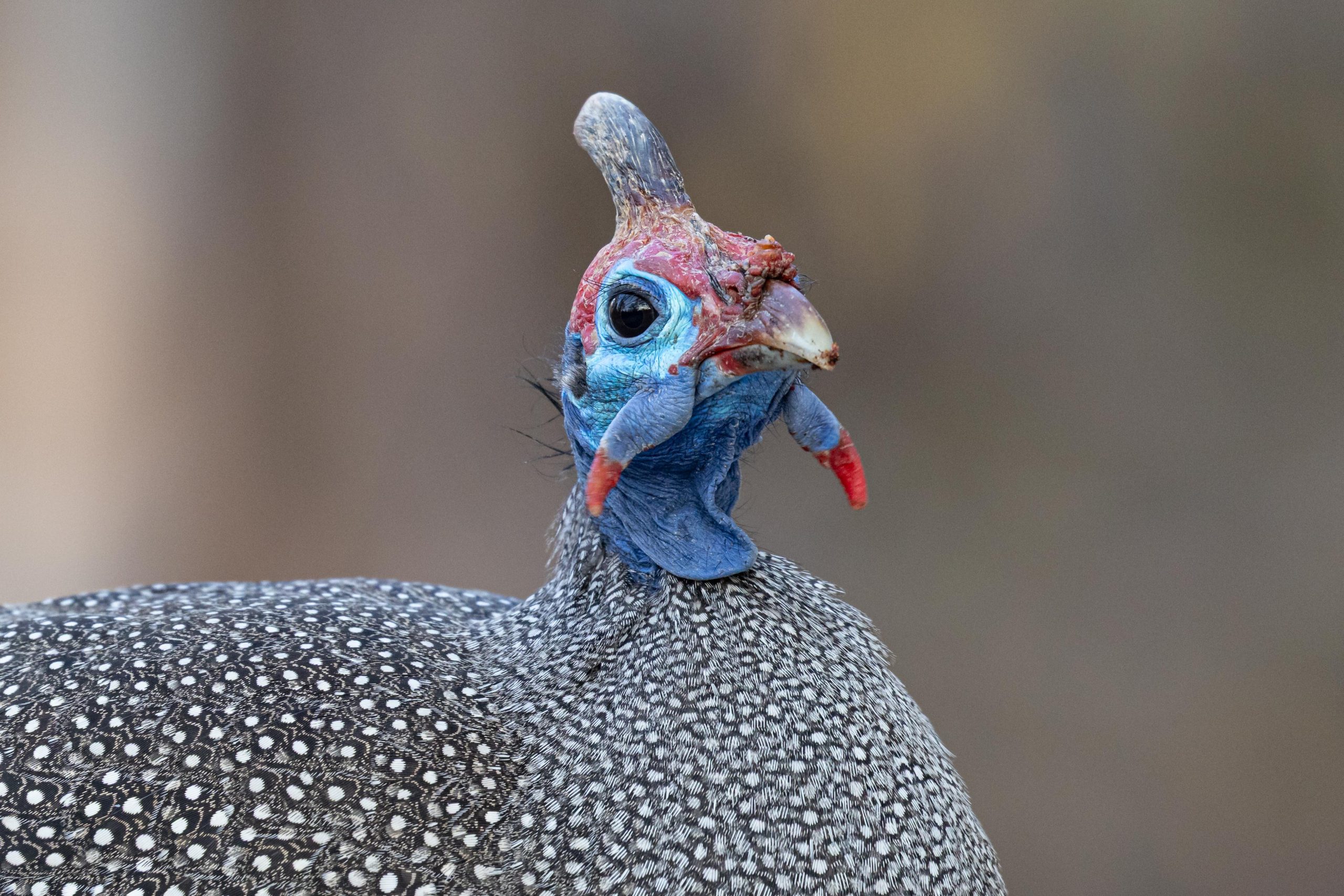
Helmeted Guineafowl
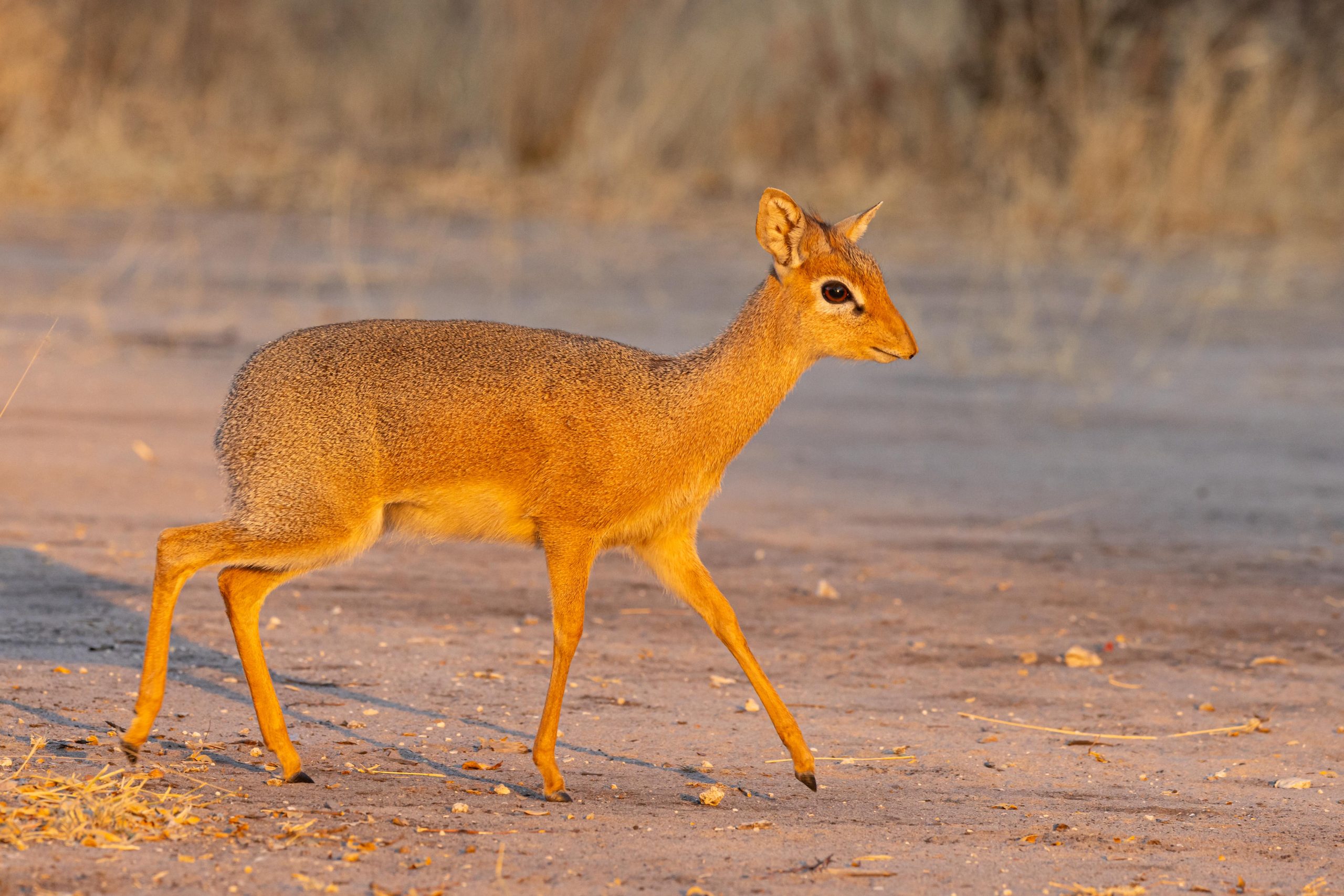
Dik-Dik
Day 3: Grootfontein – Divundu, Mahango Game Reserve
We drive via Rundu to Divundu, in Namibia’s Zambezi Region, formerly known as the Caprivi Strip. This strip is a narrow protrusion of land in Northeast Namibia, bordered by Botswana, Angola and Zambia. It is Namibia’s most water-rich area, with the Kavango and Kwando rivers flowing through it from Angola; the Kavango river, or Okavango, then flows into Botswana and ends in the Okavango Delta.
Our main destination here is the Mahango Game Reserve. Although this park is relative small and little known, it’s an absolute fantastic park with lots of diverse wildlife and a great start for a Namibia safari!
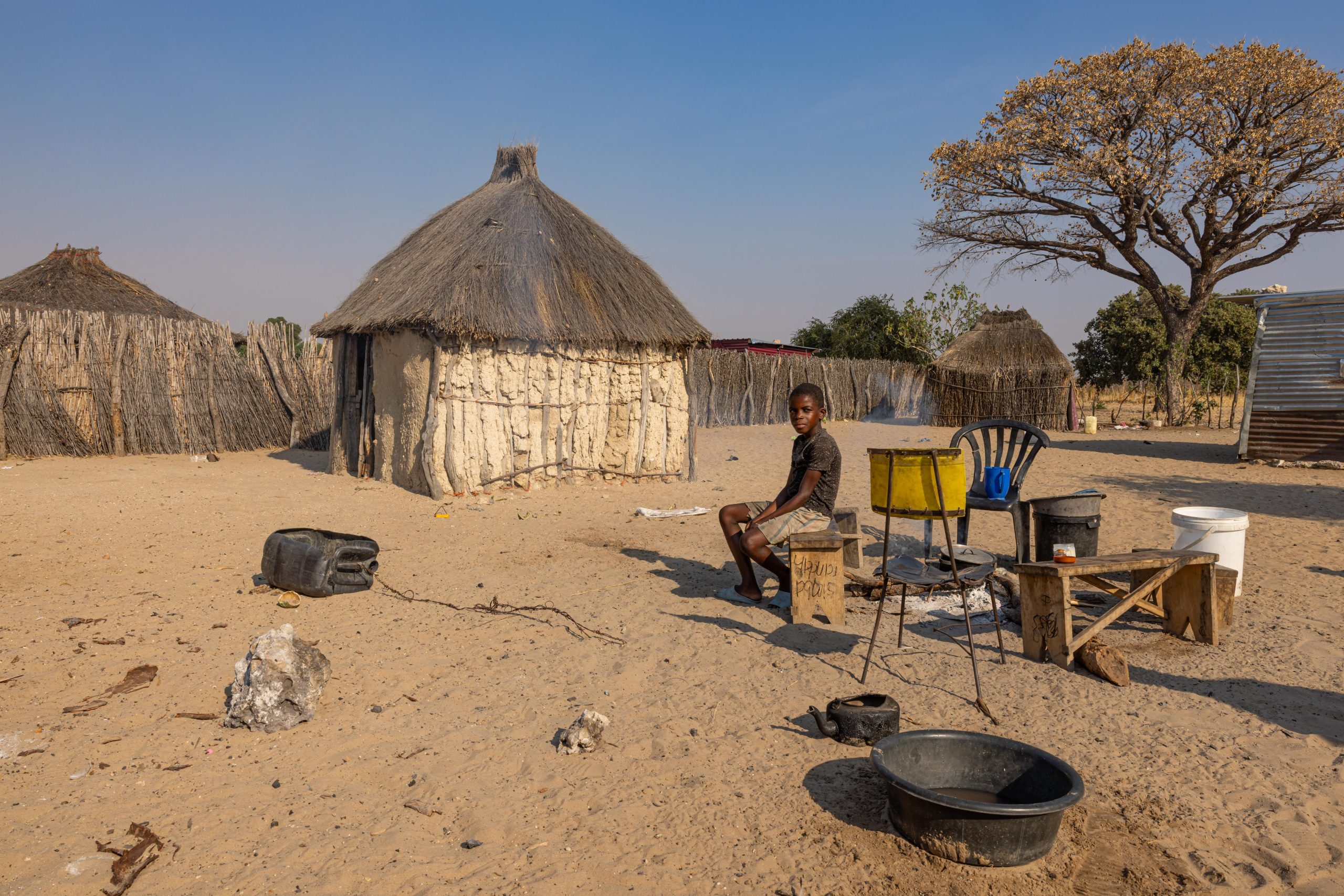
From Grootfontein we drive north and soon pass the veterinary fence. What is most striking once you pass this fence is the enormous difference in scenery as well as people living here. South of the fence the landscape is dominated by enormous cattle and wild farms and plantations, with very few traditional villages. It doesn’t really feel particularly “Africa”. But once you pass the fence you suddenly arrive in a complete different world, real Africa, where it seems really nothing has changed in hundreds of years, at least not for the majority of people living here. Lined along the perfectly straight tar road are little fields and traditional villages and mud houses. The people here are very, very poor and hardly have anything…
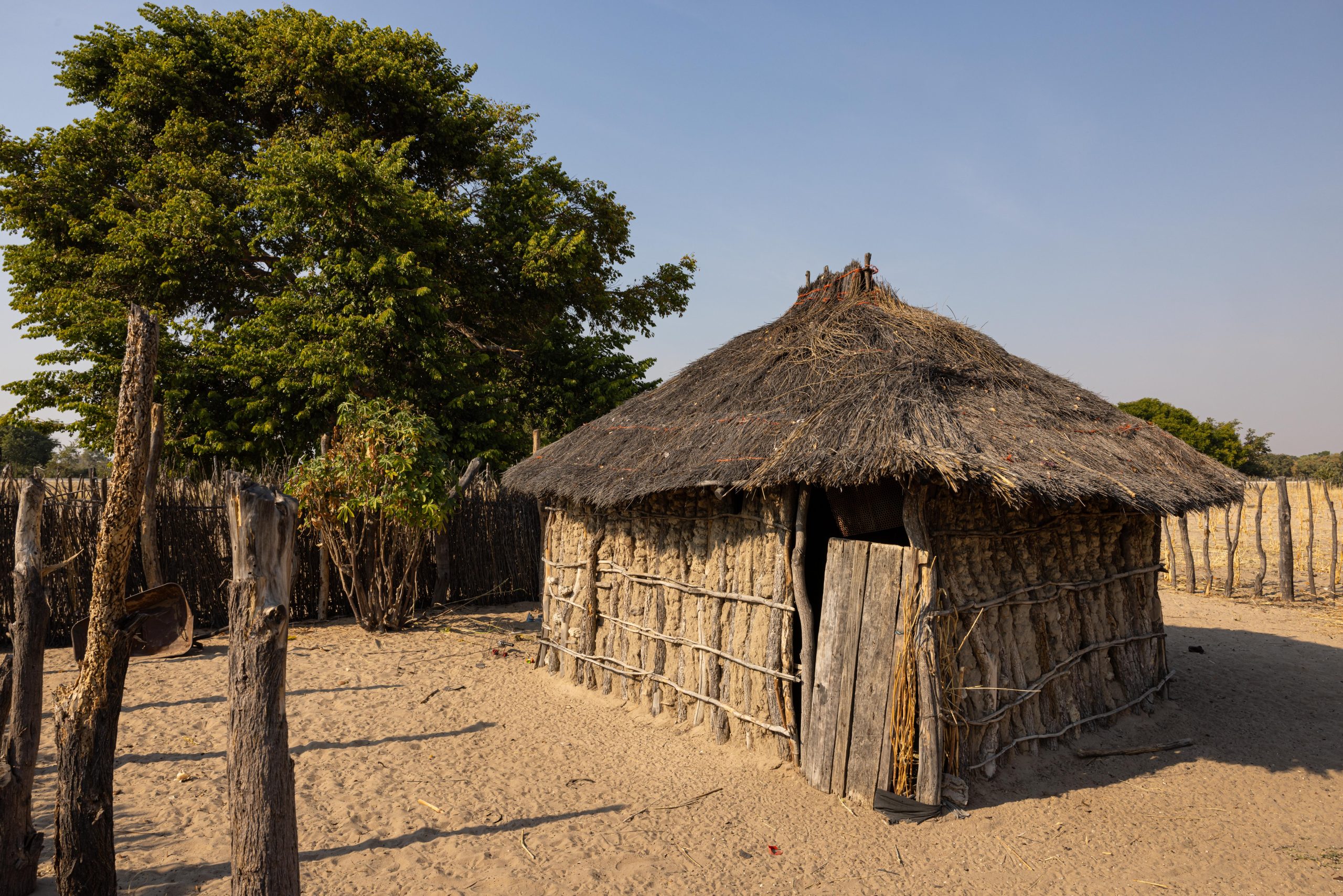
We will visit some of the traditional mud-houses, to see how people here live; a side of Africa which few visitors get to see up-close.
A typical mud house north of the vet fence
Courtyard
We will arrive at our campsite around lunch time. The camp lies on the shore of the Okavango river, also called the Kavango.
After lunch we will do our first safari drive, in the nearby Mahango Game Reserve. The reserve is split by a gravel road that connects Namibia with Botswana; each side of this road offers a distinctly different habitat and a sand track leads through each of them. One side consists of the floodplains of the Kavango river, which further downstream in Botswana feeds the Okavango delta. The other side is further away from the river basin, more dry and with patches of savanna surrounded by thicker bush. There’s also a man-made waterhole at the farthest point of the sand road, to provide a lifeline for wildlife here. Always a good place to visit!
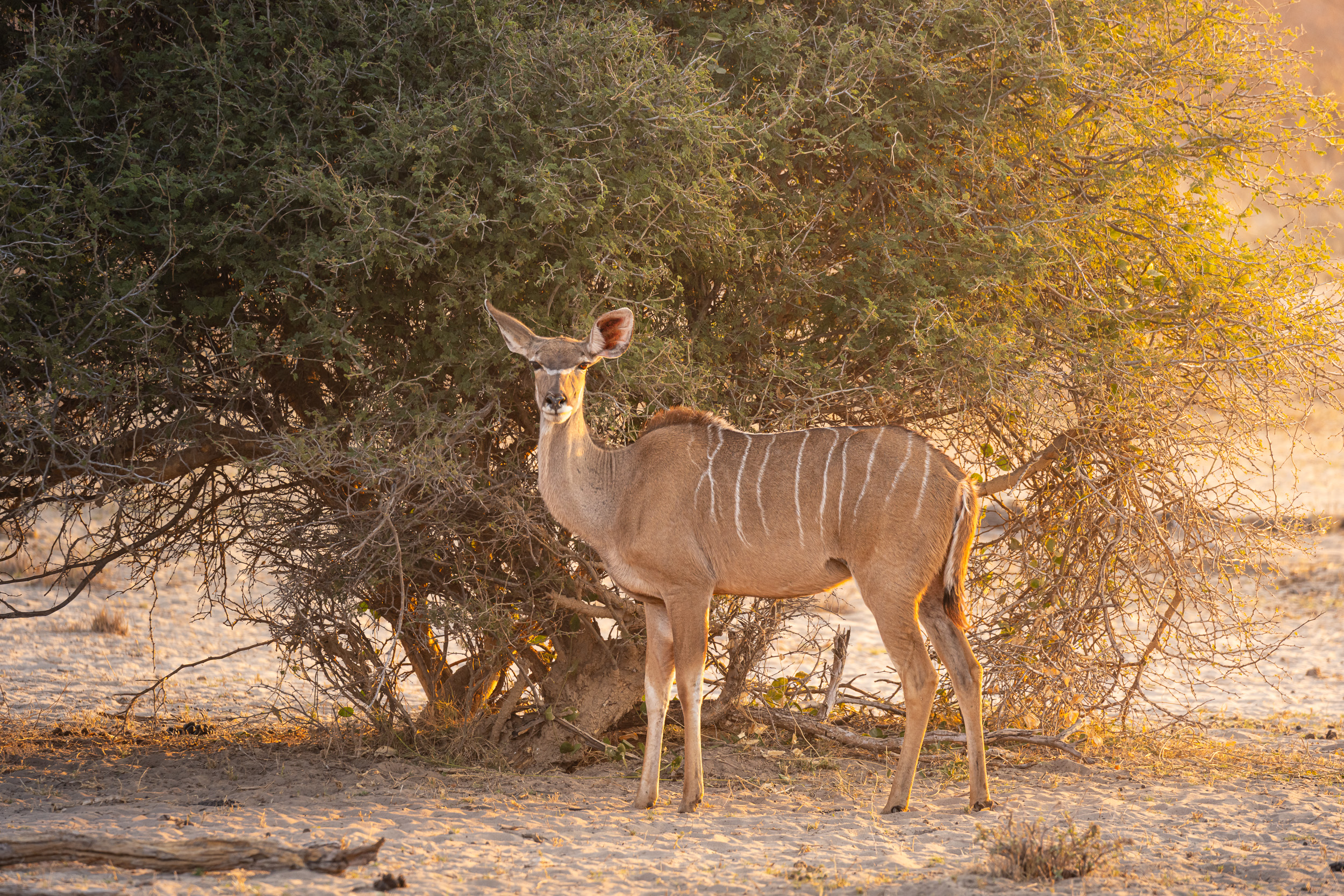
Kudu
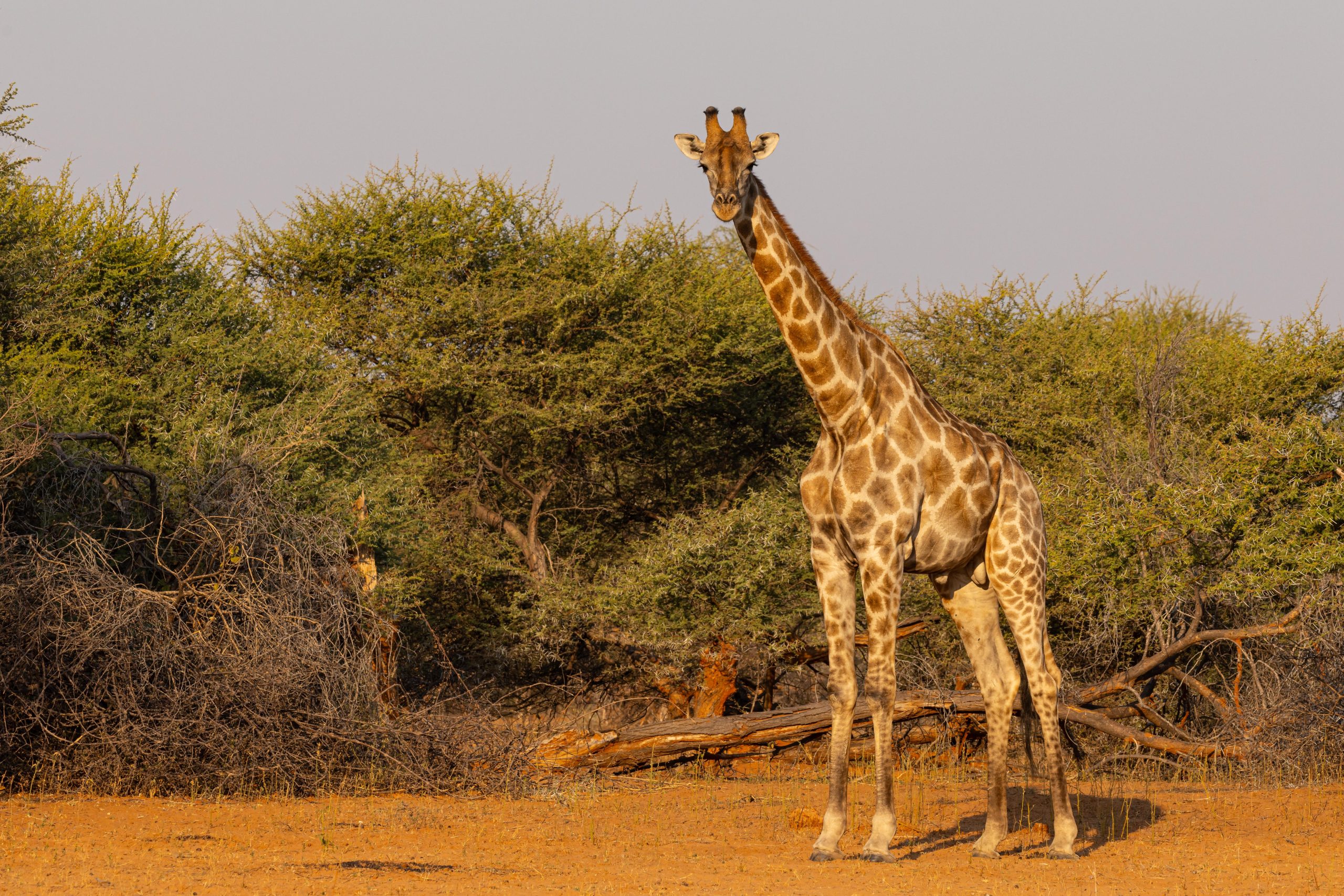
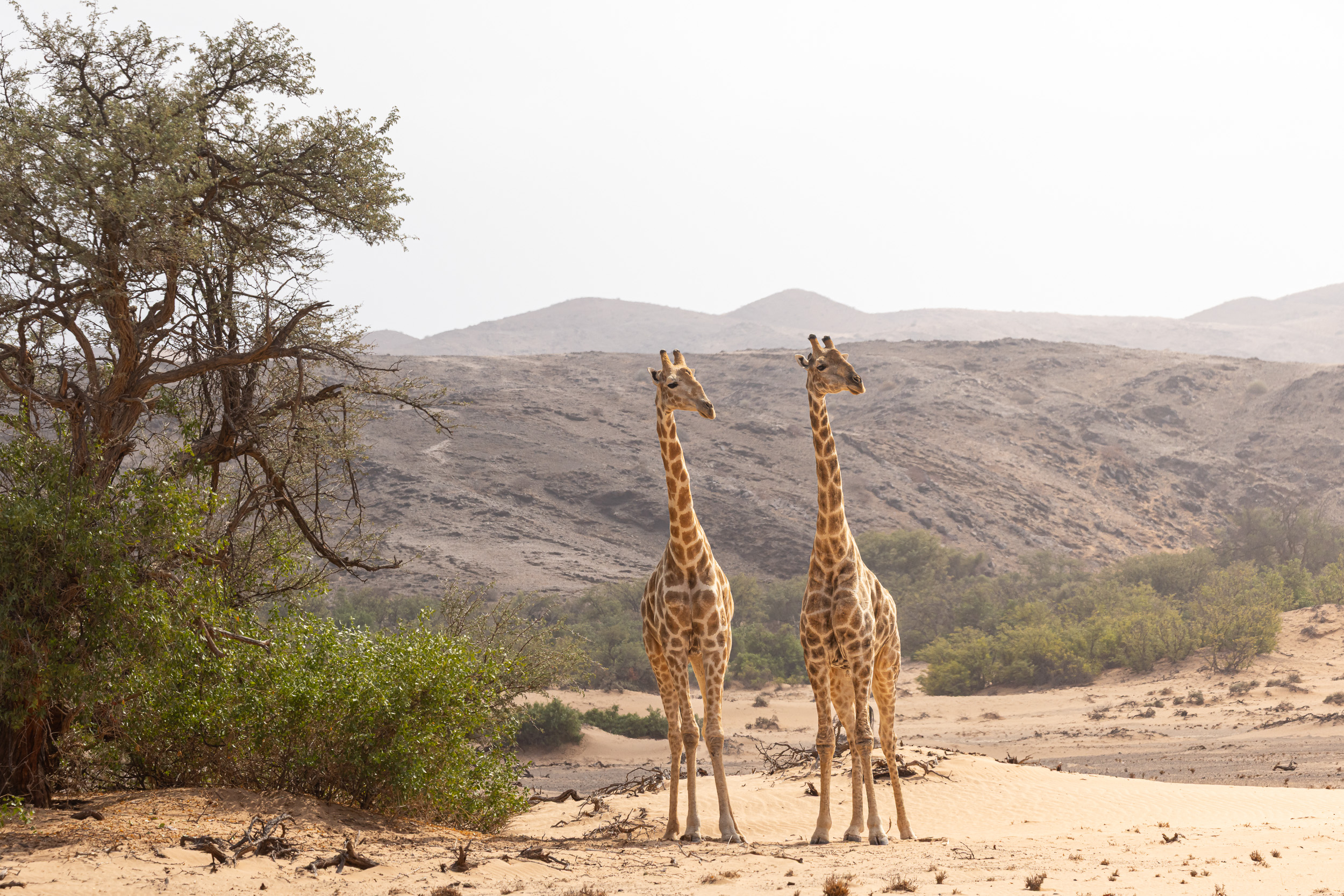
Our first giraffe, a big male
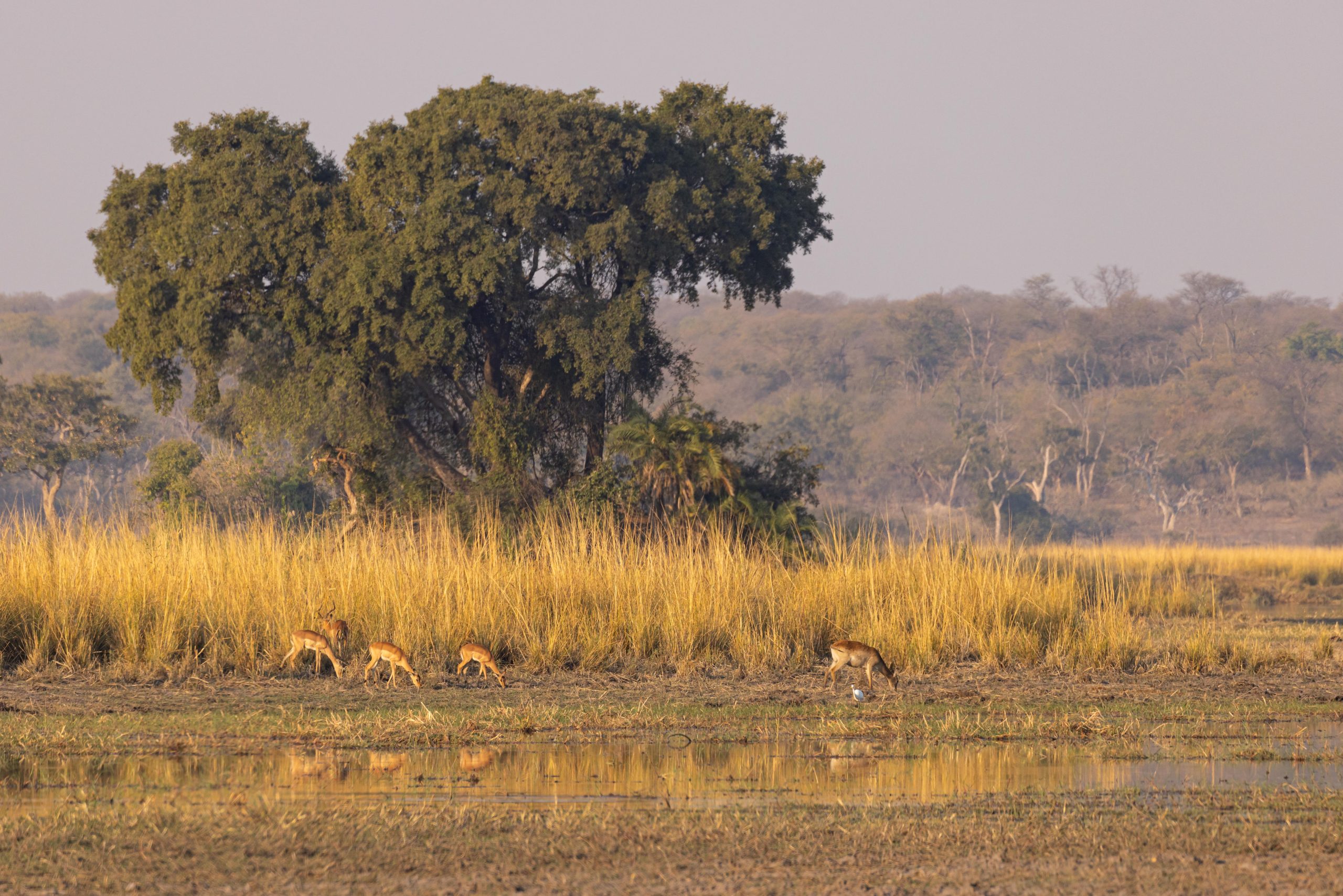
Lechwe, an antelope that loves the wetlands
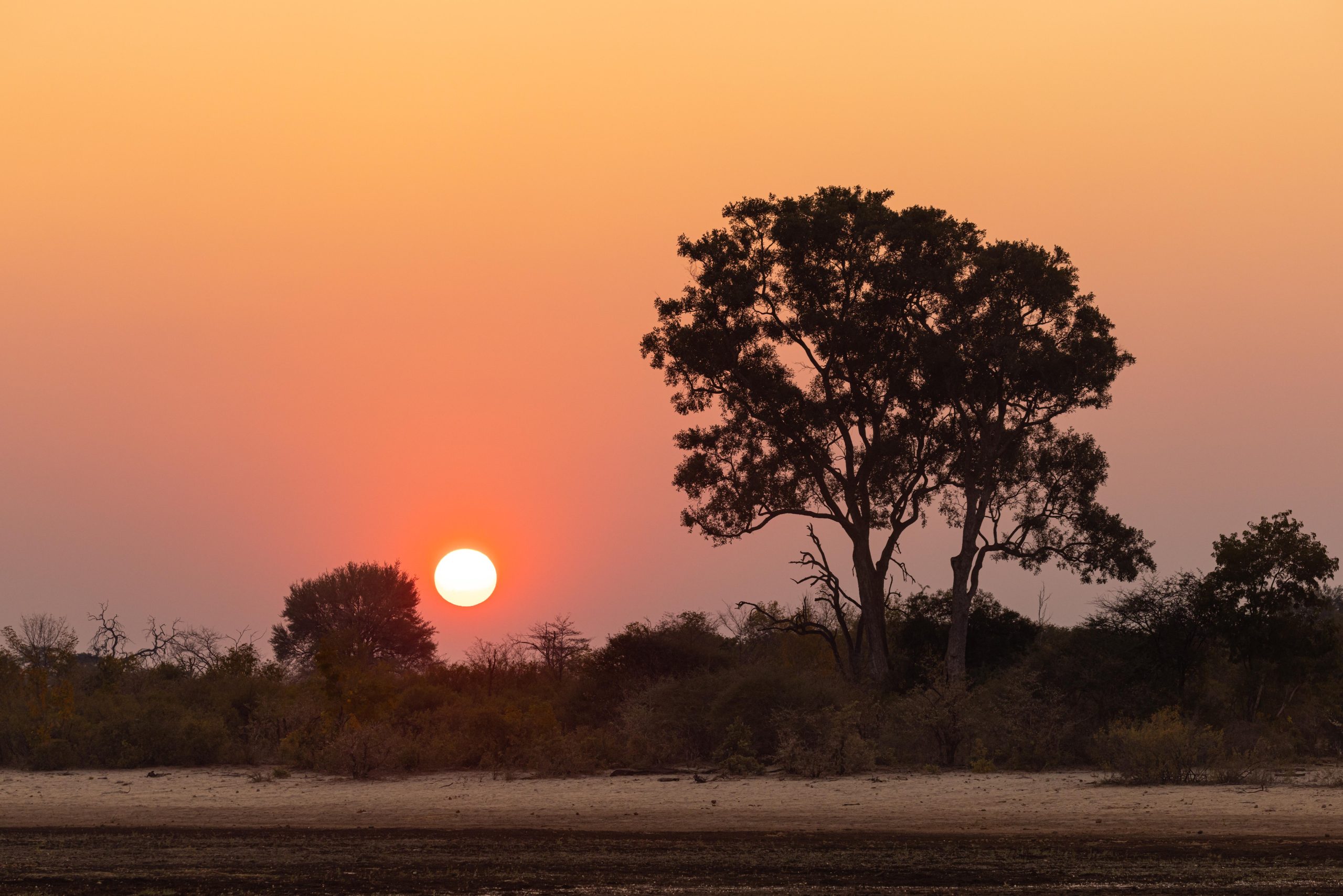
Mahango sunset
Day 4: Kavango River & Mahango Game Reserve
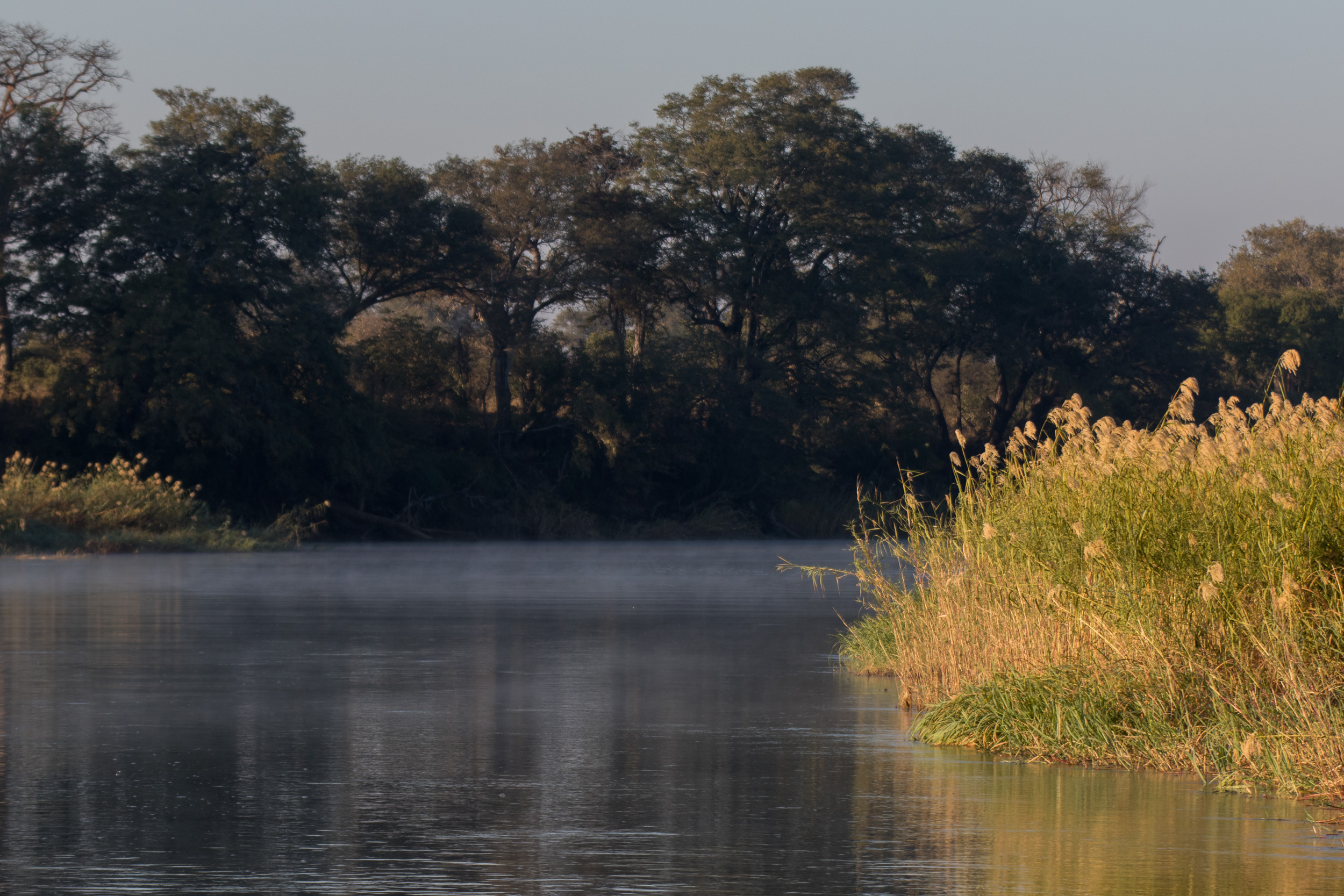
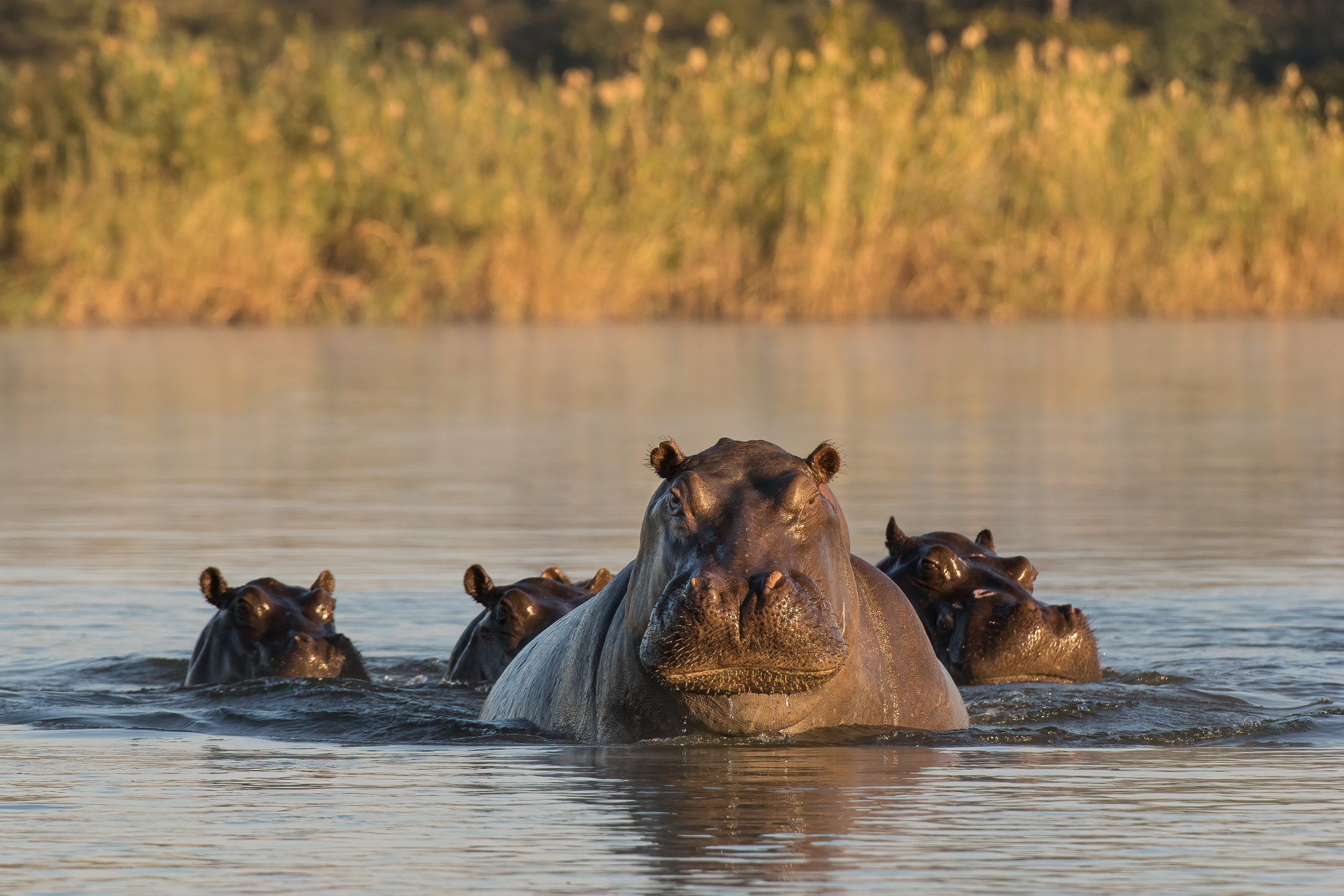
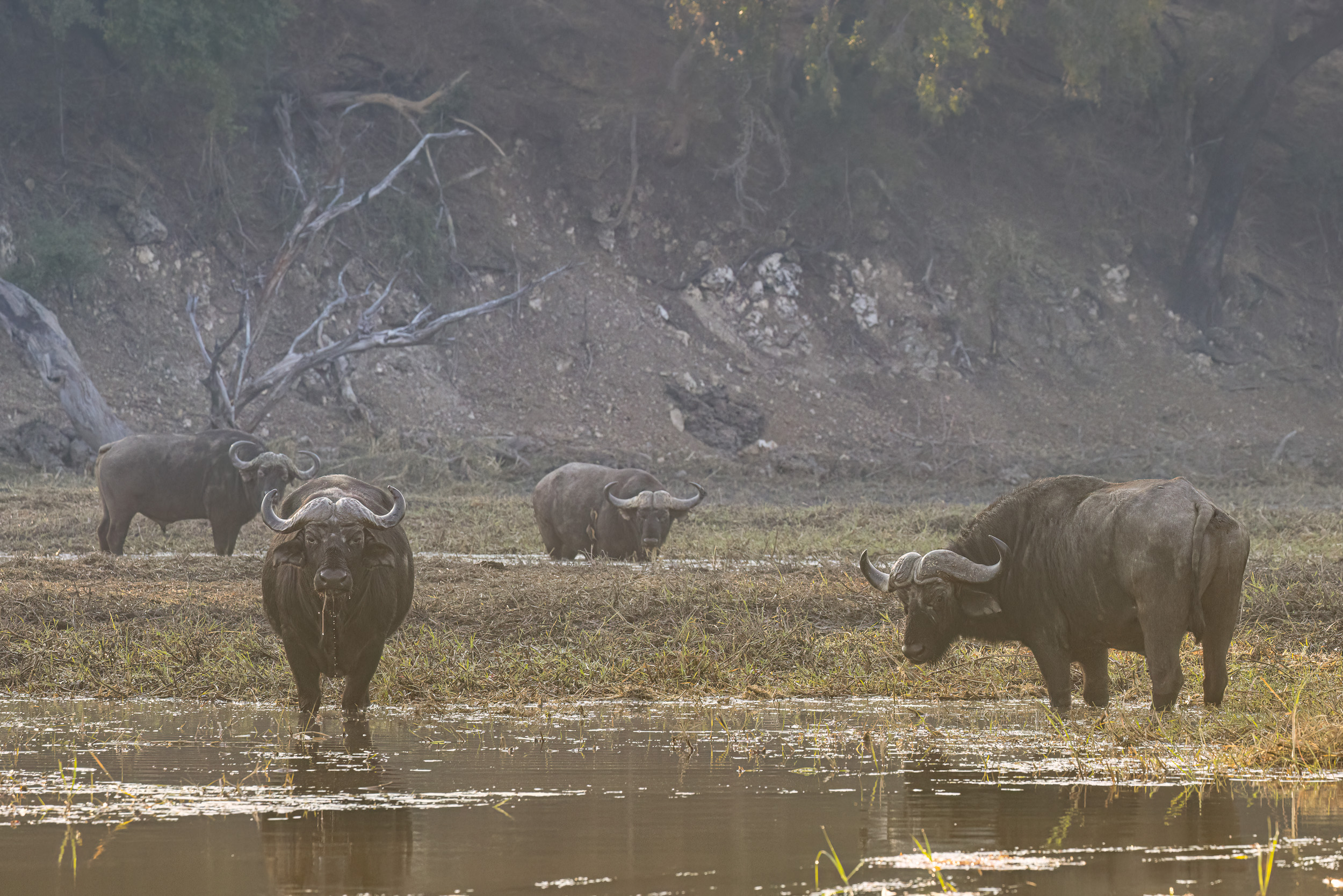
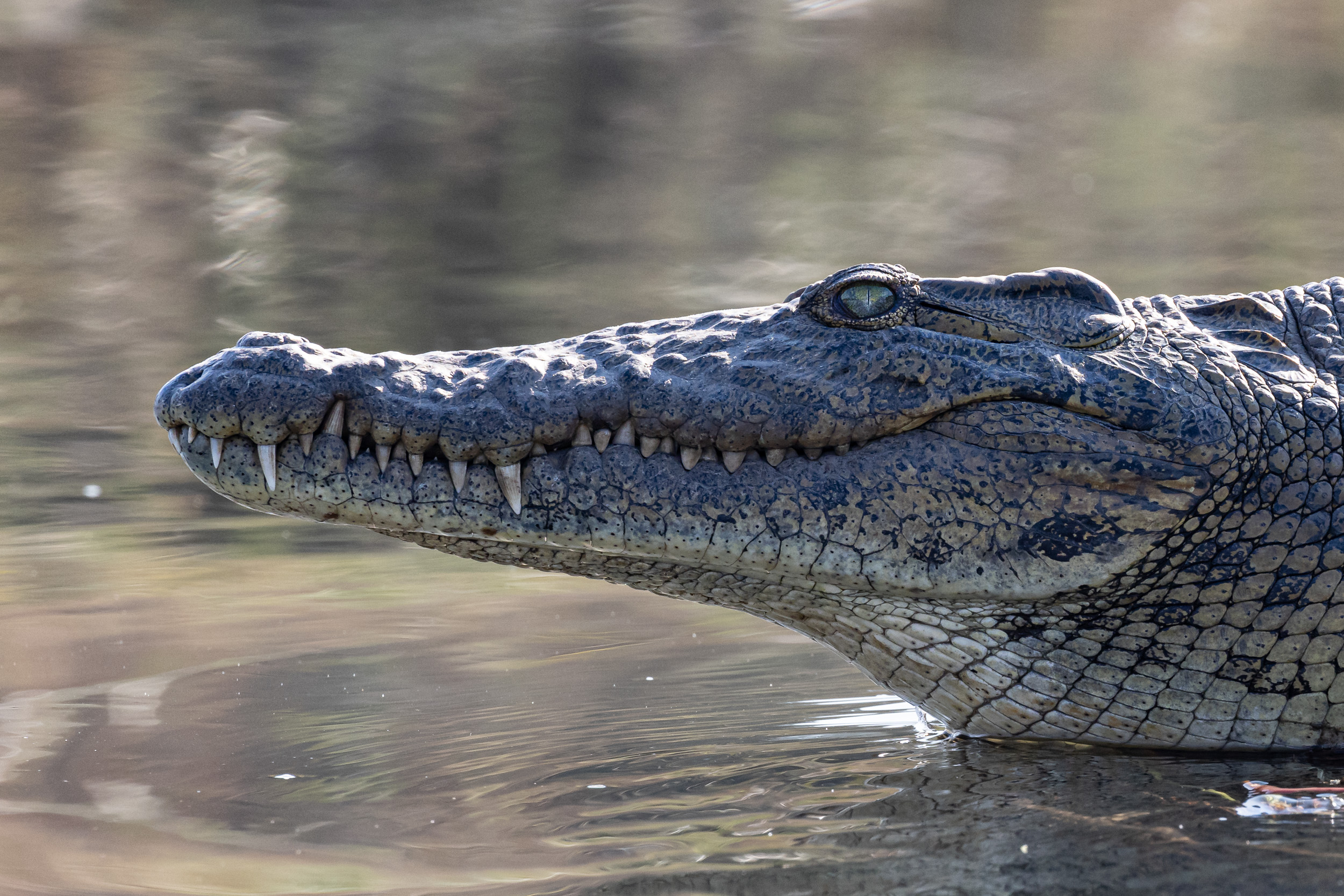
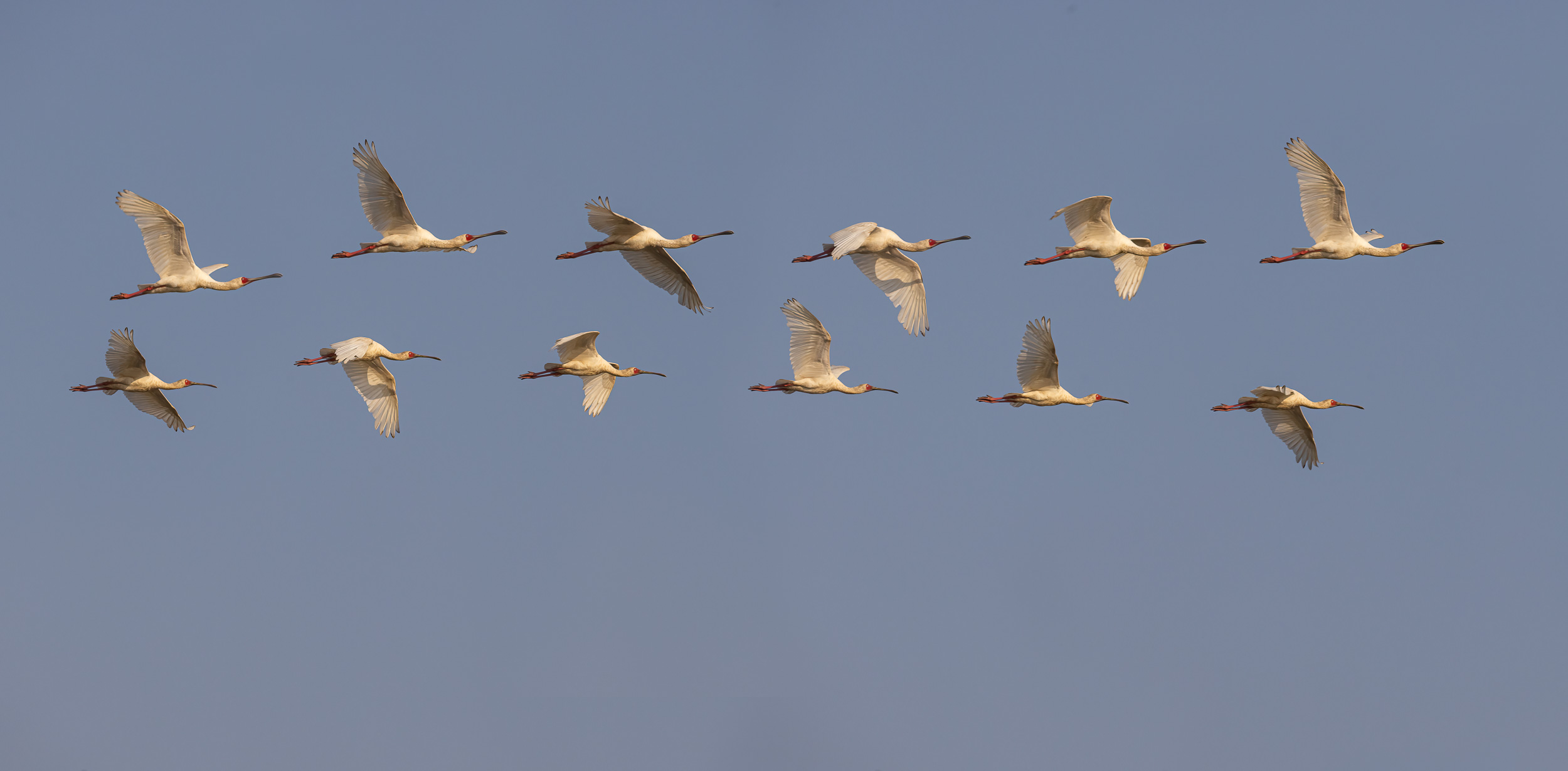
Early morning we will go on a private sunrise river cruise on the Kavango River, in search for hippos, crocodiles, and many different bird species, but also cape buffaloes and other wildlife often roaming the river banks.
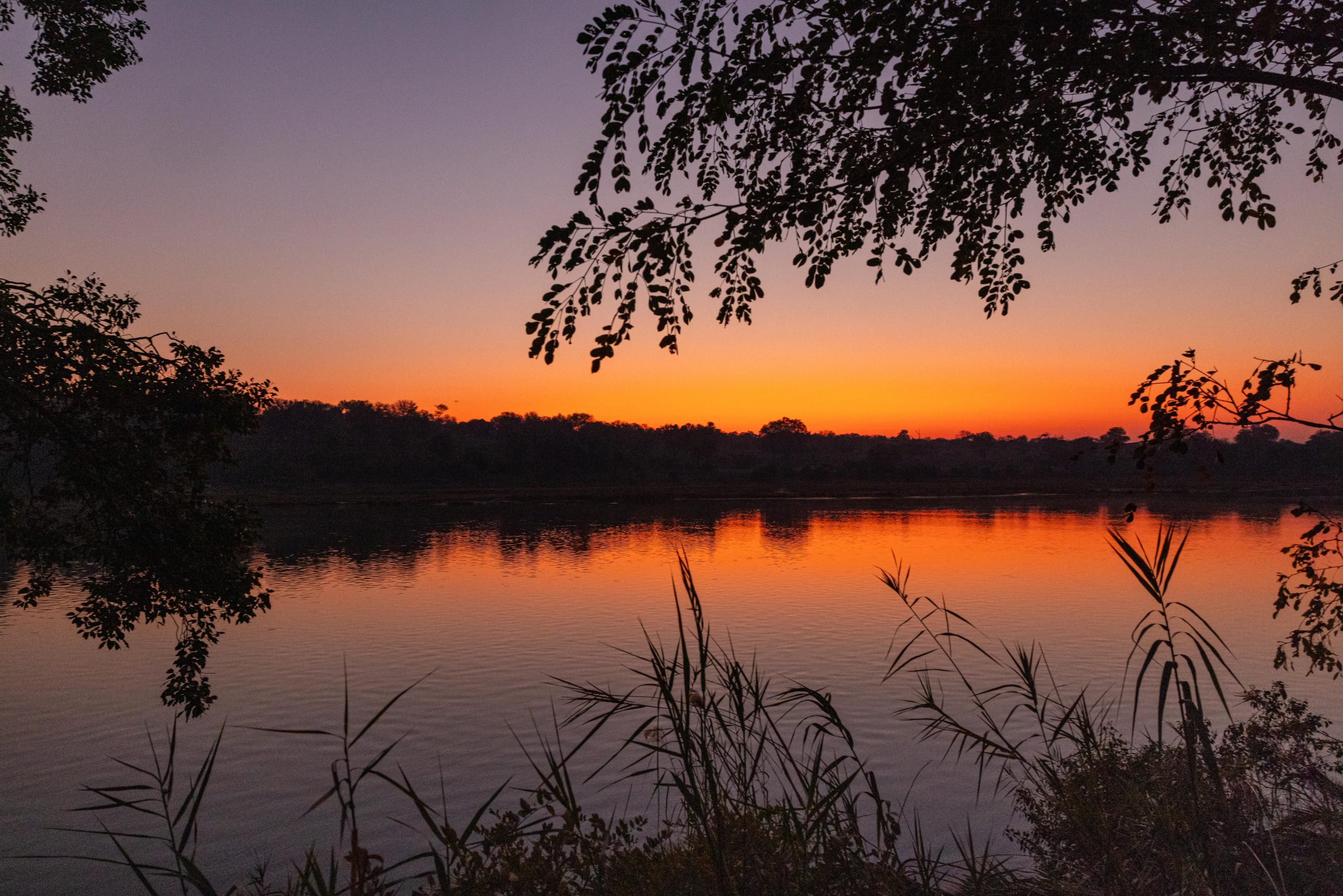
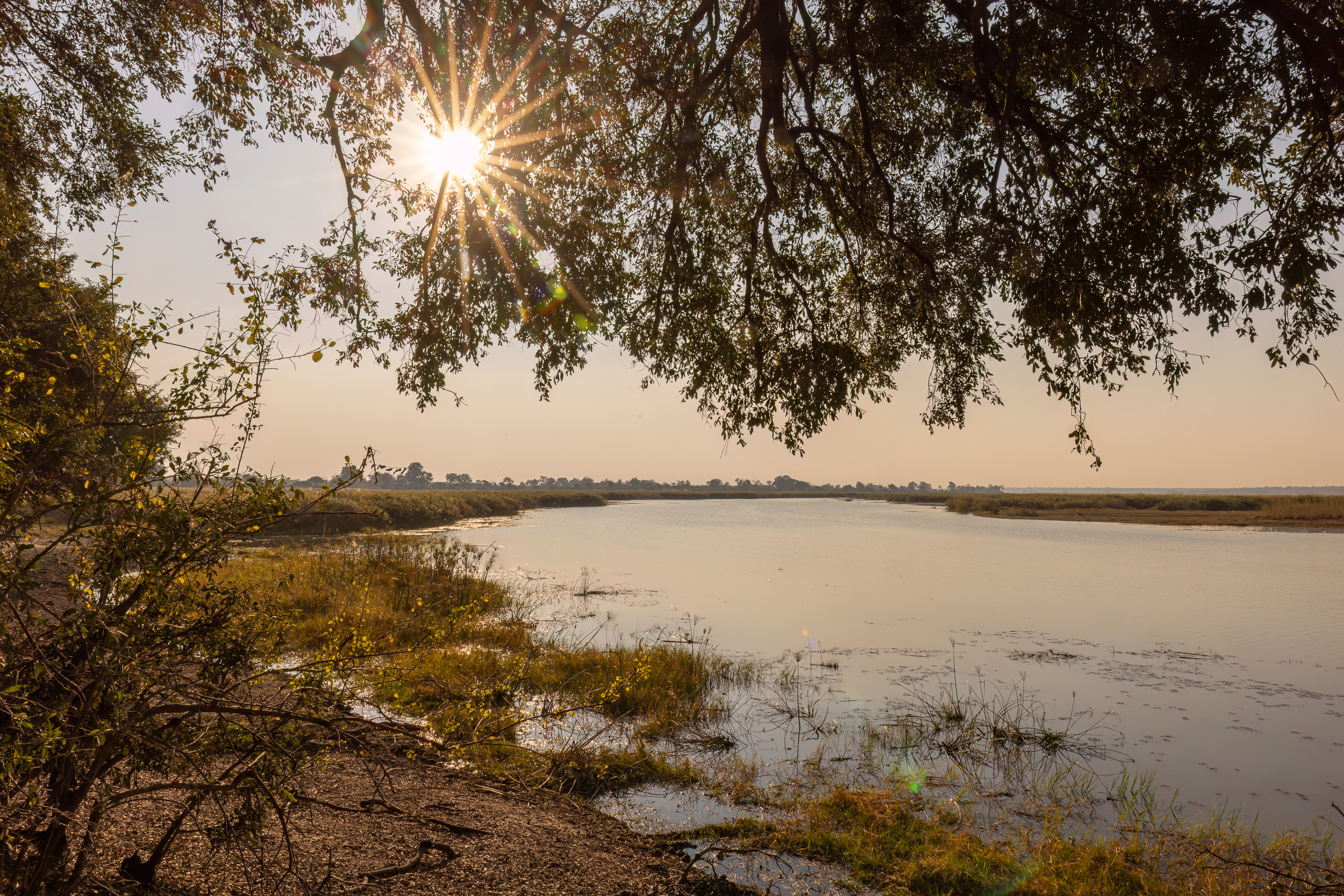
Sunrise over the Kavango river, from our campsite
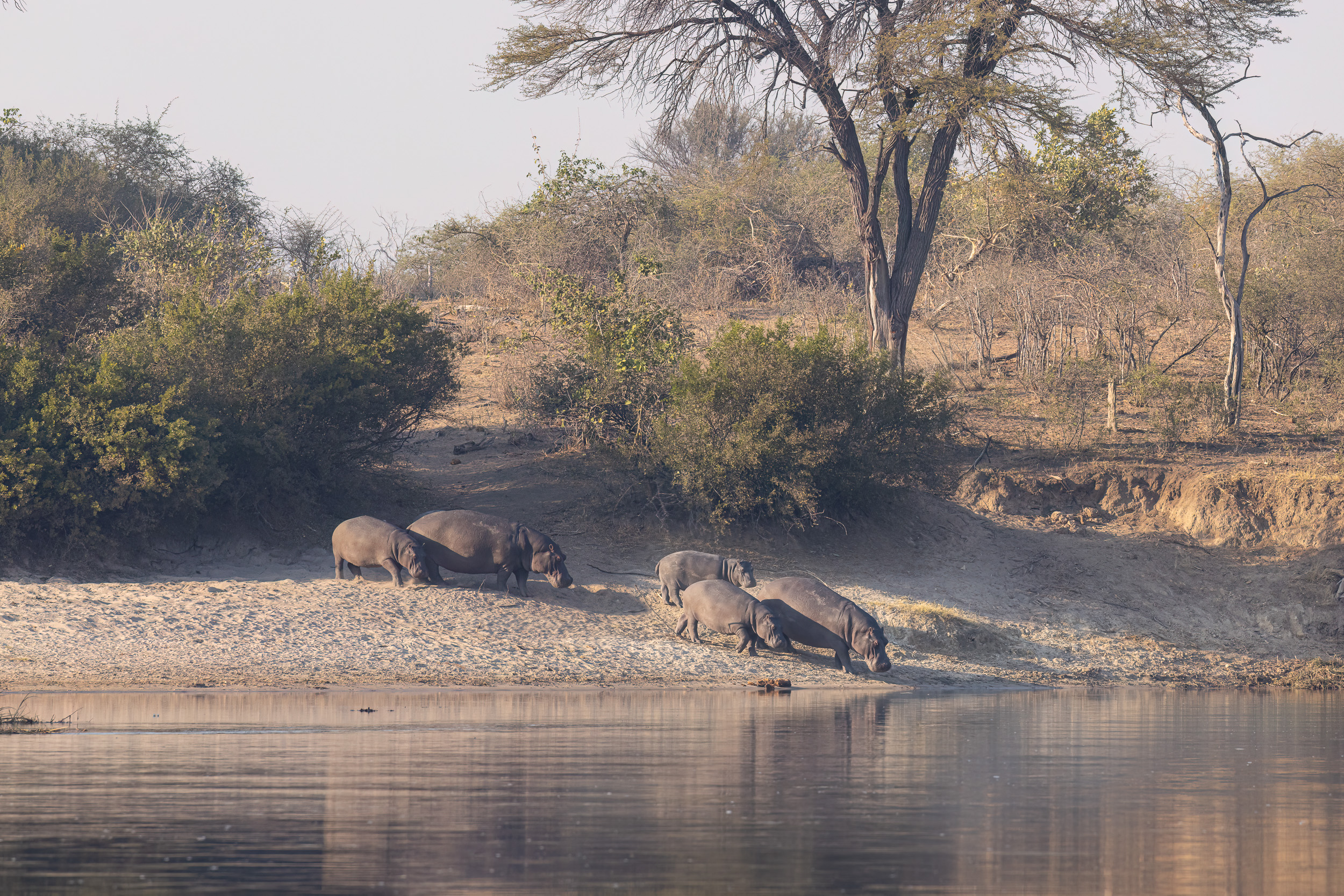
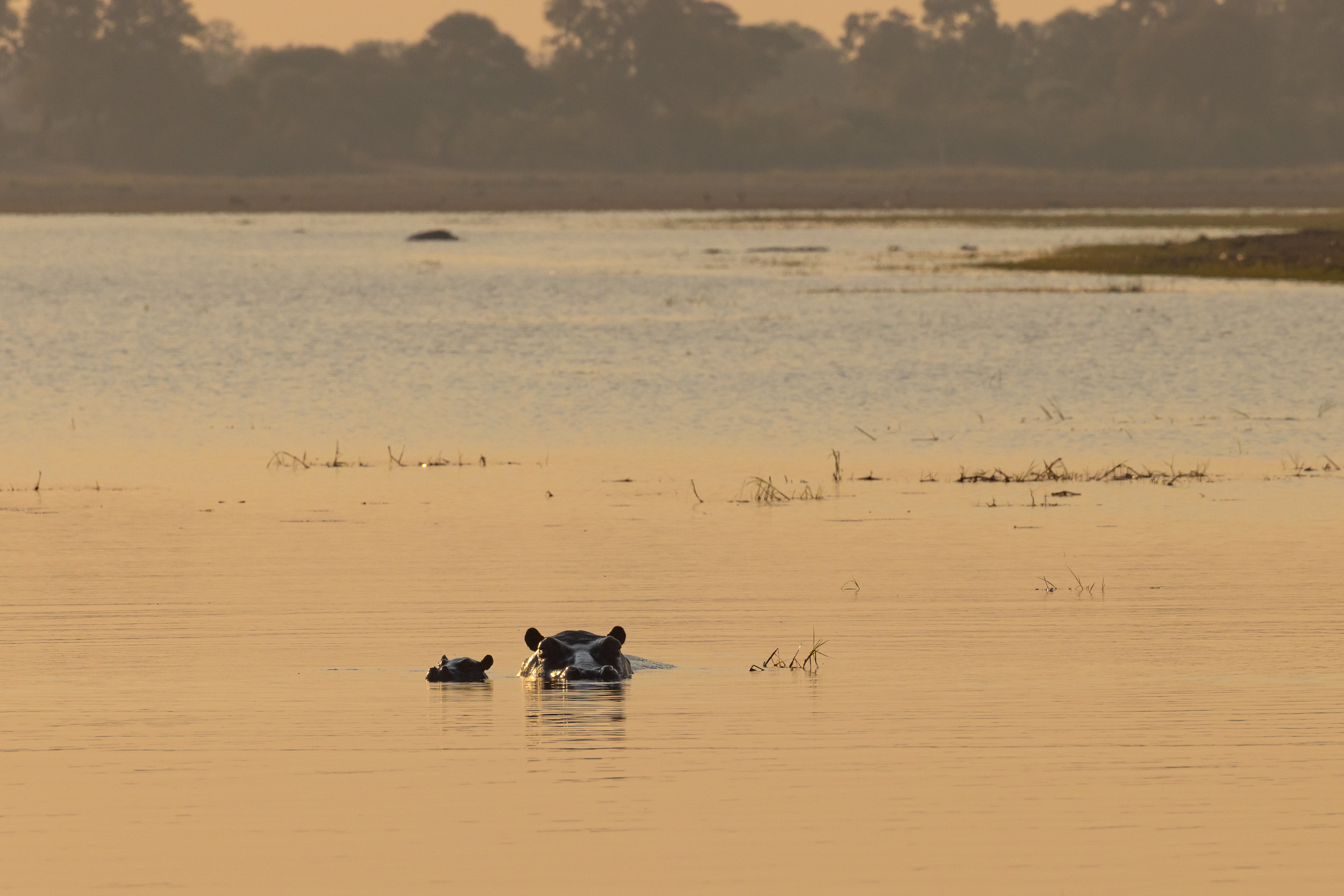
Hippos
Cape Buffaloes
Crocodile
African Spoonbills
Hippos
After our sunrise cruise we will have breakfast and then relax a little, soaking in the river scenery. After lunch we will go on our next safari drive, either through the floodplains or the forested side of the Mahango Game Reserve.
Red Lechwe
Hippos in the Kavango River
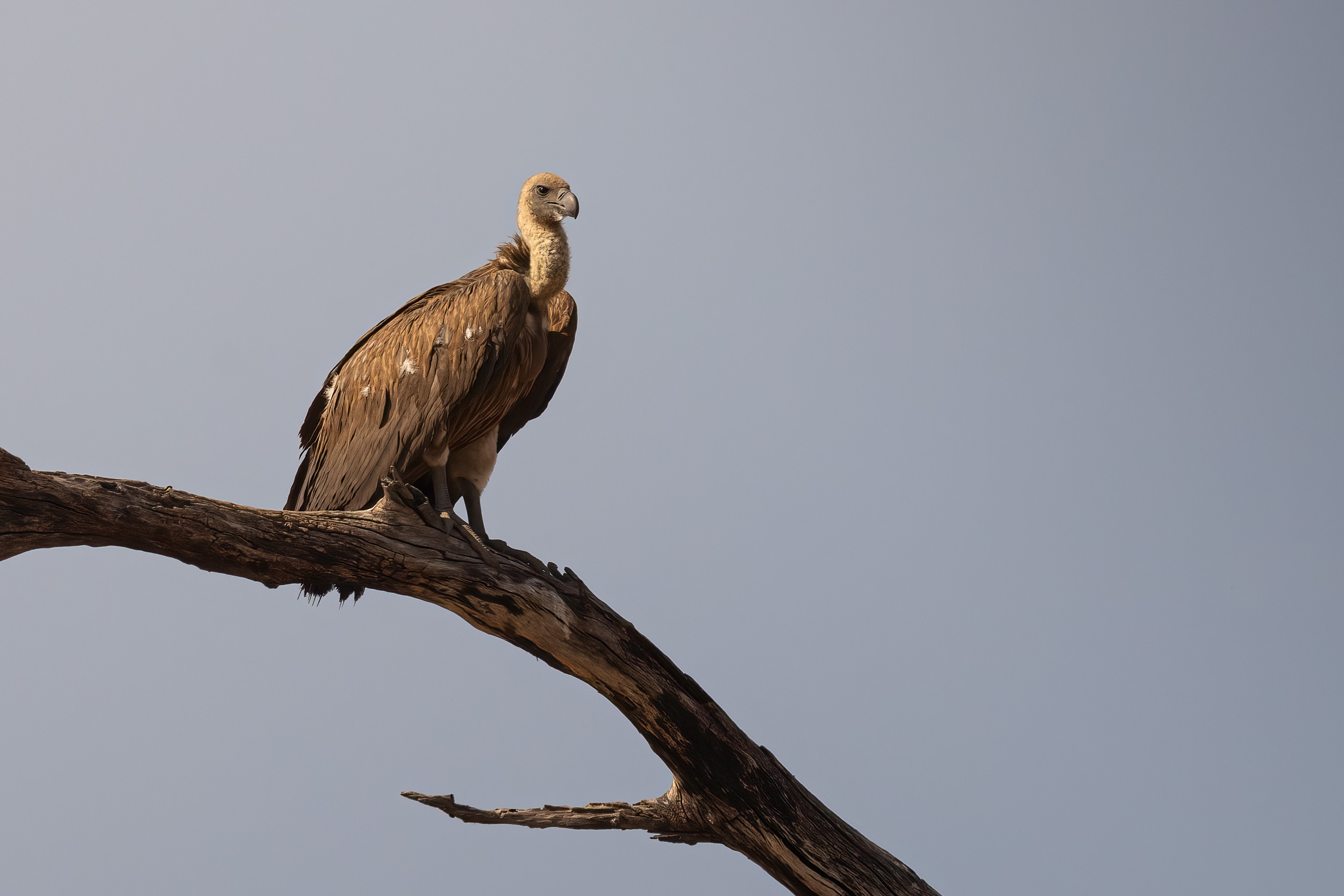
White-backed Vulture
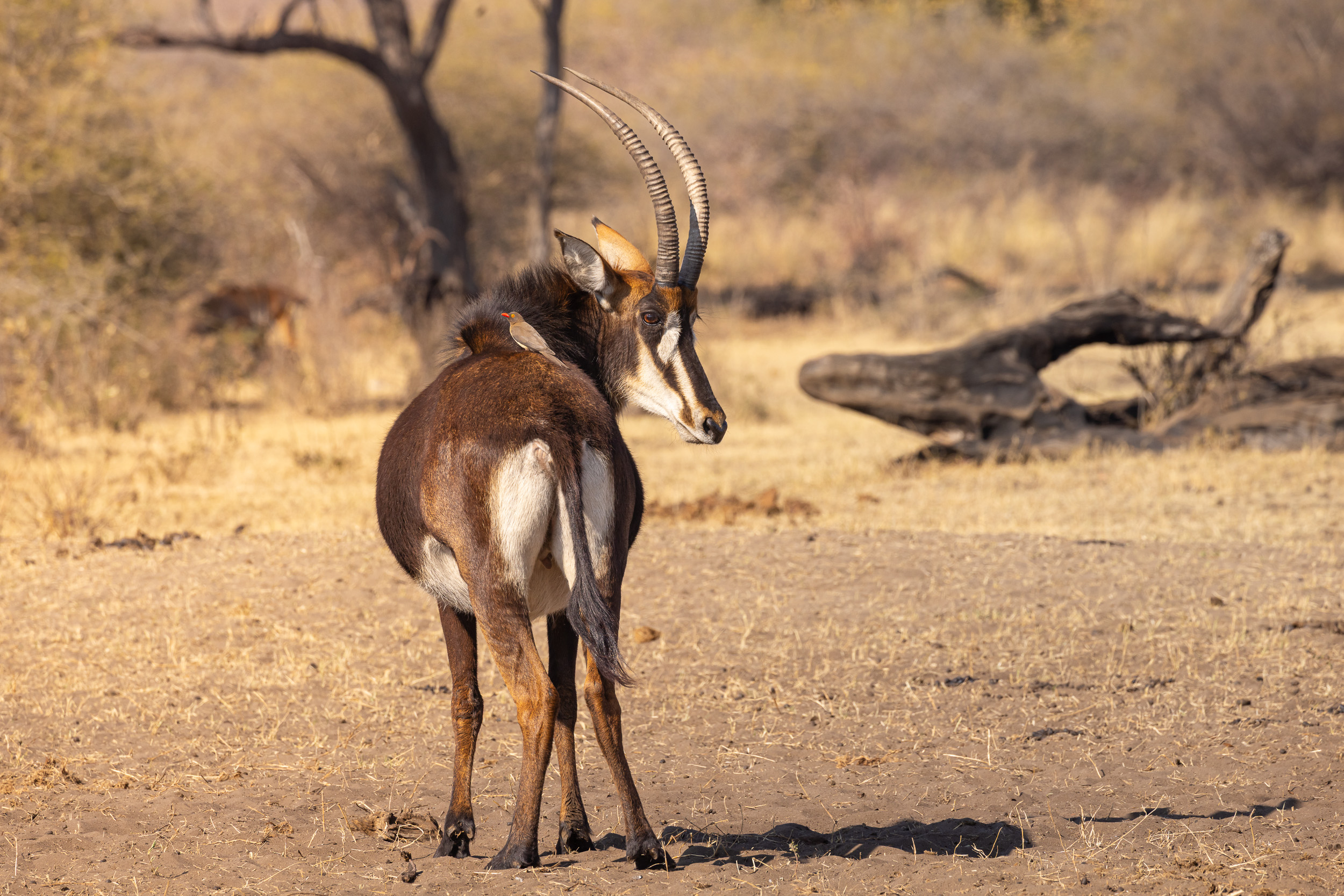
Sable Antelope
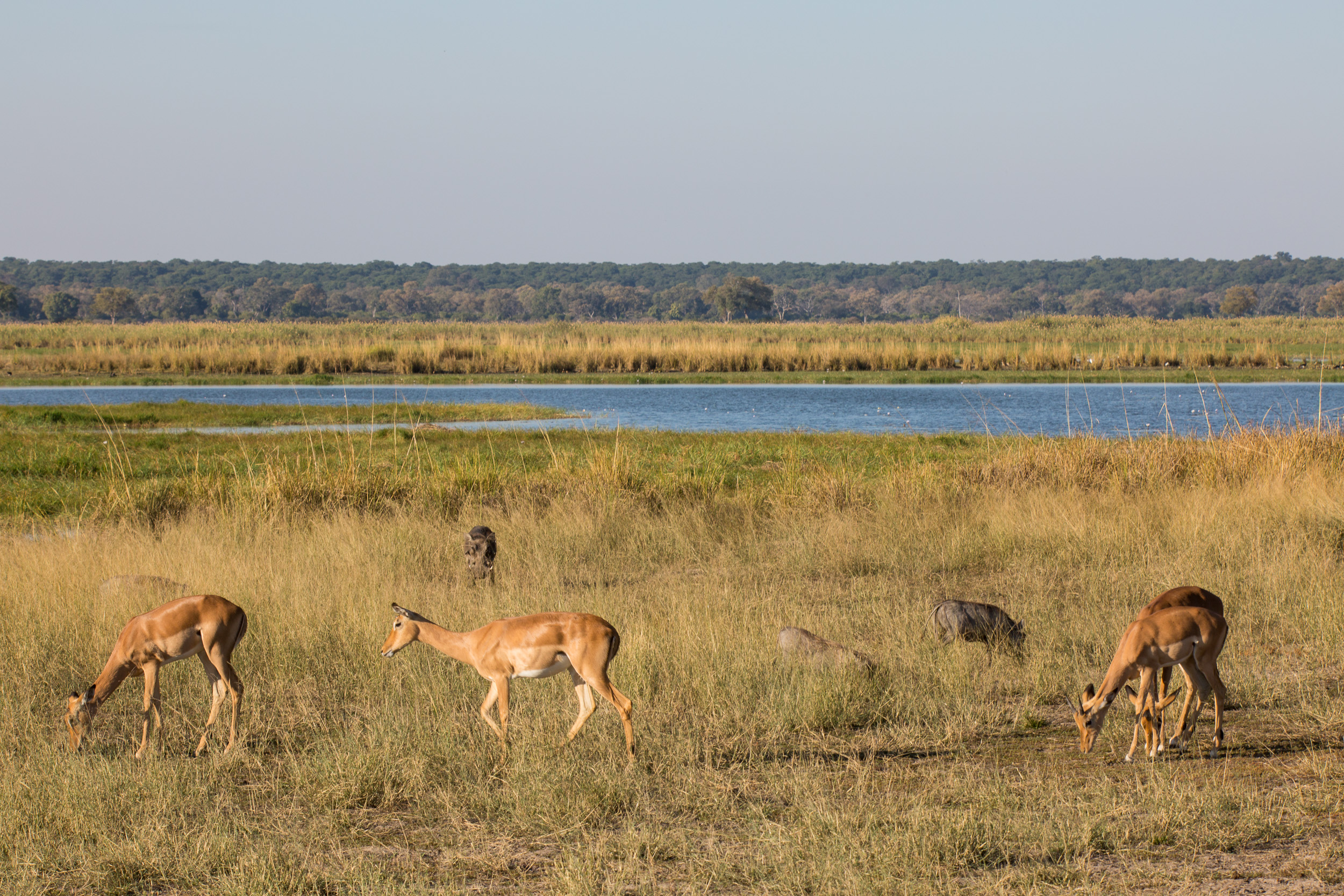
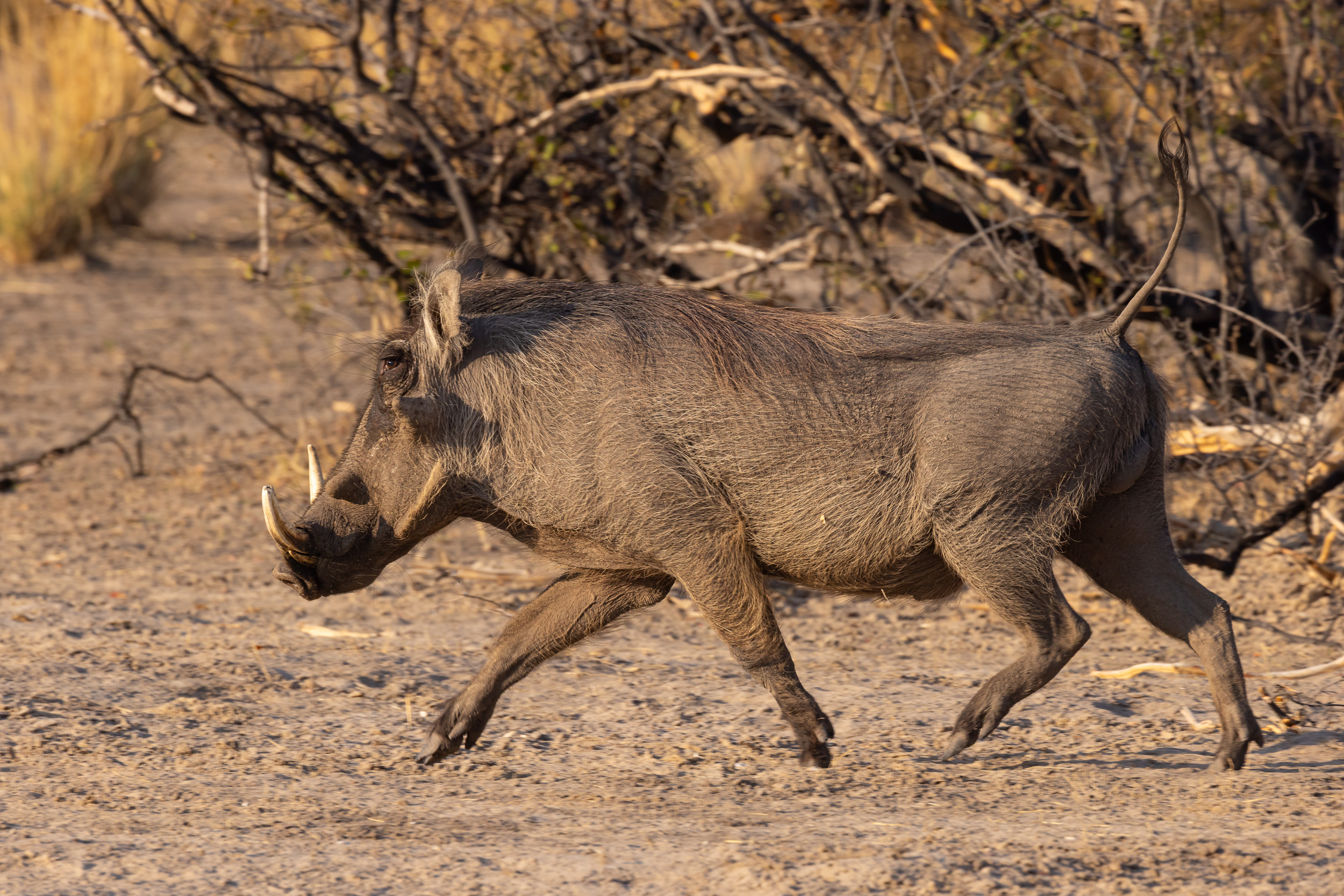
Warthog
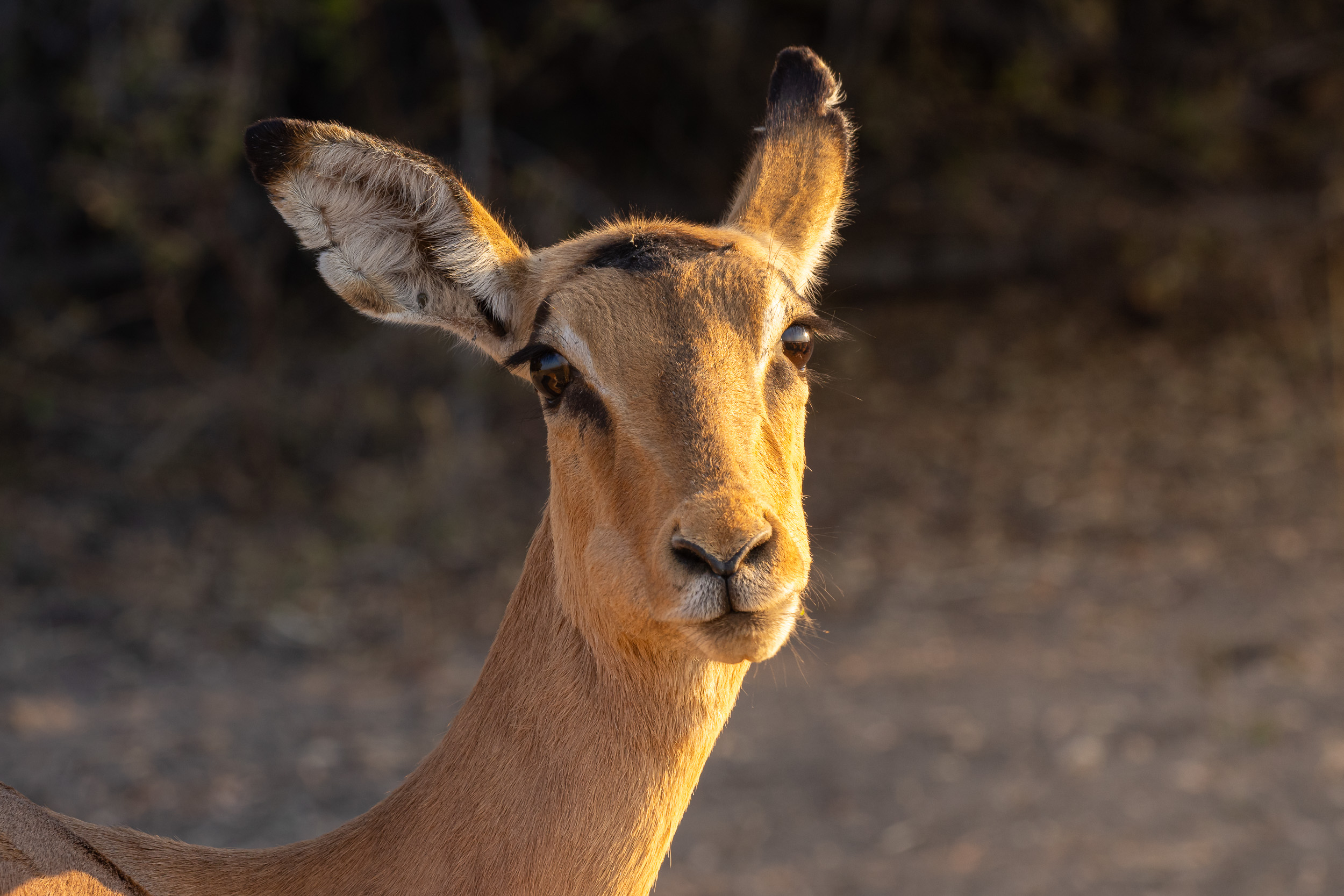
Impala
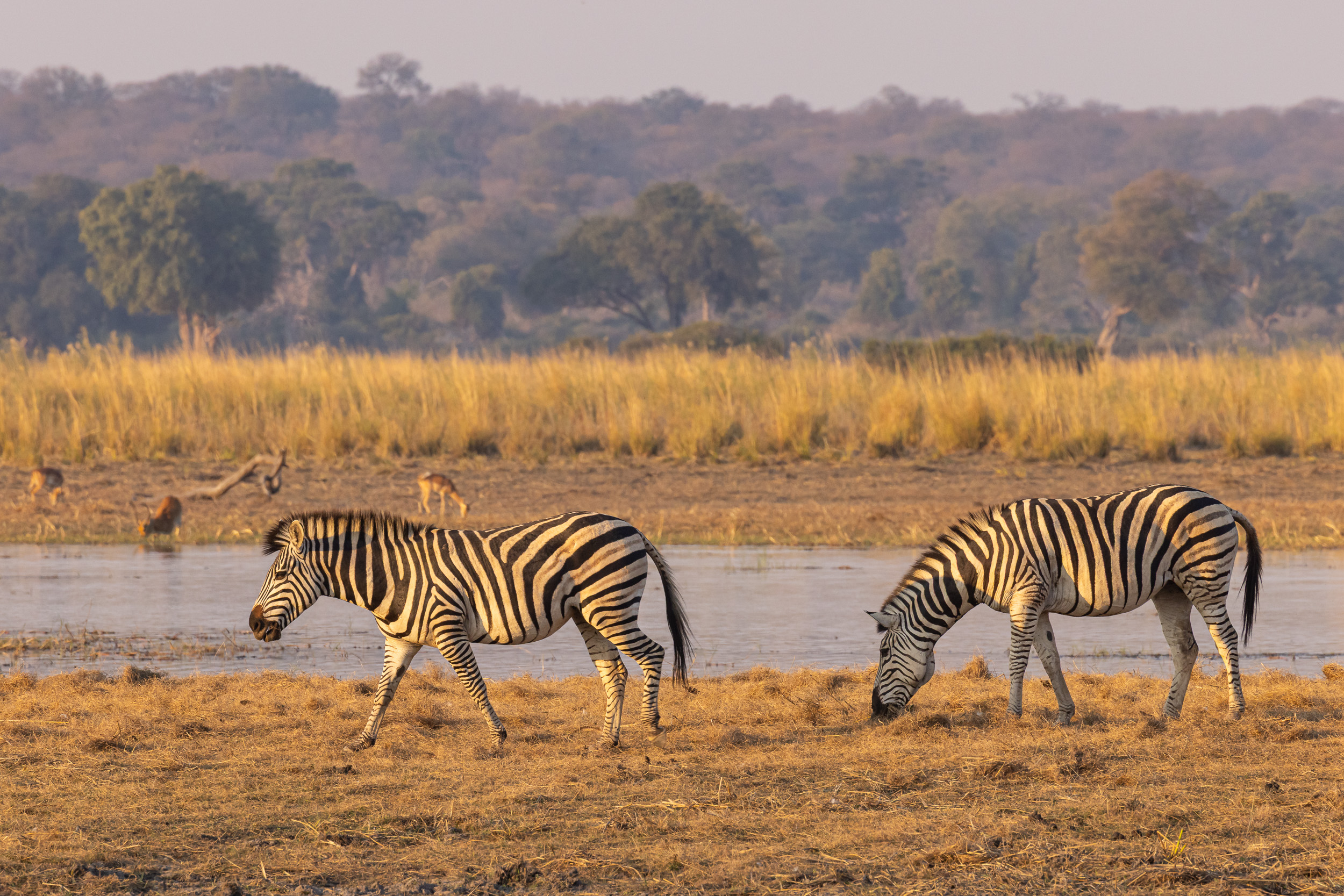
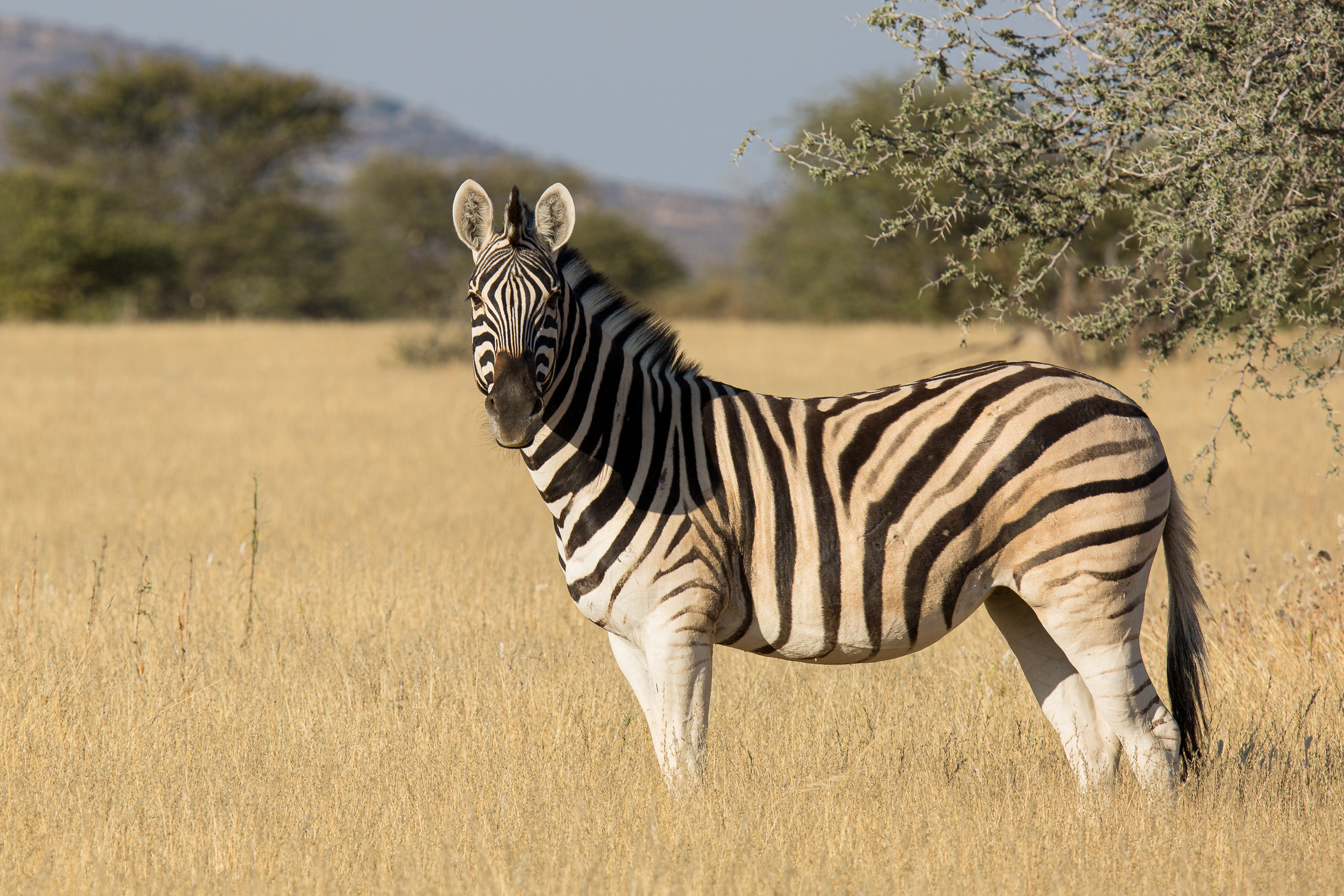
Zebras
Viewpoint over the Kavango floodplains
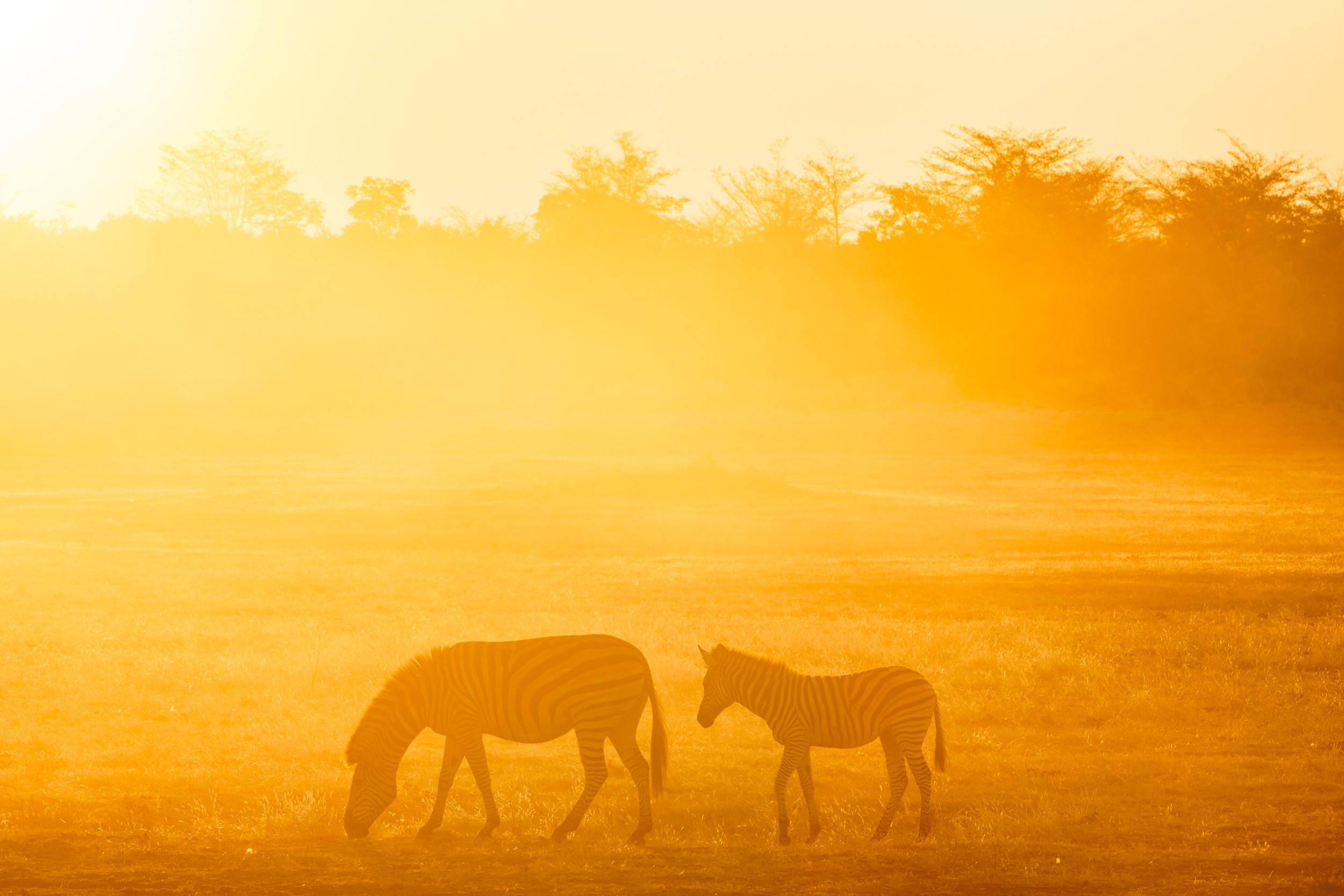
Zebras at sunset
Day 5: Divundu – Ju’/Hoansi San tribe, Naye Naye Concession
After breakfast we pack up our camp, and drive back towards Grootfontein. Shortly after passing the vet fence we will leave the tar road and drive east over a wide dirt road, towards the Botswana border. Initially through large cattle farms, on the original tribal land of Namibia’s Indigenous Ju’/Hoansi San people, and eventually into the area where the Ju’Hoansi San have settled, nowadays living in fairly basic small villages.
Our destination is what is called a living-museum, an effort to preserve traditional culture, combined with low-impact tourism to generate some income for the local community.
We will arrive at the San village around noon and will set up camp on a basic campsite, with no facilities other than a drop-toilet and some tap water.
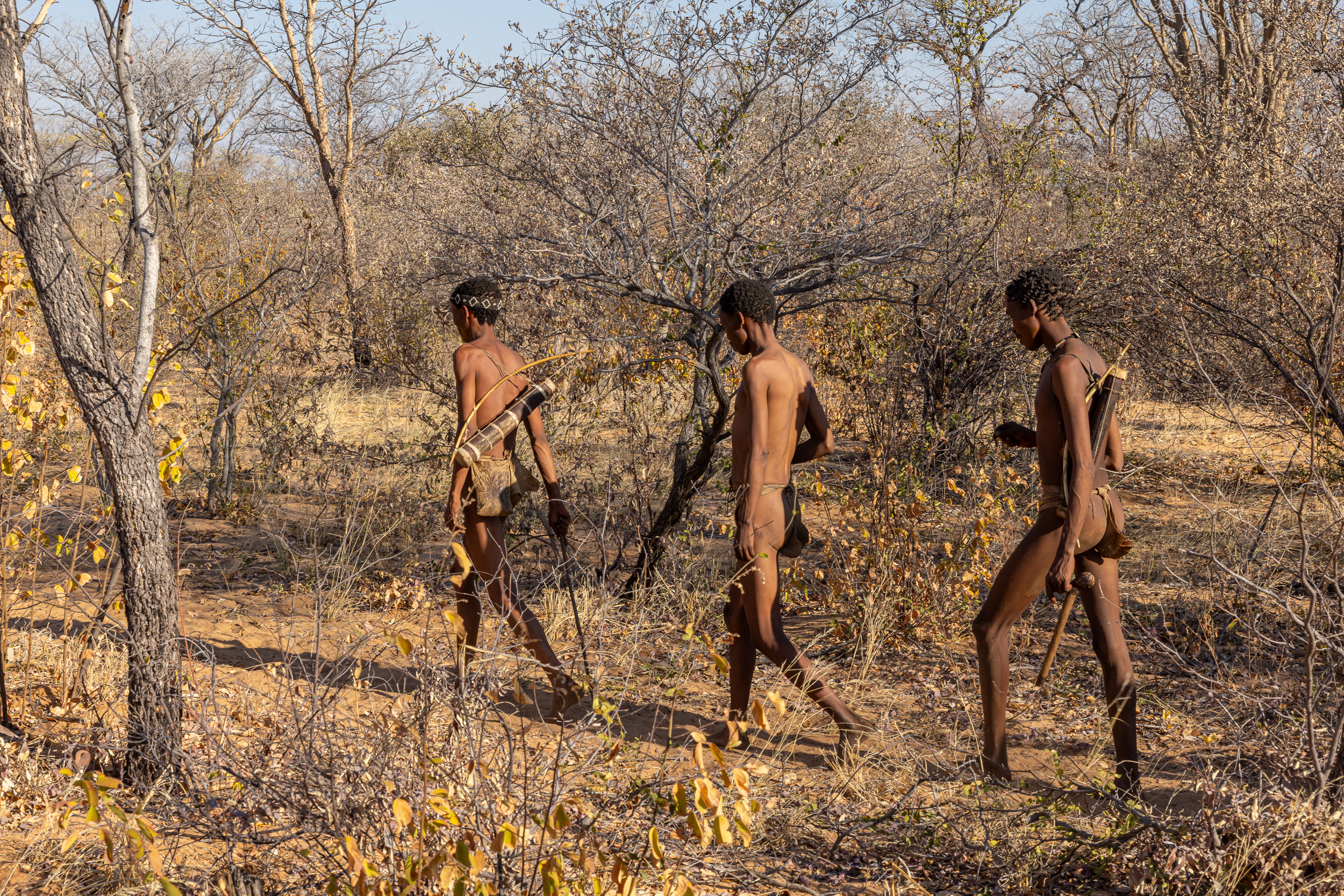
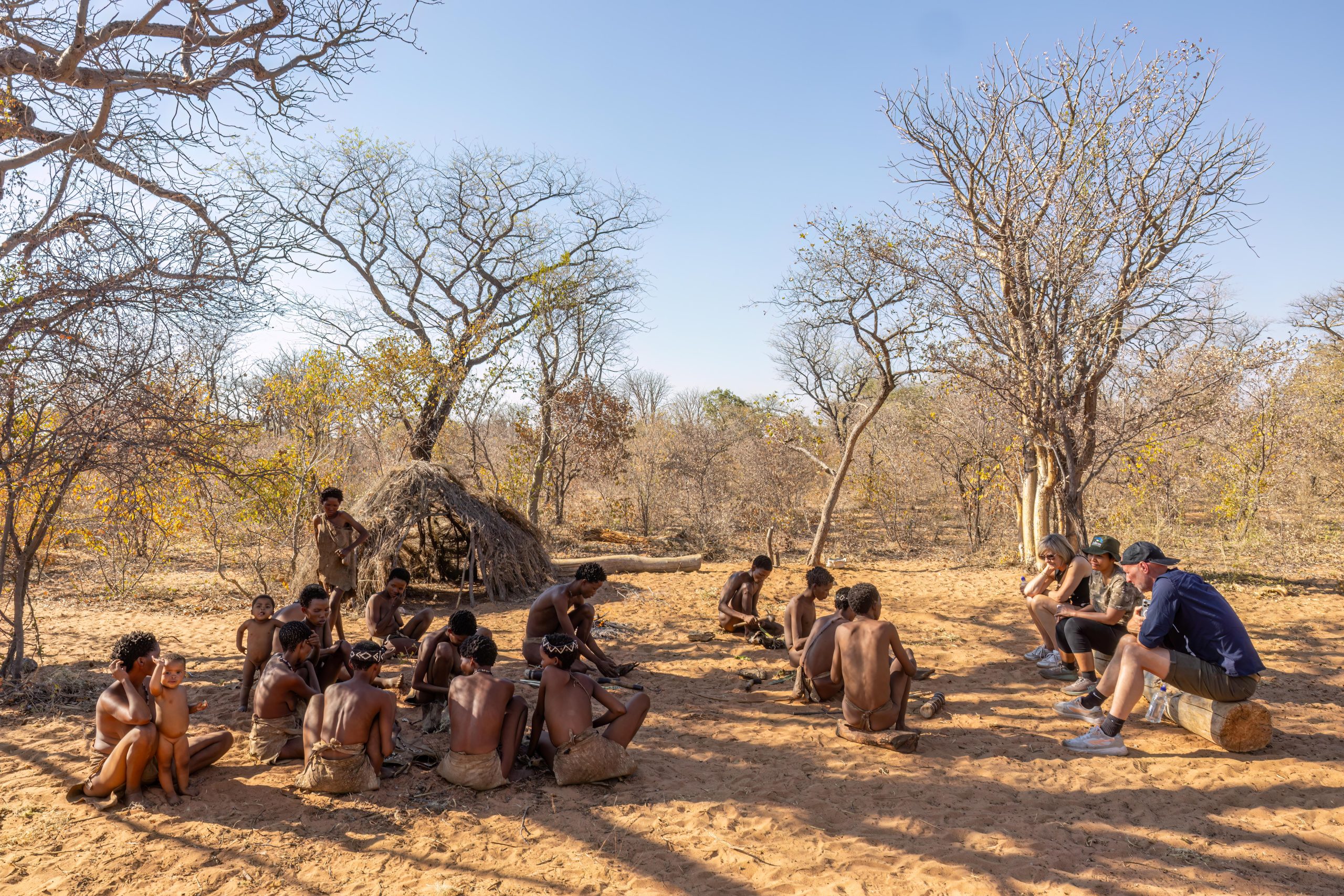
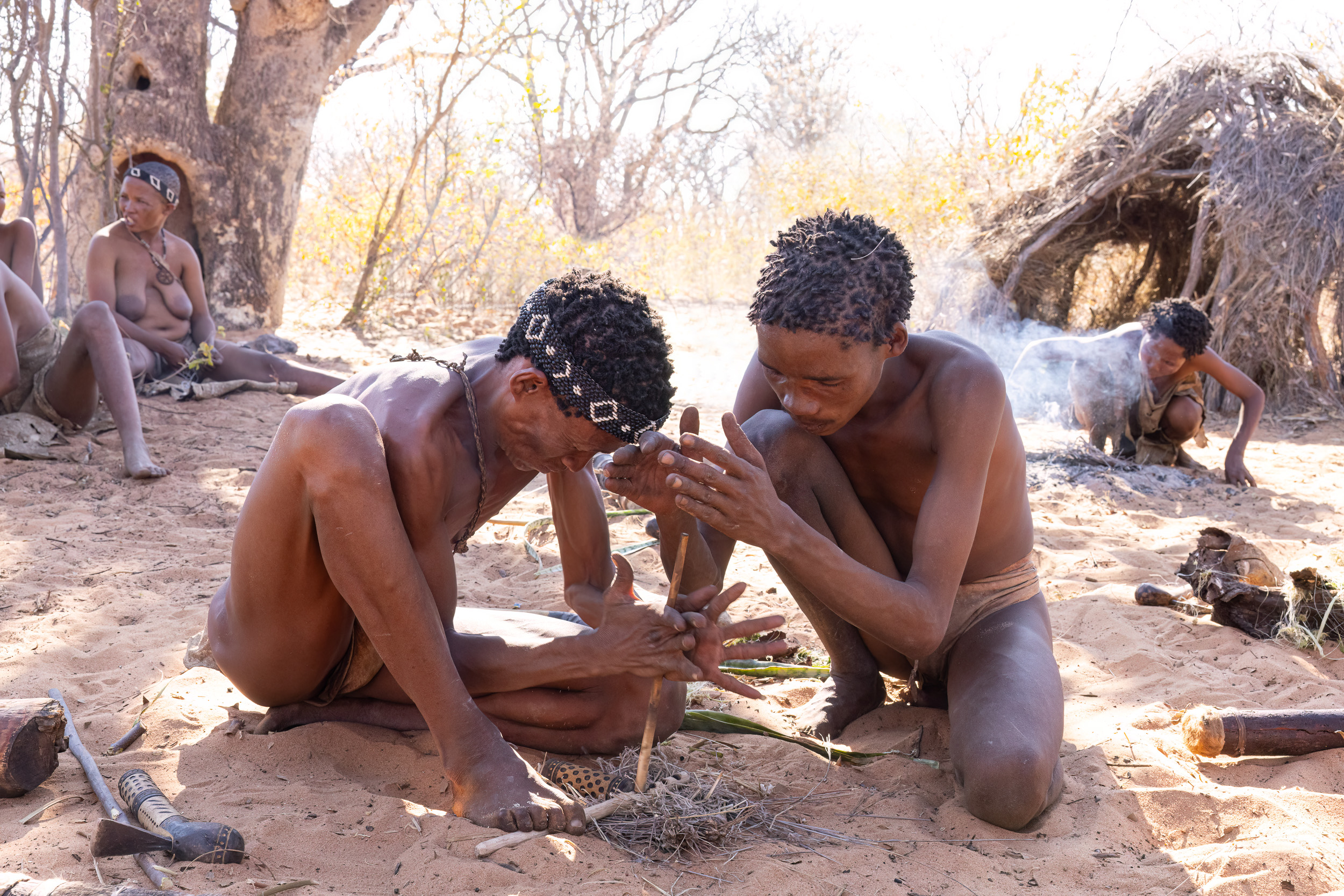
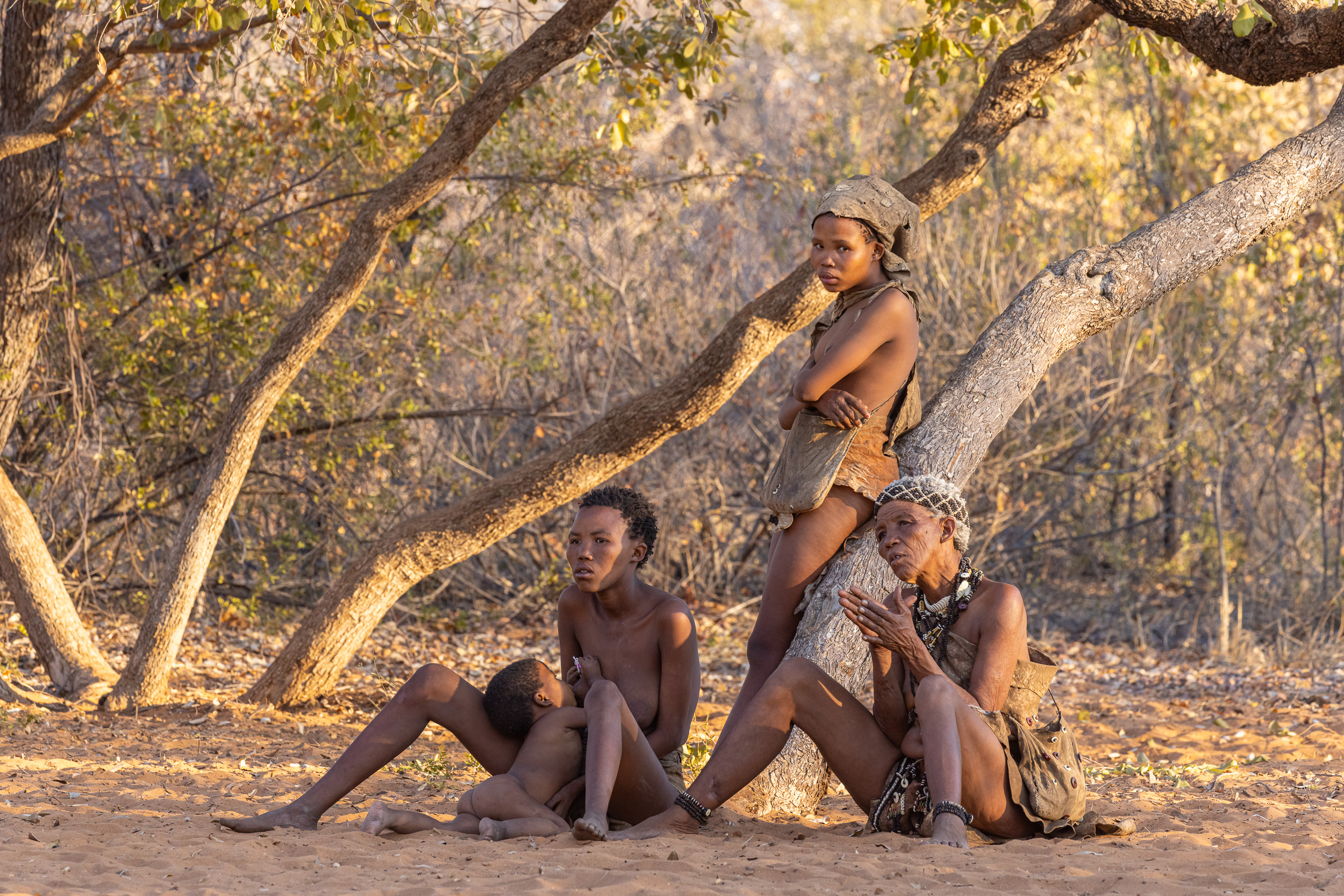
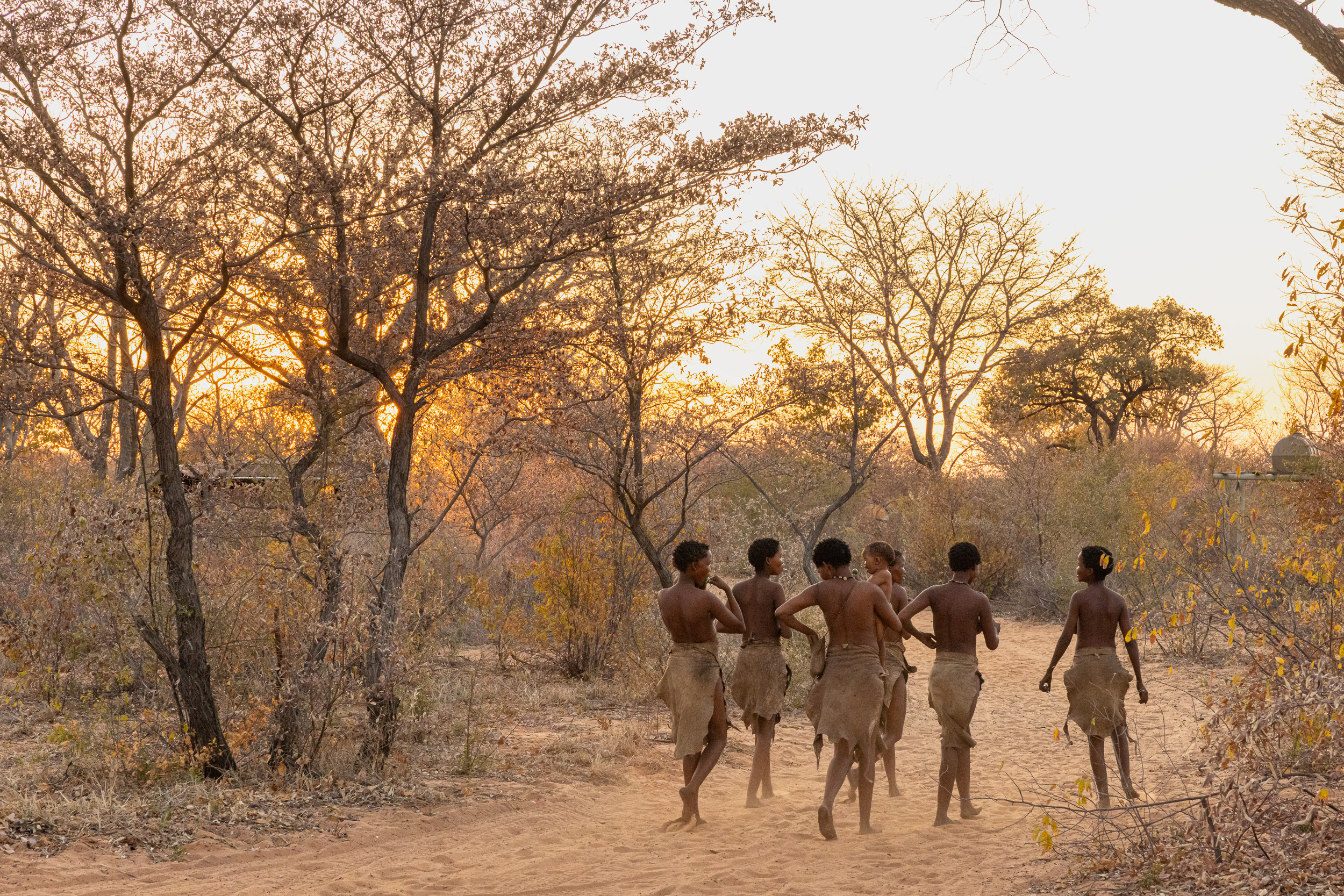
After lunch the San community will visit us in full force, men, lots of women, and children of all ages. An impressive first encounter, to say the least! It may be called a living museum and these people actually live in basic brick-and-mortar houses rather than their traditional makeshift bush huts, but it will really give a very authentic feel. The guide will explain that their traditional daily life has not completely changed since settling in a permanent small village, and that a lot of cultural practices still survive until today.
The community will then show us some of their traditions, in a very intimate traditional setting.
In the traditional San settlement.
For more about the San people of Namibia check out my photo story here: the Ju’/Hoansi San Tribe.
Day 6: Ju’Hoansi San – Halali Camp, Etosha National Park
After breakfast we will meet some of the San people one more time to say goodbye, before packing up and driving to our next destination, the Etosha National Park.
For more in-depth information about the San, check out my photo essay about the Ju’/Hoansi San tribe.
Etosha is one of Africa’s largest national parks, over 22,000 square kilometers, and was established as a game reserve more than 100 years ago. “Etosha” means “Great White Place” in a local dialect, referring to the large salt pan, covering an area of 4,760 km2. Around the pan most of the park is savanna woodlands, with Mopane as the most common tree. The areas close to the pan are only covered with different grasses and small shrubs.
The park has a large network of gravel roads. There aren’t many natural water sources providing water year-round, but there are more than 40 man-made waterholes, spread across the park.
We enter Etosha via the Galton Gate, and will drive via a few waterholes to our first of three campsites, Halali.
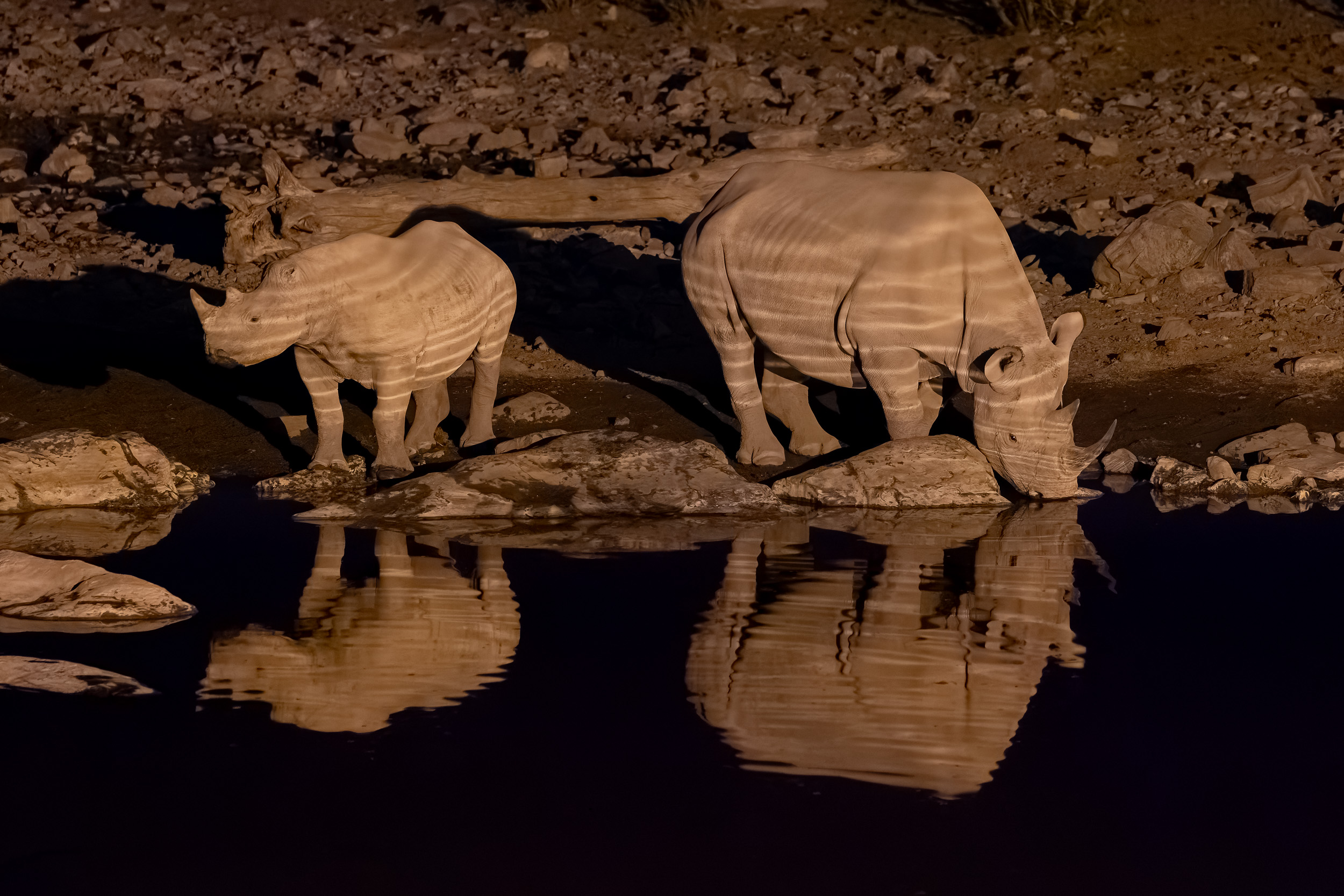
In the evening we will visit the Halali waterhole, which is a short walk from the camp. Here we will hopefully see our first Black Rhinos, as well as large elephant herds and other night-time visitors.
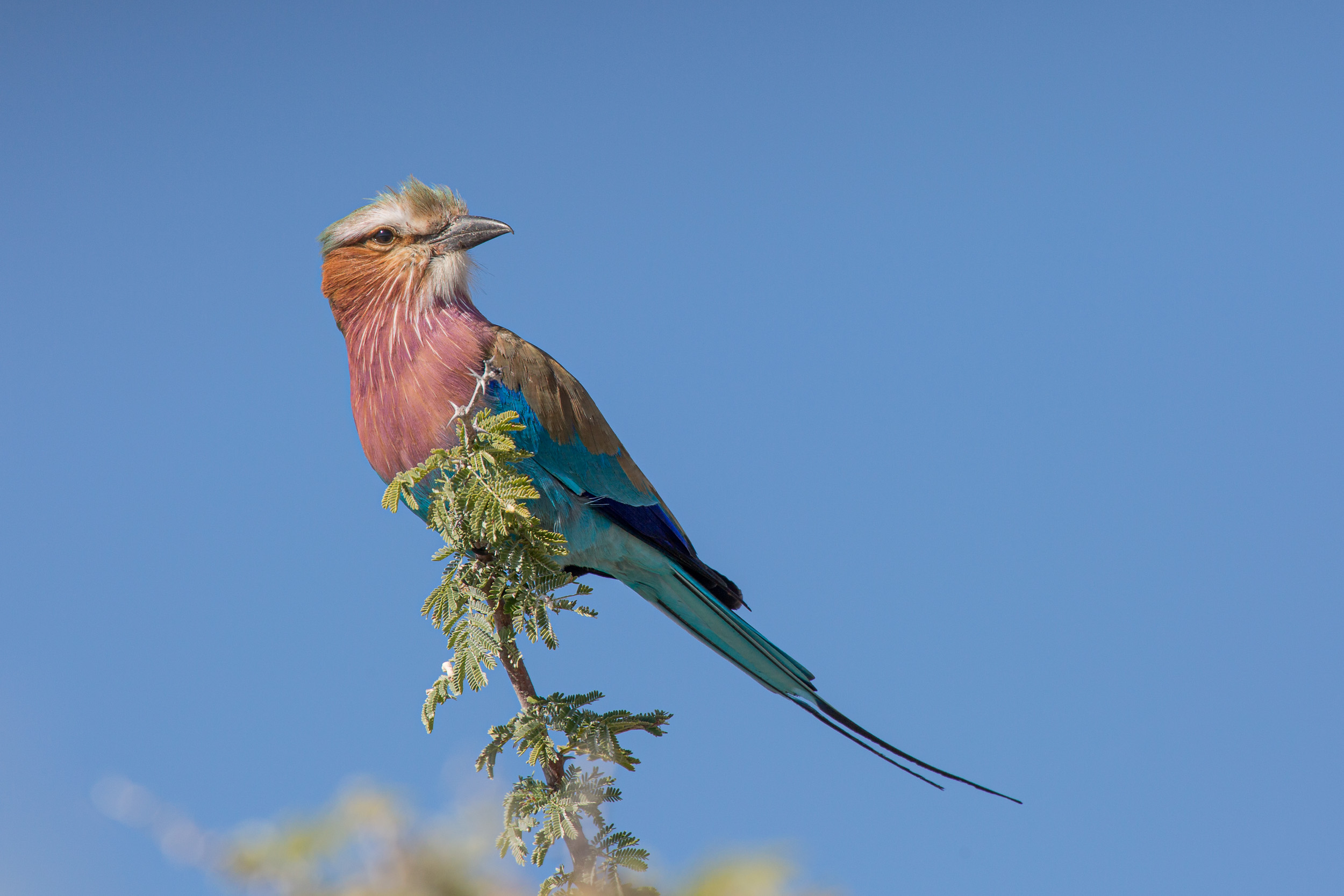
Lilac-breasted Roller
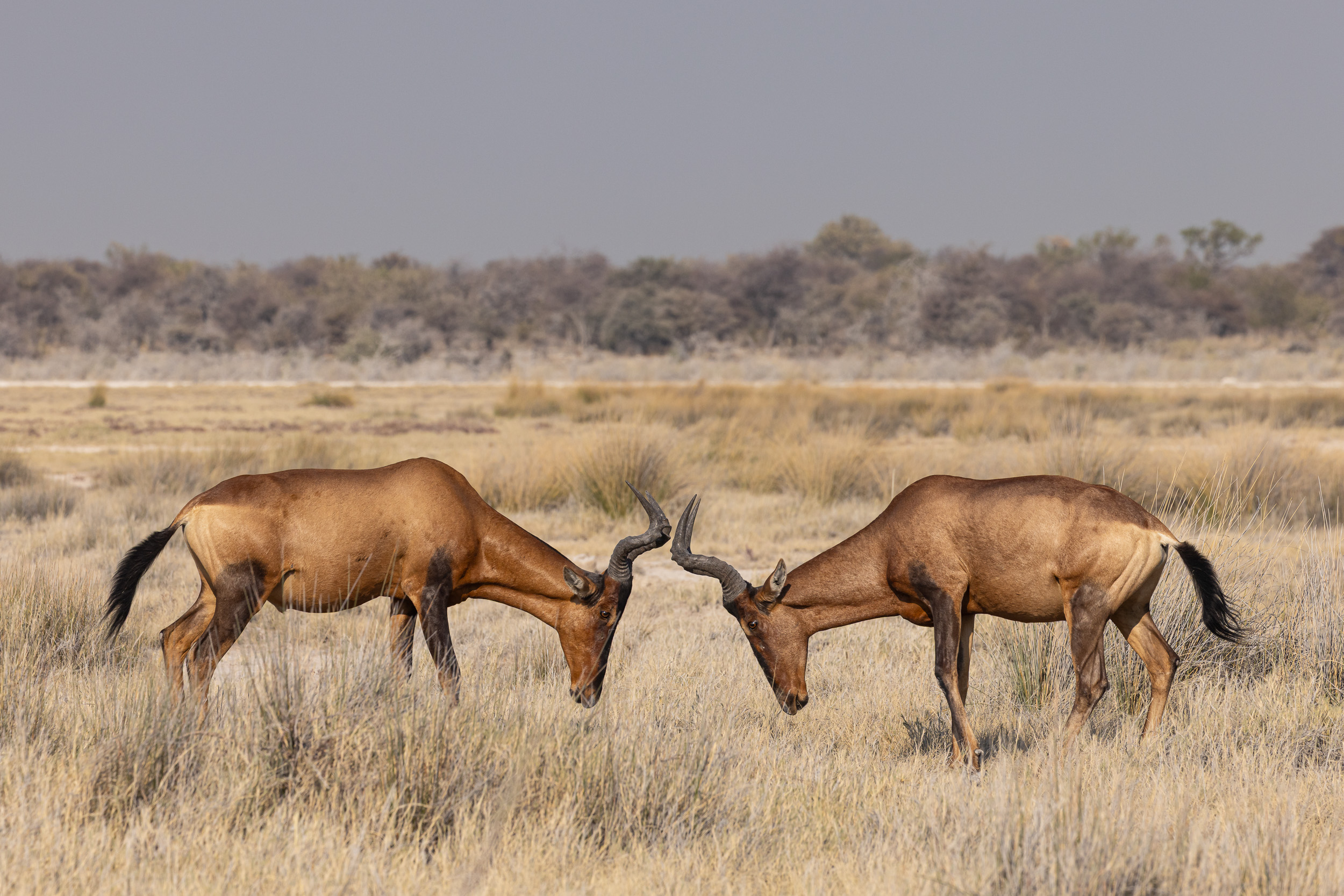
Hartebeests
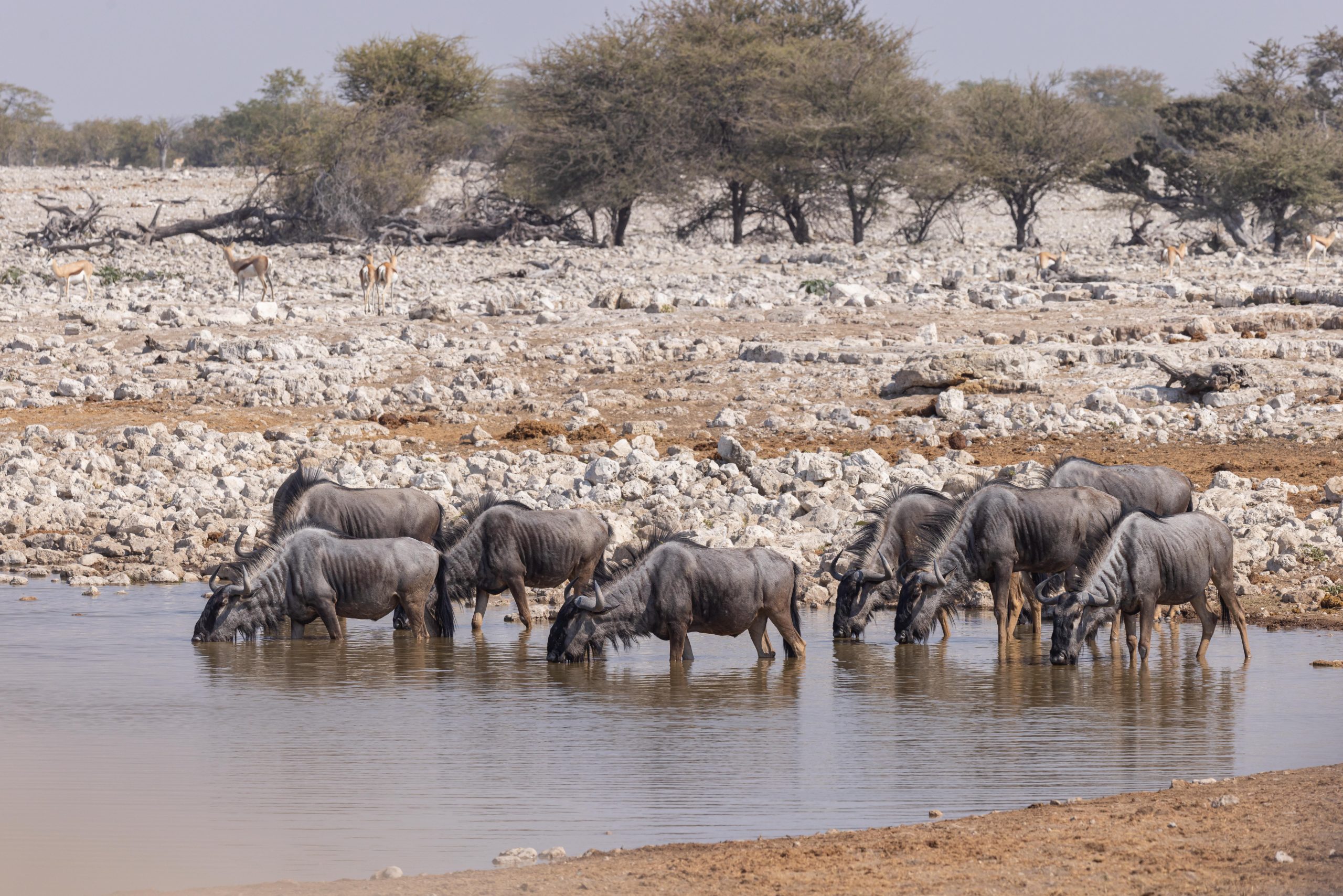
Wildebeests
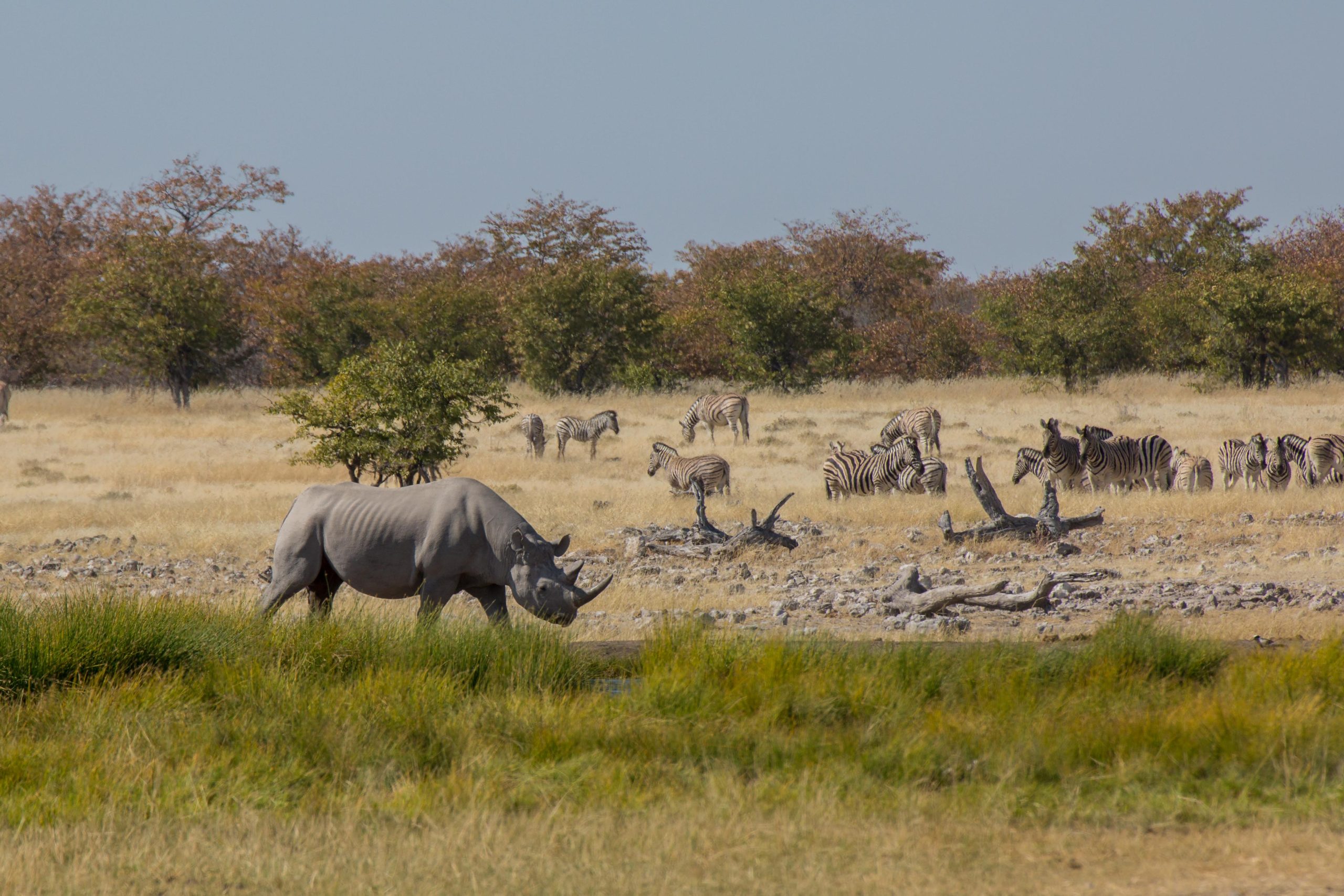
Black Rhino mother & calf at the Halali waterhole in Etosha.
Halali waterhole
Day 8, 9 & 10: Etosha National Park
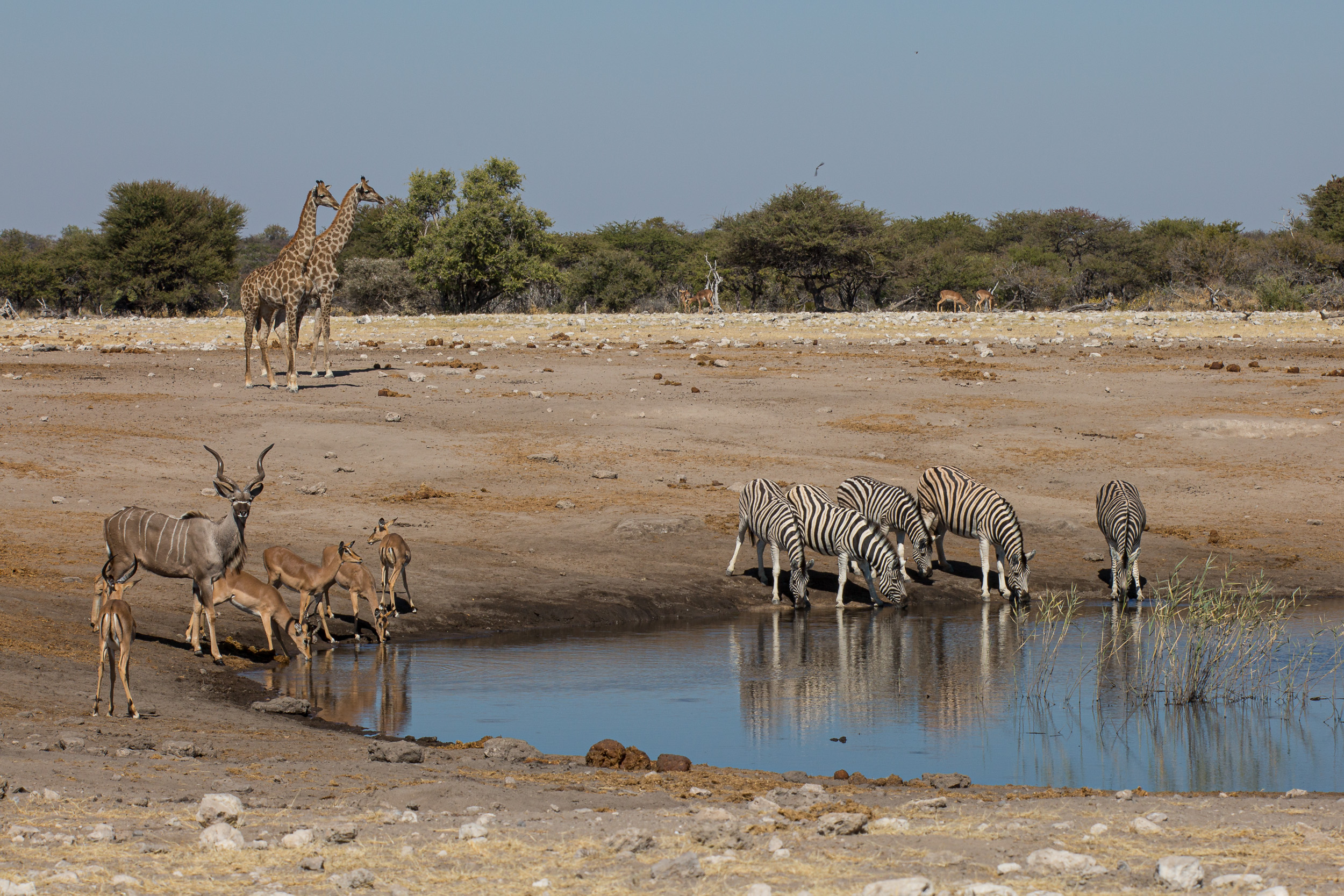
We will spend one more night at the Halali campsite, then two nights at the Okaukuejo campsite and our last night at the Olifantsrus campsite, in the far west of the park. We can do game drives every morning and afternoon, and relax during the middle of the day at the campsite, usually at the swimming pool or restaurant. In the evening we will visit the waterhole at each campsite, where we will observe wildlife visiting the waterholes at night.
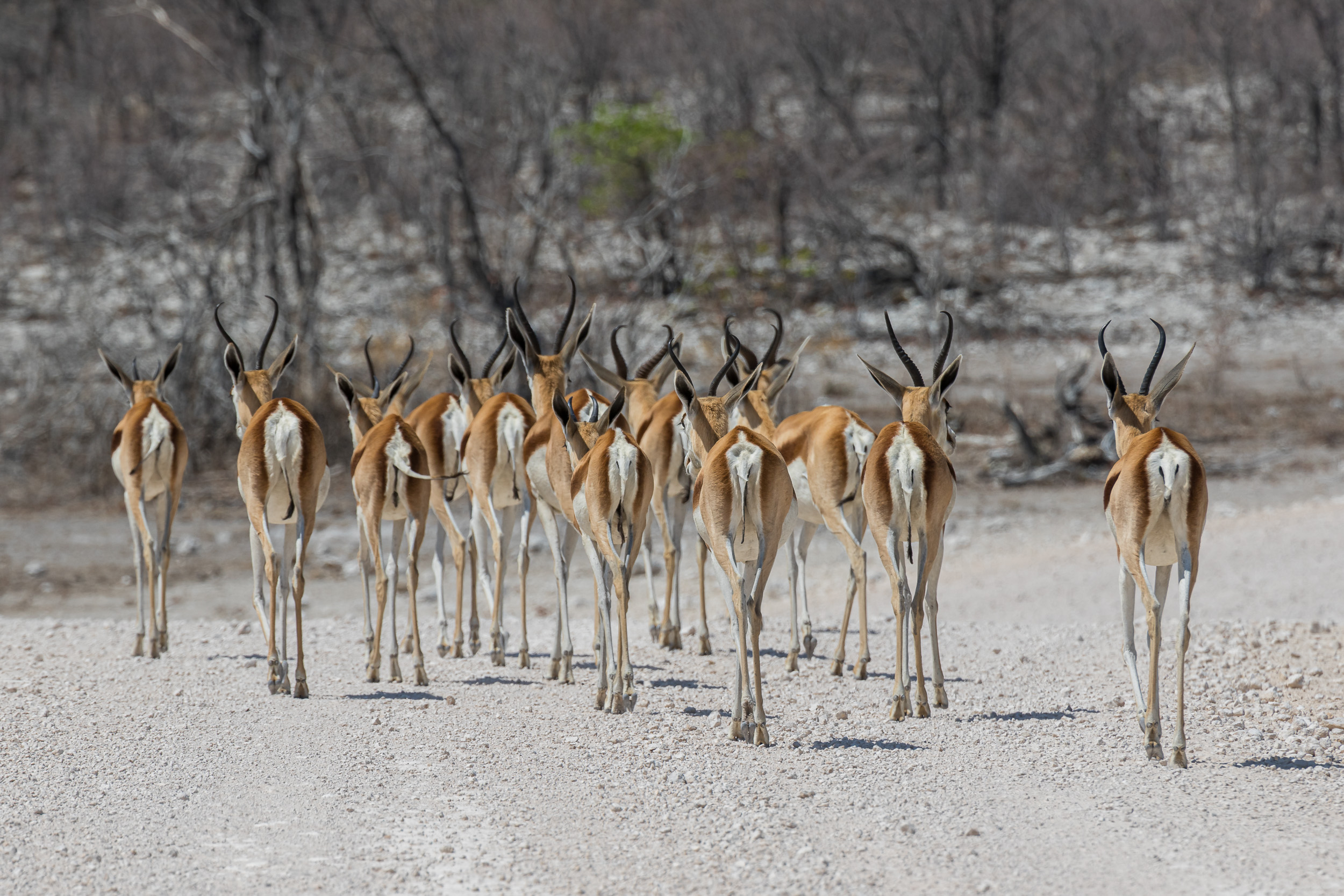
Springbok
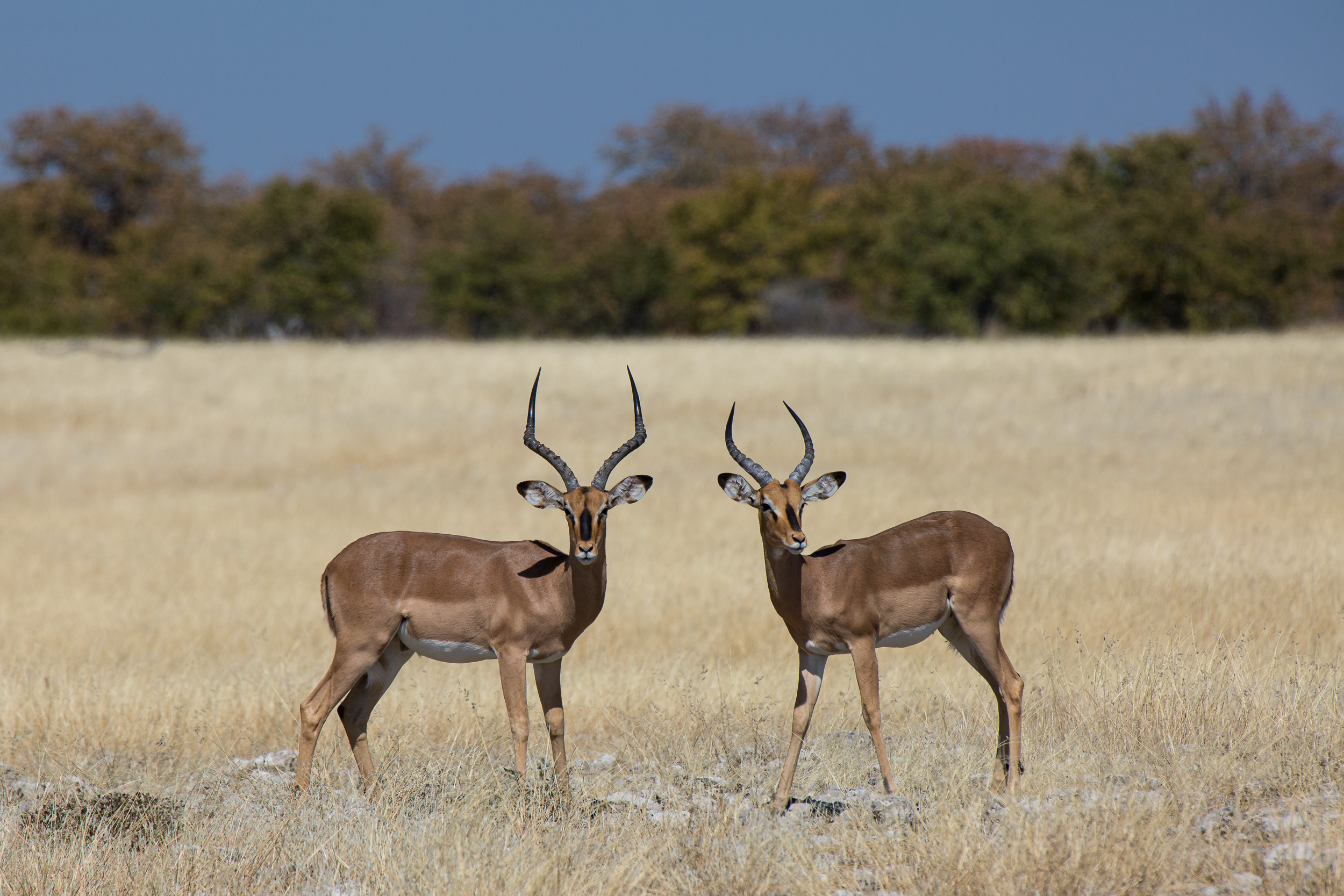
Impala
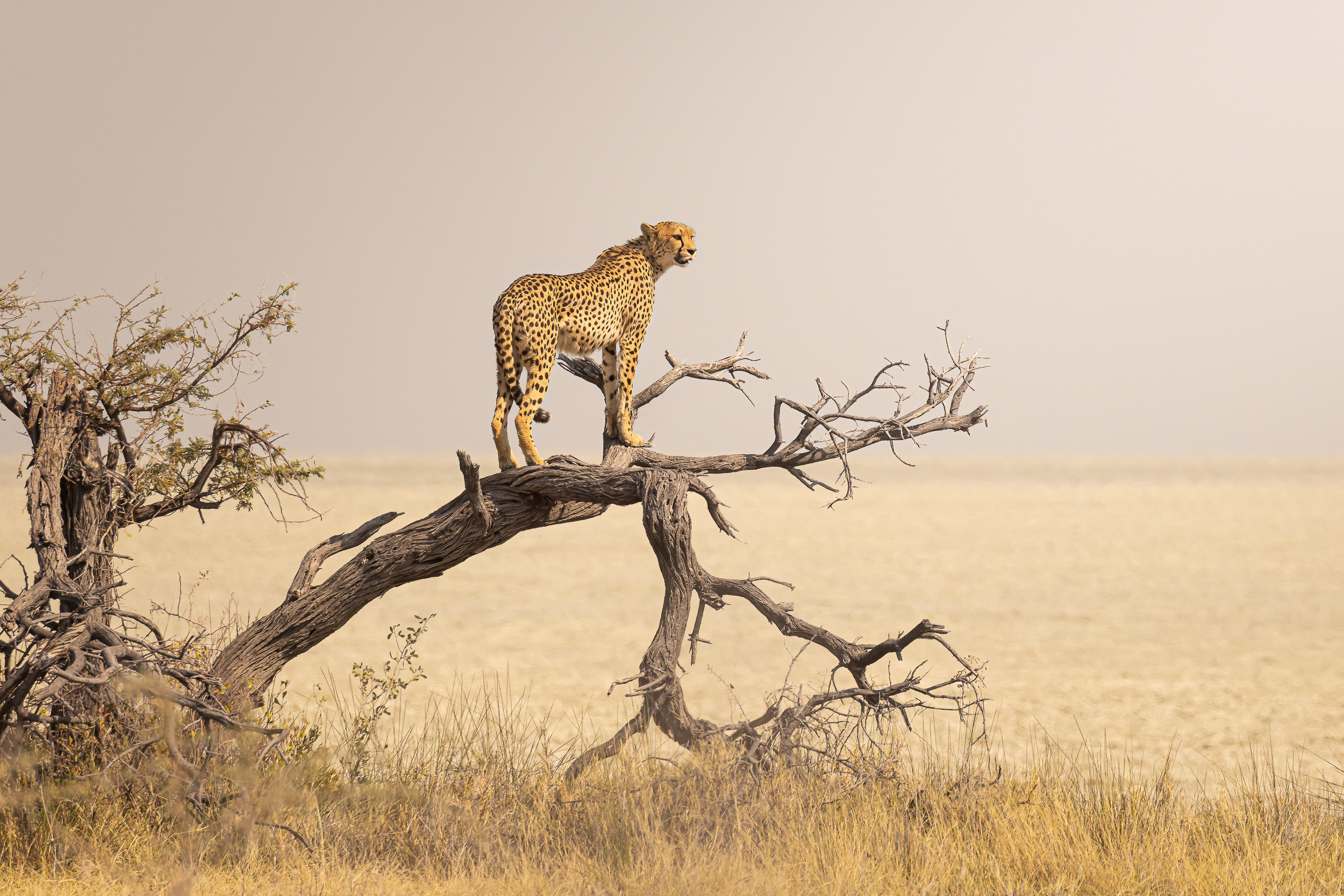
Cheetah mother
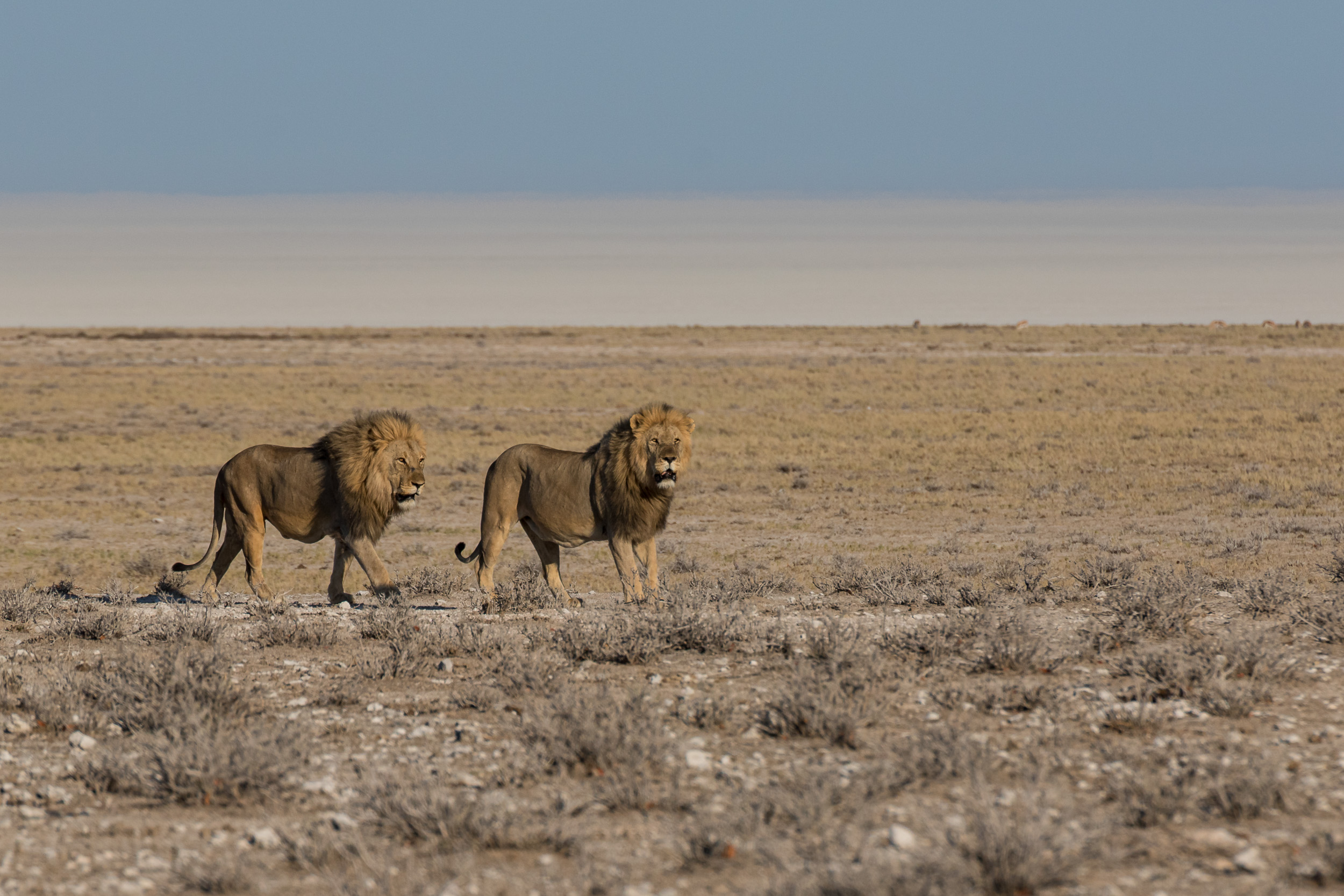
Etosha male lions
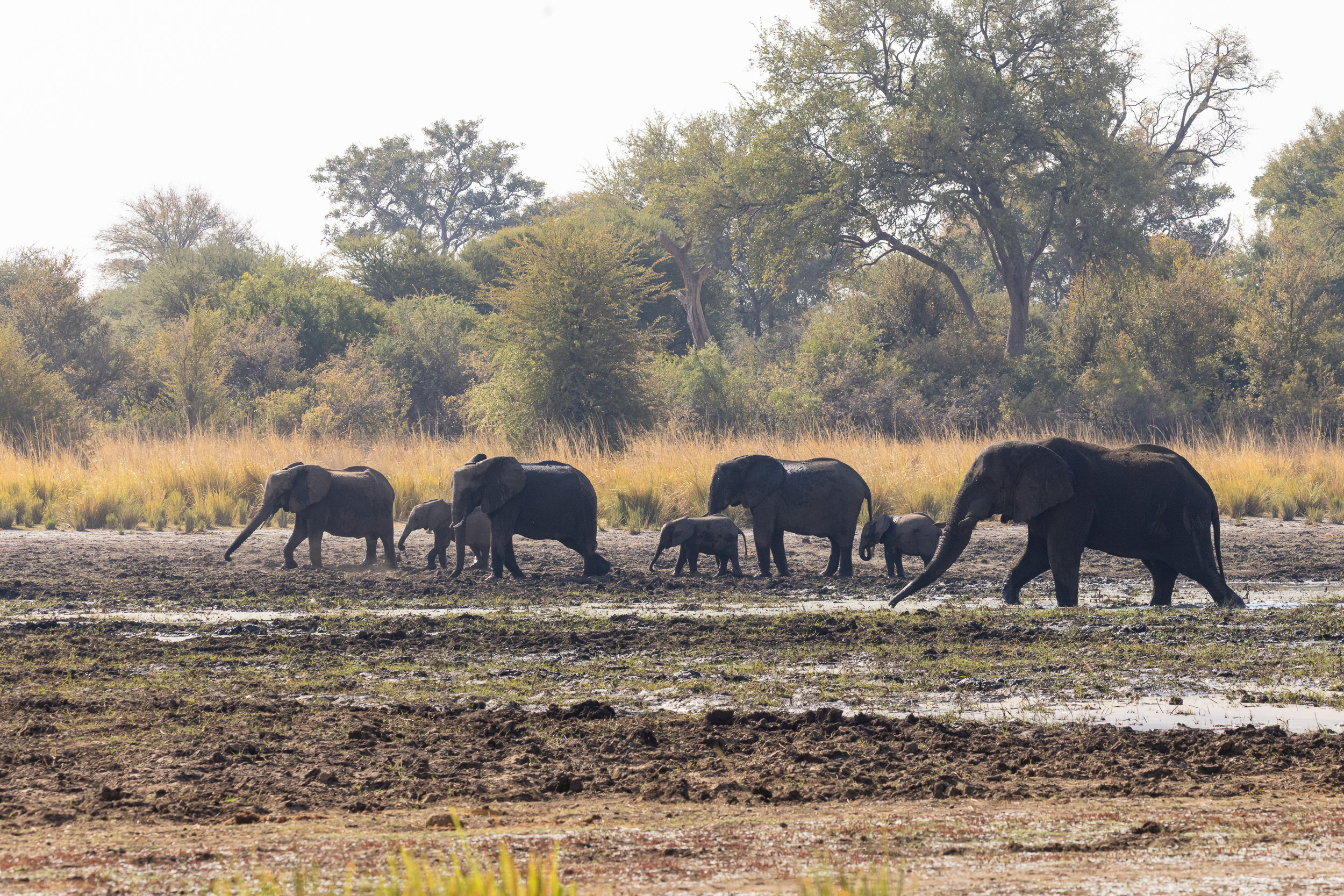
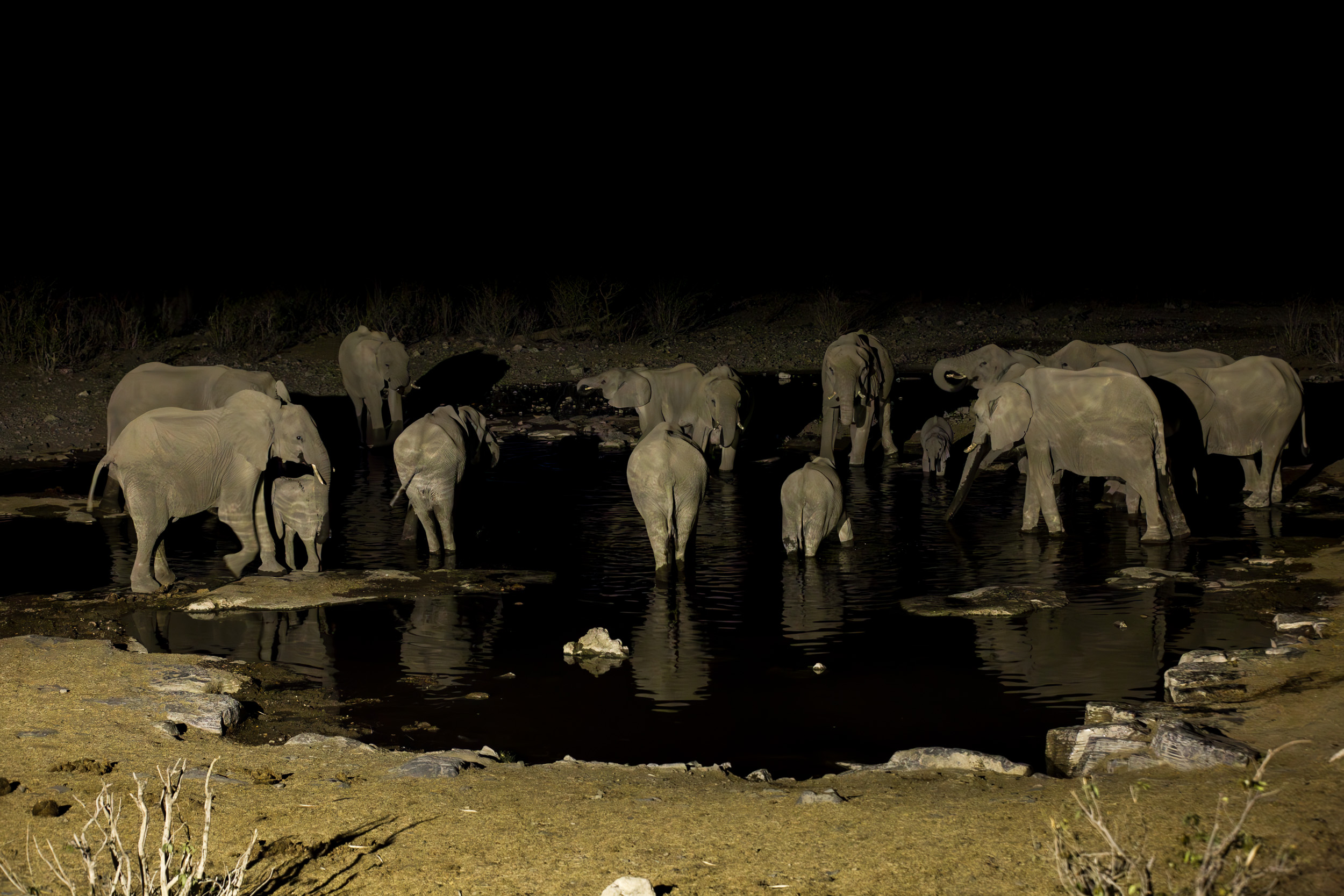
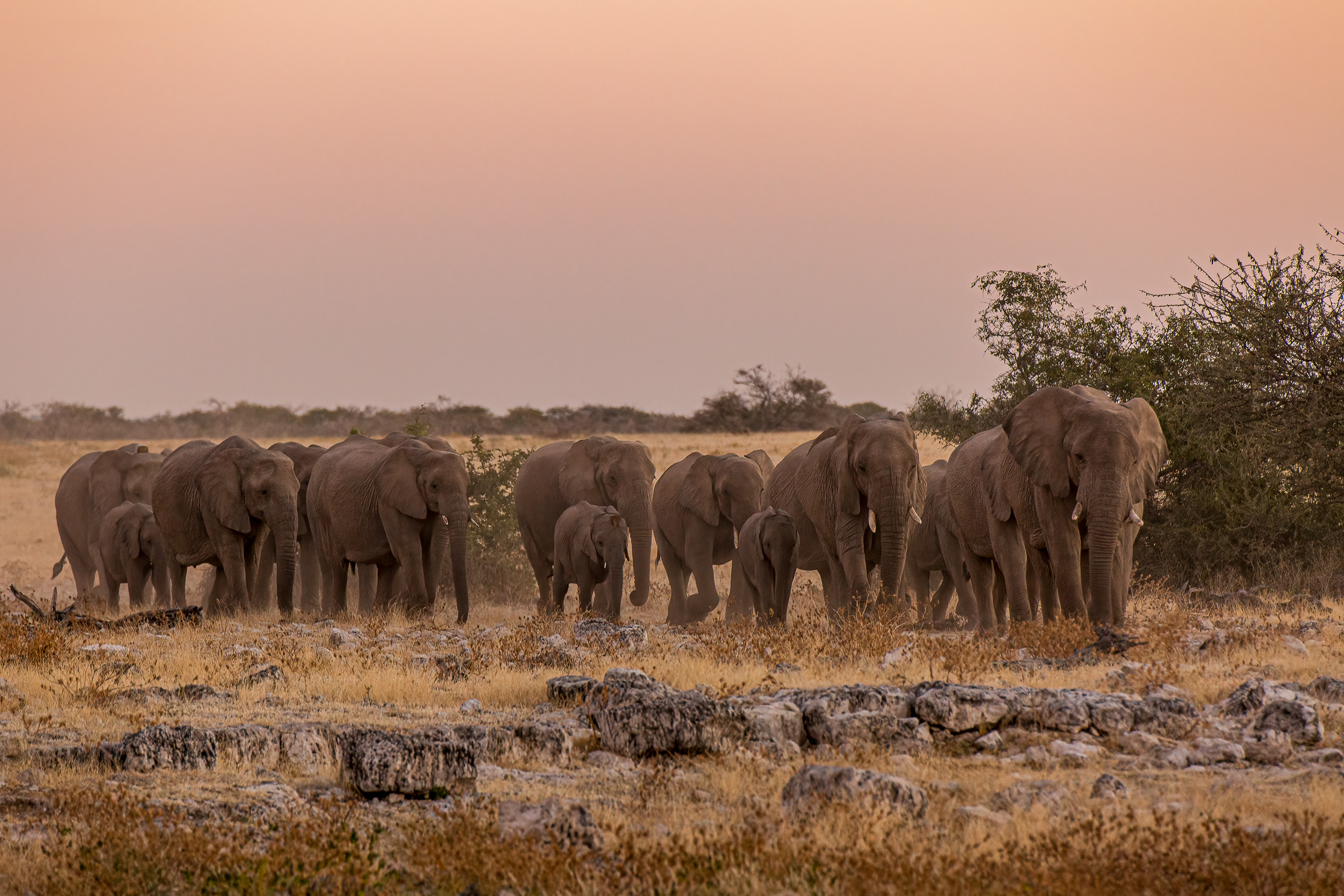
A herd of elephants approaching a waterhole in Etosha National Park, Namibia
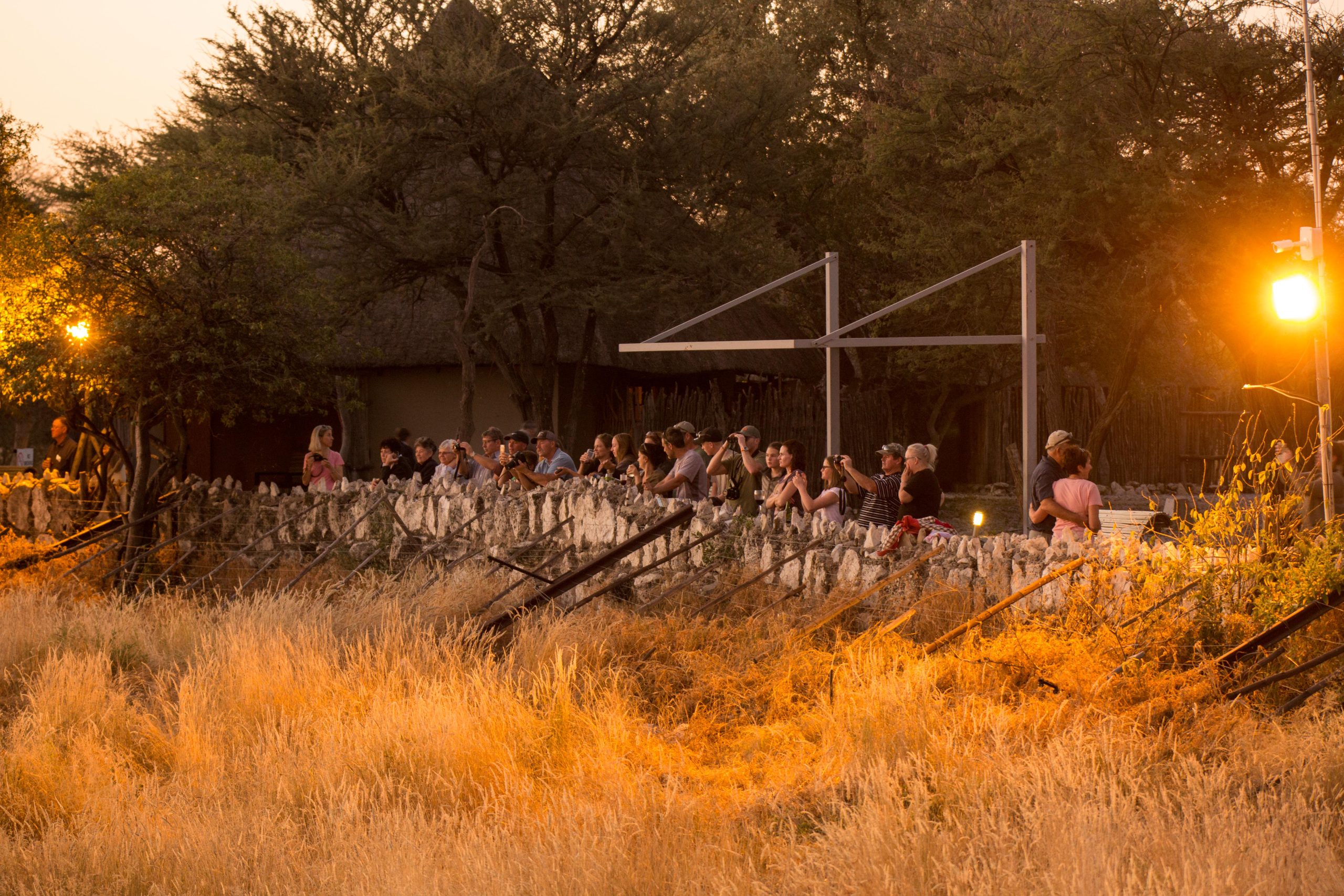
Visitors at Etosha’s Okaukuejo waterhole at sunset time
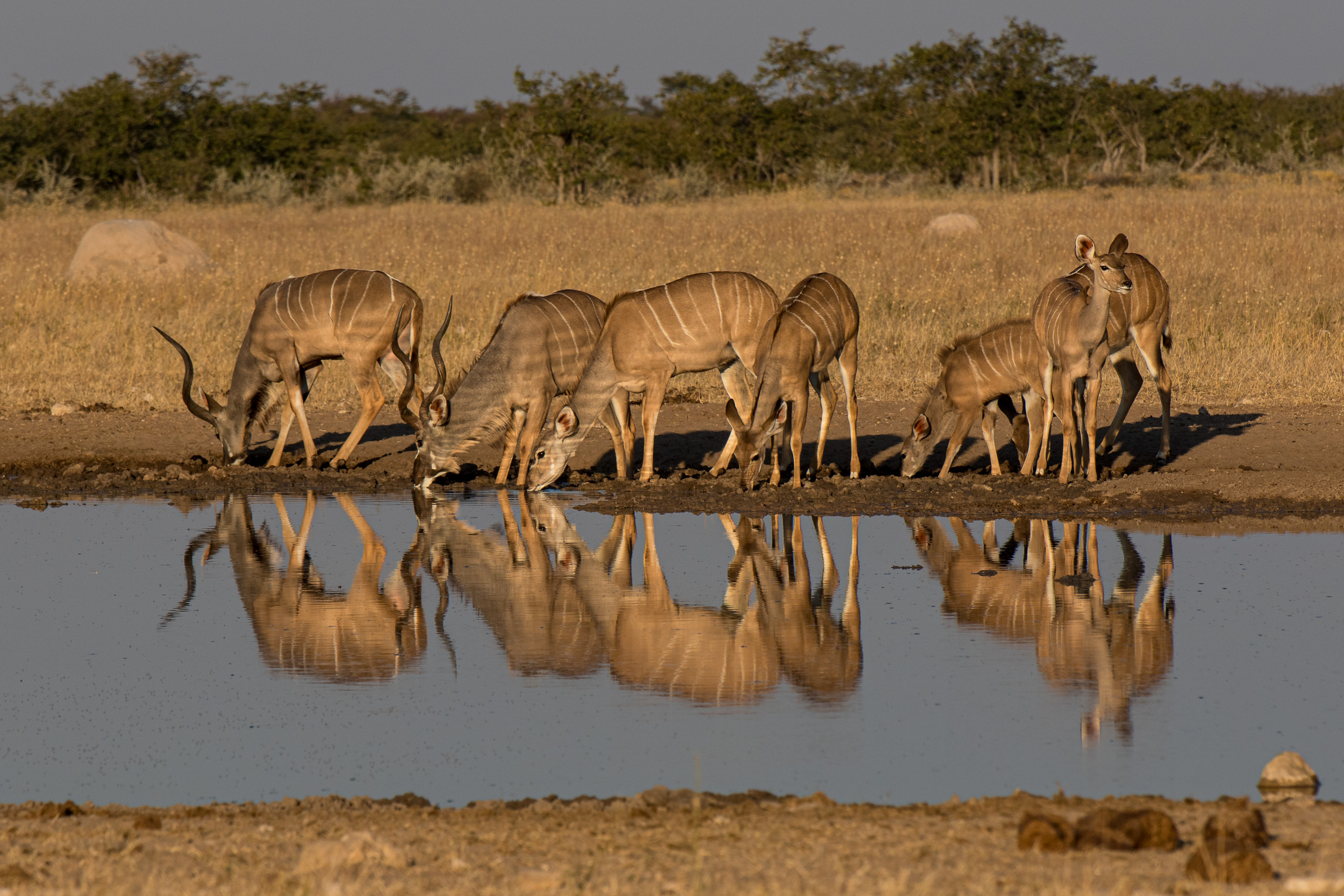
Kudu
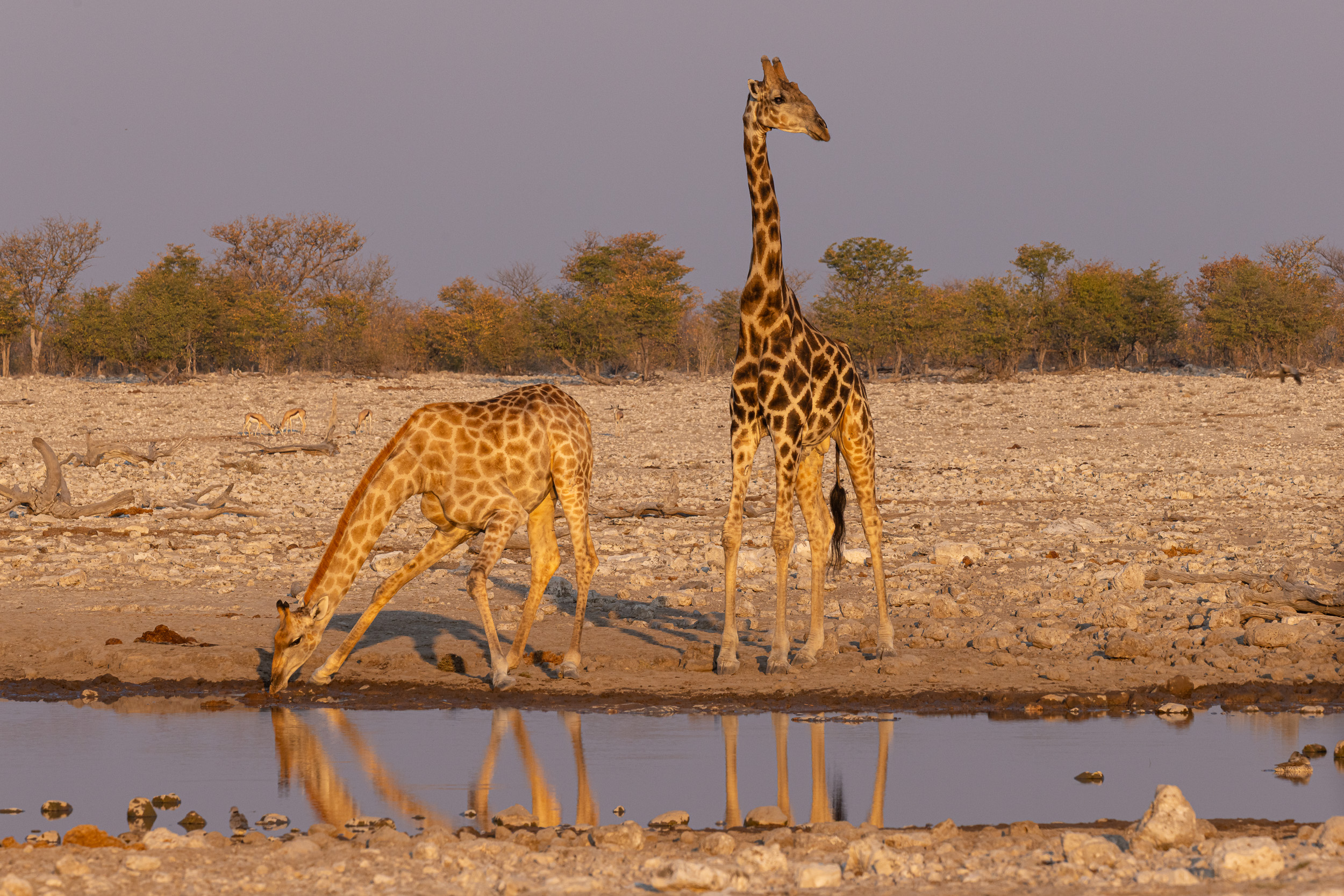
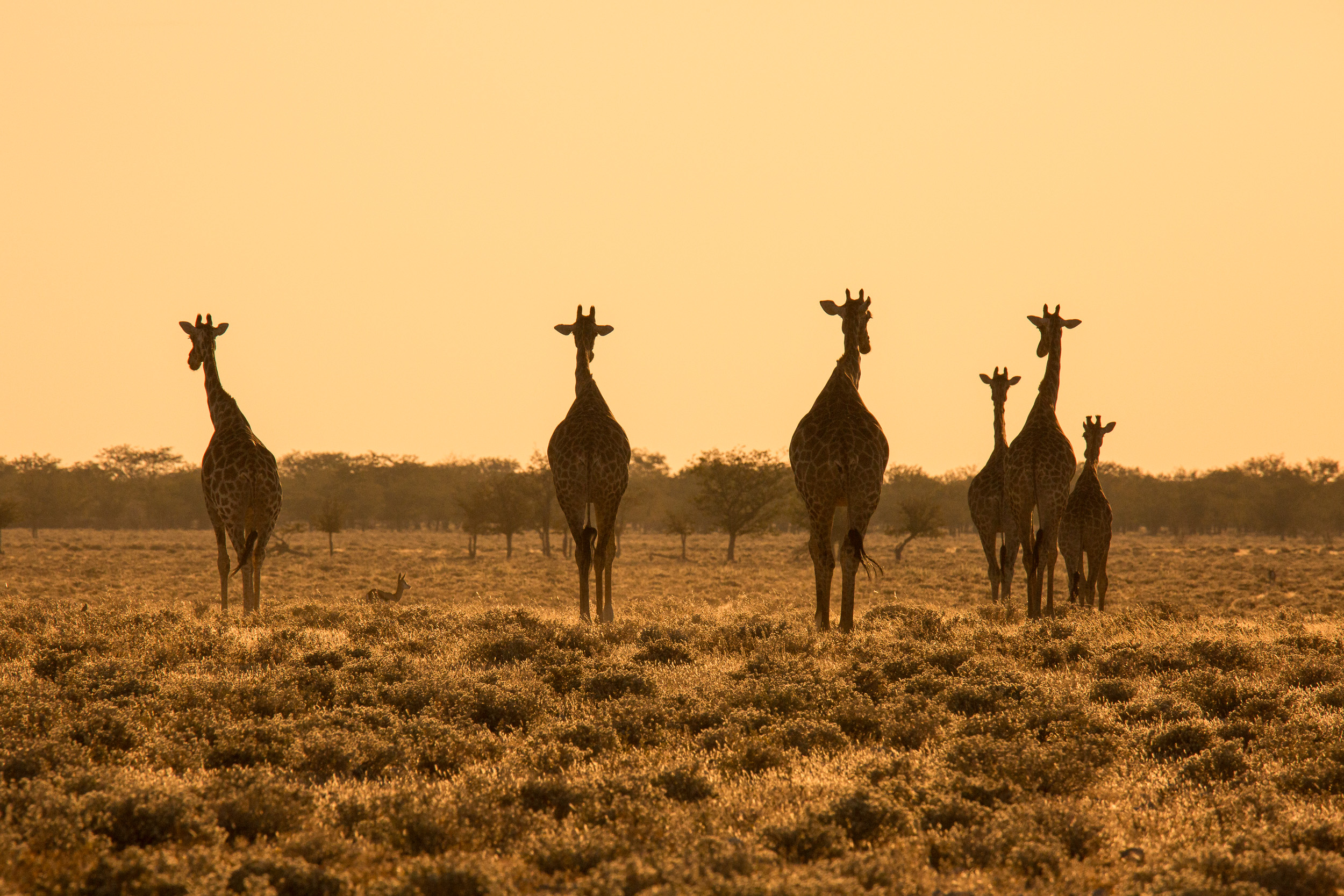
Giraffes on the plains of Etosha at sunset.
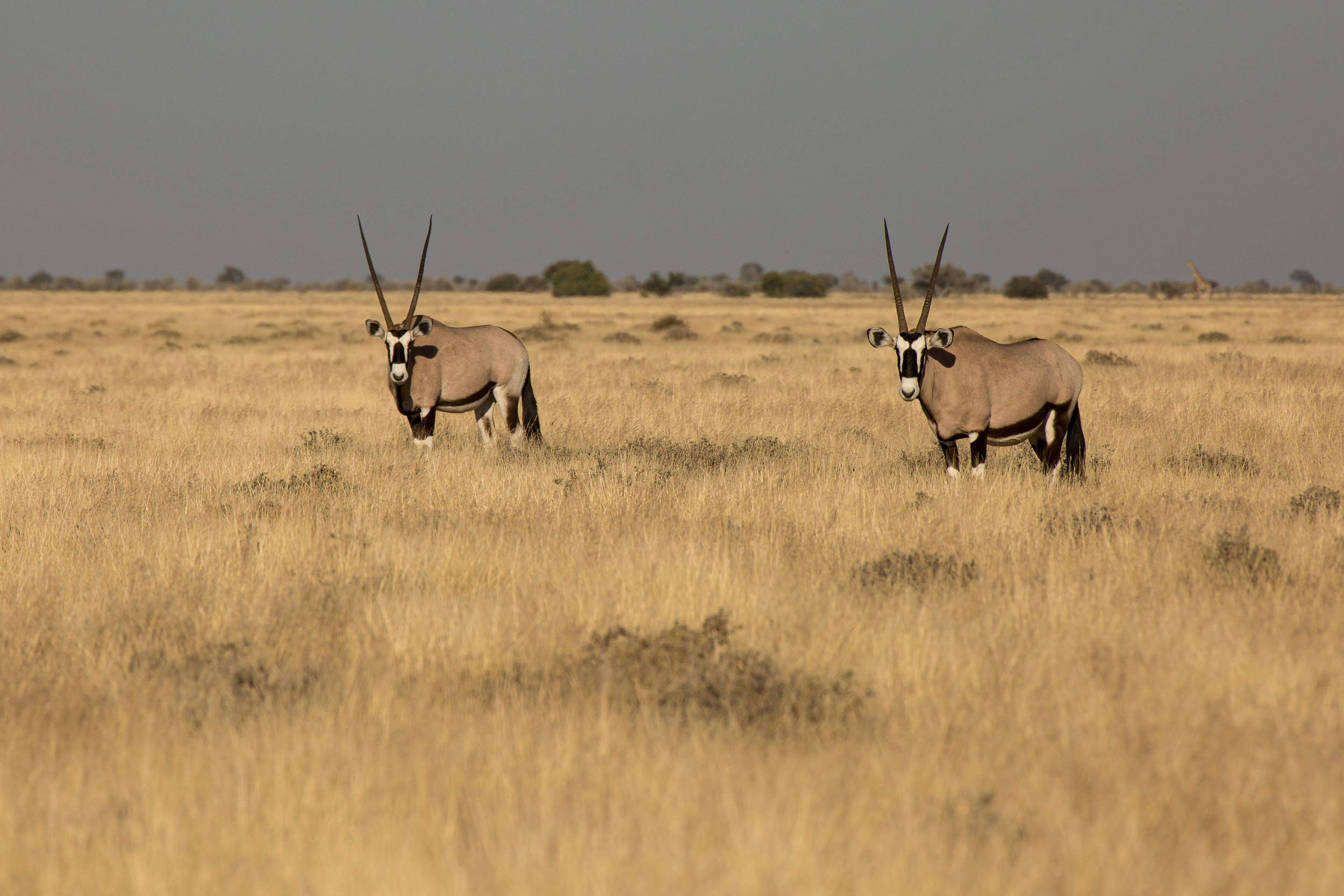
Gemsbok, also known as Oryx
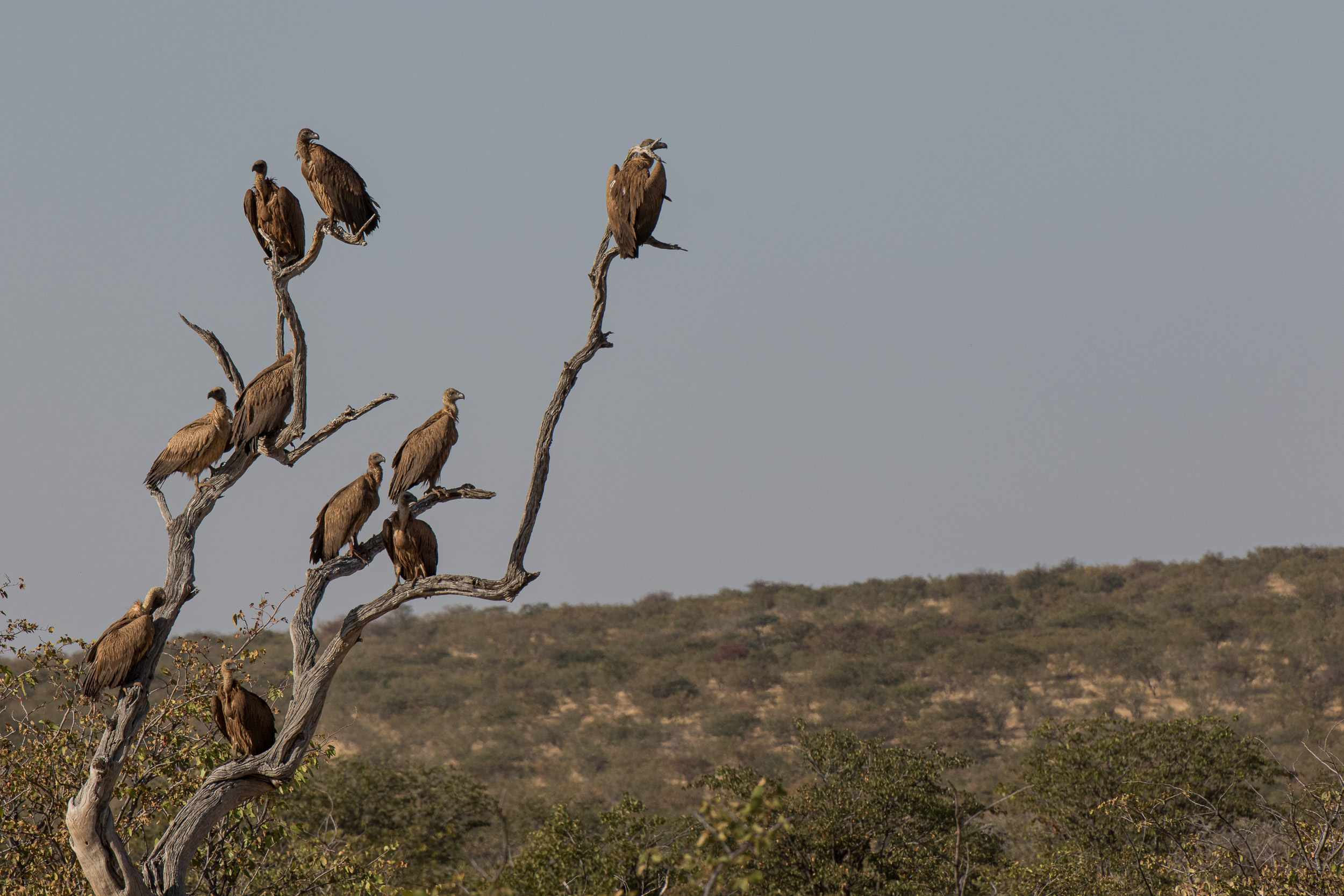
White-backed Vultures
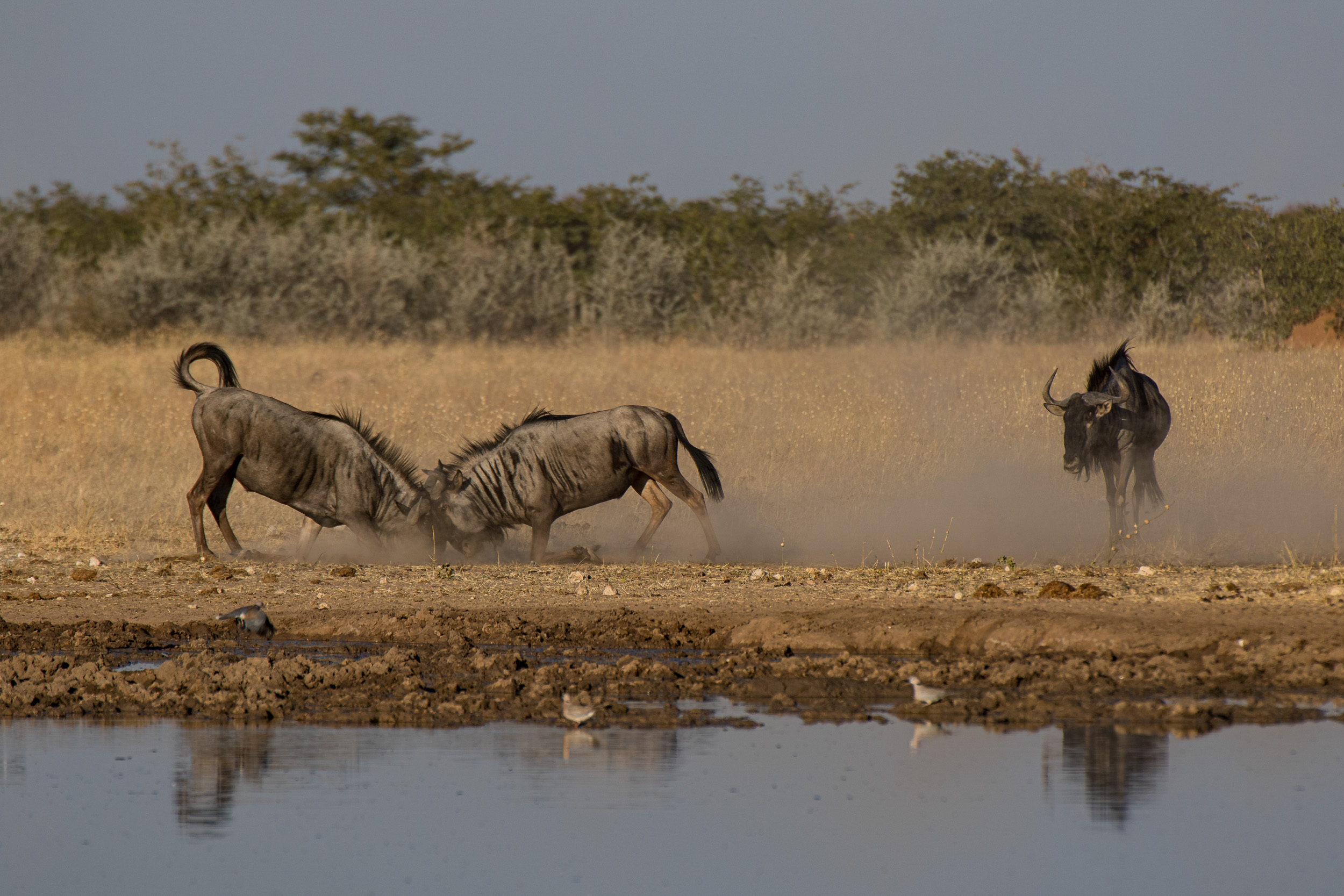
Wildebeests
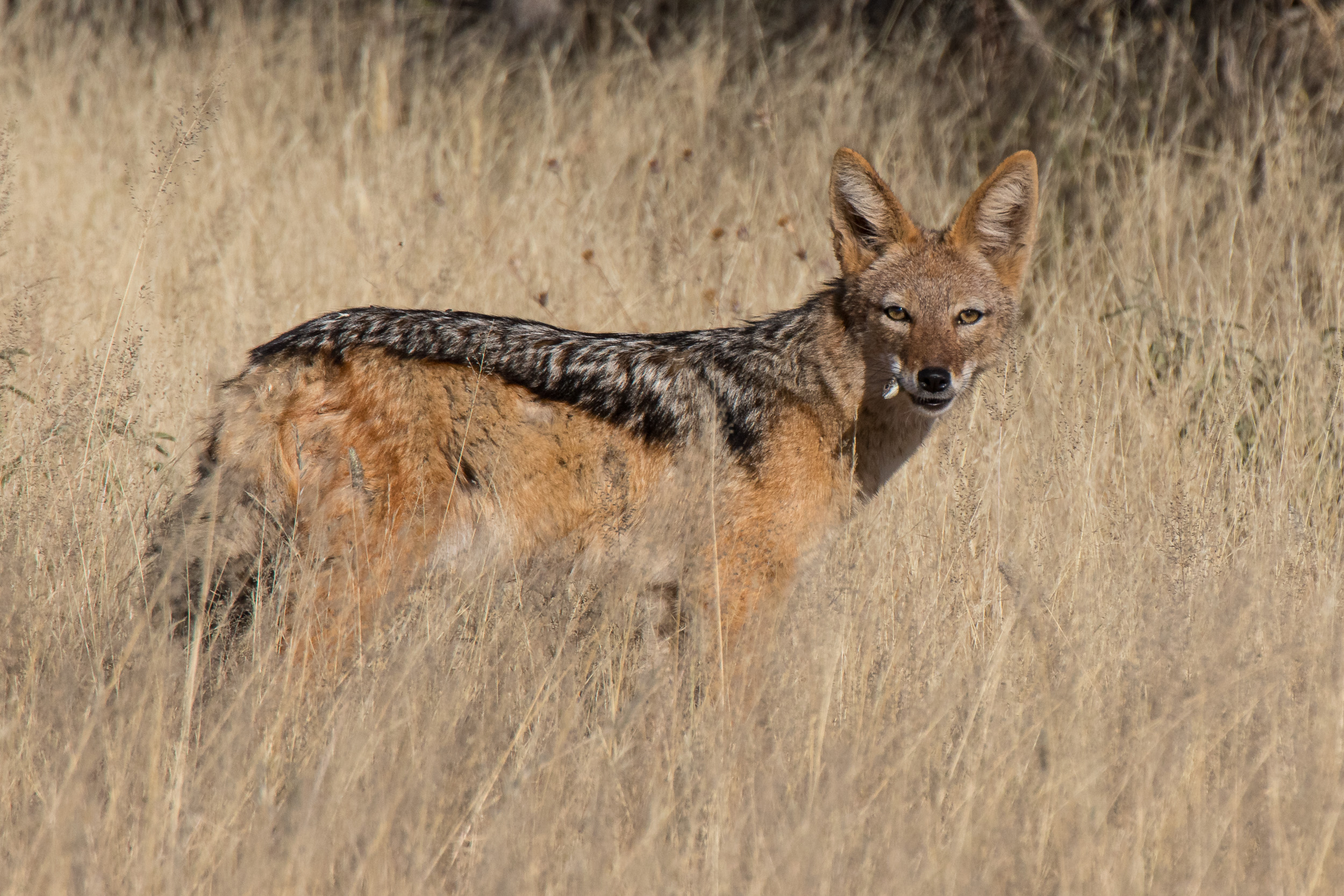
Jackal
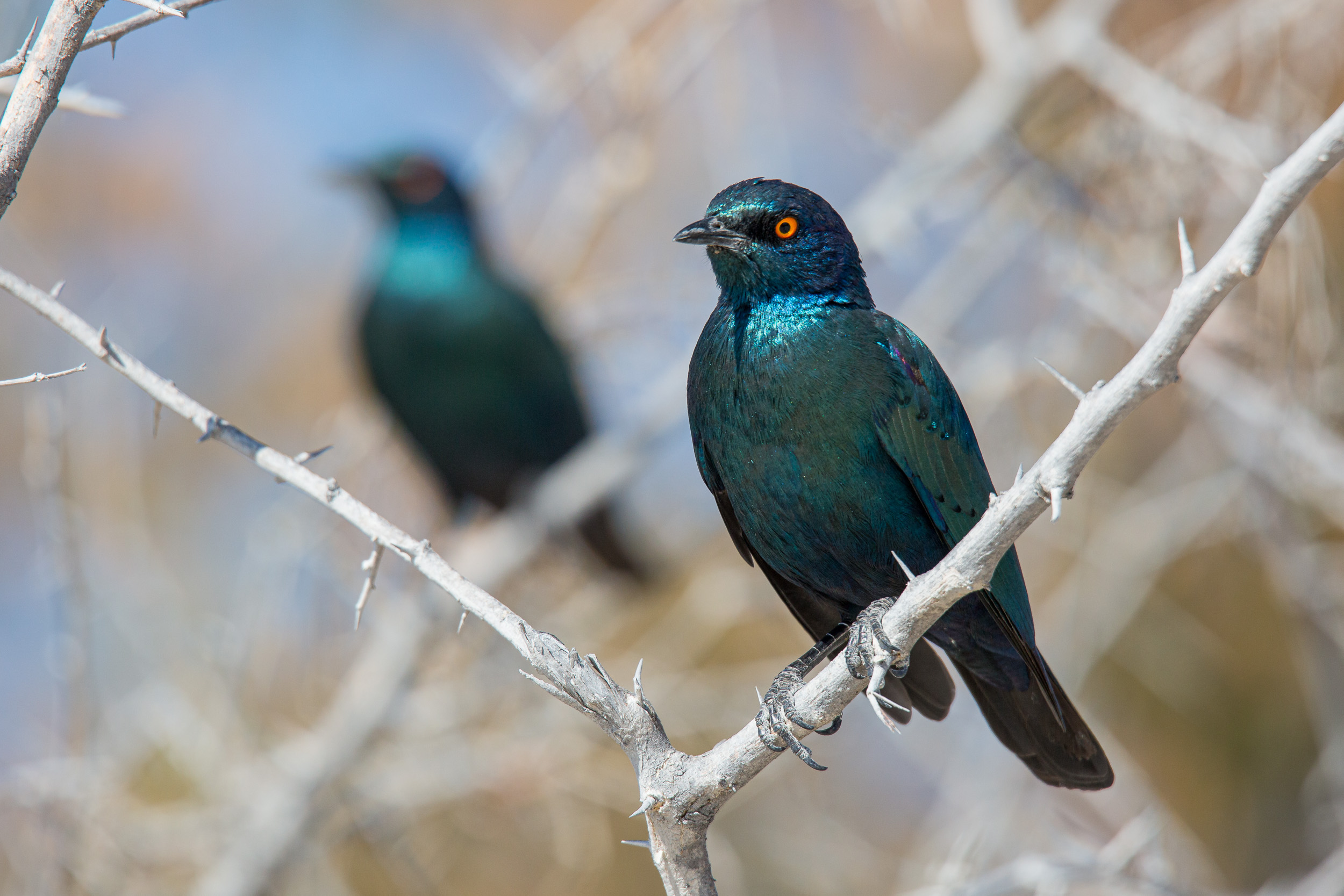
Cape Starling
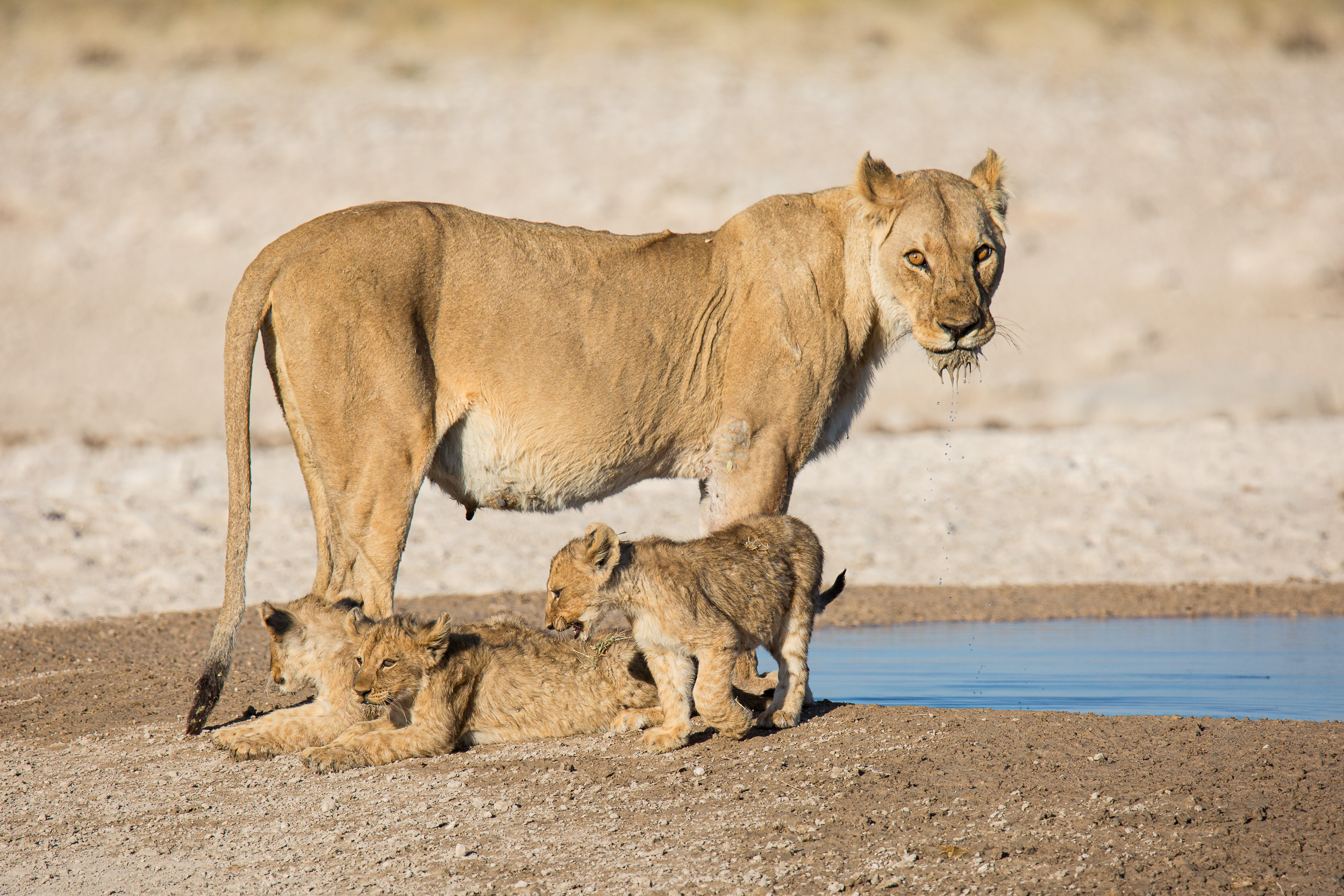
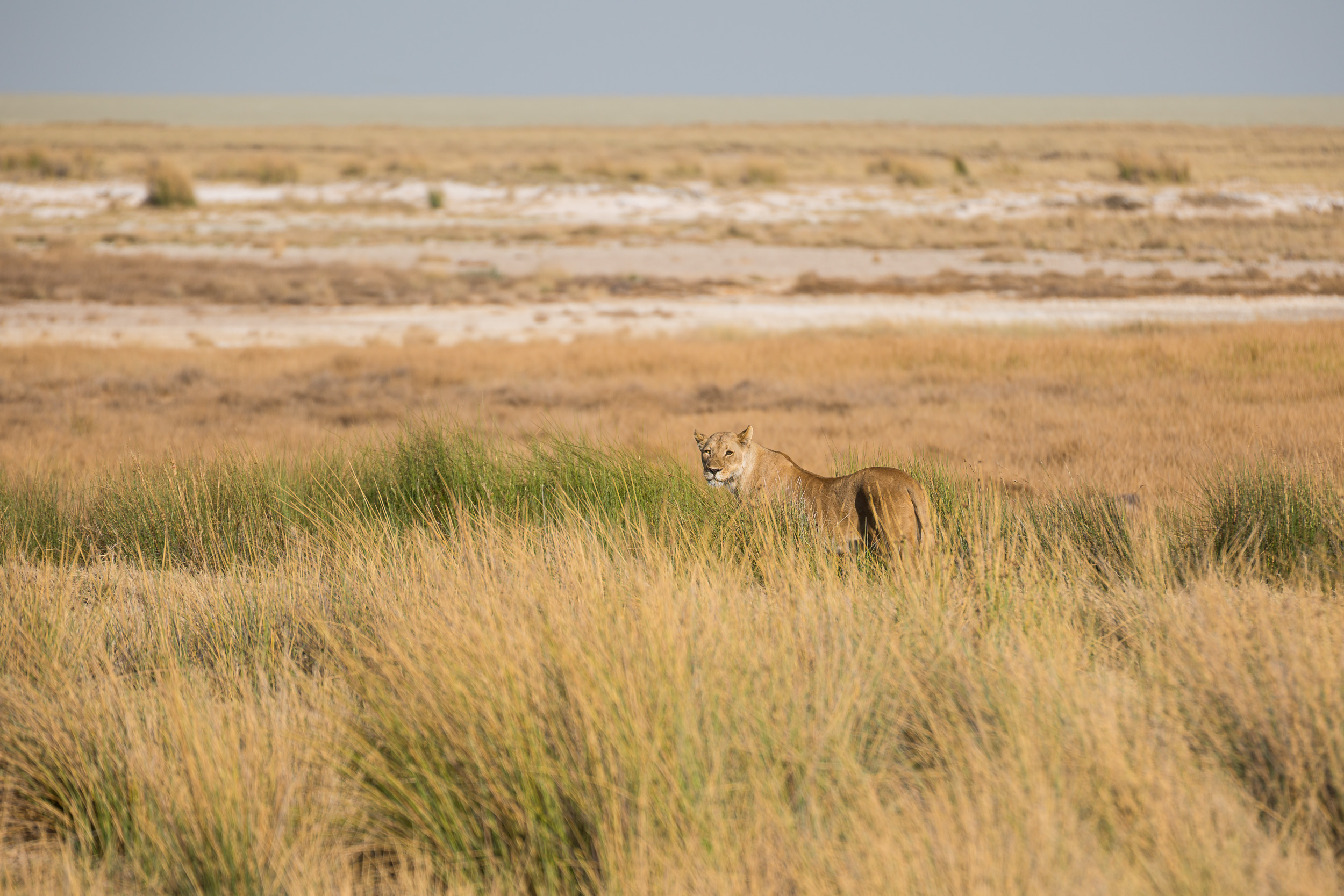
Female lion
Etosha National Park in Namibia
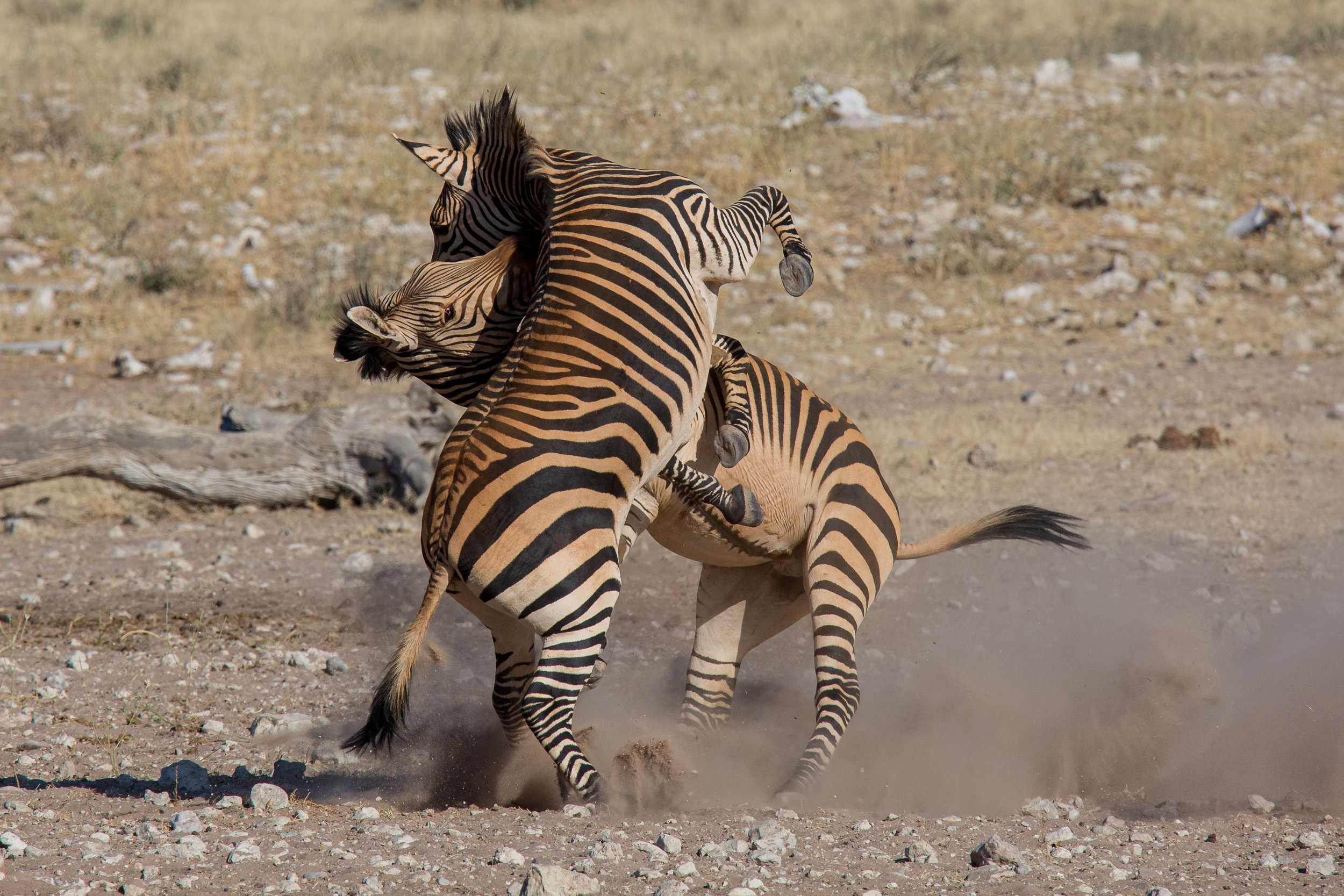
Zebra
Day 11: Etosha National Park – Opuwo, Kaokoland
We leave Olifantsrus early morning and have our last game drive to some nearby waterholes, before leaving the park through the Galton Gate. From here drive over a good tar road to Opuwo, the largest village in the northwest of Namibia and our base to explore the land of the Himba people.
We will camp just outside the center of the village, on a very comfortable campsite. The adjacent lodge has a good restaurant and swimming pool, which we can also enjoy.
Day 12: Opuwo – Himba village in Kaokoland
In the morning we meet our guide that will bring us to a still very traditional Himba community. We will first do some shopping in Opuwo, for our own supplies, but also some basic supplies as gift for the Himba family we will visit.
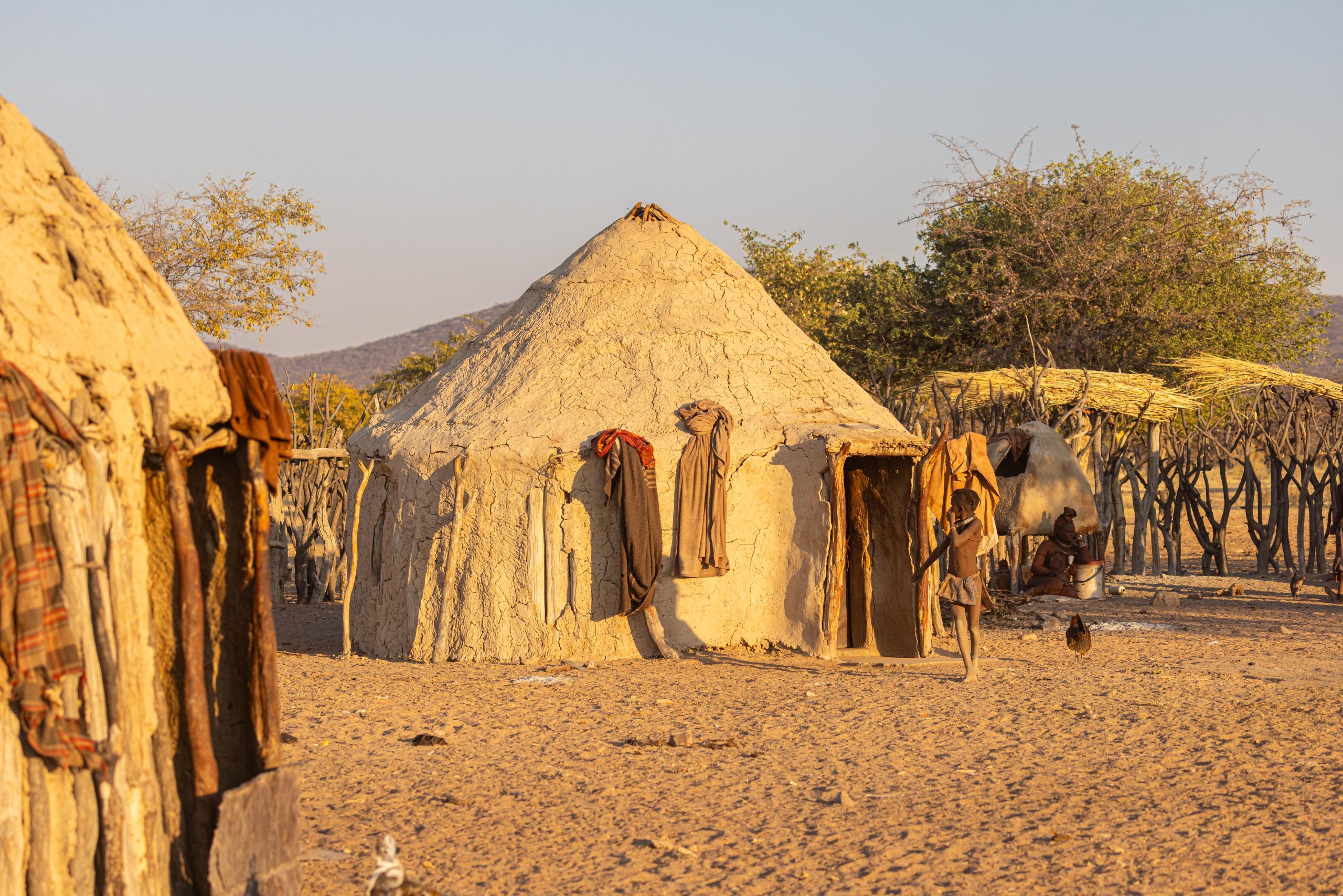
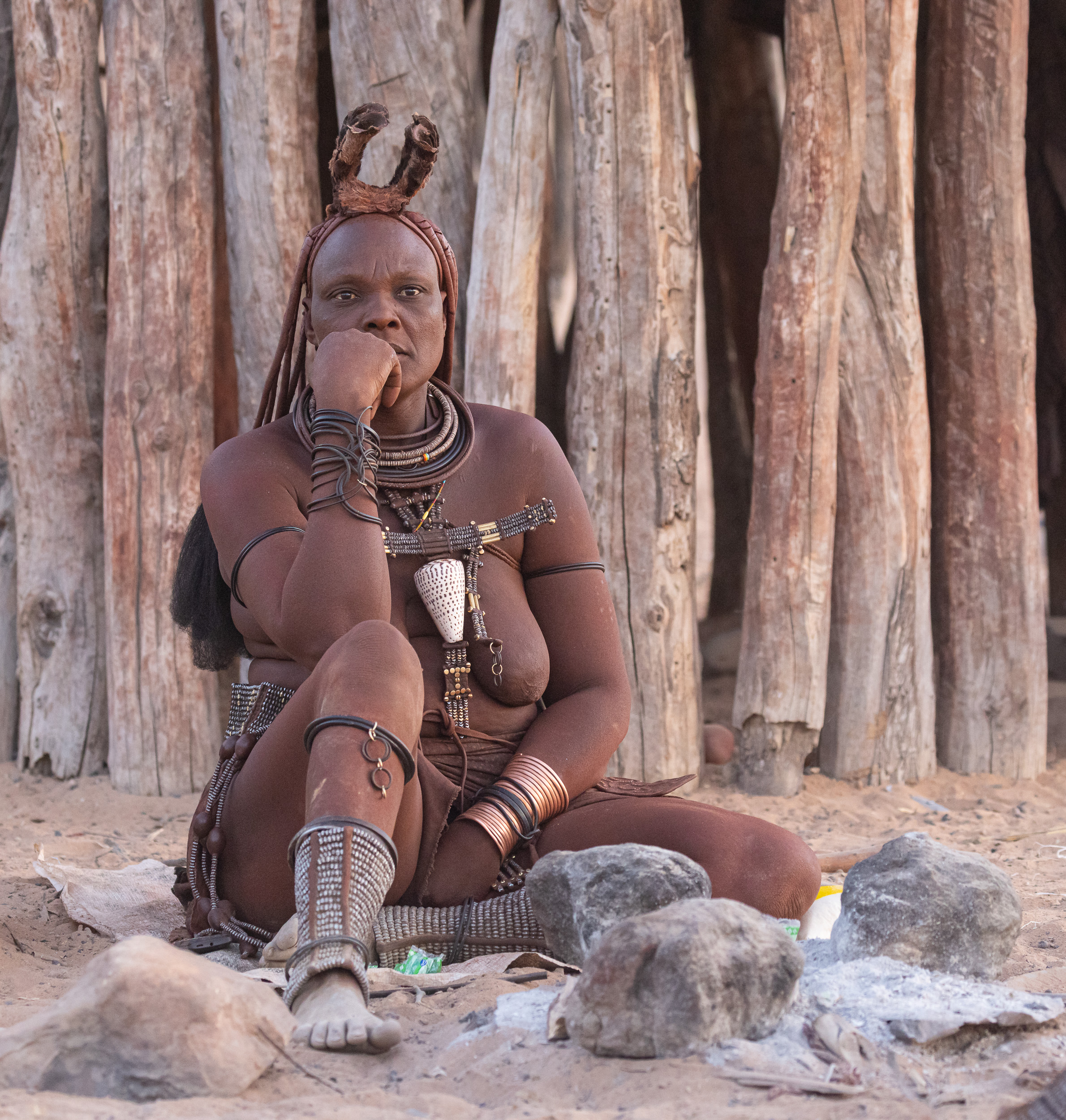
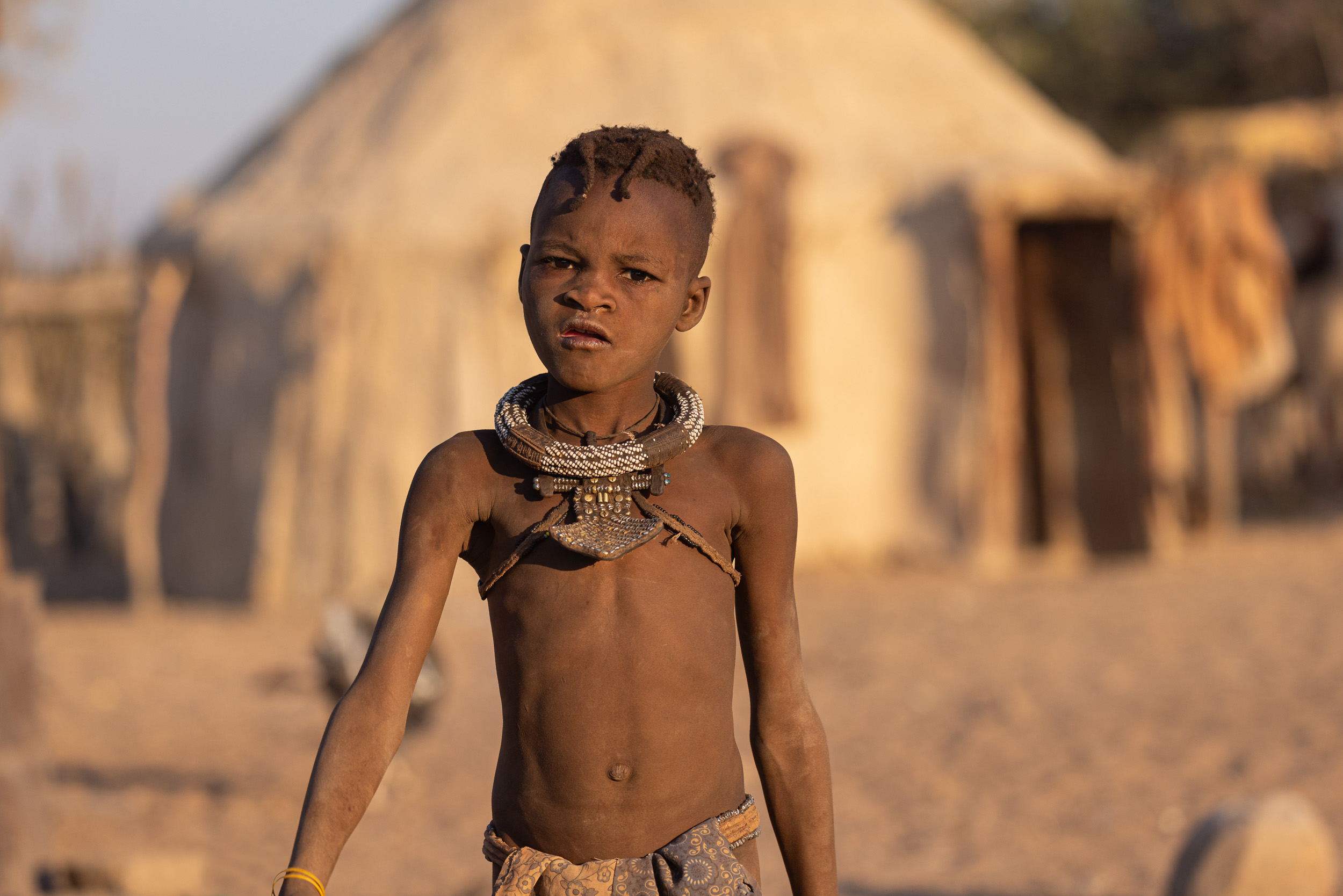
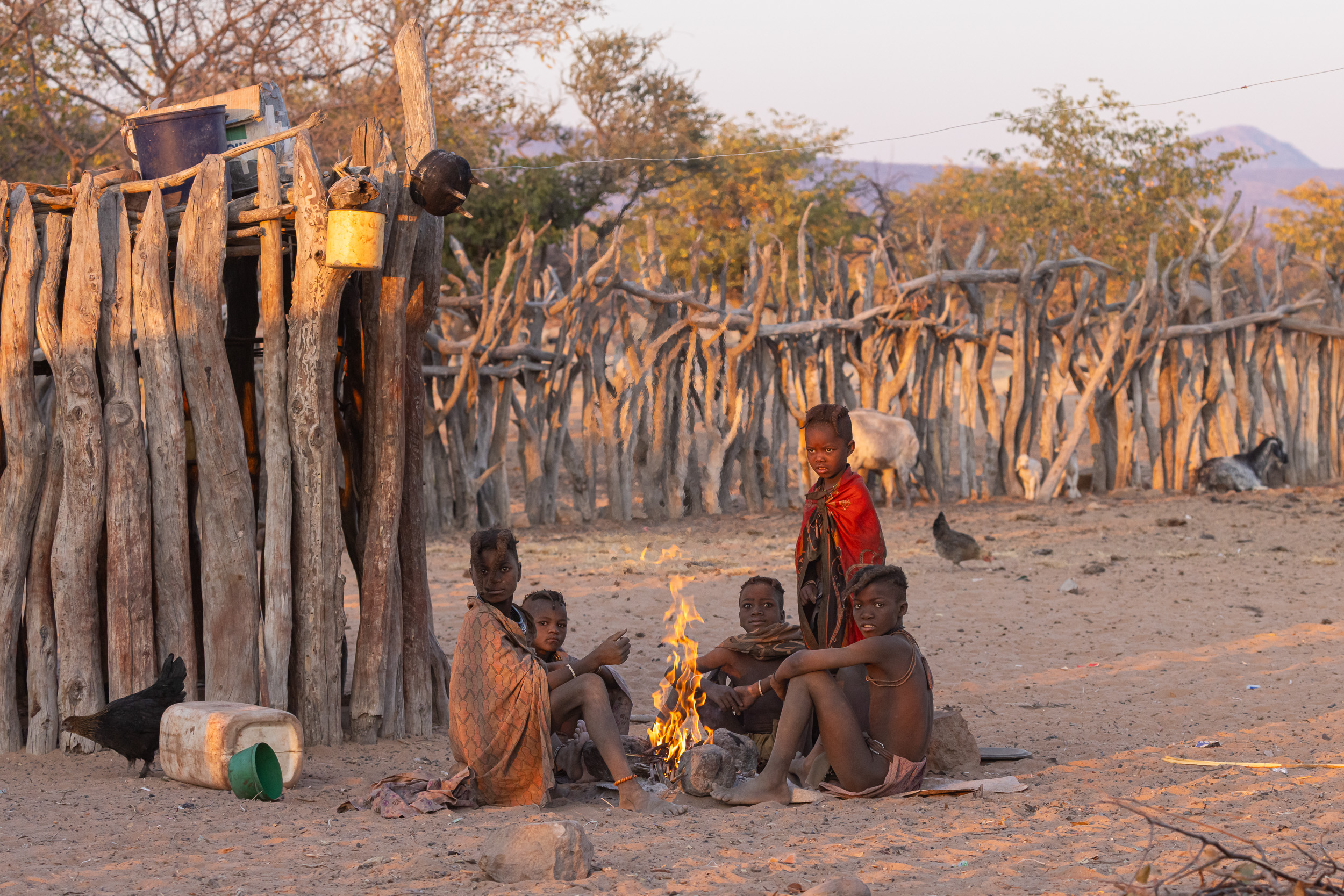
We will then drive deeper into Kaokoland, to the Himba family who will welcome and host us as guests. We will camp right next to their traditional village, and have plenty of time to meet the family members and observe their traditional way of life. In the evening they will join us around our campfire, where we will listen to their stories and learn more about their way of life.
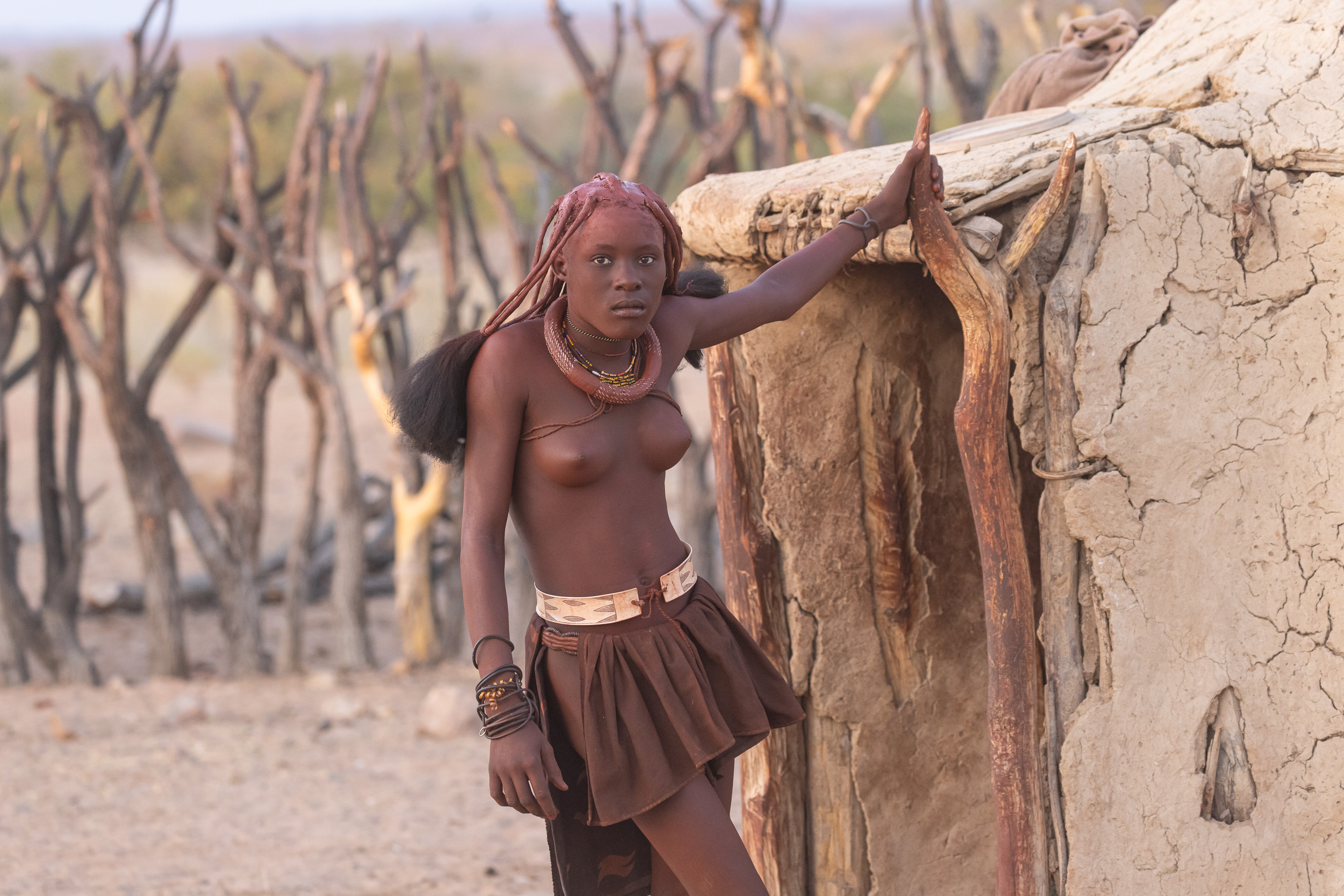
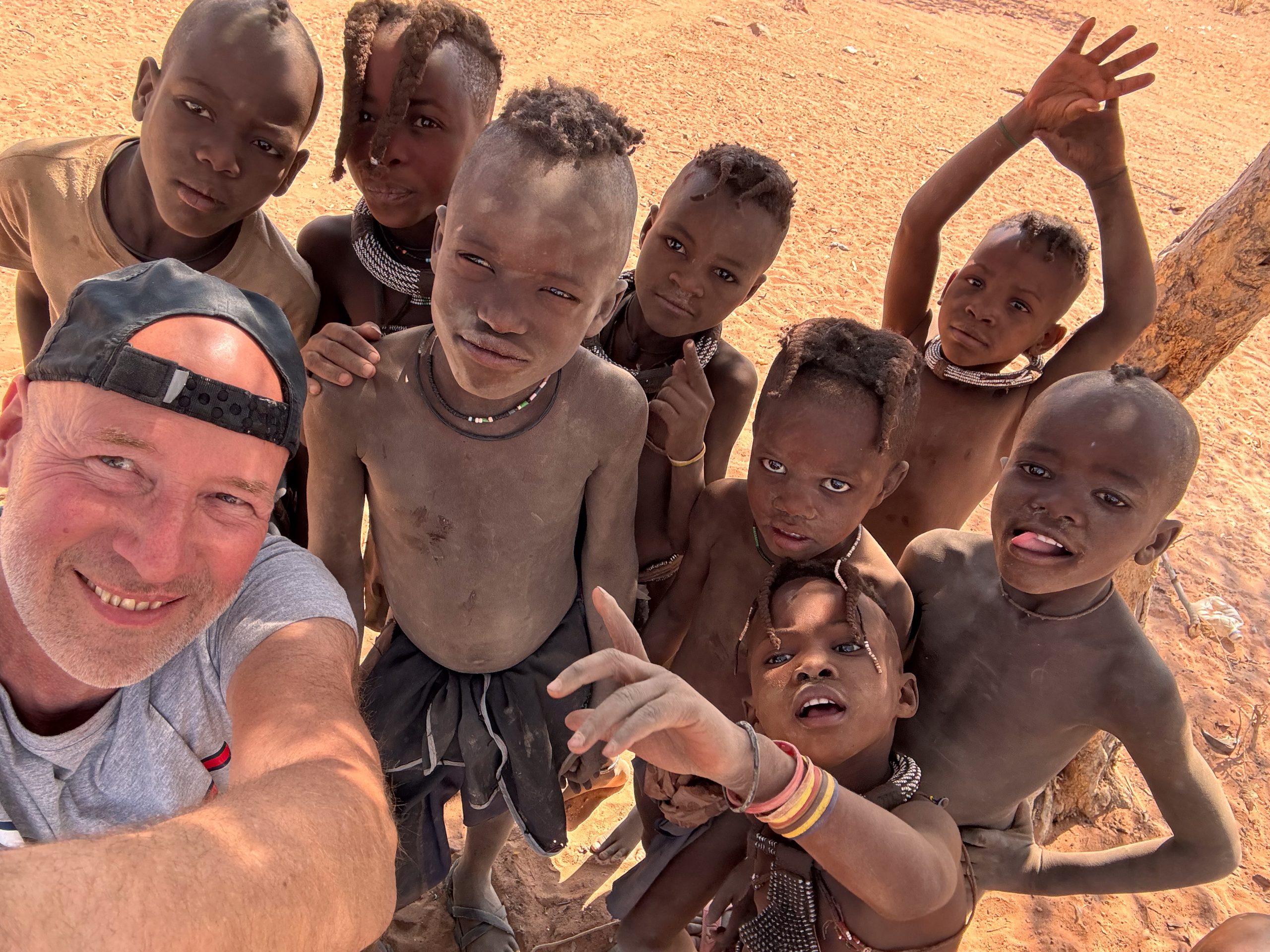
The Himba people continue to thrive in harsh conditions, depending on livestock such as cattle, goats, and sheep for their livelihood. The Himba people are semi-nomadic, and known for their striking appearance, rich cultural traditions, and deep connection to the land. Living in one of the harshest environments on earth, they have managed to maintain a way of life that dates back centuries, holding onto customs passed down through generations.
Day 13: Himba tribal village – Puros, Hoarusib Riverbed
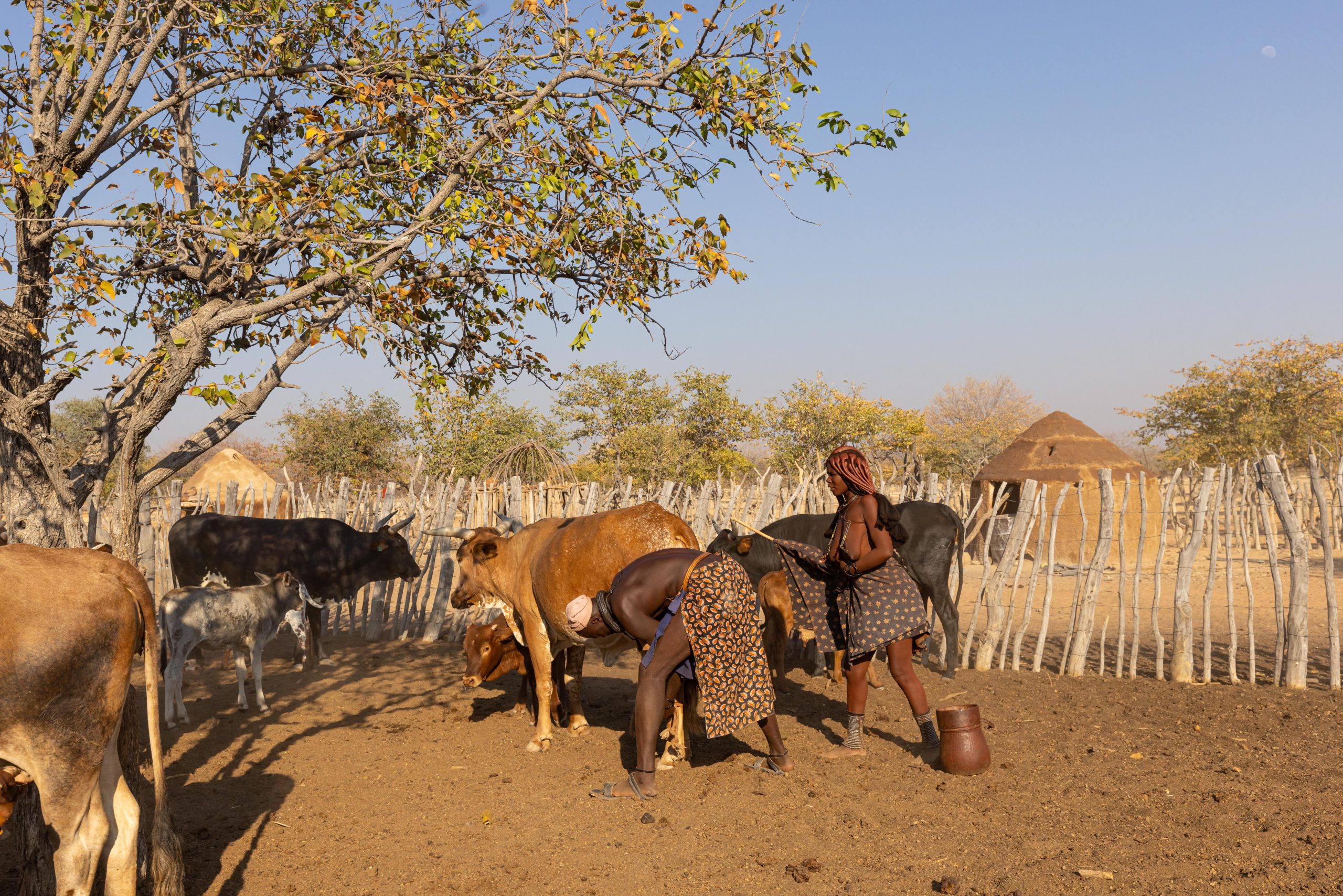
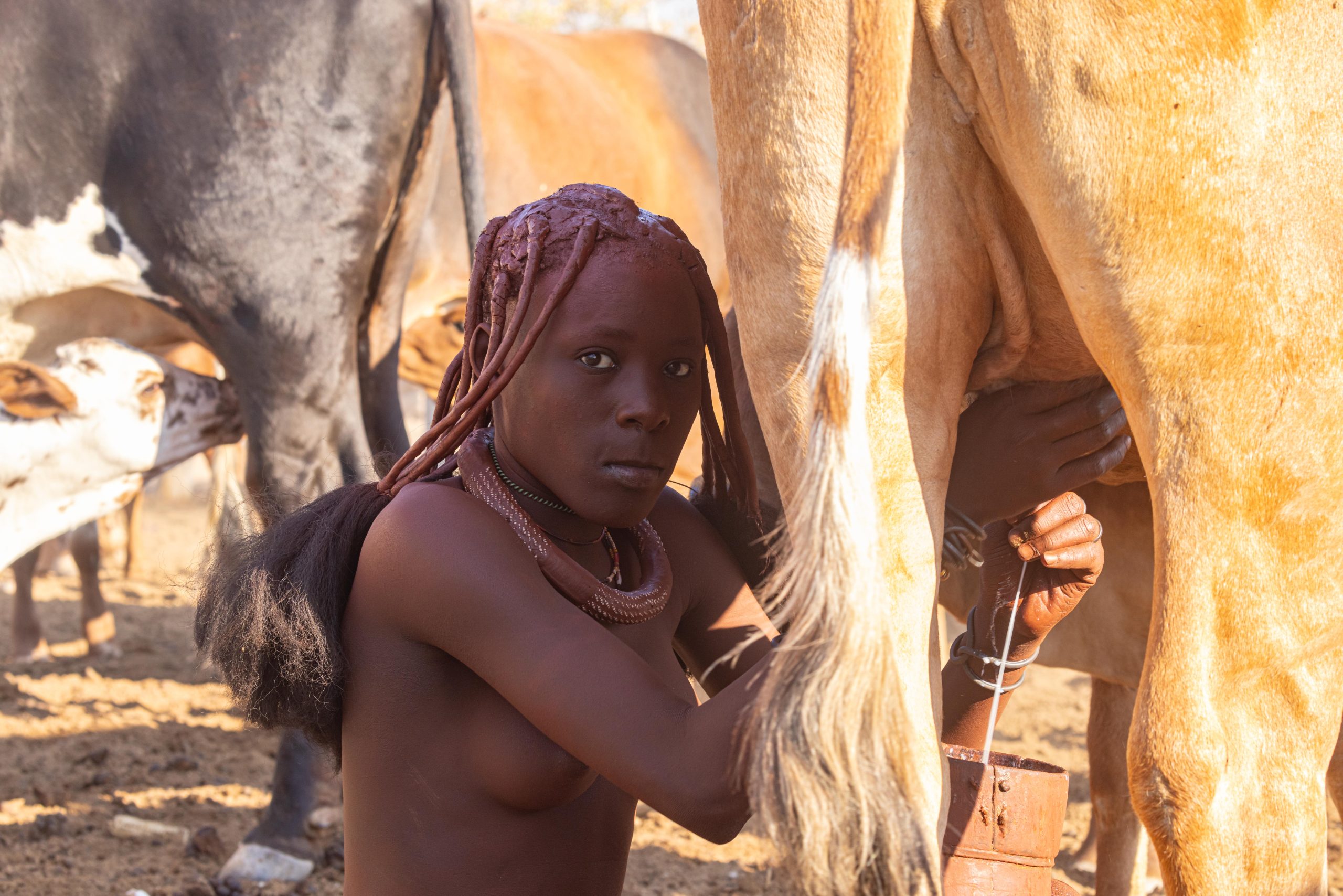
The Himba dedicate the mornings to their cattle; after milking the cows the kids bring the herds of cows and goat to suitable grazing grounds, to only return in the afternoon.
Milking the cows
After the daily routine of the Himba we will pack up and say goodbye to the family. Our next destination lies deep into Kaokoland, into some of Namibia’s most remote corners and genuine wilderness area.
For more about the Himba people of Namibia, check out my photo story here: the Himba Tribe.
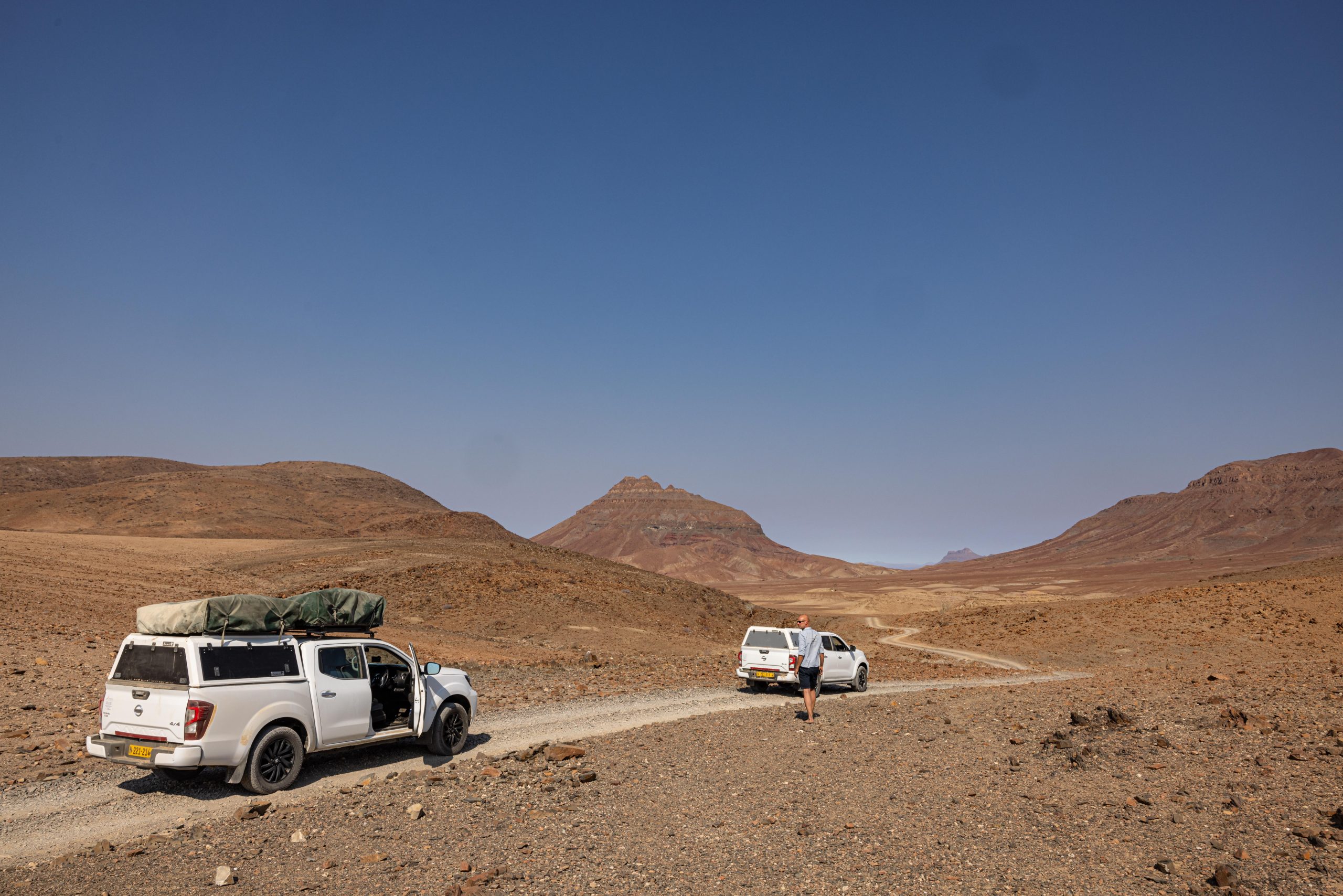
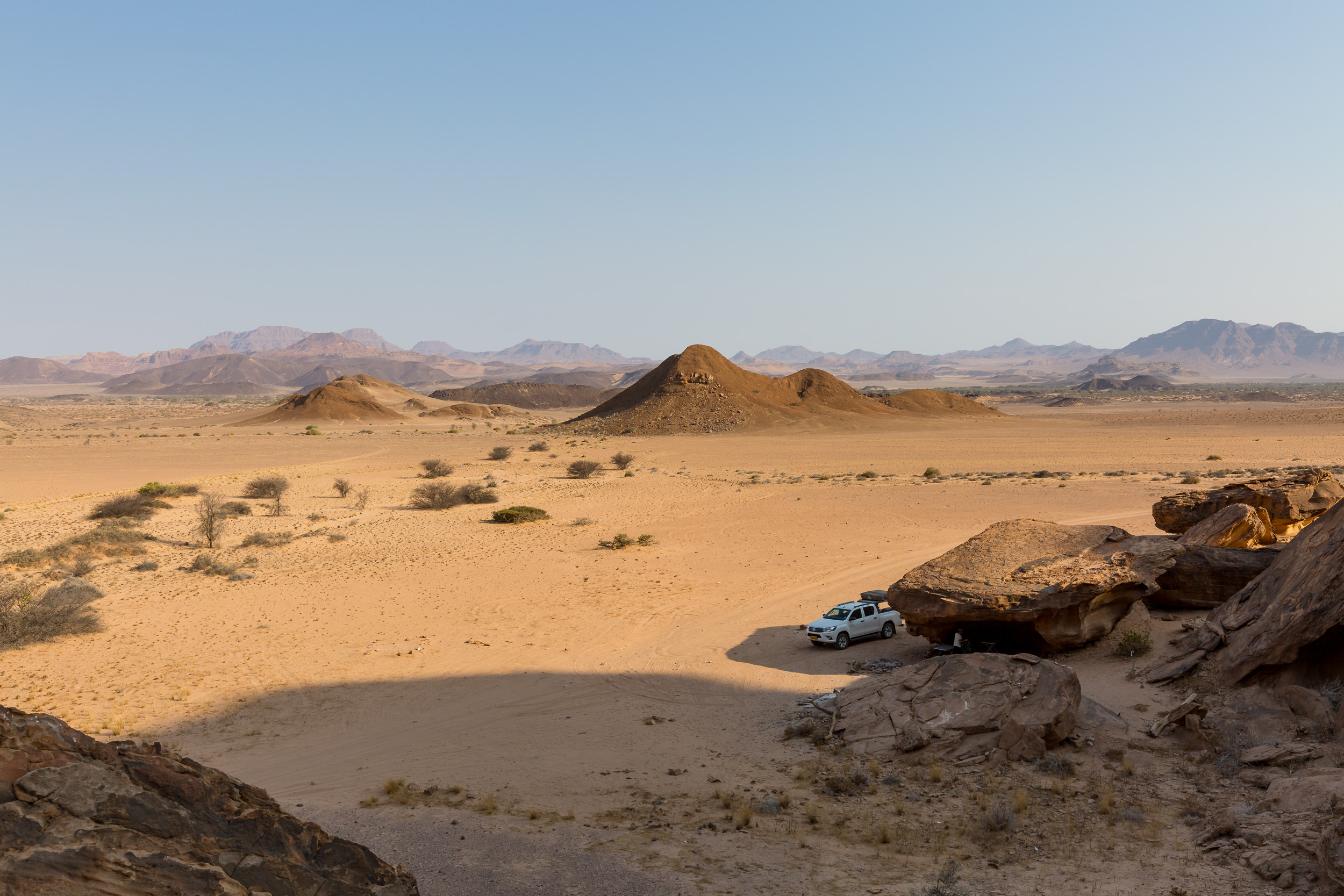
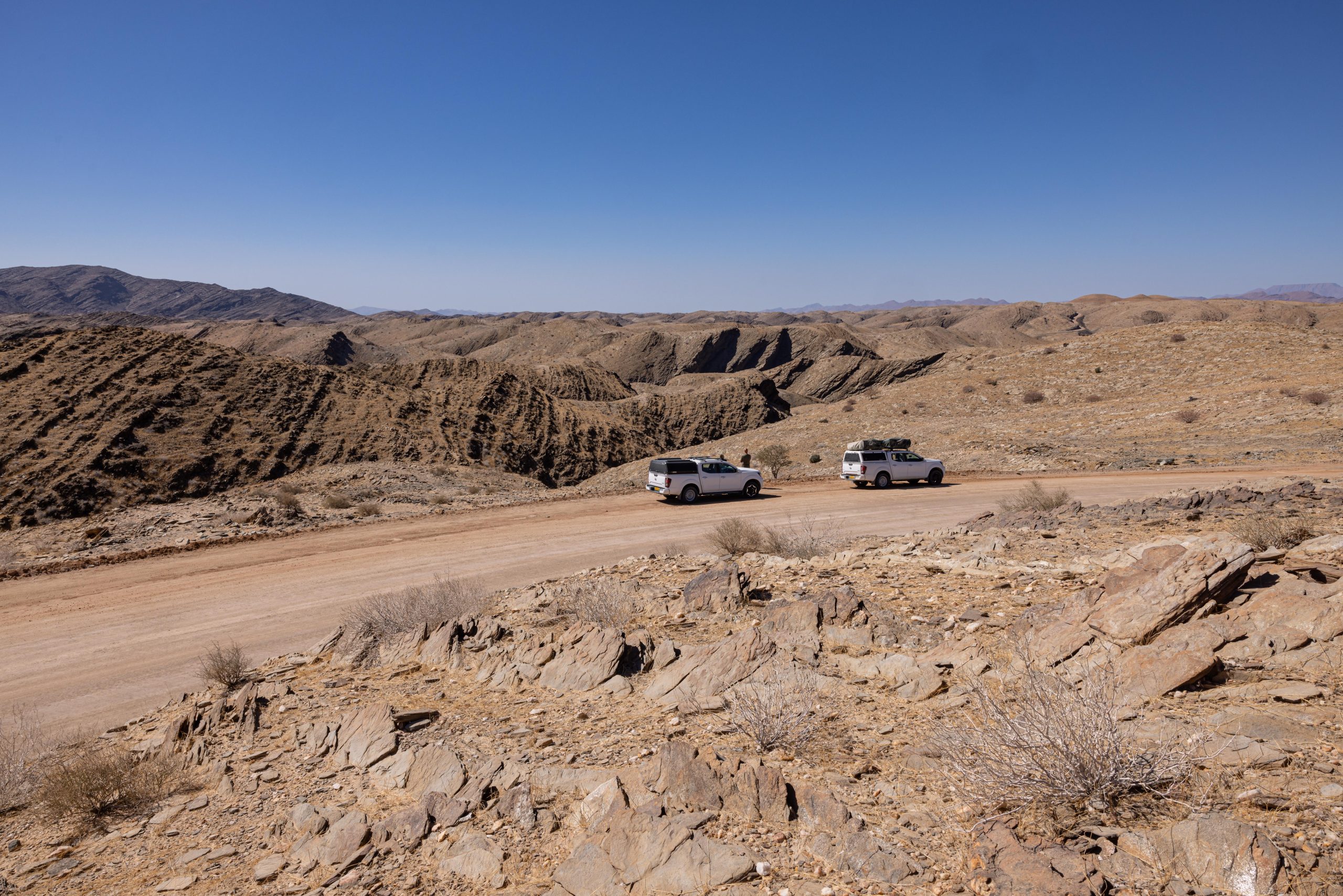
Driving deeper into Kaokoland wildlife becomes scarce, as it is very dry and inhospitable. But it offers one of Namibia’s most breathtaking desert scenery and is an absolute thrill to drive through and explore. Most roads here are only narrow sandy tracks and sometimes bone- and nerve-breaking rocky trails. This is the ancestral land of the Himba, and Namibia at its best!
So desolate, and so beautiful!
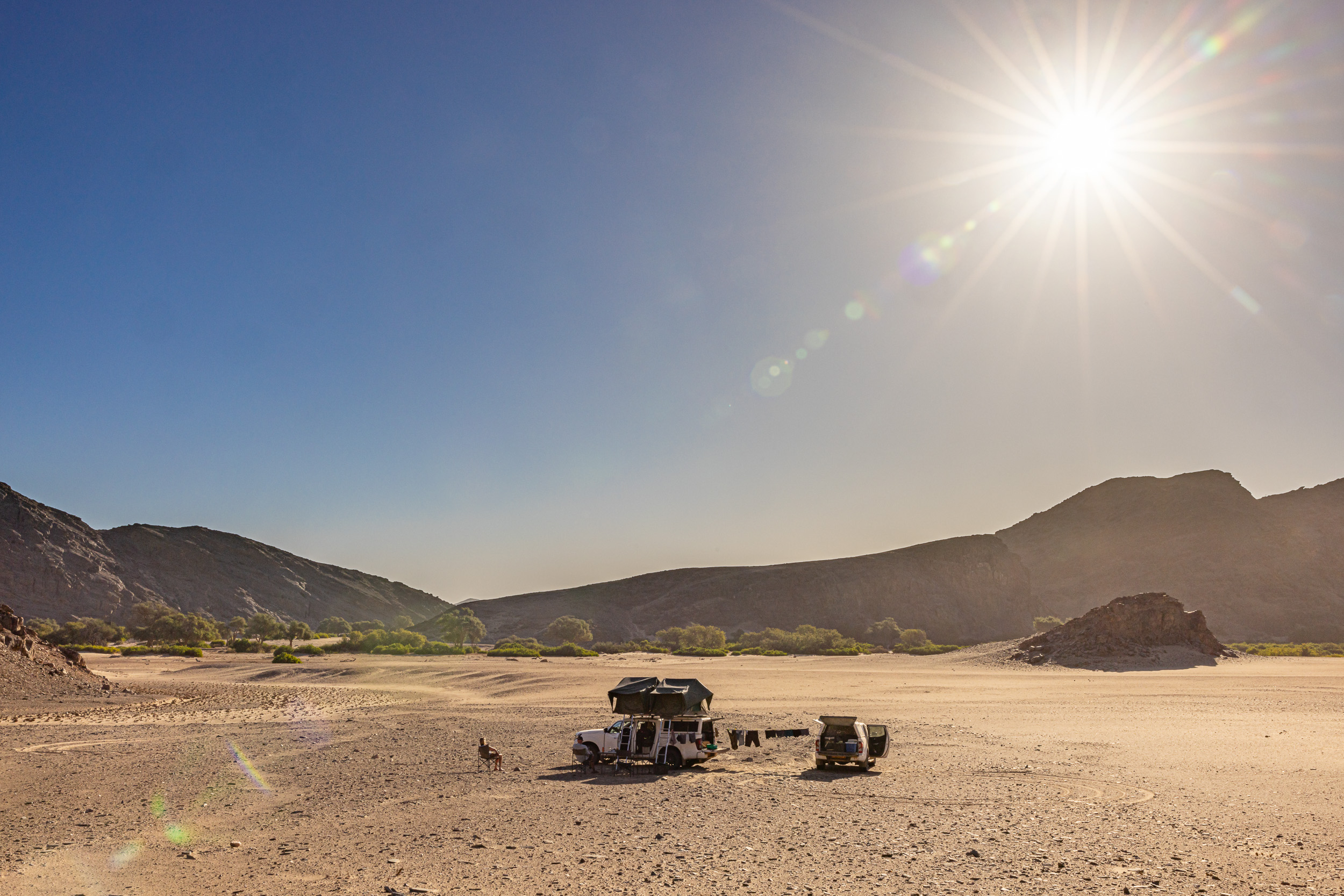
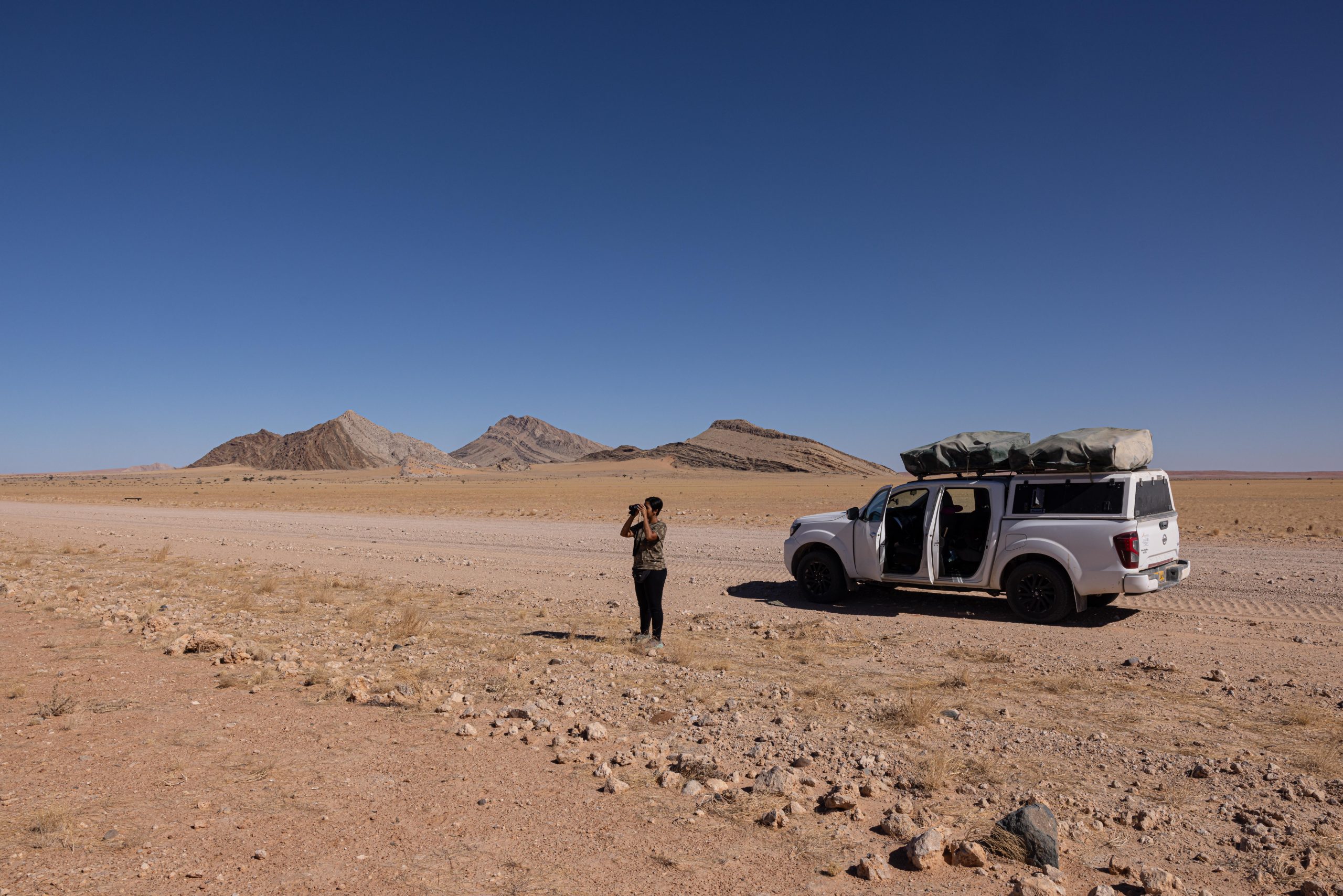
The Hoarusib river valley right ahead
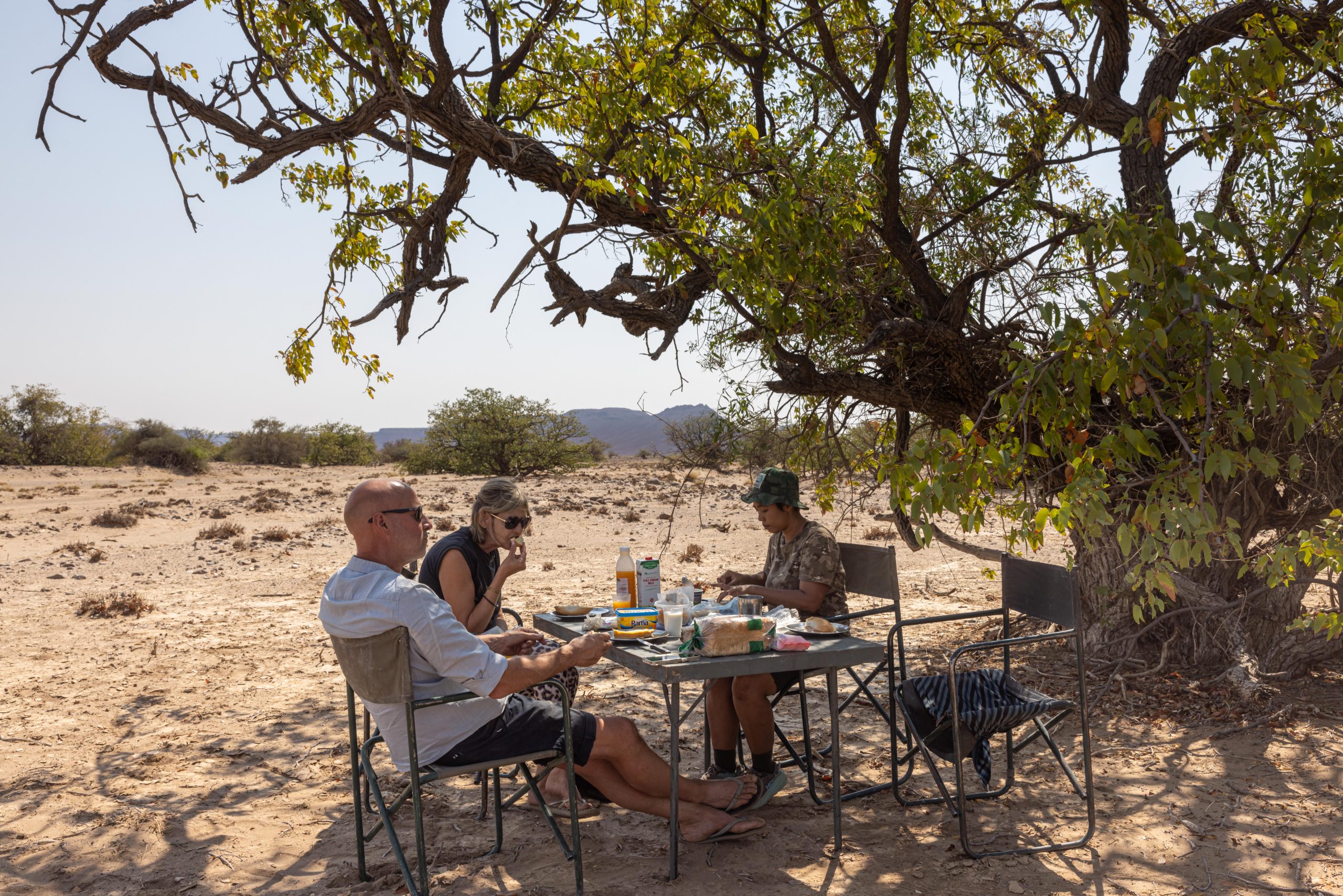
Lunch in the riverbed
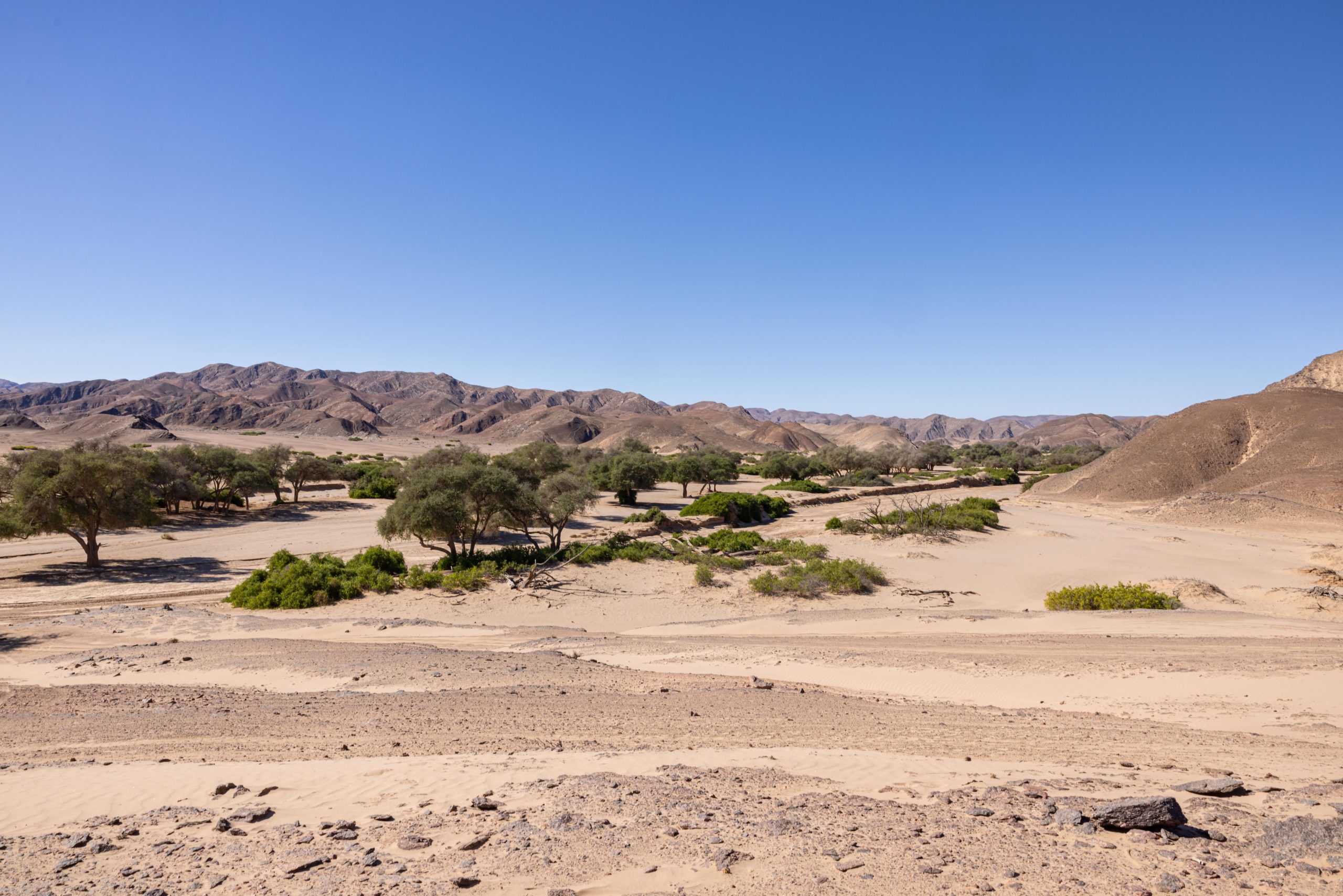
Late afternoon we arrive at our campsite, in the middle of the dry Hoarusib riverbed. In this area water flows underground through the valley, and occasionally makes it to the surface. Wildlife is therefore much more abundant than in other parts of this otherwise dry desert landscape.
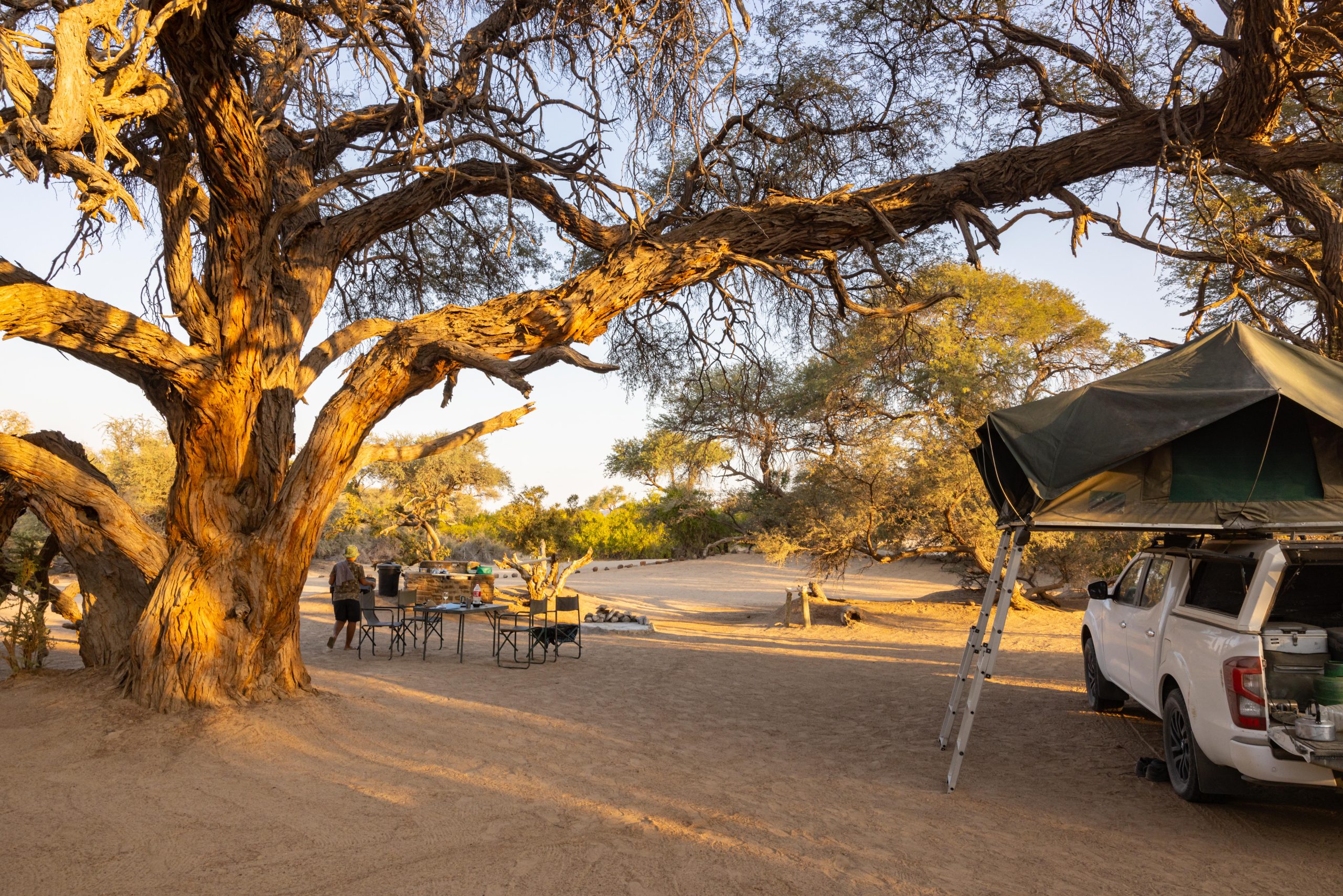
Our campsite
Day 14: Puros – Hoanib Riverbed
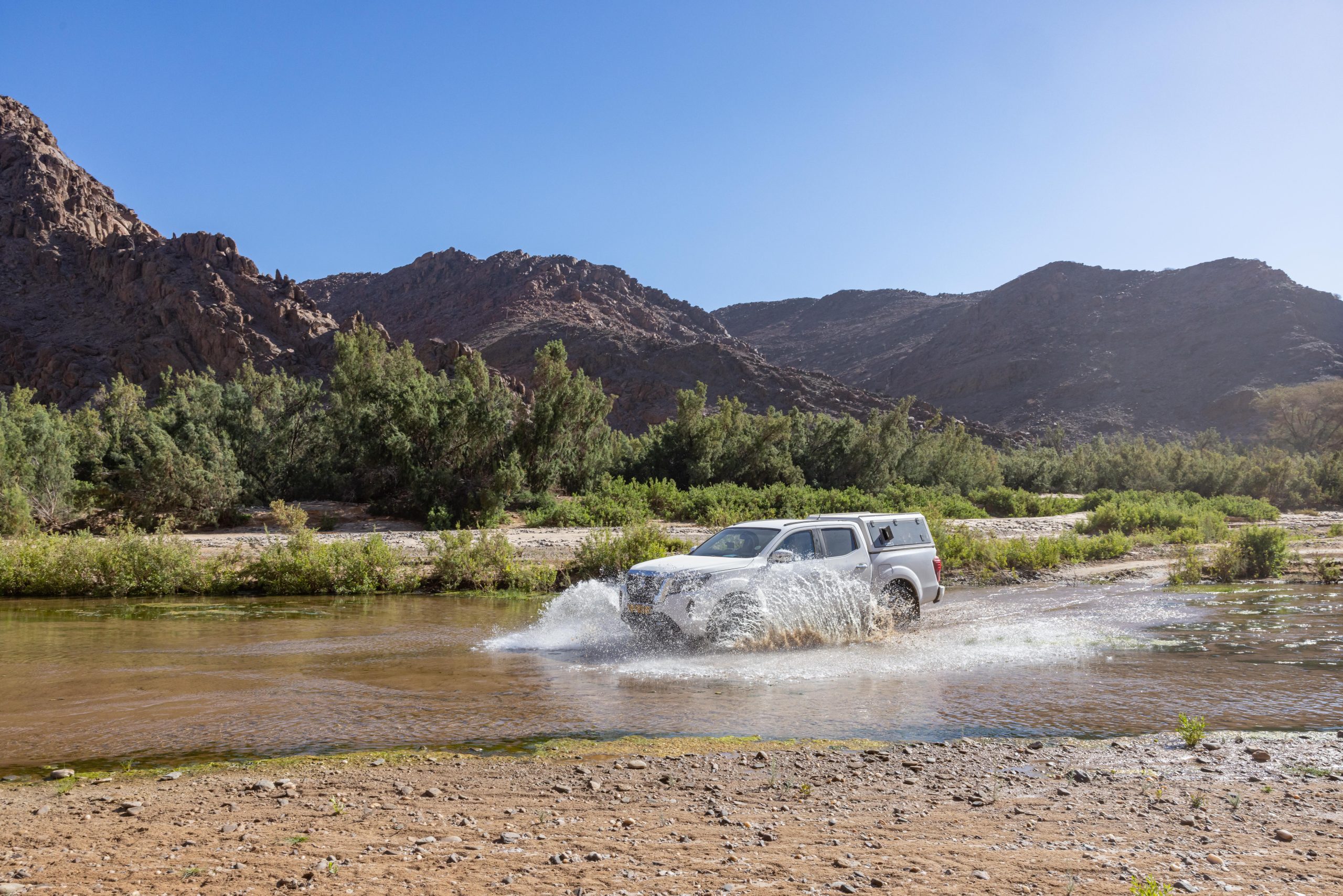
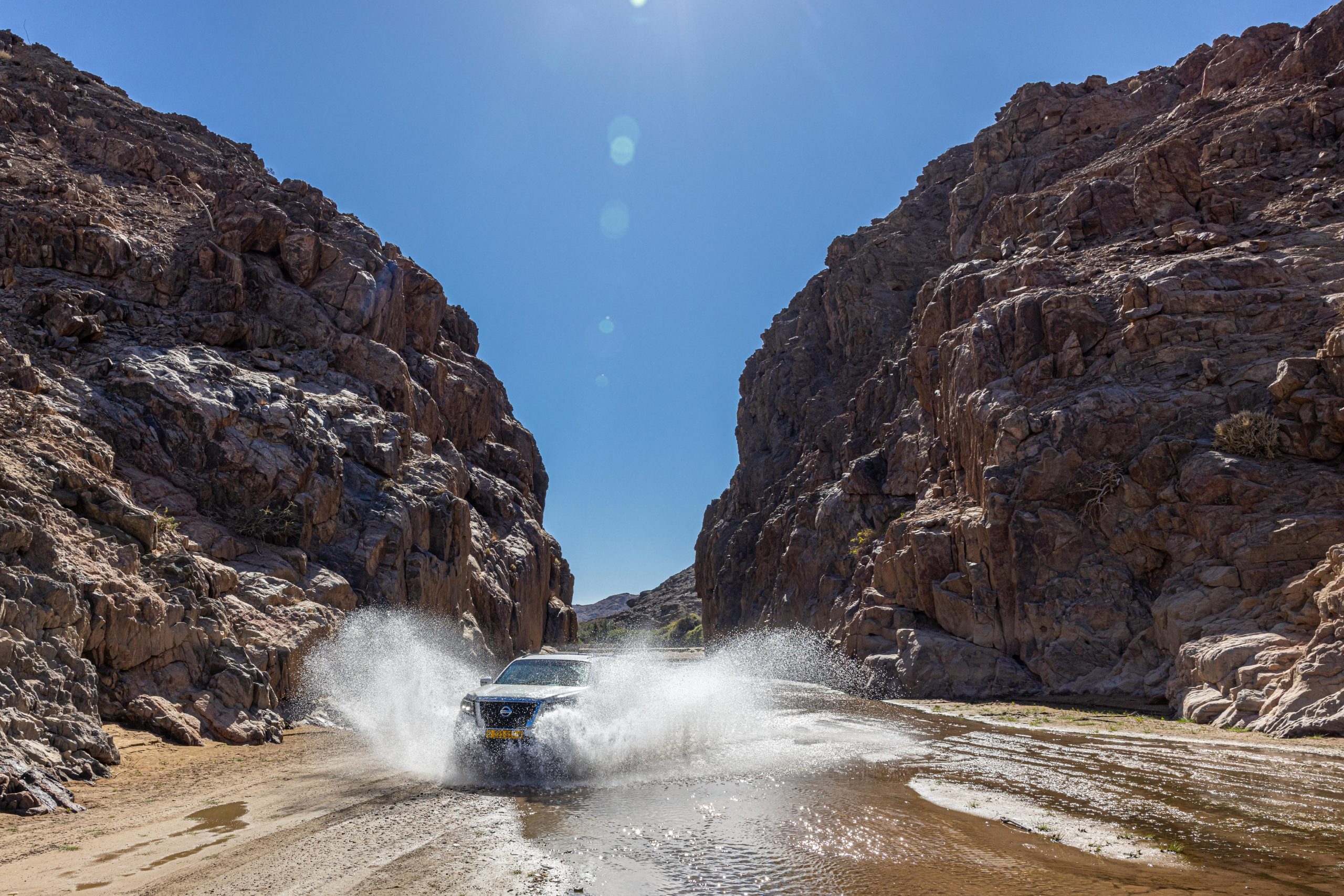
We leave early morning and drive southwest through the Hoarusib riverbed. The valley narrows into a narrow gorge, where water usually flows through the canyon. The only way to pass through this gorge by car: following the river!
On our way to the gorge, driving through the riverbed
A narrow pass-way for the river, and our cars!
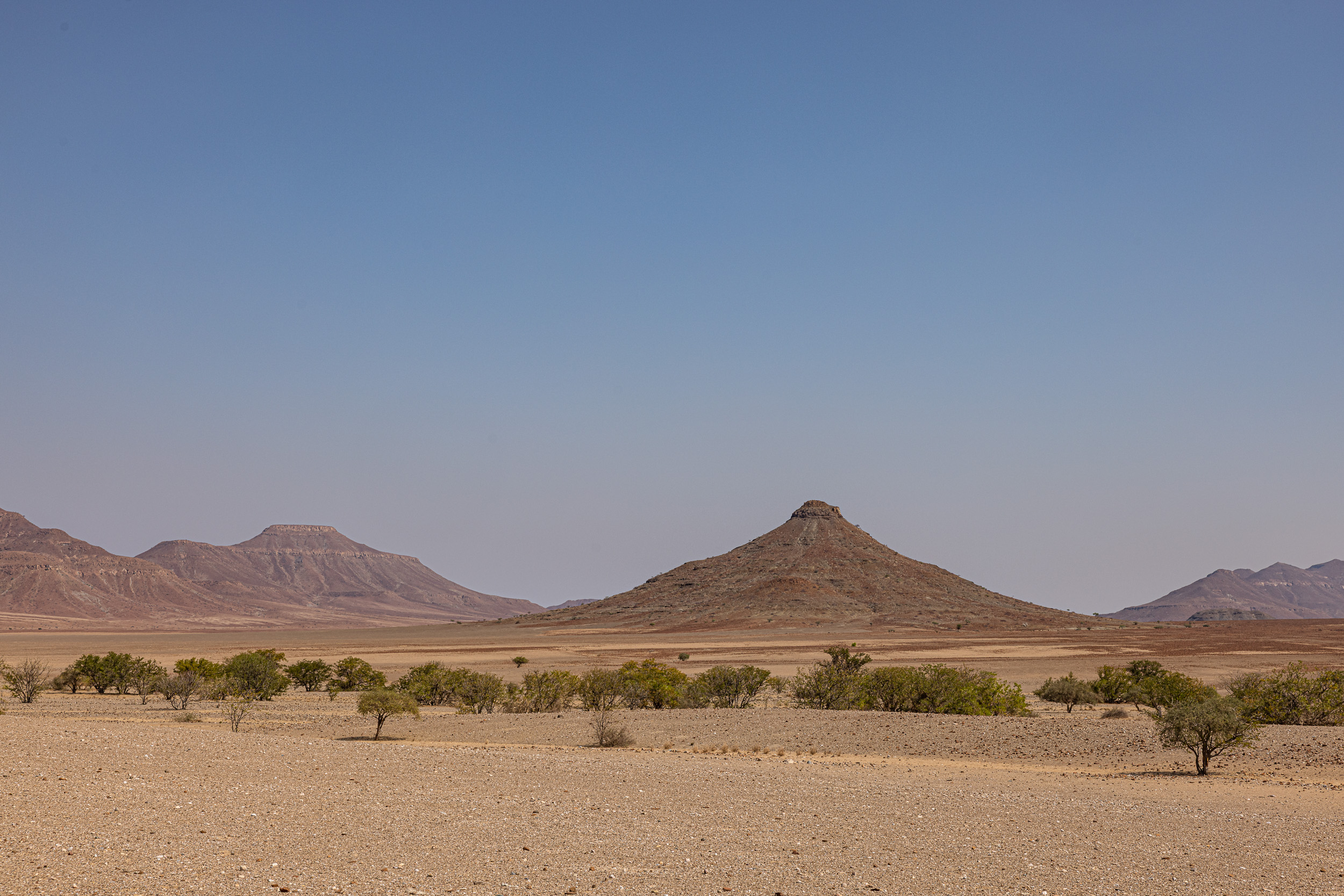
After the gorge the road splits; continuing through the riverbed all the way to the west coast, and south towards the Hoanib river basin. We turn south, and soon drive through wide open plains and more spectacular desert scenery
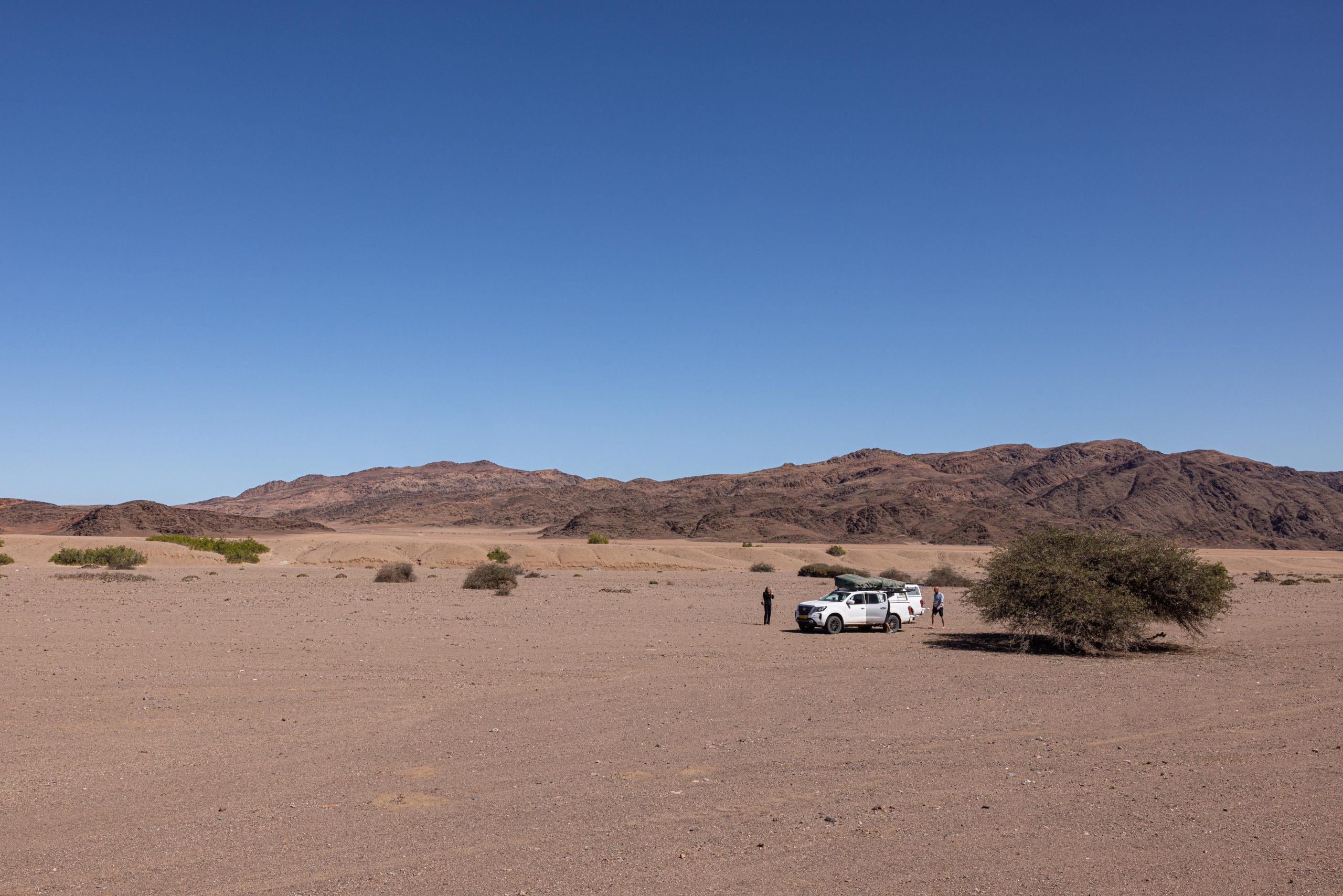
Coffee break in the desert
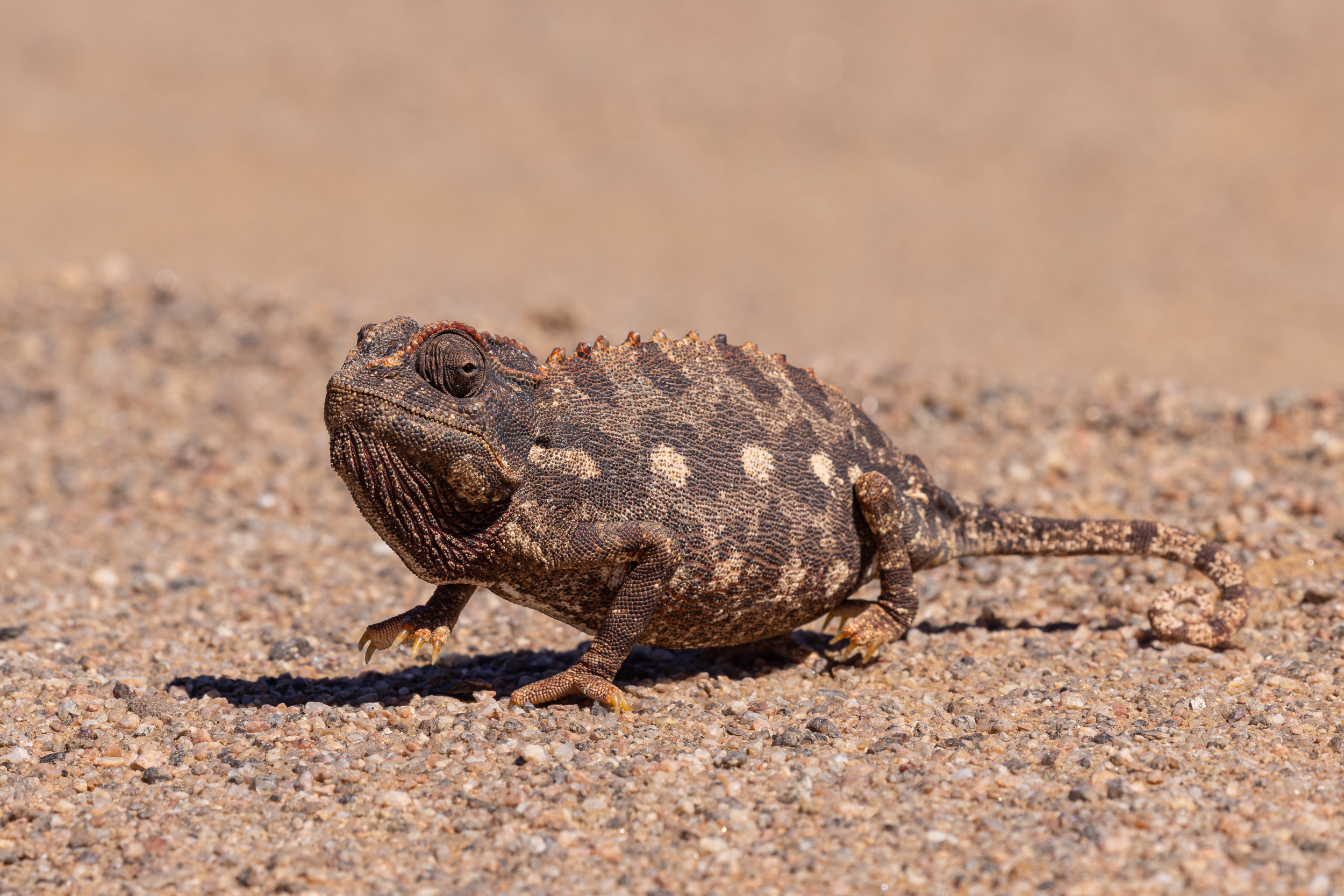
Namaqua Chameleon
Onwards to the Hoanib riverbed
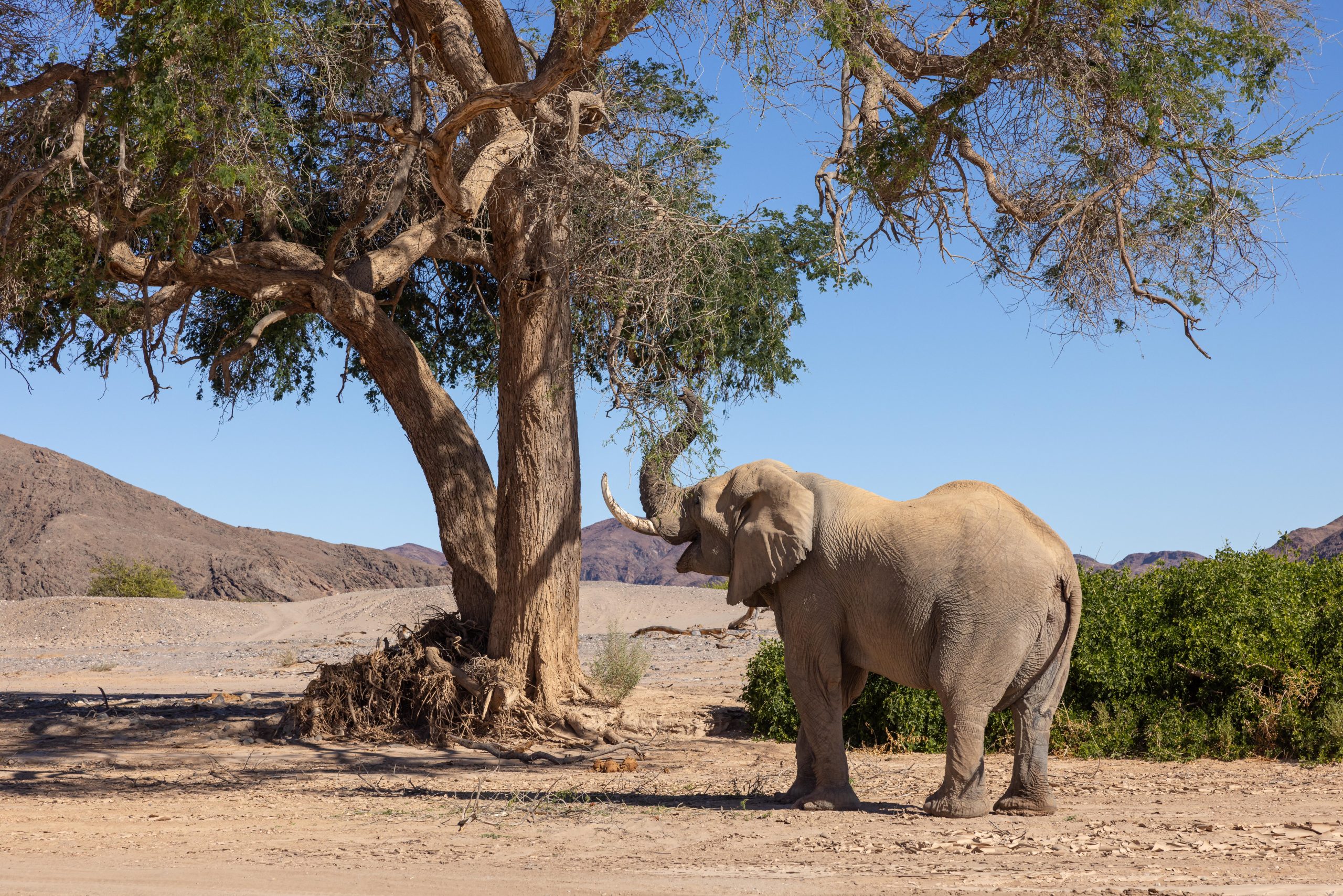
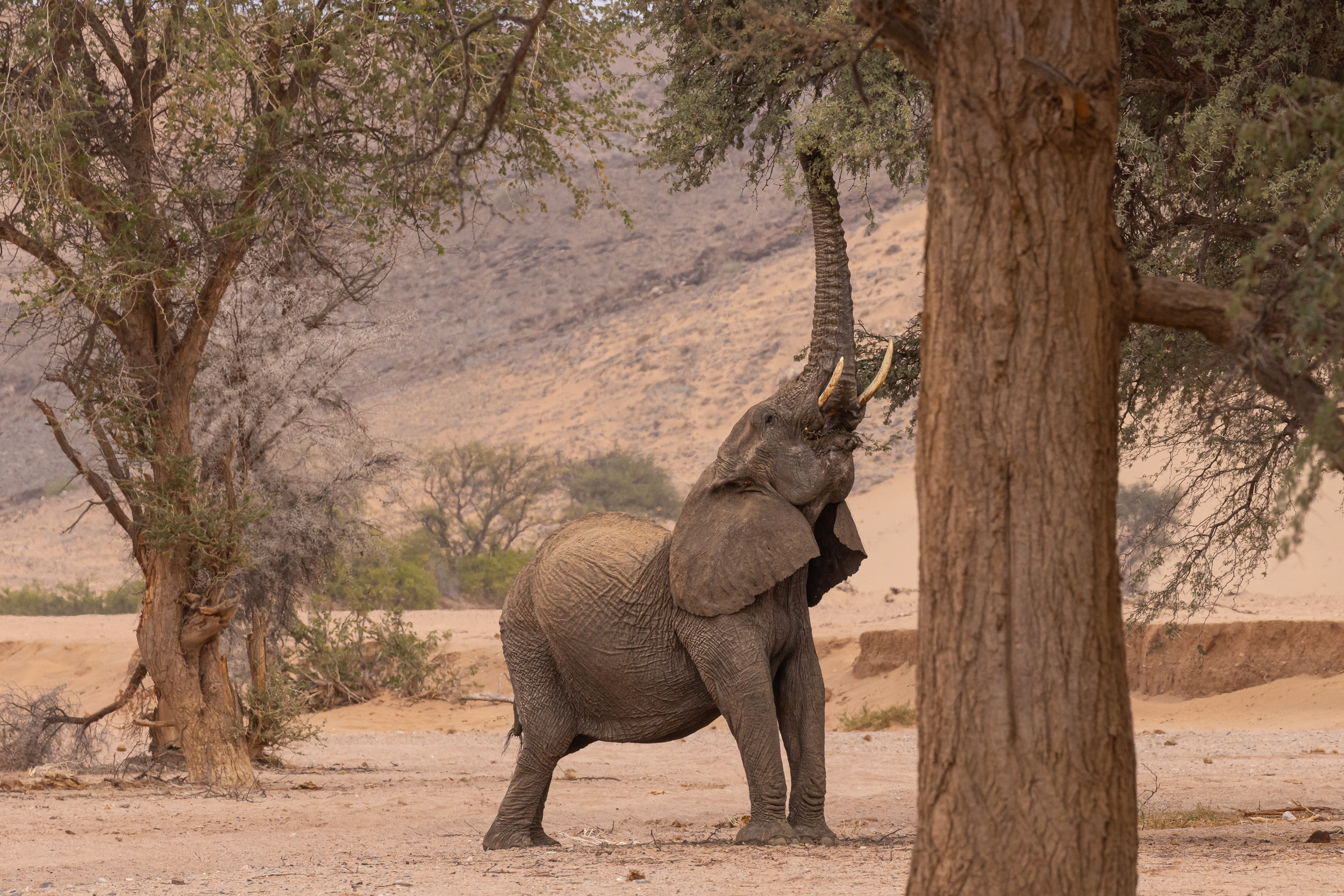
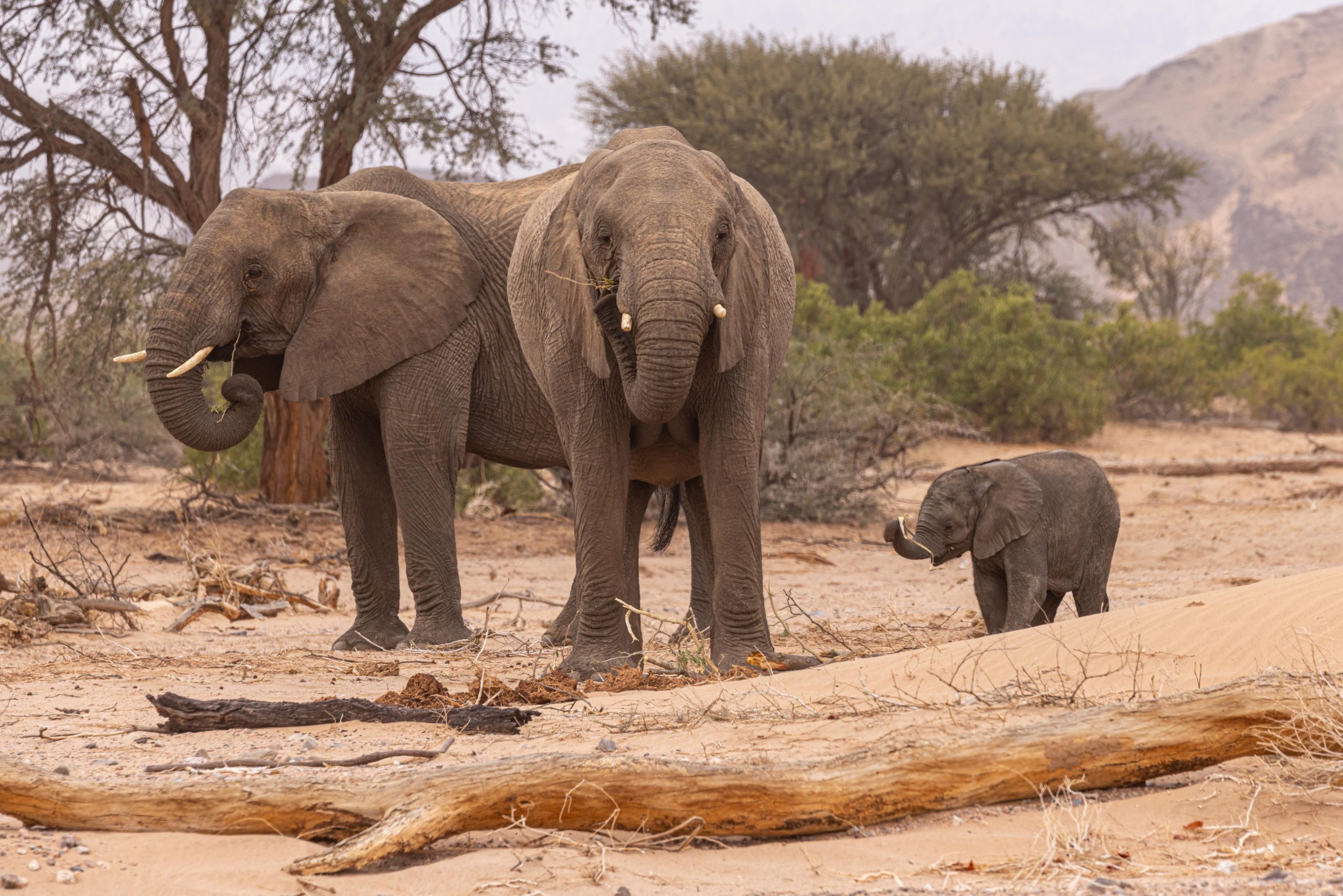
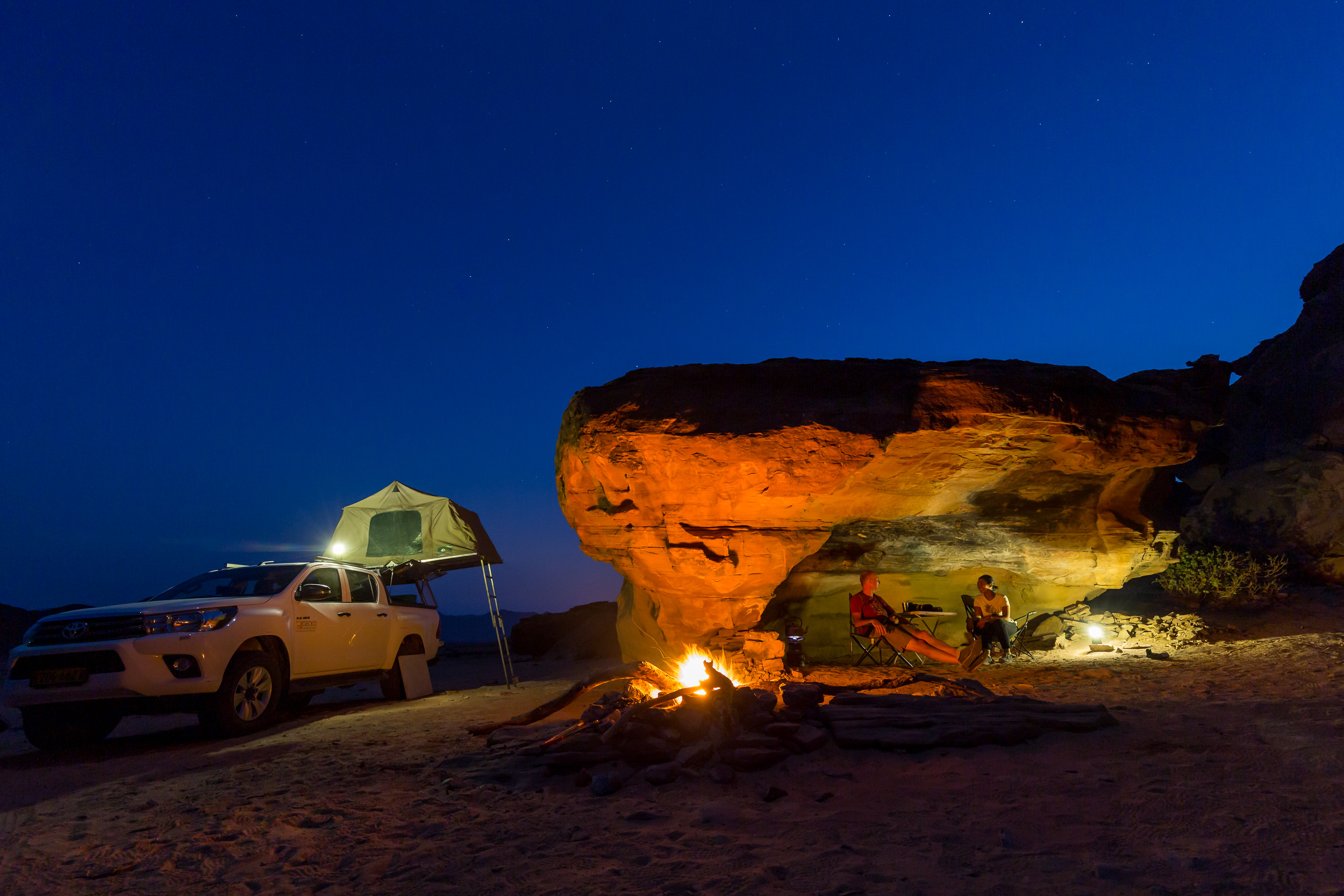
Early afternoon we arrive at our destination, the Hoanib riverbed, which is pretty much dry throughout the year. Here we will camp in the wild, searching for desert-adapted elephants and other wildlife.
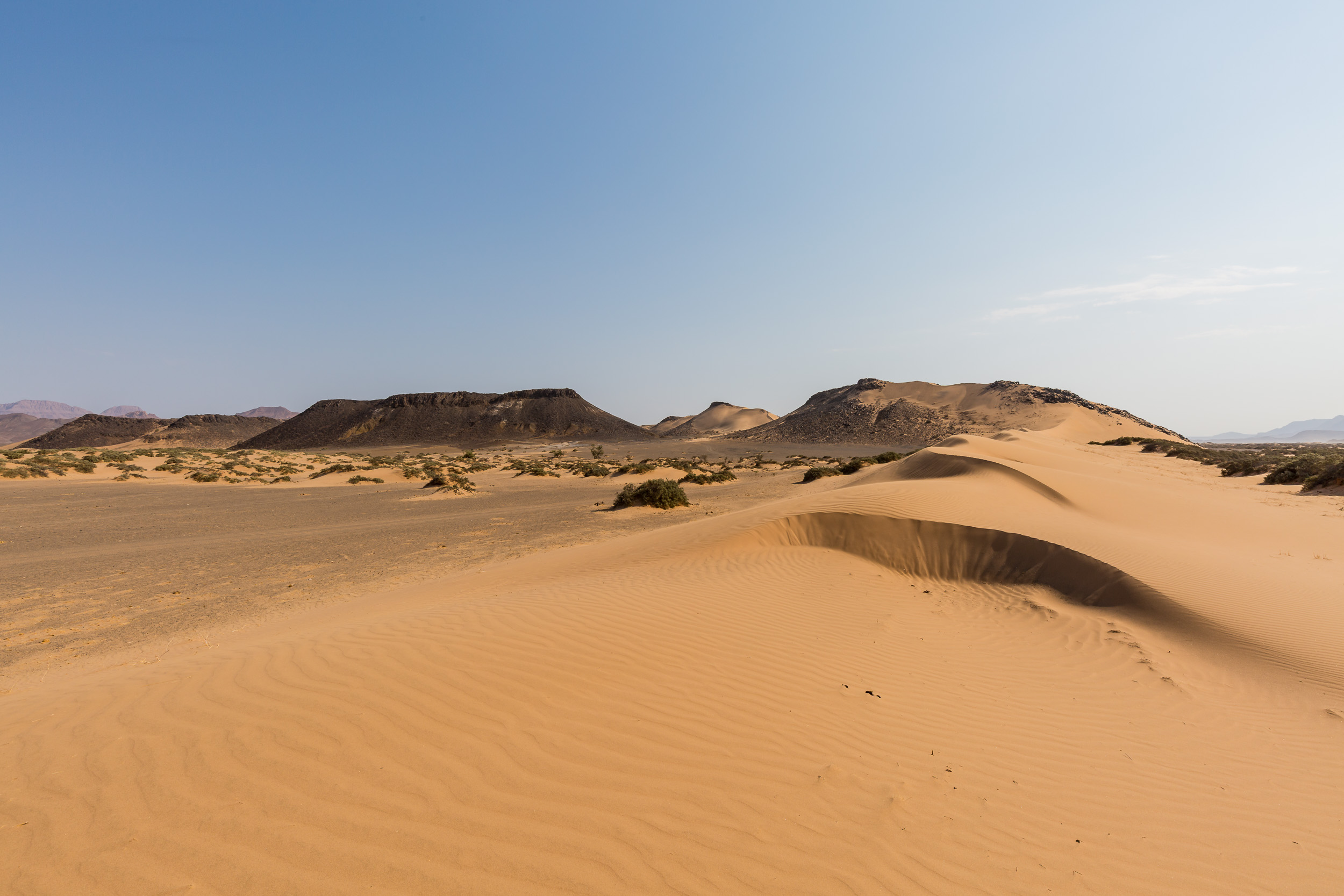
The Hoanib River valley cuts through the rugged desert landscapes of Kaokoland
Wild camping in the Hoanib Riverbed
Day 18: Hoanib Riverbed – Aba Huab Riverbed
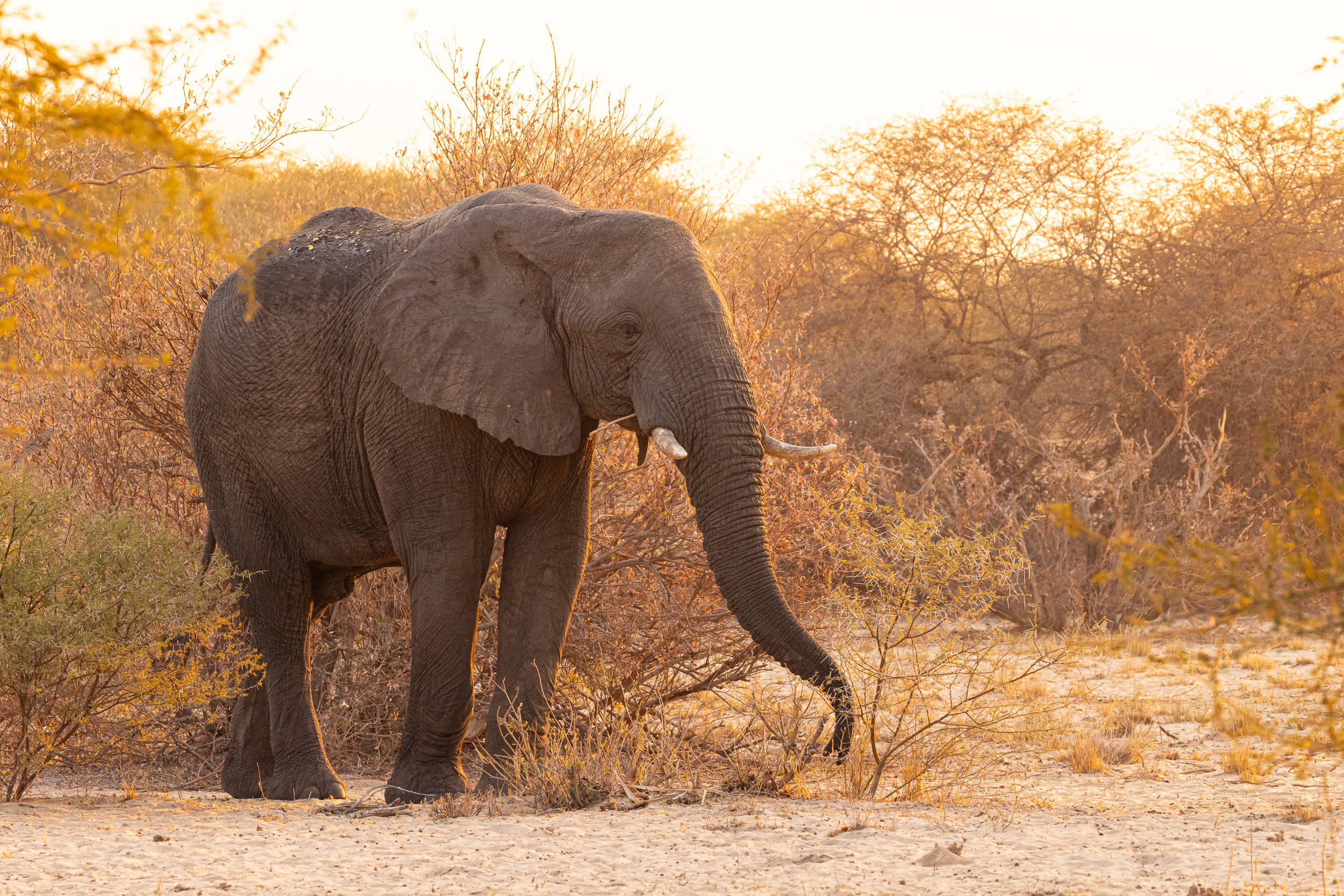
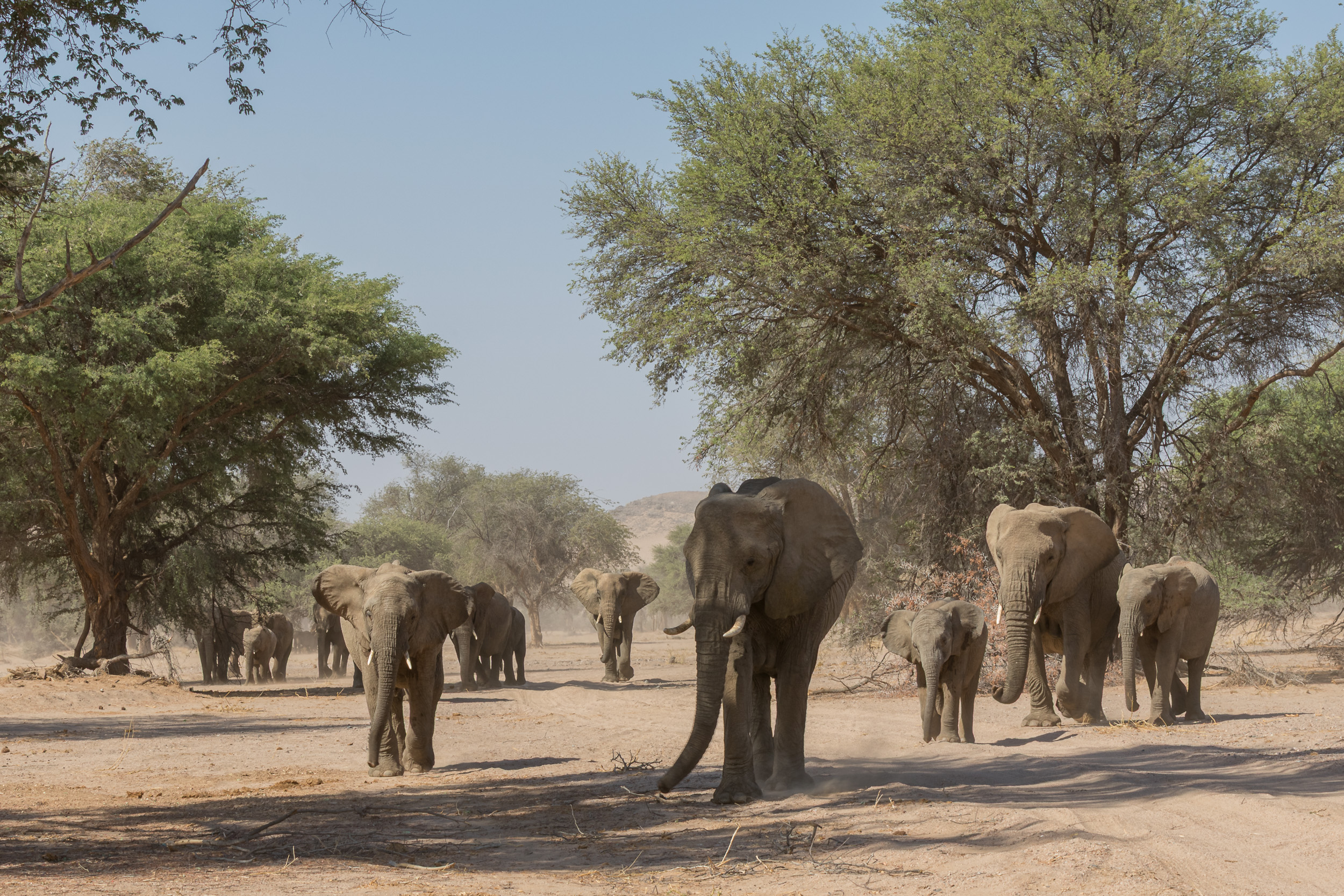
We will spend the morning driving slowly around the riverbed, in search for wildlife. This day we should have the best chance to encounter Namibia’s famous desert-adapted elephants.
We slowly make our way out of the riverbed and to the small village of Sesfontein, back on the main road. From here we drive further south to our next destination, the riverbed of the Aba Huab.
This riverbed has some water surfacing as well, a lifeline for relative rich wildlife roaming through the valley.
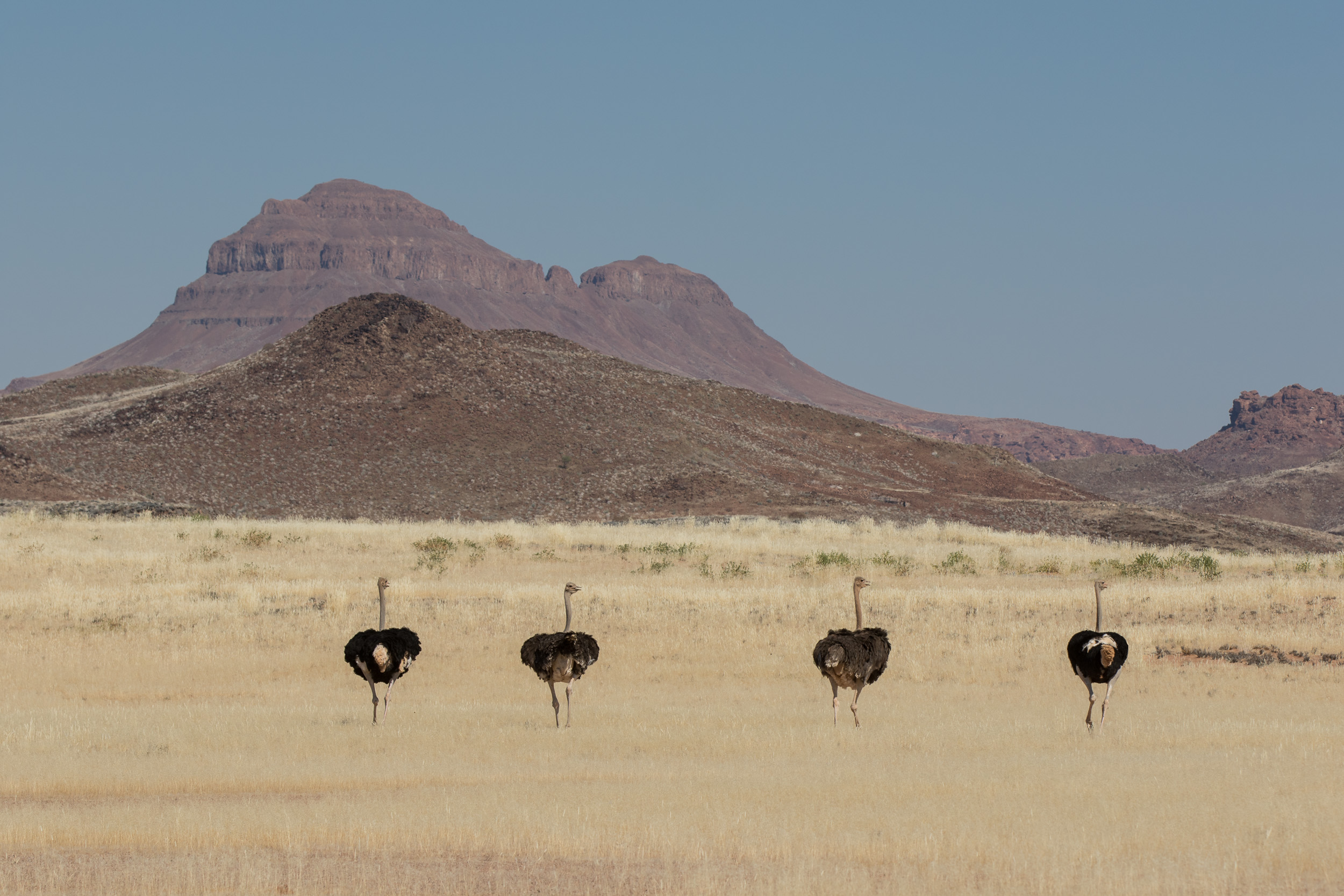
Ostriches in the Aba Huab valley
We will set up camp somewhere in the riverbed, for our last night camping in the wild.
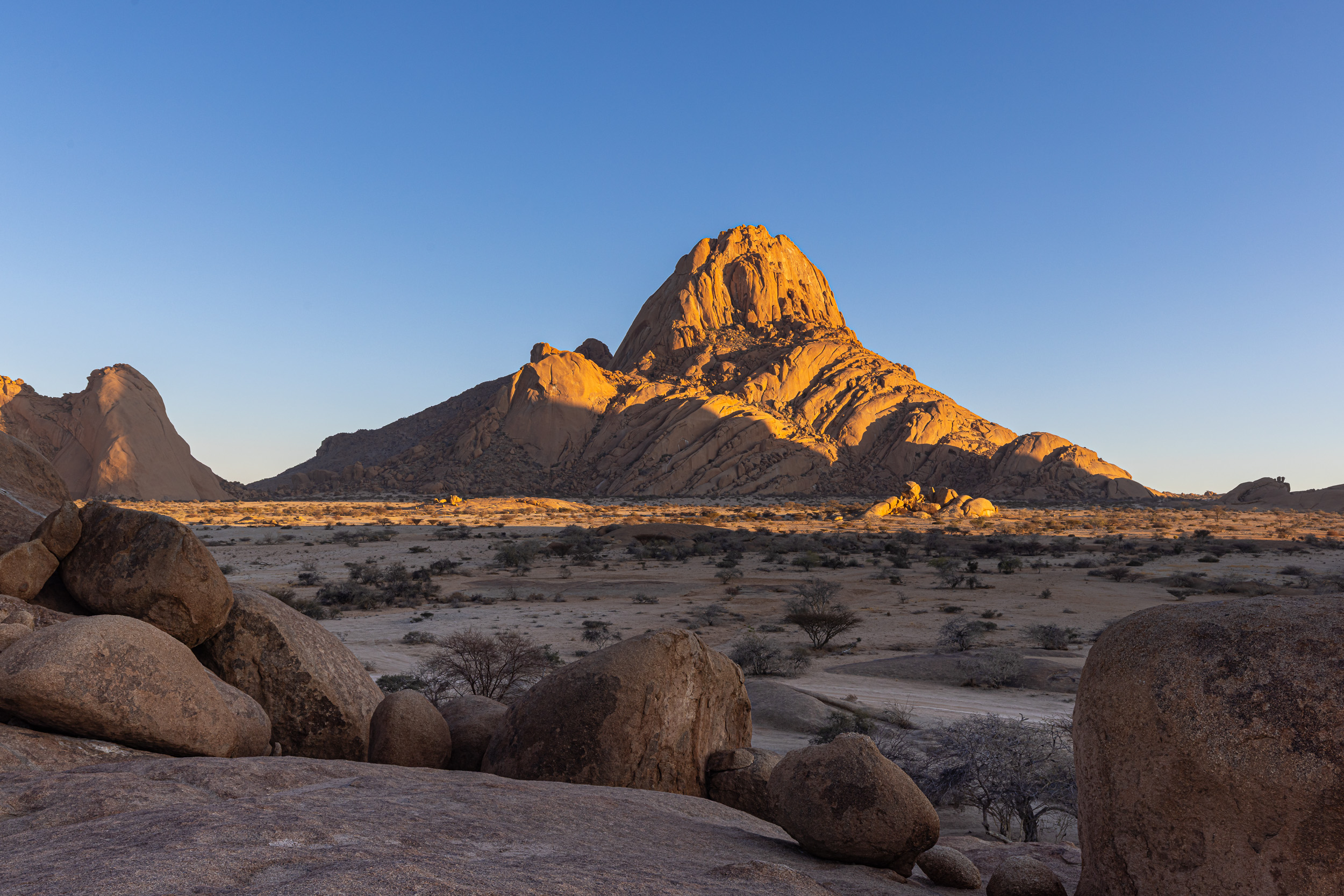
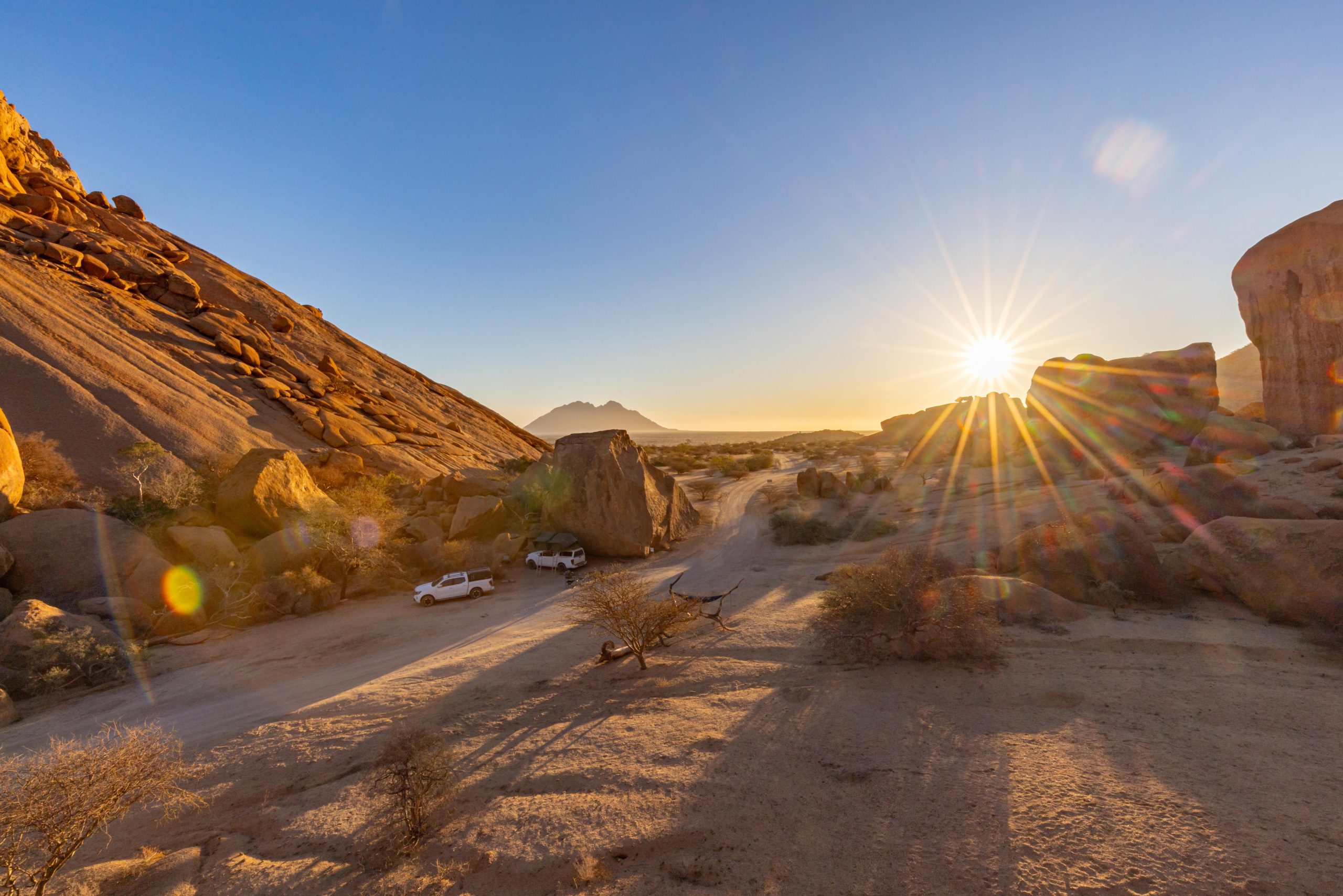
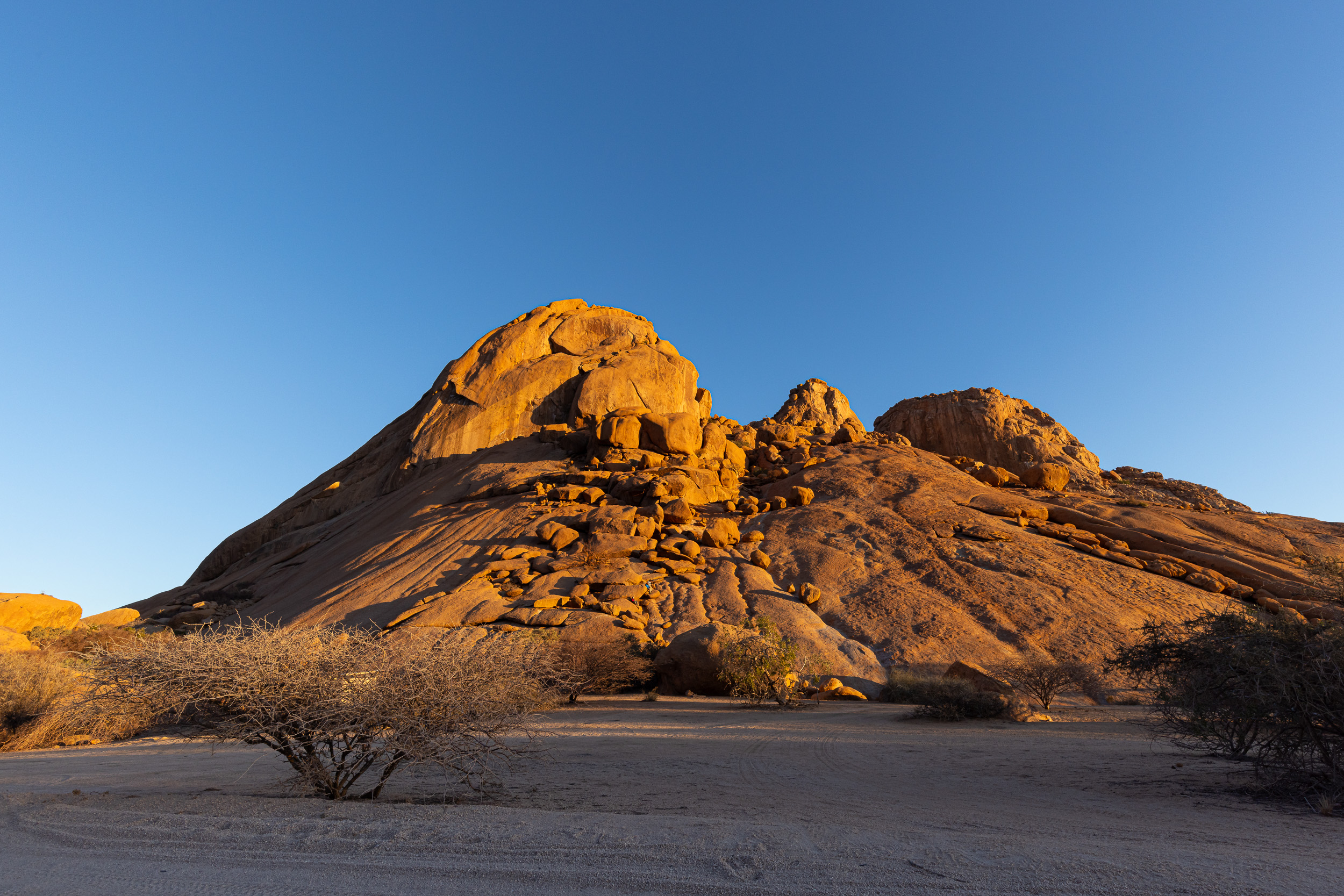
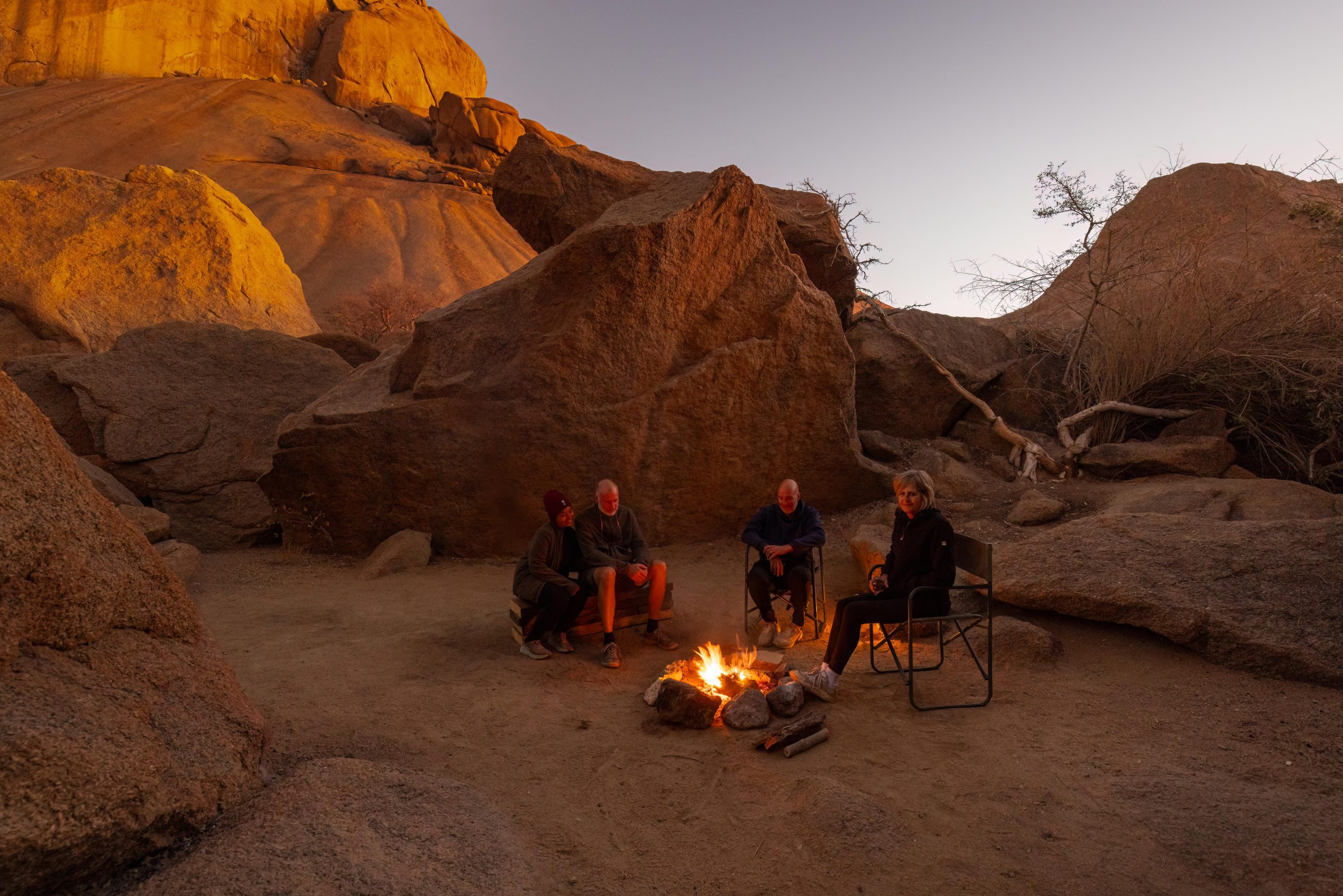
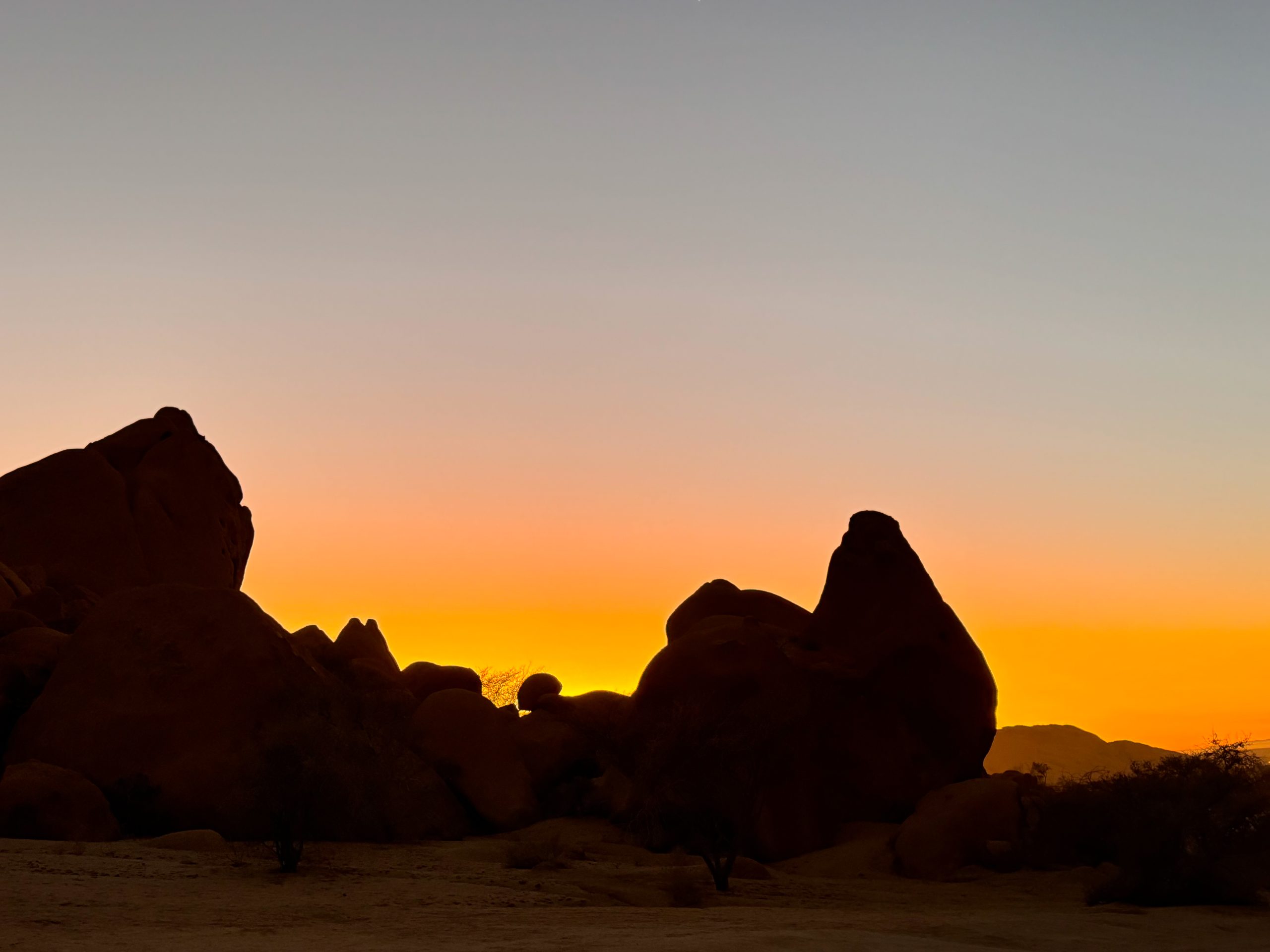
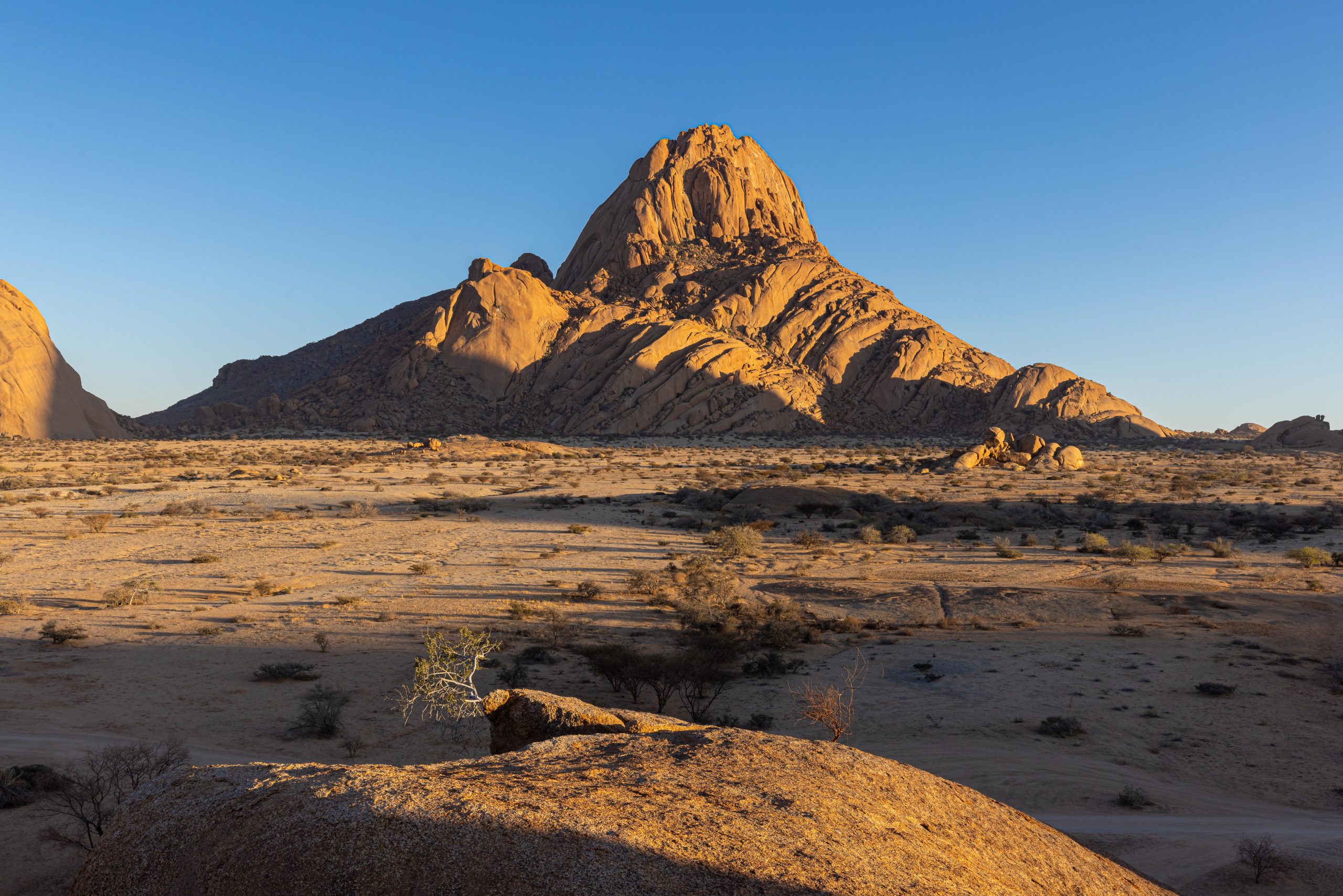
After our last game drive we drive out of the riverbed to the main tar road. We will drive further south to our next destination, Spitzkoppe, where we will arrive early in the afternoon. We set up camp at the foot of a massive granite rock formation, enjoying the ever-changing colors under the slowly setting sun.
Spitzkoppe
The end of a long day…!
Day 17: Spitzkoppe – Sossusvlei
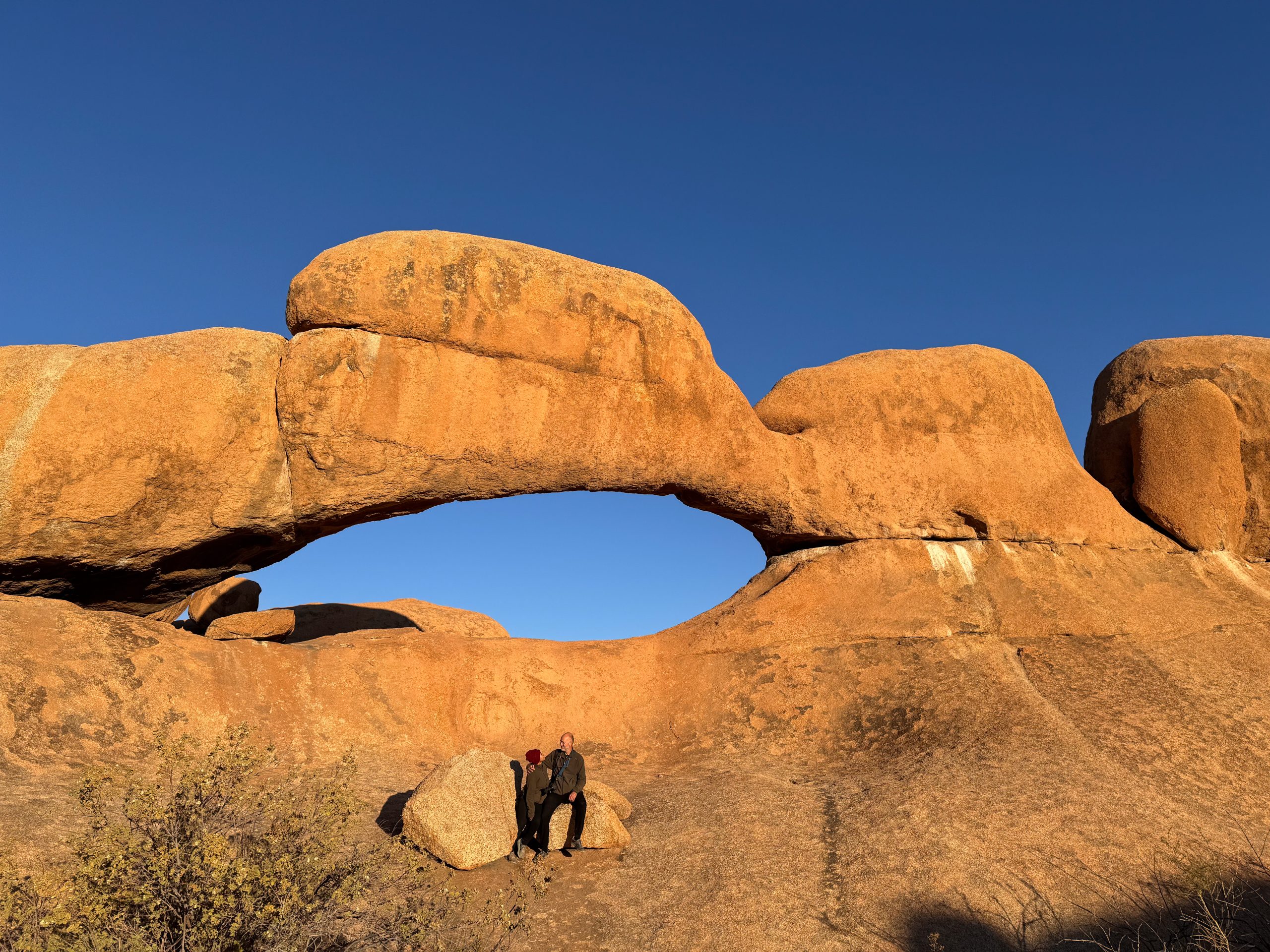
A long driving day ahead, but mostly good roads. So we still have some time to explore Spitzkoppe, and visit the famous Arch.
Sunrise from our camp site
The Rock Arch
We leave Spitzkoppe behind and drive to Sesriem, gateway to the Sossusvlei and Deadvlei.
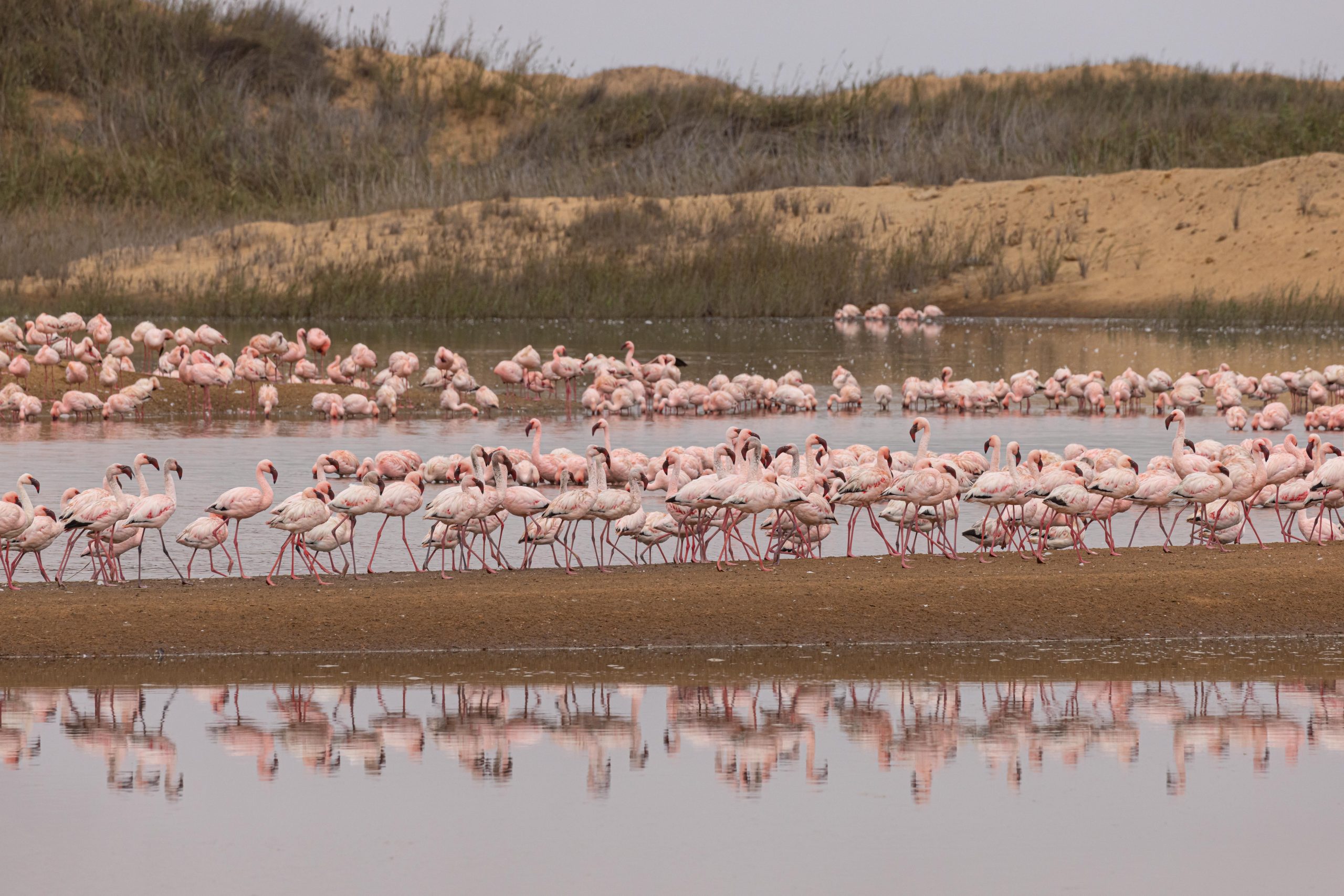
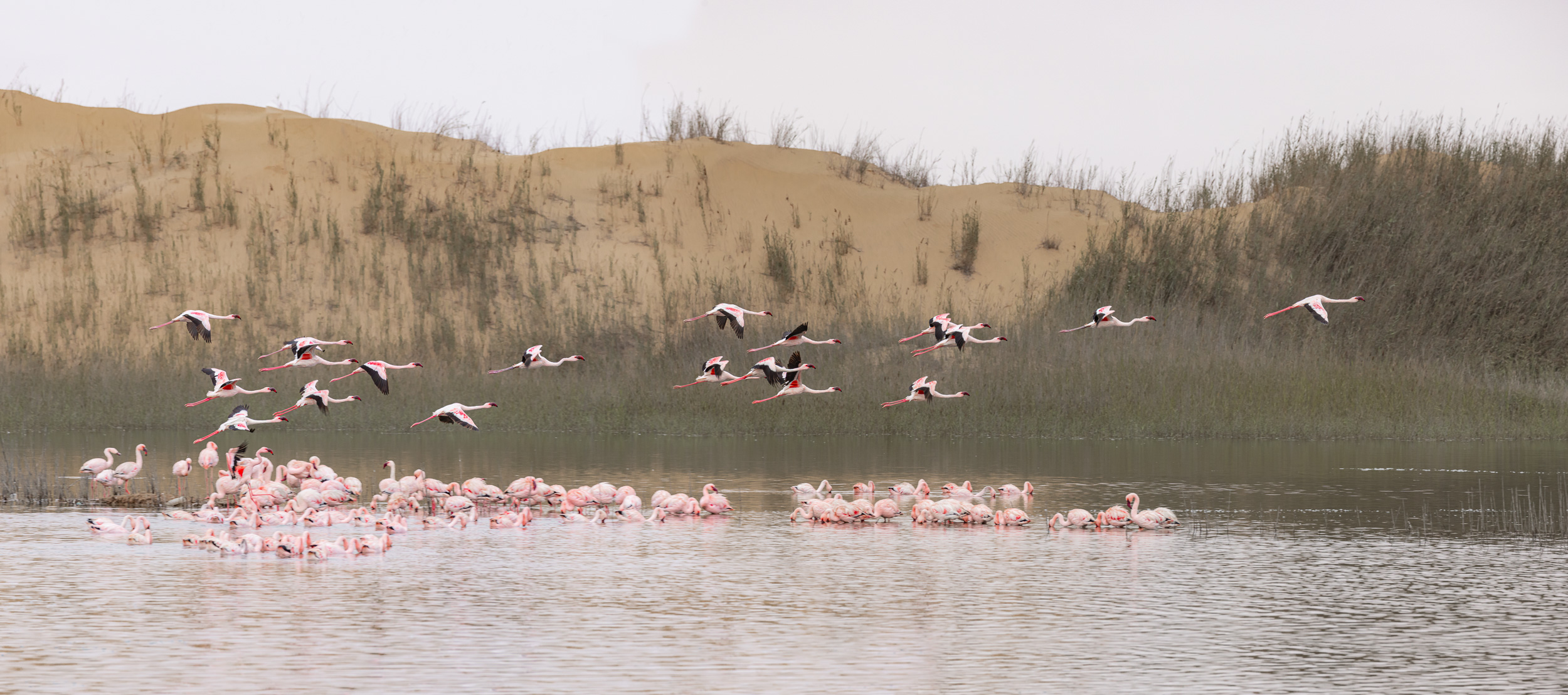
Before we arrive in Sesriem we will drive through Swakopmund and Walvisbay, the 2 main cities on the west coast of Namibia. This is where the Namib desert reaches the Atlantic Ocean. It’s quite a dramatic sight to see the desert dunes just disappear in the ocean..! The desert near Walvisbay has a couple of lagoons, home to a large colony of flamingoes. So we will make a stop there, to have a closer look.
The scenery keeps changing, and despite the long drive we will enjoy every moment of it.
Kuiseb Pass
The desert slowly turns a little red…
Late afternoon we will arrive in Sesriem, where we put up camp on a good campsite right at the entrance of the park. Sossusvlei is one of Namibia’s top tourist destinations, and we will not be alone…
Day 18: Sossusvlei & Deadvlei
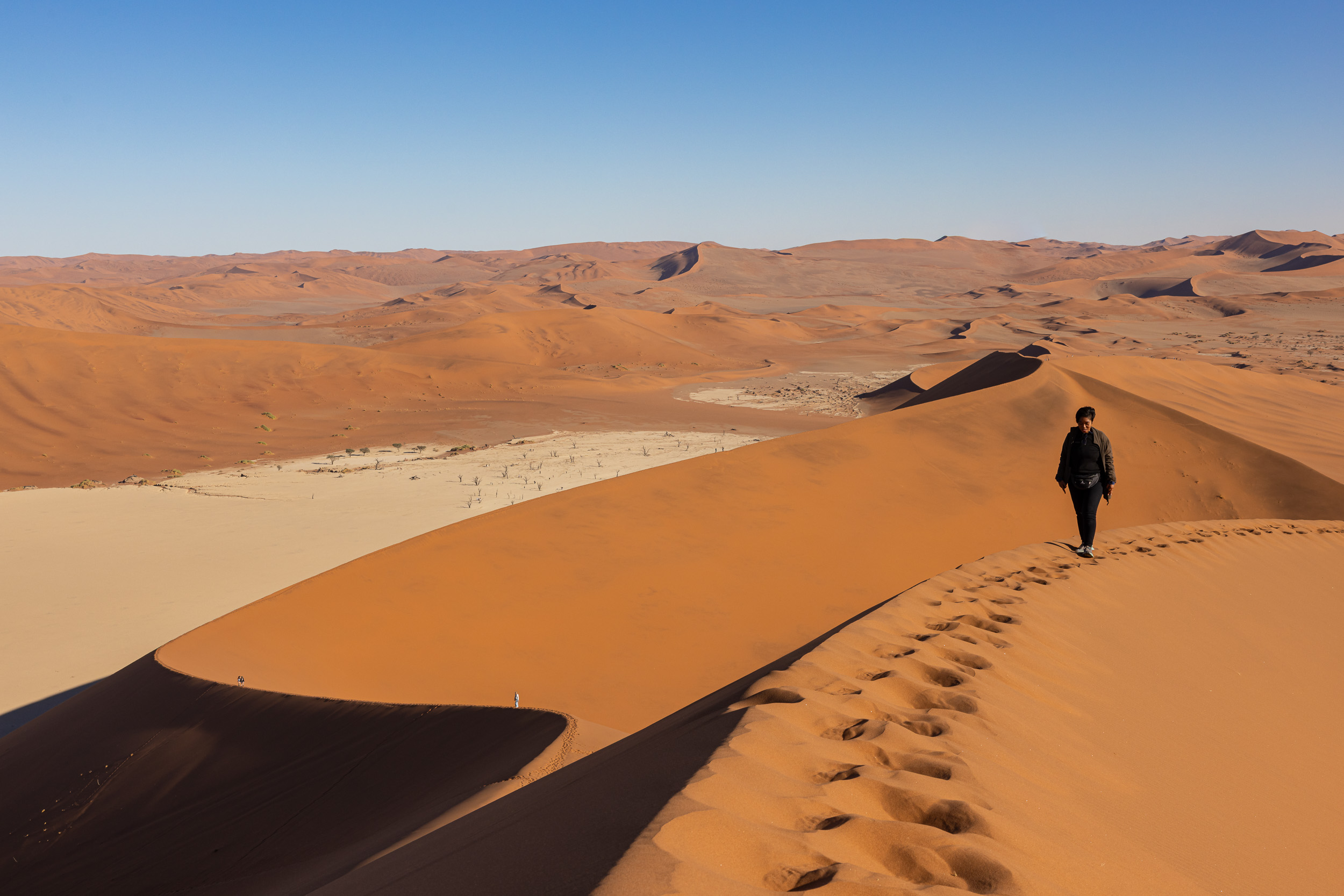
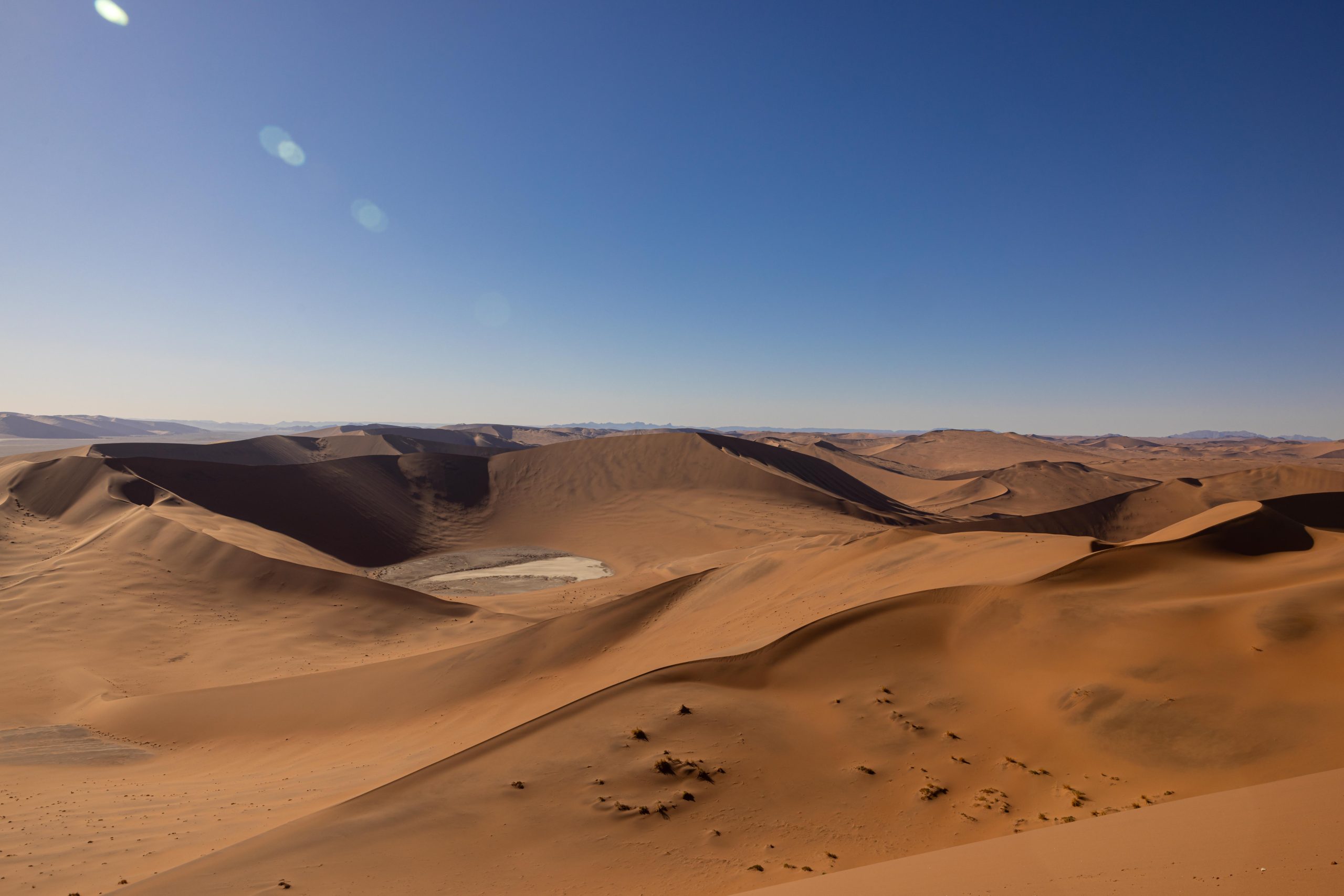
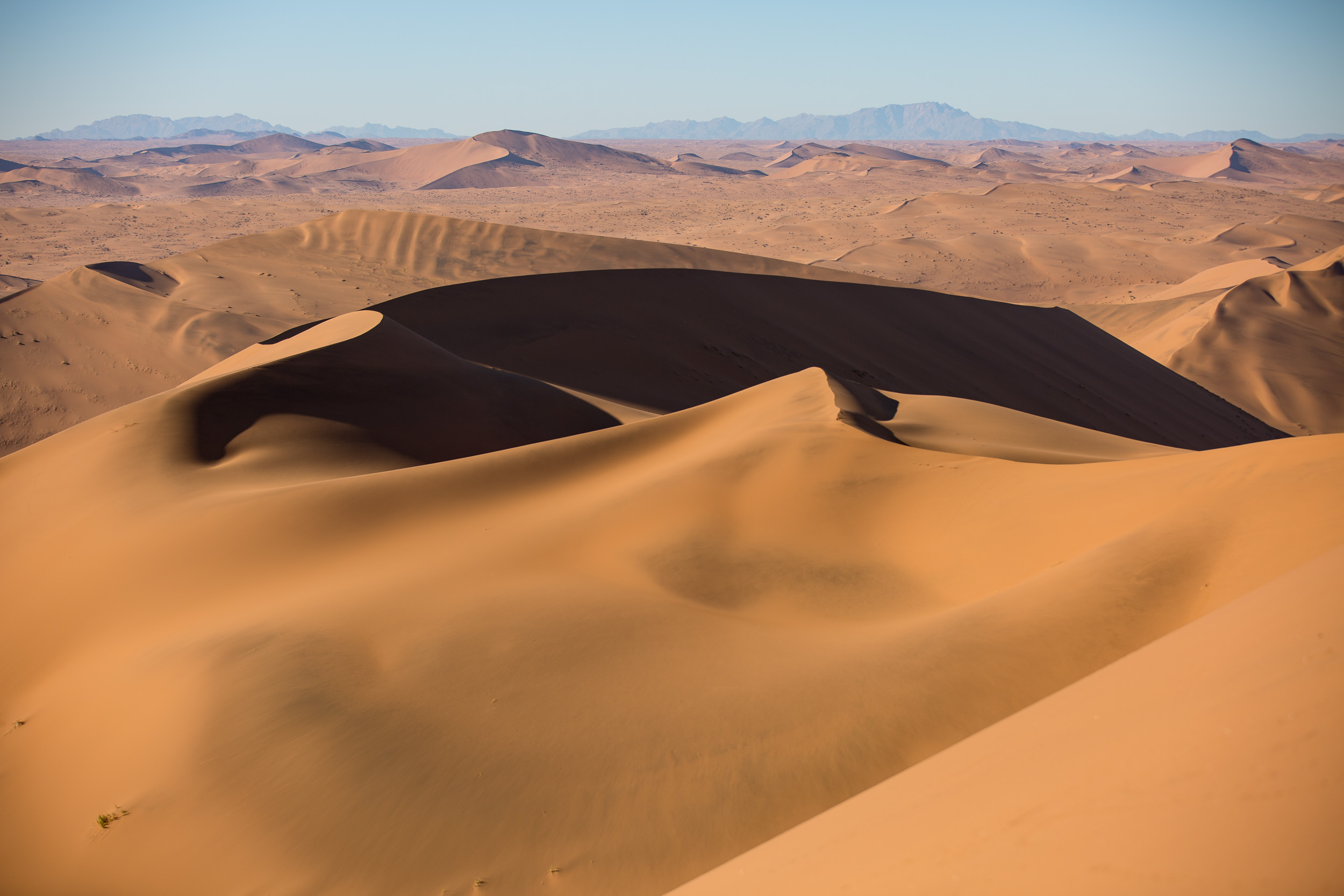
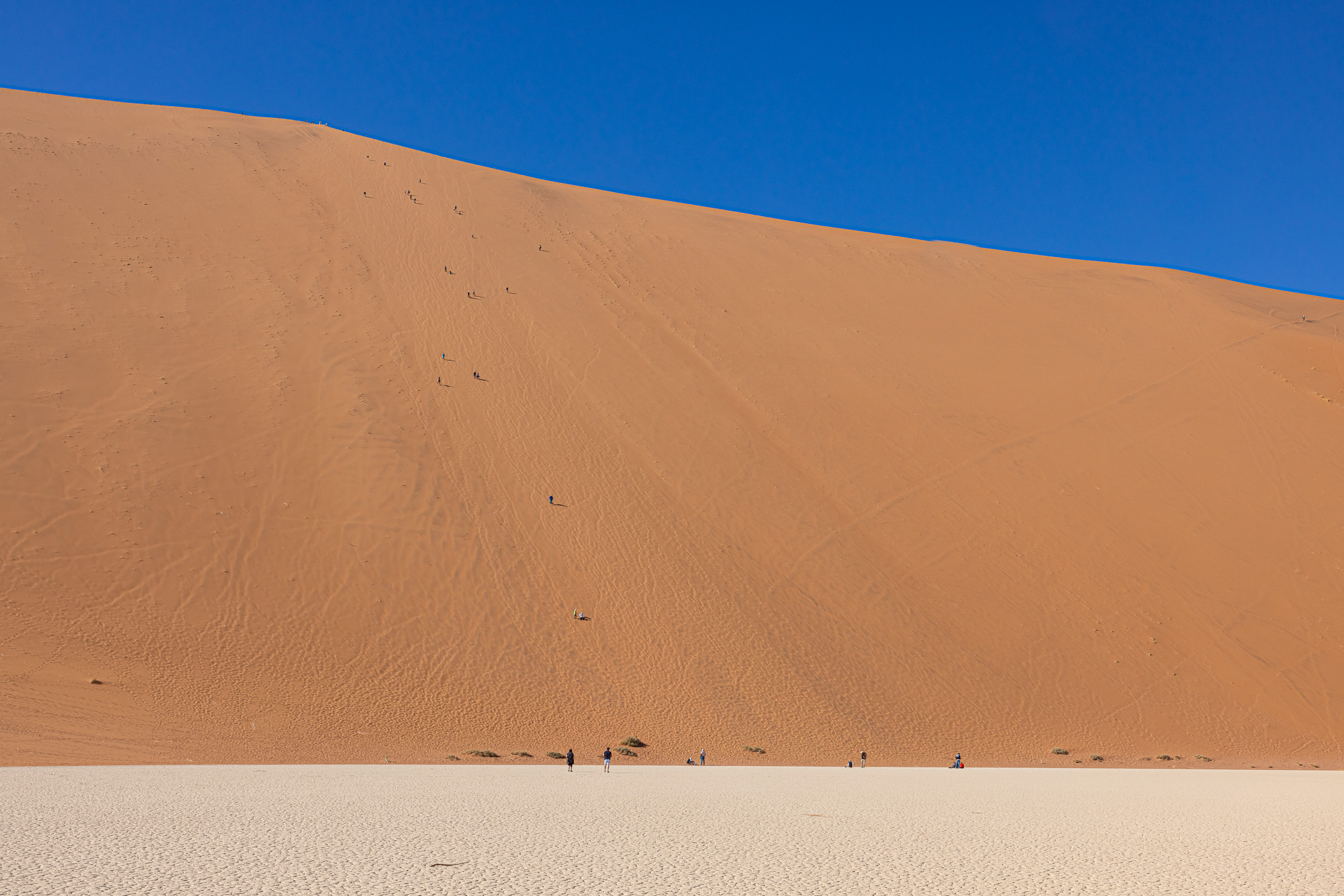
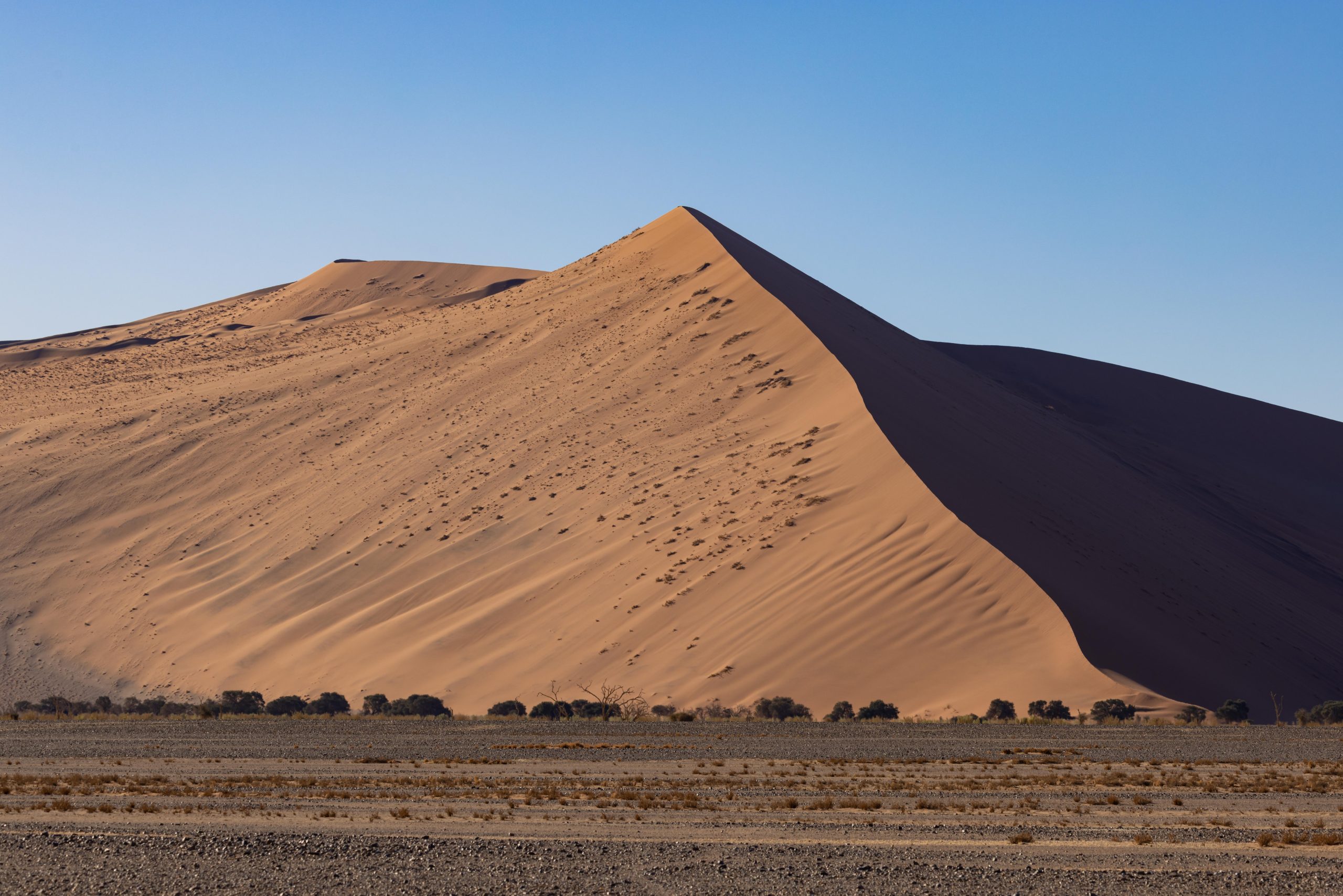
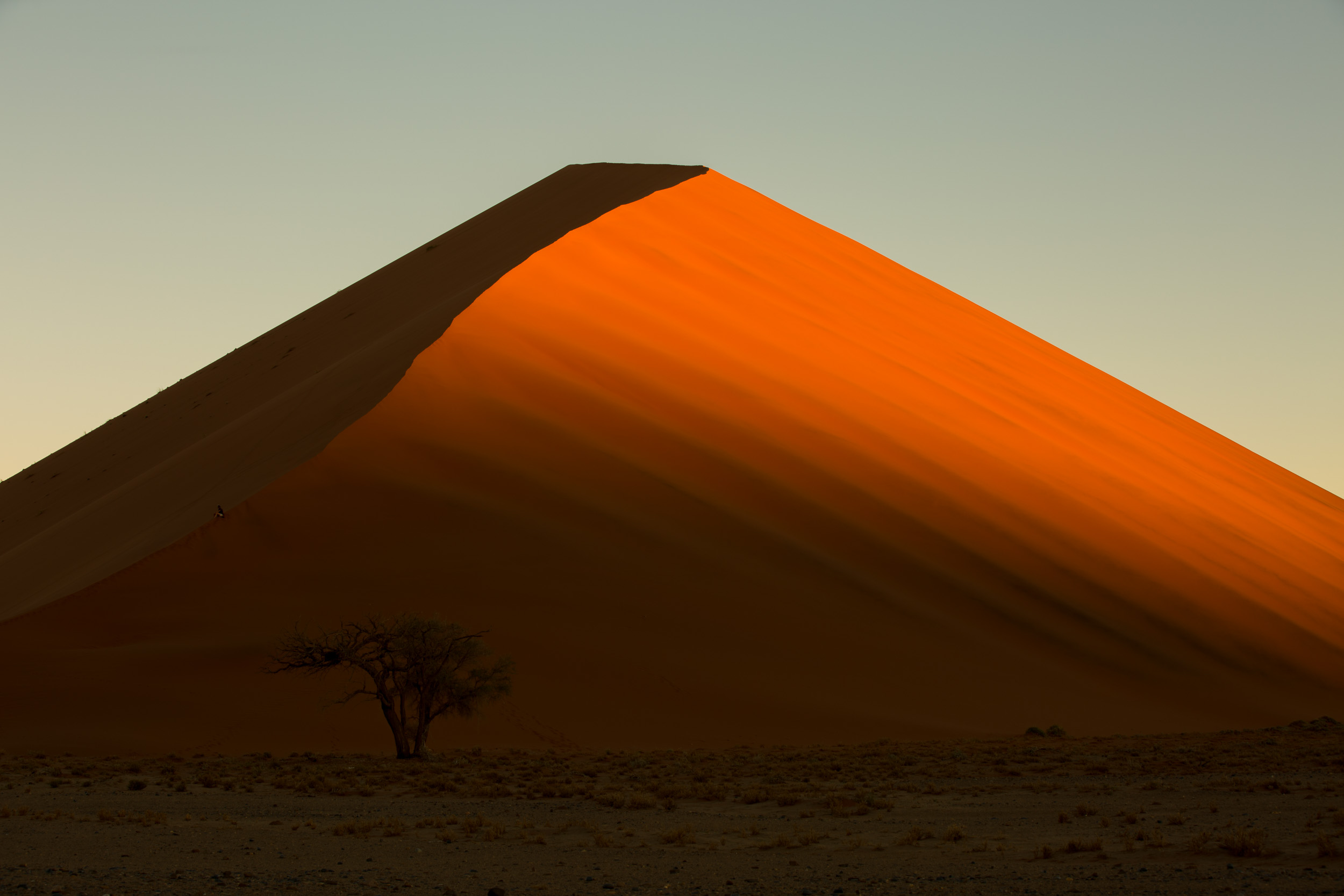
We will wake up early morning, trying to make sure we will be ahead of the largest crowds when the park’s gates open. We then direct to the Big Daddy dune, with 325 meters the tallest sand dune in the world. We will climb to the summit, to enjoy the fantastic views over the red dunes of the Namib desert, as well as the Sossusvlei and Deadvlei.
It’s not an easy climb, as the sand is incredibly soft. But once you’re at the top of the dune it becomes clear why this tough climb is so absolutely worth it; the views are something from another planet…!
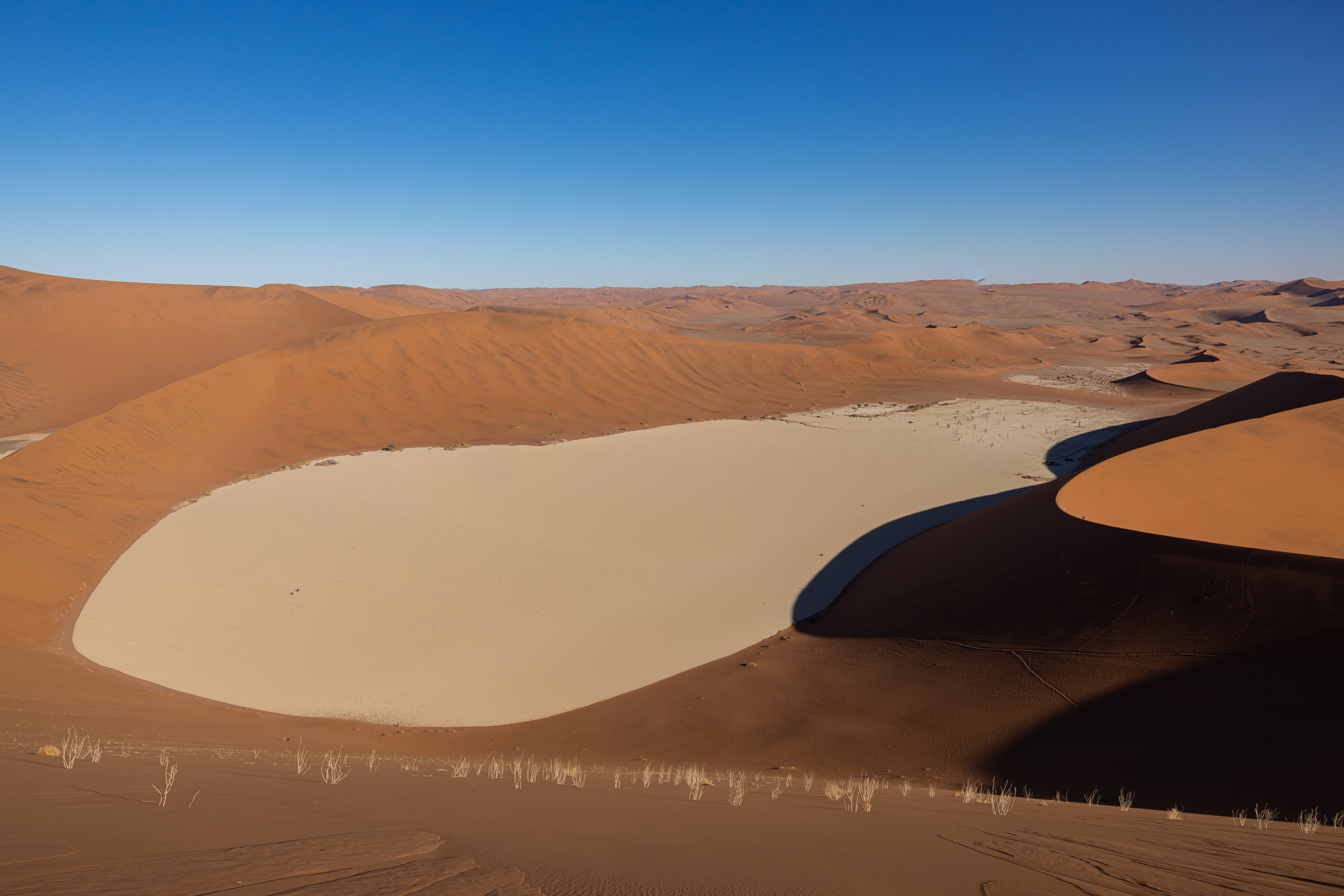
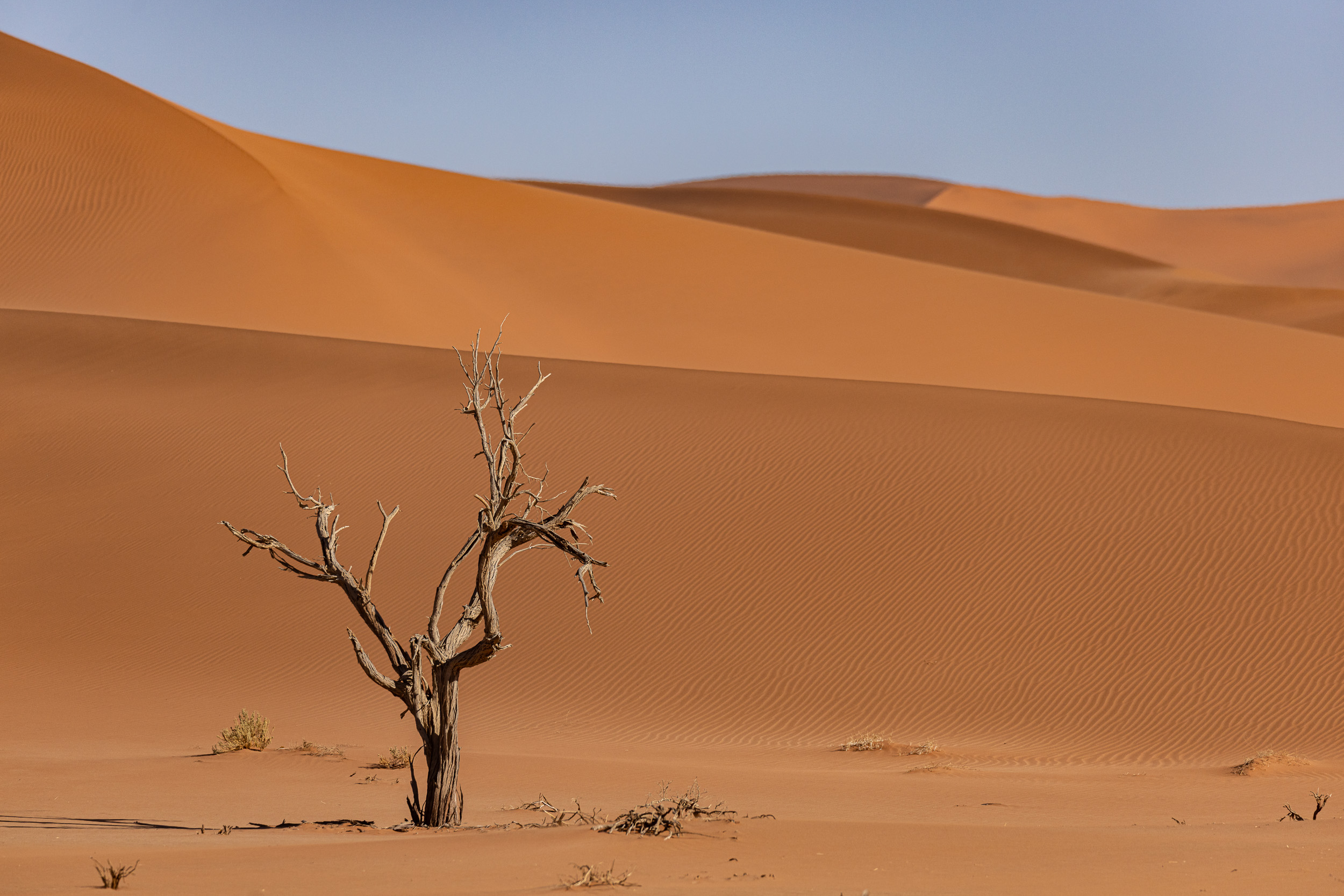
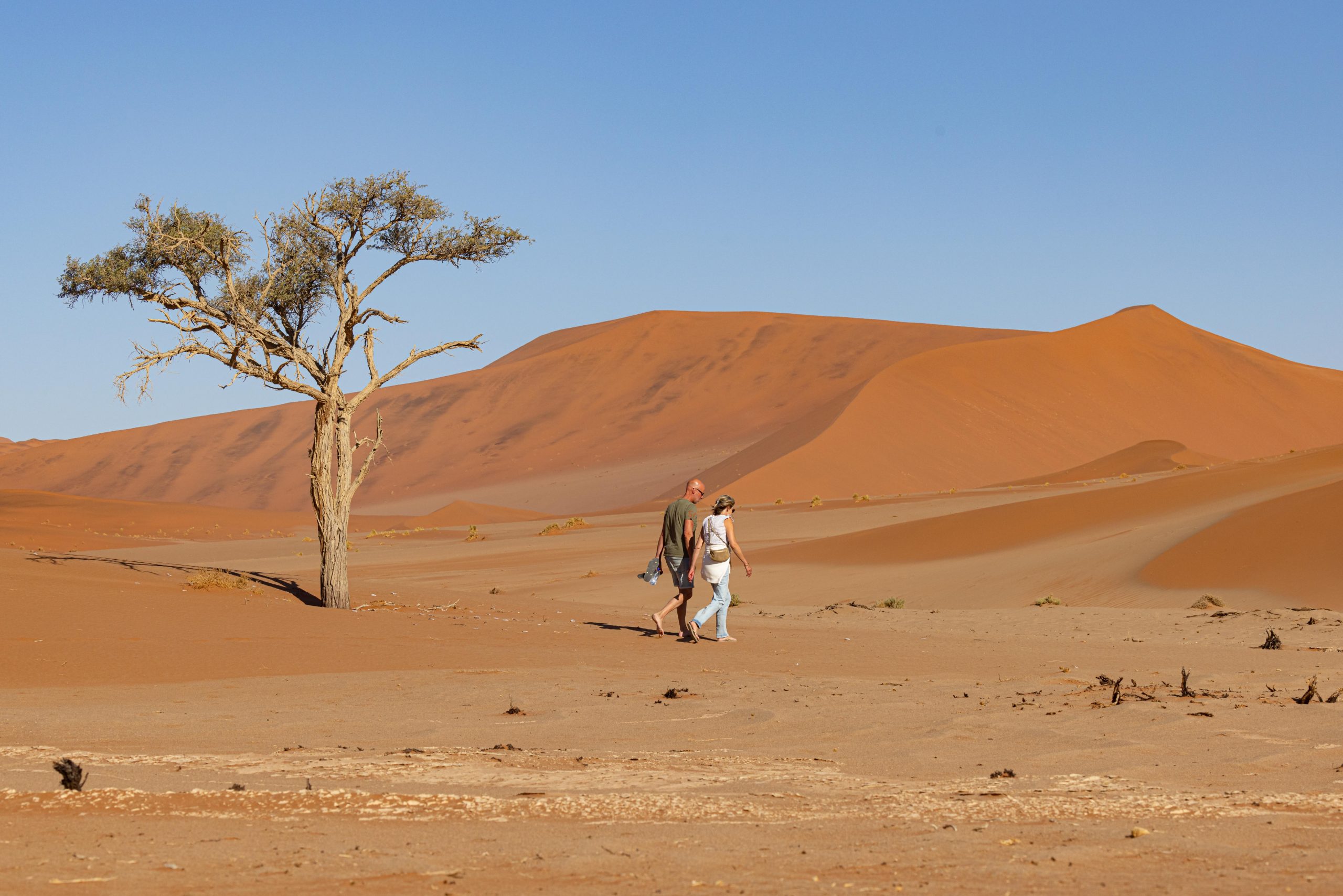
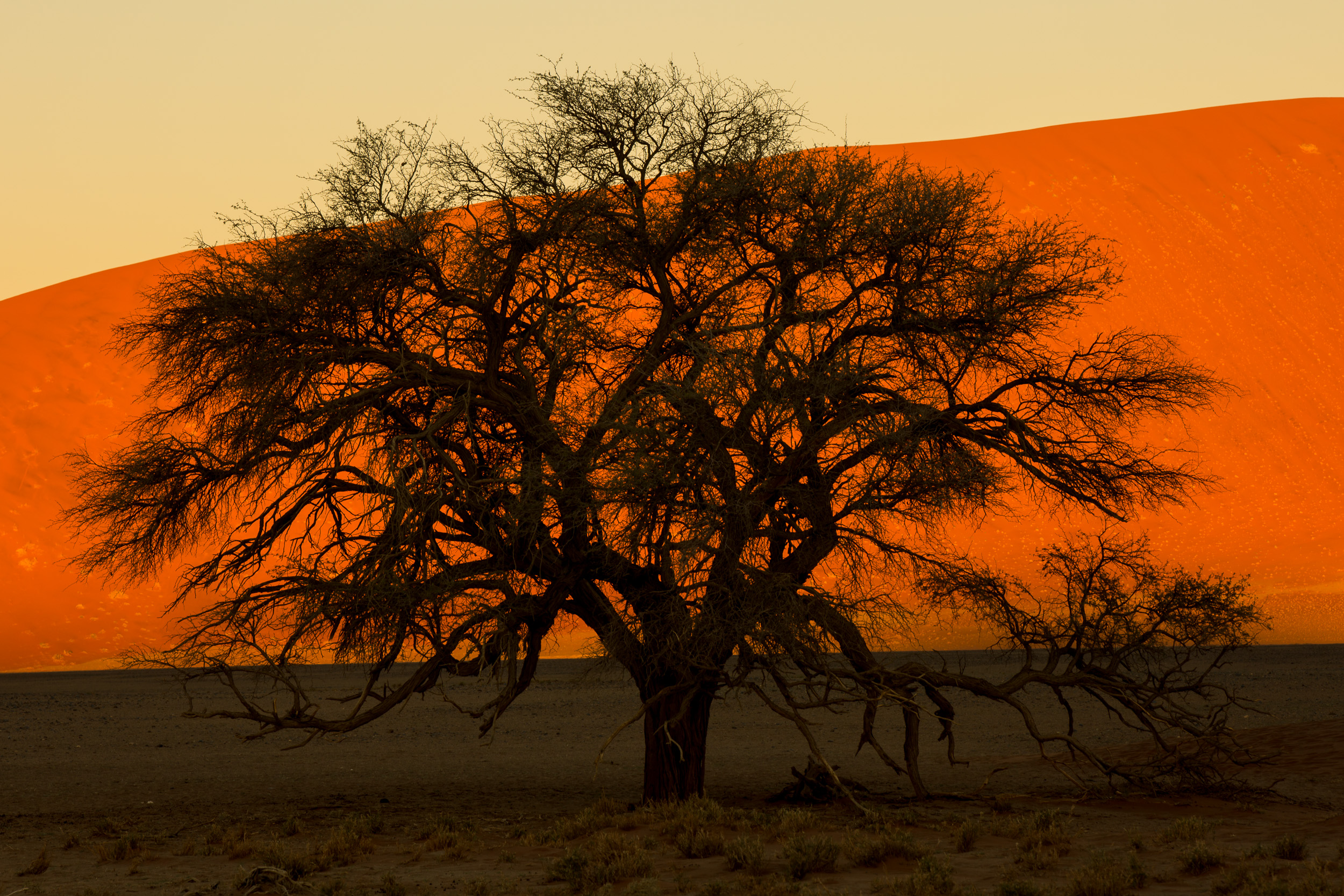
We then descent into the Deadvlei, with its famous dead Camel Thorn Trees. After exploring Deadvlei we will find a quiet spot for a picnic and relax a little.
Later in the afternoon we then drive slowly along some the deserts’ tallest sand dunes. As the sun slowly sets the dunes seem on fire, an unforgettable sight.
Sossusvlei in Namibia
We have to leave the park back to our campsite before the gates are closed, for our last night camping.
Day 19: Sesriem – Windhoek
We pack up camp and may have time for one more short visit into Sossusvlei, or we may explore a nearby gorge. Late morning we drive back to Windhoek, where we return our car and check into our hotel, before our flight back home the next day.