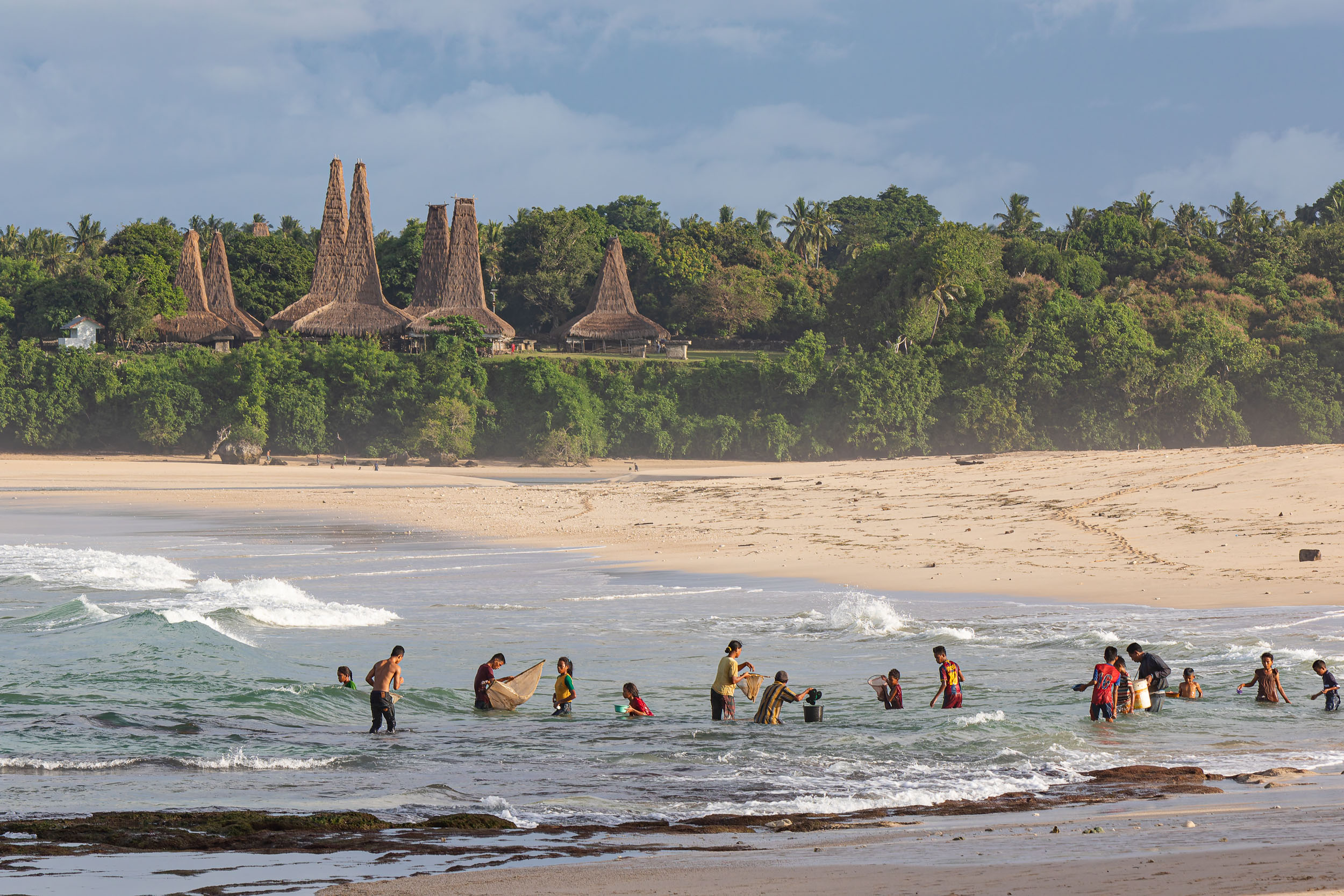
Each year along the western coast of Sumba, thousands of people gather before dawn to witness a natural phenomenon that carries deep spiritual meaning.
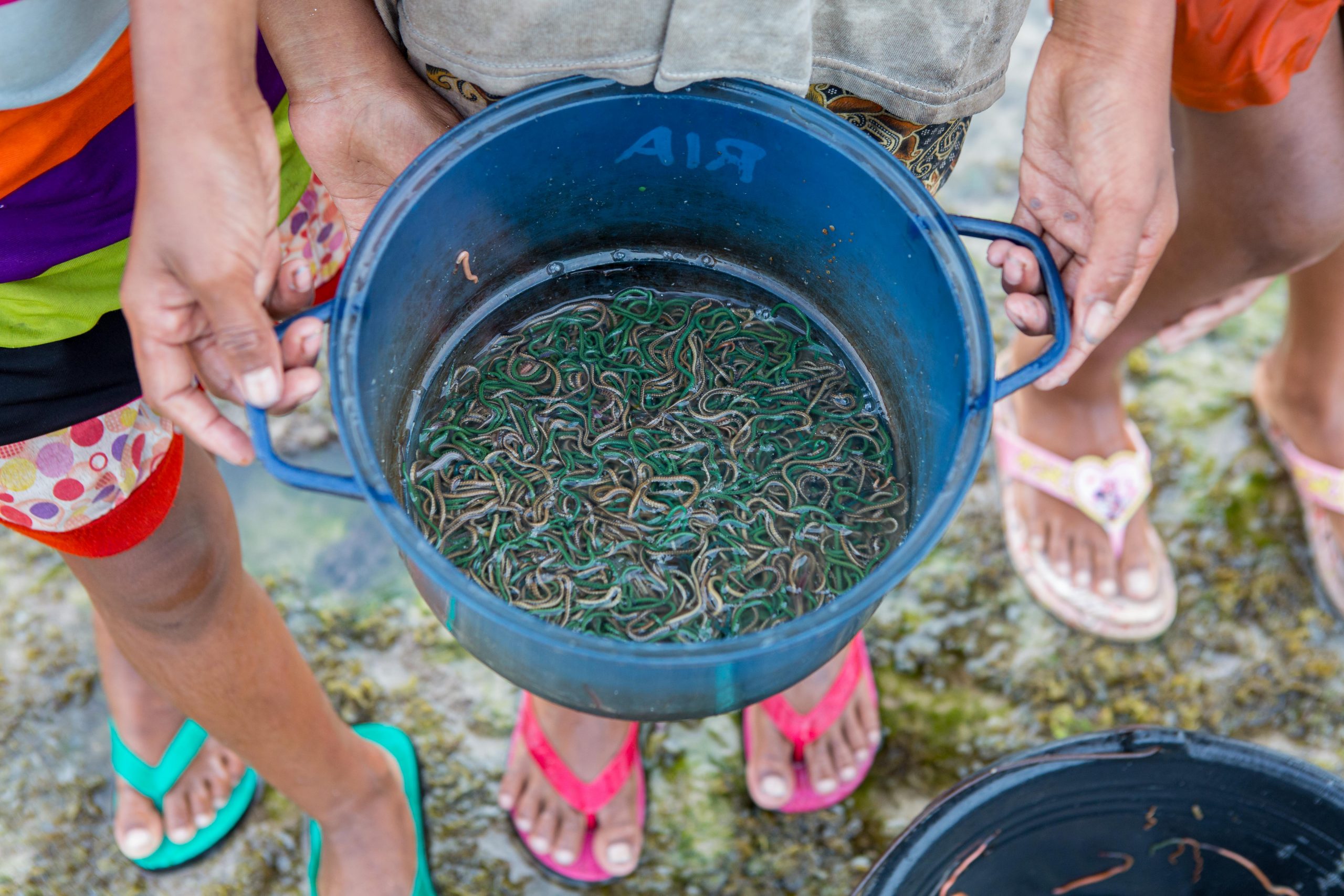
During this event, known as Nyale, colourful sea worms emerge from the ocean in large numbers. According to Sumbanese tradition, the appearance of these worms signals the beginning of the Pasola season, the island’s famous ritual spear battle.
For the Sumbanese people, Nyale is far more than a natural occurrence. It is a sacred moment tied to the Marapu belief system, connecting the cycles of nature with ritual life, agriculture, and the ancestral world.
The Legend of Nyale
According to local legend, Nyale originates from the story of Princess Rabu Kaba, a beautiful daughter of a Sumbanese king.
Many men wished to marry her, and rival clans began competing for her hand. Fearing conflict and bloodshed among her people, the princess chose to sacrifice herself.
She walked into the sea and disappeared beneath the waves.
Soon after, the colourful sea worms appeared along the coast. The people believed the worms were the transformed spirit of the princess, returning each year to bring prosperity and harmony to the land.
To this day, the Nyale are treated with respect as a sacred gift from the sea.
The Night of Nyale
The Nyale ceremony usually takes place between February and March, depending on lunar cycles and traditional calculations made by local priests.
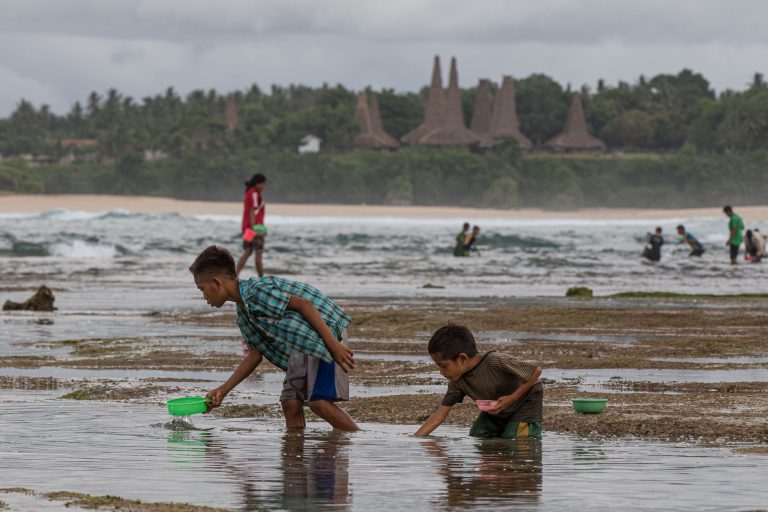
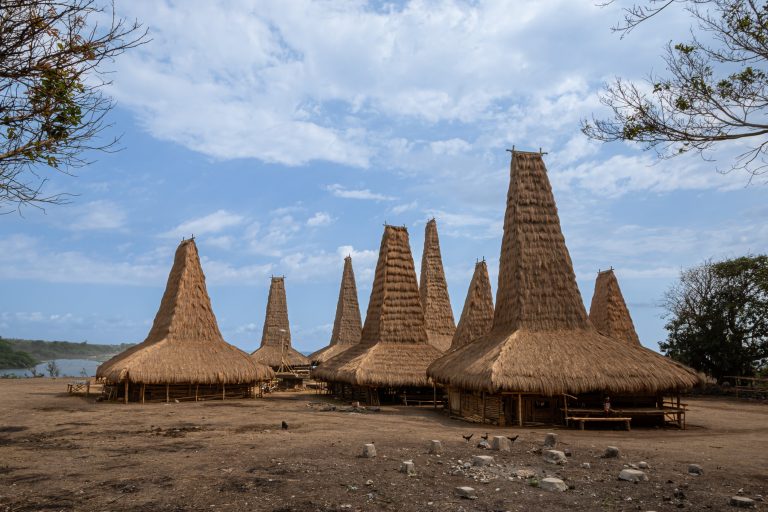
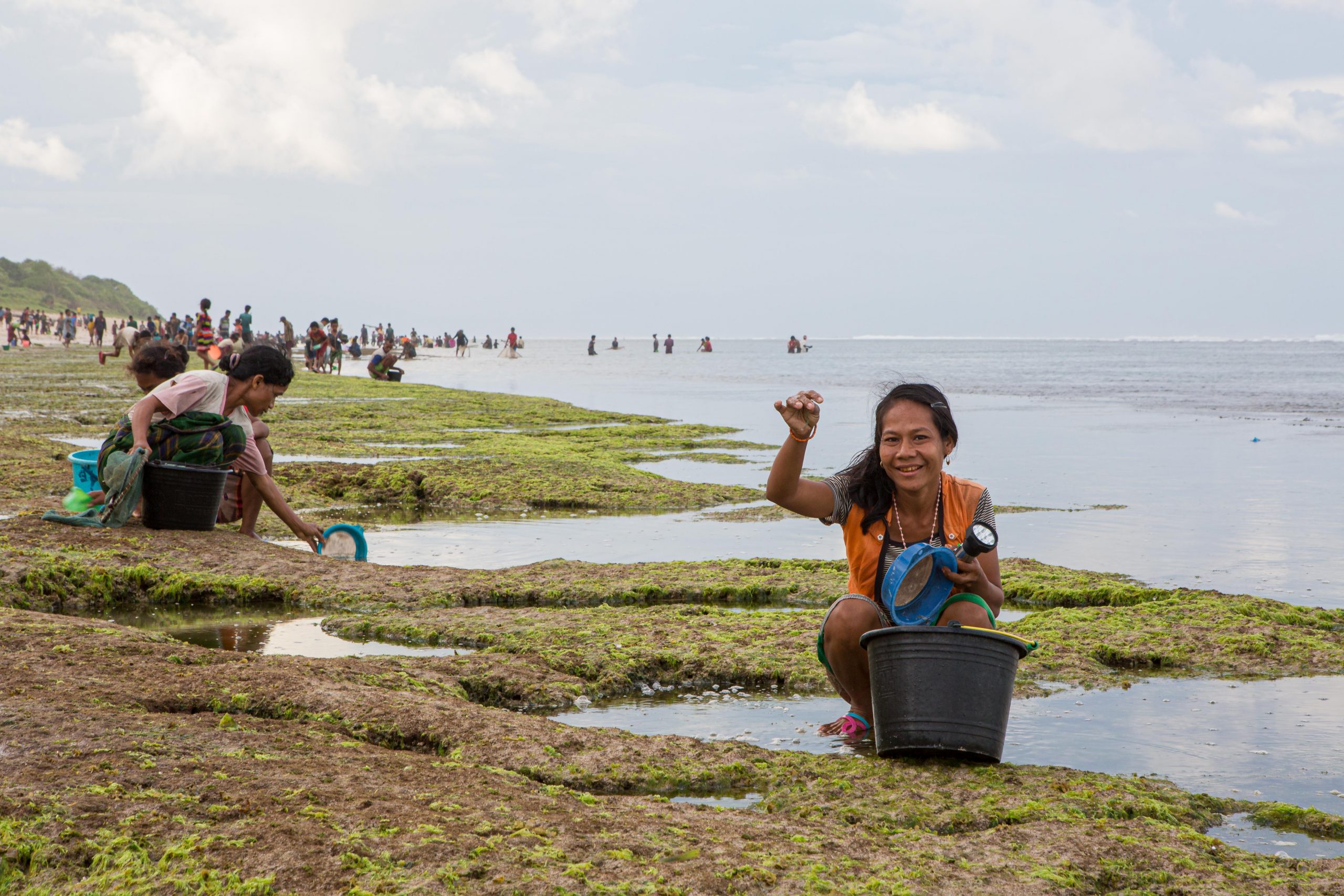
On the night before the appearance, villagers gather along the beaches of West Sumba, especially near Kodi and Wanokaka.
People arrive from nearby villages carrying baskets, lamps, and nets. Music, food stalls, and gatherings create a festive atmosphere that lasts through the night as everyone waits for the first signs of the worms.
Shortly before sunrise, attention turns to the ocean.
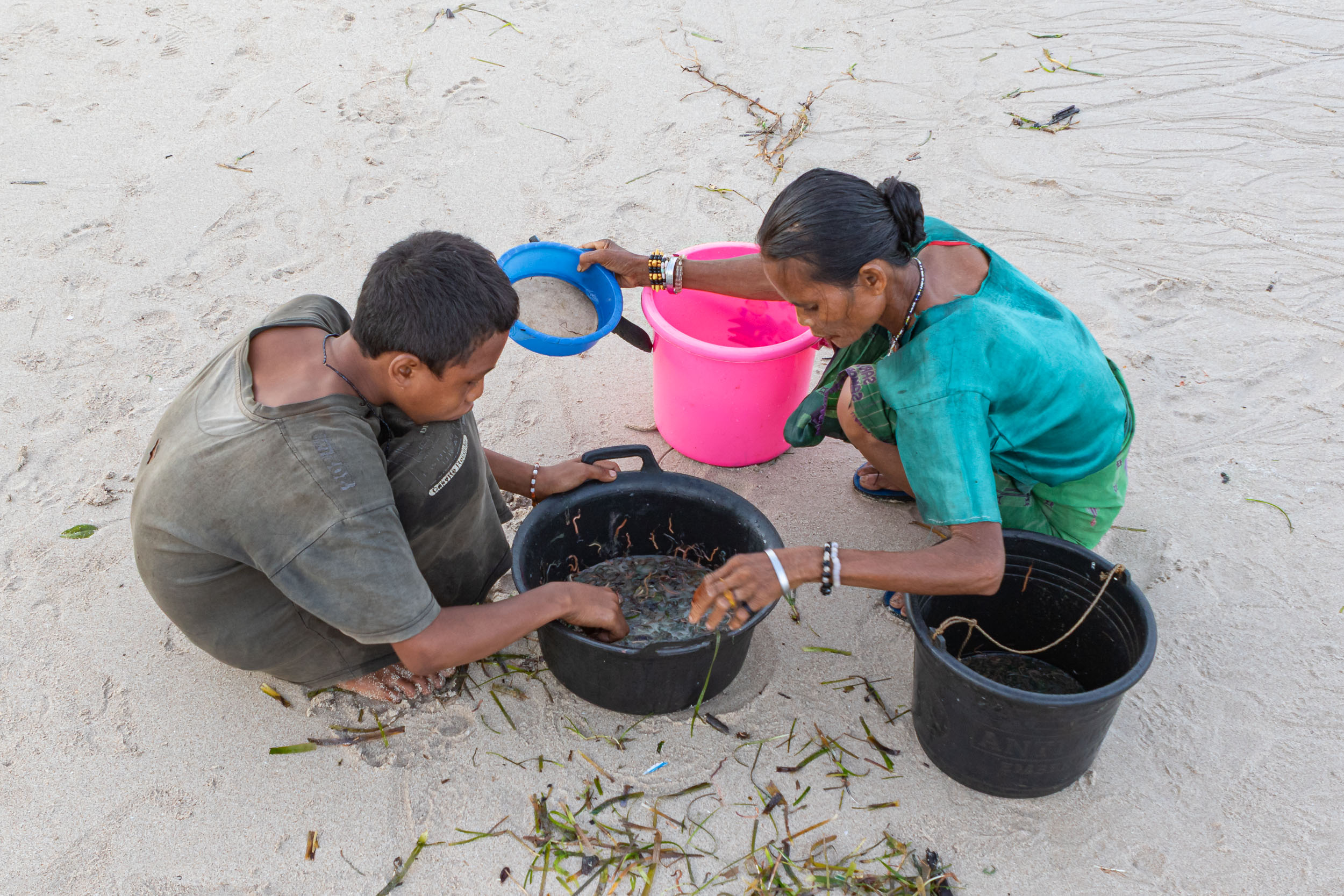
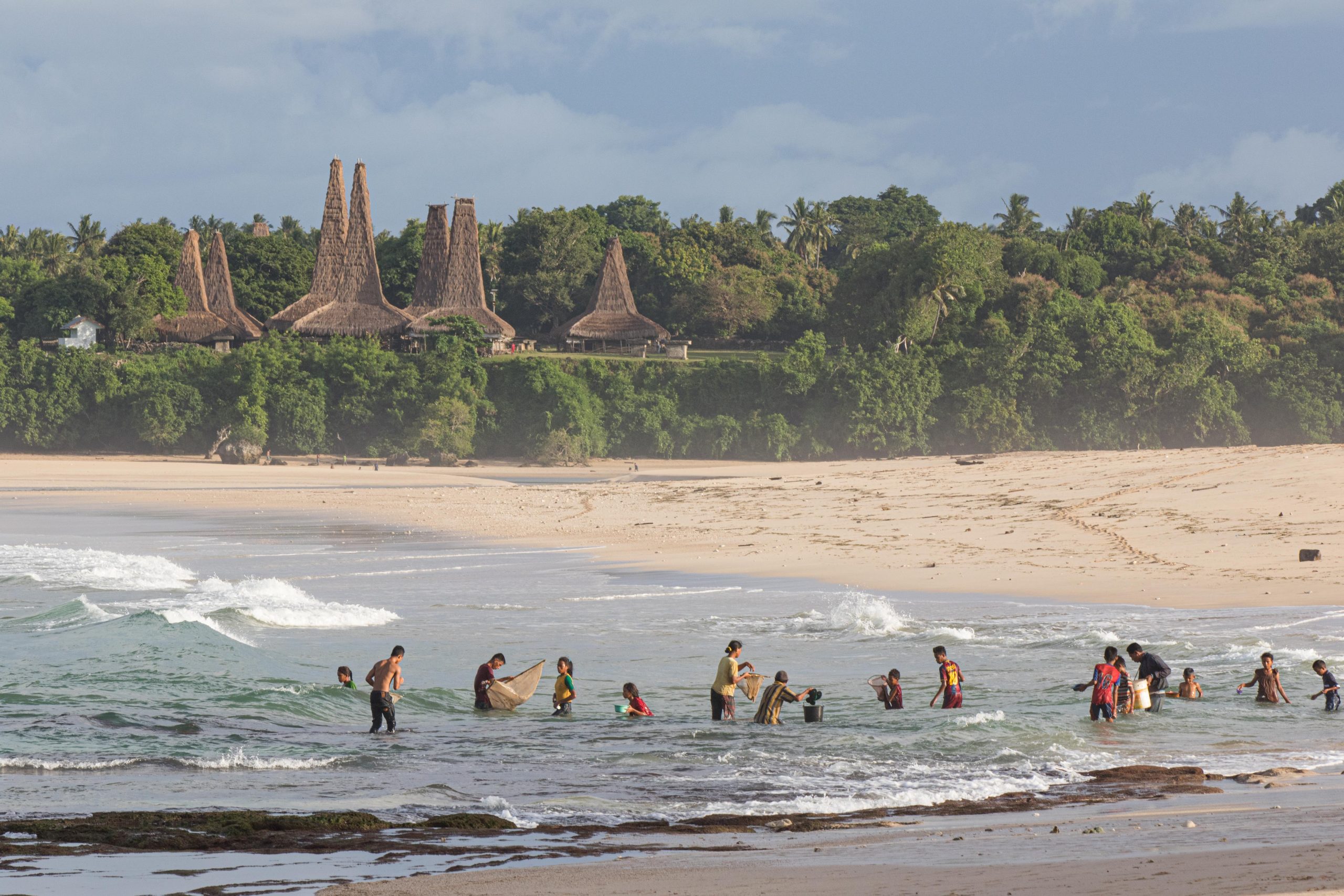
When the tide and moon are right, the Nyale suddenly appear in the shallow water, and hundreds of people rush into the surf to collect them.
Ritual Meaning
For the Sumbanese people, Nyale is closely connected to fertility and agricultural cycles.
The appearance of the worms is interpreted as a sign from the ancestors that the new agricultural season may begin.
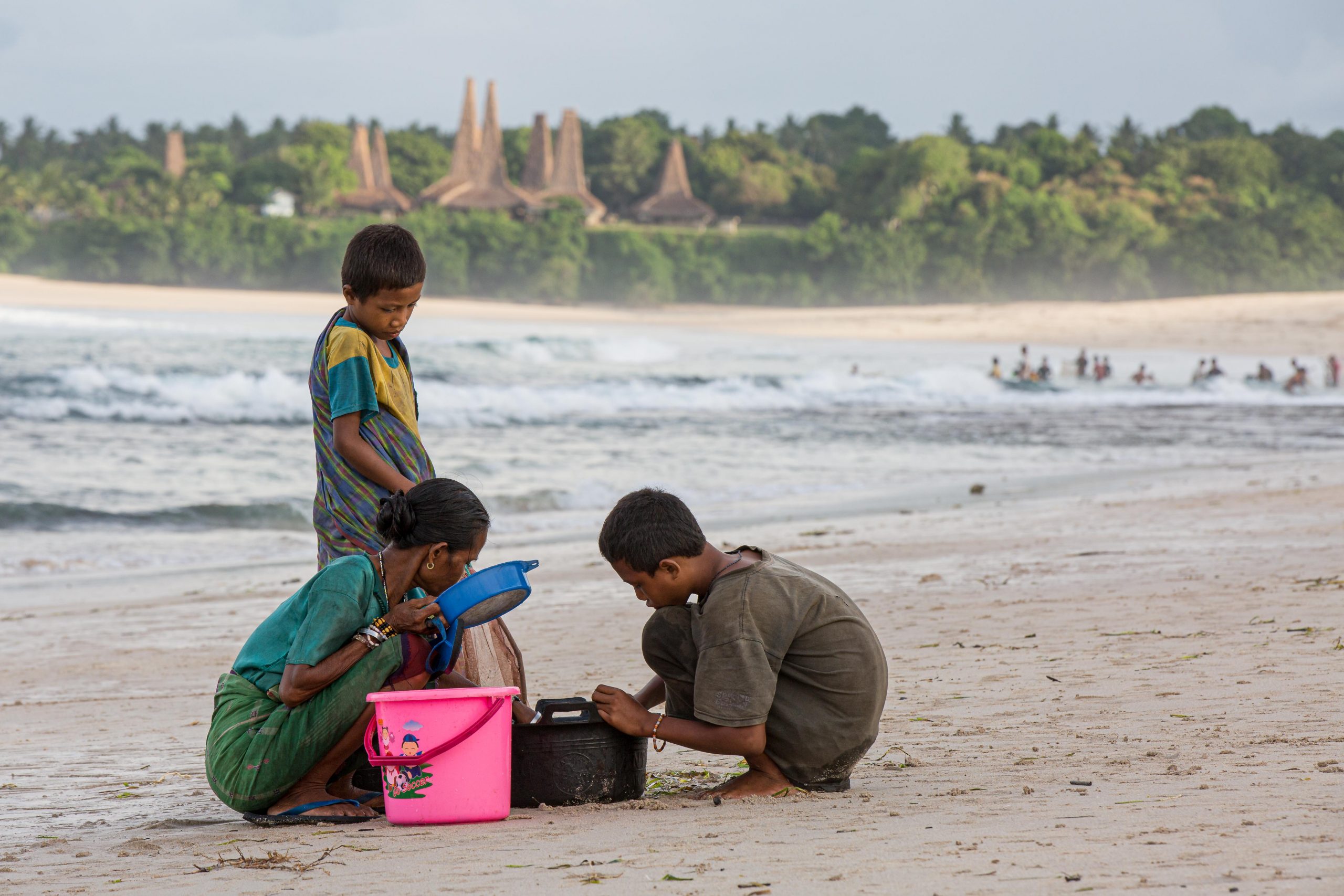
The worms themselves are often eaten or placed in fields as offerings to ensure fertile soil and successful harvests.
Traditional priests, known as Rato, carefully observe the size, colour, and abundance of the Nyale. These signs are interpreted to predict the coming year — whether it will bring prosperity, good harvests, or difficulties.
The Beginning of Pasola
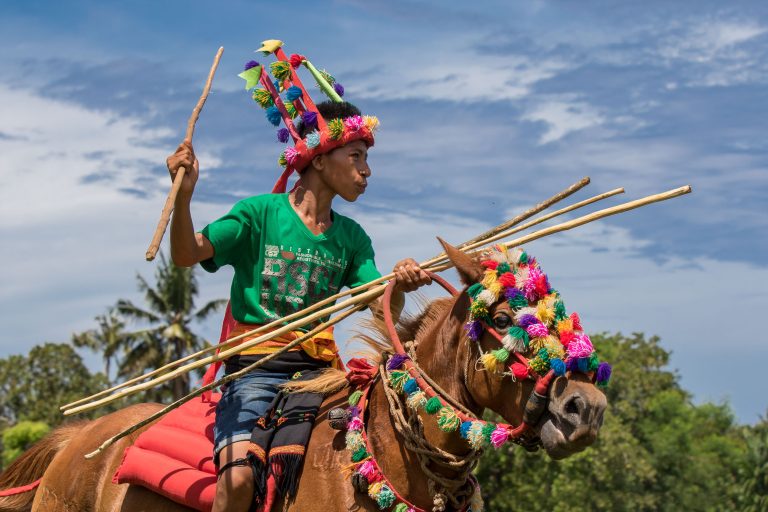
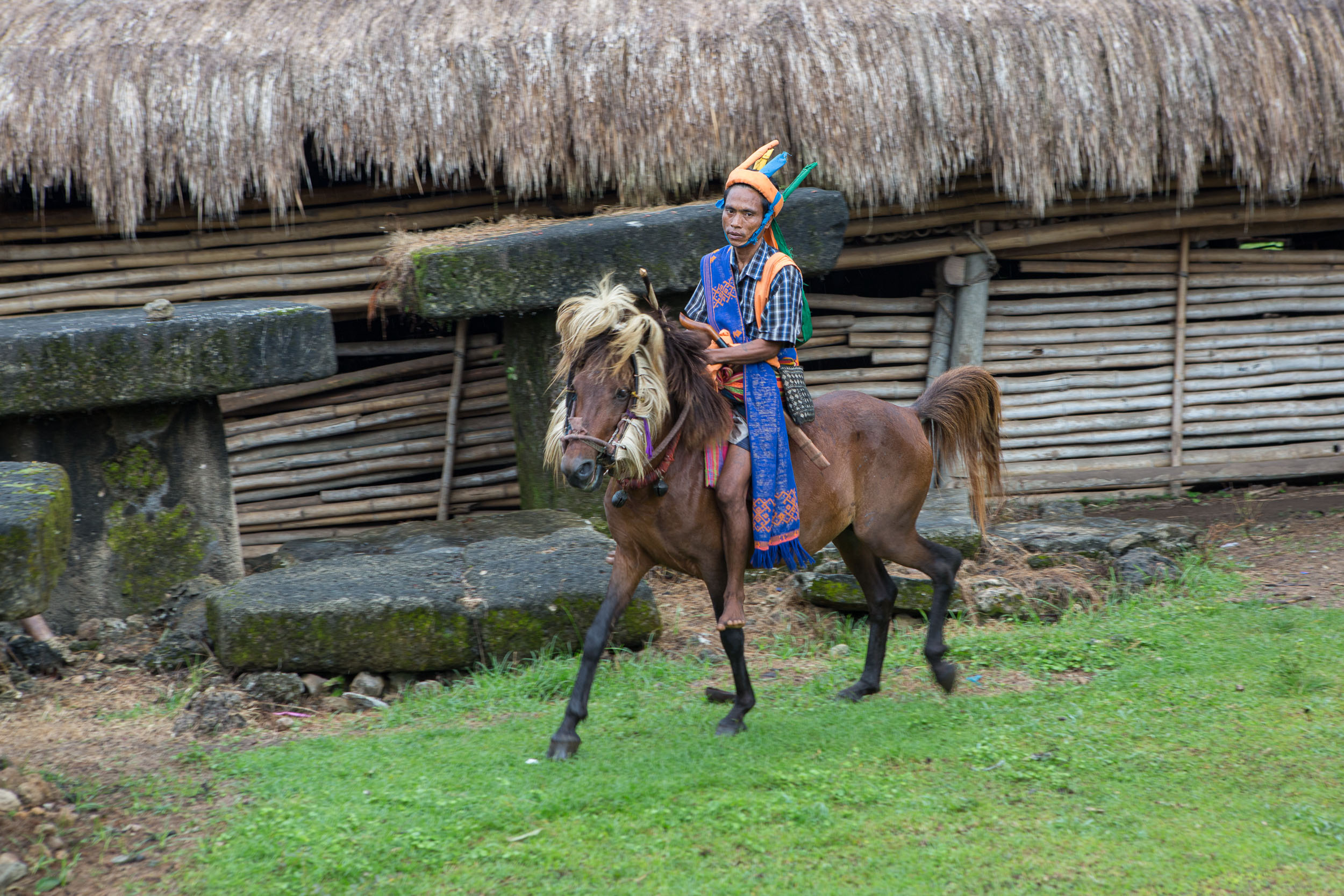
Once the Nyale ritual has taken place, preparations begin for Pasola, the dramatic spear-throwing battle performed by horsemen in the savannah fields of West Sumba.
The exact timing of Pasola depends on the appearance of the Nyale, reinforcing the connection between nature, ritual, and community life.
In this way, Nyale represents the spiritual beginning of the Pasola season.
Nyale Today
Today the Nyale festival still attracts thousands of local participants as well as visitors from across Indonesia.
Despite increasing tourism, the ceremony remains deeply rooted in traditional beliefs and continues to play an important role in the cultural life of Sumba.
For many Sumbanese, Nyale is not simply a festival but a reminder of the enduring relationship between the sea, the land, and the ancestral world.