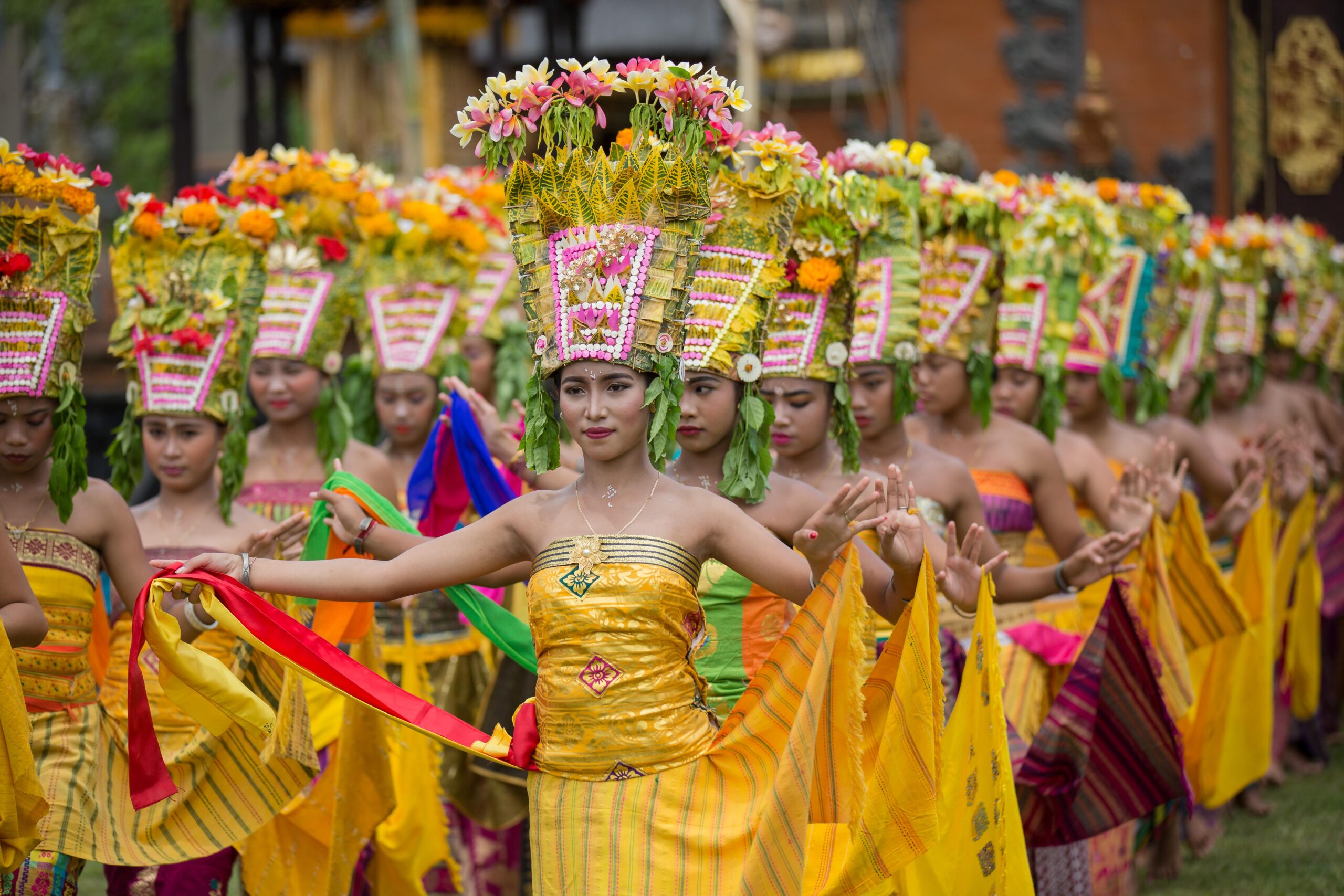
A sacred temple dance during Manis Kuningan in Karangasem
In the villages of East Bali, particularly in the regency of Karangasem, a quiet and deeply spiritual dance unfolds in temple courtyards during Manis Kuningan, the days following Kuningan.
This period forms the closing phase of the Galungan–Kuningan cycle. While Kuningan marks the departure of ancestral spirits who have visited the earthly realm, Manis Kuningan is a time of gratitude — a continuation of ceremonies dedicated to giving thanks to the deities and ancestors for their presence.
Within this quieter, reflective atmosphere, Rejang is performed as an offering. The dance is not directed toward an audience, but toward the unseen — a gesture of devotion embedded in the rhythm of temple ritual.
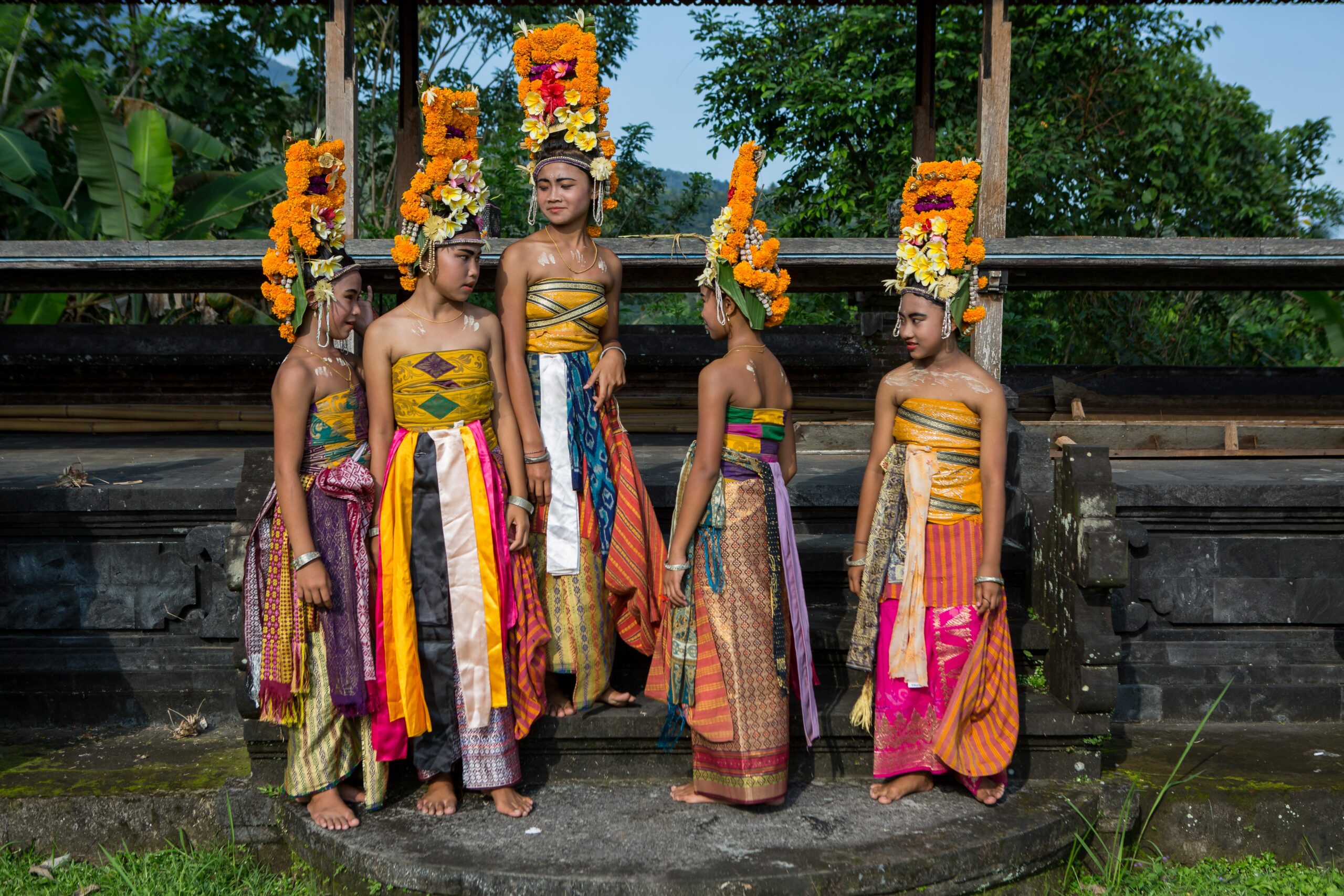
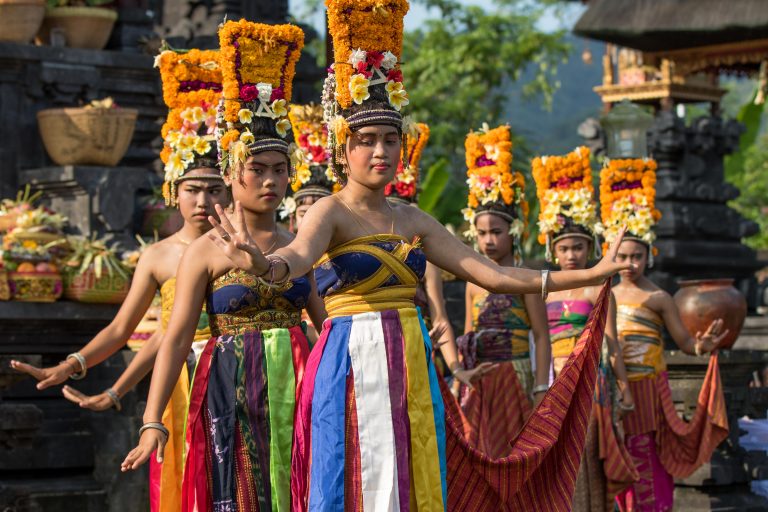
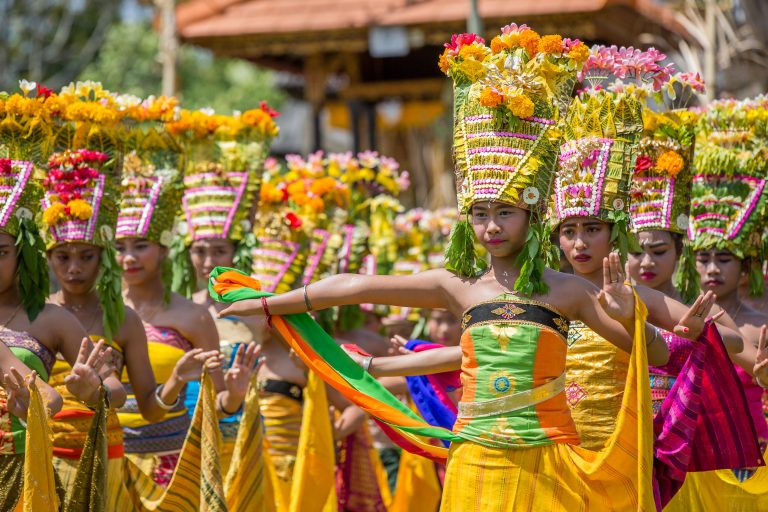
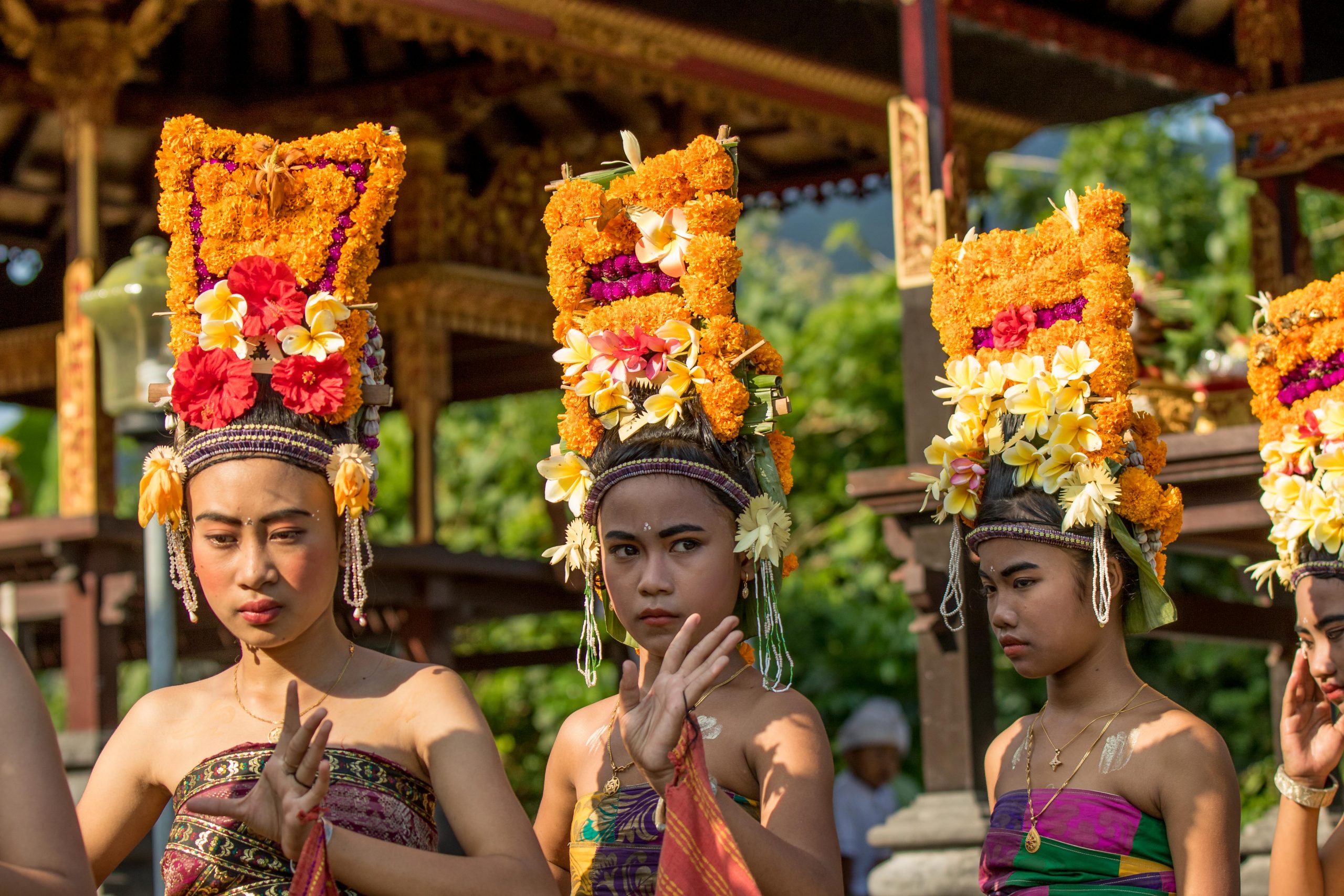
Rejang dancers during Manis Kuningan in East Bali
A Sacred Dance of Offering
Known as Rejang, this sacred dance is performed by young women and girls dressed in ceremonial attire, moving in slow, circular formations around temple shrines.
Unlike many Balinese dances created for storytelling or performance, Rejang is not intended for an audience. It exists as an offering — a dance dedicated to gods and ancestral spirits.
Rejang belongs to the highest category of Balinese dance: Wali, or sacred temple dances.
Balinese dance is traditionally divided into three categories:
Wali – sacred dances performed exclusively for ritual purposes inside temples Bebali – ceremonial dances that support rituals, often with narrative elements Balih-balihan – dances performed for entertainment or public audiences
As a Wali dance, Rejang is inseparable from ritual context. Its purpose is not expression, but devotion.
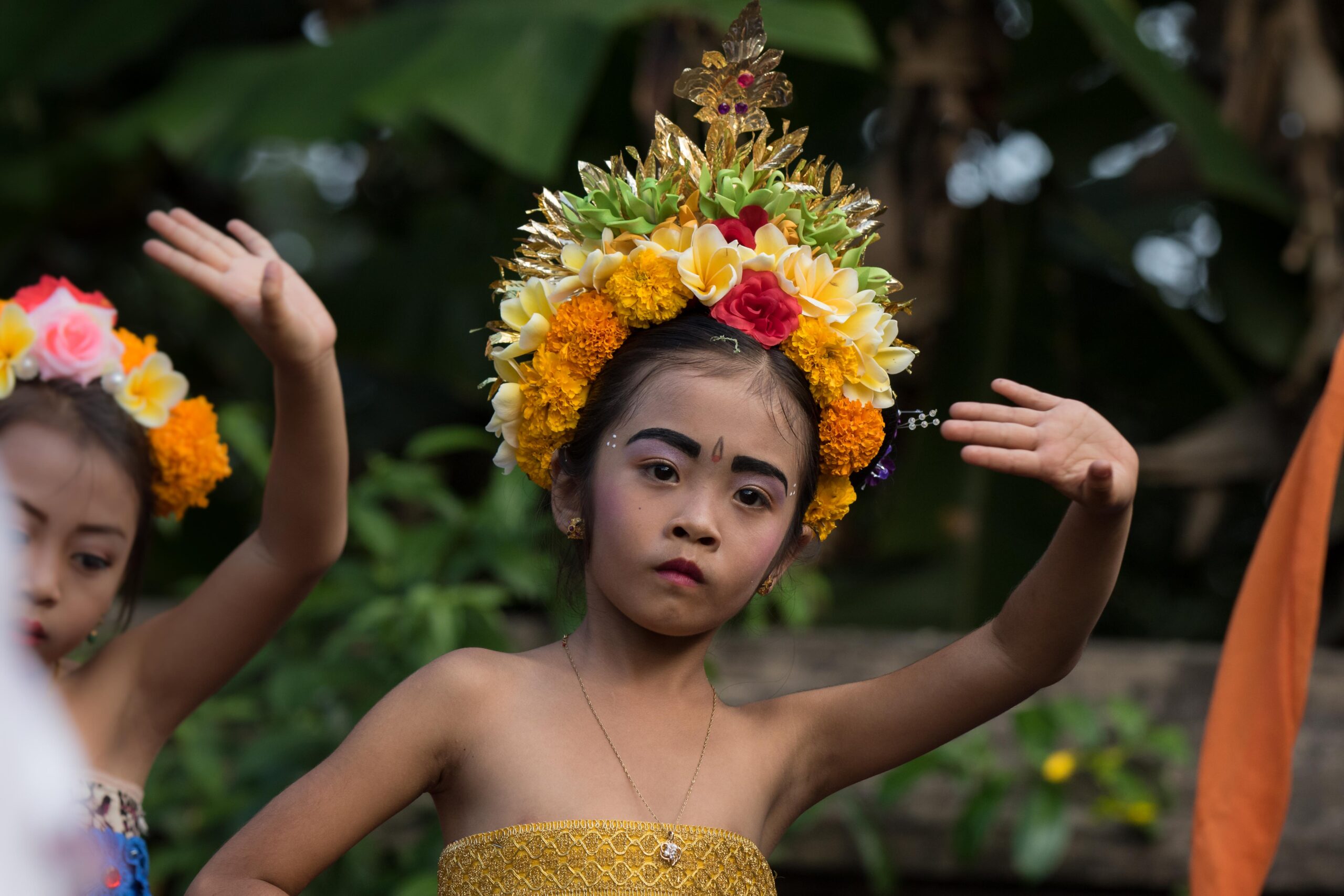
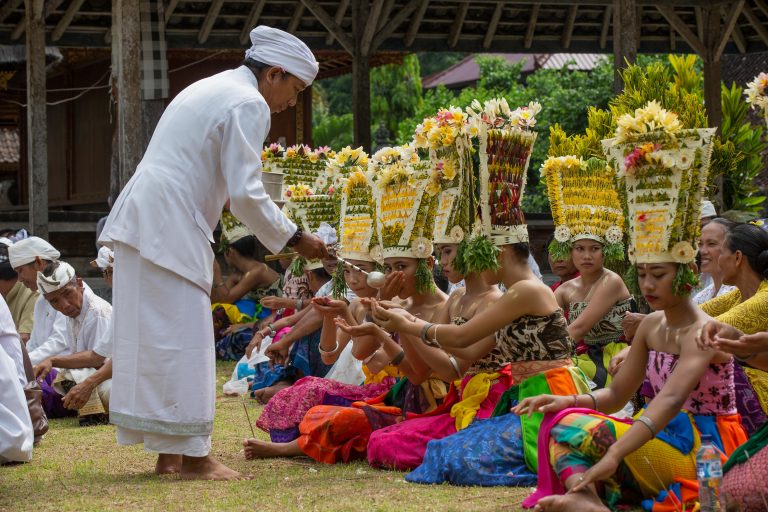
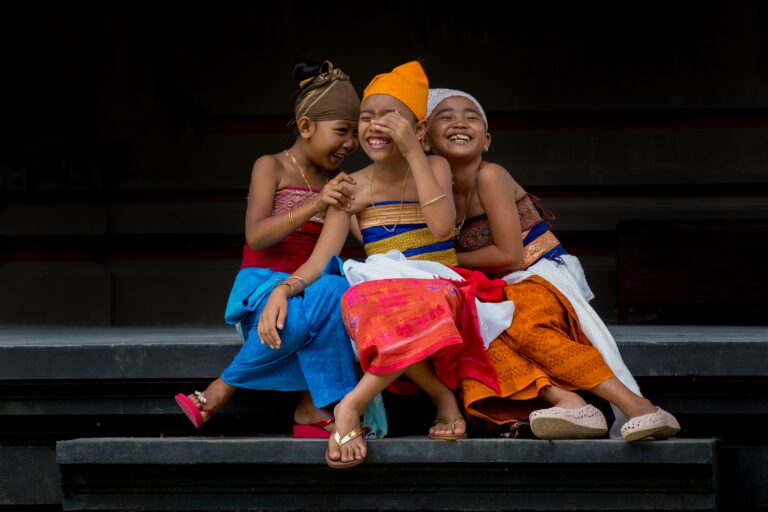
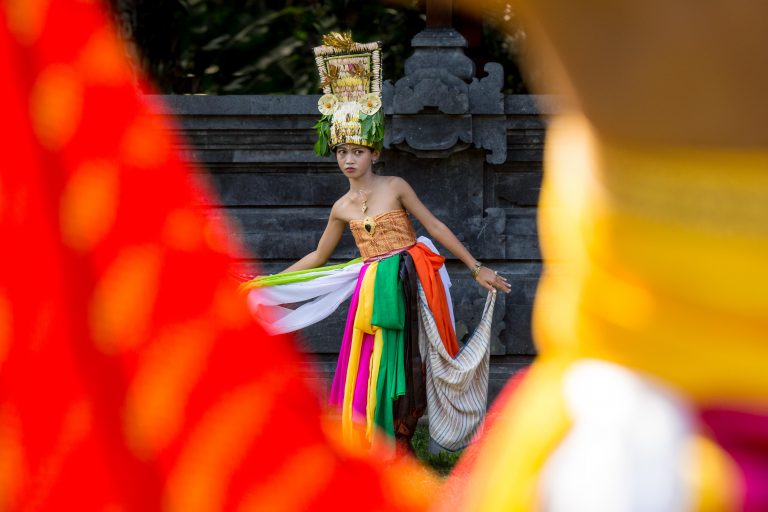
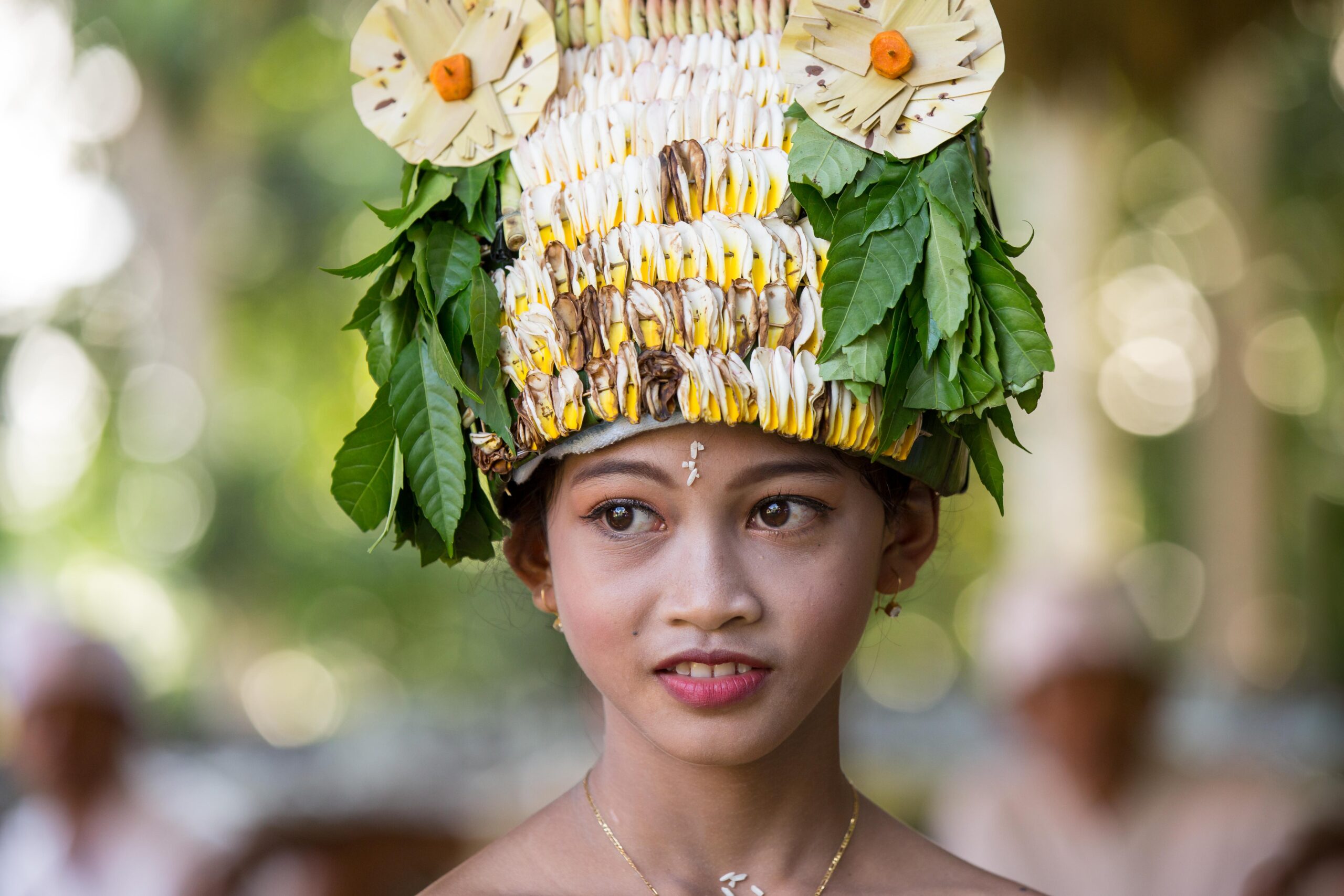
Young Rejang dancer during Manis Kuningan in Bali
Manis Kuningan in East Bali
In East Bali, and particularly across the temple networks of Karangasem, the days of Manis Kuningan carry a quieter, more introspective atmosphere.
Following the culmination of Kuningan, ceremonies continue at a more local level, shaped by village traditions and temple affiliations. Rather than marking a single moment in the ritual calendar, this period extends the presence of ceremony into everyday village life.
It is within this context that Rejang takes place.
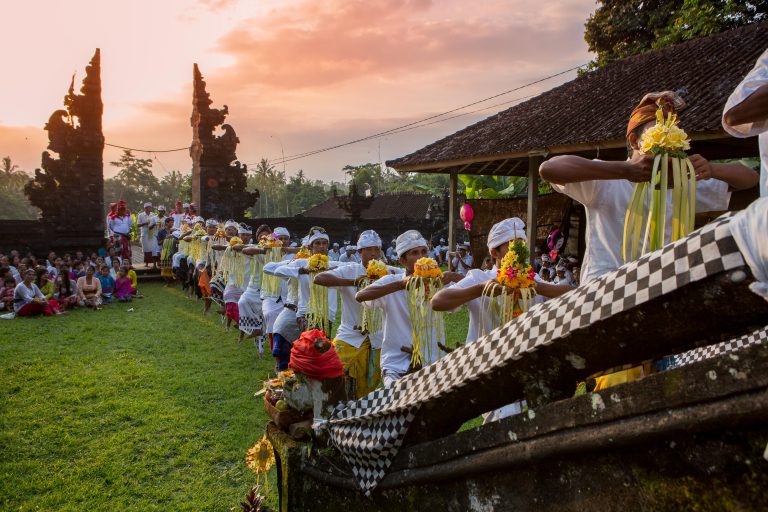
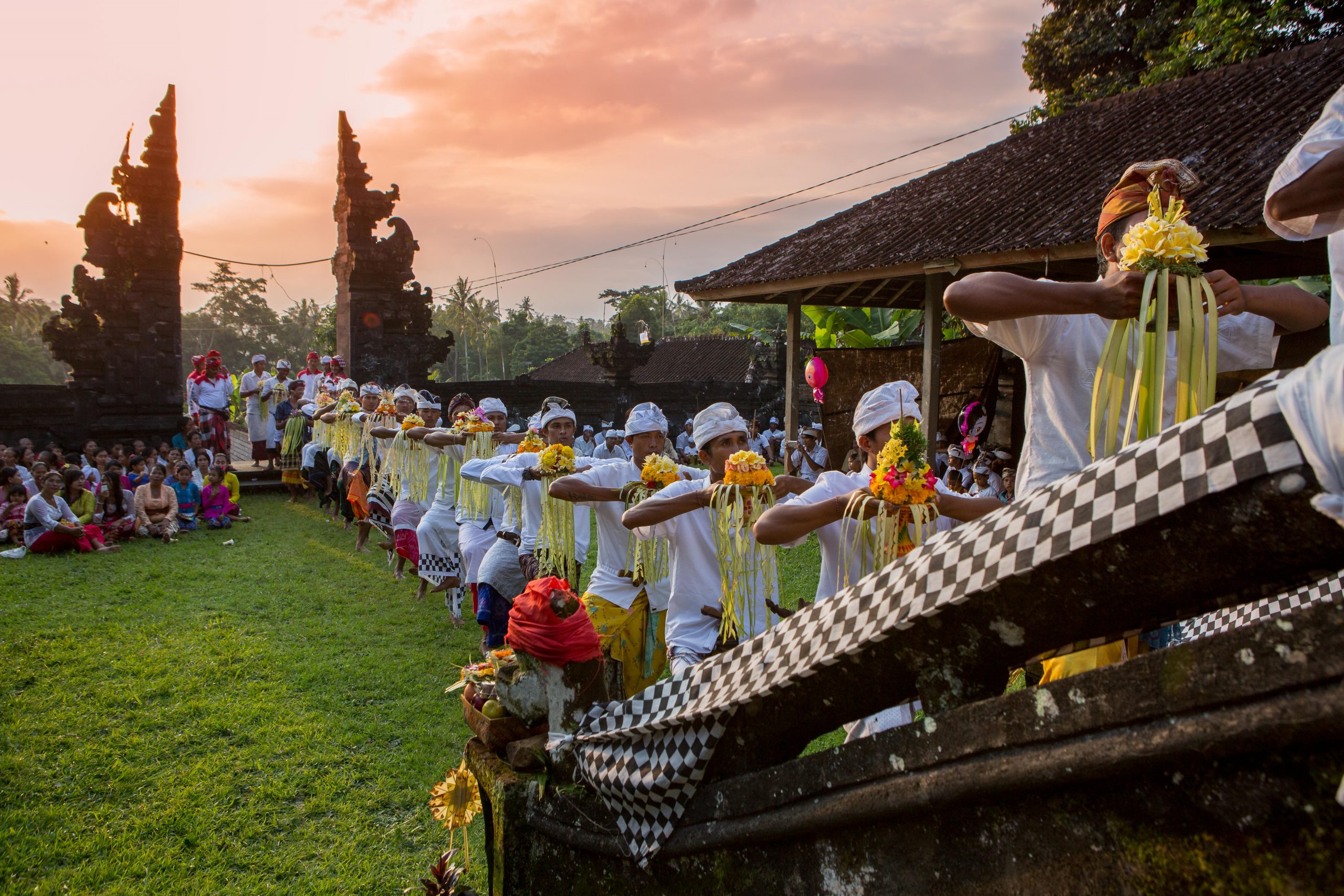
The dance does not stand apart as a focal performance. Instead, it is woven into the fabric of temple activity — moving alongside offerings, prayers, and the subtle rhythms of community participation.
What emerges is not a staged event, but a lived ritual environment, where movement, sound, and devotion exist as one.
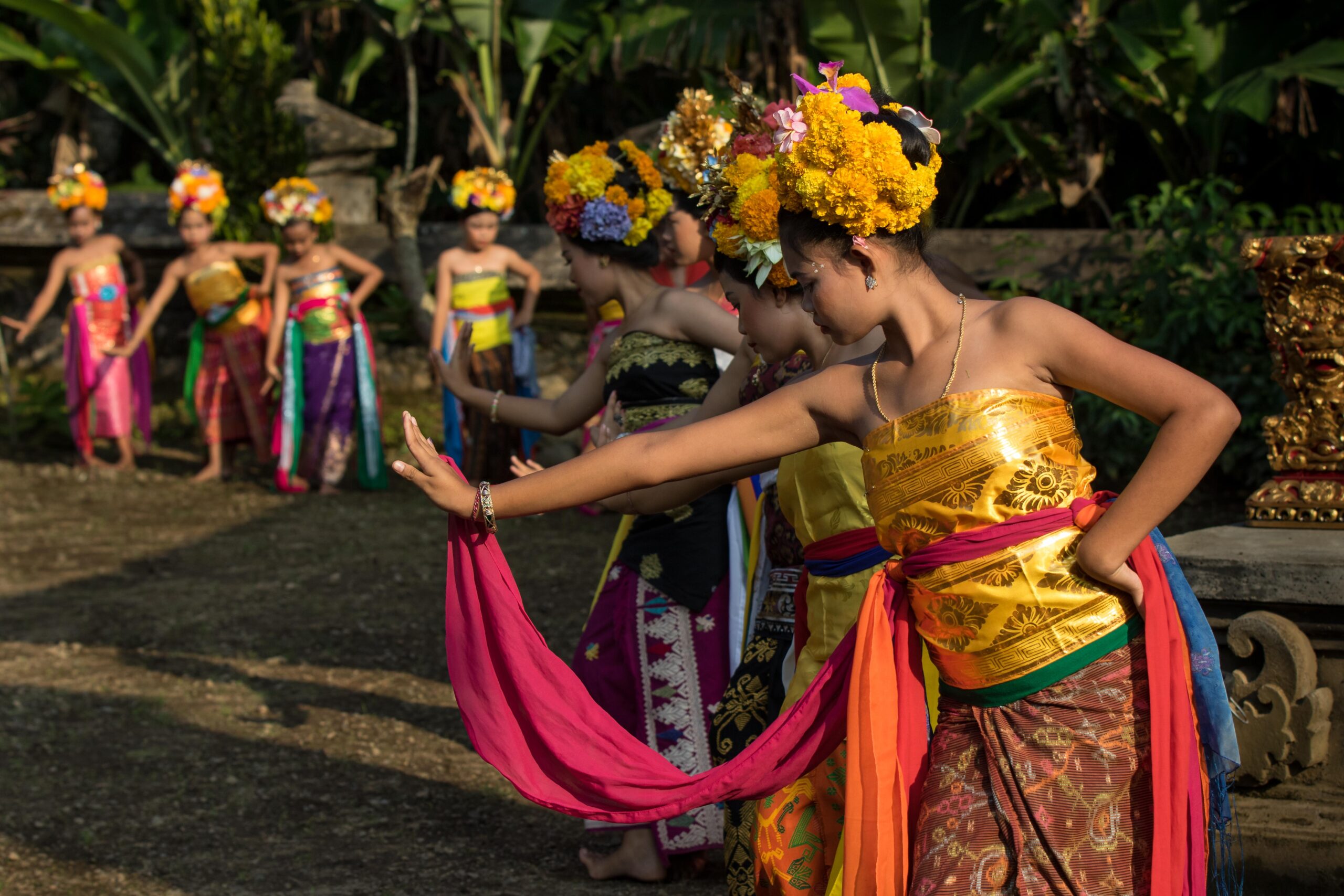
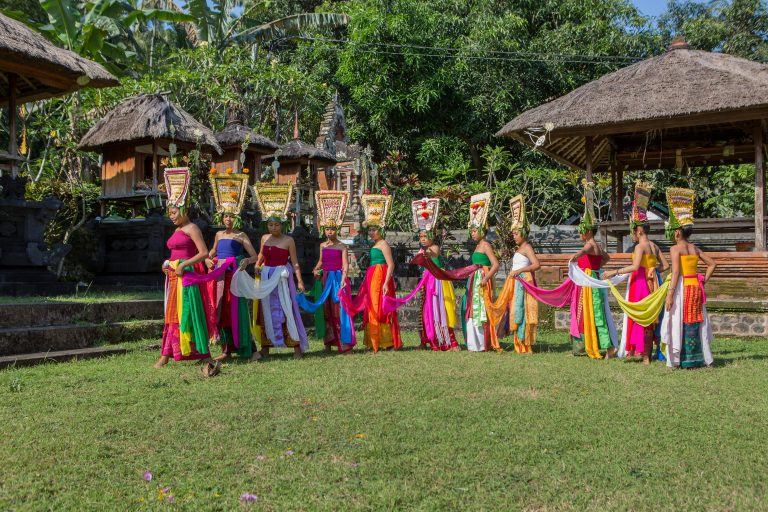
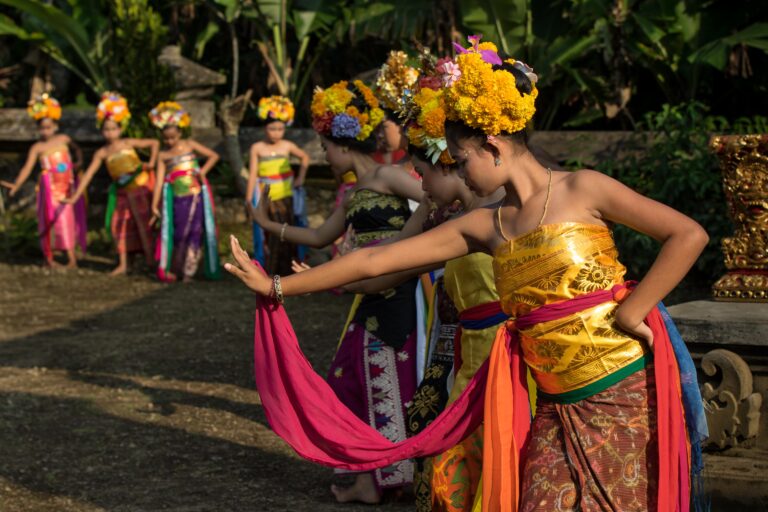
Rejang dance during Manis Kuningan in Karangasem, East Bali
Rejang in the Villages of Karangasem
While Rejang is performed across Bali, it is in Karangasem that the dance reveals a particularly rich diversity of local expression.
Each village maintains its own variation, shaped by temple networks, lineage, and ceremonial structure. The underlying movement remains restrained and repetitive, yet the visual identity shifts subtly from place to place — expressed through costume, rhythm, and the spatial arrangement of the dancers.
These differences are not formal innovations, but reflections of local tradition. Rejang is not choreographed in the conventional sense; it is inherited, practiced, and renewed within each community.
This project follows those variations across multiple villages in East Bali, with each gallery focusing on a specific location and its interpretation of the dance. Together, they form a visual exploration of Rejang as both a shared ritual and a locally distinct expression.
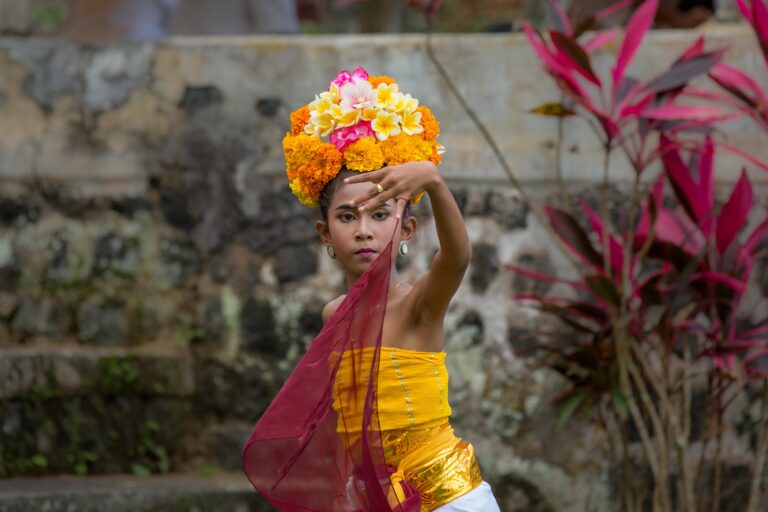
Rejang dance, Sadimara - East Bali
Rejang dance, Tiying Tali - East Bali
Rejang dance, Basang Alas - East Bali
Rejang dance, Juuk Manis - East Bali
Rejang dance, Tanah Aji - East Bali
Rejang dance, Tista - East Bali
Rejang dance, Ngis - East Bali
Rejang dance, Tauka - East Bali
Rejang dance, Abianjero - East Bali
The Flower Headdresses
One of the most striking elements of Rejang in Karangasem is the elaborate floral headpiece worn by each dancer.
Constructed from fresh flowers, palm leaves, and natural materials, these headdresses often rise high above the head in intricate compositions. Some appear structured and symmetrical, while others feel more organic and layered. Colours, textures, and materials shift depending on local availability and tradition.
In certain villages, the headpieces take on almost architectural forms.
Despite their visual richness, they are not designed as spectacle. They remain offerings — ephemeral, fragrant, and deeply tied to ritual meaning.
Dancers and Participation
Rejang is traditionally performed by young women and girls of the village, often symbolising purity and devotion.
Participation varies between communities. In some villages, roles are tied to age groups or ceremonial obligations; in others, a broader group of women takes part.
The movement is collective rather than individual. There is no emphasis on virtuosity or performance. The dancers move together in slow formations, reinforcing continuity, balance, and ritual harmony.
Movement and Atmosphere
The movement vocabulary of Rejang is deliberately simple: gentle steps, flowing arm gestures, and subtle turns.
This simplicity creates a meditative quality rather than a dramatic one. Accompanied by gamelan, incense, offerings, and prayer, the dance becomes inseparable from its surroundings.
Rejang is not an isolated performance. It is part of a larger ceremonial atmosphere — one that engages the entire temple space.
A Living Tradition
In Karangasem, Rejang remains a living and continuously practiced tradition.
Unlike staged versions of Balinese dance presented for audiences, Rejang in village temples is still embedded in its original context. It is not preserved as heritage — it is lived as religion.
Its continuity lies not in documentation, but in repetition. Each ceremony renews the dance.
Exploring Rejang Through Photography
This project documents Rejang across multiple villages in East Bali, each offering a distinct interpretation of the same sacred form.
The galleries linked from this page explore variations in headdresses, costume, colour, and atmosphere, as well as the role of dancers within each community.
Together, they form a broader understanding of Rejang — not as a single dance, but as a network of living traditions.
Explore the Photo Gallery
A curated visual collection from Rejang Dance, East Bali