TANZANIA
Wildlife, landscapes and cultures of Northern Tanzania
Tanzania – Wildlife, Landscapes and Traditional Cultures
Tanzania is defined by vast savannahs, volcanic highlands and some of the most wildlife-rich ecosystems in East Africa.
Northern Tanzania in particular contains several of Africa’s most iconic landscapes, including Tarangire National Park, the Ngorongoro Conservation Area and the immense plains of Serengeti National Park. Together these regions form one of the world’s most remarkable wildlife ecosystems.
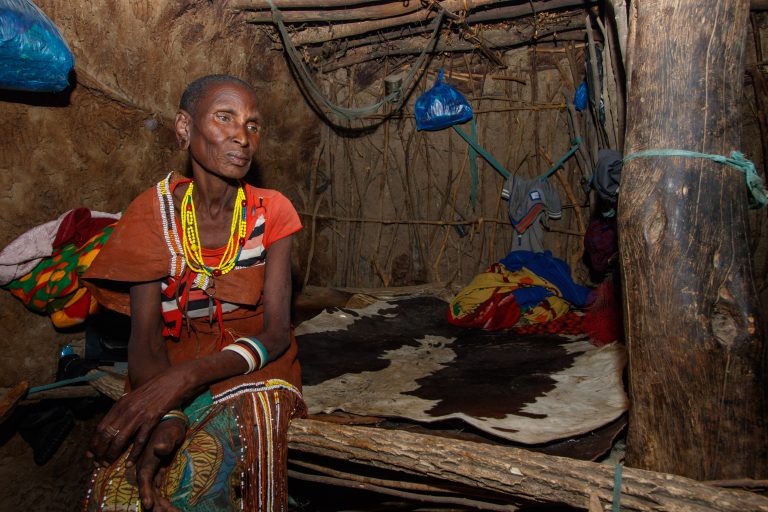
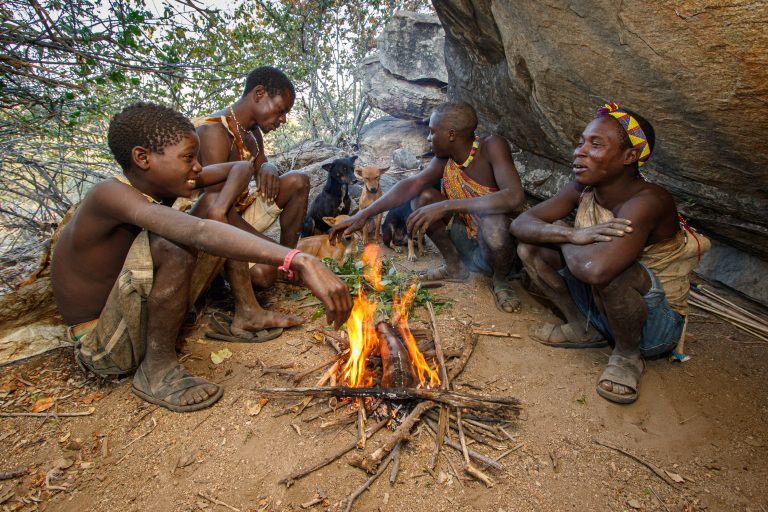
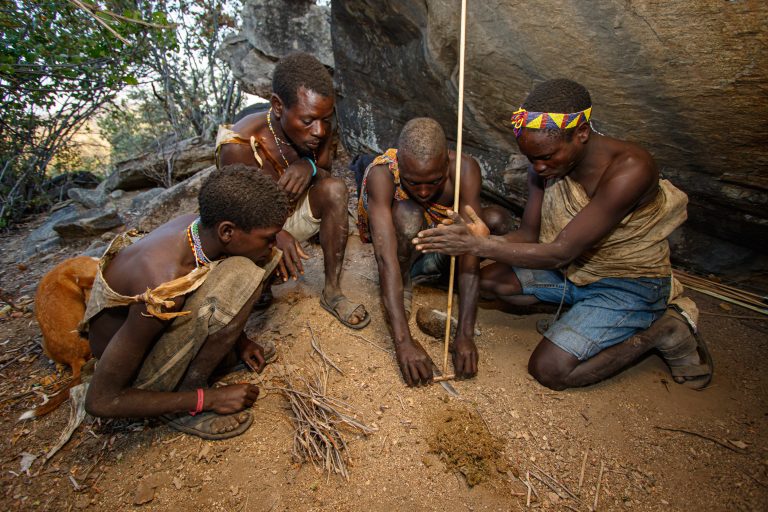
Across these landscapes, wildlife and human communities have long shared the same environment. Pastoral societies such as the Maasai move with their livestock across the savannah, while near Lake Eyasi indigenous hunter-gatherer groups such as the Hadzabe continue traditions that stretch back thousands of years.
Exploring Northern Tanzania Through Photography
This site explores northern Tanzania through photographic journeys across its wildlife reserves, volcanic landscapes and traditional communities.
The galleries and stories below focus on individual destinations within the northern Tanzania safari circuit, including Tarangire National Park, the Ngorongoro highlands and the Serengeti ecosystem. Alongside wildlife photography, several projects also document the daily lives of communities living around Lake Eyasi, including the Hadzabe and Datoga.
Together these galleries offer a visual overview of northern Tanzania — from baobab savannah and volcanic craters to grassland ecosystems shaped by seasonal wildlife migration.
Northern Tanzania Destinations and Ecosystems
Northern Tanzania contains an extraordinary concentration of landscapes and ecosystems within a relatively compact region. The destinations presented on this site highlight several of the most distinctive environments of the northern safari circuit.
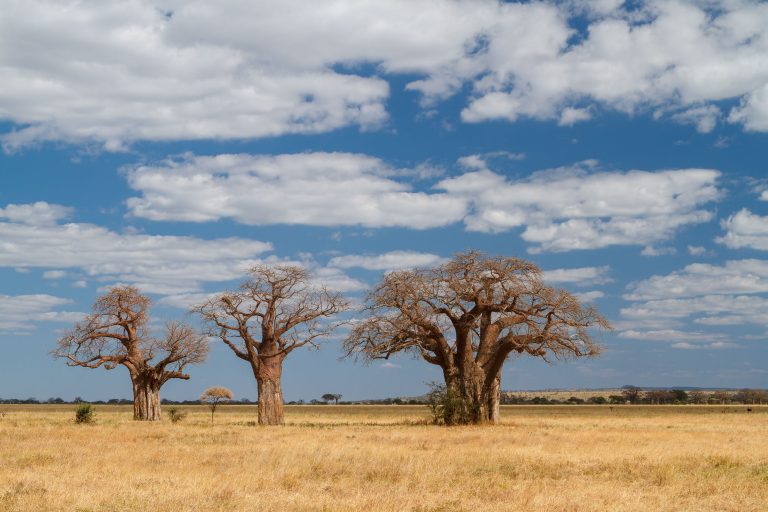
Tarangire is known for its ancient baobab trees and large elephant herds that gather along the Tarangire River during the dry season. The park’s mix of woodland and open savannah supports diverse wildlife and birdlife.
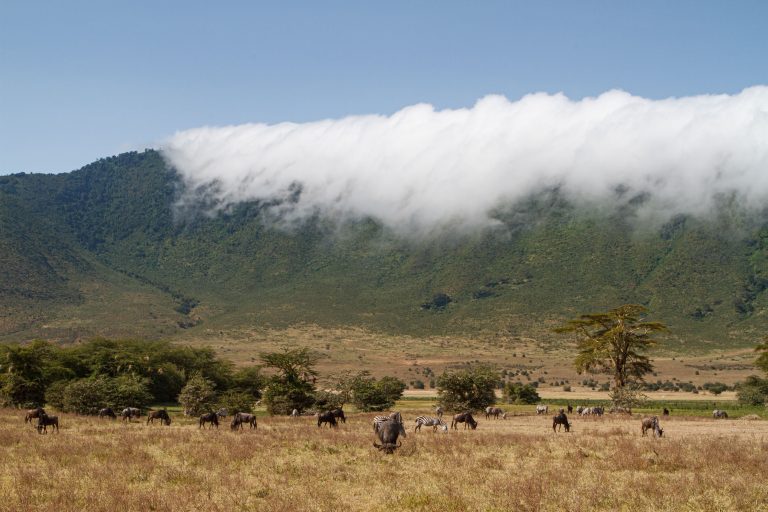
The Ngorongoro Highlands form a dramatic volcanic landscape where wildlife, pastoral communities and archaeological sites coexist. At its center lies the Ngorongoro Crater, one of Africa’s most remarkable wildlife habitats.
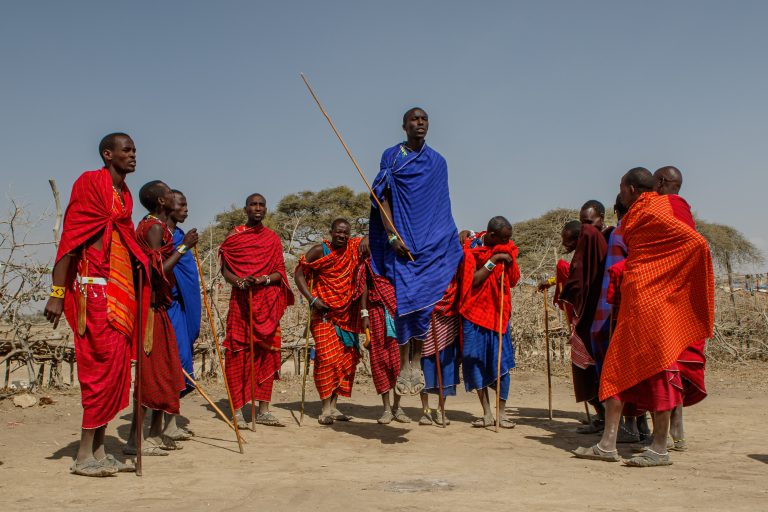
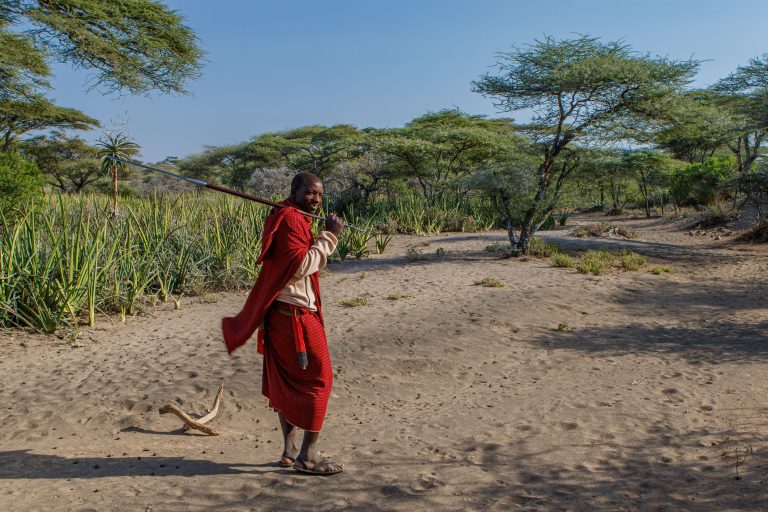
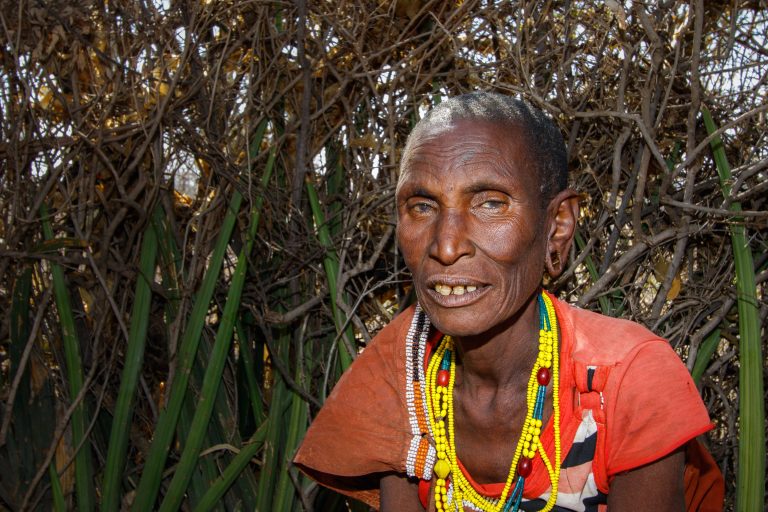
Across the savannah landscapes of northern Tanzania, Maasai pastoralist communities maintain a traditional way of life centered around cattle herding and seasonal movement across grazing lands. Their distinctive red shuka clothing and beadwork have become closely associated with the cultural identity of East Africa.
Maasai communities live throughout the wider Serengeti and Ngorongoro ecosystems, where livestock, wildlife and open savannah landscapes have coexisted for generations.
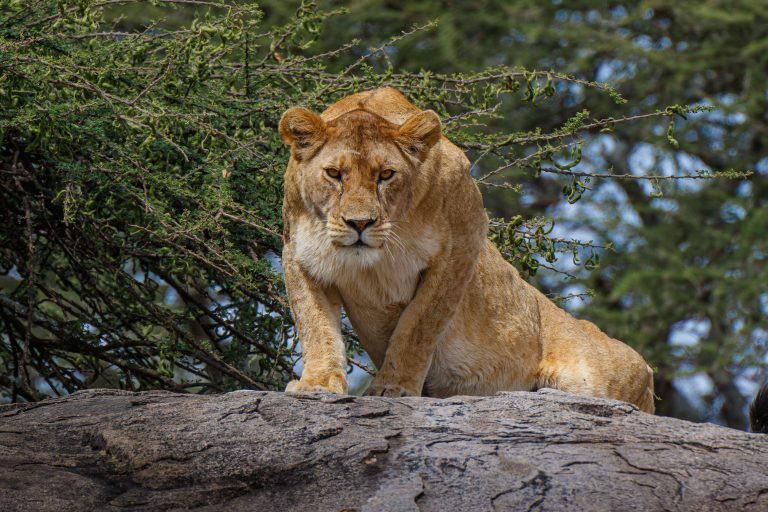
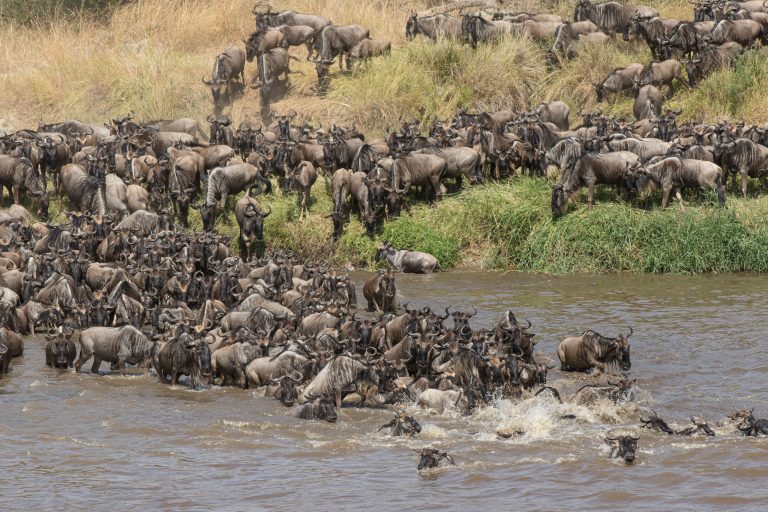
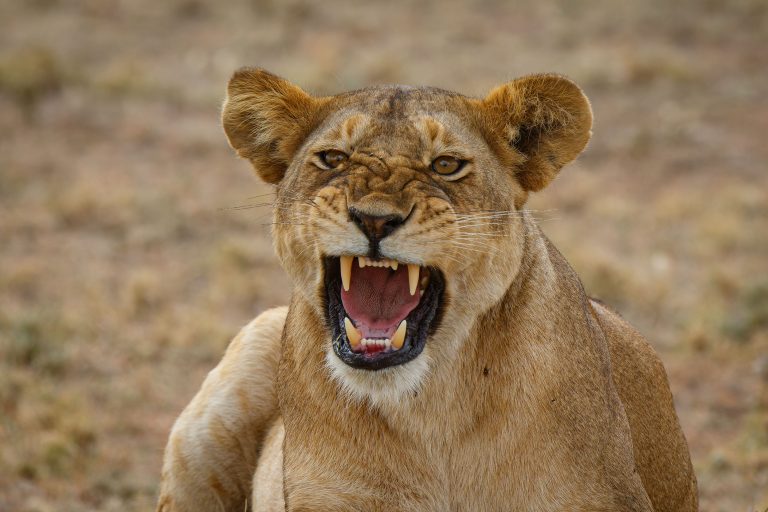
The vast plains of the Serengeti form one of the world’s greatest wildlife ecosystems. The region supports the annual Great Migration of wildebeest and zebra, as well as large populations of predators including lions, cheetahs and hyenas.
Lake Eyasi and Cultural Landscapes
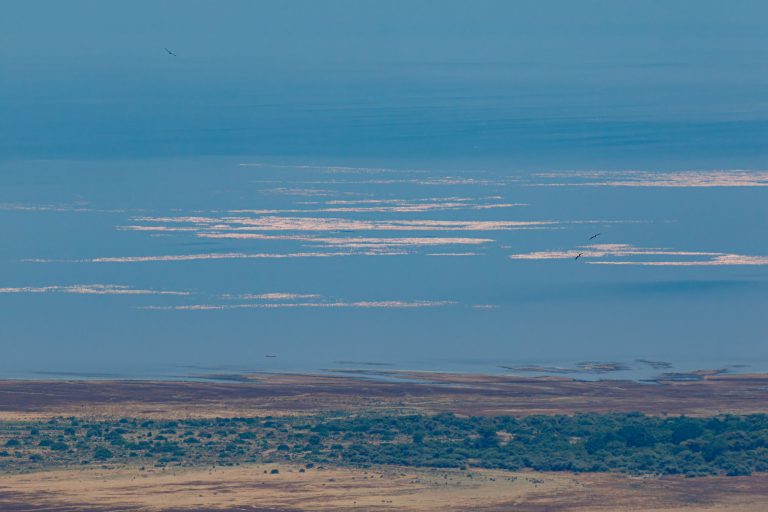
South of the Ngorongoro Highlands lies Lake Eyasi, a dry Rift Valley basin surrounded by traditional communities. The region is home to the Hadzabe hunter-gatherers and the Datoga pastoralists, whose cultures remain closely connected to the surrounding landscapes.
Located between Ngorongoro and the Serengeti, Olduvai Gorge is one of the most important paleoanthropological sites in the world. Fossil discoveries here have helped shape our understanding of early human evolution.
The Northern Tanzania Safari Circuit
Most of the destinations presented on this site lie within the Northern Tanzania safari circuit — one of Africa’s most concentrated wildlife regions.
This region connects several iconic landscapes within relatively short distances: the baobab savannah of Tarangire National Park, the volcanic highlands of the Ngorongoro Conservation Area, the archaeological site of Olduvai Gorge, and the vast plains of Serengeti National Park.
South of the Ngorongoro Highlands, the dry basin of Lake Eyasi forms part of the Rift Valley system and is home to traditional communities such as the Hadzabe and Datoga.
Together these landscapes form one of the most diverse ecosystems in East Africa, where wildlife migration, volcanic geology and long-standing cultural traditions intersect.