Who Are the Hadzabe?
Day 5 of 12 – Tanzania Safari Trip
The Hadzabe are one of the last remaining hunter-gatherer communities in East Africa. Living in the dry bushland of northern Tanzania, they have maintained a way of life centered on hunting, gathering, and seasonal movement for thousands of years.
Unlike neighboring pastoralist and agricultural societies, the Hadzabe traditionally rely on wild game, berries, tubers, and honey rather than livestock or crops. Their social structure is egalitarian, their camps temporary, and their knowledge of the land deeply detailed — shaped by generations of observation and adaptation to a semi-arid environment.
Today, their population is estimated at around 1,200 to 1,500 people. Genetic studies suggest they are directly linked to some of the earliest human populations, and they have lived around Lake Eyasi for thousands of years. While modern influences and external pressures increasingly affect daily life, aspects of traditional hunting with bow and arrow, food gathering, and communal living remain central to their identity.
Our visit offered a brief glimpse into this enduring rhythm of life.
Daily Life and the Morning Hunt
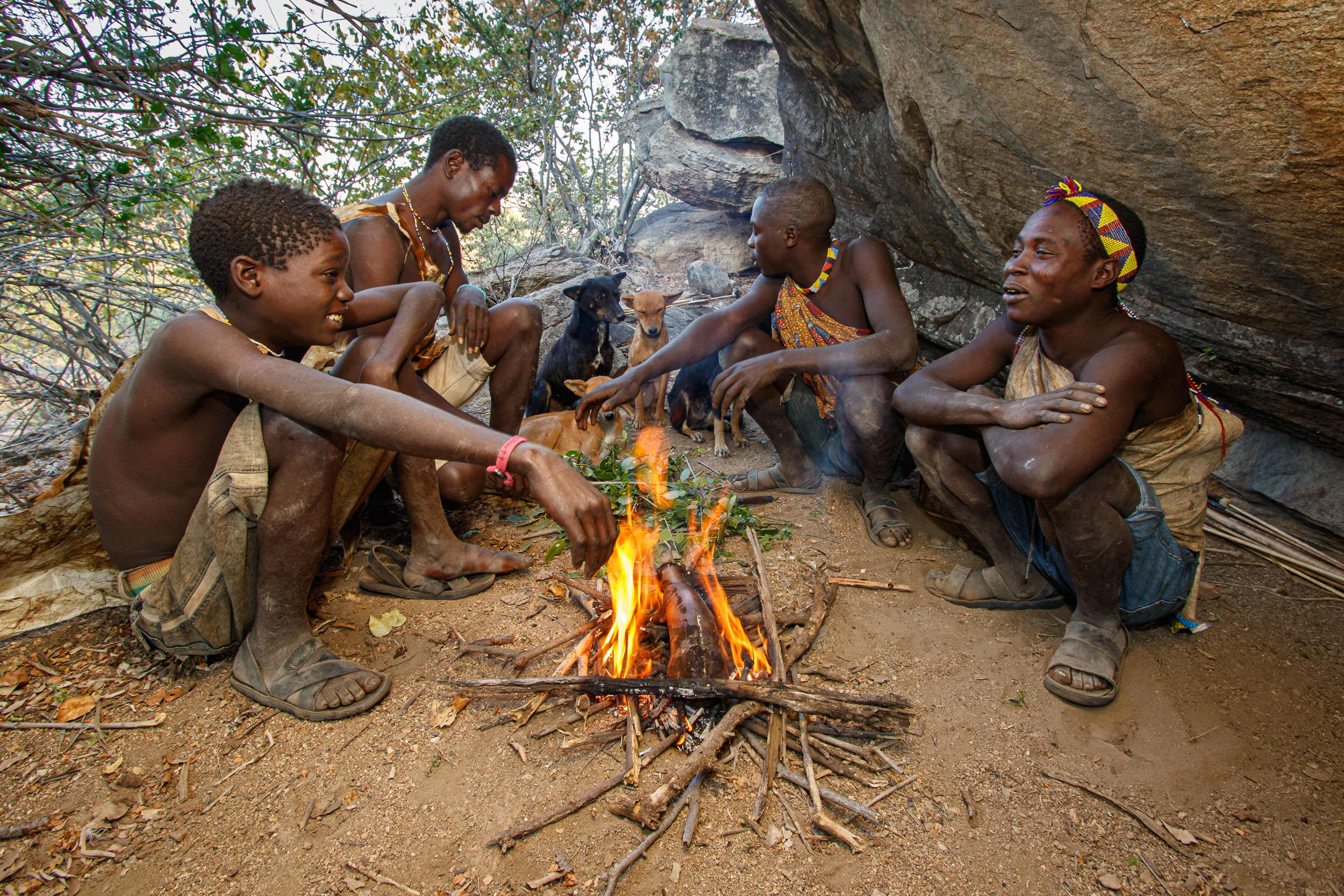
We woke before sunrise to visit a Hadzabe family living near Lake Eyasi. The early light had barely reached the dry basin when we set out. This region of northern Tanzania is home to one of the last remaining hunter-gatherer communities in the world.
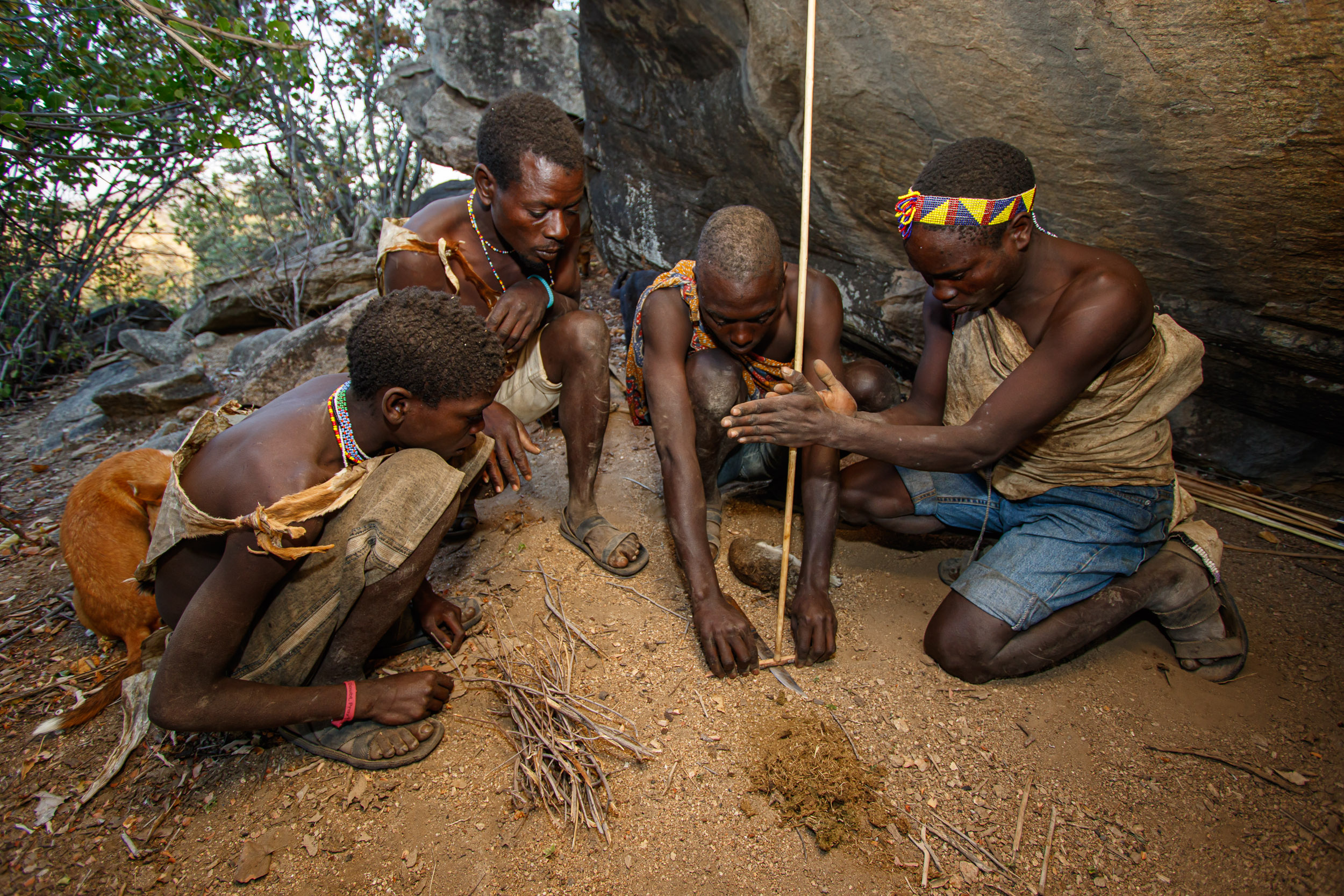
Our guide drove to the end of a dirt track and called out into the bush. From the scrub emerged a young Hadzabe man, who gestured for us to follow him. We walked for nearly half an hour through dry acacia woodland before reaching a small group of men seated around a fire, preparing for the morning hunt.
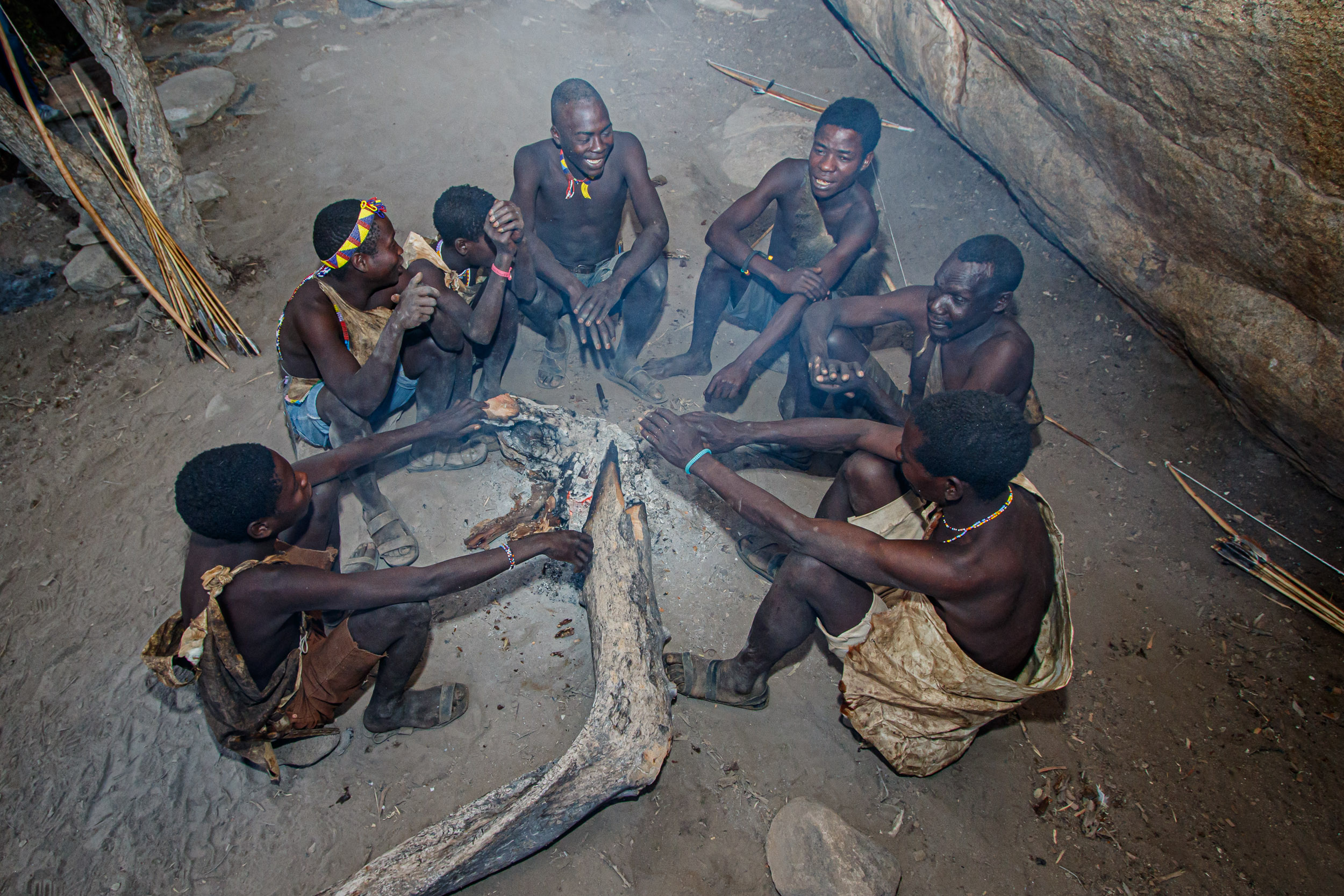
There was no performance — only routine.
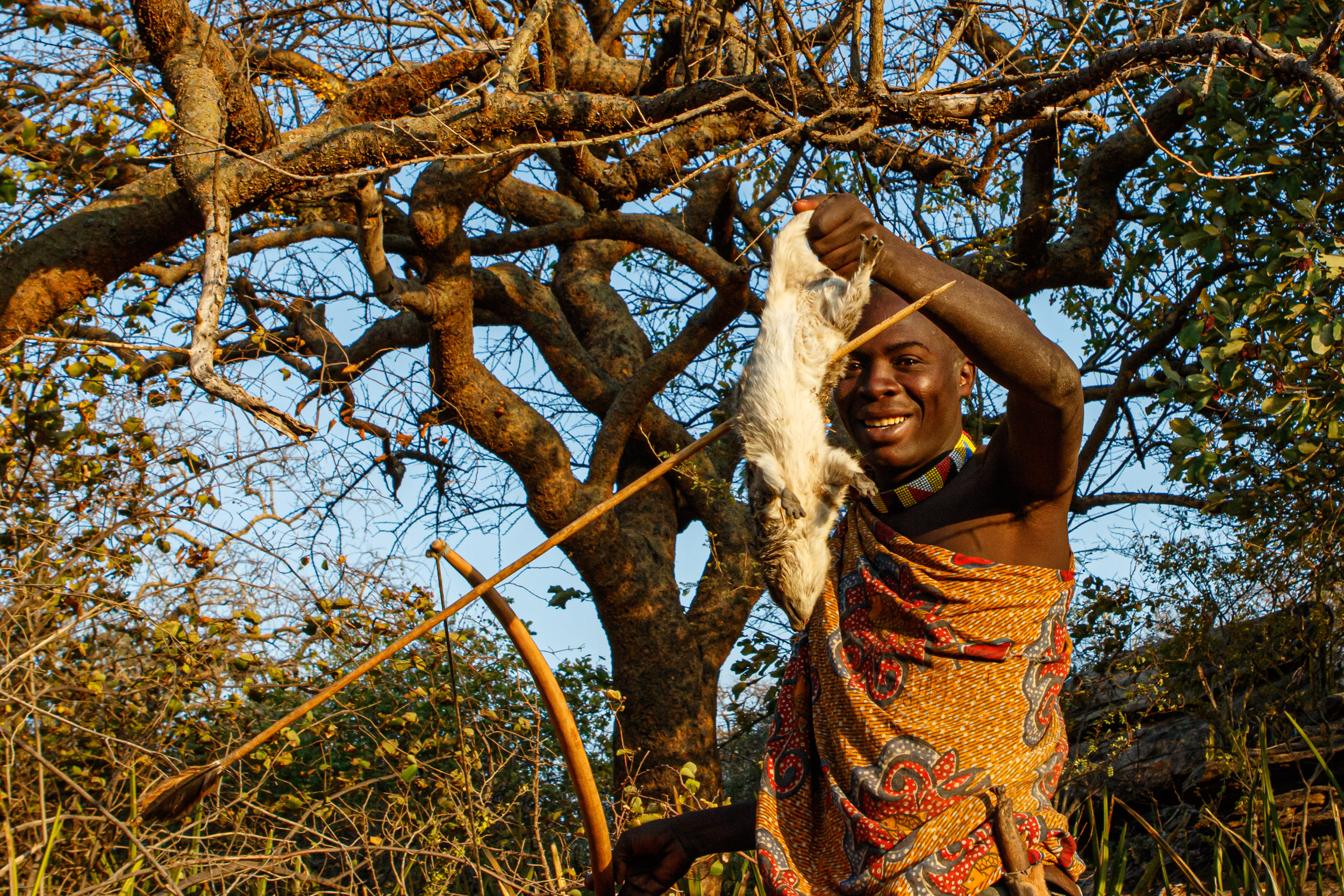
Hadzabe men hunt using handmade bows and arrows, often tipped with poison derived from desert plants. The poison slows the animal rather than killing instantly, requiring patience and tracking skill. Women and children gather berries, baobab fruit, tubers and edible roots, providing a steady and dependable source of nutrition. Honey is especially prized and sometimes located with the help of the honeyguide bird, which leads hunters to wild beehives in exchange for wax and leftover comb.
The Hadzabe do not maintain permanent settlements. They live in temporary grass shelters or beneath rock overhangs and move when water and food sources shift. Mobility is not incidental — it is fundamental.
Socially, the Hadzabe operate within a notably egalitarian system. There are no formal chiefs, no inherited authority, no fixed hierarchy. Decisions are discussed openly and reached through consensus. Influence comes from experience and respect rather than status.
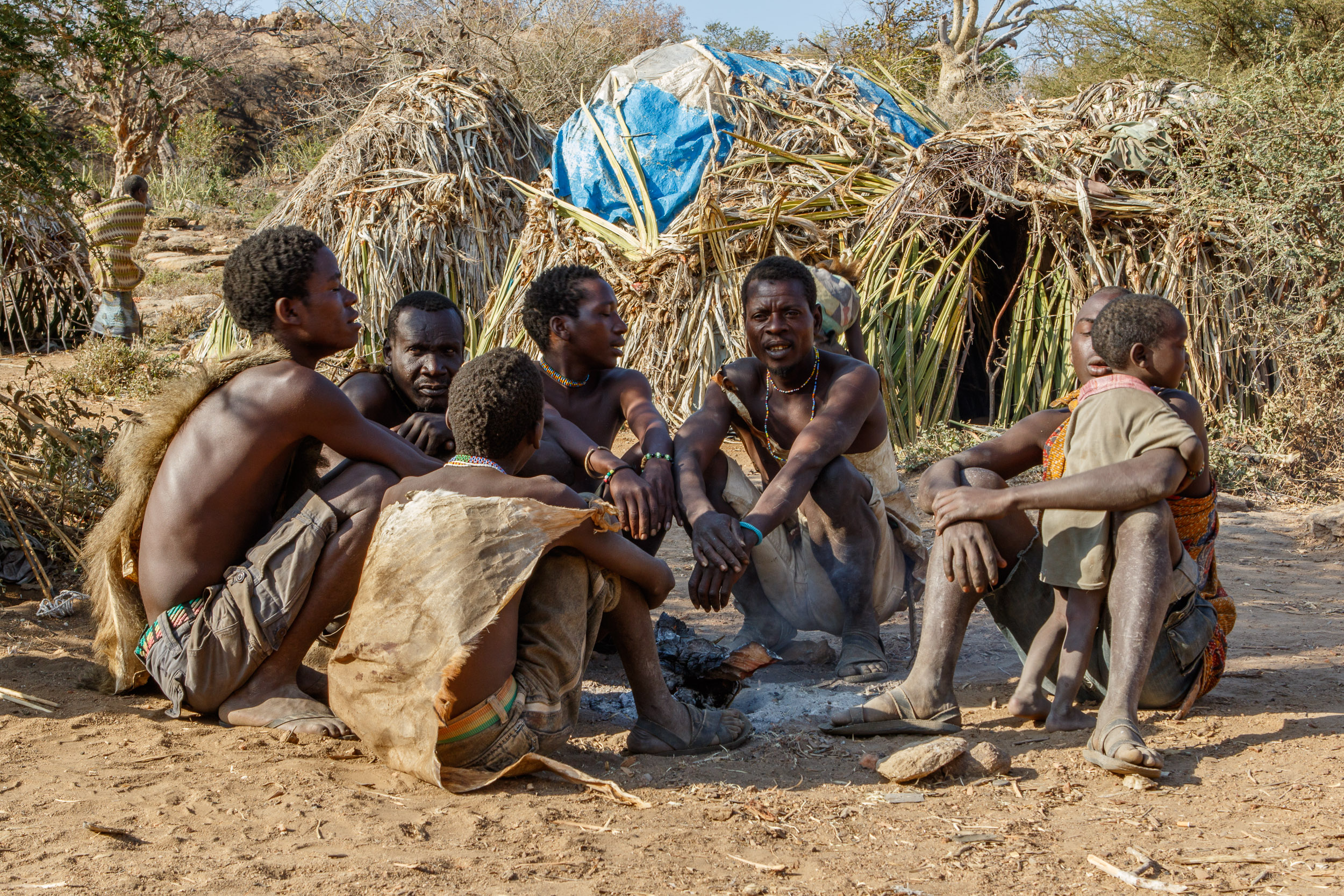
Food is shared freely within the group. A successful hunt belongs not to the individual hunter but to everyone. In a landscape where resources fluctuate, cooperation is essential. Accumulation carries little meaning in a mobile society.
Gender roles are distinct but not rigid. Men primarily hunt; women gather and manage plant resources. Both contributions are equally valued, and neither is subordinate. The structure feels less about division and more about balance — a system refined over generations to suit environment and survival.
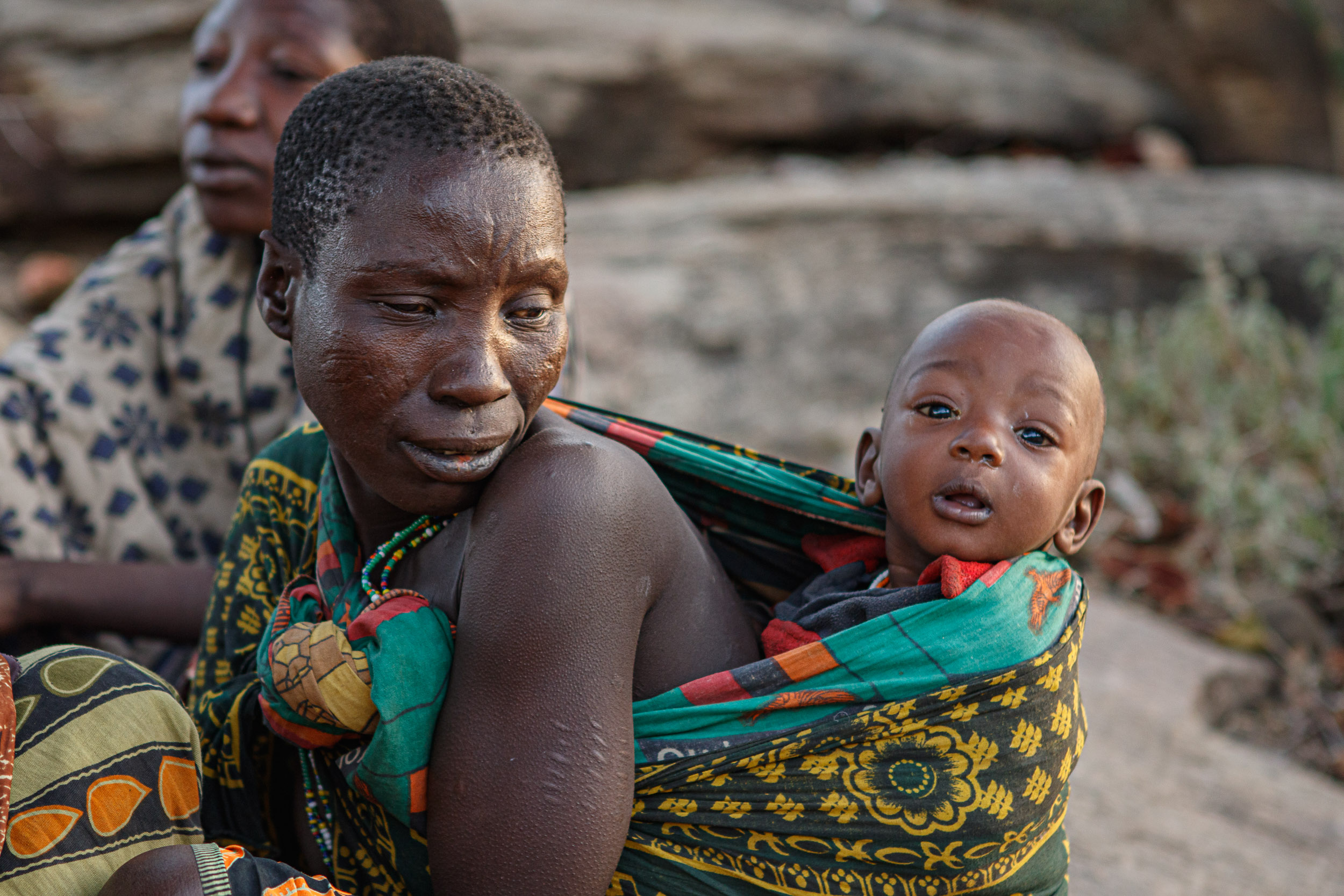
The Hadzabe speak Hadzane, a click language unique to their community and entirely oral. Knowledge, survival skills and history are passed down through storytelling rather than written record. Language here is memory.
What stood out was not the difference from modern life, but the coherence of theirs. Everything — social structure, movement, diet, language — is aligned with the landscape of Lake Eyasi.
It is not a reconstructed past.
It is continuity.
Culture Under Pressure
The Hadzabe way of life is increasingly fragile. Land encroachment, agriculture, tourism and conservation boundaries continue to reduce traditional hunting territories around Lake Eyasi. While certain initiatives and NGOs work to protect Hadzabe land rights and promote responsible cultural tourism, pressure remains constant.
Visiting requires sensitivity.
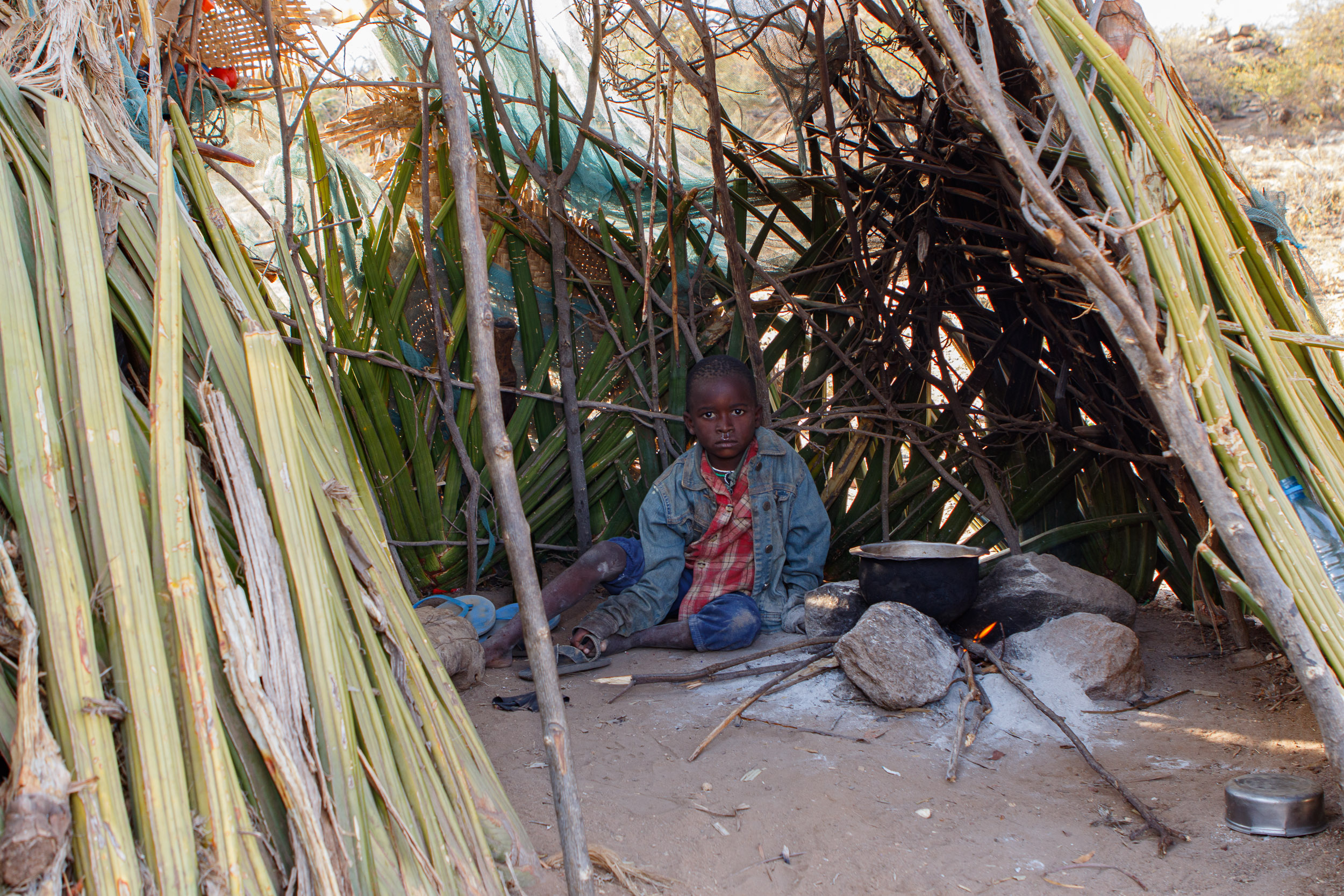
The experience should never feel staged or intrusive. At its best, it is an opportunity to observe respectfully — to understand that this is not a relic of the past, but a living culture navigating modern constraints.
Lake Eyasi offers that perspective.
The Neighboring Datoga
From the Hadzabe territory, we continued directly to a nearby Datoga settlement. Both communities inhabit the Lake Eyasi region, yet their cultural traditions differ significantly.
The transition required no long drive — only a shift in perspective.