The Geometry of the Boma
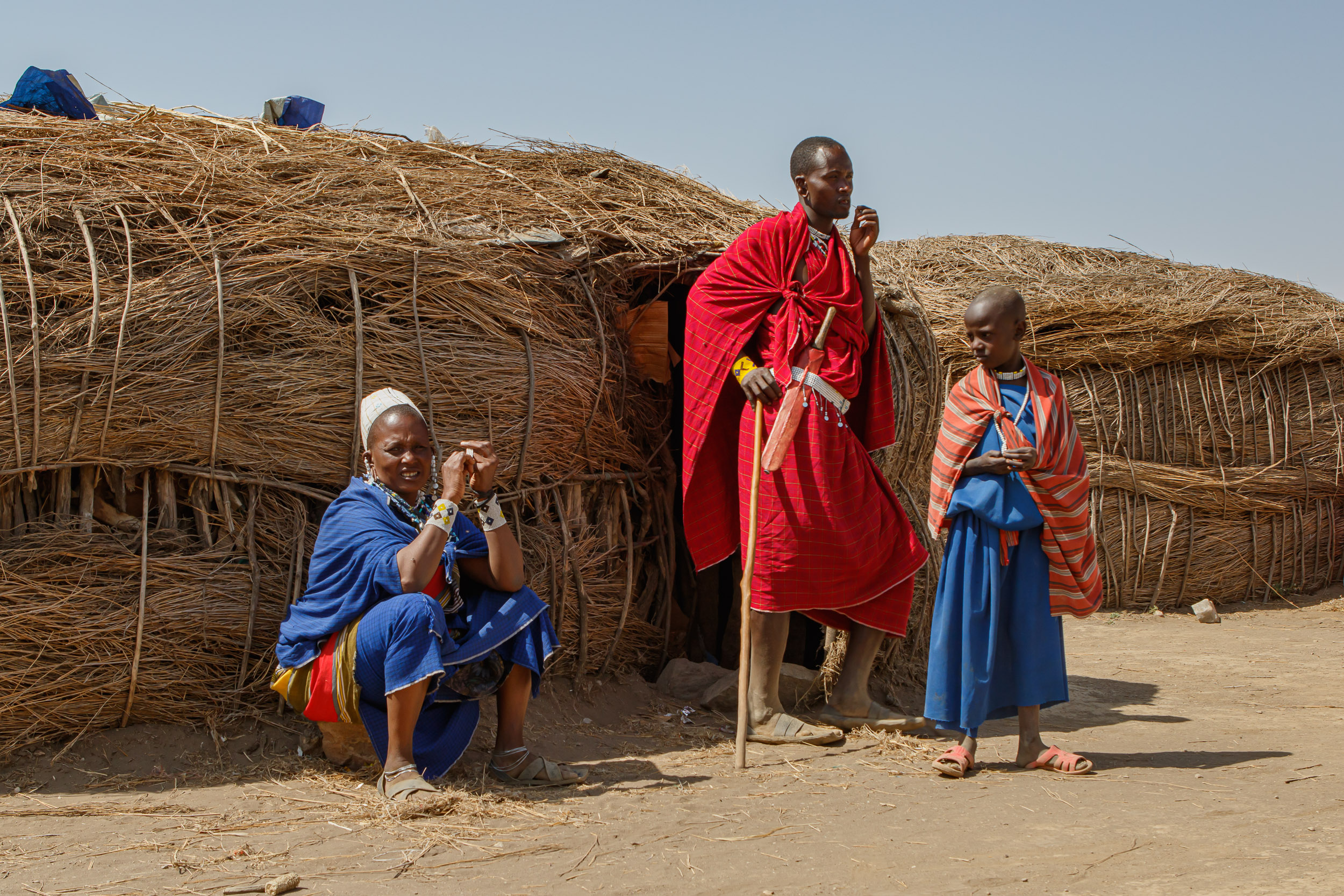
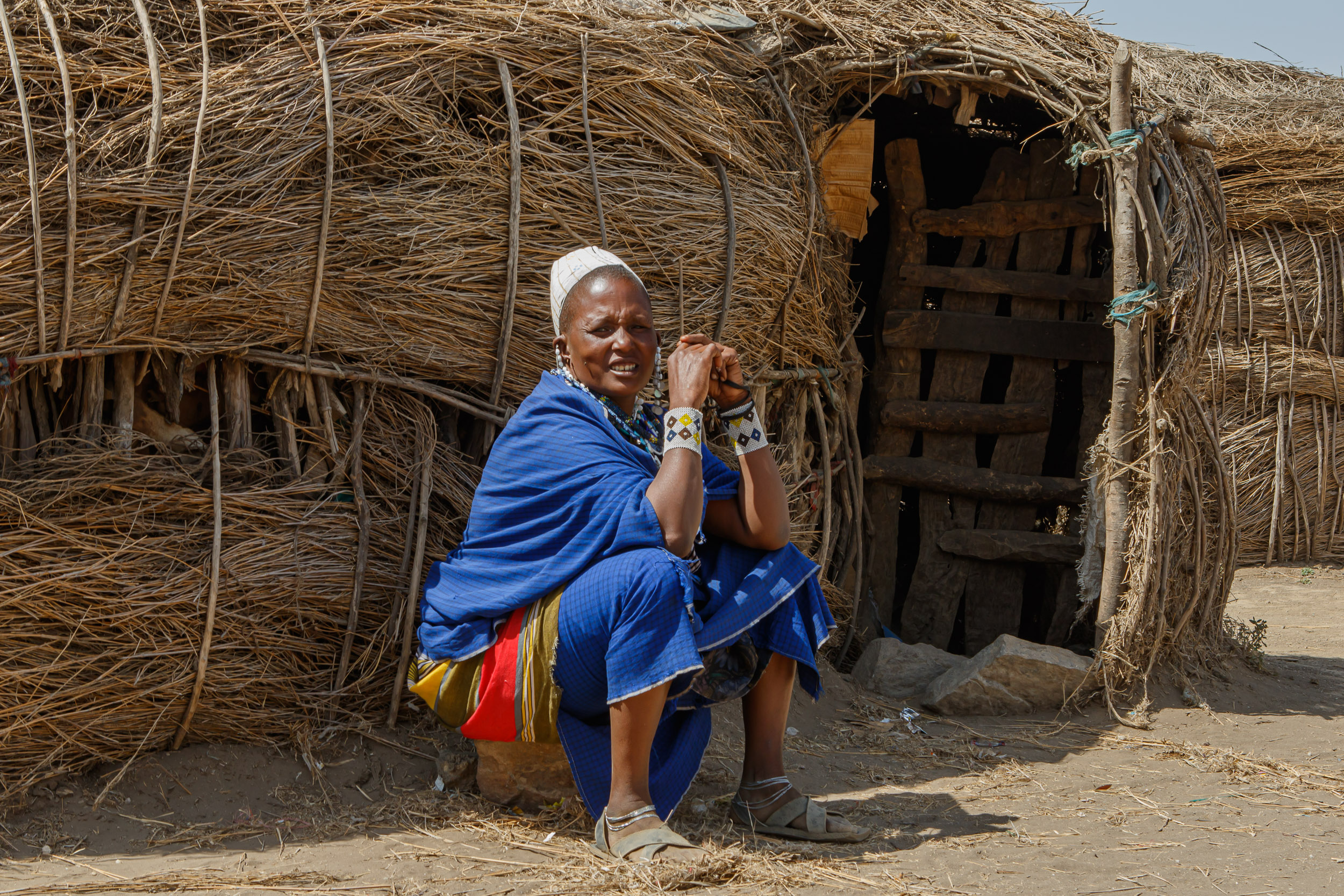
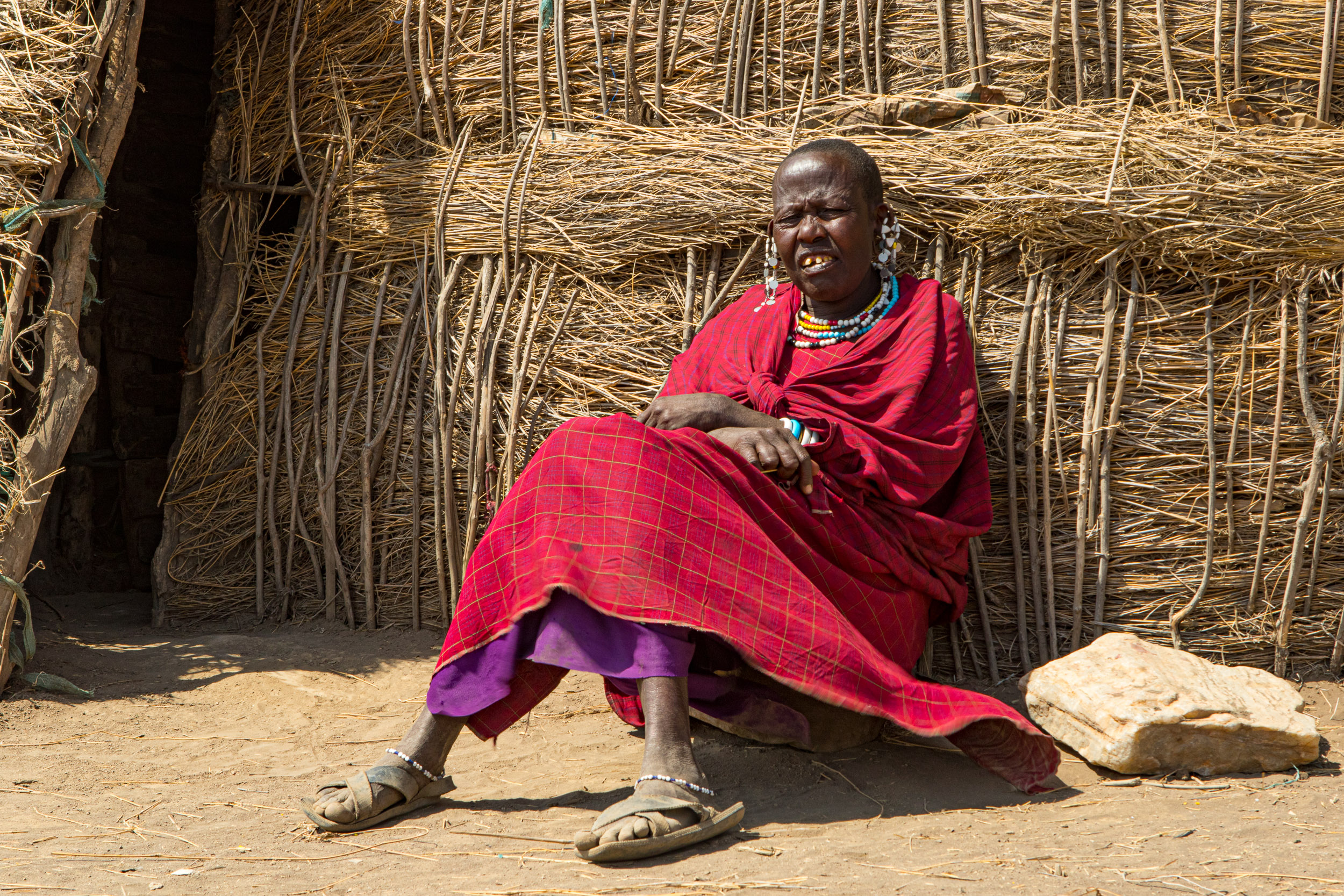
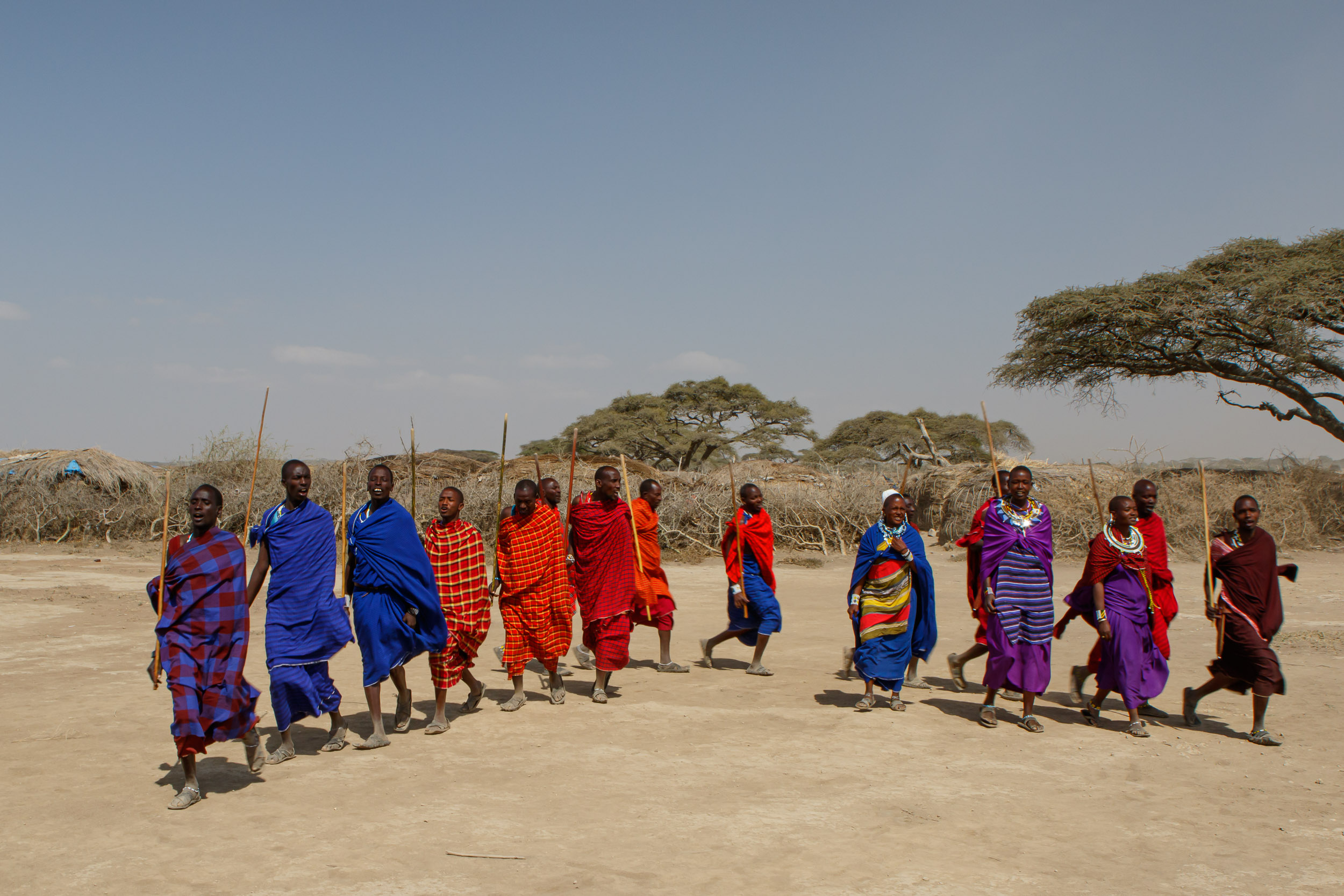
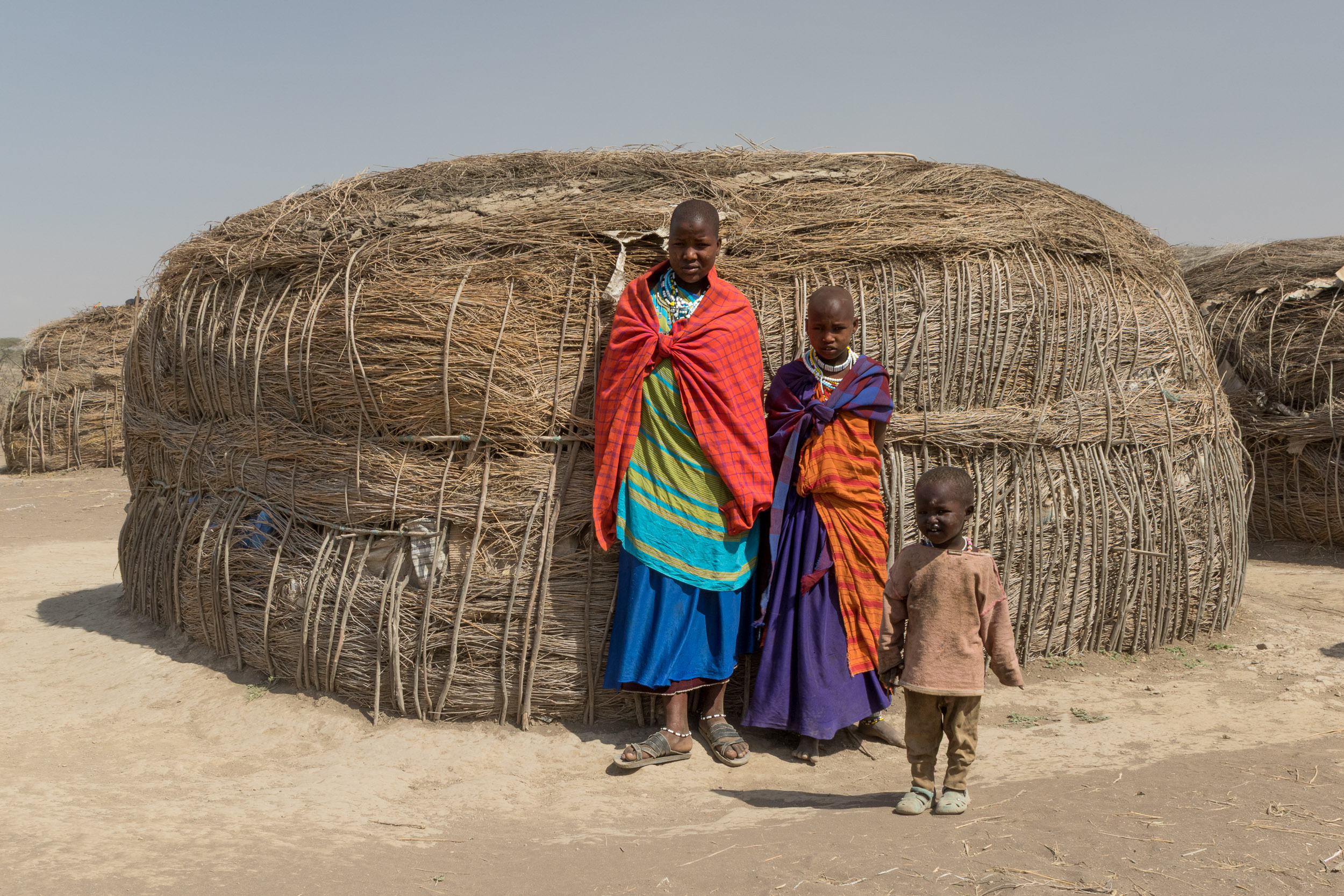
The Maasai way of life is physically etched into the landscape through the boma—a circular encampment protected by a thick fence of thorny acacia branches. Inside, the houses, or inkajijik, are crafted by the women using a sturdy framework of timber poles plastered with a mix of mud, sticks, grass, and cow dung. This architecture is functional and defensive, designed to protect the family and their most prized possession—their livestock—from the lions and hyenas that roam the night.
A Visual Symphony of Beads and Color
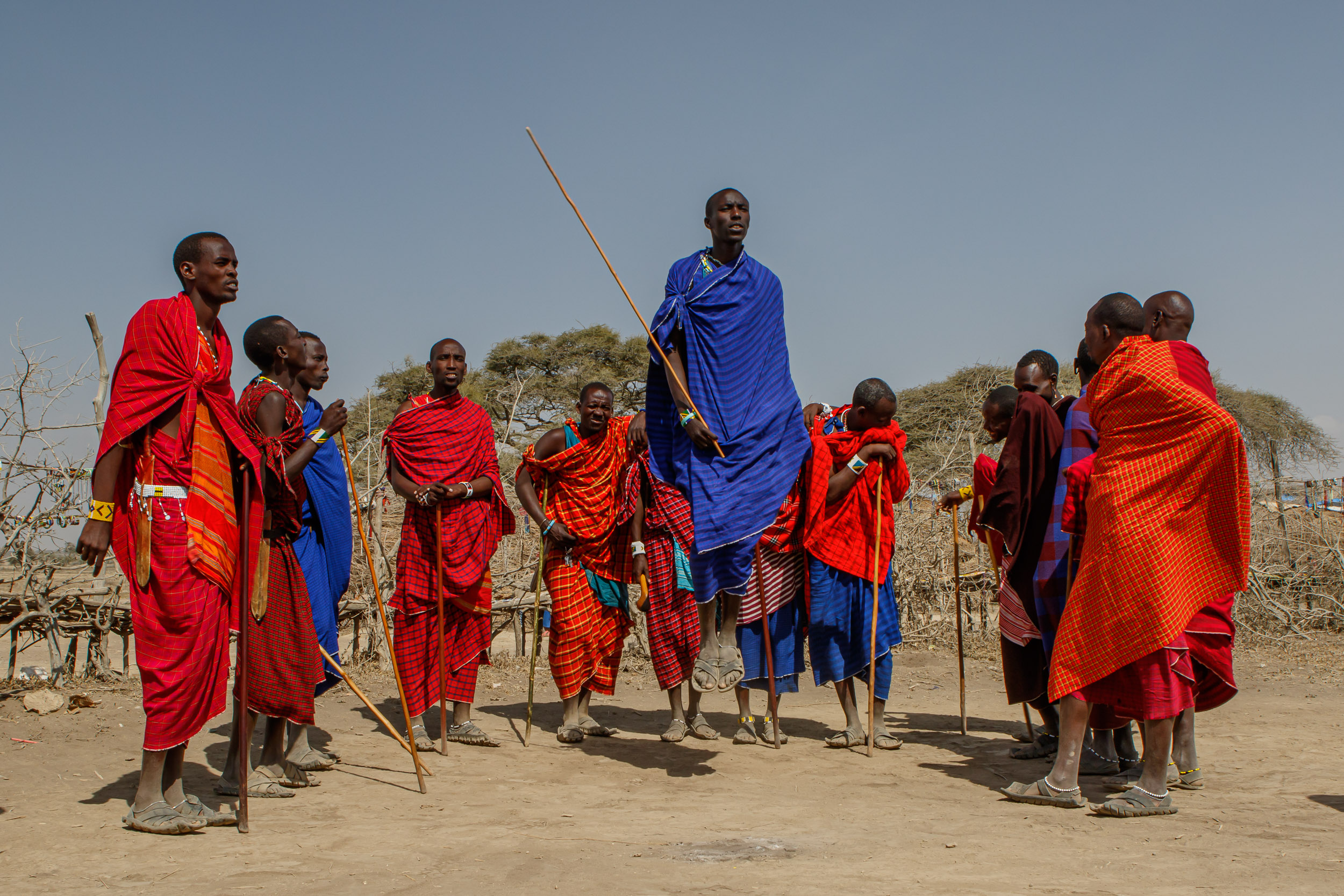
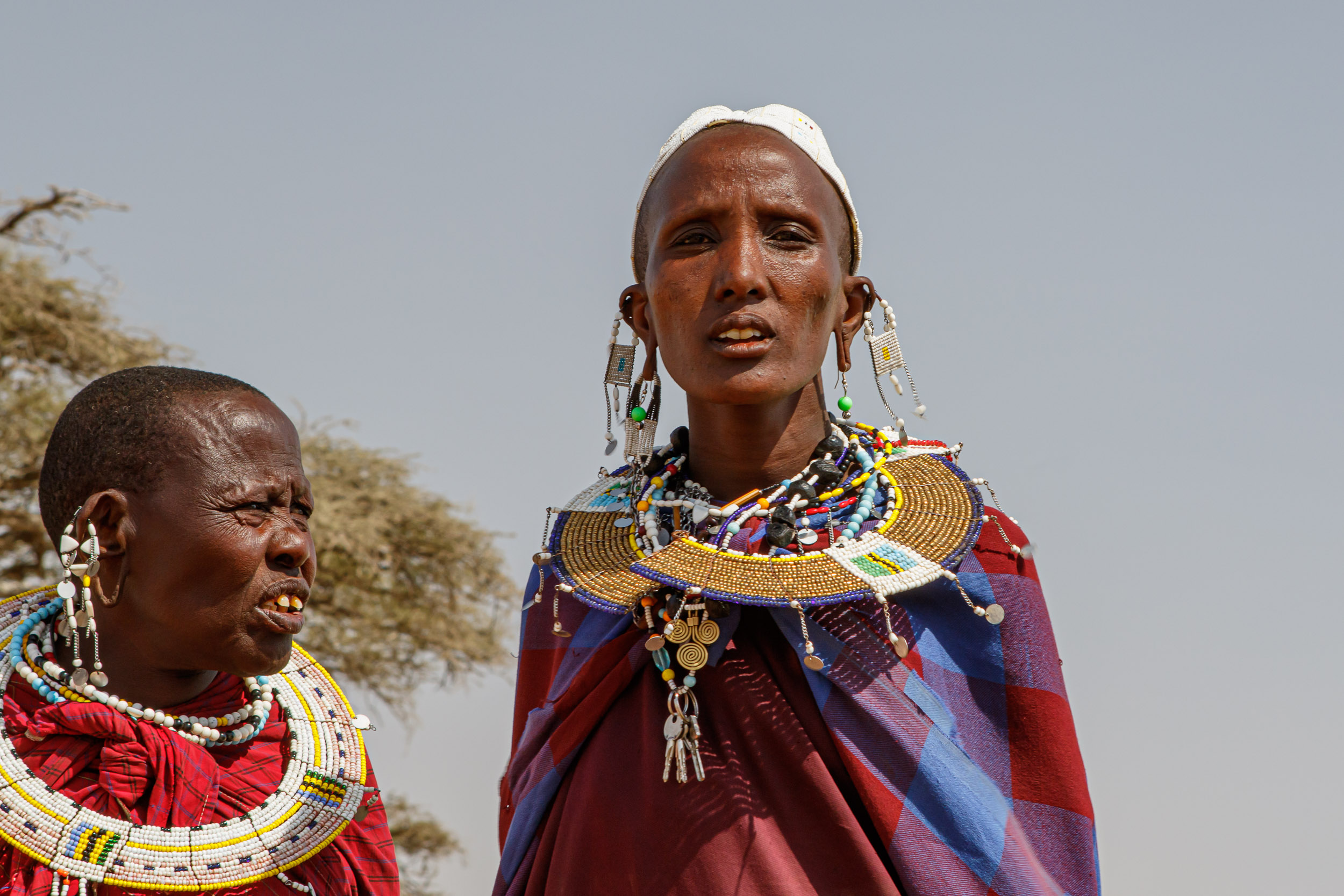
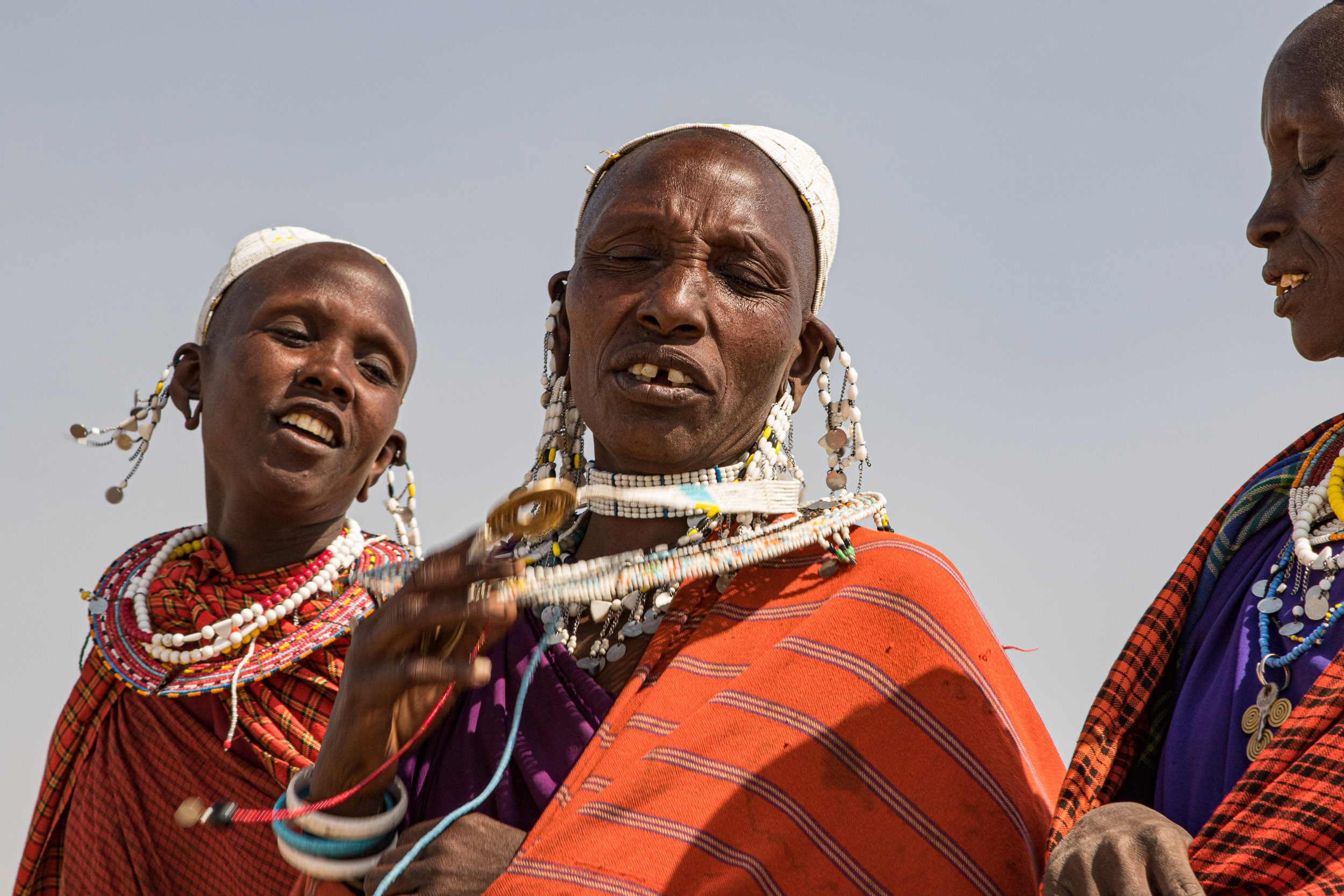
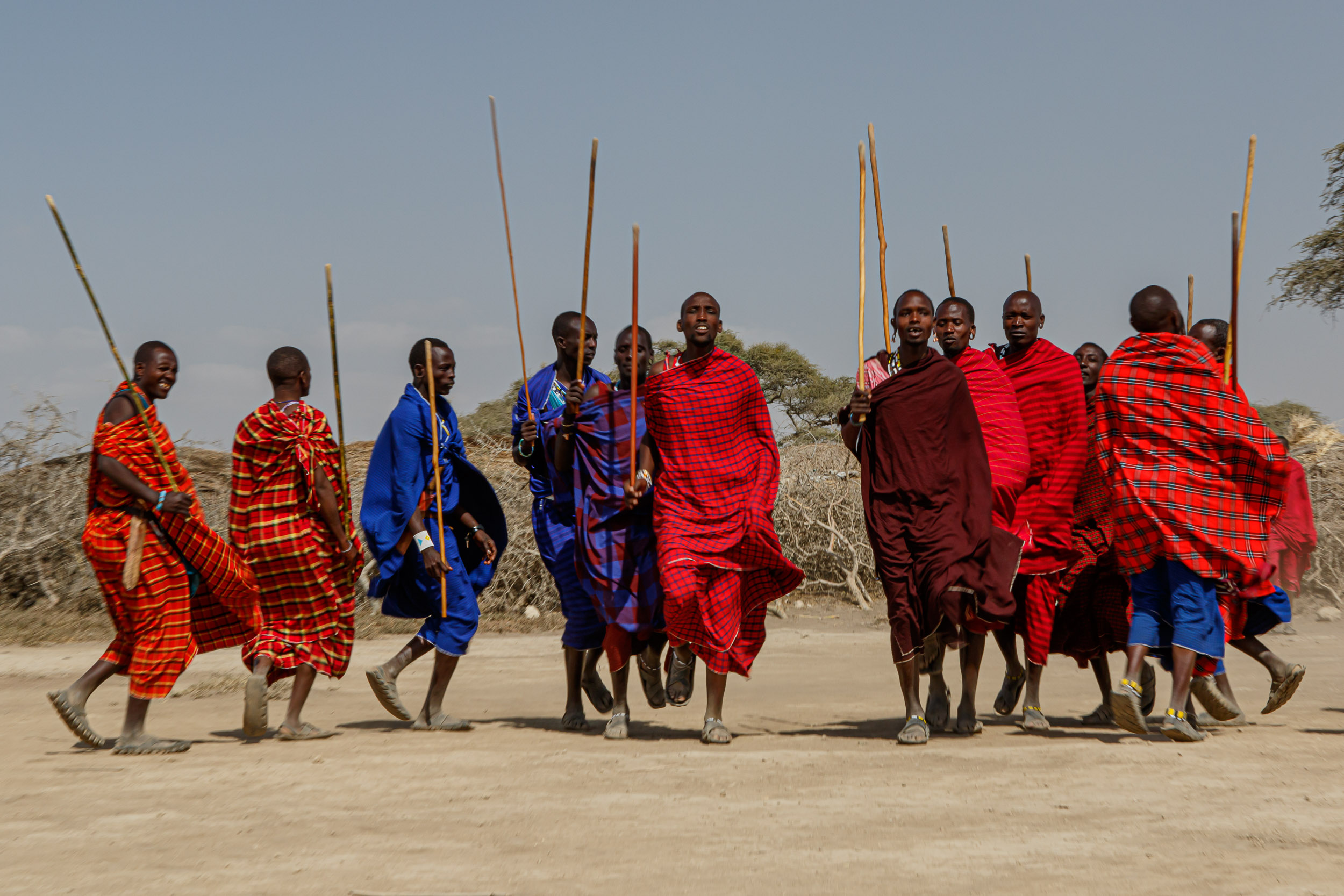
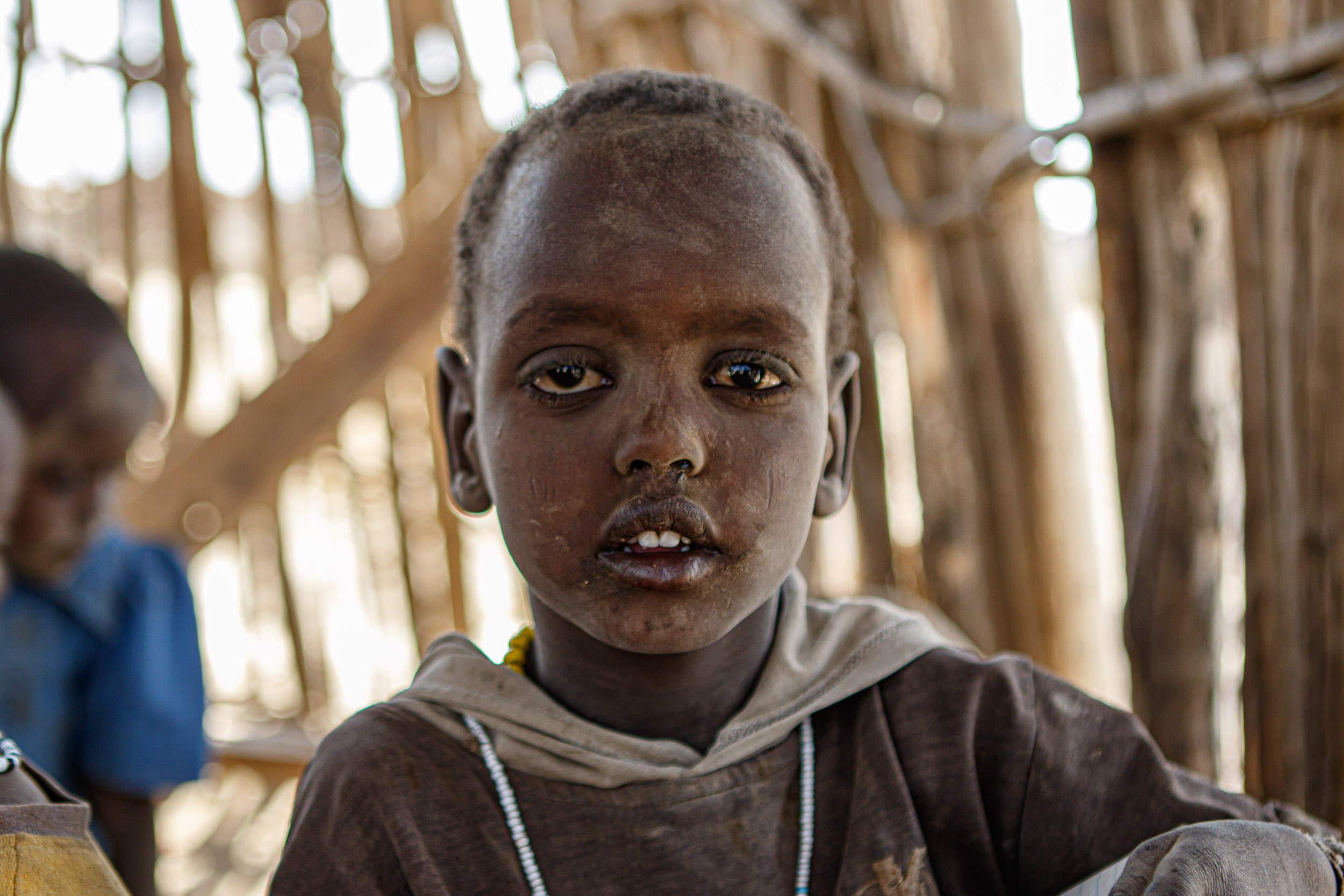
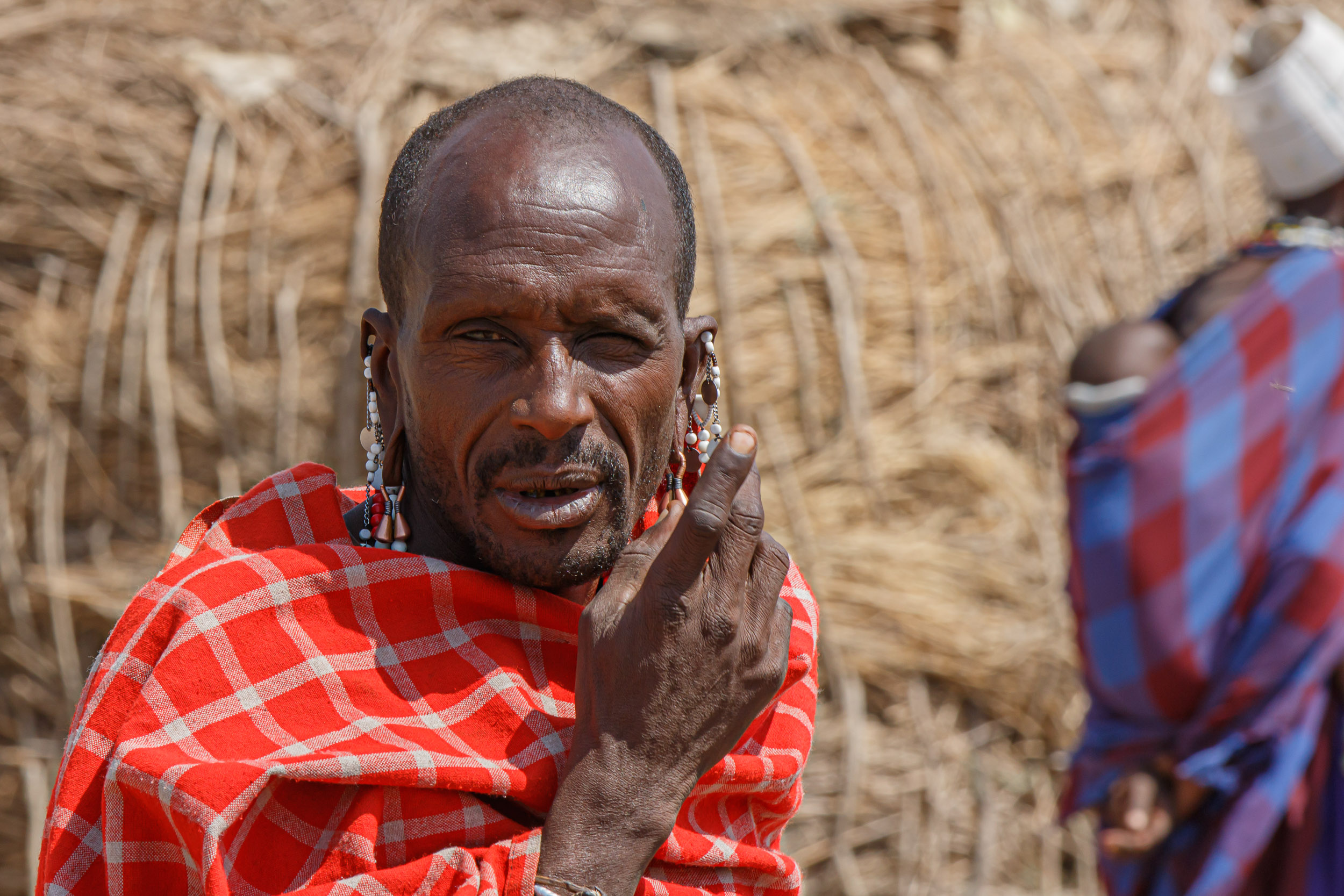
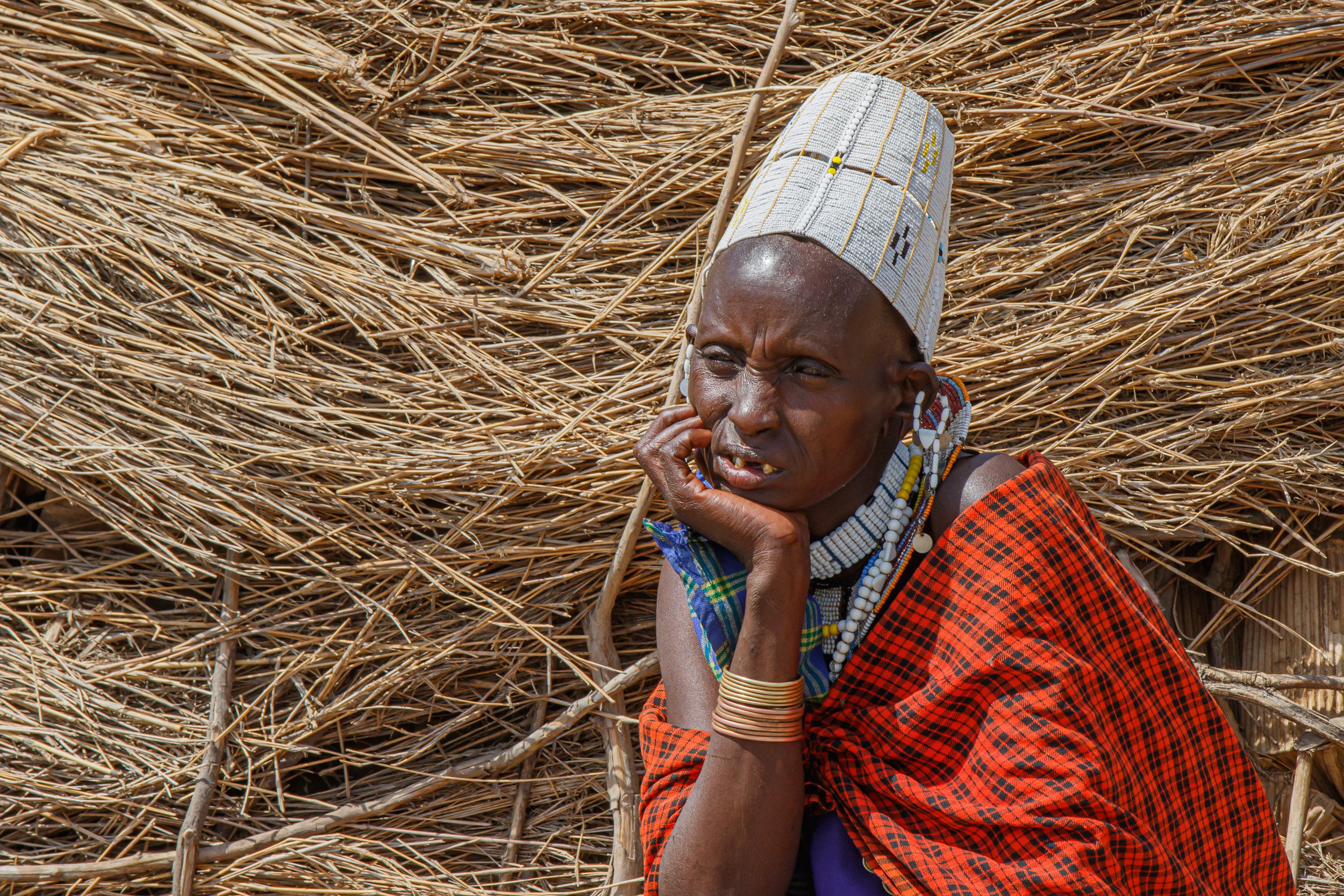
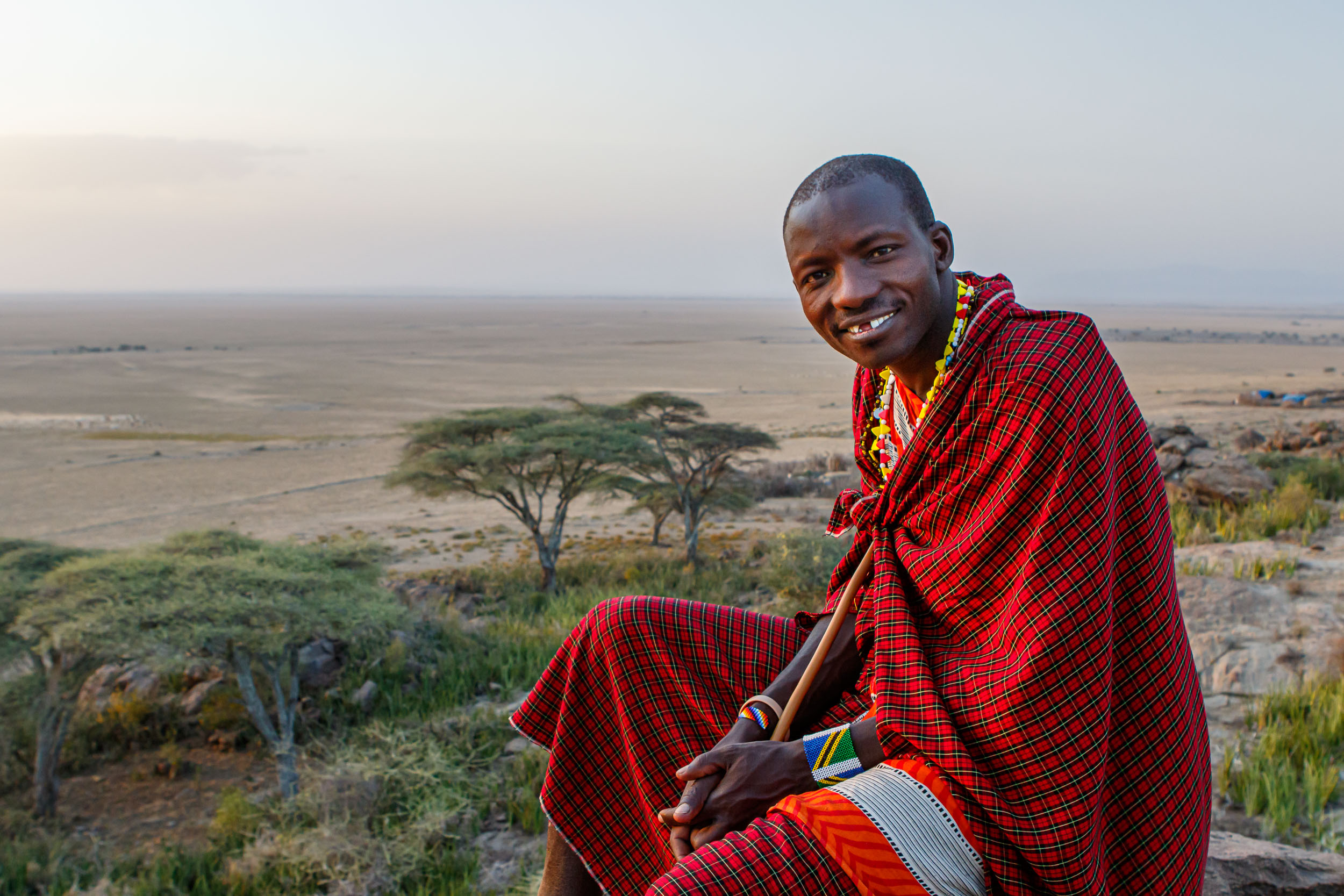
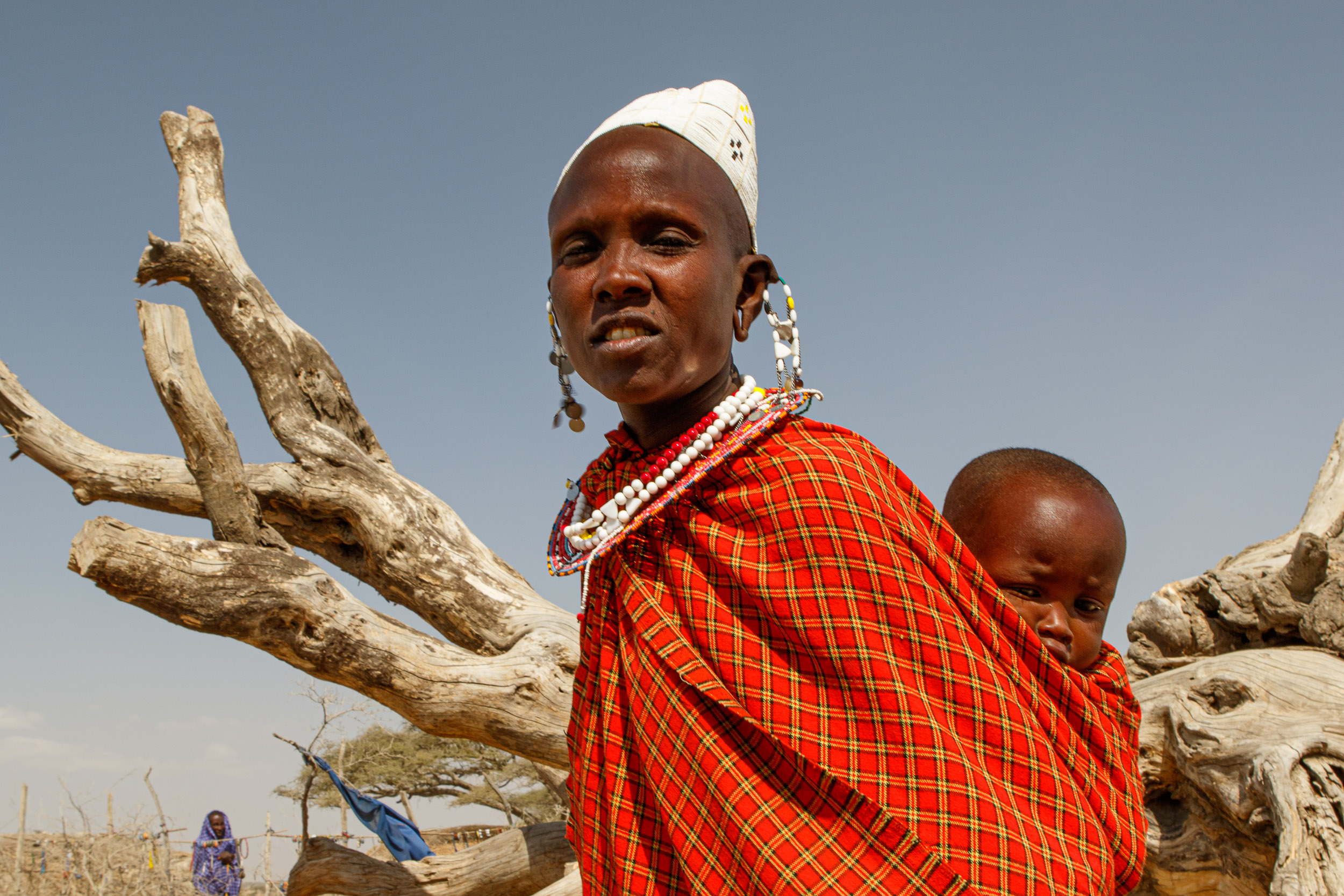
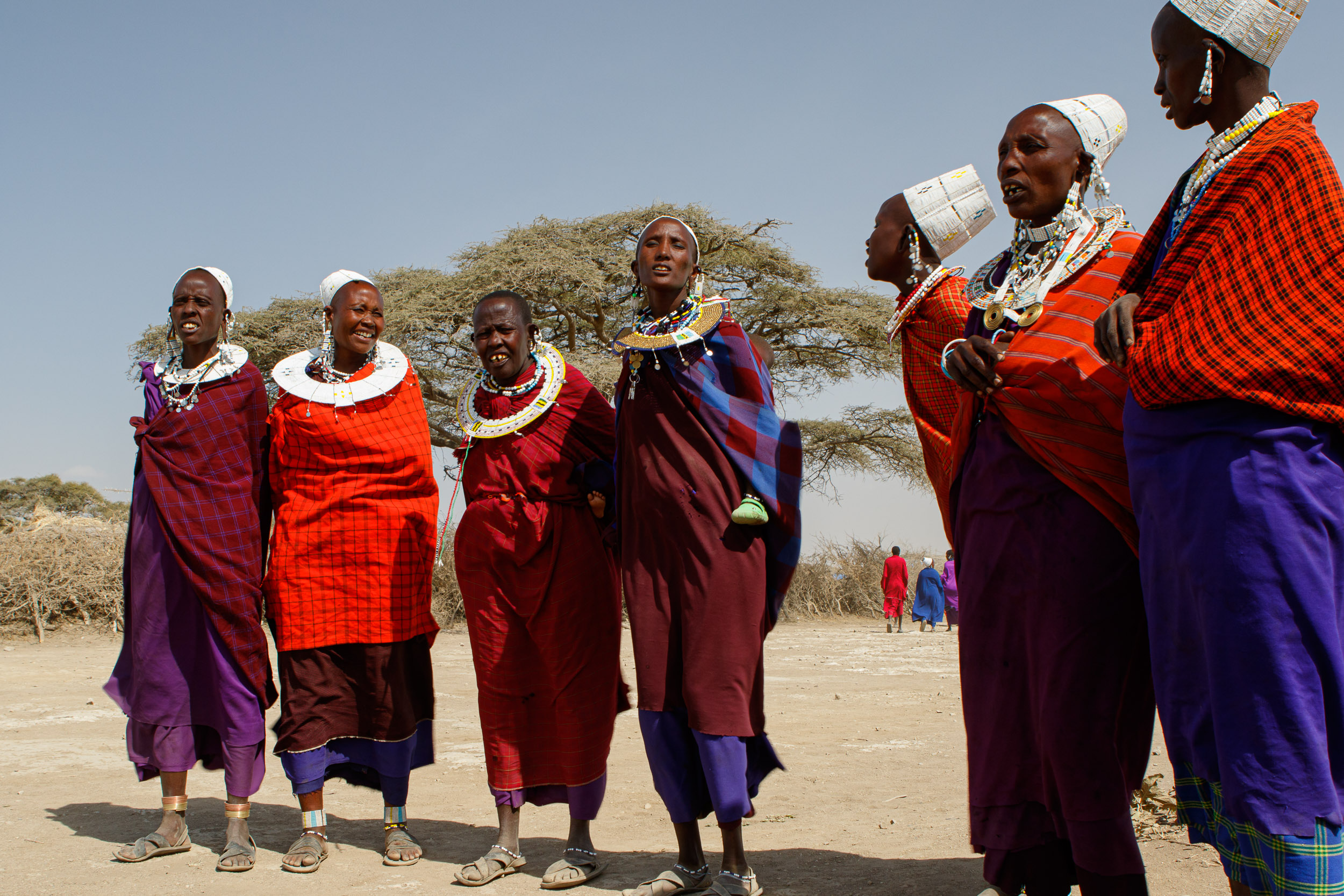
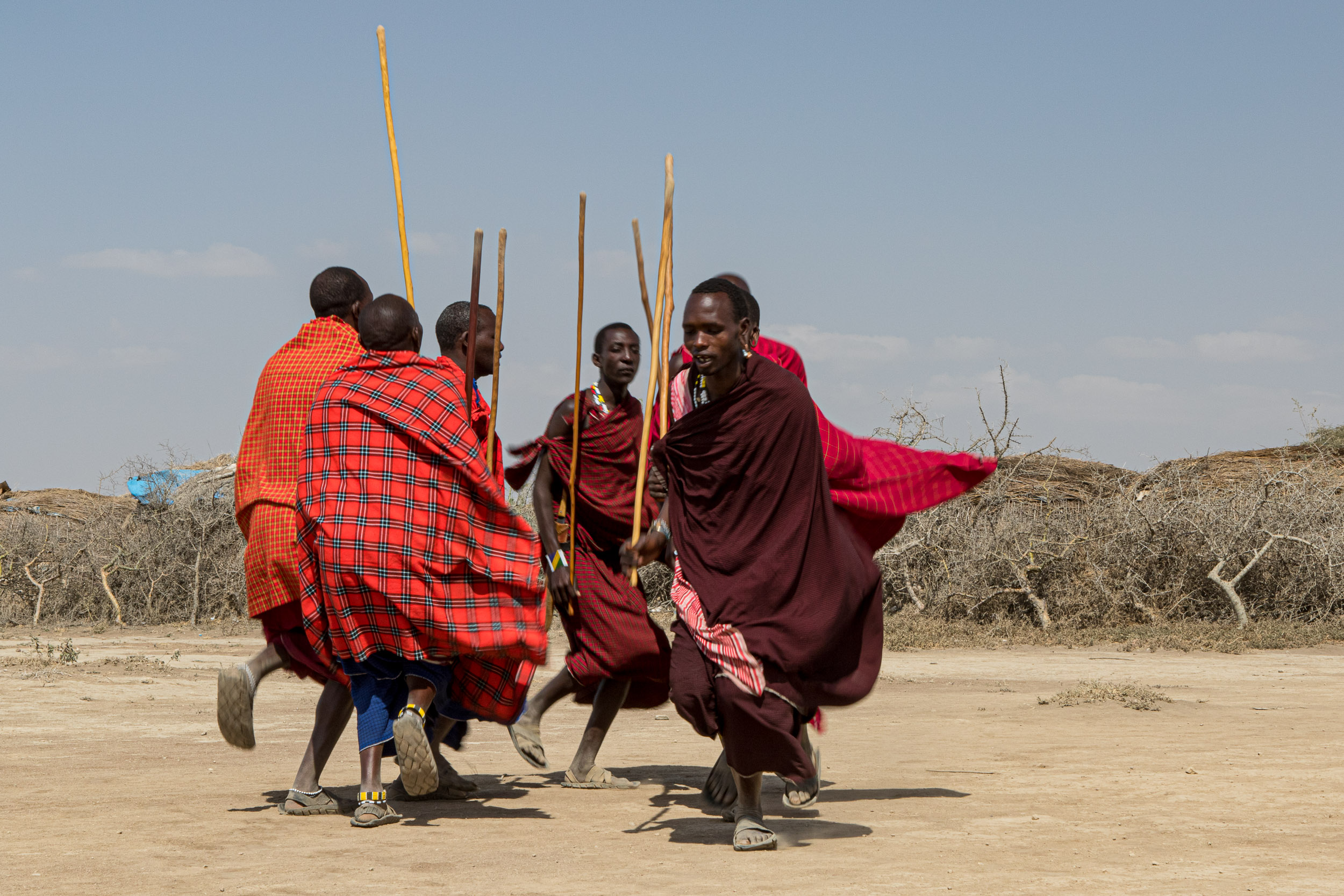
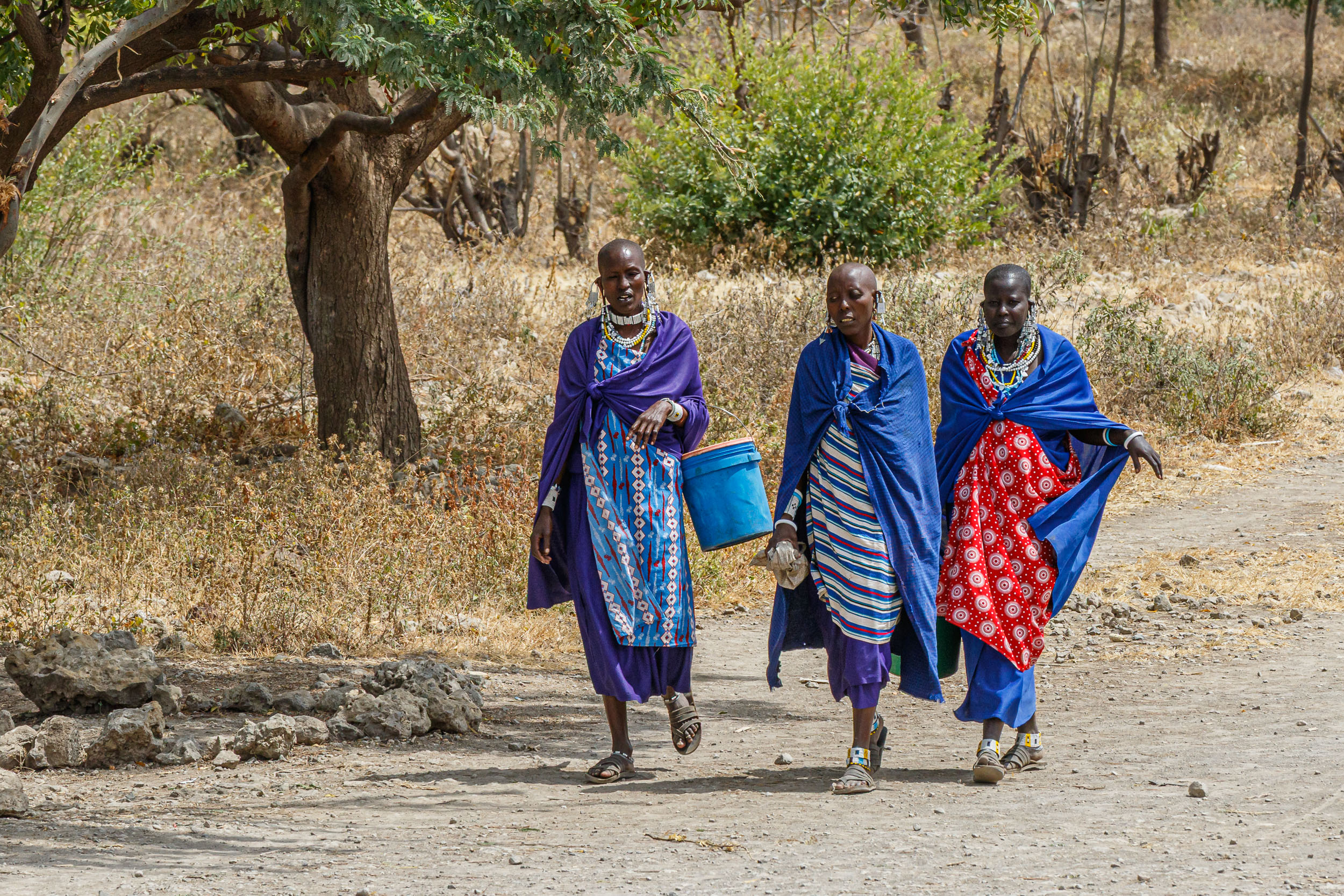
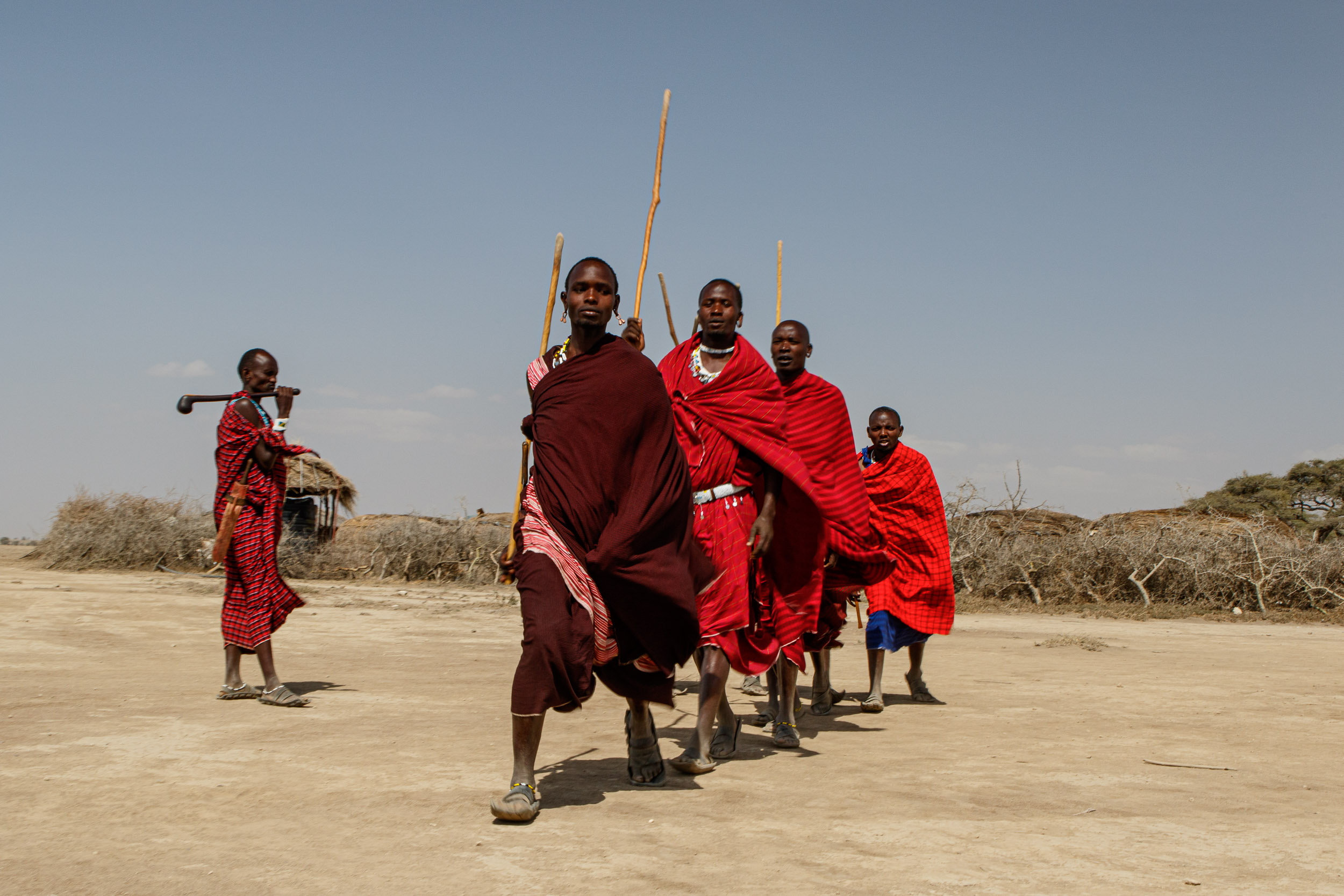
For the Maasai, adornment is a sophisticated visual language. Every color used in their world-renowned beadwork carries a specific meaning: red signifies bravery and unity; blue represents the sky and energy; green symbolizes the land and health. In these portraits, you see the heavy, melodic jewelry of the women and the pride of the moran (warriors). The transformation from a boy to a warrior is the most significant milestone in Maasai society, marked by ceremonies, specialized dress, and the iconic adumu—the jumping dance that serves as a display of strength and endurance.
The Sacred Bond with Cattle
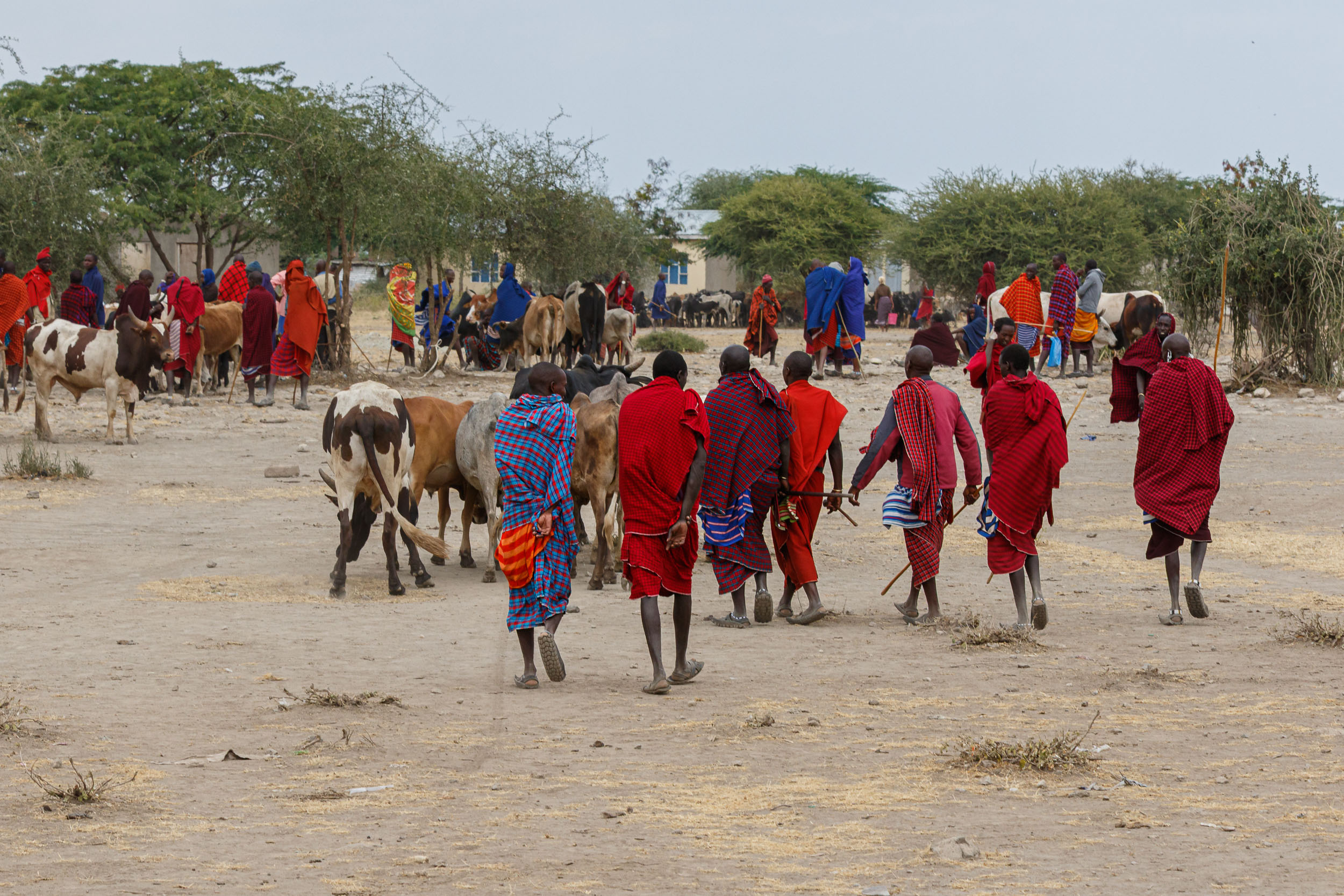
To understand the Maasai is to understand their relationship with cattle. In their belief system, all the cattle on Earth were granted to them by the creator, Enkai. Livestock is the foundation of their economy, their diet, and their social standing. Wealth is not measured by land or possessions, but by the number of children and cattle a man owns. This pastoral bond dictates their movement across the plains, as they follow the rains to ensure their herds find the greenest pastures.
Tradition in a Changing Landscape
While the world recognizes the Maasai for their striking appearance, their true essence lies in their communal spirit and oral history. Despite the pressures of land privatization and the pull of urban centers, many Maasai continue to walk the high ridges of the Ngorongoro and the plains of the Maasai Mara, balancing the requirements of the modern state with the ancient laws of their elders. They remain a people of deep pride, ensuring that the sound of their bells and the flash of their red robes continue to define the East African wilderness.