Temples, ceremonies, villages and cultural landscapes
Bali is one of Indonesia’s most distinctive islands, where landscapes, religion and daily life are closely intertwined. From coastal fishing villages and traditional farming communities to volcanic mountains and ancient temples, the island reveals a remarkable cultural and environmental diversity.
Across Bali, villages maintain traditions shaped by centuries of Hindu culture and agricultural life. Rice terraces climb volcanic slopes, ceremonies take place in temple courtyards, and coastal communities continue livelihoods connected to the sea.
Through photography, this page explores Bali as both a cultural landscape and a living environment where tradition, nature and everyday life remain deeply connected.
— Photo Galleries — Bali
visual collections
Culture & Traditions
Ceremonies, rituals and community life across Bali
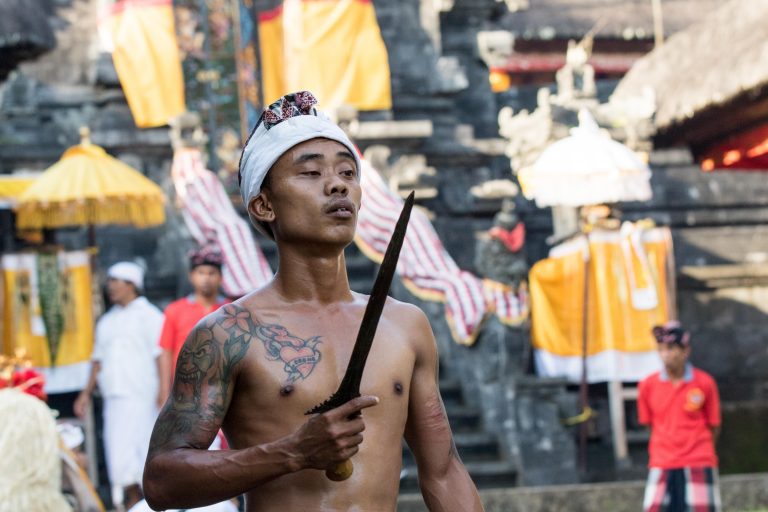
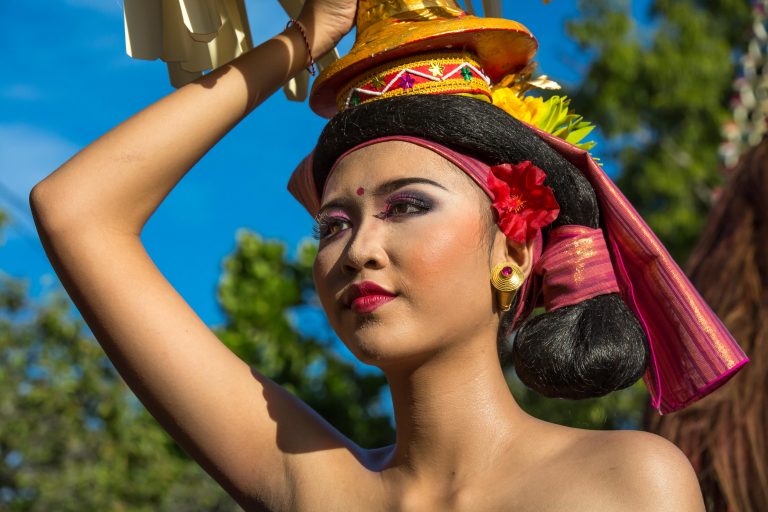
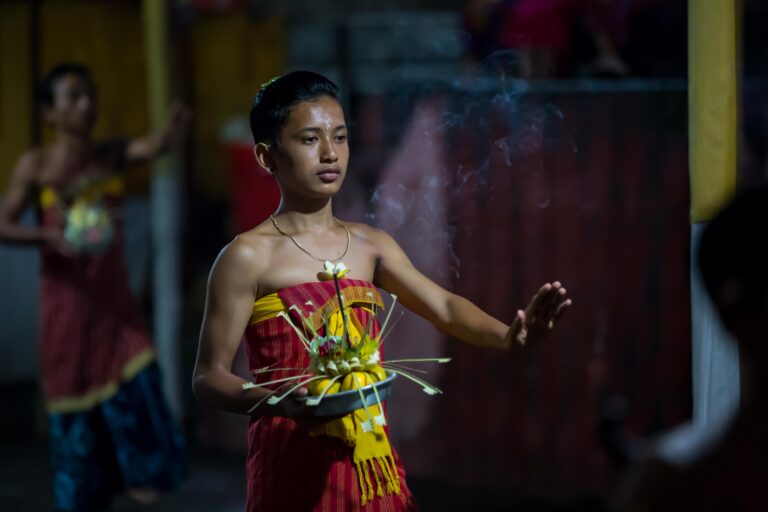
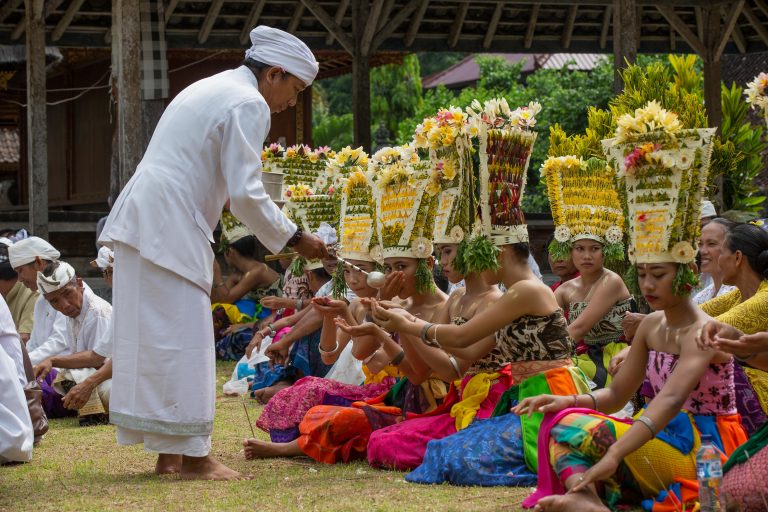
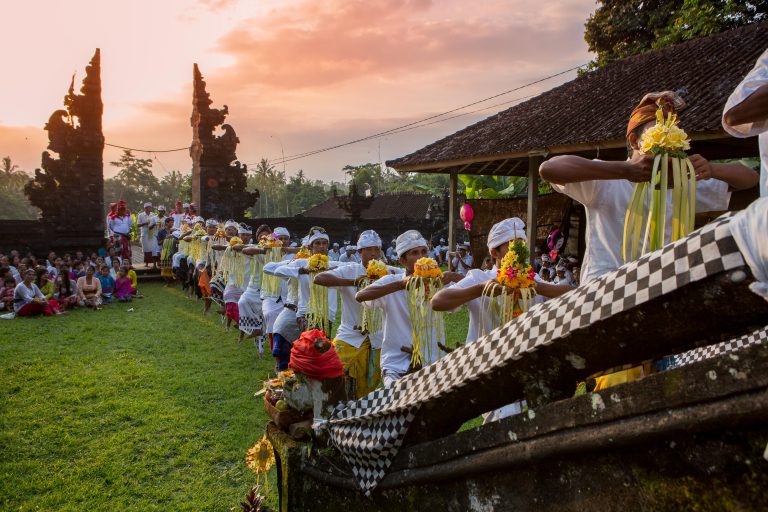
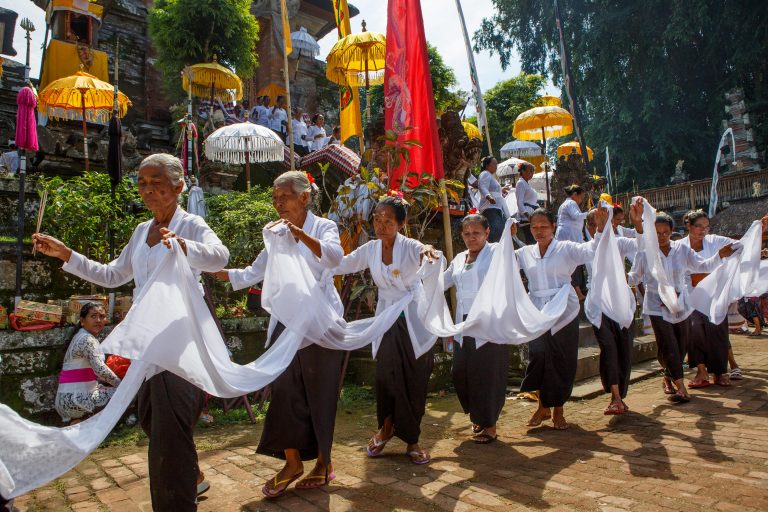
Balinese culture is deeply embedded in everyday life. Village ceremonies, temple festivals and traditional dances shape the rhythms of communities across the island. Many of these events take place within local temples and village courtyards, where religious rituals and communal gatherings remain an essential part of Balinese identity.
Rituals & Ceremonies
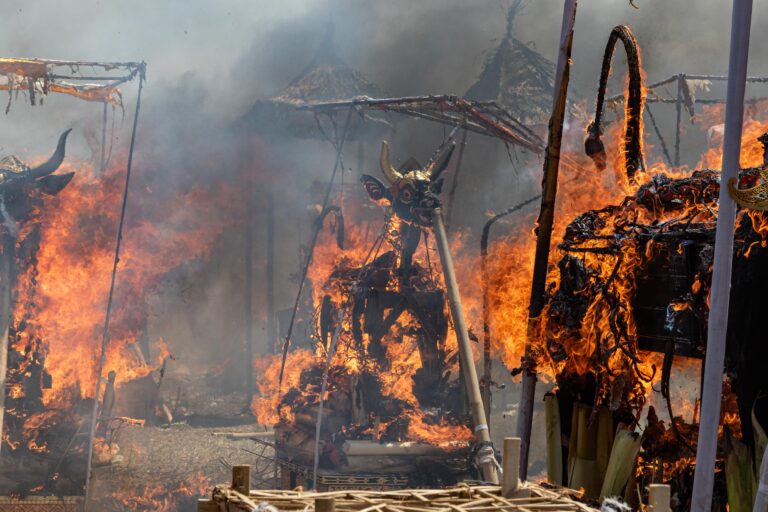
Balinese Hindu rituals shape everyday life across the island, from temple festivals and village ceremonies to cremation rites and seasonal celebrations.
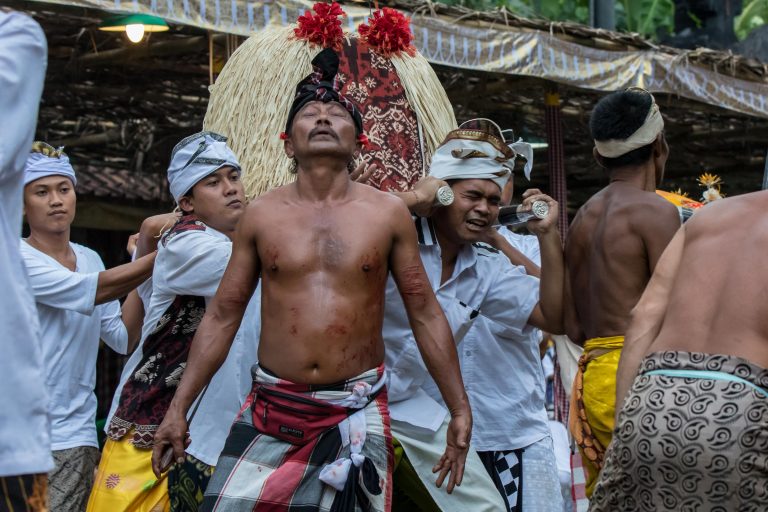
Daratan Ritual - Selumbung, East Bali (2018)
Ngusaba Puseh Ceremony - Selumbung, East Bali (2018)
Bungaya - East Bali
Ngaben - Mass Cremation, South Bali
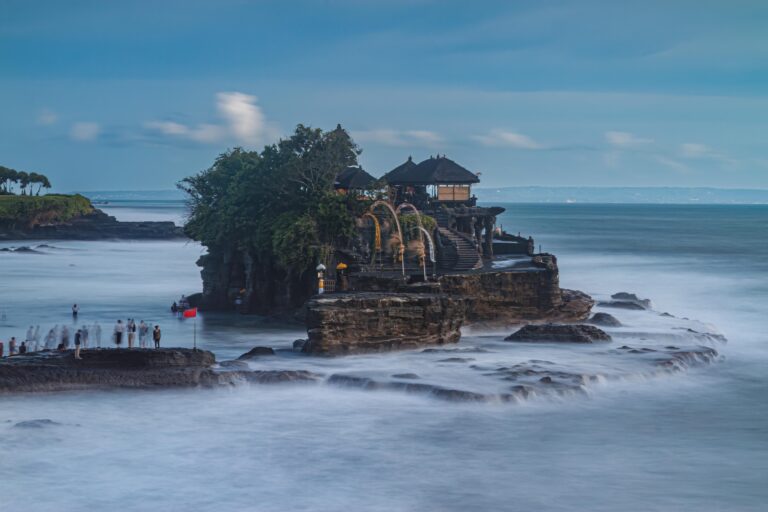
Tanah Lot Temple - South Bali
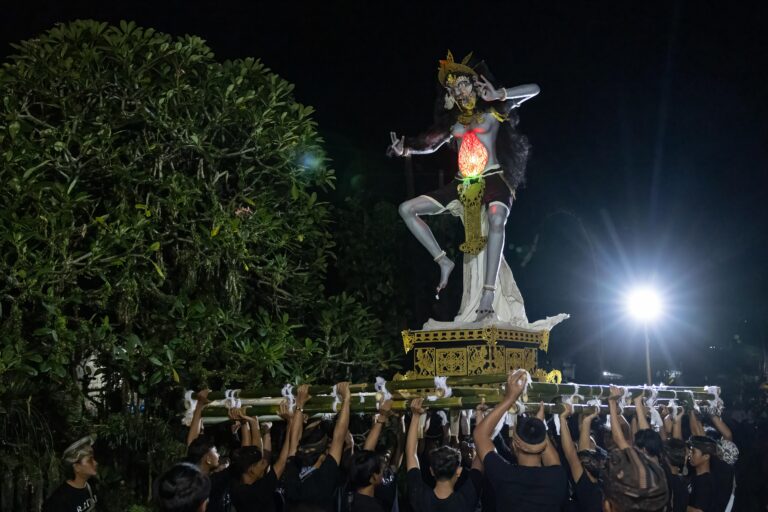
Ogoh-Ogoh Parade - Sanda, West Bali
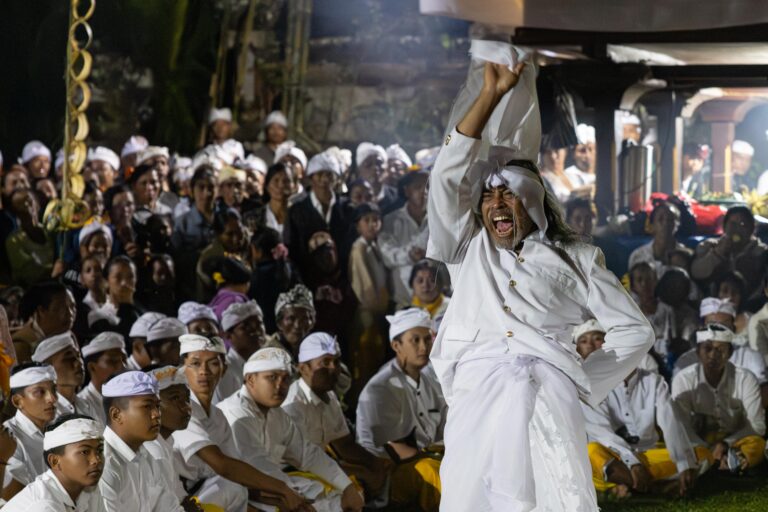
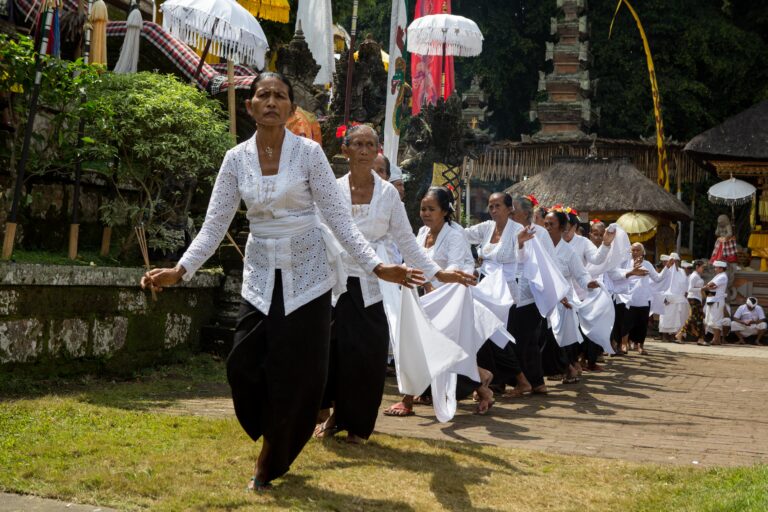
Sanda Temple Ceremonies - West Bali
Odalan, Tirta Empul Tempel – Tampaksiring, Central Bali
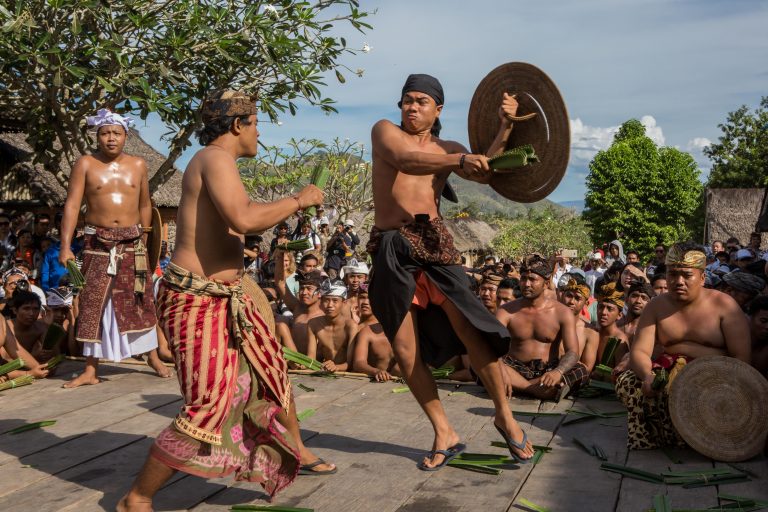
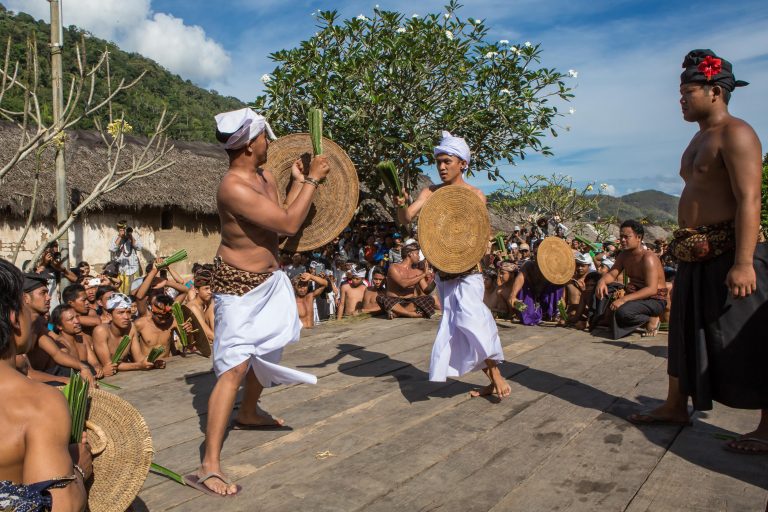
Mekare-kare - Tenganan Pegringsingan, East Bali
Odalan Ceremony, Pura Samuan Tiga Temple - Central Bali
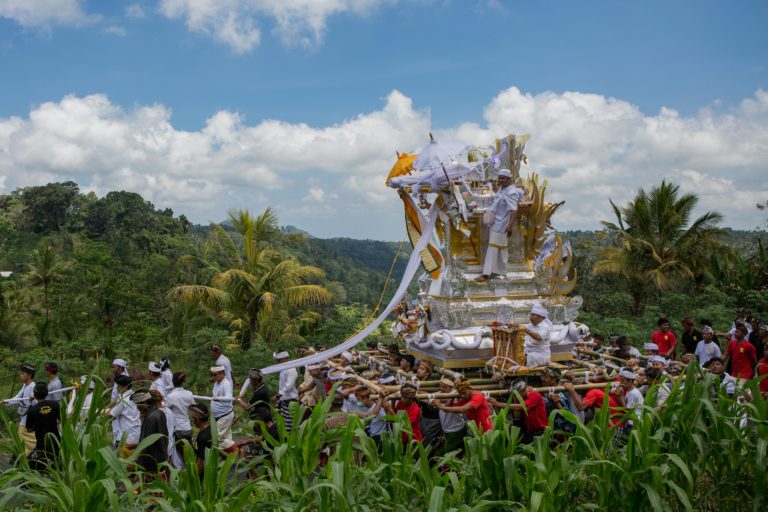
Cremation - Muncan, Central Bali
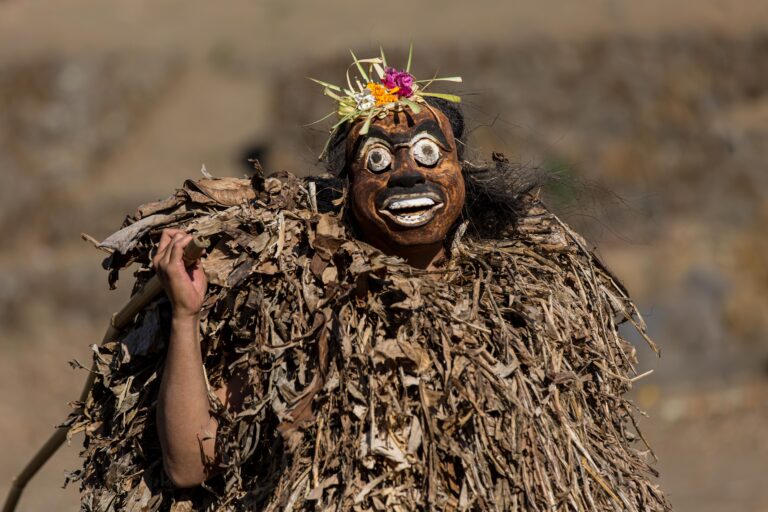
Barong Brutuk, Bali Aga - Trunyan, East Bali
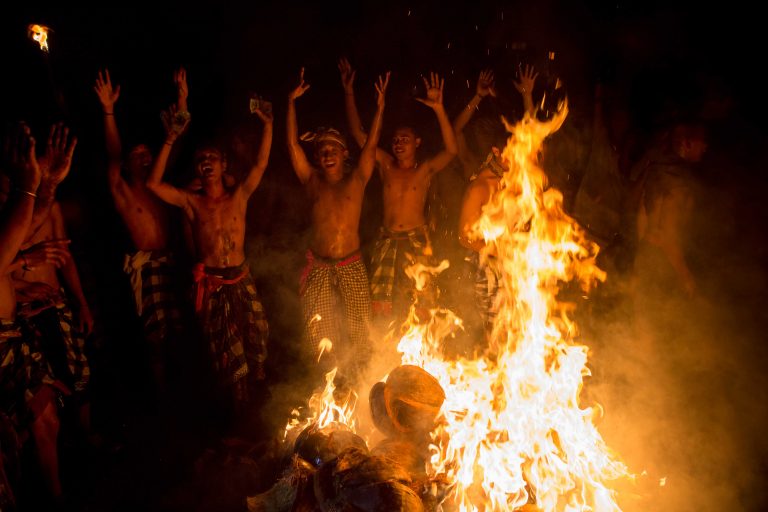
Fire War - Nagi, Central Bali
Usaba Dangsil Ceremony - Bungaya, East Bali
Usaba Ceremony - Nyuhtebel, East Bali
Ngusaba Puseh Ceremony - Selumbung, East Bali (2016)
Daratan Ritual - Selumbung, East Bali (2016)
Dance & Performance
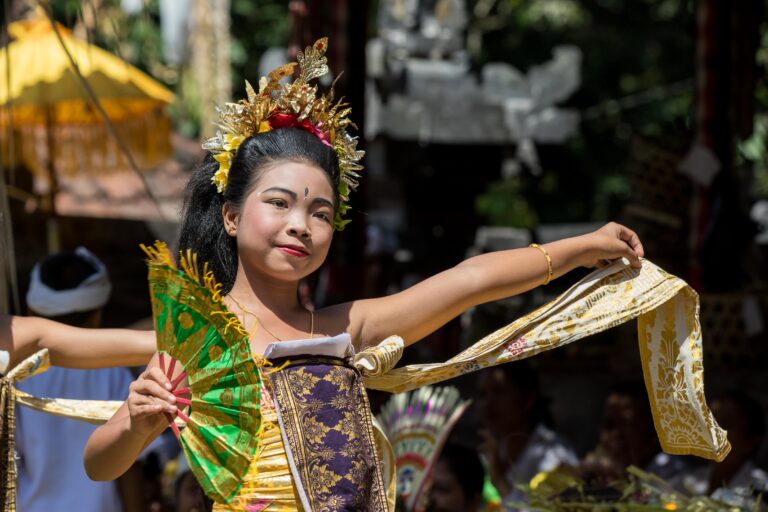
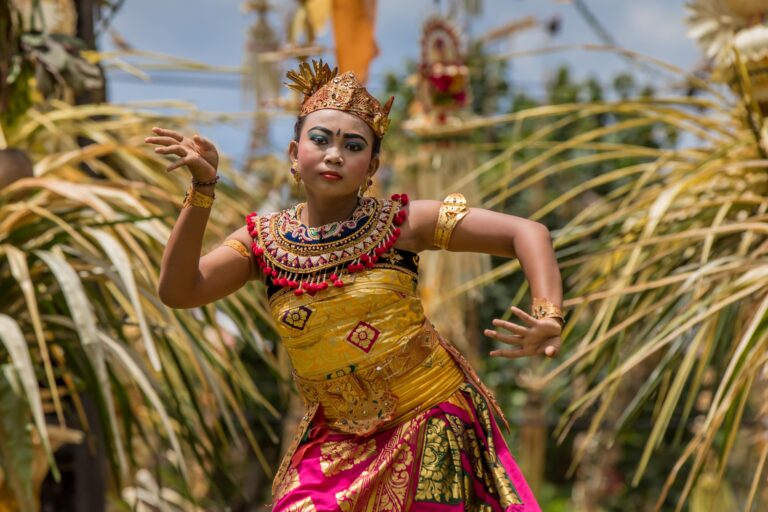
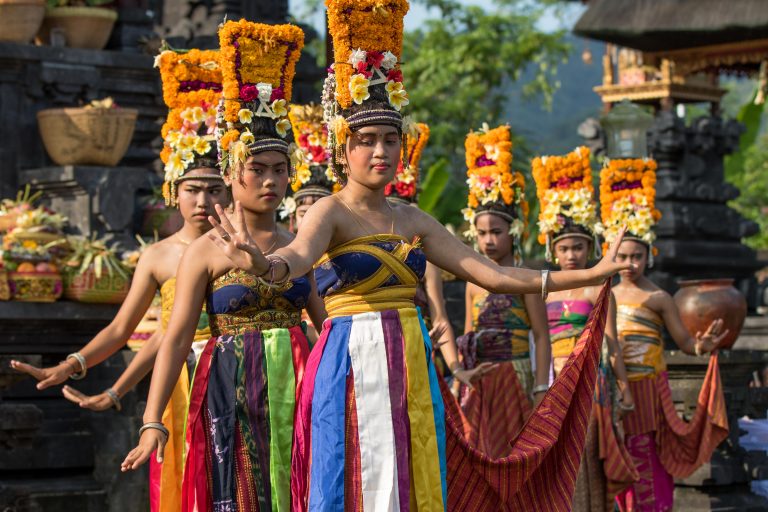
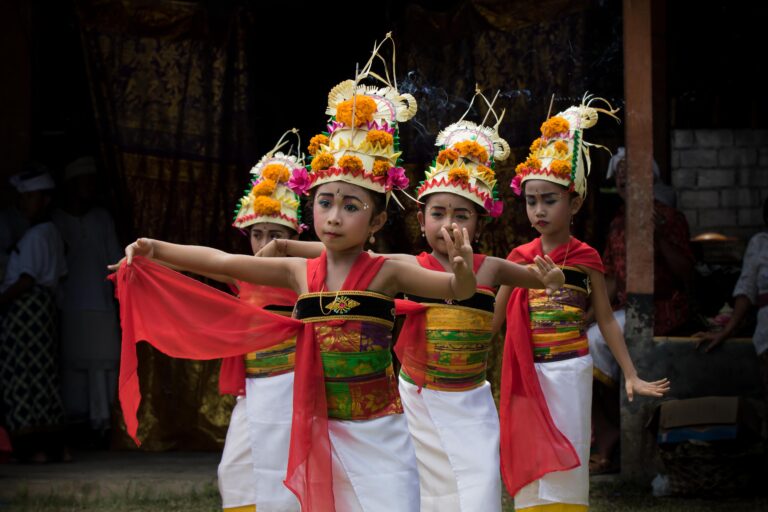
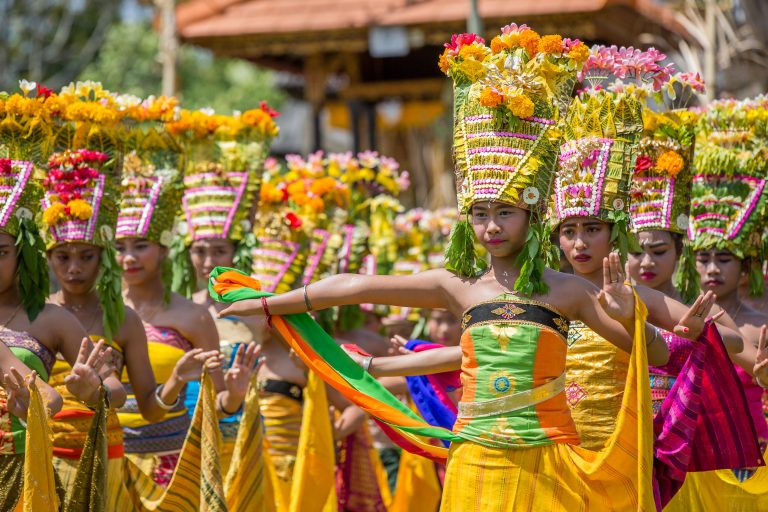
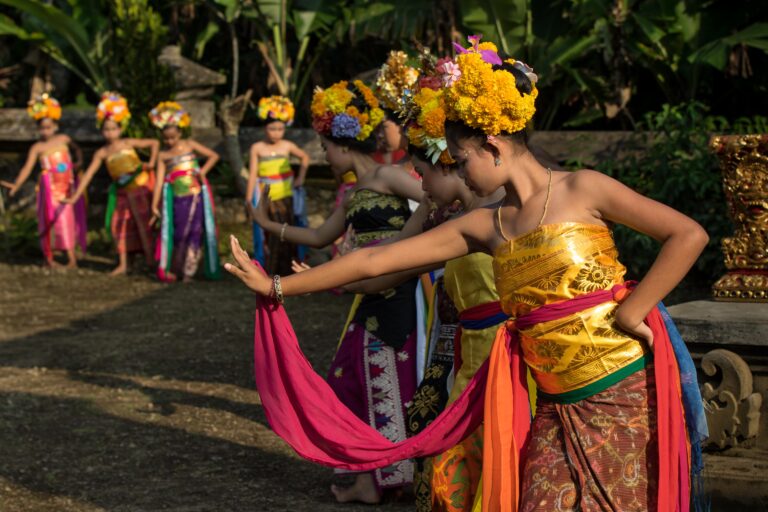
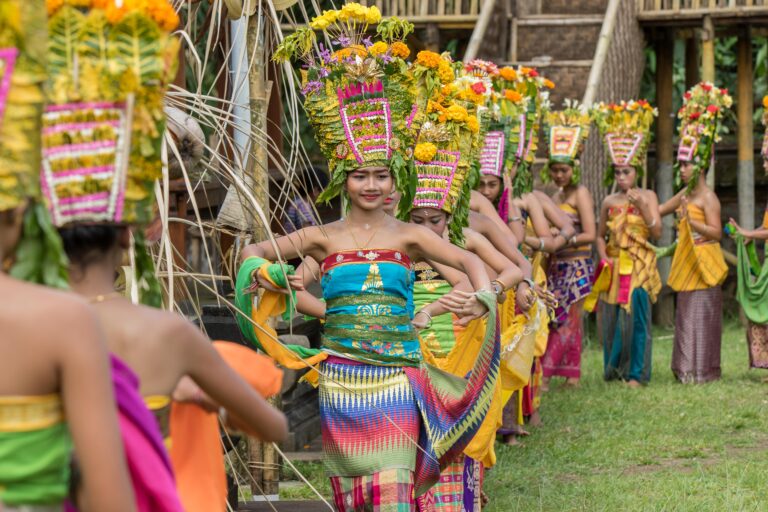
Dance is an essential part of Balinese ritual life, often performed during temple ceremonies and village festivals.
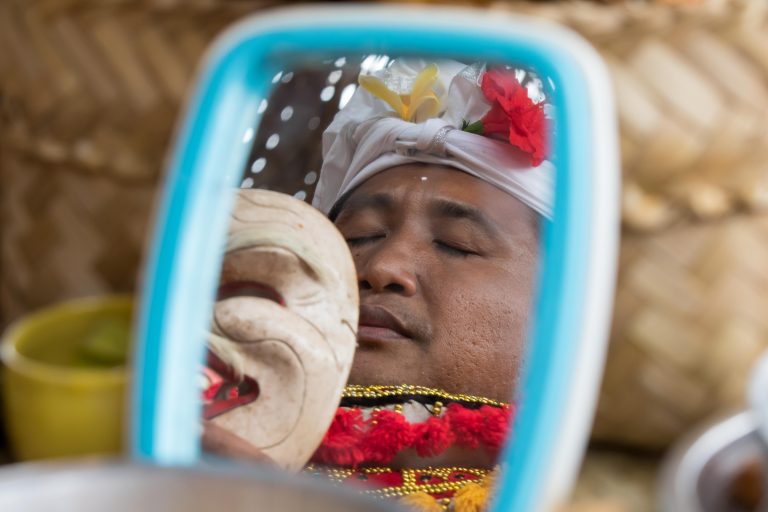
Mask Dance - East Bali
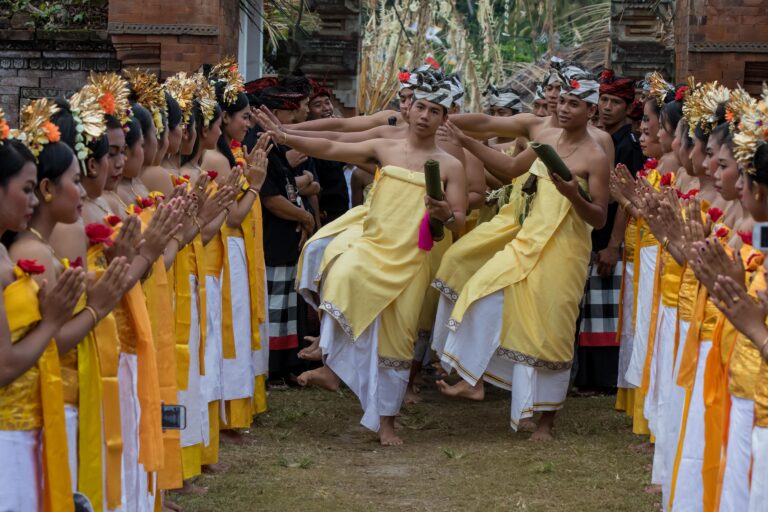
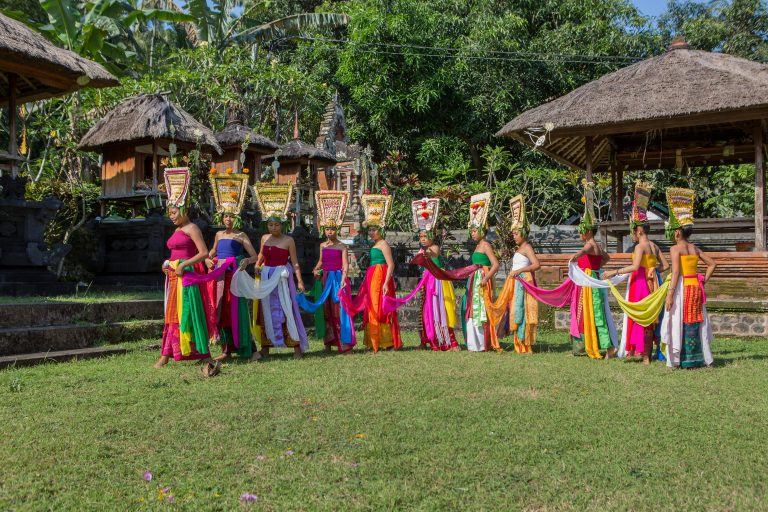
Rejang dance, Sadimara - East Bali
Rejang dance, Tiying Tali - East Bali
Bali Arts Festival - 2016
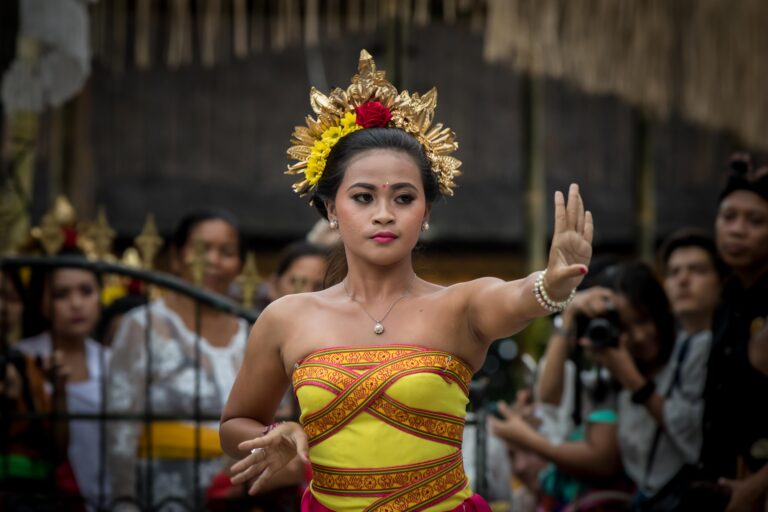
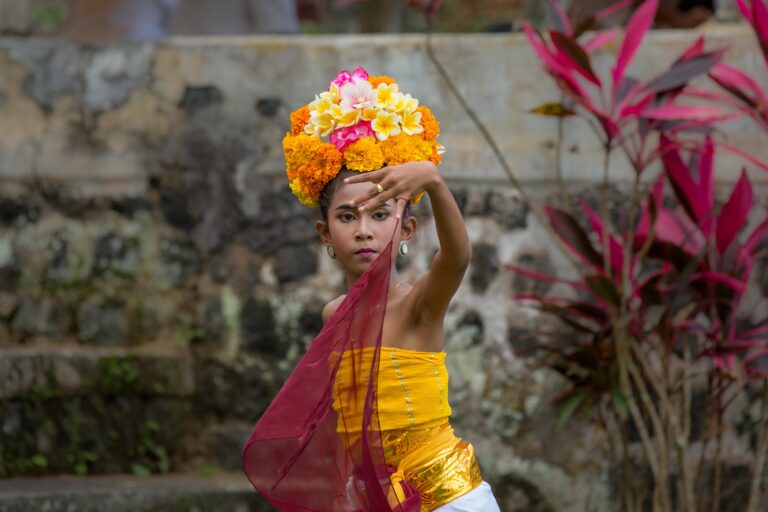
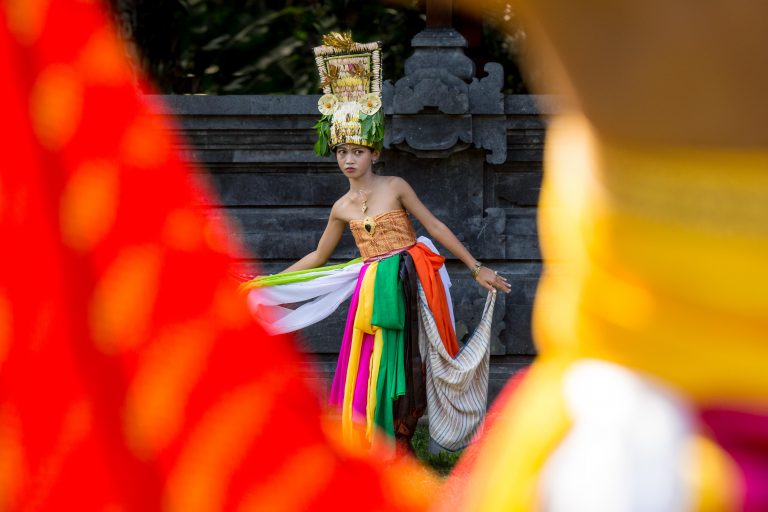
Pendet Dance - Bungaya, East Bali
Rejang dance, Antiga - East Bali
Rejang dance, Basang Alas - East Bali
Rejang dance, Juuk Manis - East Bali
Rejang dance, Tanah Aji - East Bali
Rejang dance, Tista - East Bali
Rejang dance, Ngis - East Bali
Rejang dance, Tauka - East Bali
Rejang dance, Abianjero - East Bali
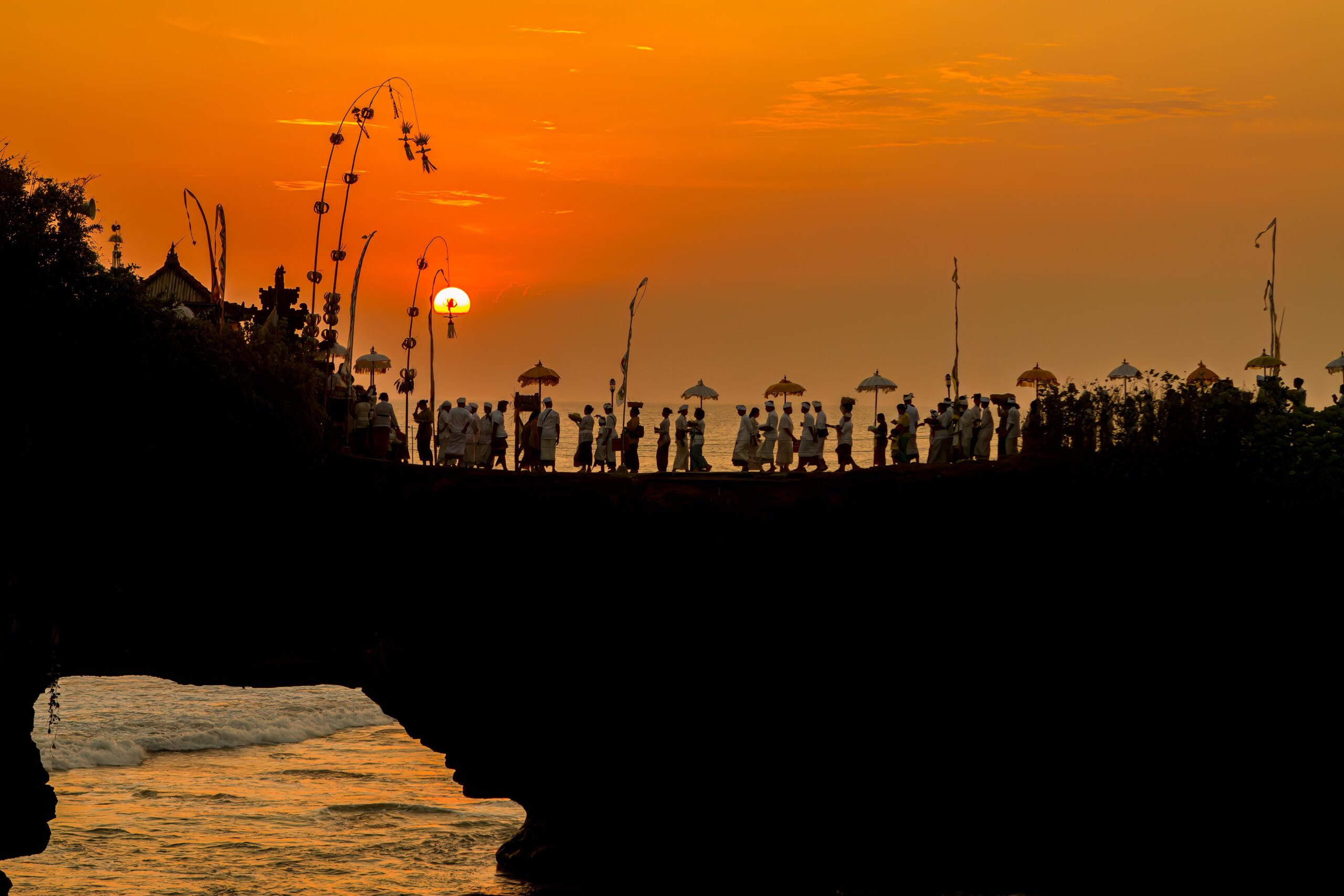
Balinese Hindu worshippers walking toward Pura Batu Bolong temple near Tanah Lot
Traditional Villages & Bali Aga Culture
Some communities preserve older cultural traditions and ways of life, often referred to as Bali Aga villages.
Tenganan Pegringsingan - East Bali
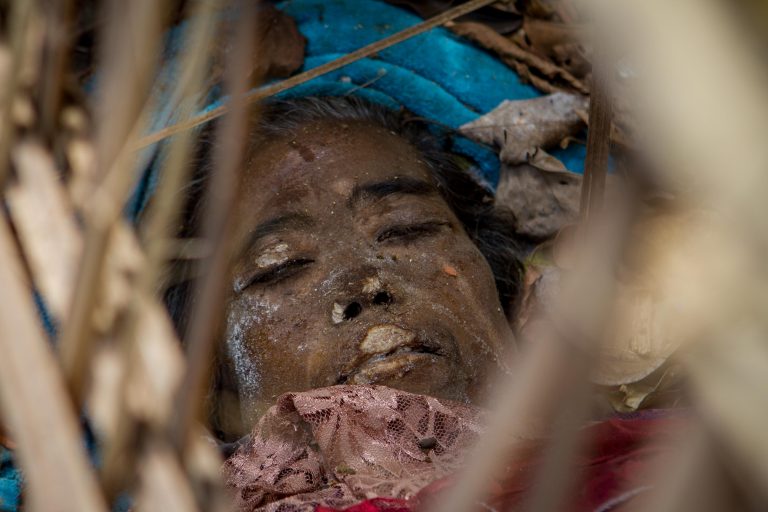
Bali Aga - Trunyan Village & Cemetery, East Bali
LANDSCAPES & RURAL LIFE
Volcanoes, lakes, rice terraces and coastal communities
Bali’s landscapes are closely connected to everyday life. Volcanic mountains shape fertile agricultural regions where rice terraces follow traditional irrigation systems, while crater lakes and forested highlands form important cultural and ecological landscapes.
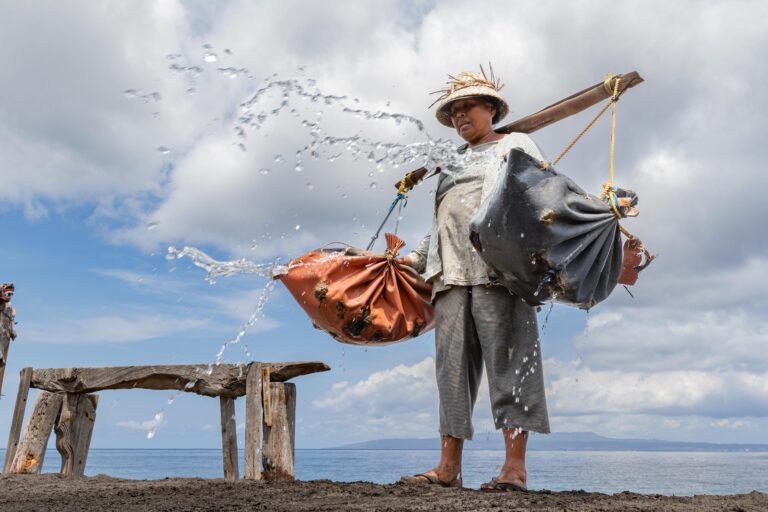
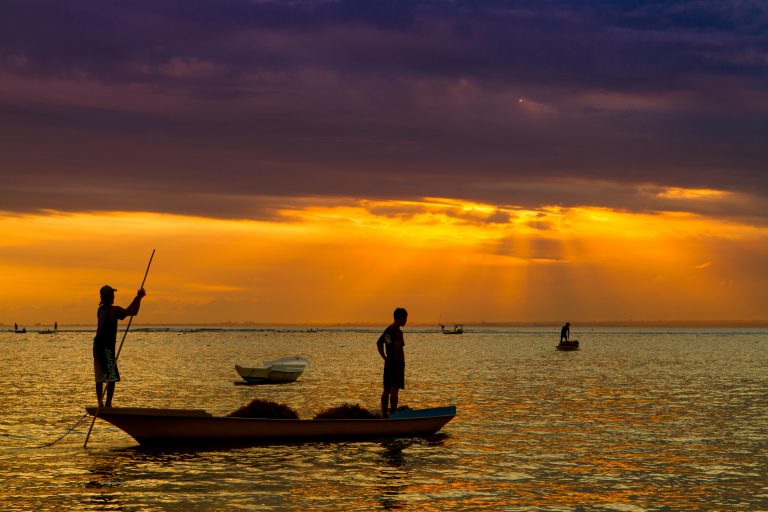
Across the island, rural communities depend on these environments. Farmers cultivate rice on volcanic slopes, while coastal villages continue livelihoods linked to fishing, salt production and seaweed farming.
Together these landscapes reveal how nature and culture remain deeply intertwined in Bali, forming what UNESCO describes as the island’s unique cultural landscape.
Salt Makers of Kusamba - East Bali
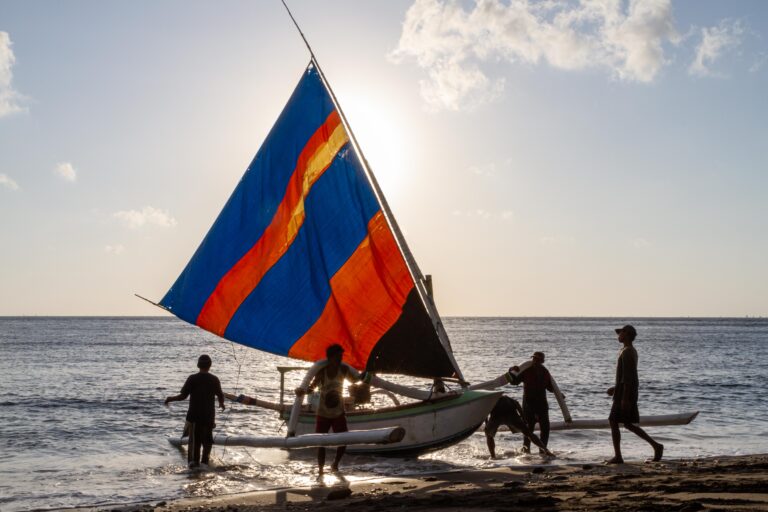
Amed - East Bali
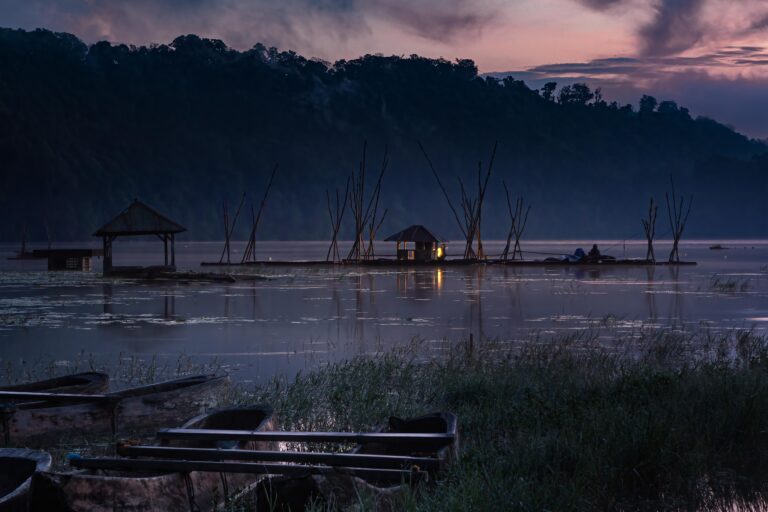
Lake Tamblingan - Central Bali
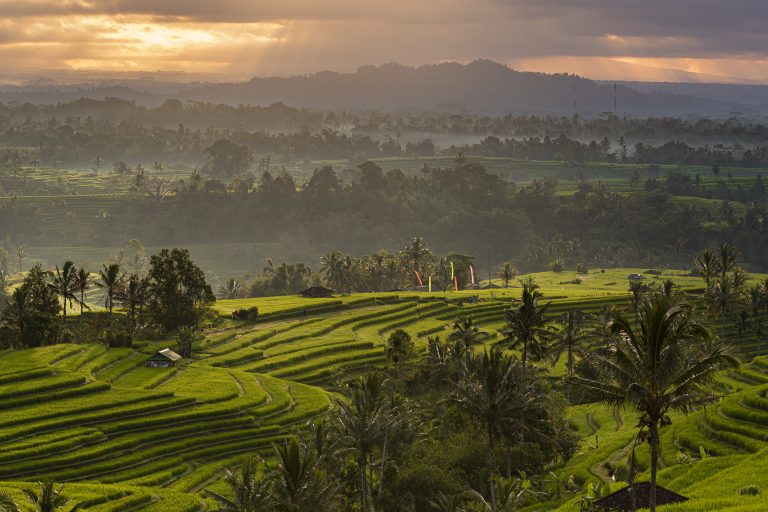
Jatiluwih rice fields - Central Bali
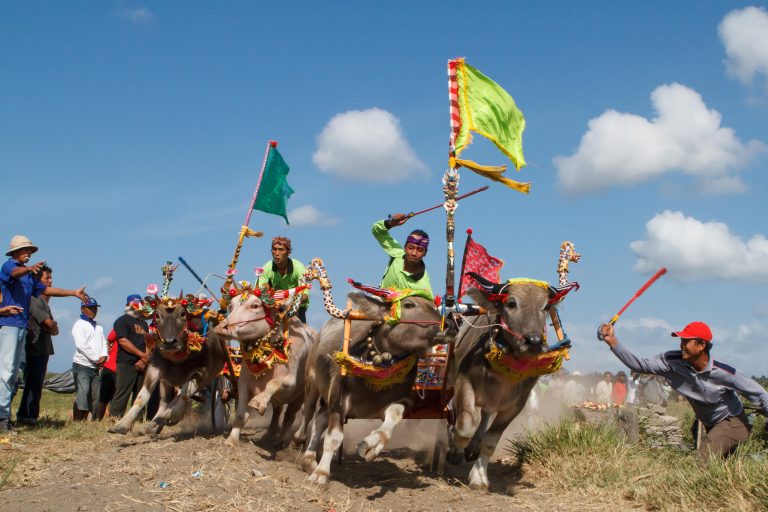
Makepung - Bull Races in West Bali
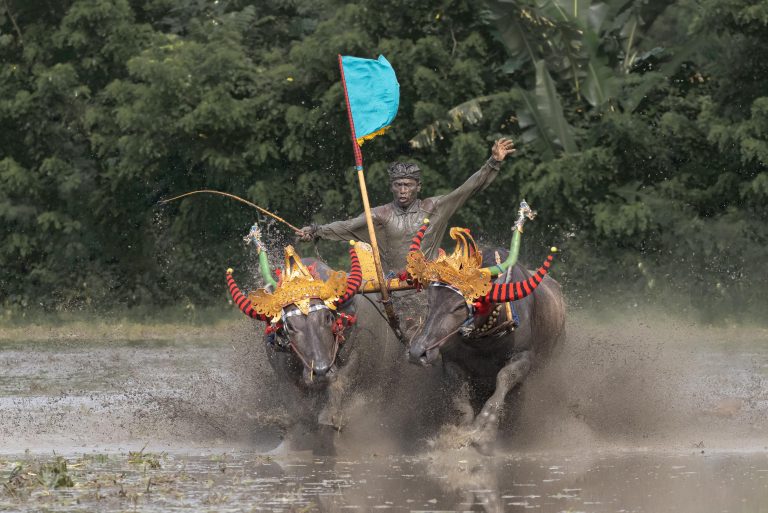
Makepung Lampit - Bull Races in West Bali
Seaweed Farming - Nusa Lembongan, South Bali
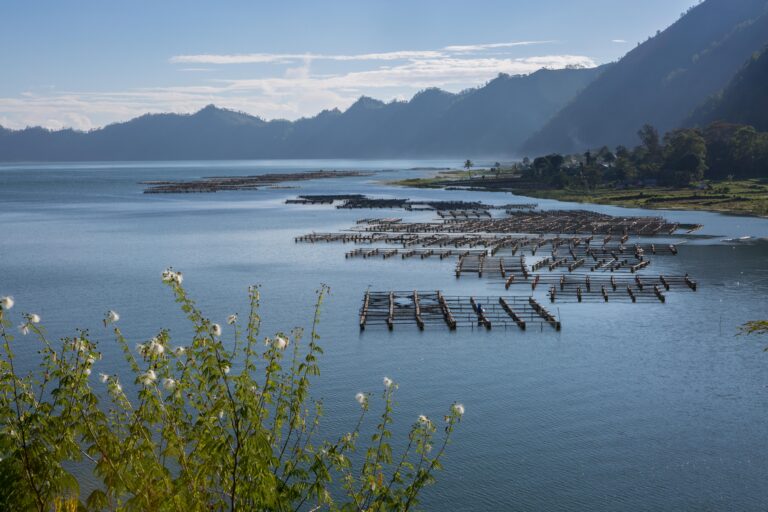
Batur - Northeast Bali
Pinggan - Batur, Northeast Bali
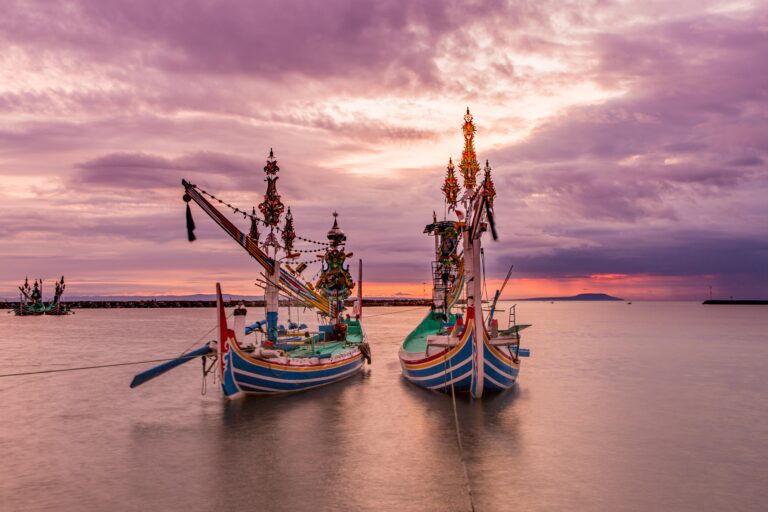
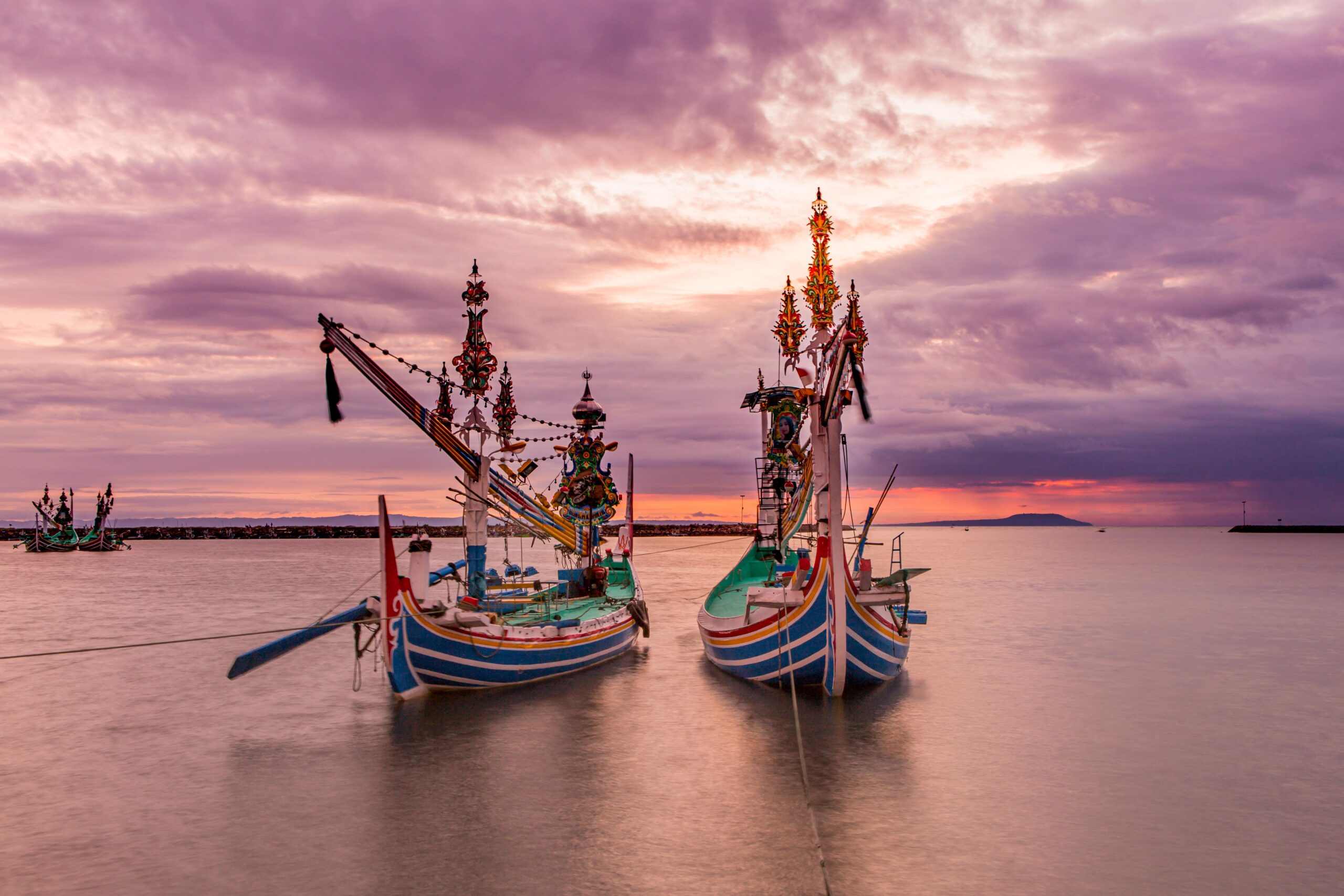
Pengambengan Harbor - West Bali
Wildlife
Birds, reptiles and island ecosystems of Bali
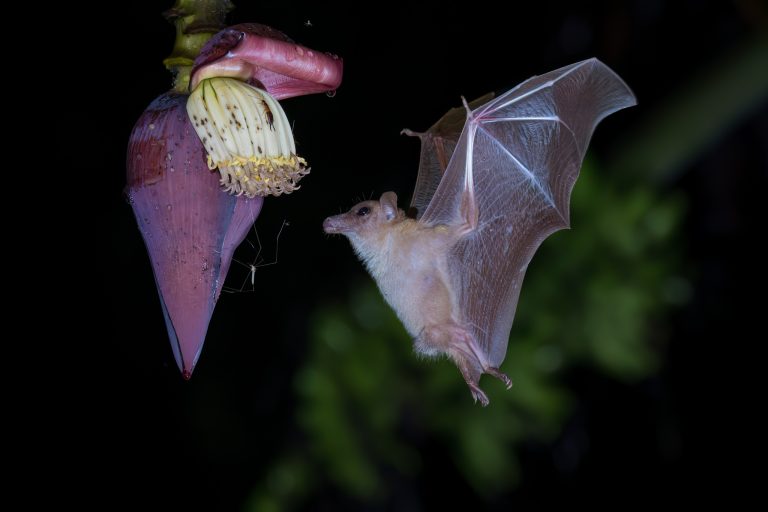
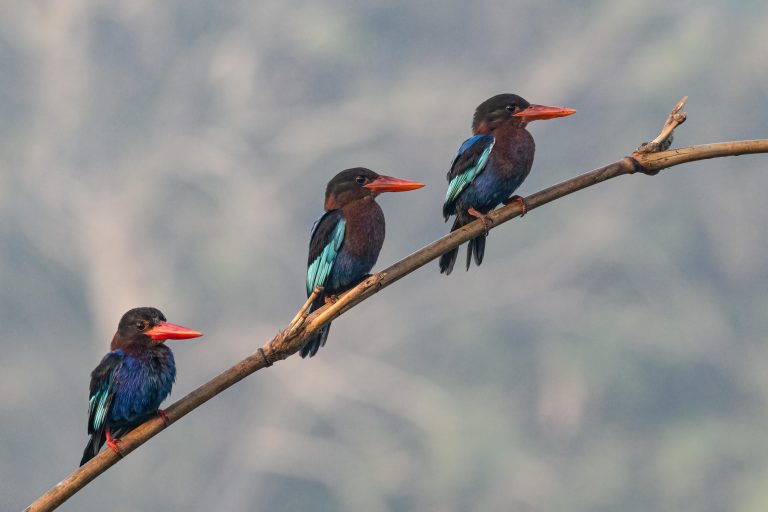
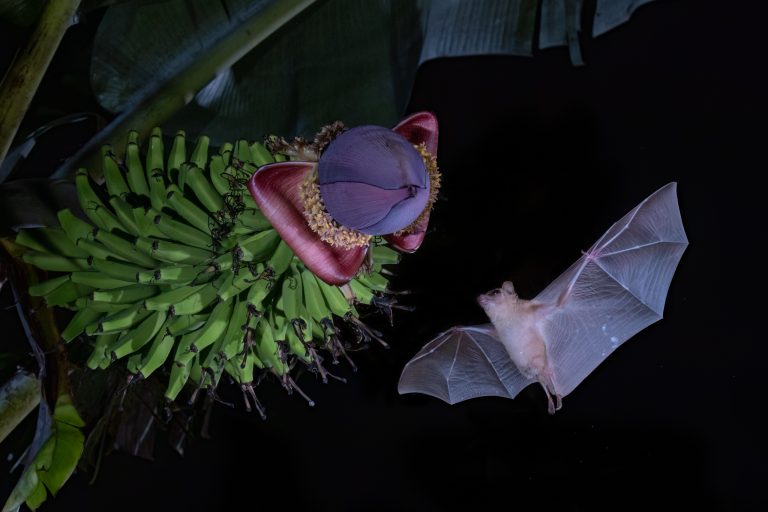
Although Bali is primarily known for its temples and cultural landscapes, the island also supports a diverse range of wildlife. Forests, coastal wetlands and volcanic mountain slopes provide habitats for birds, reptiles and other species that are less often noticed by visitors focused on the island’s cultural attractions.
Bats - Bali
Snakes, Lizards, Toads & Frogs - Bali
Birds - Bali
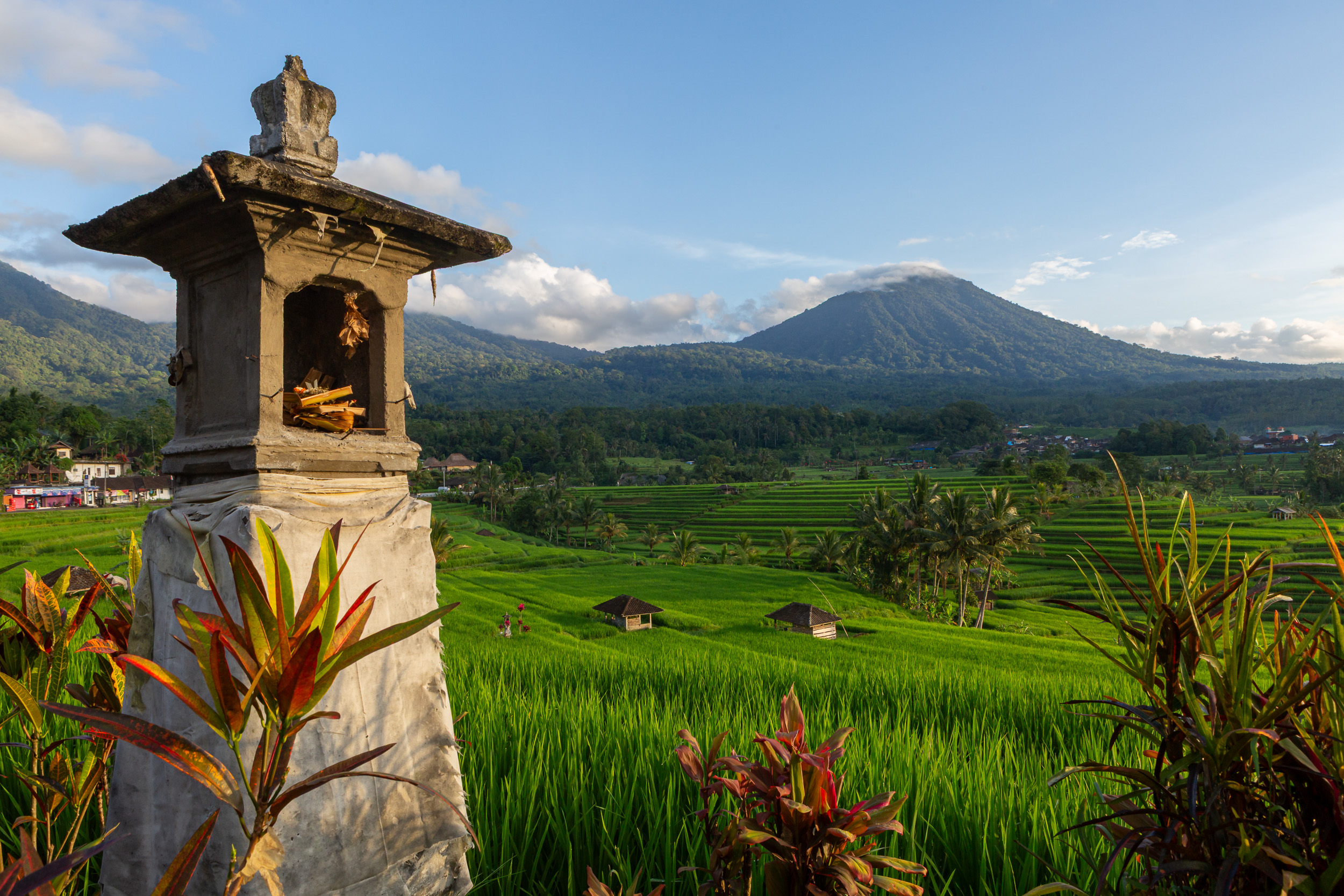
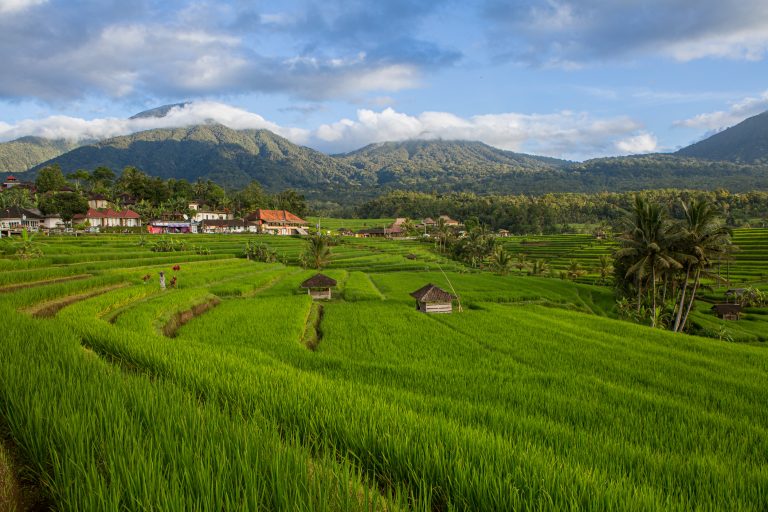
A small temple in the rice fields of Jatiluwih, dedicated to the Subak
Exploring Bali Through Photography
Bali offers an extraordinary combination of landscapes and cultural traditions. Photography on the island often reveals how closely everyday life is connected to agriculture, religion and the surrounding environment.
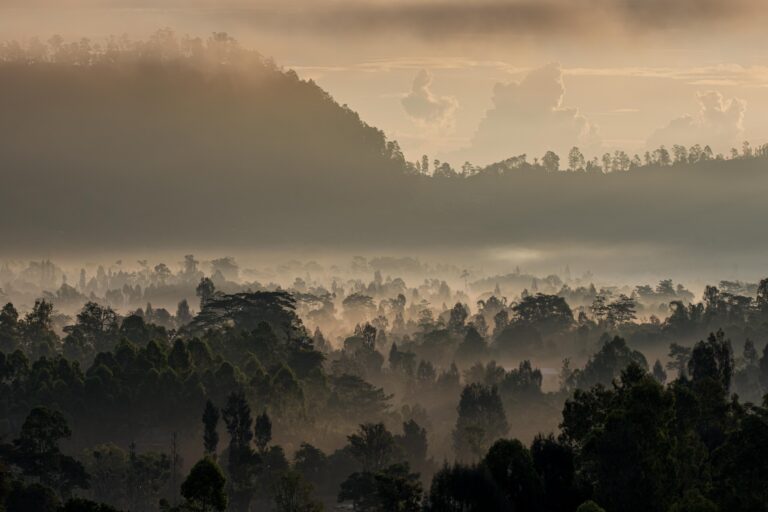
Morning light over volcanic valleys, farmers working in rice terraces and ceremonies in village temples all illustrate the intimate relationship between people and landscape that defines much of Balinese life.
From coastal fishing villages to mountain communities around Lake Batur, the island presents a visual narrative shaped by both nature and tradition.
Regions of Bali
Although relatively small, Bali contains several distinct regions shaped by geography, agriculture and long-standing cultural traditions. From coastal fishing villages to volcanic mountain landscapes, each part of the island reveals a different relationship between landscape and community.
East Bali – Traditional Villages and Coastal Life
Eastern Bali is known for traditional villages, quiet fishing communities and agricultural landscapes. Villages such as Tenganan Pegringsingan and Bungaya preserve older cultural traditions, while coastal areas around Amed and Kusamba reveal livelihoods connected to fishing and salt production.
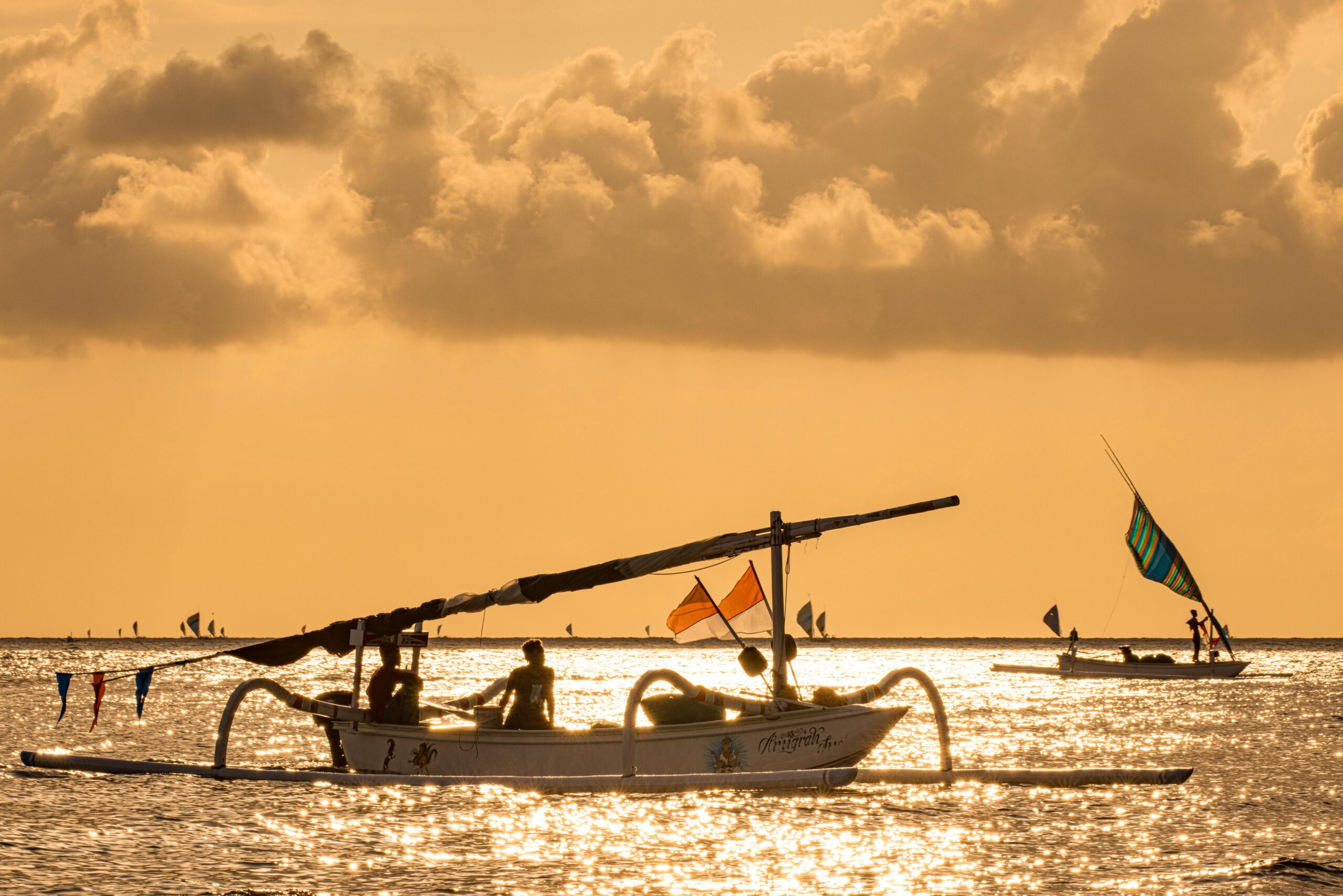
Traditional jukung fishing boats at Amed, Northeast Bali
Central Bali – Rice Terraces and Mountain Lakes
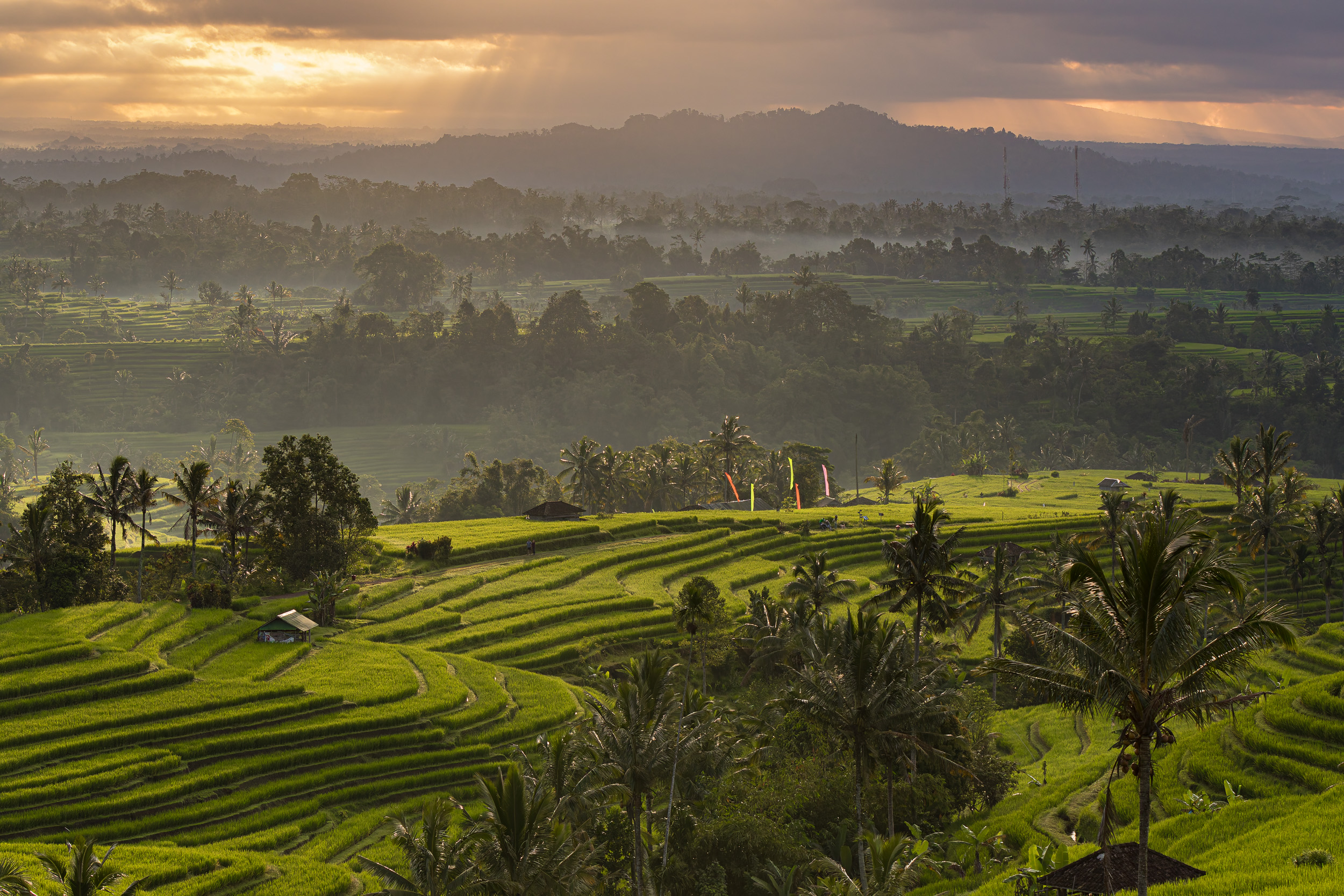
Central Bali is defined by fertile volcanic landscapes and some of the island’s most famous rice terraces. The region around Jatiluwih demonstrates the traditional Subak irrigation system that has shaped Balinese agriculture for centuries. Nearby, mountain lakes such as Tamblingan lie within forested volcanic highlands.
Jatiluwih terraced rice fields in Bali, Indonesia
Northeast Bali – Volcanic Landscapes
The landscapes around Mount Batur reveal Bali’s volcanic origins. Villages such as Pinggan overlook the volcanic caldera and Lake Batur, creating dramatic sunrise scenes where mountains, mist and agricultural land meet.
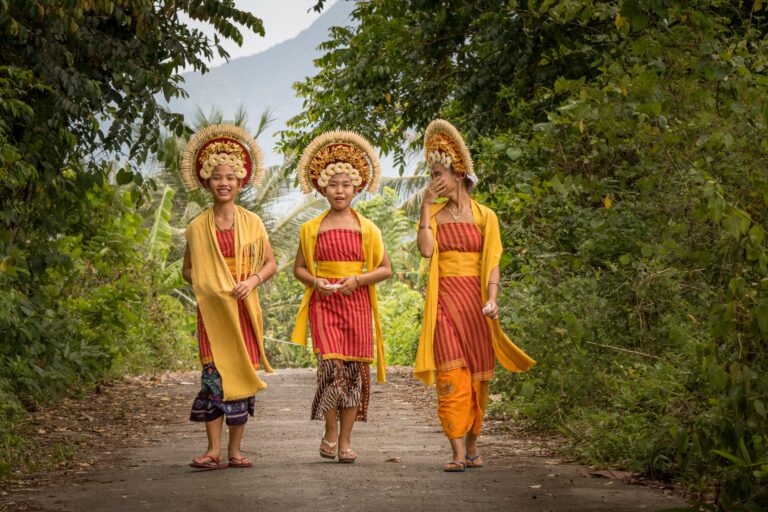
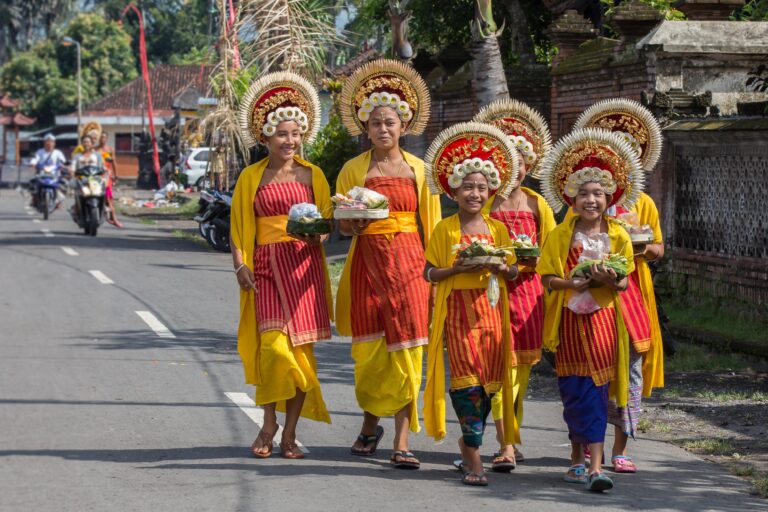
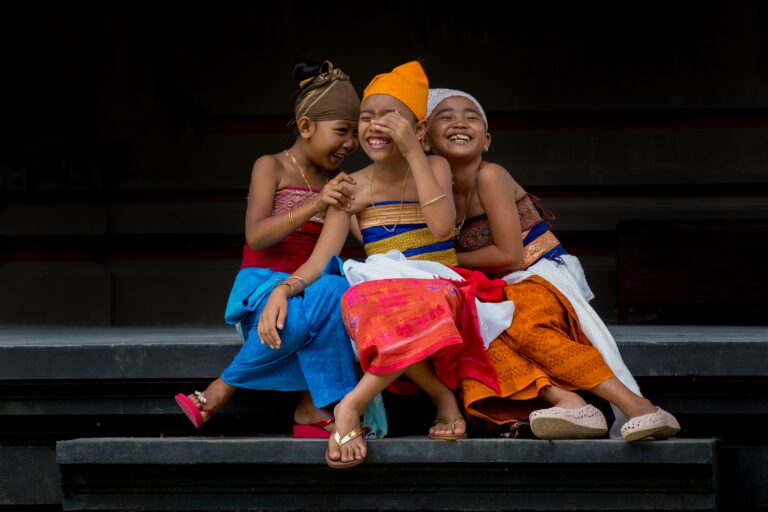
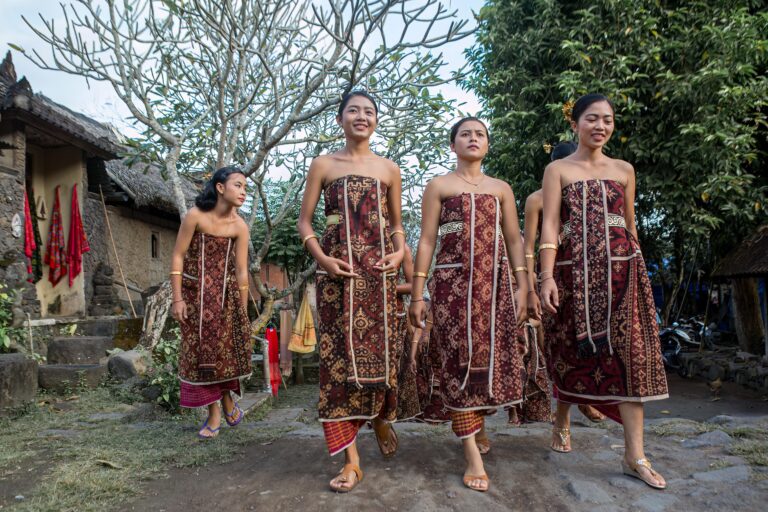
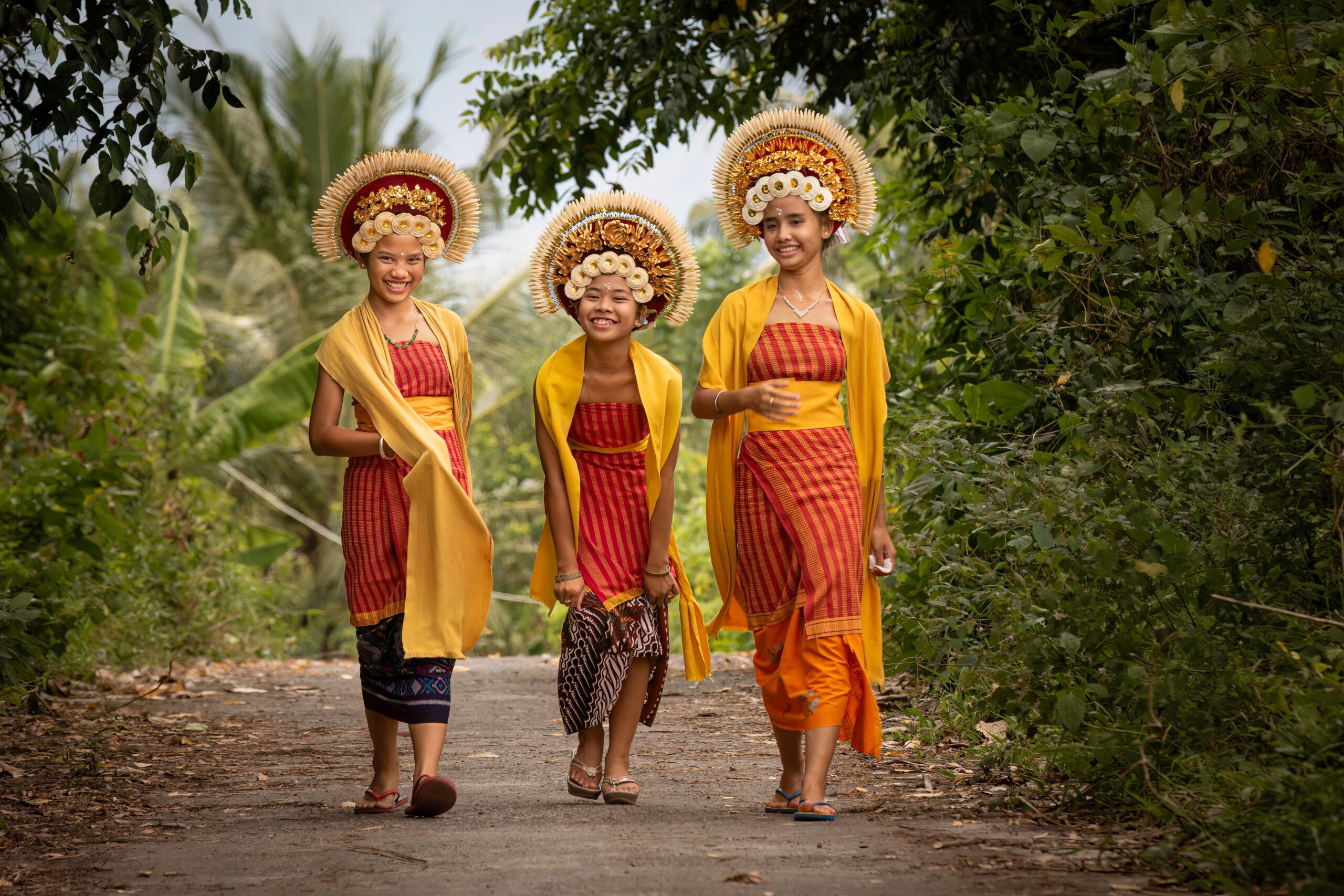
Girls in East Bali's Bungaya on their way to a temple ceremony
West Bali – Rural Traditions and Coastal Culture
Western Bali remains quieter and less visited than other parts of the island. The region around Negara is known for Makepung buffalo races, while fishing harbours such as Pengambengan reveal traditional coastal livelihoods.
Traditional fishing boats in the harbour of Pengambengan, West Bali.