Rainforests, wildlife and indigenous cultures of western Indonesia
Sumatra, Indonesia – Rainforest Landscapes and Indigenous Traditions
Sumatra is one of Indonesia’s largest and most diverse islands, stretching along the western edge of the Indonesian archipelago. Dense tropical rainforests, volcanic mountain ranges and remote islands create some of the most dramatic landscapes in Southeast Asia.
The island is also home to some of the last remaining wildlife habitats in Indonesia, including the rainforests of Gunung Leuser National Park and the wetlands of Way Kambas, where endangered species such as orangutans, elephants and rhinoceros still survive.
Beyond its forests and national parks, Sumatra is also known for its indigenous cultures. From the Mentawai communities of Siberut Island to the traditional villages of the Minangkabau highlands in West Sumatra, the island contains a remarkable diversity of cultures and landscapes.
This page brings together photographic galleries and stories from several regions across Sumatra.
- PHOTO GALLERIES -
visual collections
Rainforests & Wildlife
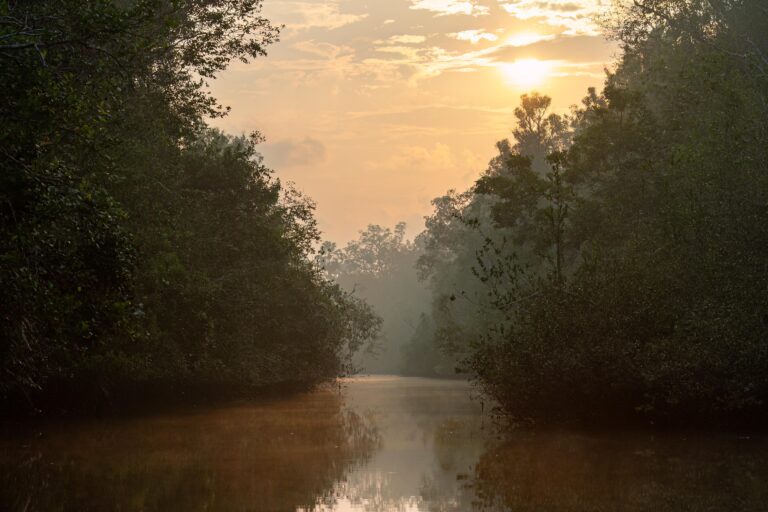
Sumatra contains some of the most important rainforest ecosystems in Southeast Asia. National parks such as Gunung Leuser and Way Kambas protect rare wildlife including orangutans, elephants and many species of birds and reptiles.
Way Kambas National Park - South Sumatra
Indigenous Cultures
Several indigenous communities across Sumatra maintain cultural traditions that are closely connected to their forest environments.
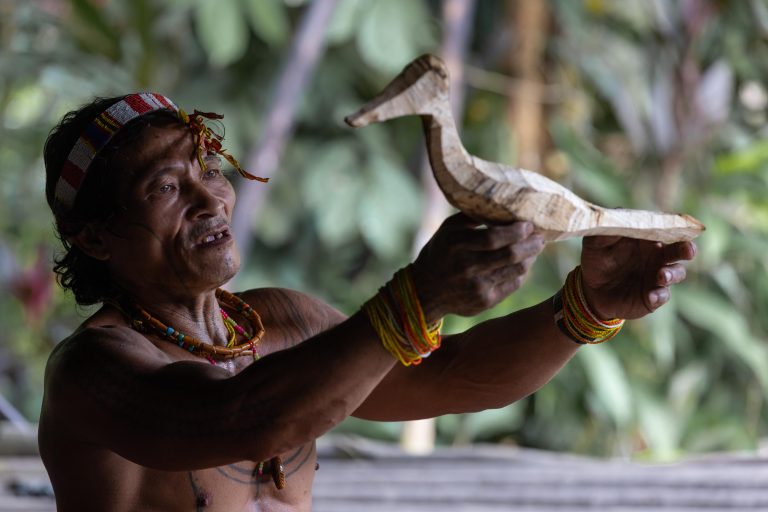
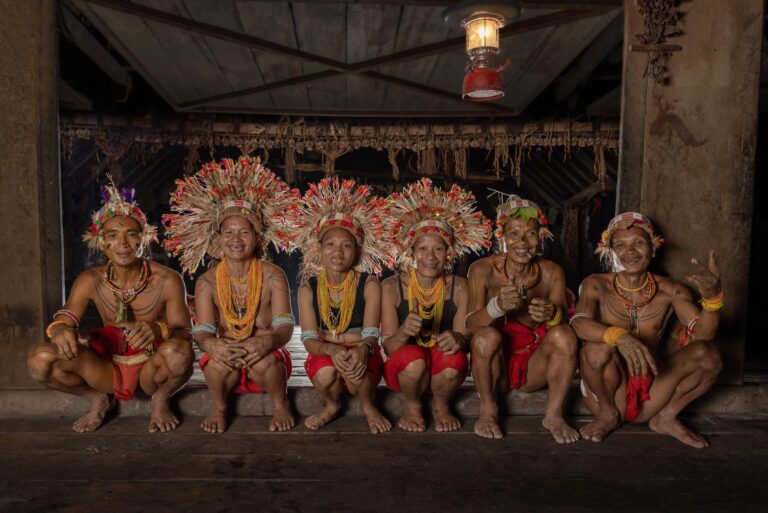
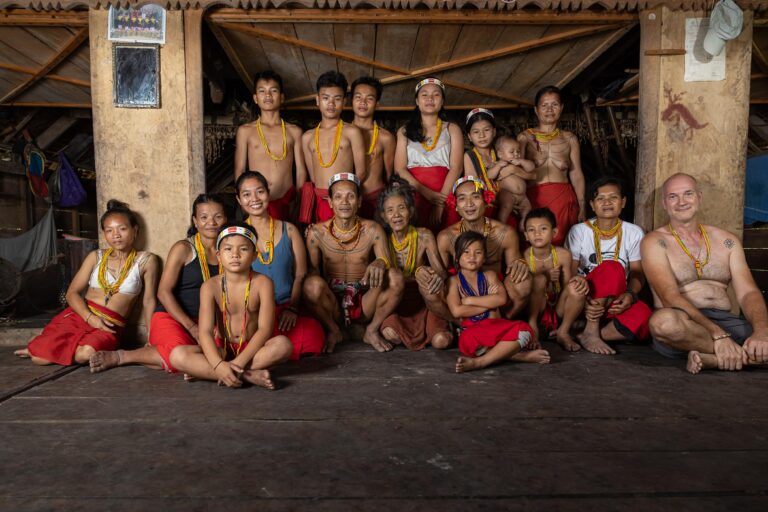
The Mentawai people of Siberut Island are among the most well-known examples, with traditions that have attracted anthropologists, photographers and travellers for decades.
The Mentawai - Sakuddei Clan, Siberut Island
Siberut - Mentawai Islands, West Sumatra
Landscapes & Highlands
Volcanic mountain ranges run along much of Sumatra, creating fertile valleys, crater lakes and dramatic highland landscapes.
The West Sumatran highlands are famous for traditional Minangkabau architecture and mountain scenery shaped by the island’s volcanic geology.
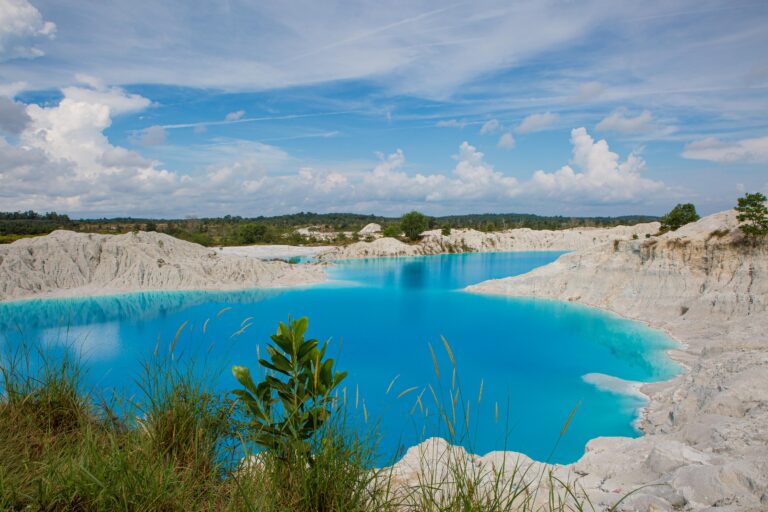
Bangka Island - East Sumatra
Exploring Sumatra Through Photography
The galleries above explore Sumatra through photography across rainforest environments, indigenous cultures and volcanic landscapes.
From the deep jungles of northern Sumatra to remote island communities and mountain villages, these photographic journeys reveal different aspects of one of Indonesia’s most diverse islands.
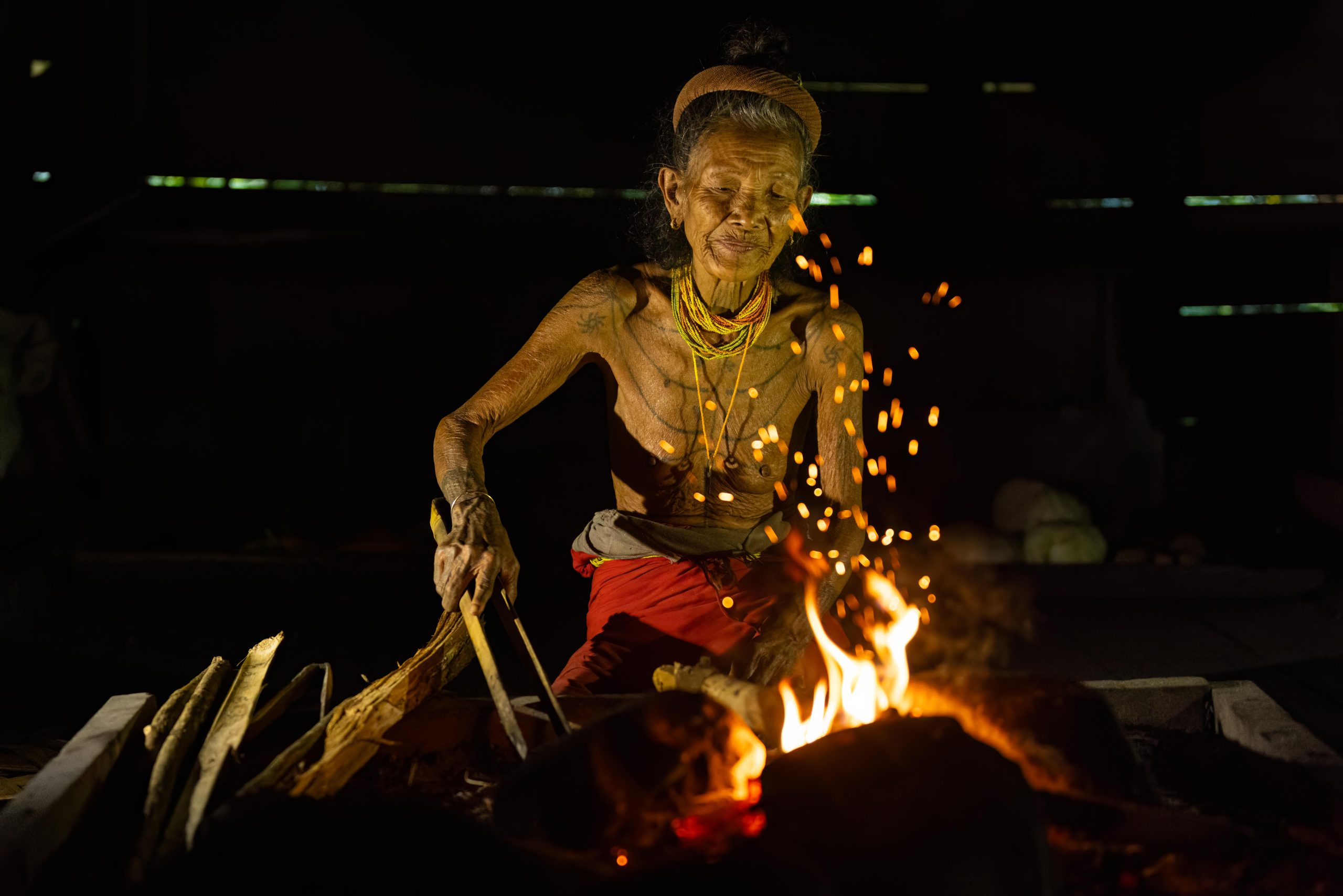
A Mentawai woman tending fire in her traditional clan house on Siberut Island, West Sumatra.
Regions of Sumatra
Although enormous in size, several regions of Sumatra stand out for their landscapes, wildlife and cultural traditions.
Gunung Leuser – Rainforest and Orangutans
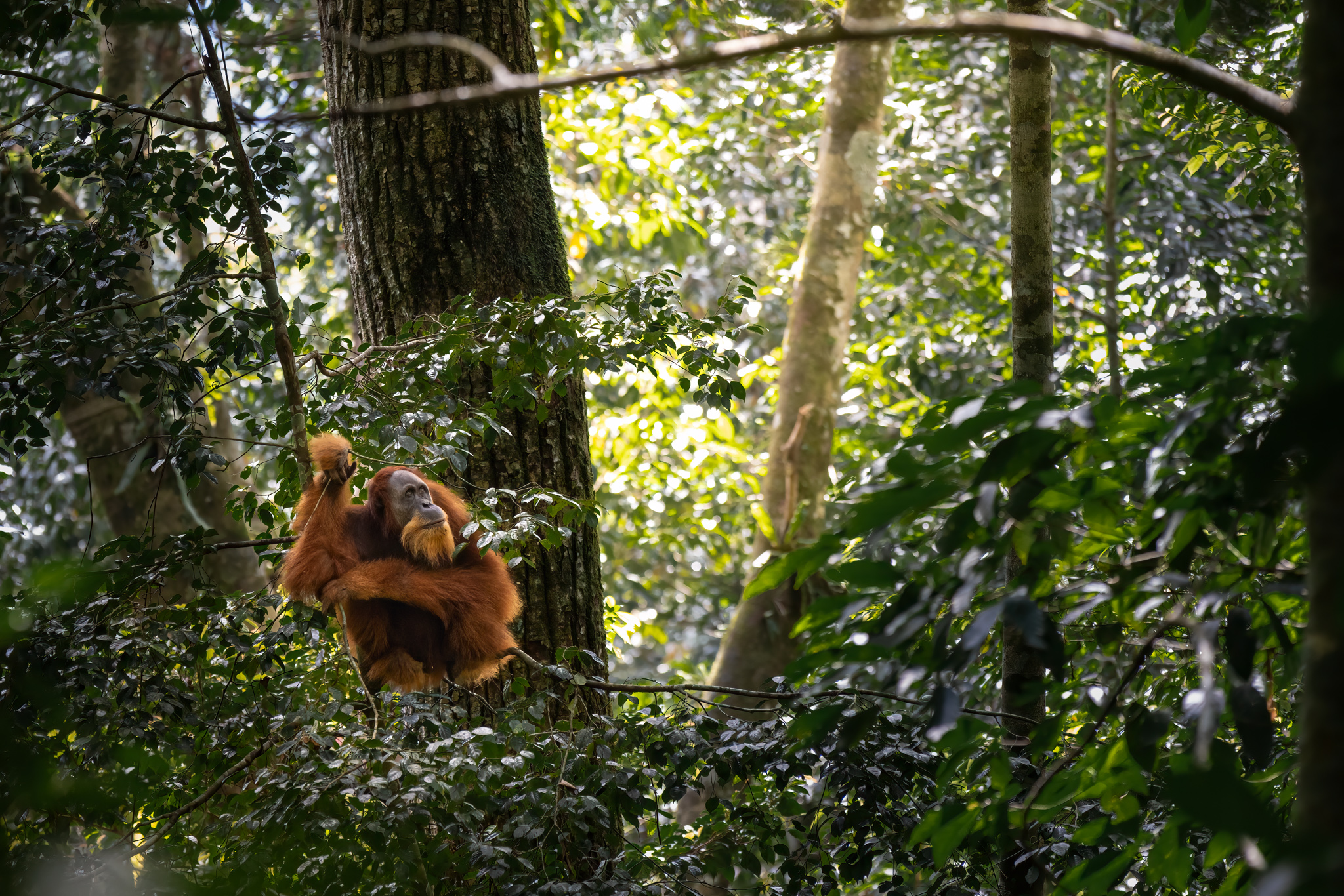
Gunung Leuser National Park protects one of the largest remaining rainforest ecosystems in Southeast Asia. The forests around Ketambe are known for wildlife encounters, particularly with wild orangutans and other rainforest species.
Orang Utan at Ketambe in the Gunung Leuser National Park, North Sumatra.
Way Kambas – Wildlife and Wetlands
Way Kambas National Park in southern Sumatra protects lowland forests and wetlands that provide habitat for endangered wildlife, including the Sumatran elephant and Sumatran rhinoceros.
Siberut Island – Mentawai Culture
Off the western coast of Sumatra lies Siberut Island, home to the Mentawai people, one of Indonesia’s most distinctive indigenous cultures.
For a deeper exploration of Mentawai culture and traditions, visit my dedicated Mentawai culture website thementawai.com:
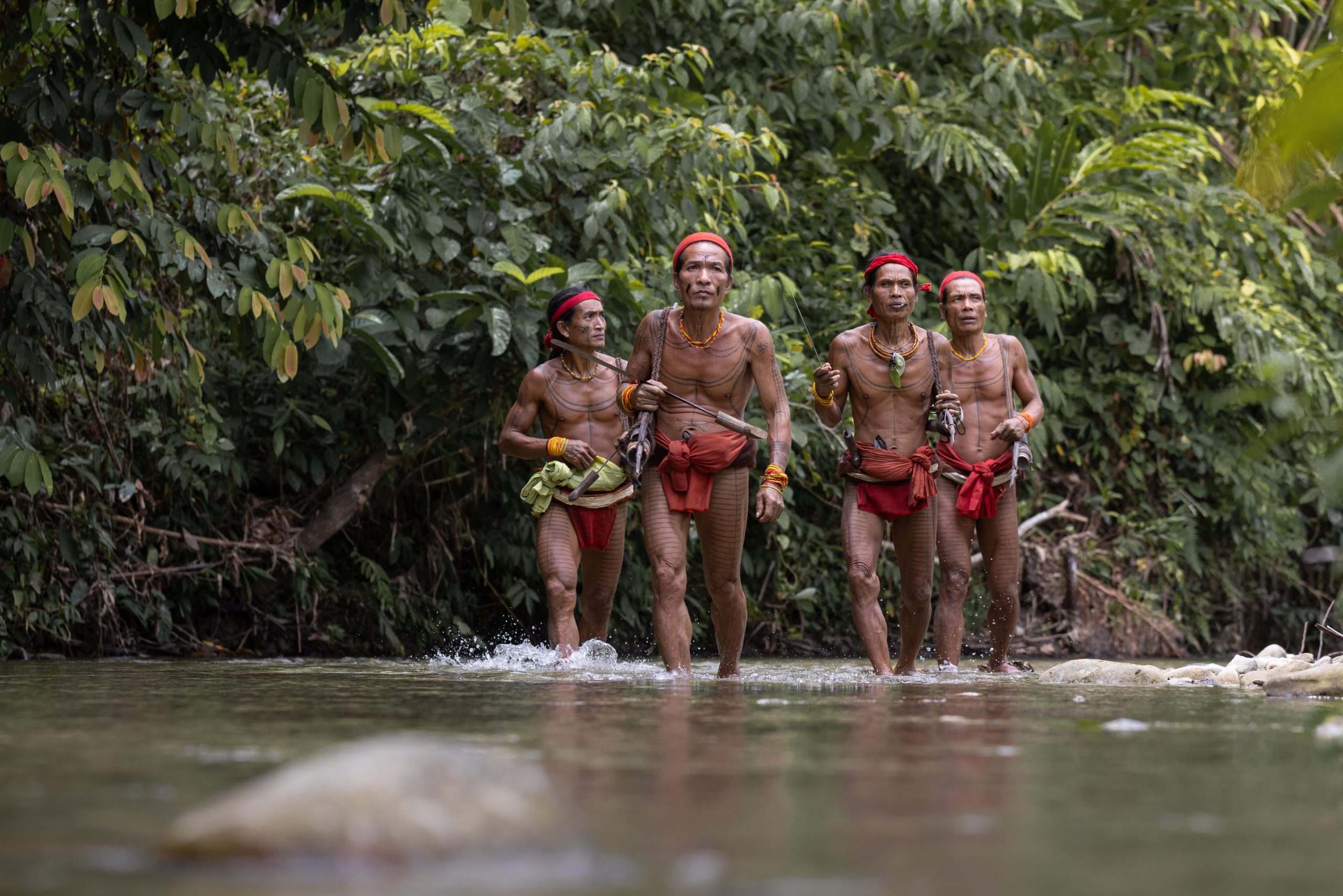
Mentawai shamans on a hunt in the rainforest of Siberut Island, West Sumatra.
West Sumatra Highlands – Volcanoes and Villages
The mountainous landscapes of West Sumatra are shaped by volcanoes, fertile valleys and traditional Minangkabau settlements known for their distinctive horn-shaped roofs.