What is Otjize?
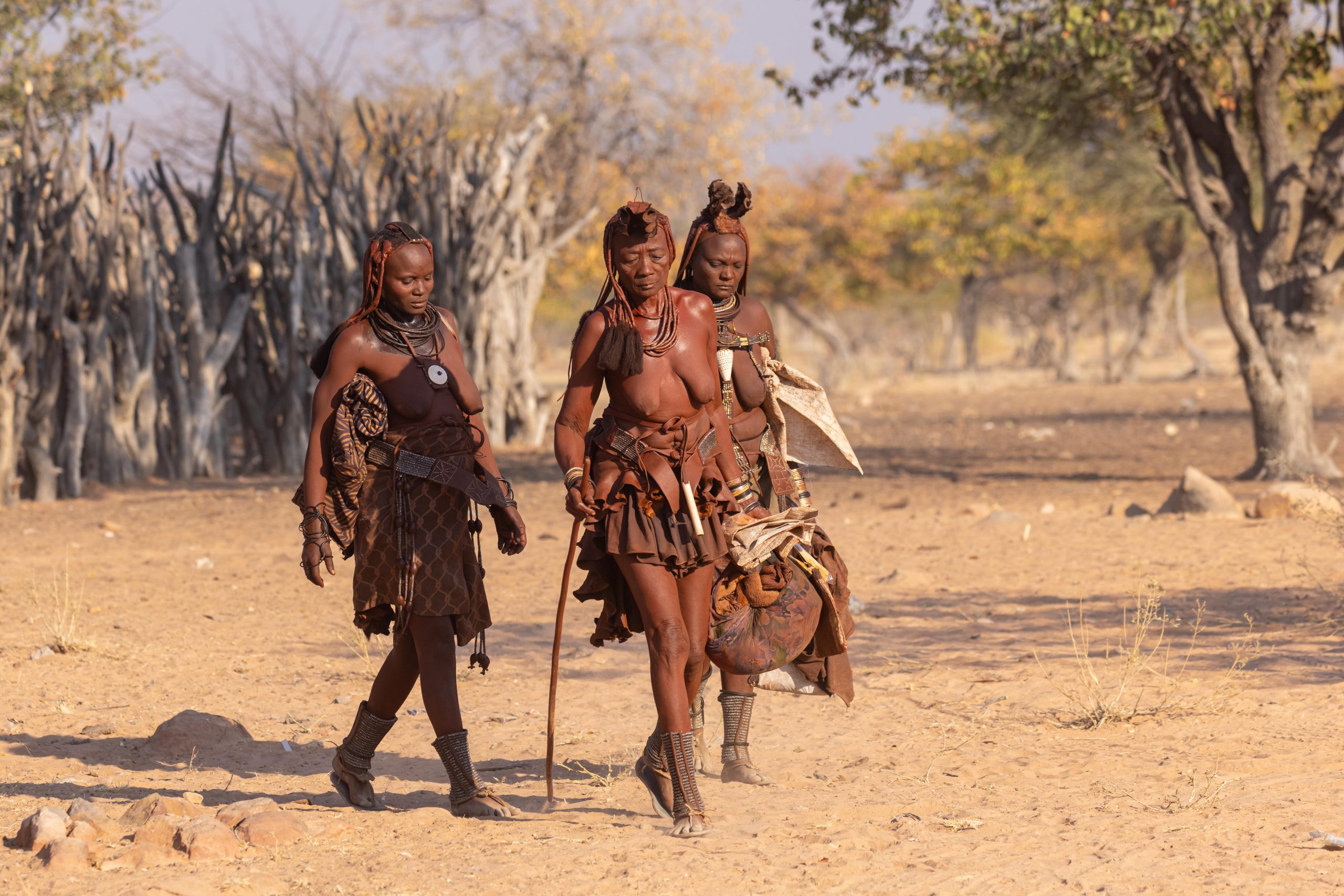
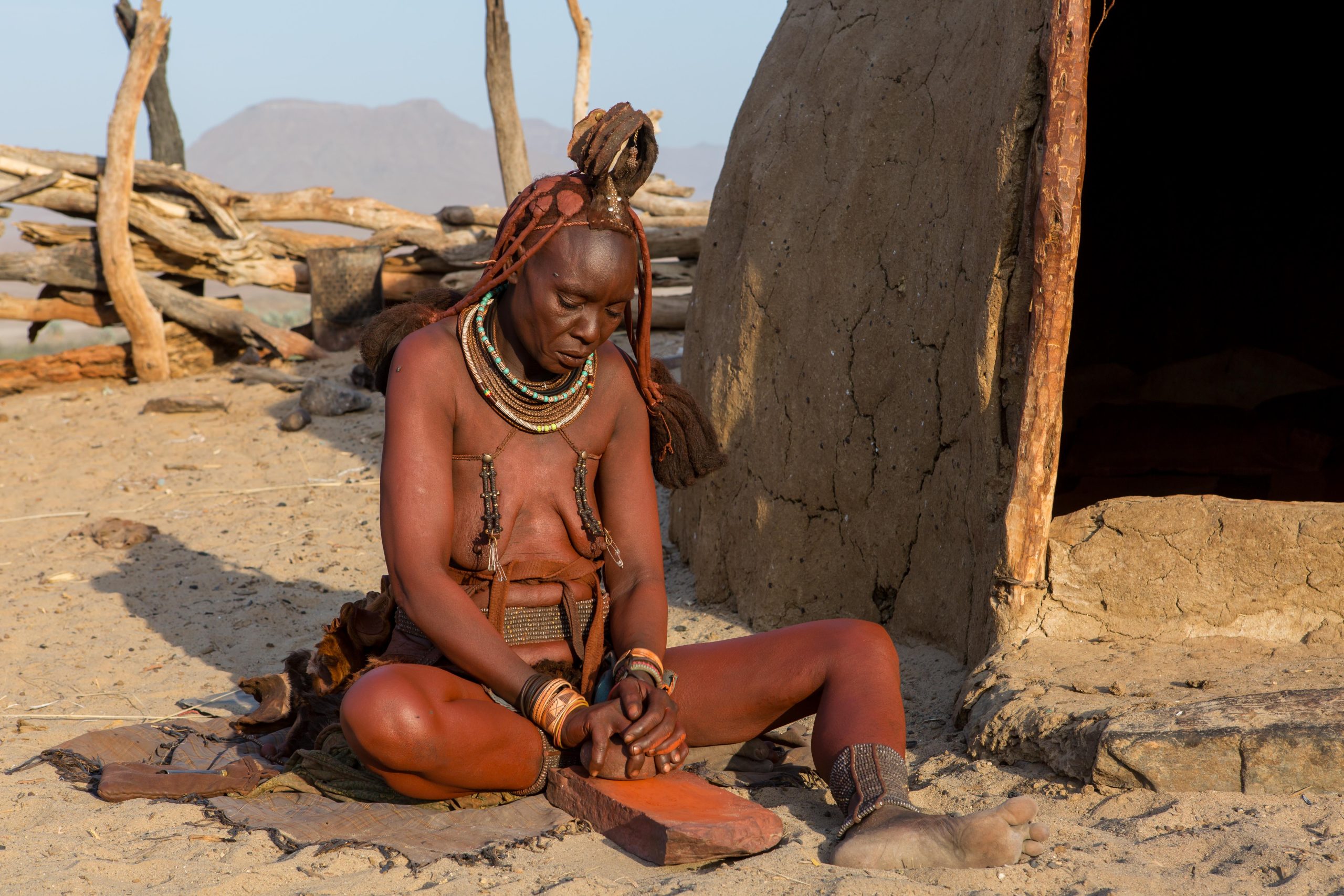
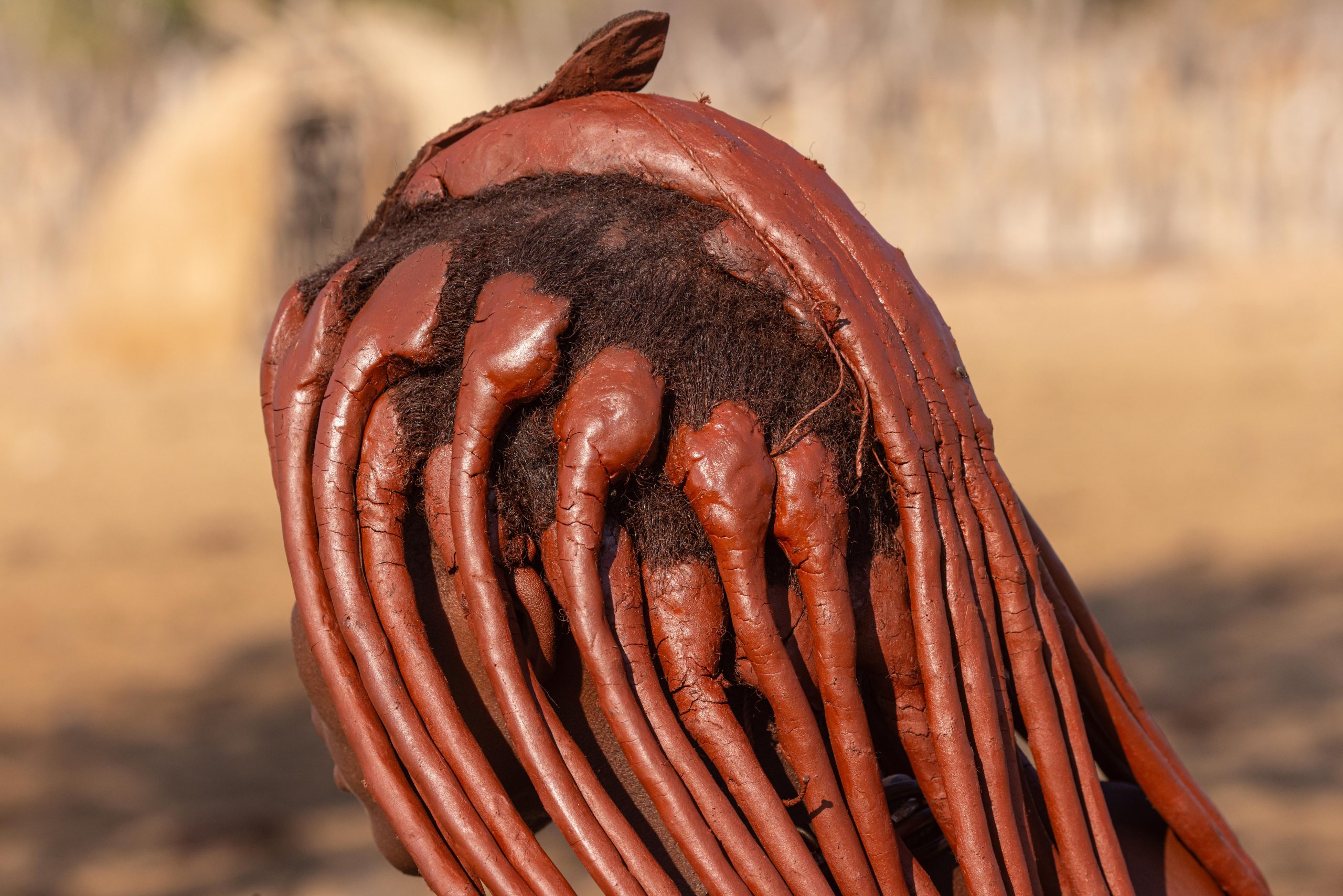
Otjize is a traditional paste made from butterfat and finely ground red ochre, sometimes infused with aromatic resins. It is most closely associated with the Himba people of northern Namibia, where it forms one of the most recognizable elements of their cultural identity.
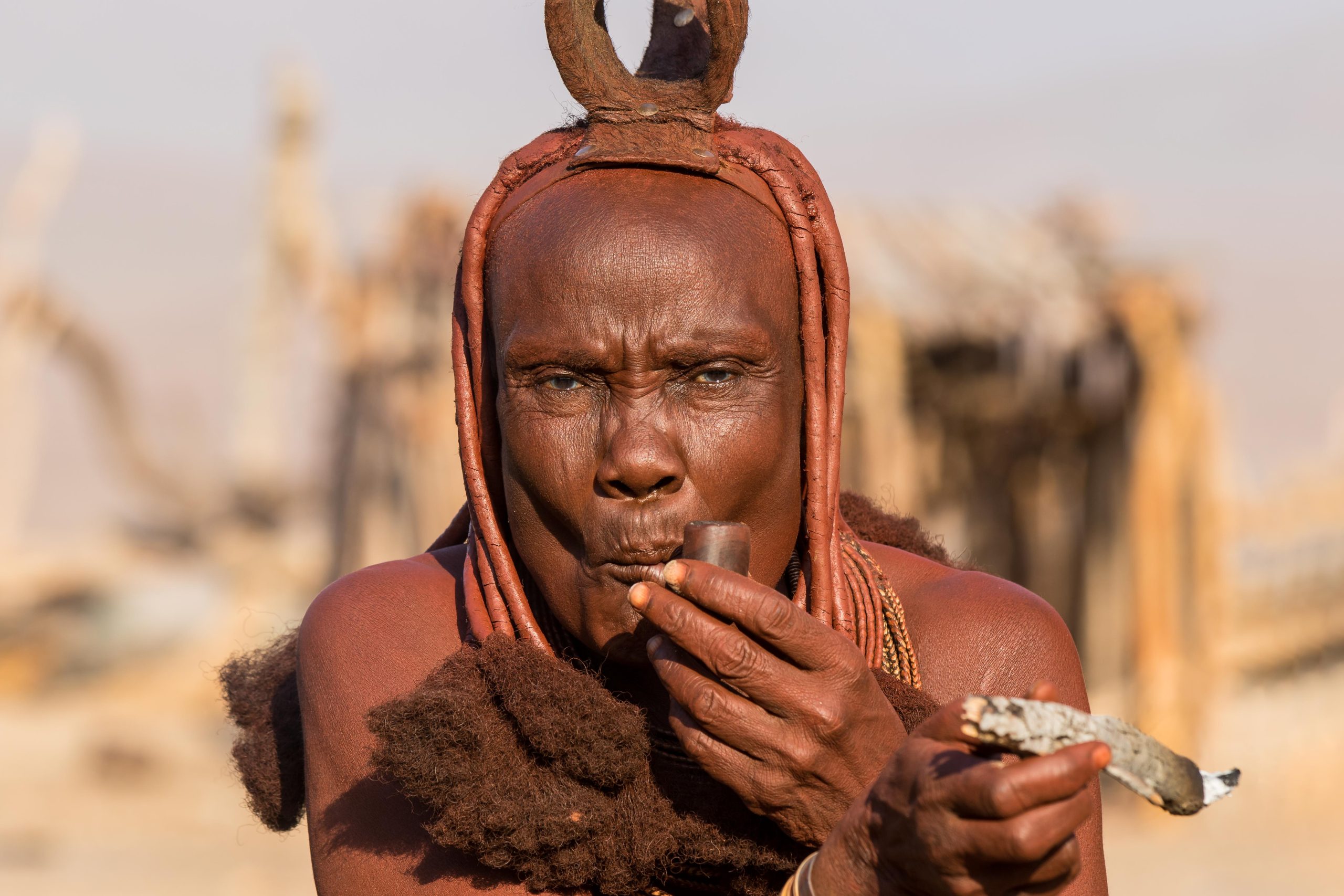
The deep terracotta color of otjize gives Himba women their striking appearance — a look that has become symbolic of the tribe itself.
If you would like to learn more about the Himba’s history and way of life, you can read my detailed story to the Himba tribe of Namibia.
Why Do Himba Women Use Otjize?
Otjize serves several practical purposes in the harsh desert climate of the Kunene Region.
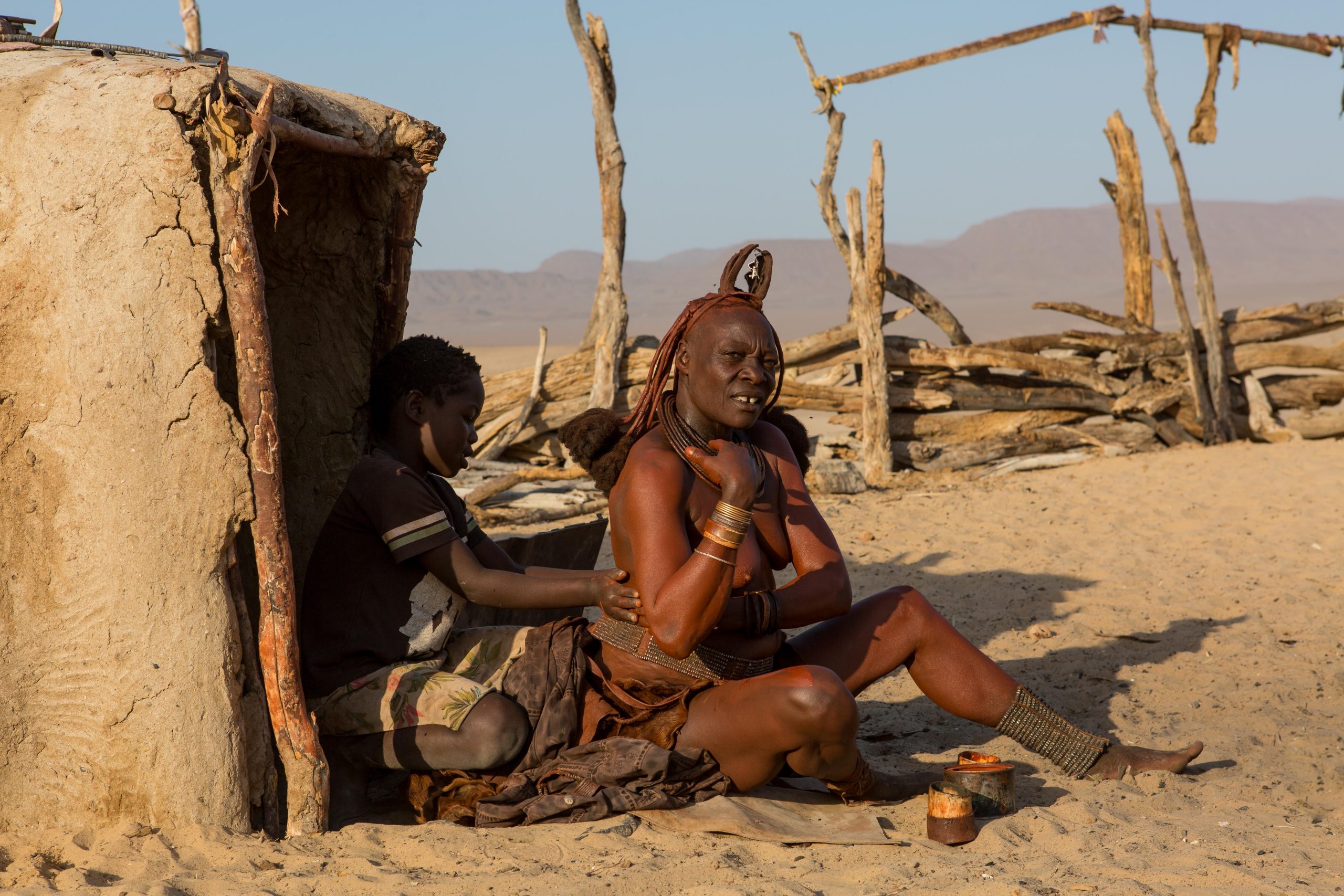
Applied daily to the skin and hair, it acts as natural sun protection, shielding the skin from intense UV exposure and preventing it from drying out in the arid heat. The paste also functions as a mild insect repellent and supports skin hygiene in an environment where water is scarce and regular bathing is not always possible.
What may appear purely aesthetic is, in reality, a smart adaptation to a demanding environment.
The Cultural Meaning of Otjize
Beyond its practical use, otjize carries deep symbolic meaning.
The red color represents both the earth and blood — powerful symbols in Himba cosmology that stand for life, fertility, and a connection to ancestral land. The daily application of otjize is not merely cosmetic; it is a ritual that reinforces identity and belonging.
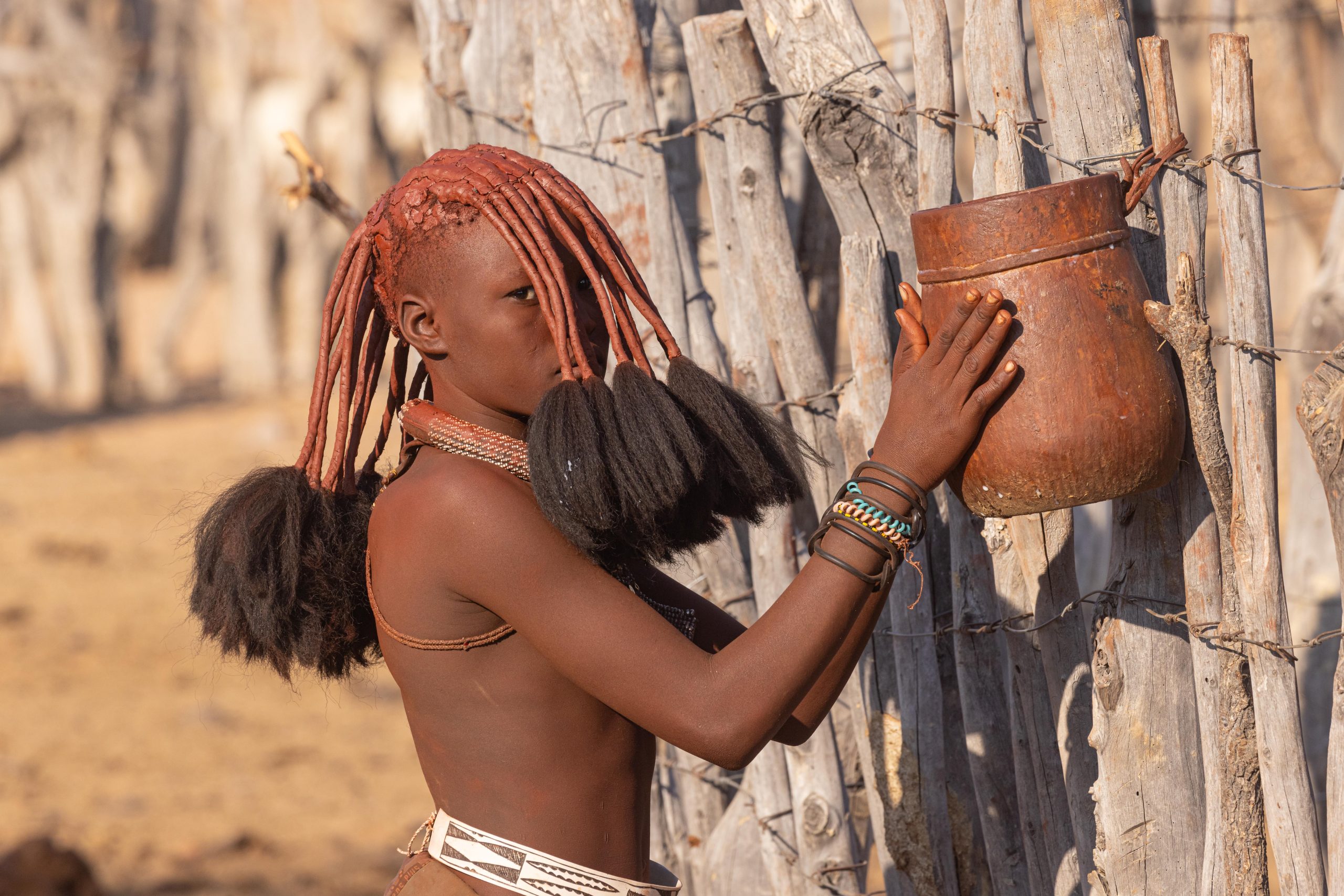
Girls begin using otjize from a young age, and the tradition is passed from mothers to daughters, strengthening generational continuity within the community.
Otjize and Himba Hairstyles
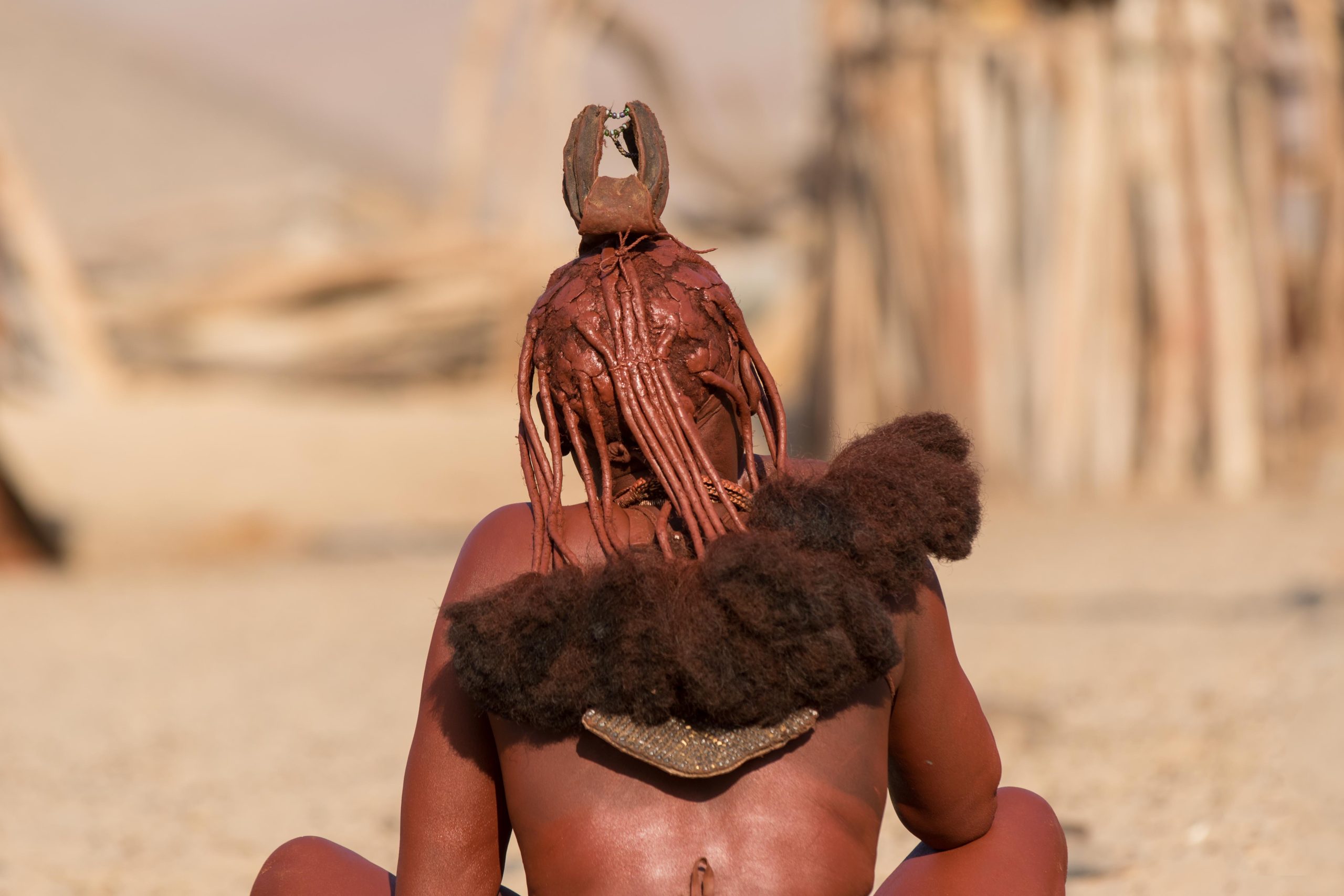
Otjize is closely tied to the Himba’s elaborate hairstyles. Women shape their hair into thick braids or cone-like forms that are carefully coated in the red paste.
These hairstyles communicate age, marital status, and social position. A young girl’s braids differ from those of a married woman, and each stage of life is visually represented through hair and adornment.
The preparation and application of otjize is often a slow, deliberate process — blending aesthetics, ritual, and social meaning.
You can see more examples of otjize-covered hairstyles in my Himba photo gallery.
A Symbol of Cultural Resilience
In a world increasingly shaped by modernization and outside influence, otjize remains an important part of daily life for many Himba women. Despite growing exposure to tourism and change, this tradition continues to be practiced and passed down through generations.
Otjize reflects cultural identity, continuity, and a strong connection to heritage. For the Himba, it is far more than a cosmetic paste — it is an essential expression of who they are.
– related photo stories –
visual adventures