Datoga – Pastoral Traditions and Metal Craft near Lake Eyasi, Tanzania
Day 5 of 12 – Tanzania Safari Trip
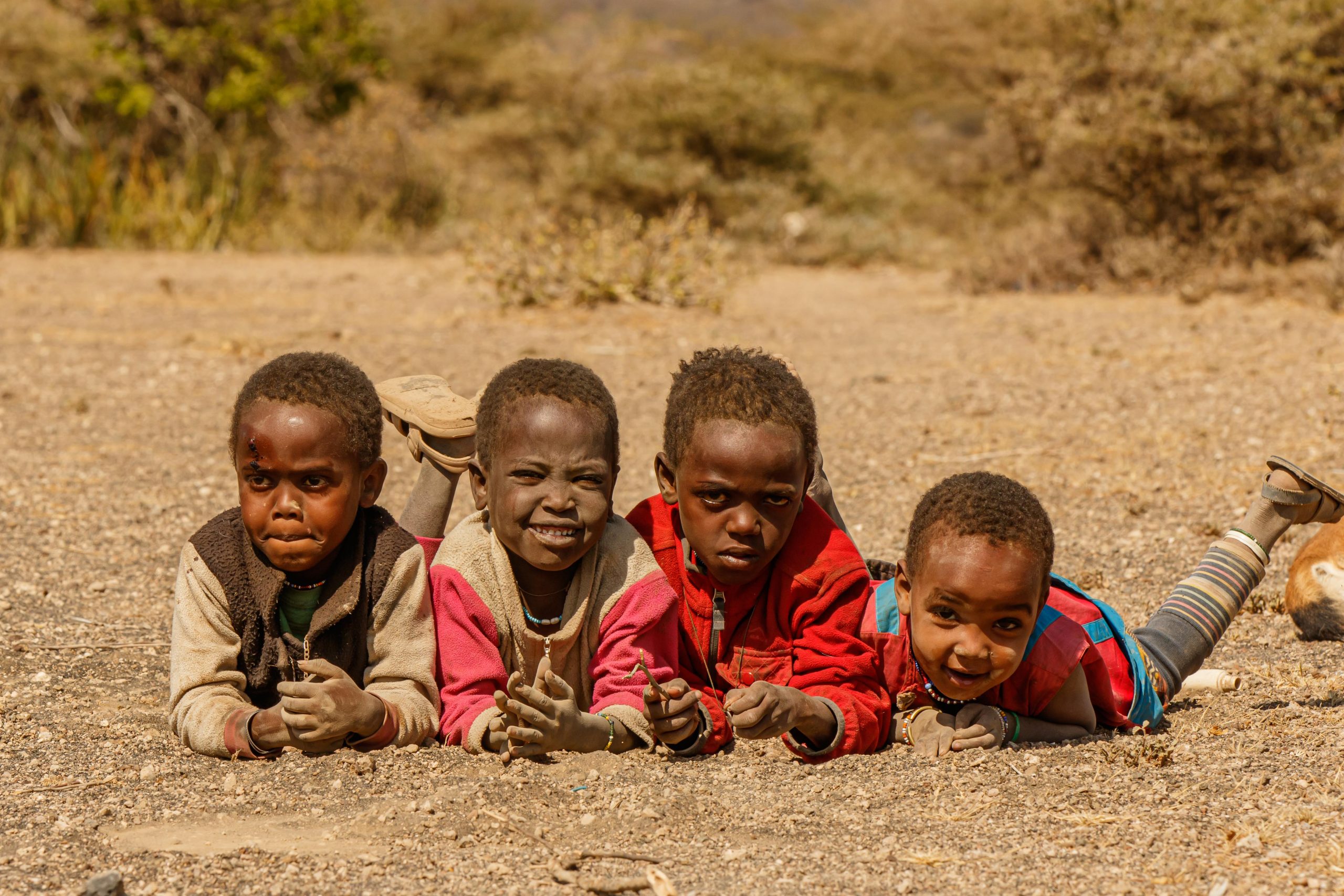
After our early morning with the Hadzabe near Lake Eyasi, we drove only a short distance across the dry basin to visit the neighbouring Datoga community.
The landscape did not change dramatically — the same dust, the same acacia scrub, the same Rift Valley light — yet the cultural rhythm felt entirely different.
Where the Hadzabe move with the seasons as hunter-gatherers, the Datoga are semi-nomadic pastoralists. Their identity is rooted in cattle, craftsmanship and continuity.
The Datoga of Northern Tanzania
The Datoga live primarily in the Manyara Region around Lake Eyasi and the Ngorongoro Highlands in northern Tanzania. With a population of roughly 100,000 people, they are one of the region’s longstanding pastoral communities.
Historically, the Datoga are believed to have migrated south from the Ethiopian Highlands several centuries ago. They are related to Nilotic-speaking peoples of East Africa, and their language and customs reflect those origins.
Neighbouring groups sometimes refer to them as the “Mang’ati”, often translated as “fierce warrior”. Whether descriptive or symbolic, the term hints at their strong sense of independence and resilience.
Cattle and Social Structure
Cattle remain central to Datoga life.
Livestock is not merely economic capital; it is social currency. Herd size reflects wealth and status. Cattle provide milk, meat and hides, and they play an essential role in marriages, dowries and ceremonial exchanges. Ownership ties families together and anchors identity to land.
Datoga society is traditionally patriarchal, with men holding primary decision-making authority. Elders are highly respected, and their experience guides community matters and dispute resolution. Authority is less about dominance and more about continuity — the passing of knowledge through generations.
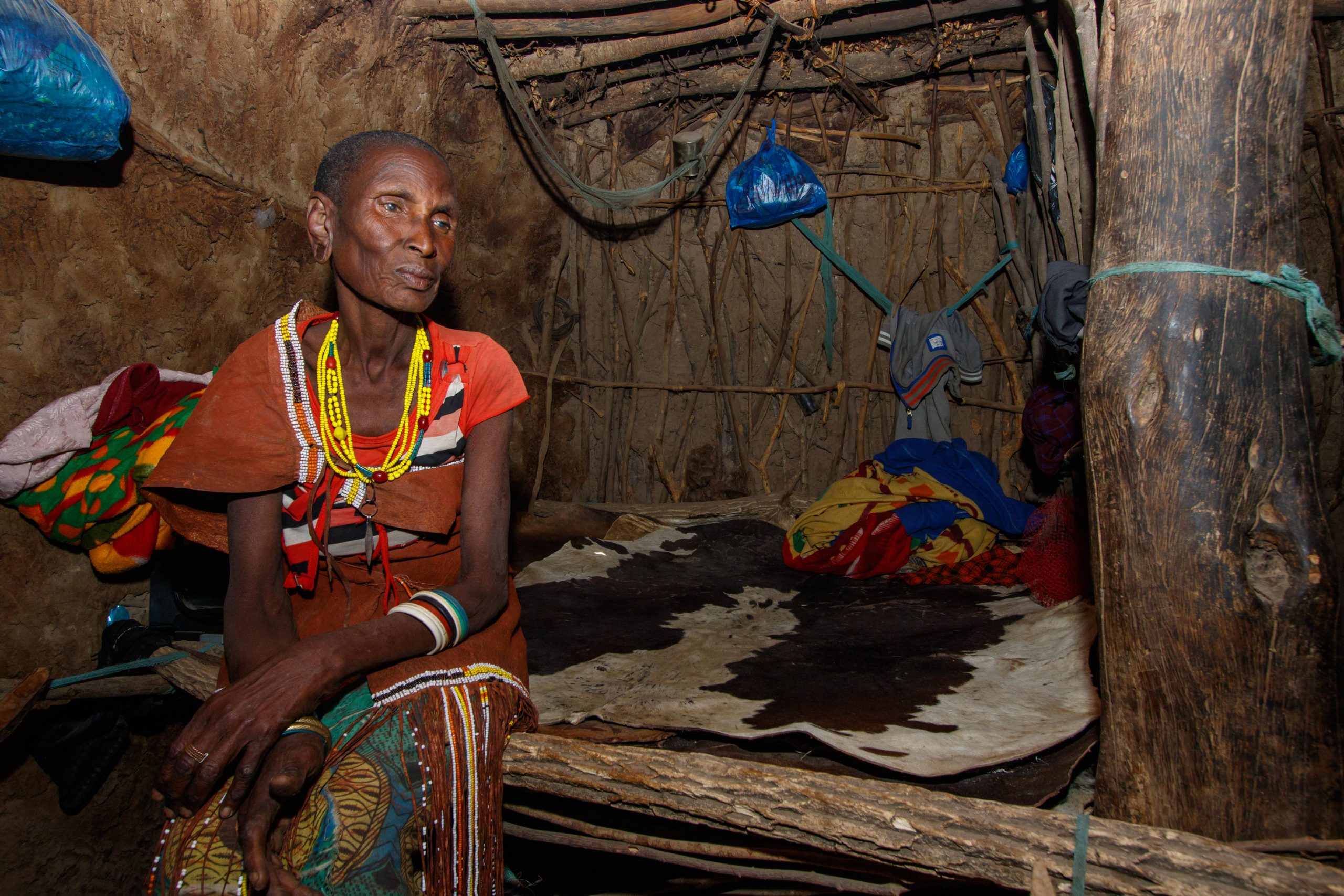
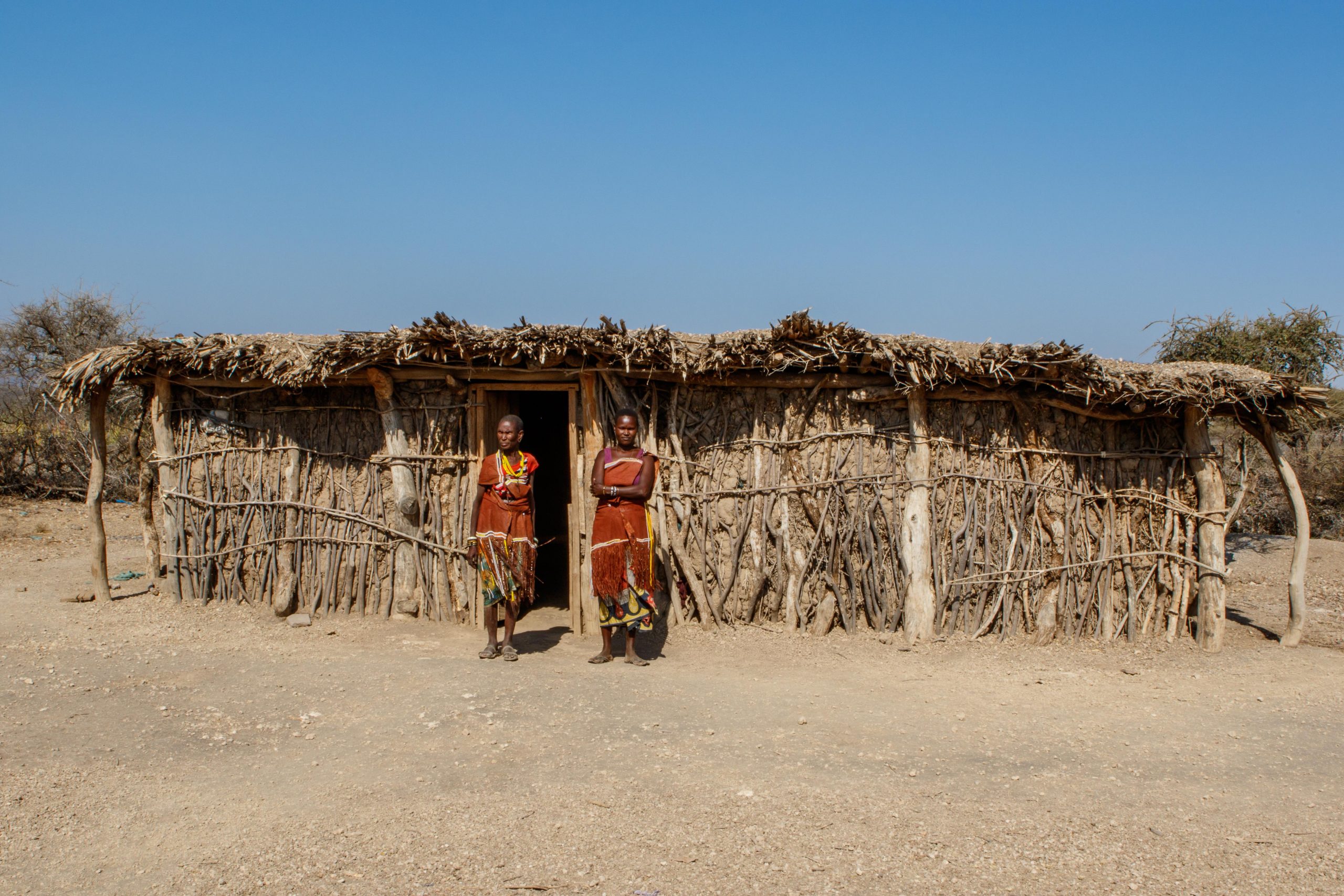
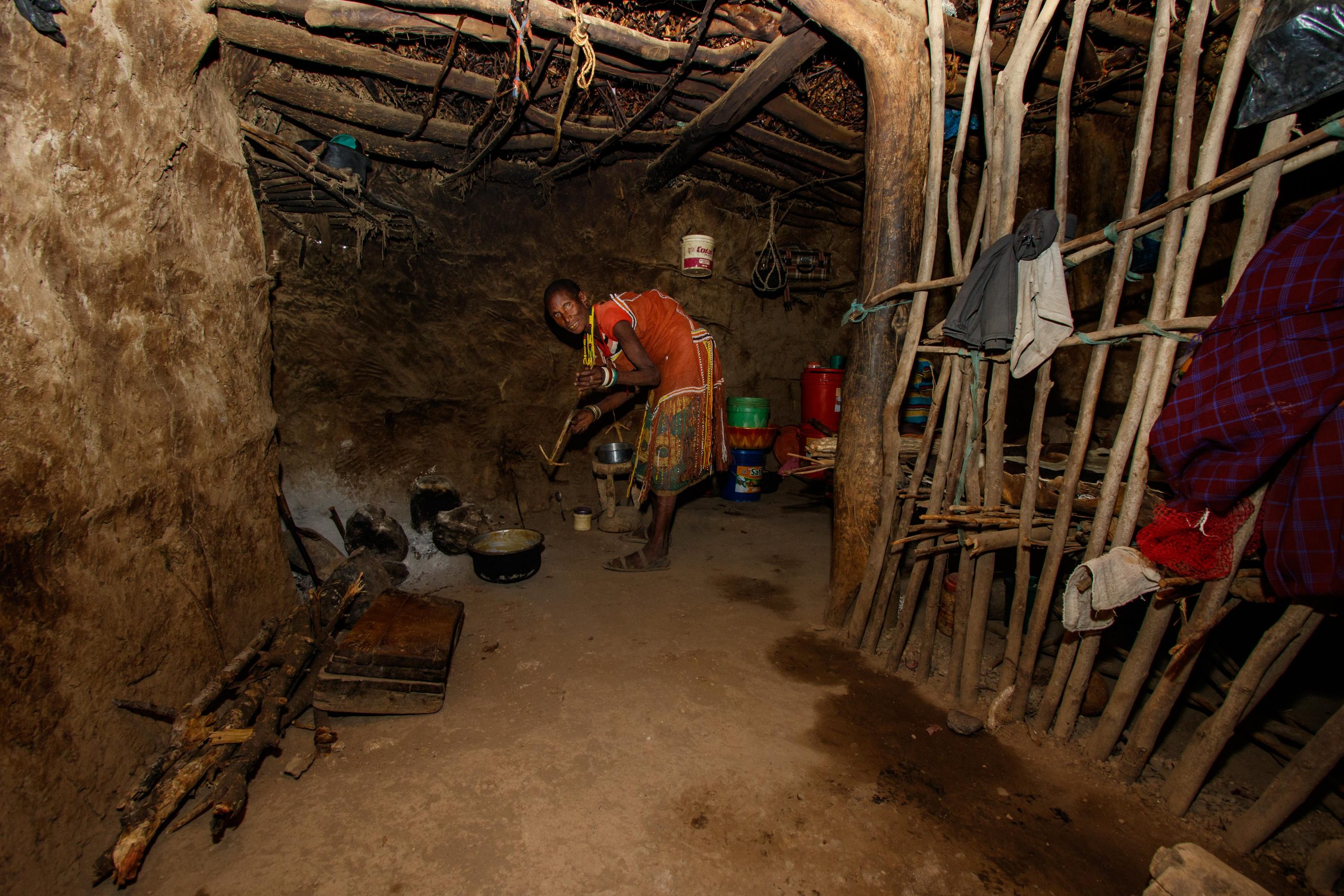
Women maintain the household, care for children and oversee daily domestic life within the bomas, the traditional homestead enclosures. Their role is both practical and symbolic, sustaining the social structure from within.
Craftsmanship and Metalwork
The Datoga are known for their metalworking skills.
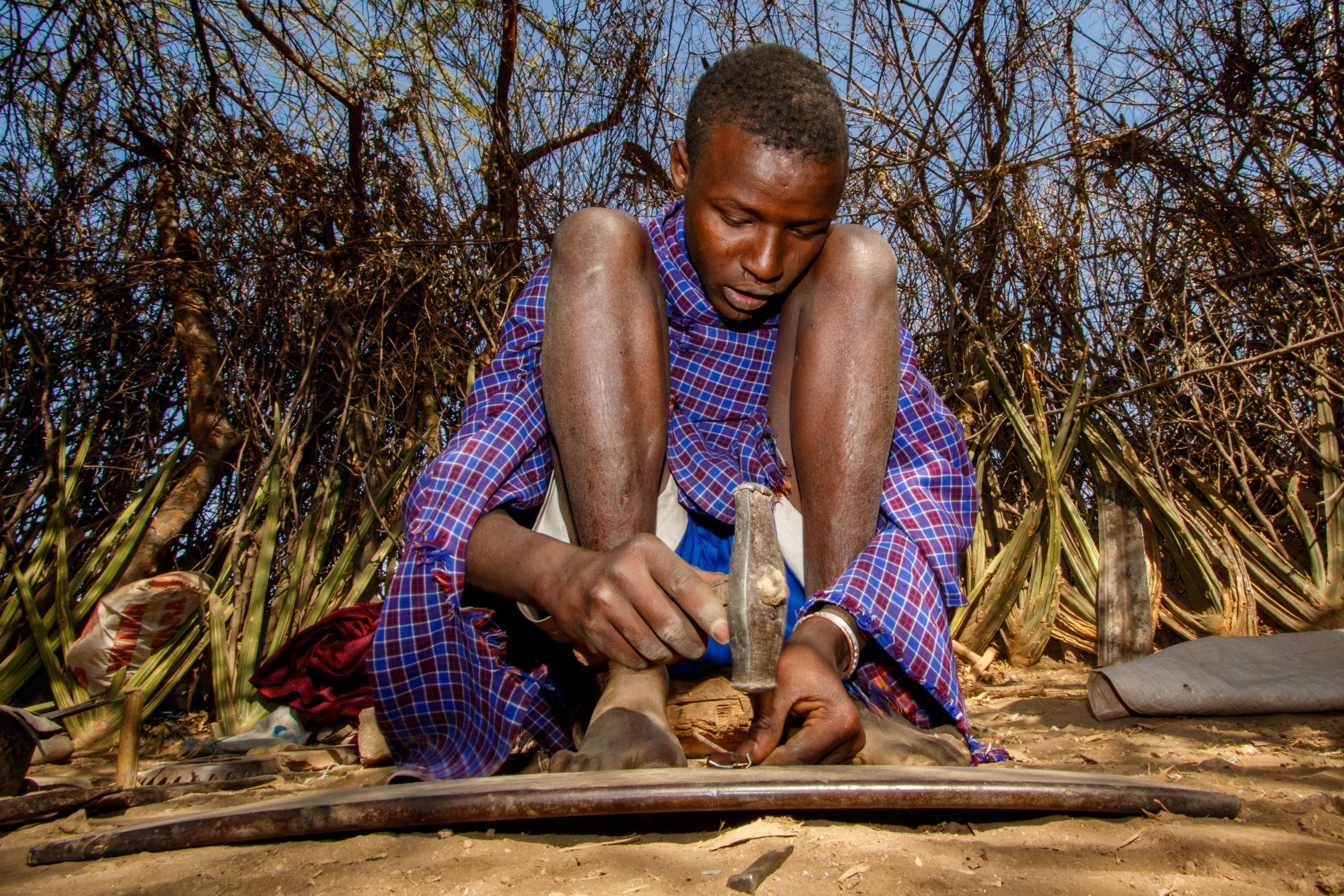
In small workshops, often outdoors and improvised, men transform scrap metal into tools, arrowheads, knives and jewellery. The process is physical and deliberate — heating, hammering, shaping by hand.
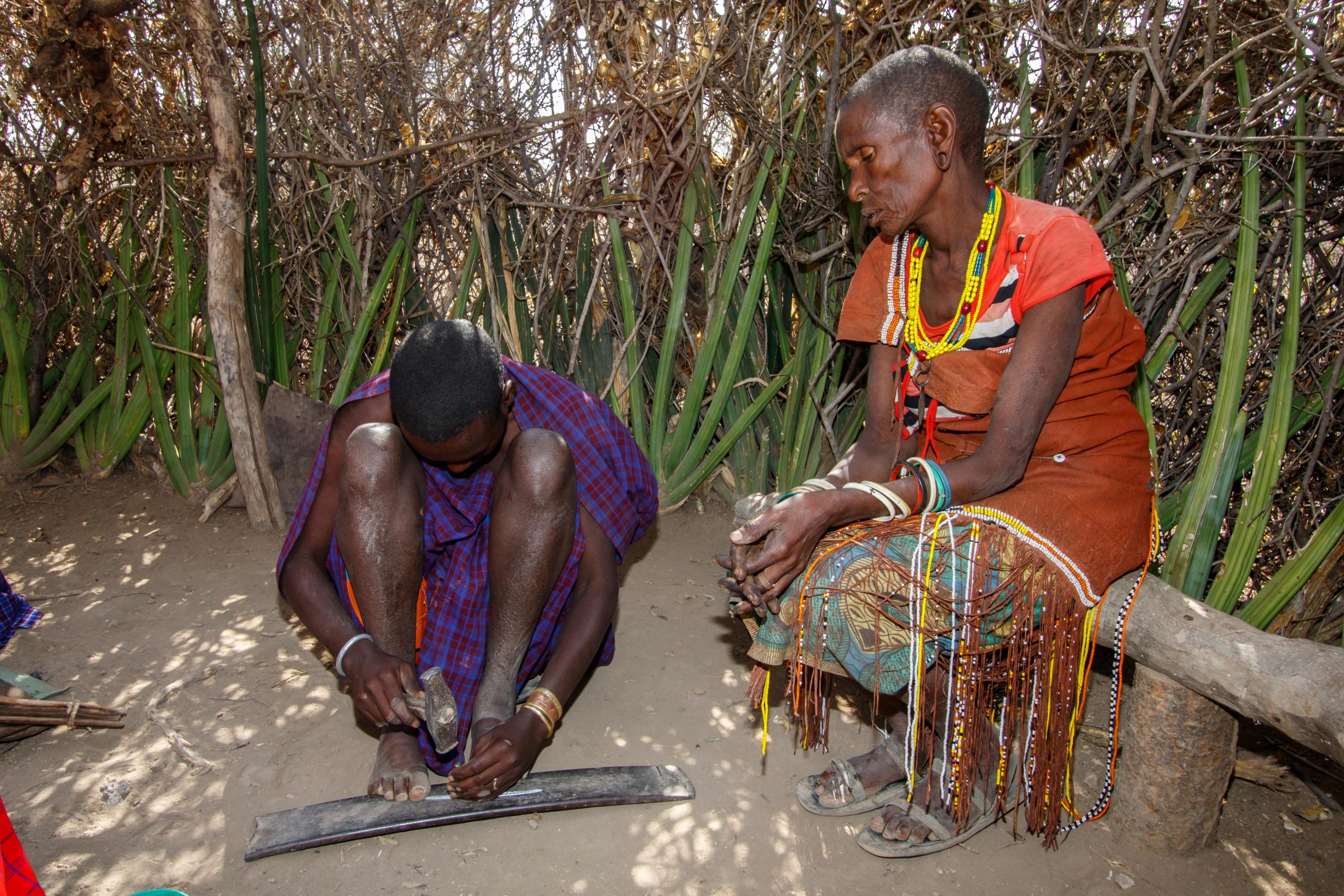
These handmade objects are not simply functional. They are traded with neighbouring communities such as the Hadzabe and Maasai, forming part of a local economic network. Craftsmanship here is not decorative; it is embedded in daily survival and exchange.
Watching the process, the connection between labour and landscape felt direct. Fire, earth and metal — nothing ornamental, nothing abstract.
Dress, Markings and Identity
Datoga women are immediately recognisable.
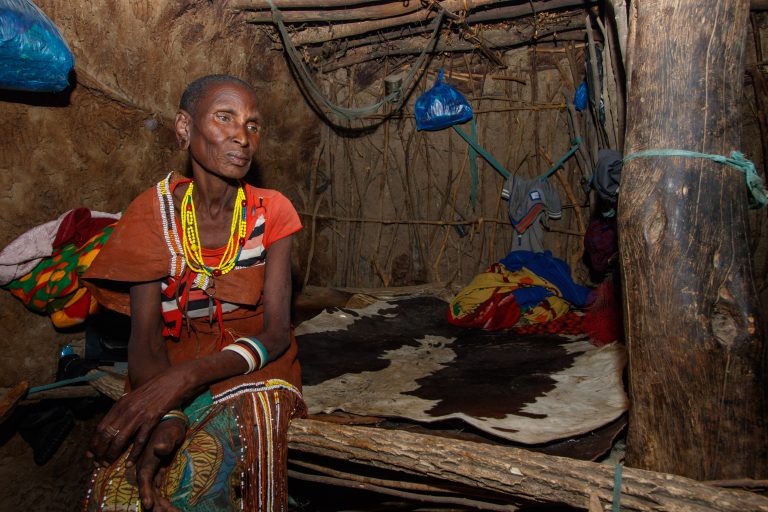
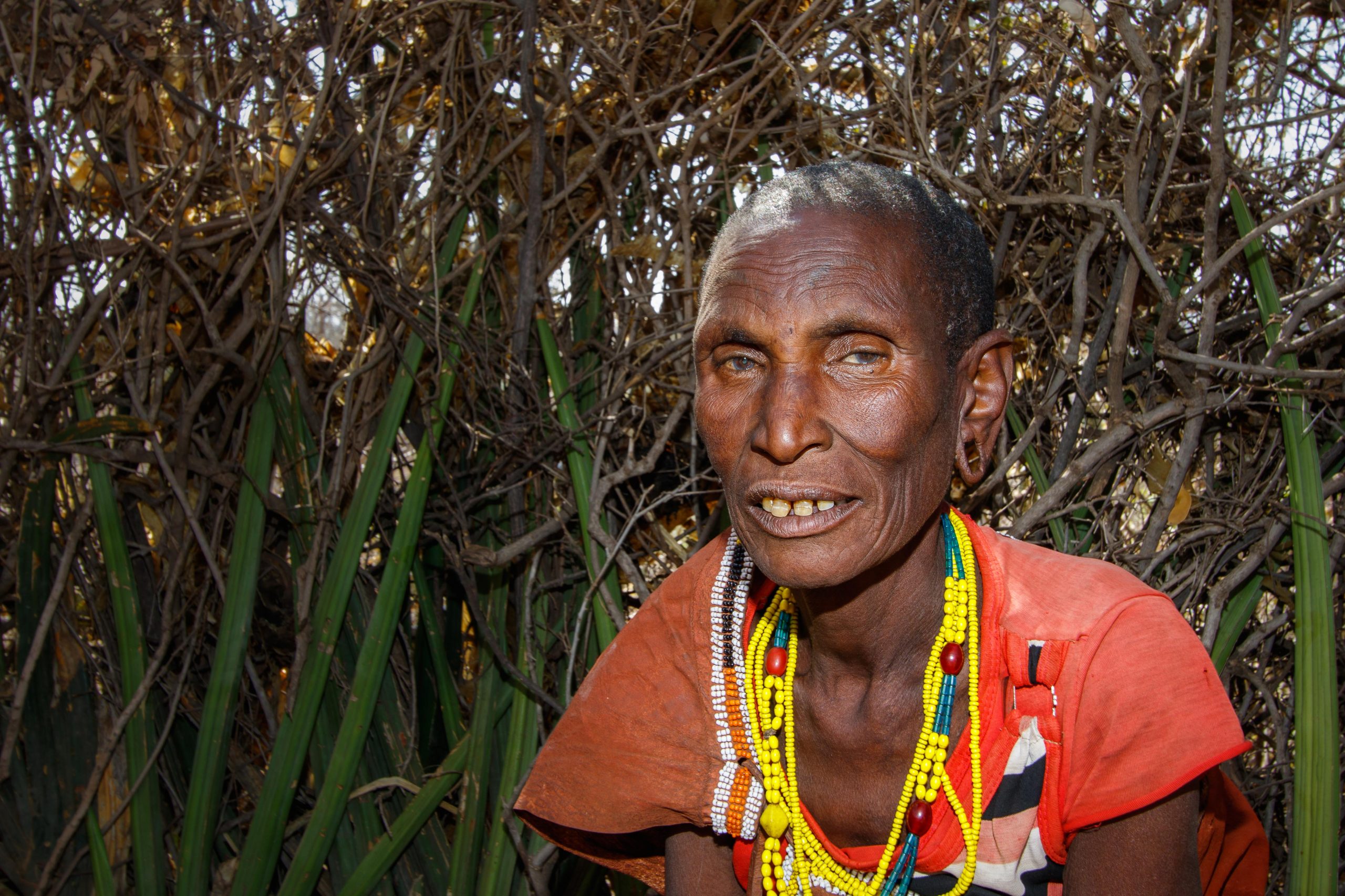
They wear leather garments often treated with reddish-brown earth tones, layered with beadwork, brass bracelets and necklaces. Facial scarification — typically circular markings around the eyes — forms part of traditional identity and beauty.
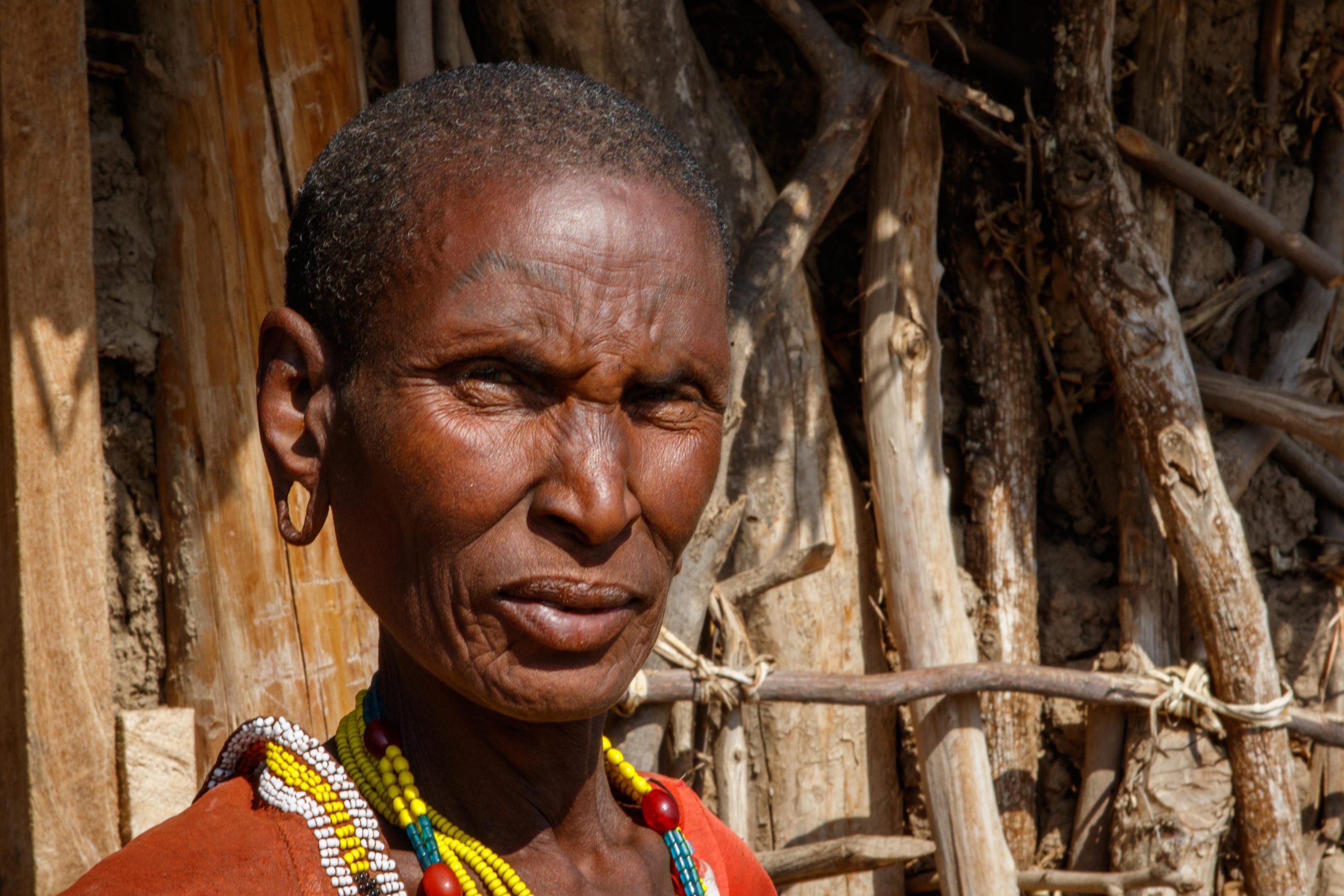
These markings are not cosmetic in the casual sense; they signify belonging, maturity and pride. In a region where multiple communities coexist, appearance becomes both personal expression and cultural declaration.
Belief and Relationship to Land
Spirituality is deeply woven into Datoga life. They believe in a supreme deity known as Aseeta and maintain strong reverence for ancestors and natural forces.
Rituals are performed to seek blessings for rain, fertile land and healthy livestock — practical concerns in a landscape where survival depends on environmental balance. Their worldview reflects dependence on seasonal cycles rather than abstraction from them.
Continuity and Pressure
Like many traditional communities in northern Tanzania, the Datoga face mounting challenges. Agricultural expansion, land pressure, conservation boundaries and modern economic demands gradually reshape access to grazing land and resources.
Efforts by NGOs and local initiatives aim to support education, women’s empowerment and cultural preservation. Yet adaptation remains ongoing.
What remains consistent is their sense of identity — defined not by isolation, but by resilience.
From Lake Eyasi to the Ngorongoro Highlands
After our visit, we left the Lake Eyasi basin and drove back toward Karatu. The road gradually climbed, and the dry Rift Valley floor gave way to greener highland scenery.
By late afternoon we reached Rhotia Valley Tented Lodge. The lodge is strategically positioned for an early start into the Ngorongoro Crater the following morning.
The shift from cultural encounters to volcanic landscapes felt seamless. Northern Tanzania does not separate nature and people — both are shaped by the same terrain.
The next day would take us down into the Ngorongoro Crater itself.
Rhotia Valley Tented Lodge
Rhotia Valley Tented Lodge is high in the Ngorongoro Highlands, overlooking the valley of the seasonal Rhotia River. Unlike many crater-rim lodges, Rhotia lies outside the conservation area, overlooking a wide valley dotted with small farms and acacia trees.
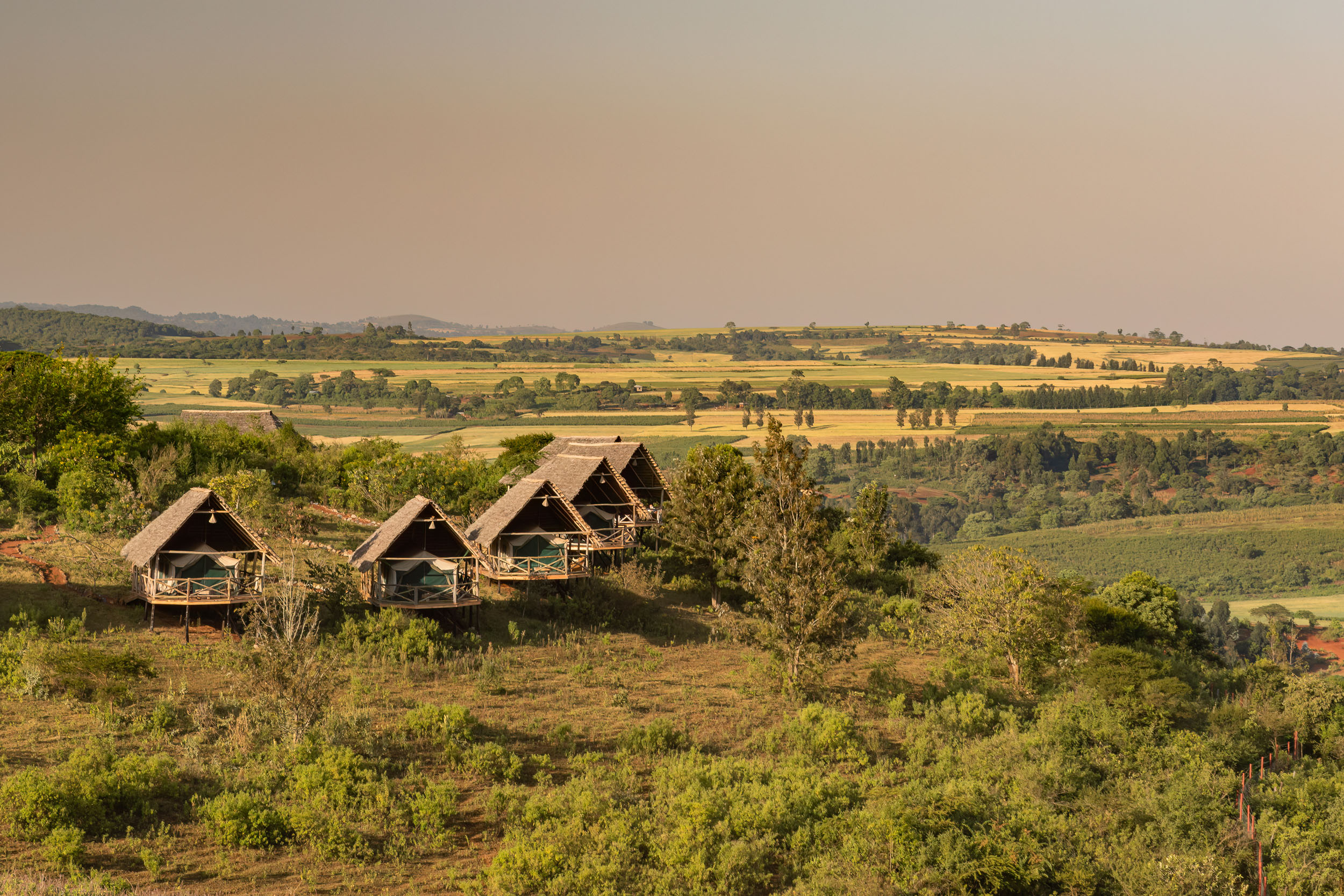
Our tent stood on a wooden platform with sweeping views across the surrounding hills. In the late afternoon we enjoyed the pool; the highland air felt cool and crisp — a noticeable contrast to the heat of the lower plains we had left behind.
Rhotia felt intimate and community-oriented, quieter than the larger safari properties. As dusk settled, mist began to rise in the valley below, and temperatures dropped quickly.
It was a fitting place to prepare for an early start.