Maasai Village Visit Before Entering Serengeti National Park
Day 6 of 12 – Tanzania Safari Trip
The road from Olduvai Gorge toward the Central Serengeti cuts across wide, open plains. The land feels increasingly expansive — fewer kopjes, more sky, longer horizons.
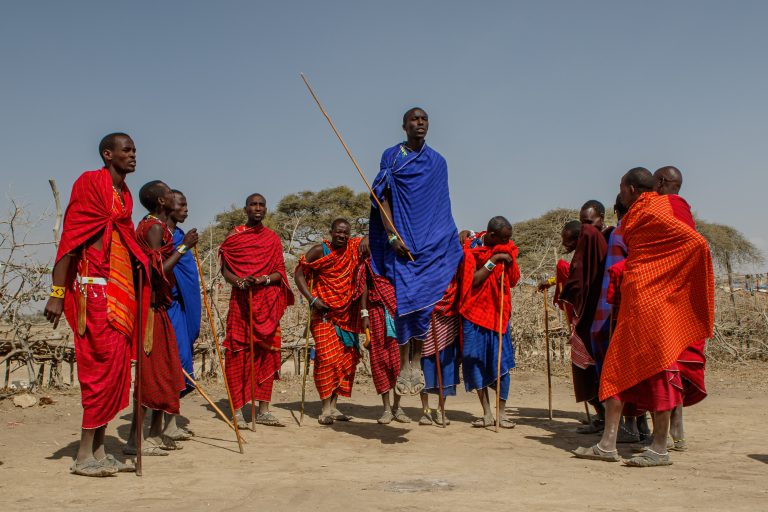
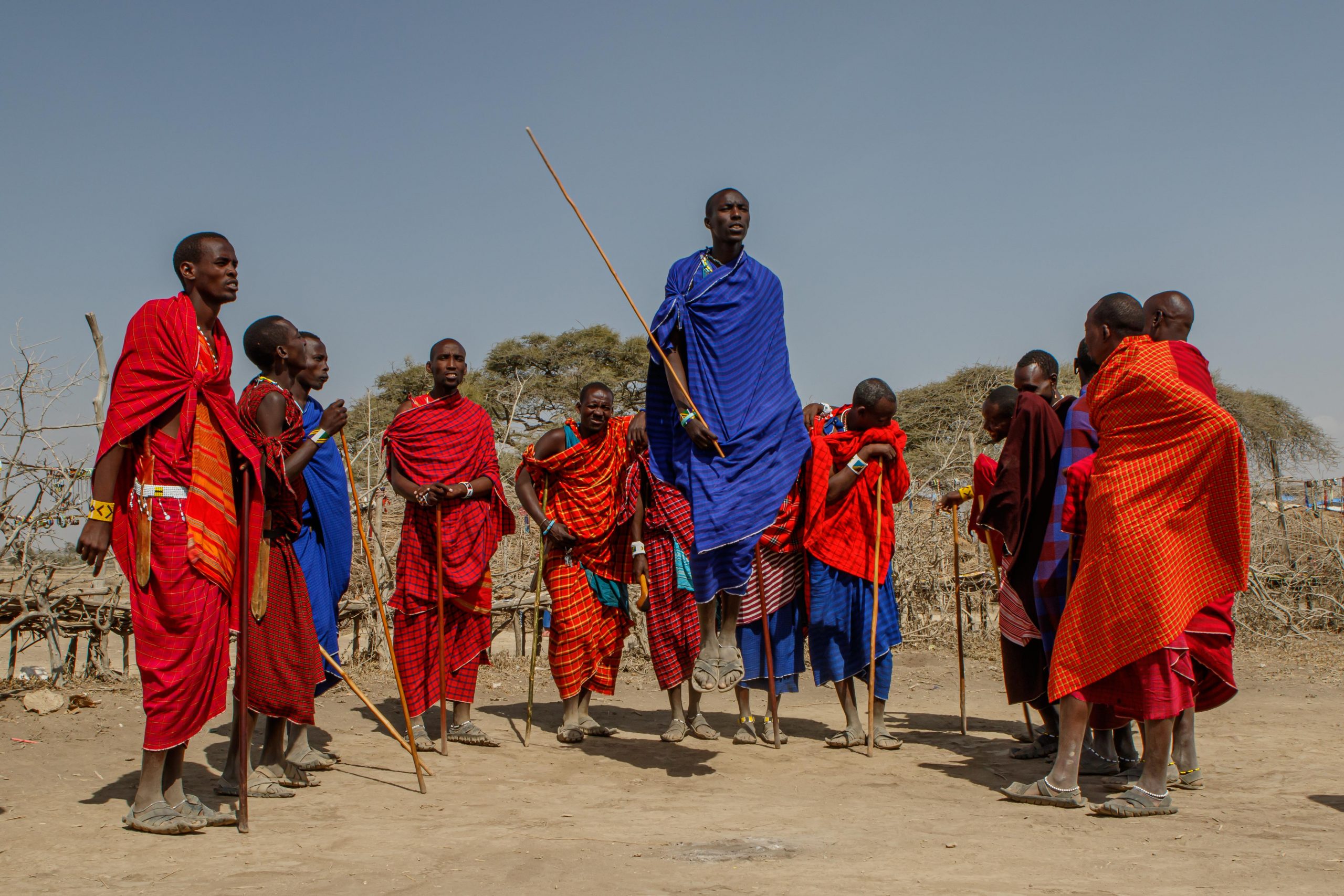
Before entering Serengeti National Park, we stopped at a Maasai village.
Unlike the smaller hamlet we had encountered earlier in the highlands, this village was clearly accustomed to receiving visitors. The welcome was structured, yet warm. There was no sense of intrusion — rather, an invitation to observe and ask questions.
The Serengeti ecosystem is not only wildlife territory. It is also home to communities whose lives have long been intertwined with these landscapes.
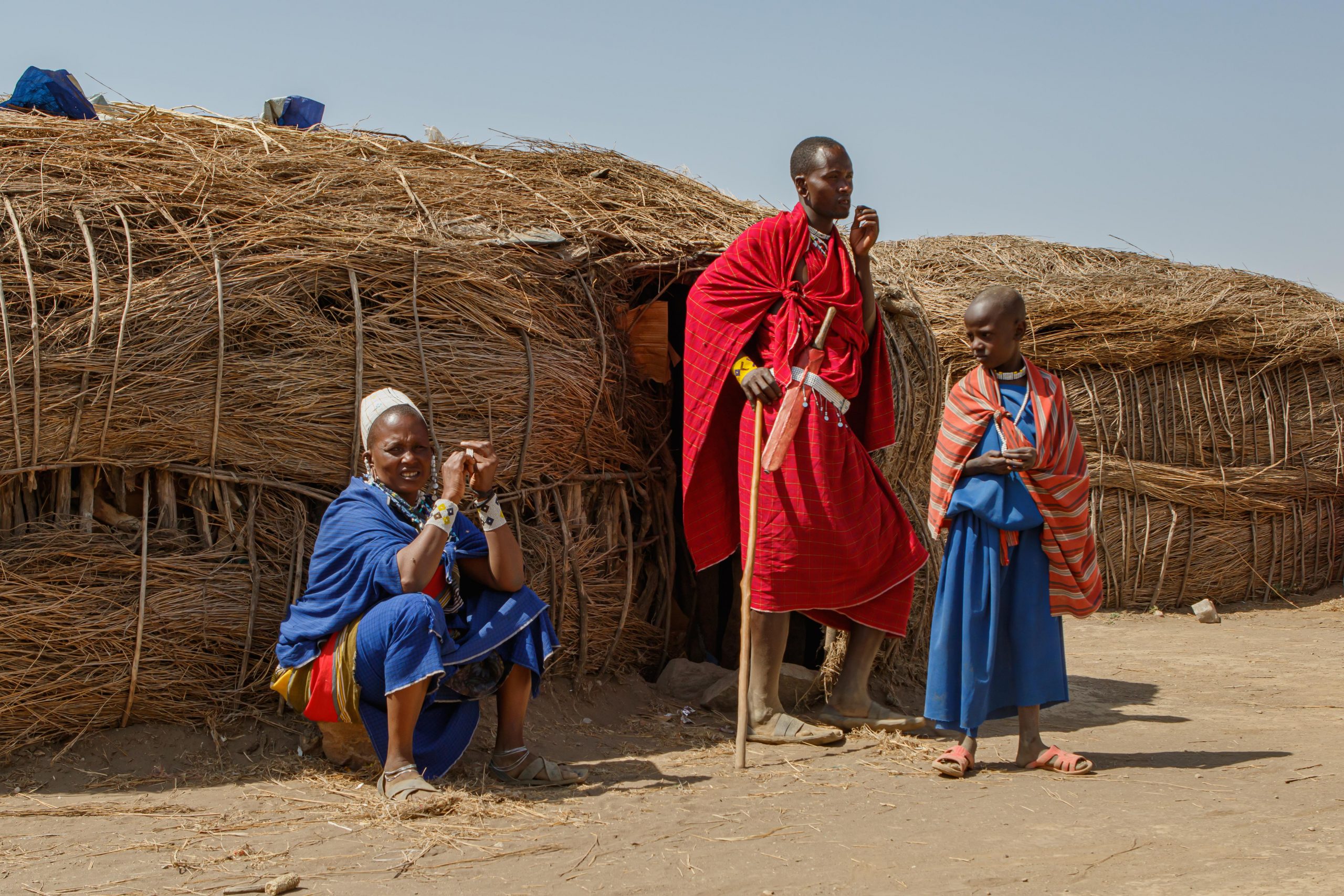
Stepping through the thorn-branch entrance of the boma, we entered a living pastoral world.
The Maasai of Northern Tanzania
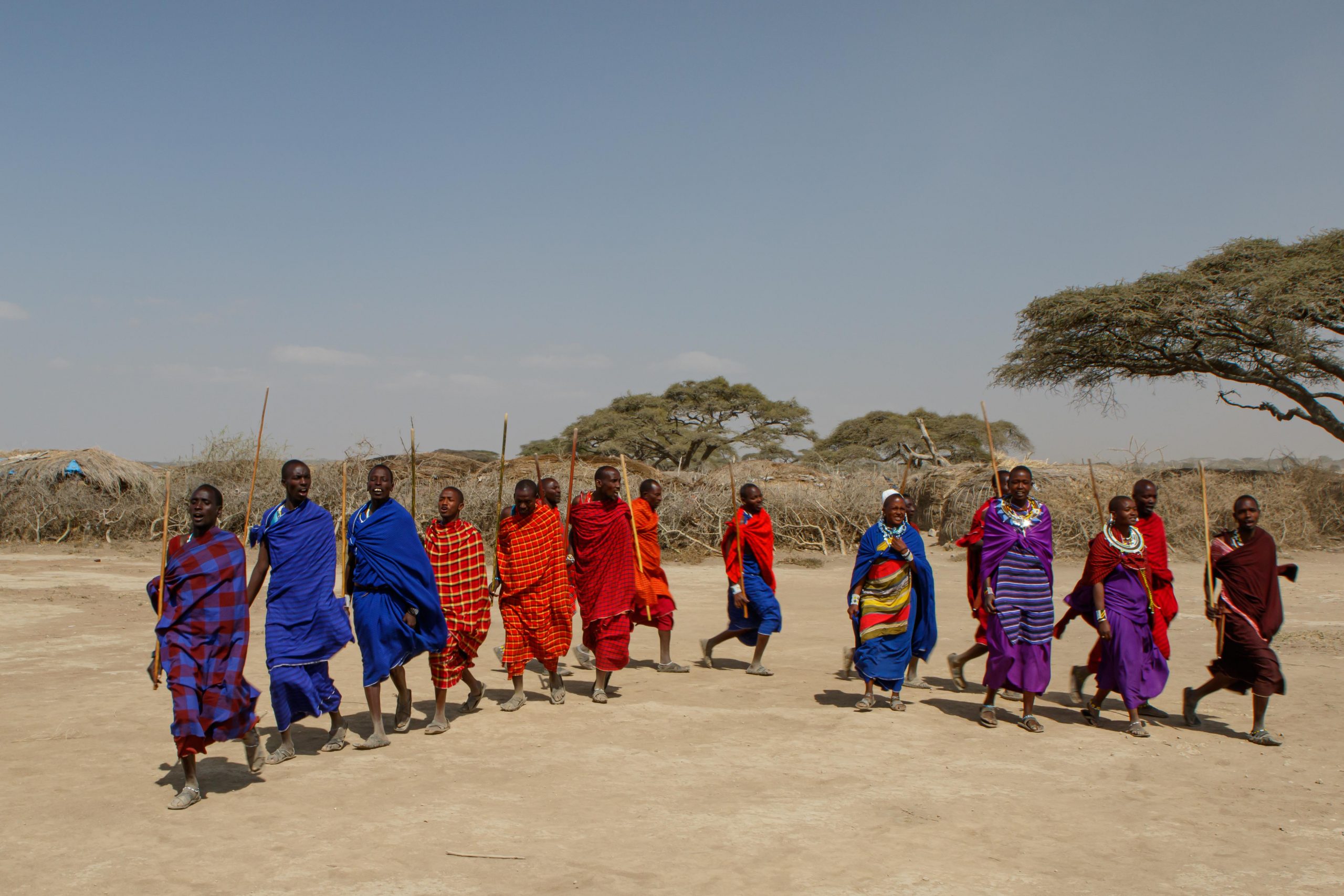
The Maasai people are among the most recognisable indigenous communities of East Africa, living primarily in northern Tanzania and southern Kenya. With a population estimated at over 1.5 million, many Maasai continue to maintain a semi-nomadic pastoralist lifestyle despite increasing pressure from conservation policies, tourism development and agricultural expansion.
Across the Ngorongoro Highlands and surrounding plains, Maasai herders move livestock across grazing lands that overlap with zebra, wildebeest and other wildlife. The relationship between conservation areas and pastoral life is complex, requiring continuous adaptation.
Cattle and Pastoral Identity
Cattle are central to Maasai life.
Livestock represents wealth, social standing and long-term security. Milk forms a daily staple; meat is consumed more selectively; and cattle play essential roles in ceremonies such as marriage negotiations and initiation rites. Herd size is more than economic measurement — it is cultural identity.
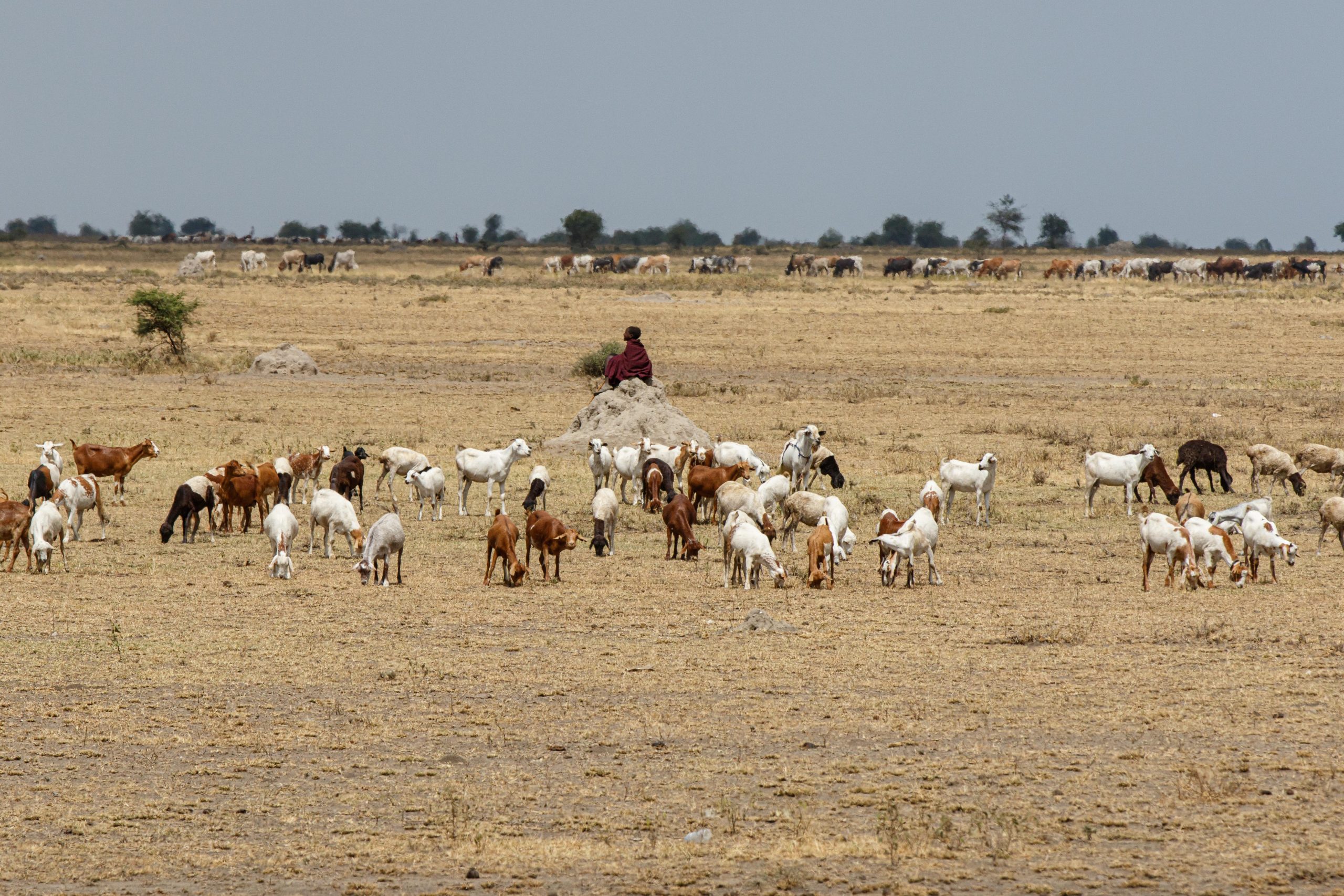
In many ways, the rhythm of Maasai life follows the needs of cattle: access to water, seasonal grazing, protection from predators. The landscape is not abstract territory — it is lived dependency.
Appearance and Material Culture
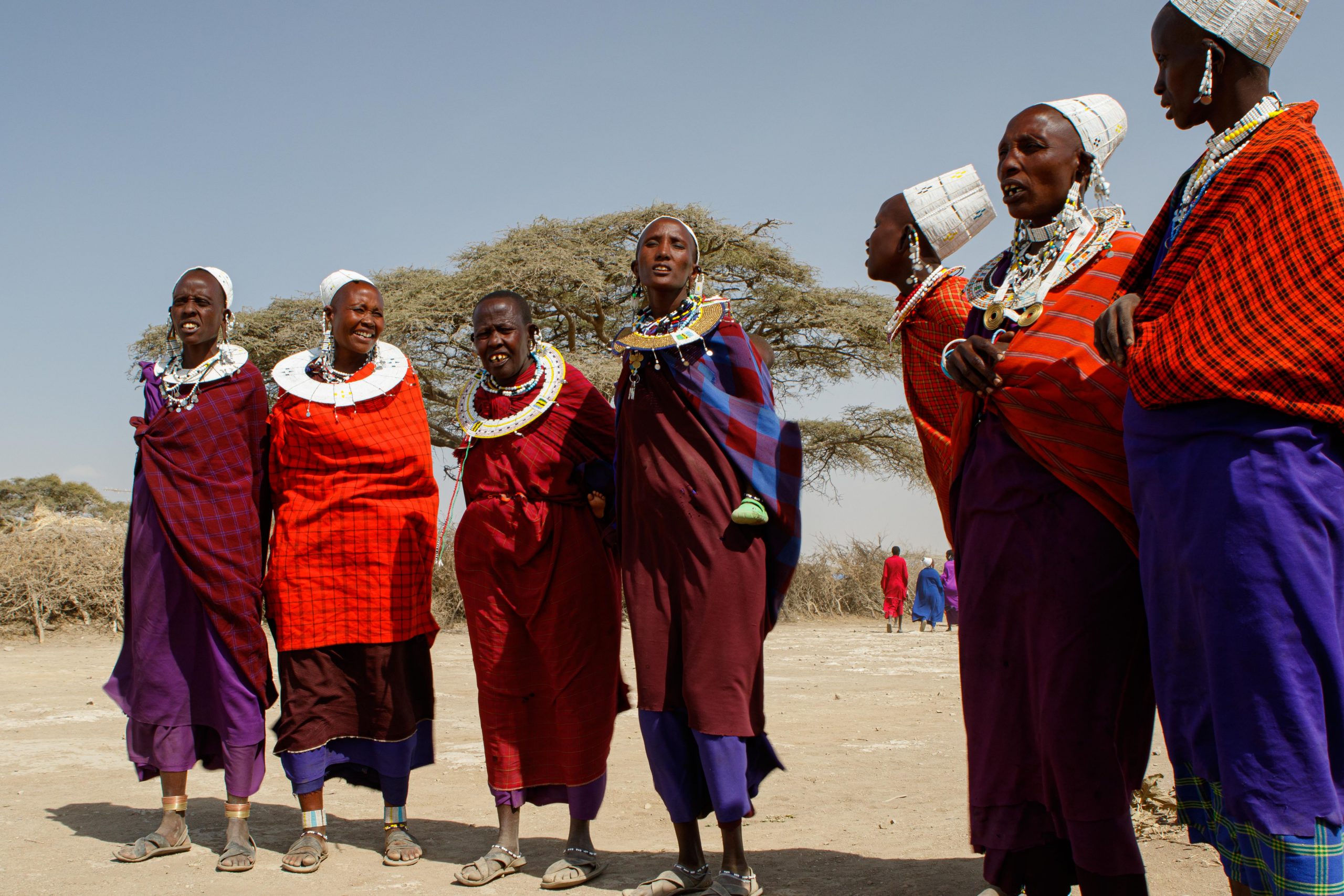
The Maasai are widely known for their distinctive red shuka — the cloth worn by both men and women. The colour is practical, visible across open terrain, and traditionally associated with strength and protection.
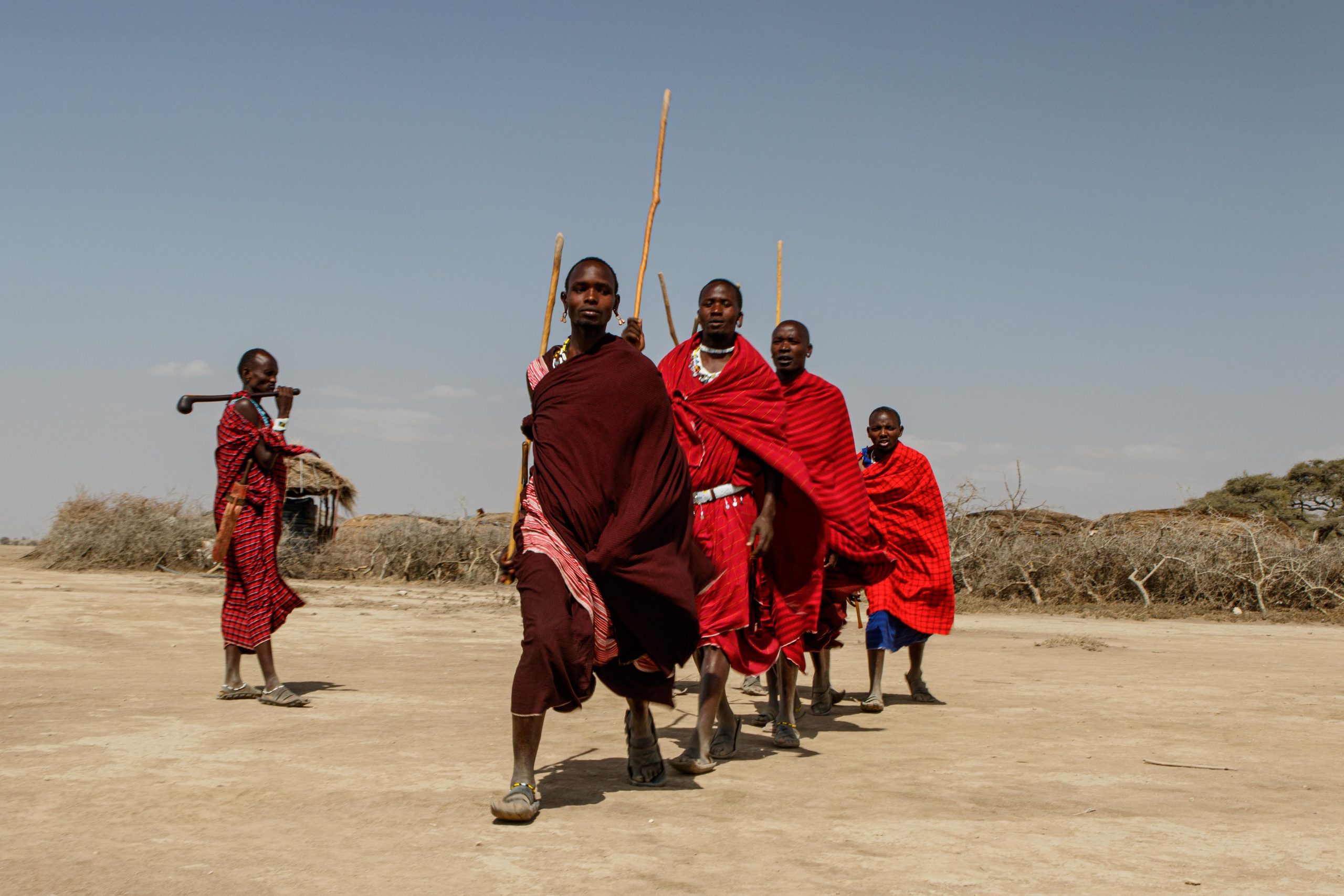
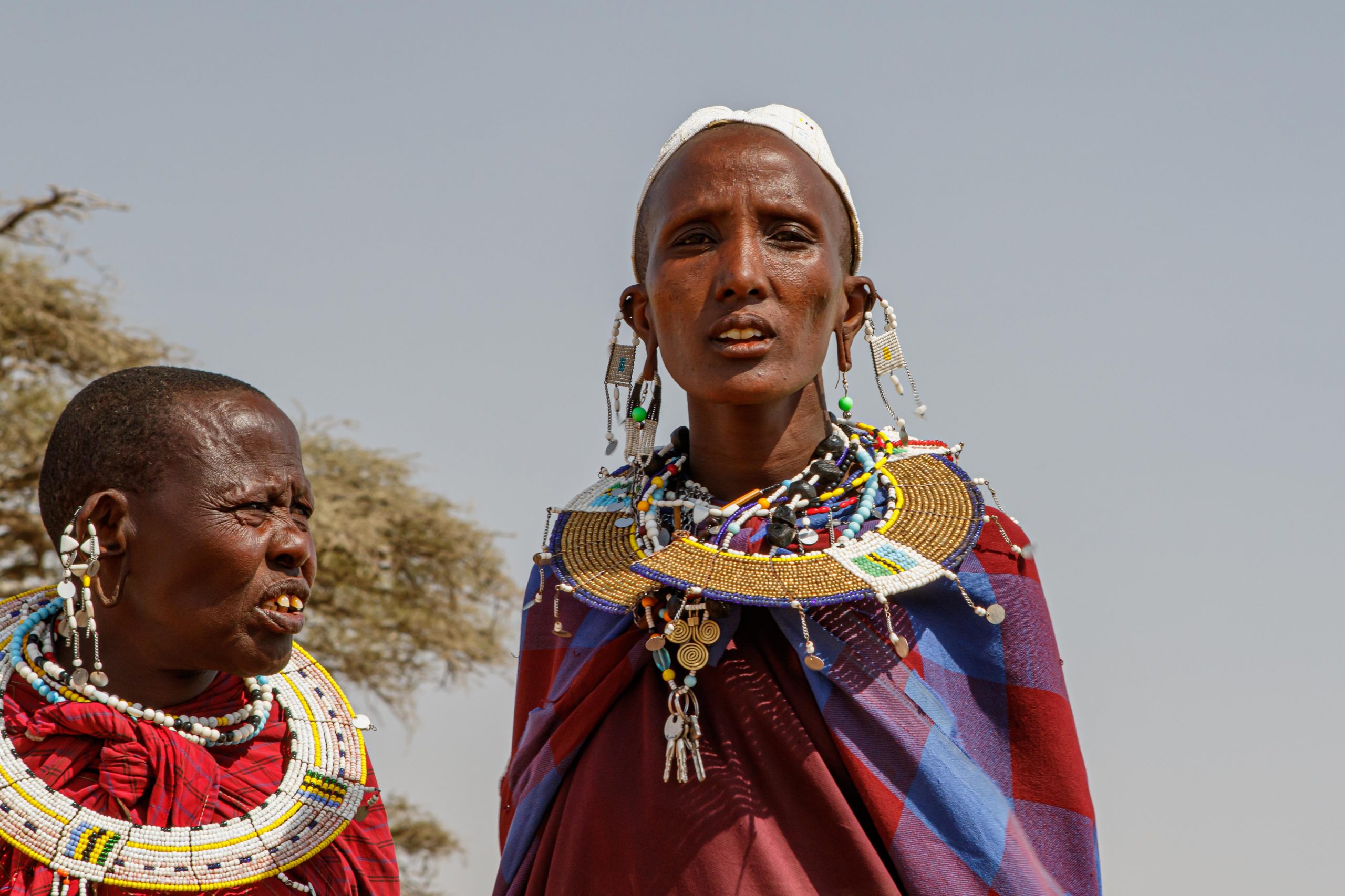
Beadwork carries layered meaning. Colours and patterns indicate age group, marital status and social position. Red often symbolises bravery; blue reflects sky and rain; green represents land and fertility. Ornamentation is not decorative alone — it communicates belonging.
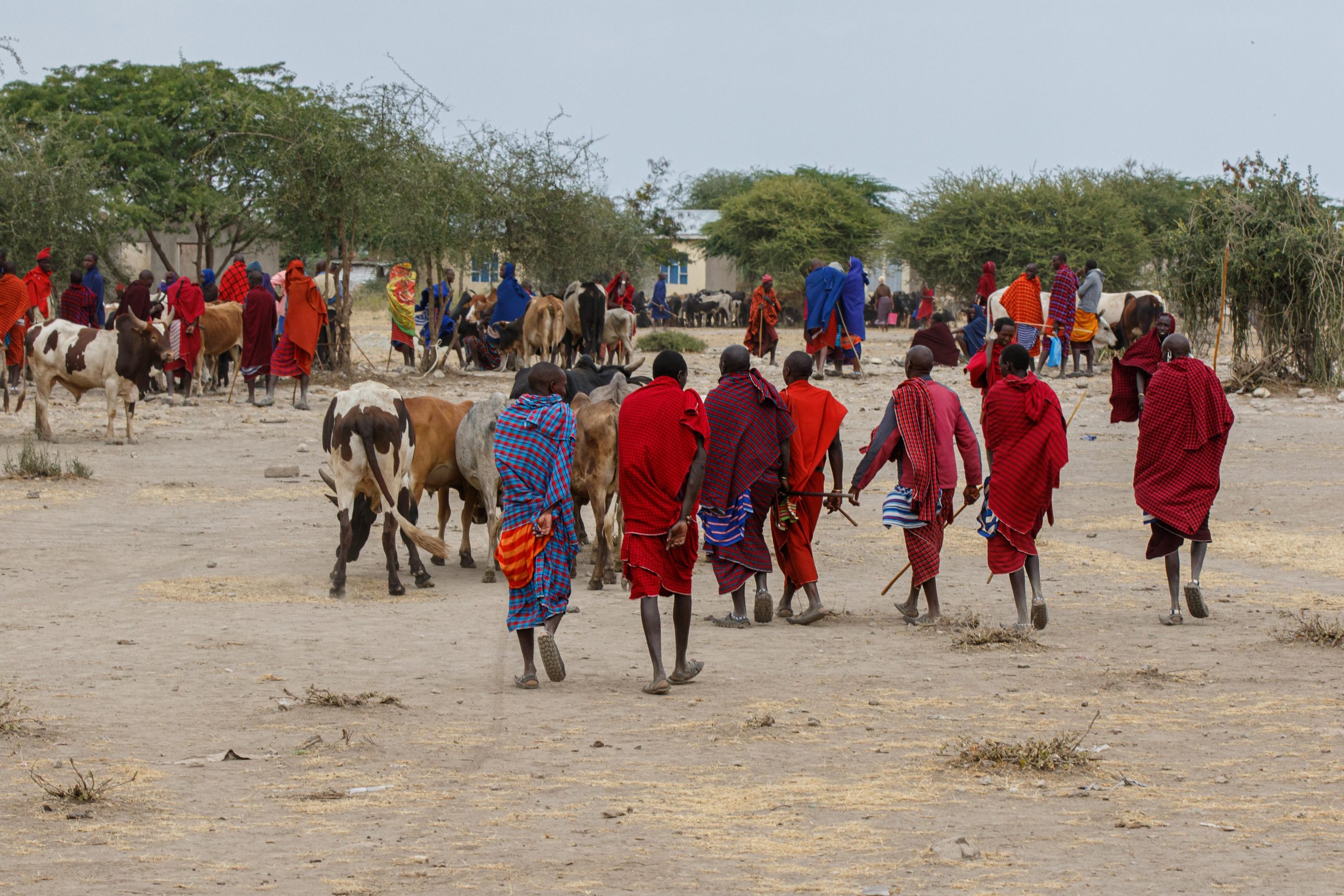
Earlier that day, at a regional market, beadwork and textiles were part of everyday trade rather than staged display. Culture here remains lived rather than curated.
Social Structure and Age Sets
Maasai society is organised into age sets. Boys initiated around the same time progress through life stages together — from youth to warrior (moran) to elder.
Warriors traditionally serve as protectors of community and livestock. Elders hold authority in governance, dispute resolution and the preservation of cultural knowledge. Leadership rests less in individual dominance than in collective structure.
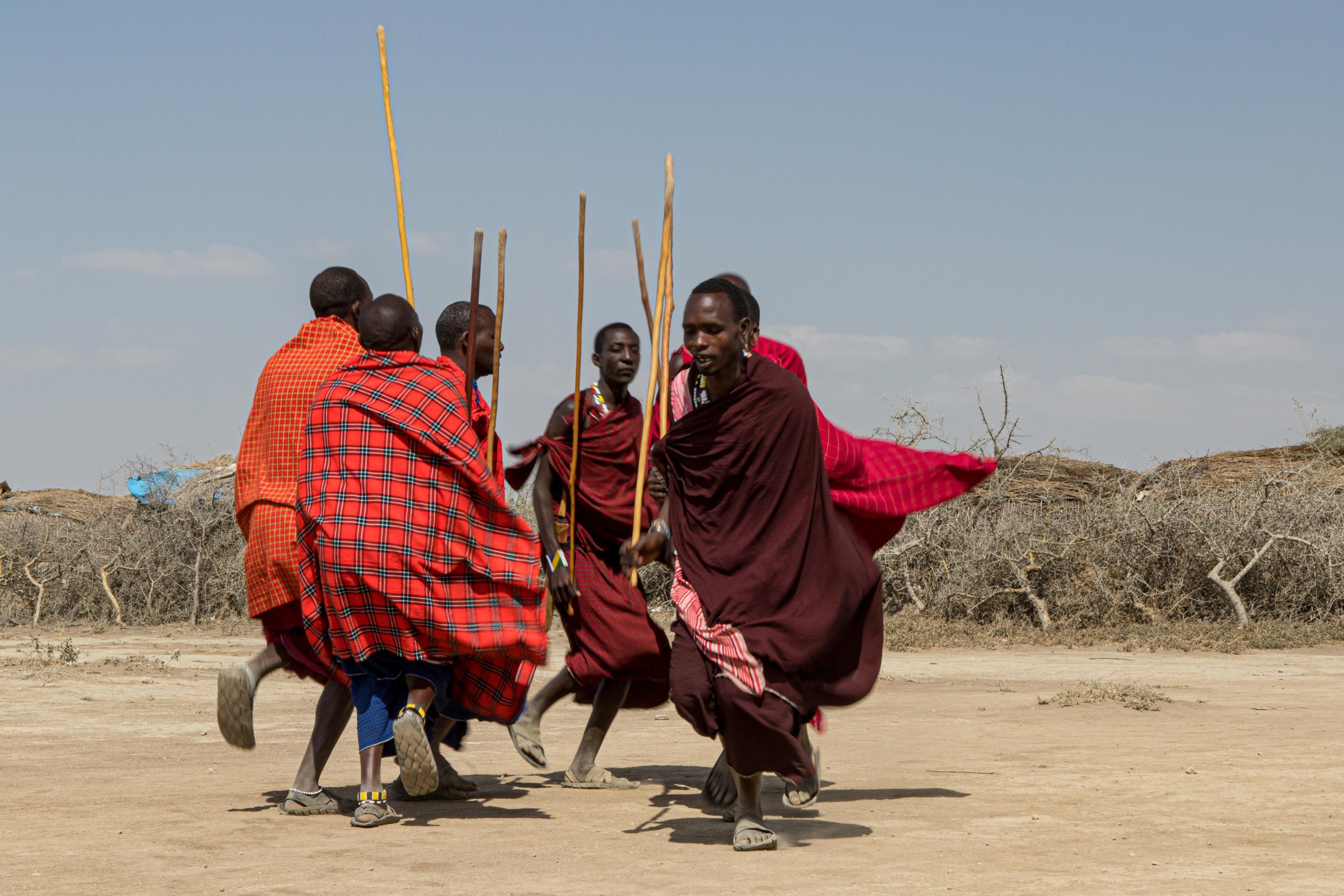
The Maa language, part of the Nilotic language family, remains central to identity. While Swahili and English are increasingly spoken due to schooling and broader interaction, Maa continues to define belonging within Maasai communities.
Spiritual Belief and Landscape
Spiritual life centres on Ngai, a supreme deity associated with rain, fertility and protection. In a pastoral society dependent on grasslands and water cycles, spirituality and environment are inseparable.
Ceremonies such as Eunoto (marking the transition of warriors) and Enkipaata (a pre-initiation ritual) reinforce generational continuity.
The highland setting — cool air, open grazing slopes, distant crater rim — feels inseparable from these traditions. Landscape shapes worldview.
Continuity Under Pressure
Despite strong cultural identity, Maasai communities face ongoing challenges. Conservation regulations can restrict grazing access; agricultural expansion reduces available land; climate variability affects pasture and livestock health.
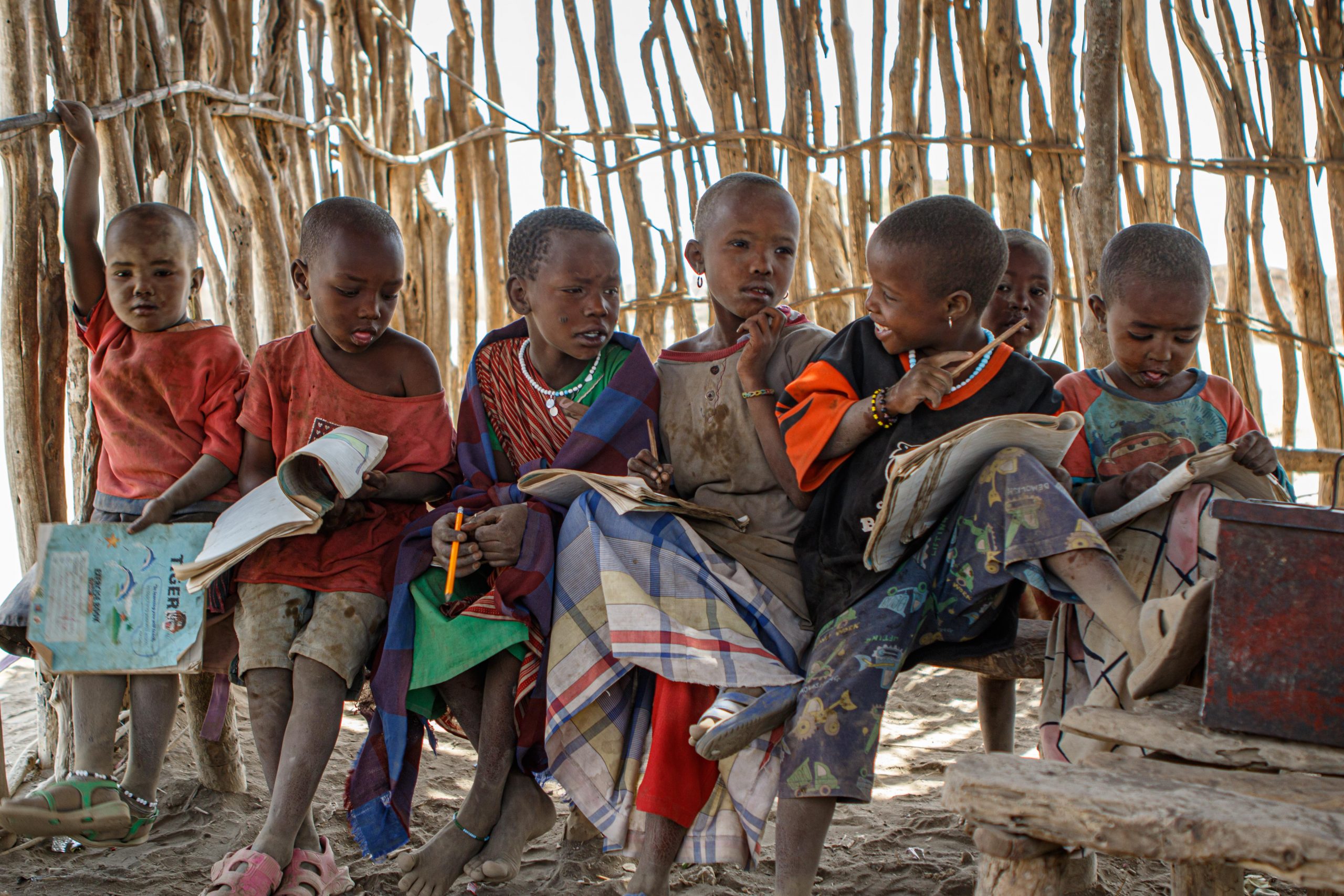
Balancing traditional pastoral life with formal education, tourism interaction and economic adaptation requires negotiation rather than simple preservation.
What stood out was not resistance, but adjustment — maintaining core identity while navigating structural change.
Toward the Serengeti Plains
As we left the village, the plains widened even further.
Cattle grazed in the distance. The red of the shuka gradually blended into the muted tones of earth and grass. Life here follows rhythms older than park boundaries, older even than the idea of conservation.
The road stretched across open country, passing occasional Maasai boma settlements visible in the distance.
Soon the gate of Serengeti National Park came into view.
The shift was subtle at first — then unmistakable. The land opened into vast savanna. Wildlife began to appear. The sense of scale changed entirely.
Behind us lay living tradition.
Ahead lay one of the world’s great wildlife ecosystems.