Wae Rebo Traditional Village, Flores

Mbaru Niang Cone Houses in the Manggarai Highlands
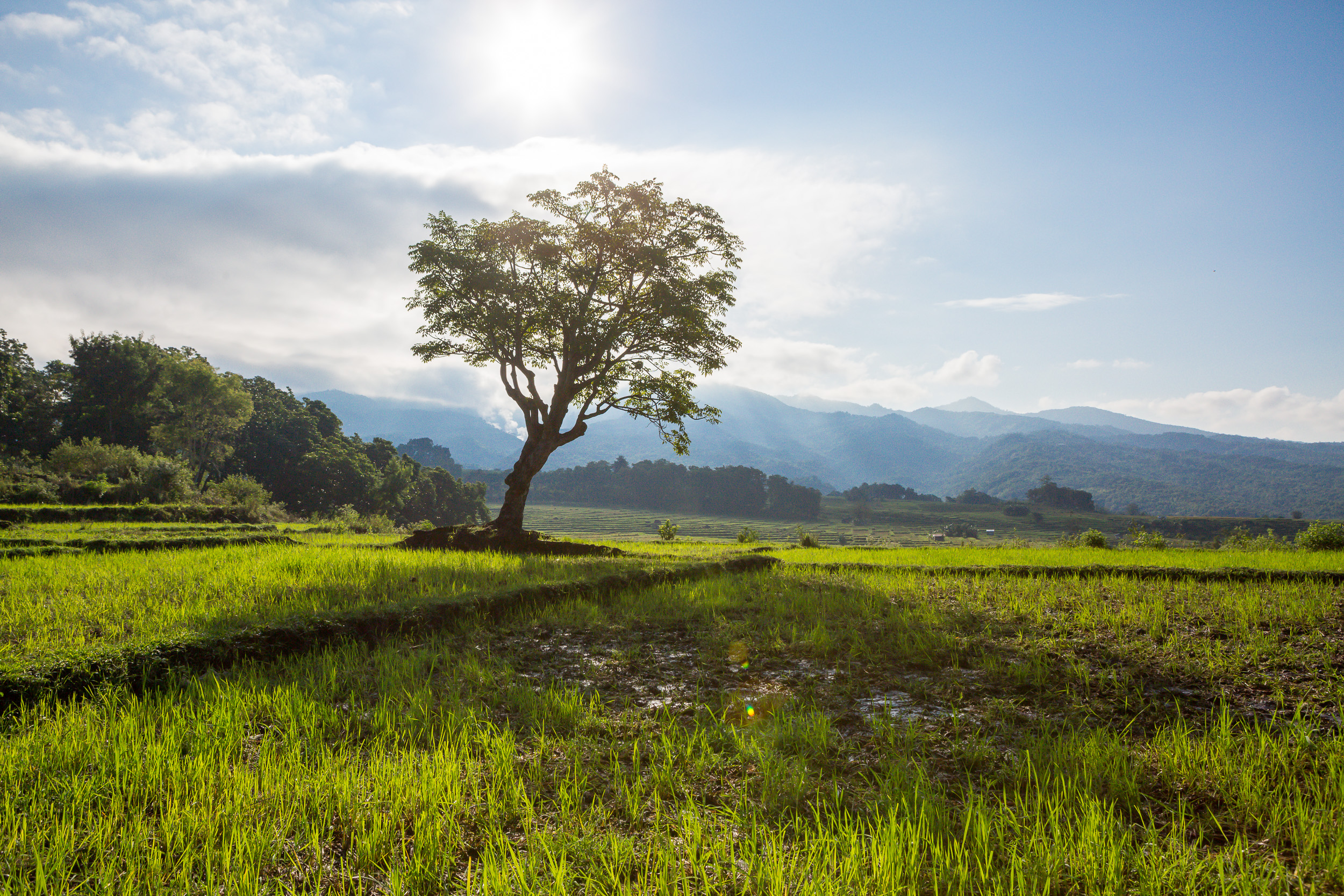
Hidden deep in the mountains of western Flores, Wae Rebo is one of Indonesia’s most remarkable traditional villages. Surrounded by dense rainforest and accessible only by a three-hour hike, the village feels suspended in time.
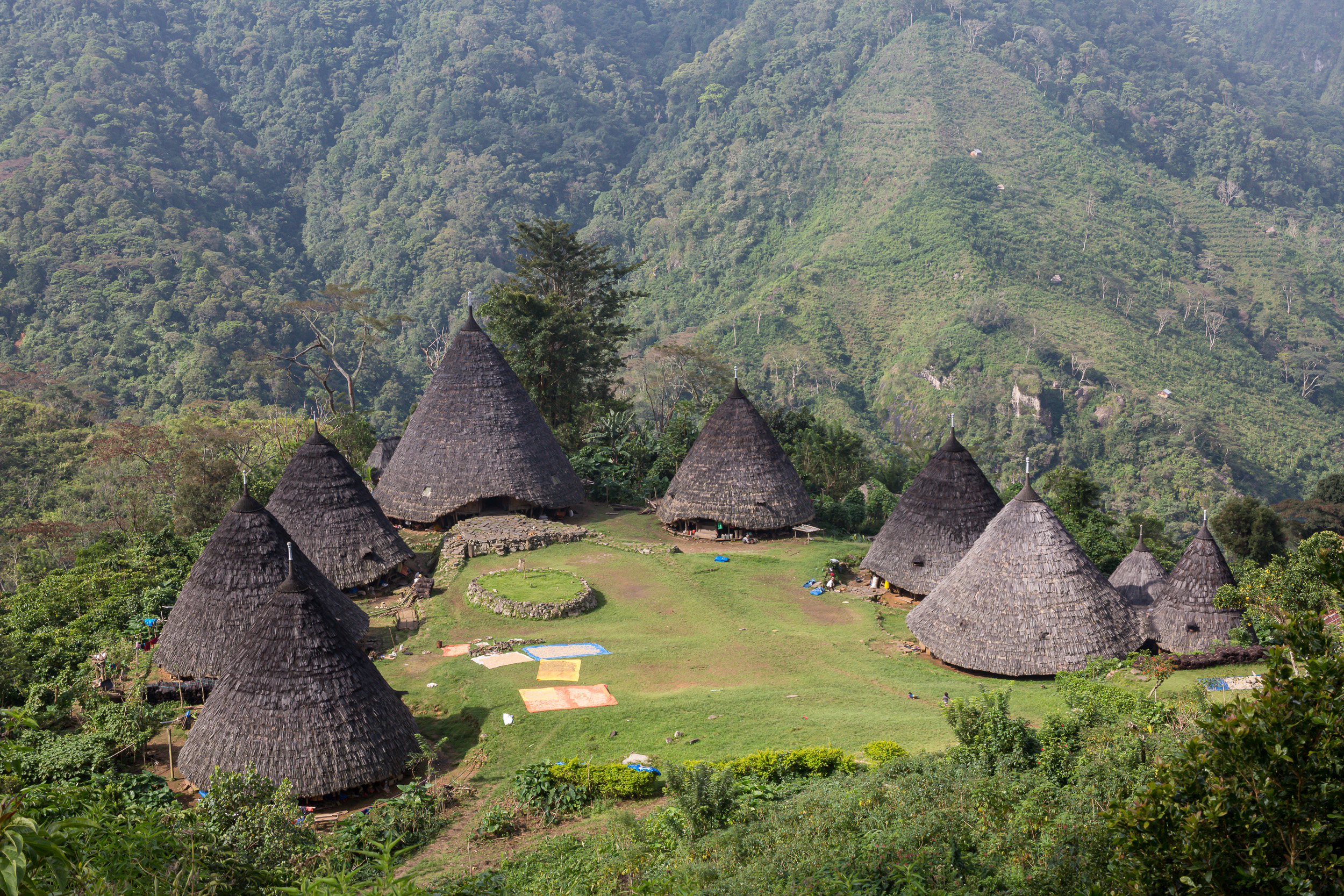
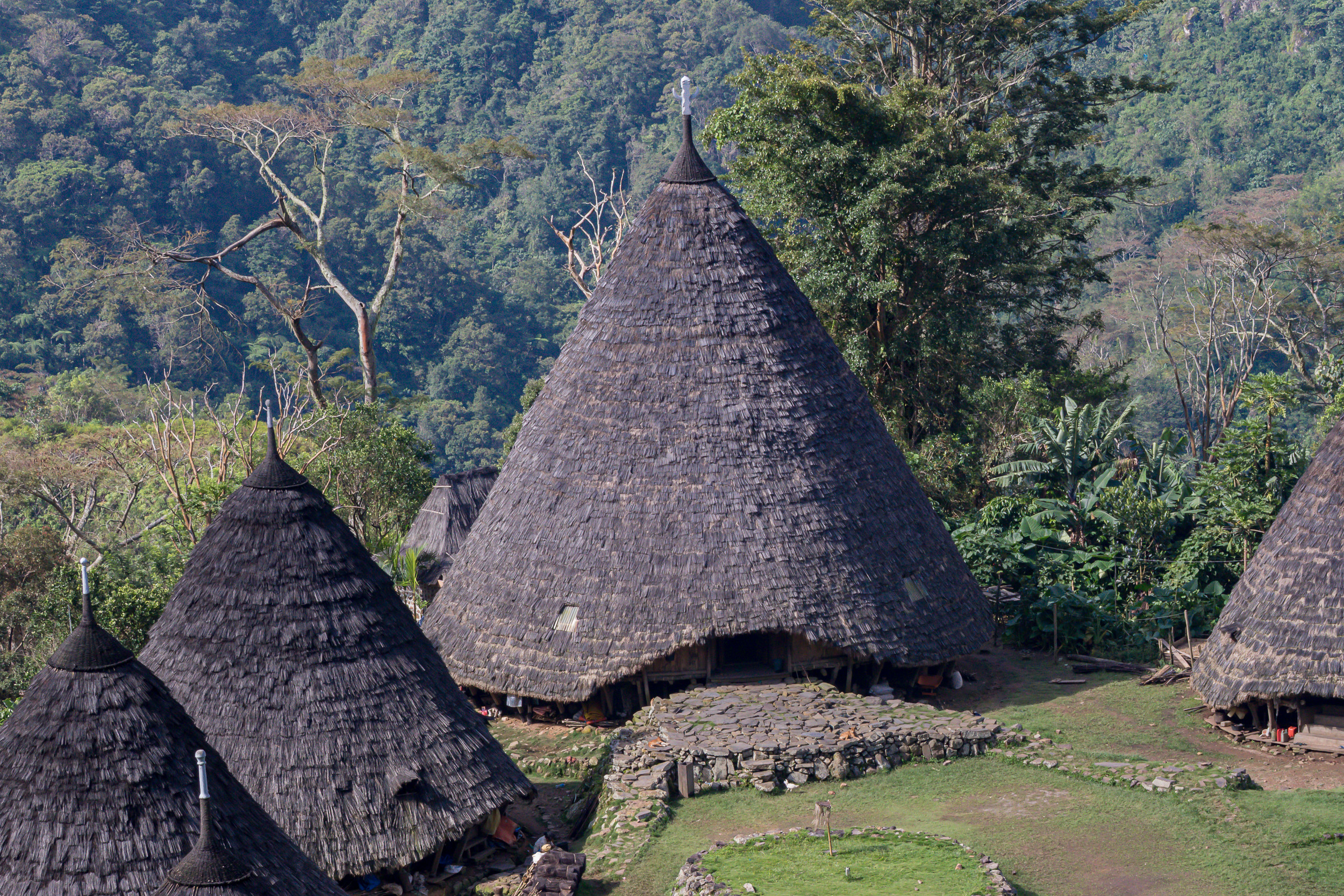
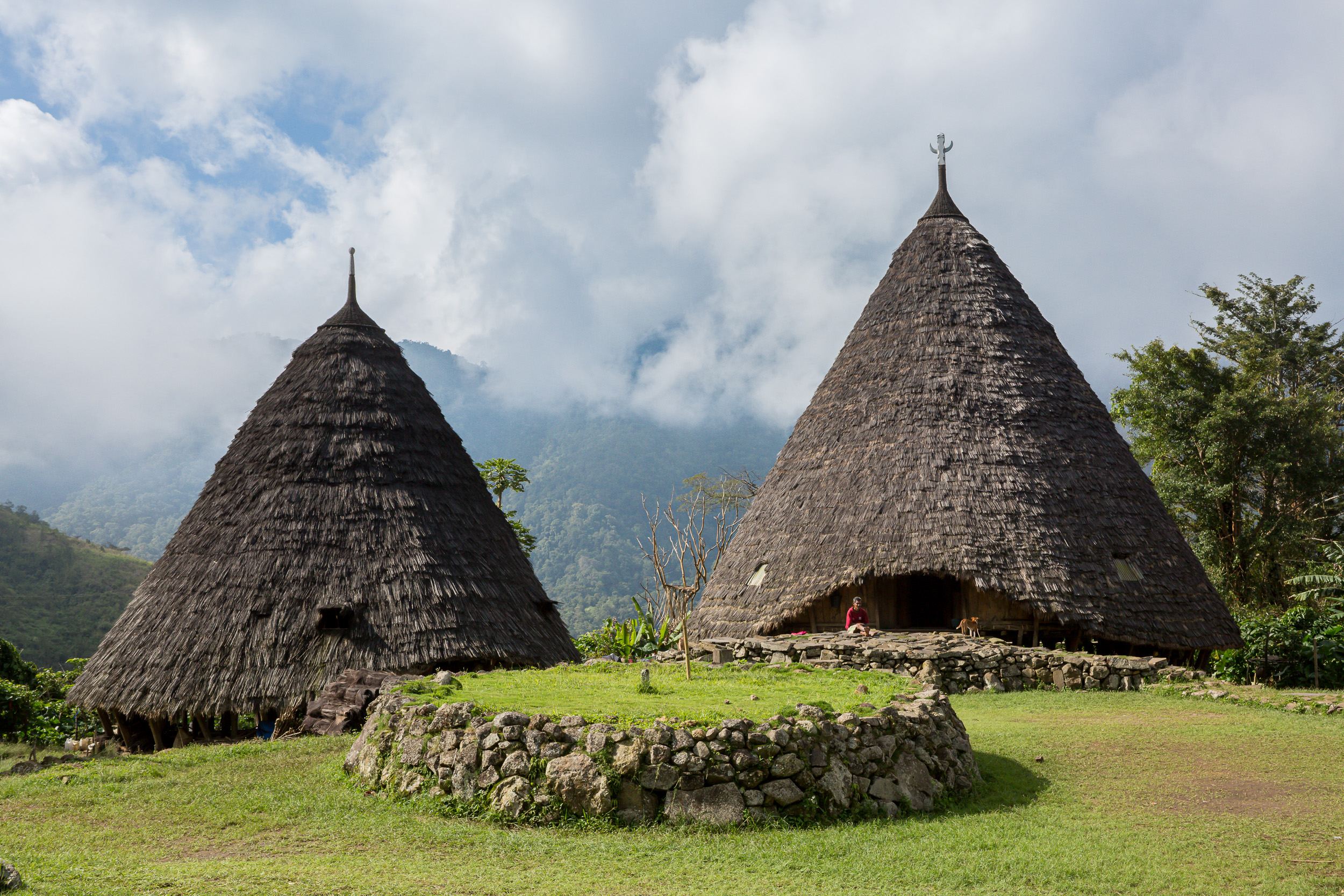
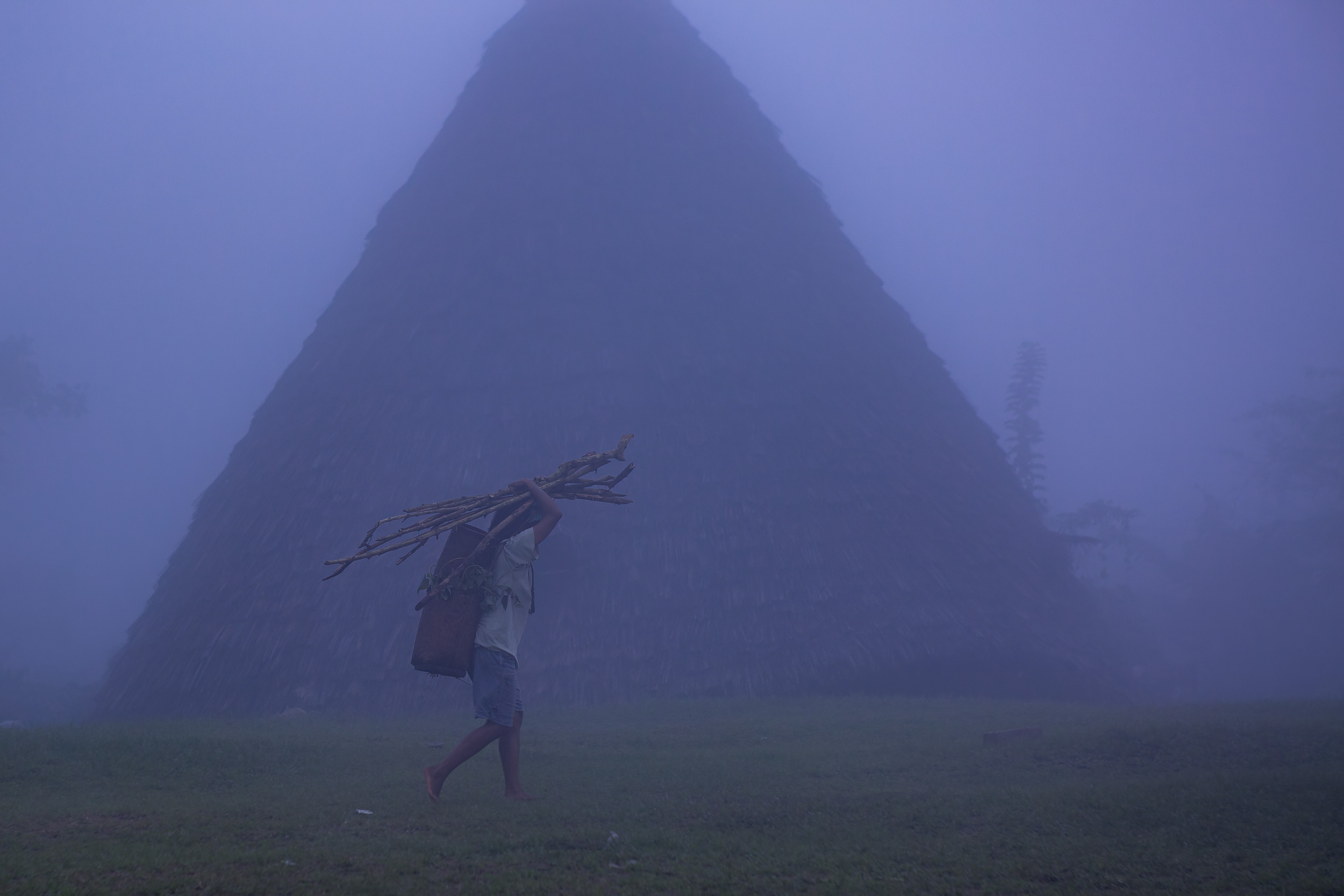
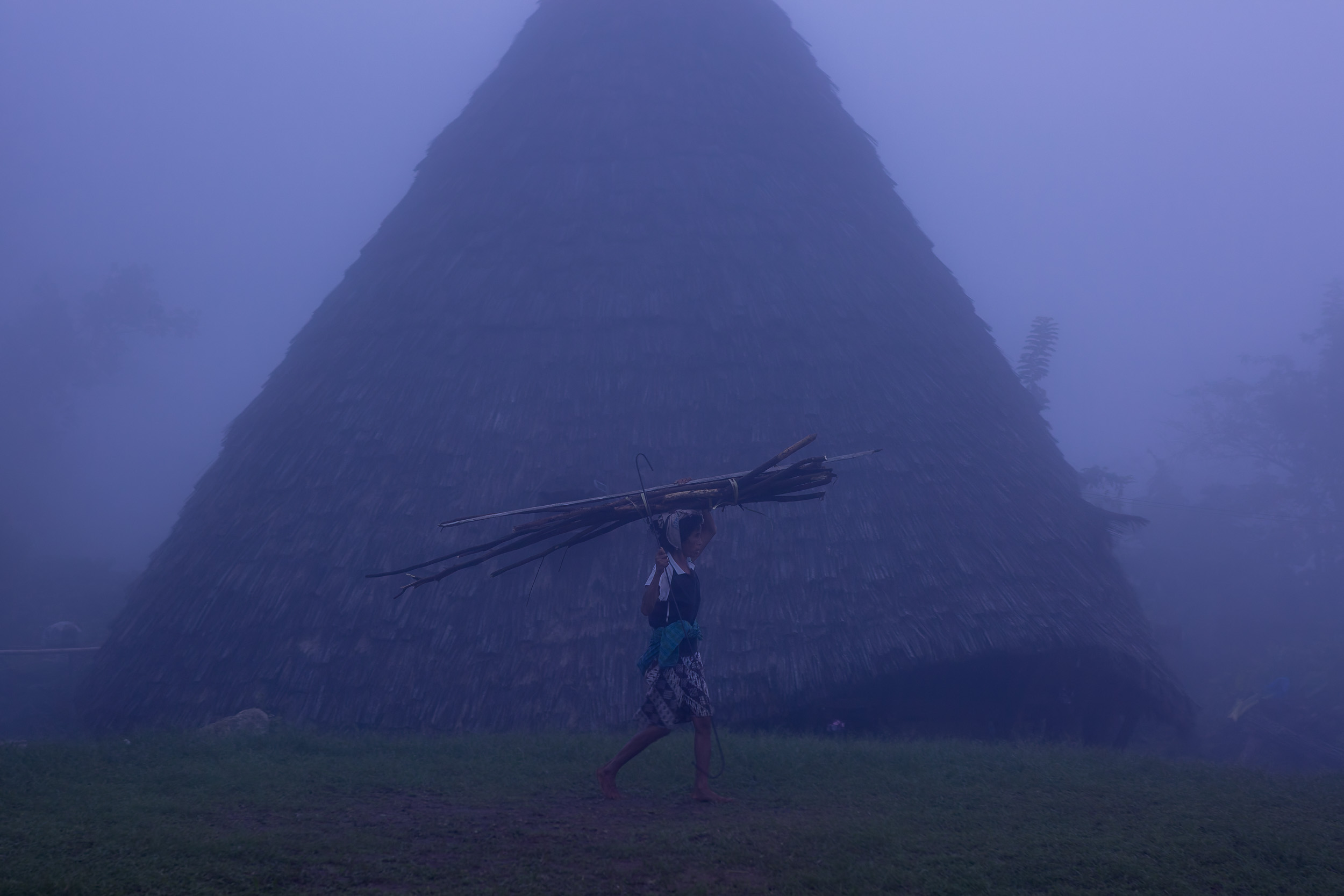
Wae Rebo is famous for its extraordinary cone-shaped houses known as Mbaru Niang. Rebuilt through strong community cooperation, these towering thatched structures symbolize the unity, ancestry, and spiritual traditions of the Manggarai people.
The Mbaru Niang Houses
The circular Mbaru Niang houses are architectural masterpieces of Manggarai culture. Built entirely with natural materials, each house rises in a dramatic conical shape and consists of five levels:
- Lutur (Tent) – The ground floor, used as the family’s living space.
- Lobo – The attic for storing food and daily goods.
- Lentar – Storage for seeds reserved for the next planting season.
- Lempa Rae – Emergency food reserves in case of drought.
- Hekang Kode – The most sacred upper level, dedicated to offerings for the ancestors.
The hearth is located in the center of the house, and the massive palm-fiber roof is supported by a central wooden pole. One of the houses functions as the ceremonial house, where sacred drums and gongs are kept and clan rituals are performed.
UNESCO Recognition
In 2012, Wae Rebo received the Award of Excellence in the UNESCO Asia-Pacific Heritage Awards for Cultural Heritage Conservation. The award recognized the successful community-led reconstruction of the traditional houses while preserving authentic building techniques and cultural values.
Life in Wae Rebo
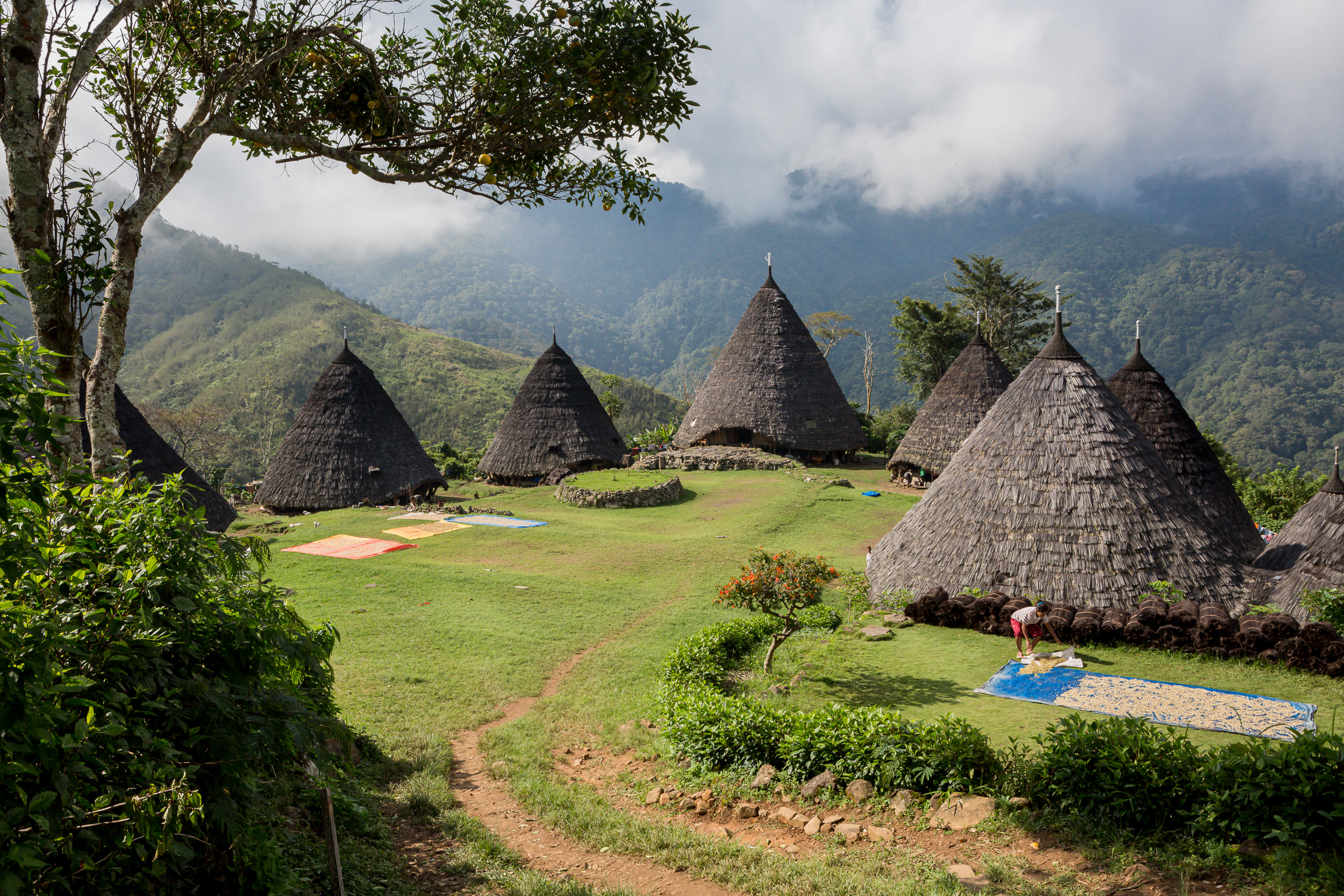
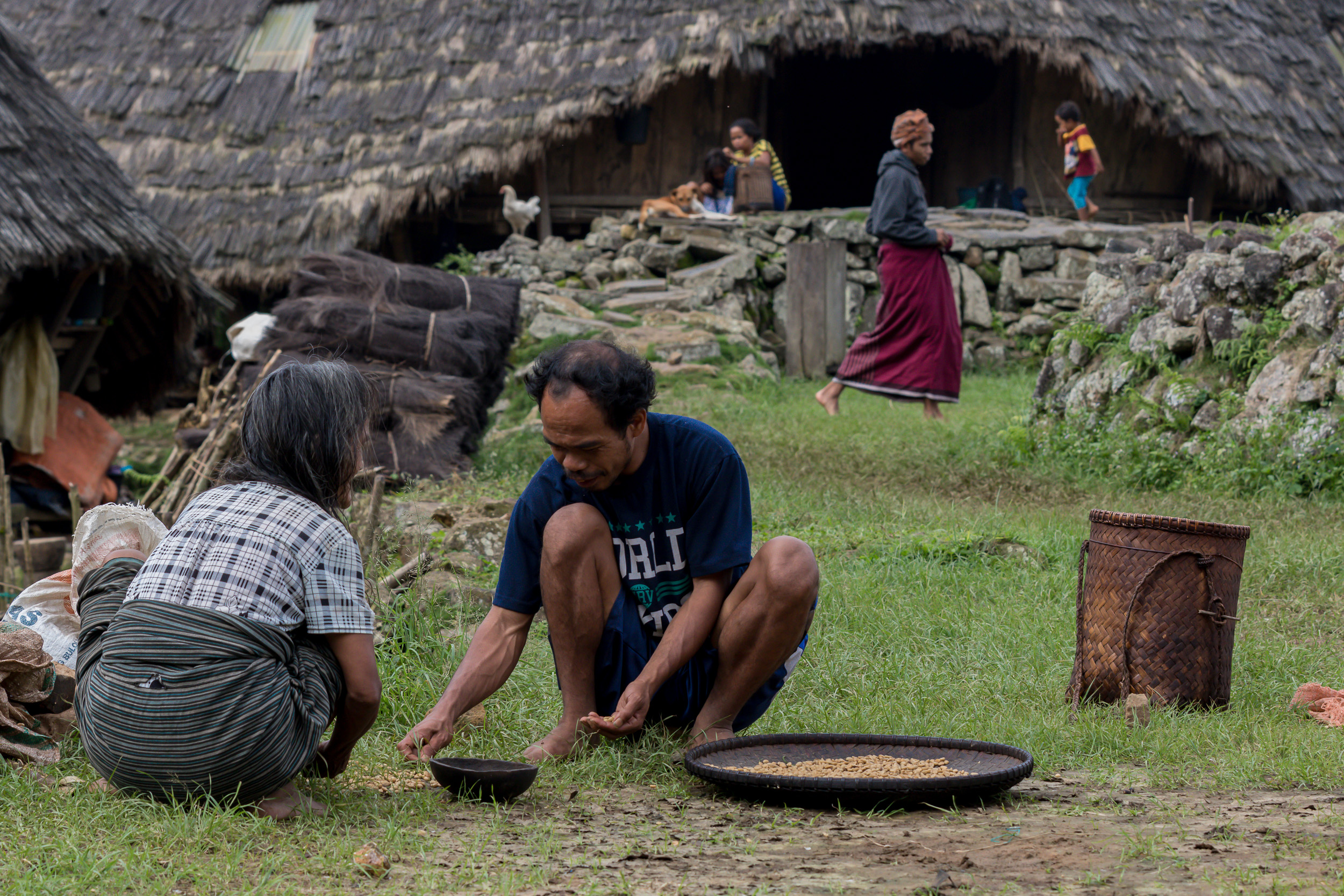
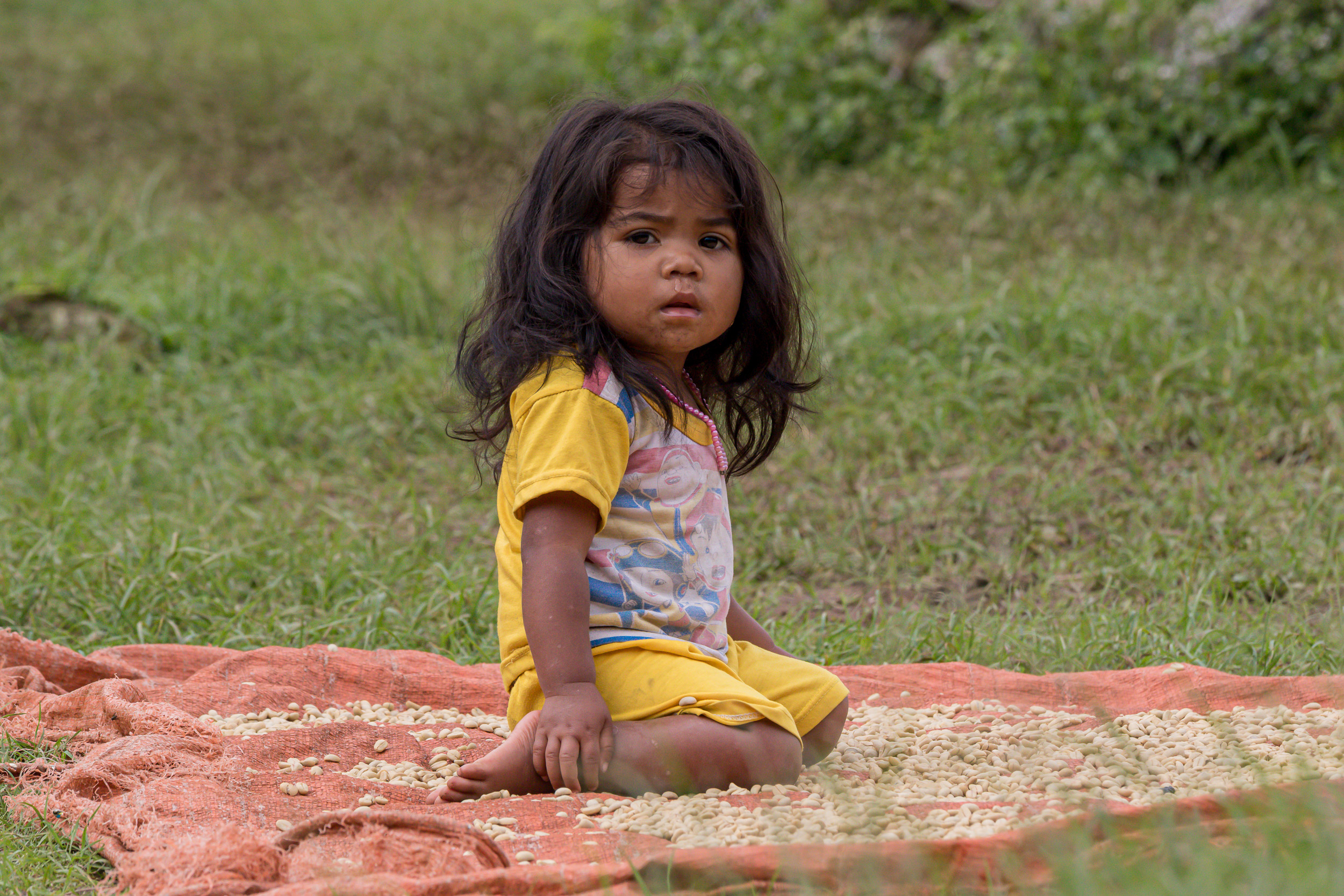
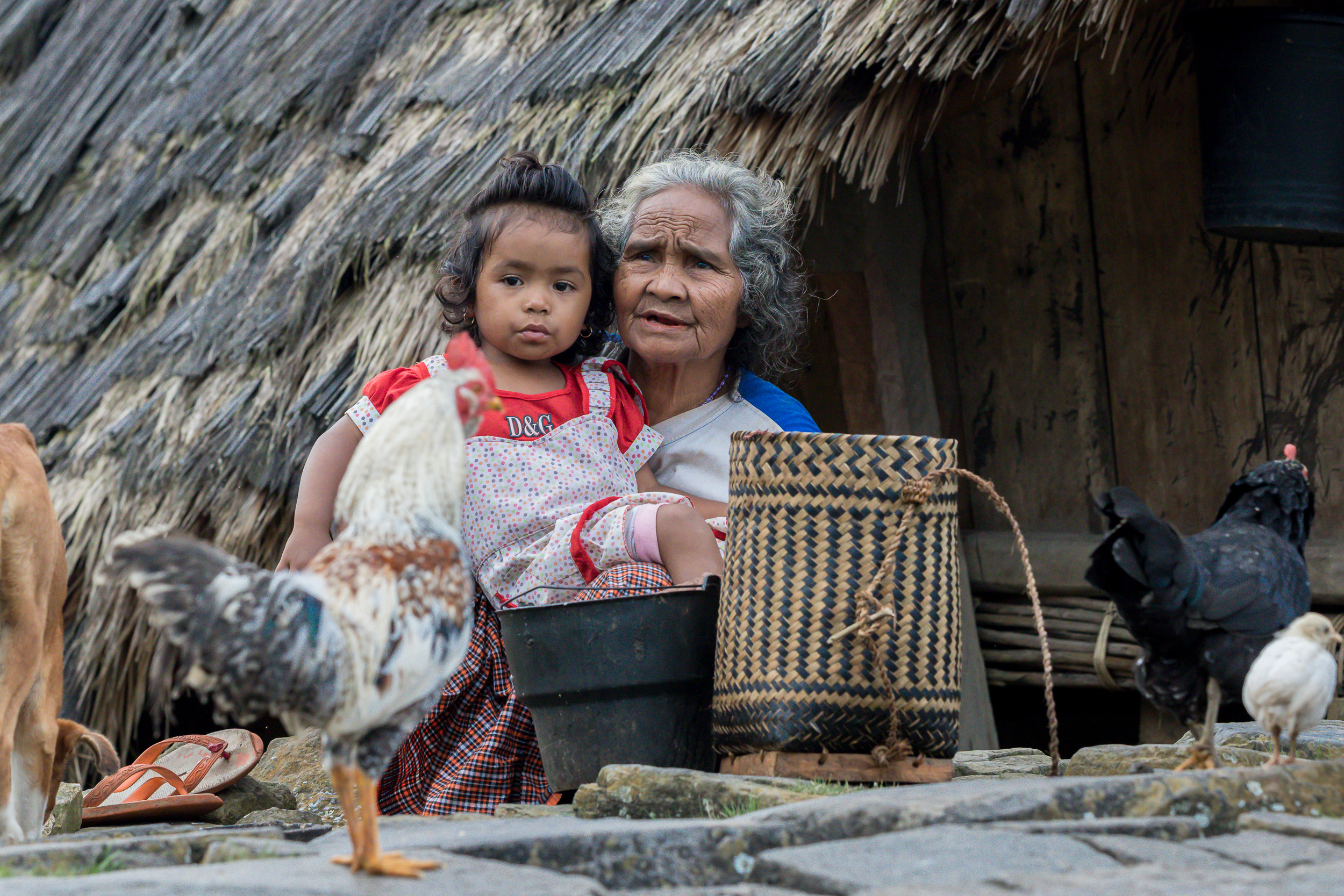
Today, the villagers are primarily coffee farmers. Coffee plantations and gardens surround the settlement, and daily life follows agricultural rhythms. Visitors may see women weaving traditional textiles and families processing coffee beans.
Guests are welcome to stay overnight inside the Mbaru Niang houses. Sleeping on woven pandanus mats, sharing meals, and sitting around the hearth offers a rare opportunity to experience communal life as it once was in Manggarai society.
The Trek to Wae Rebo
Wae Rebo can only be reached by a three-hour hike from Denge village. The trail passes through dense rainforest rich in biodiversity, including orchids, palms, ferns, and numerous bird species.
The hike is moderately challenging but well worth the effort. Arriving at the village clearing, with its cluster of conical houses against the mountain backdrop, is an unforgettable moment.
Facilities
Visitors typically arrange their visit through local guides or tour operators. Overnight stays include meals with the host family.
Basic facilities are available in the village, but it is recommended to bring your own water and essential supplies.
How to Get There
From Ruteng, drive approximately 2.5–3 hours south toward Denge village via Golo Lusang, Wae Mese bridge, Narang, Nanga Ramut, and Dintor.
Denge is the starting point of the hike to Wae Rebo.