What Is Caci?
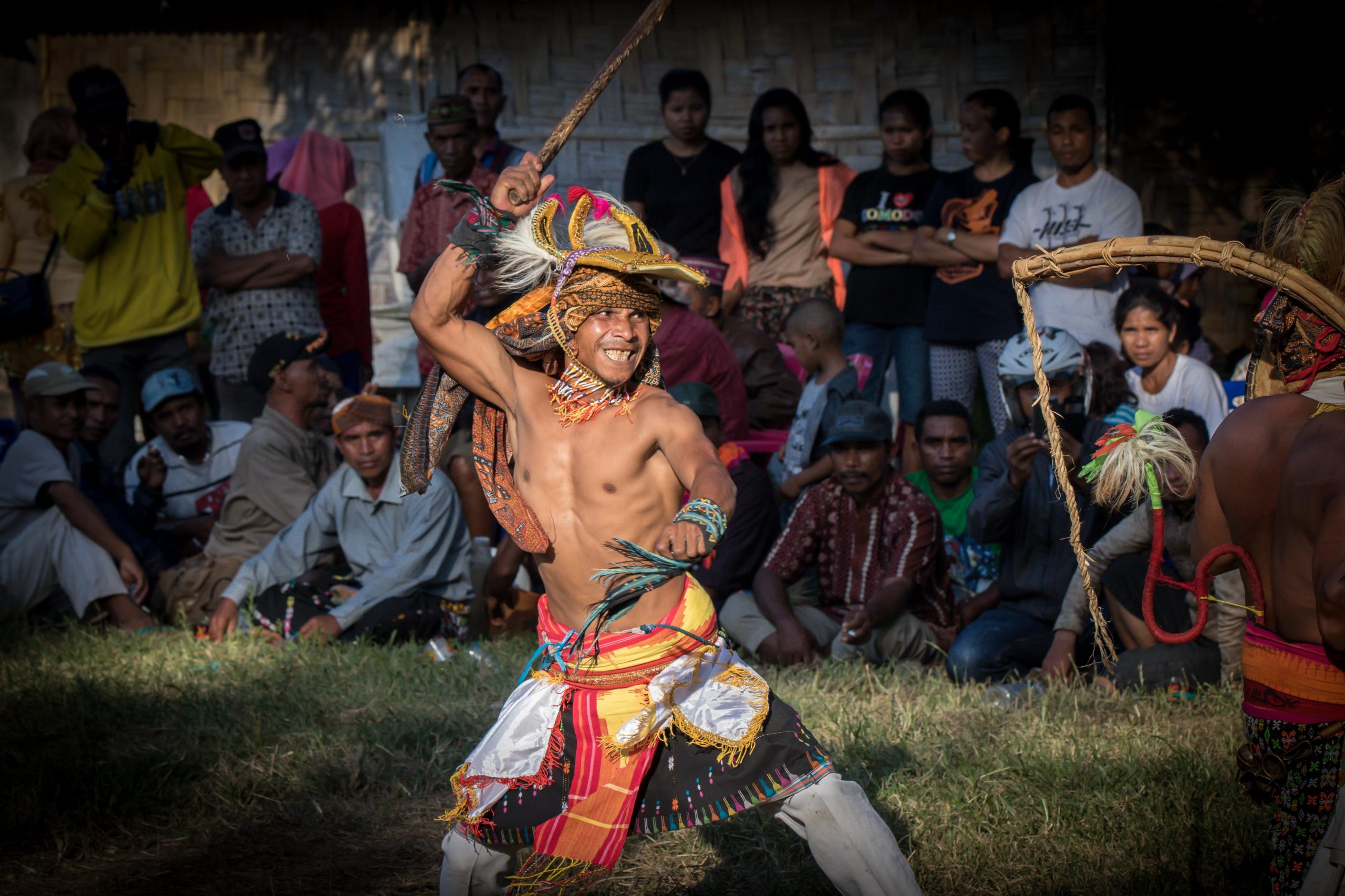
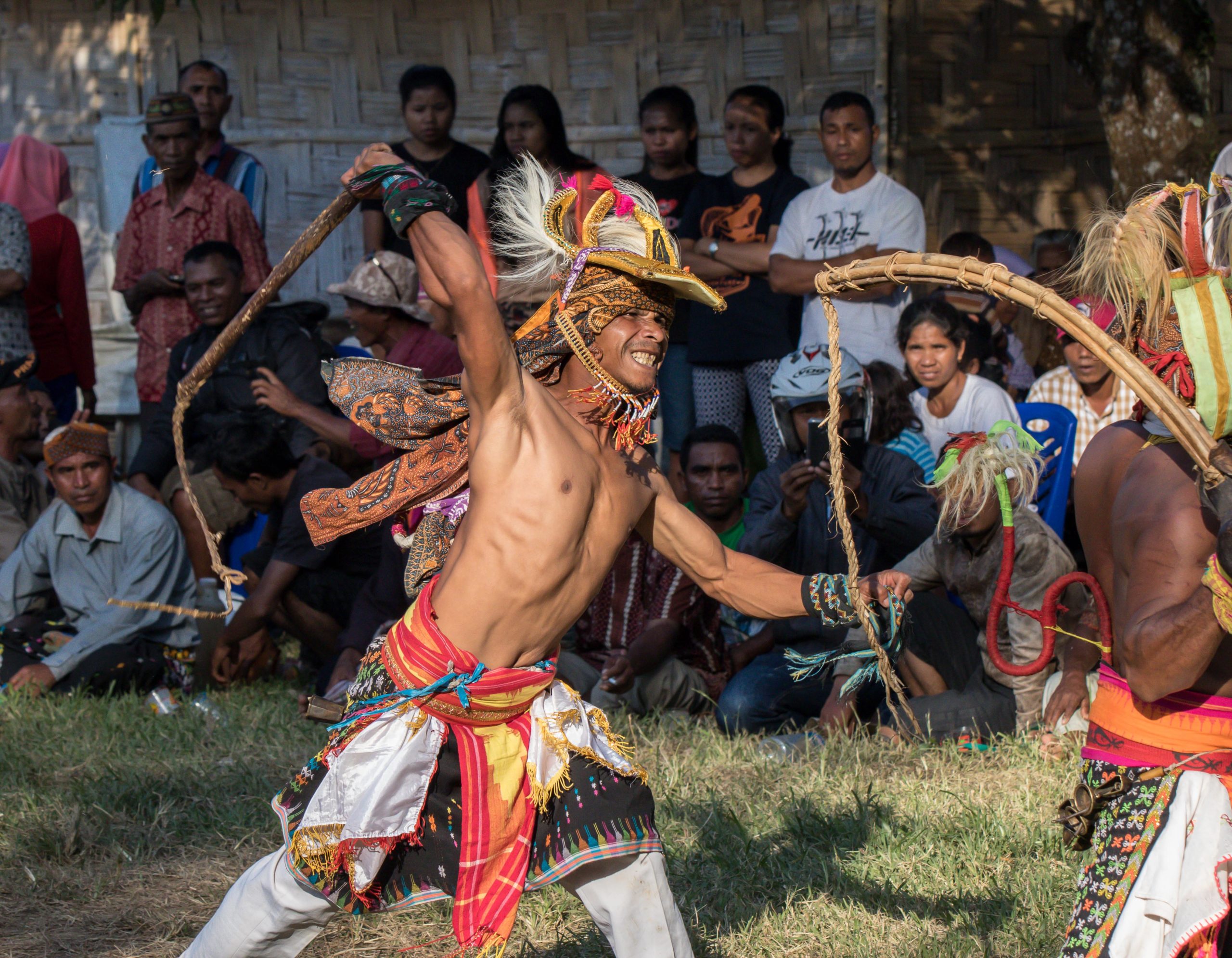
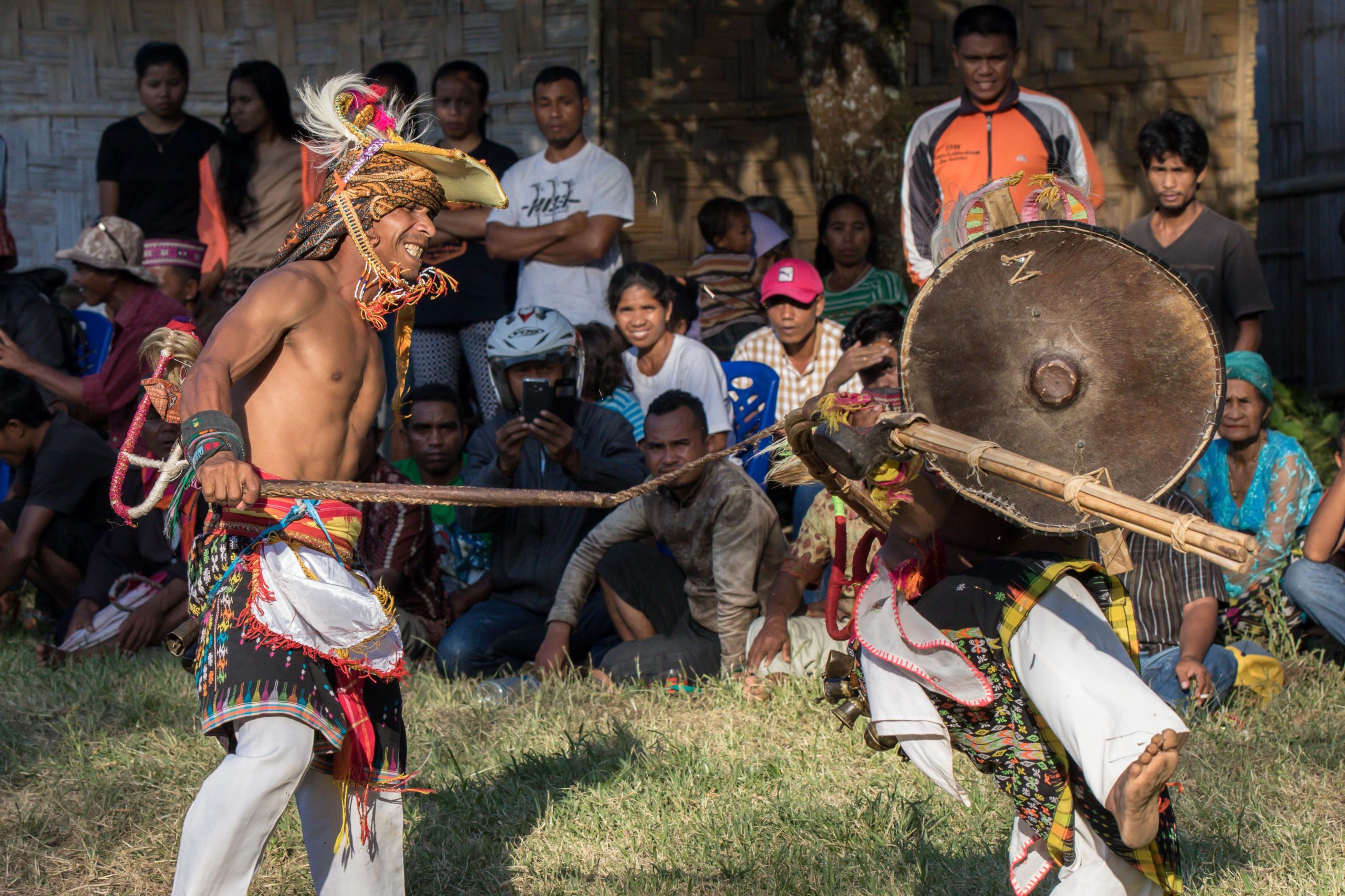
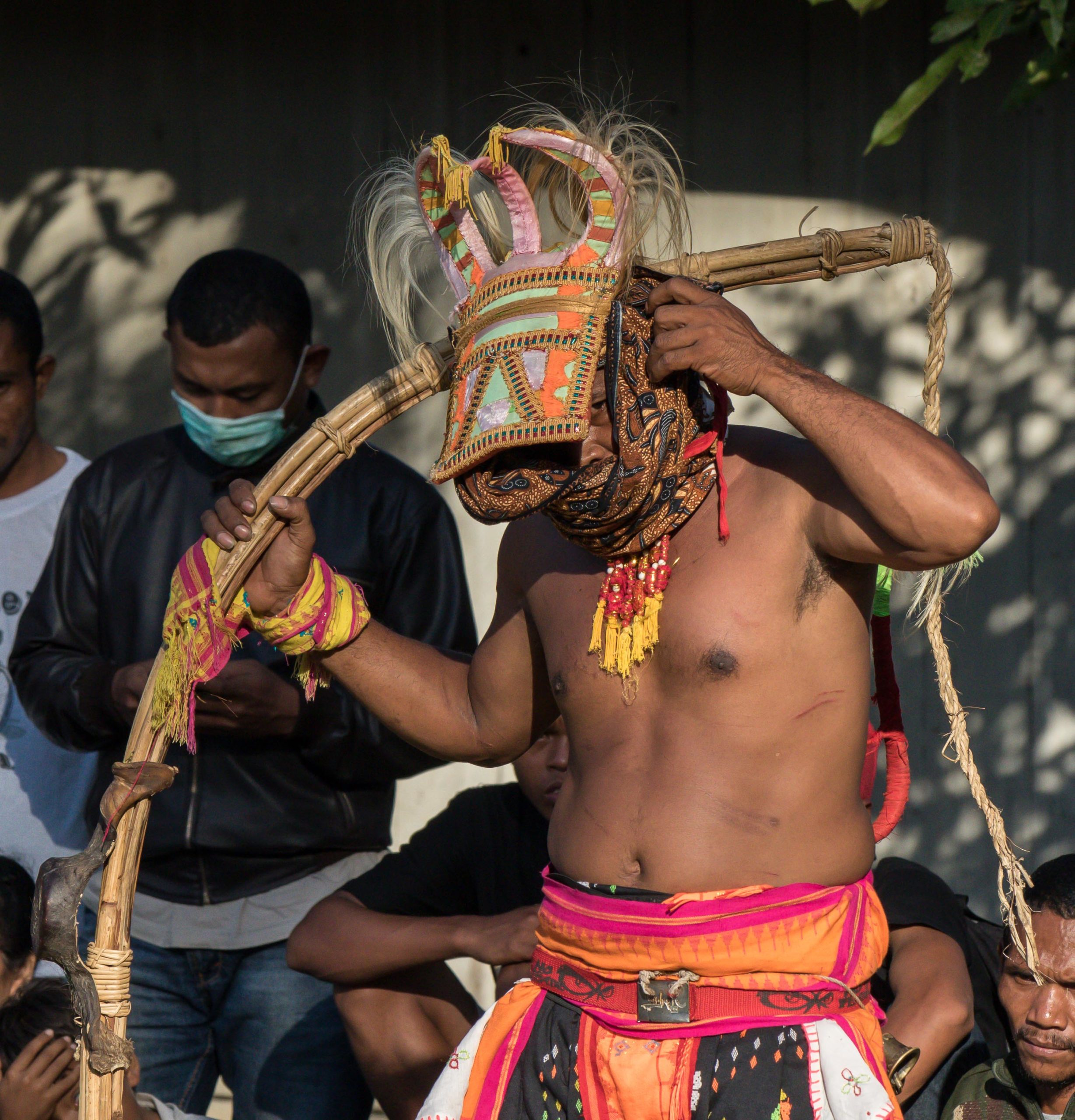
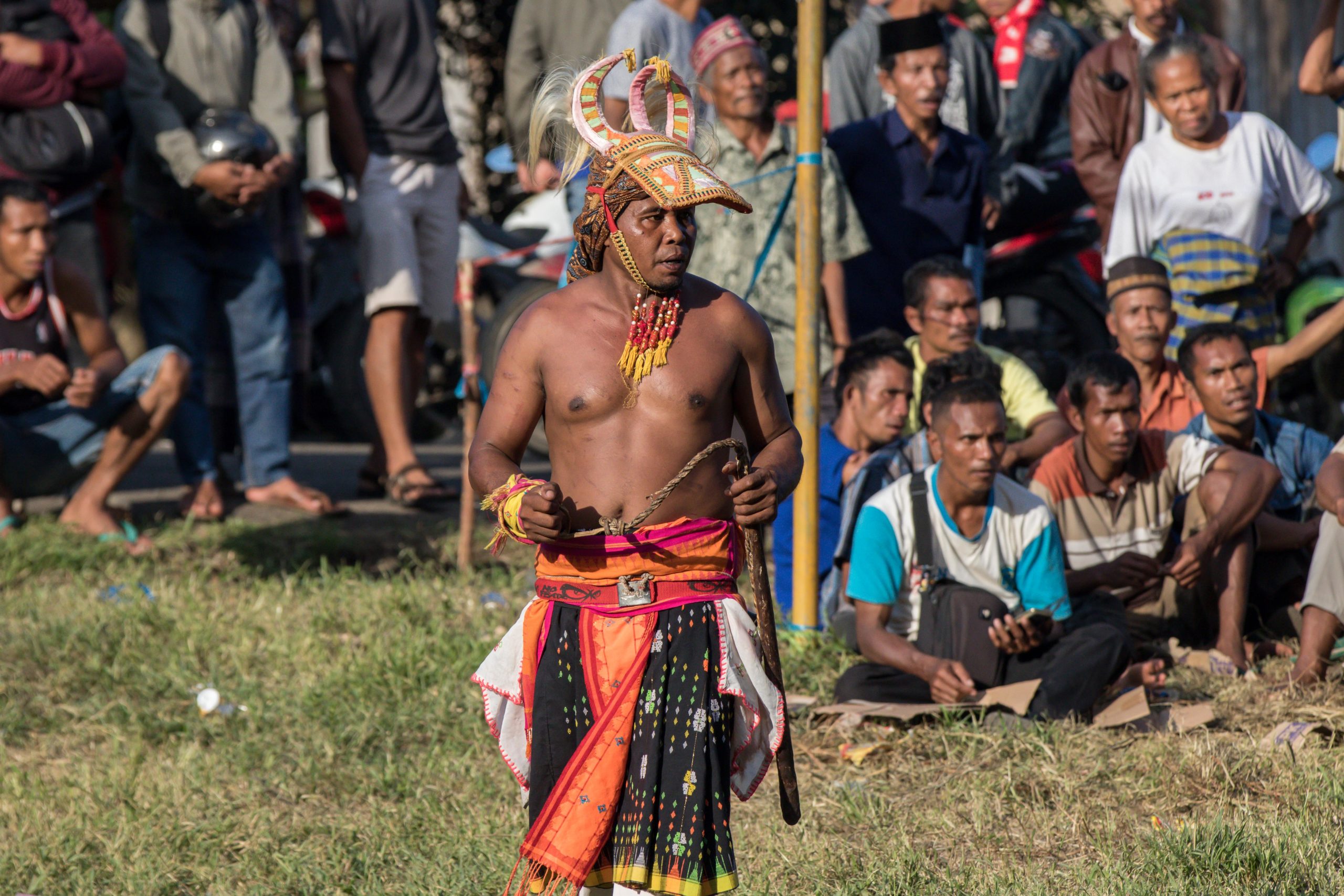
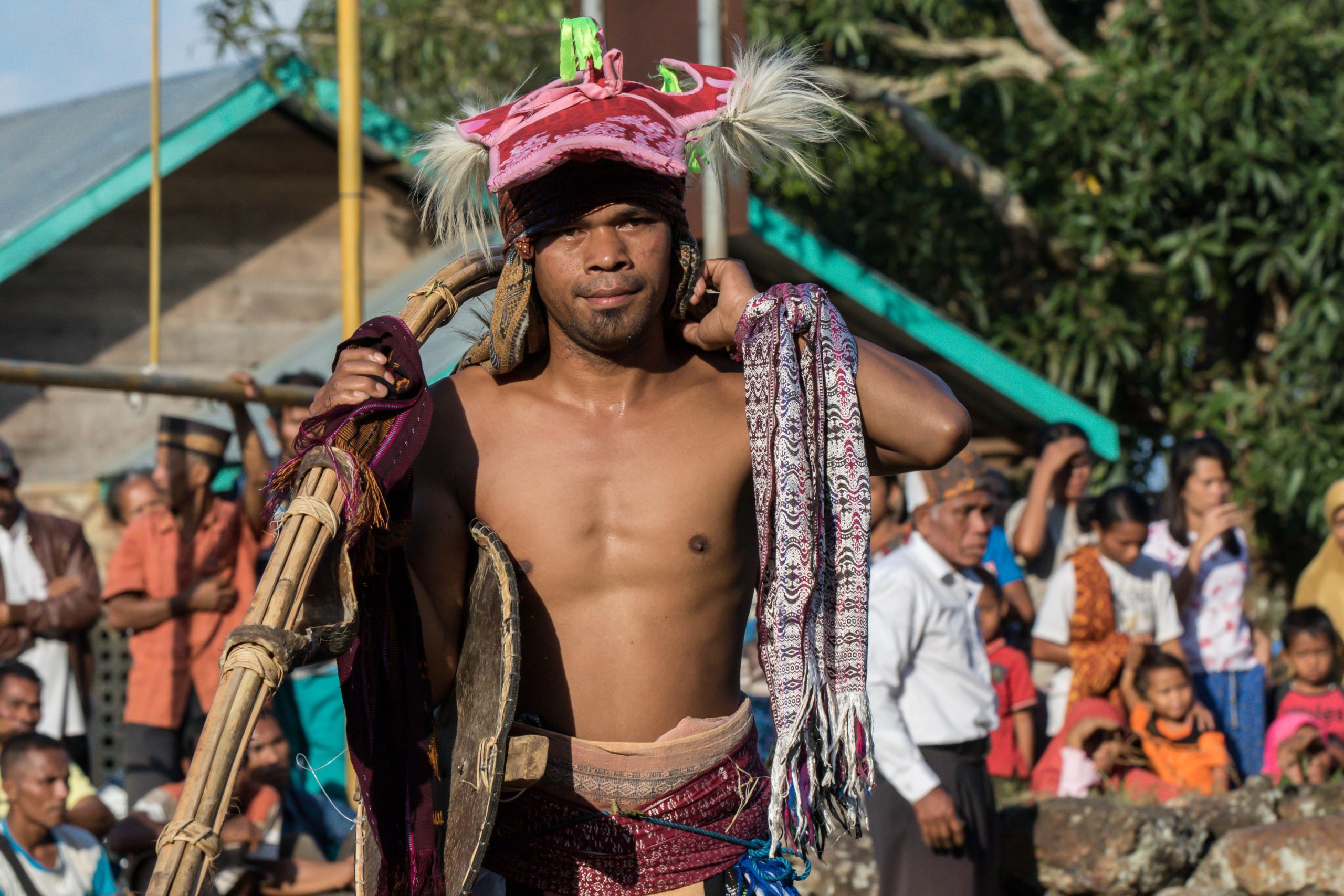
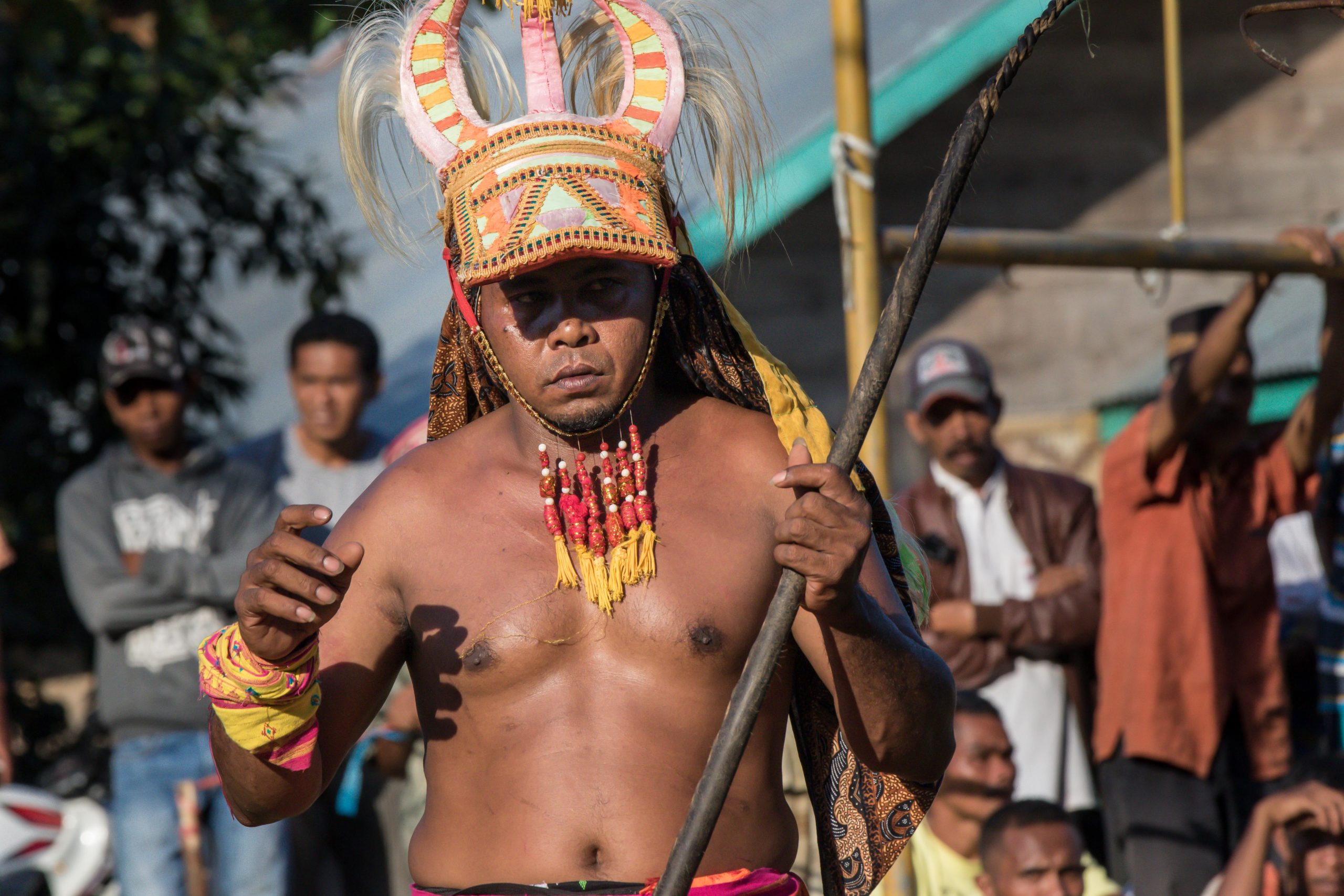
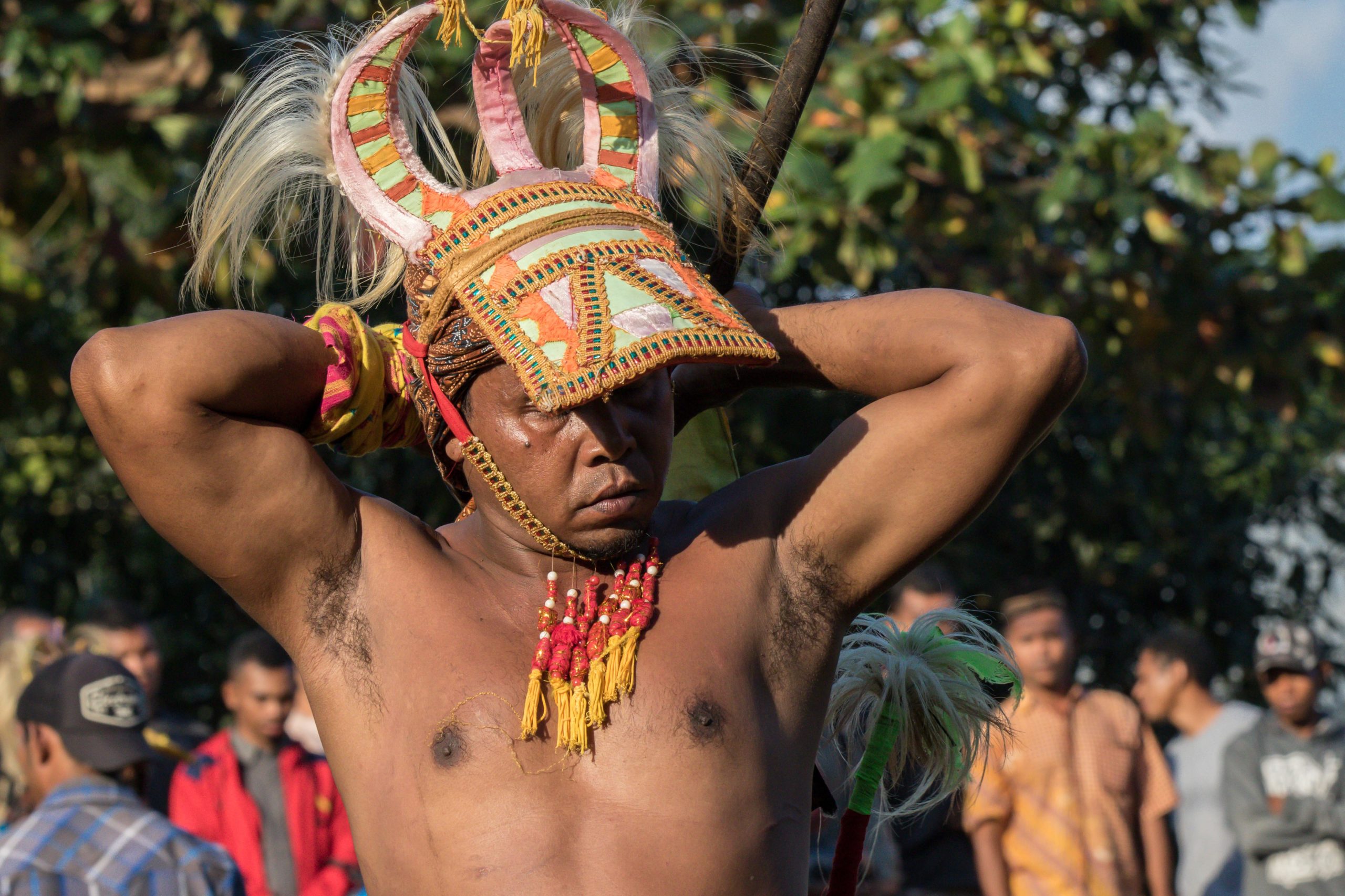
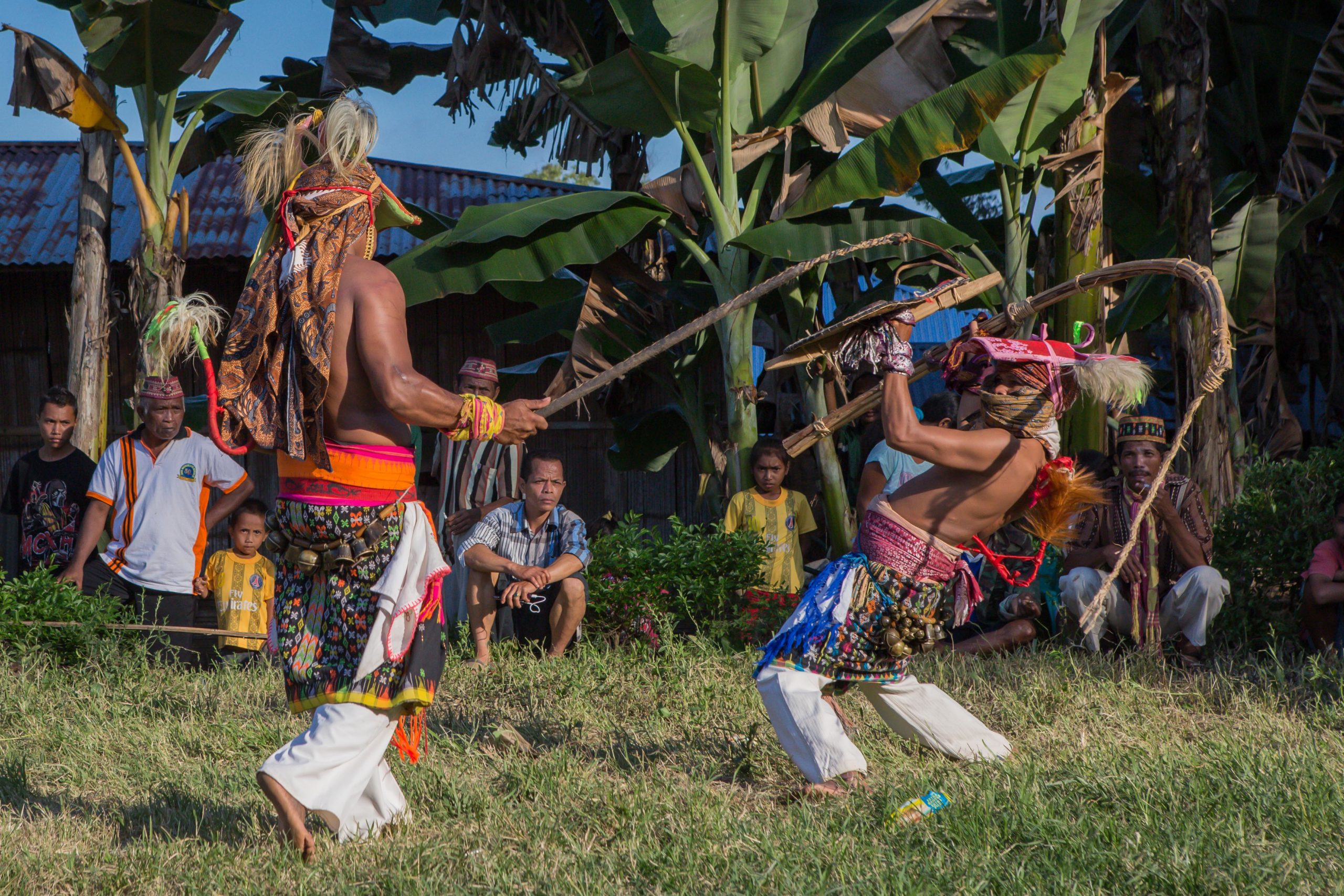
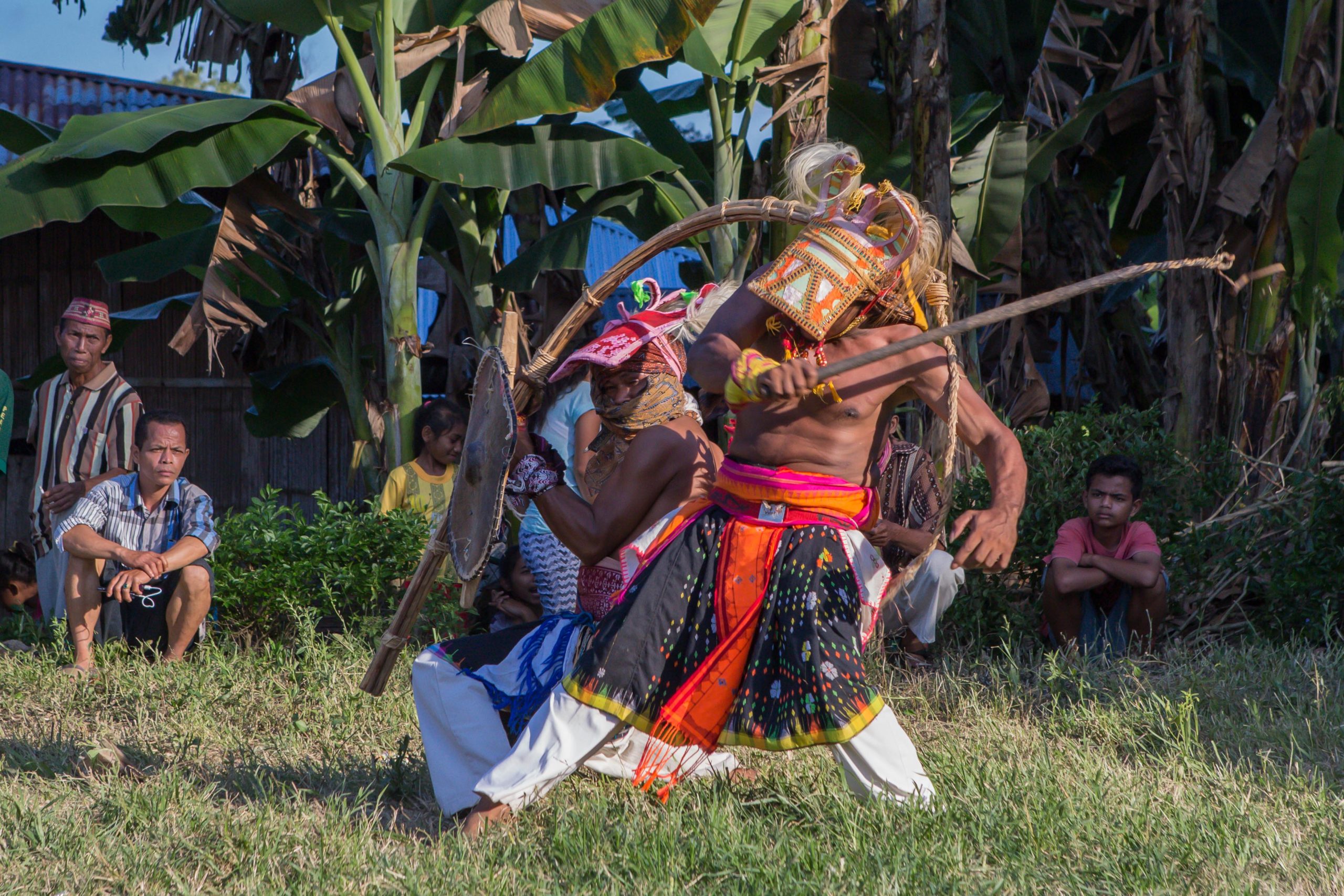
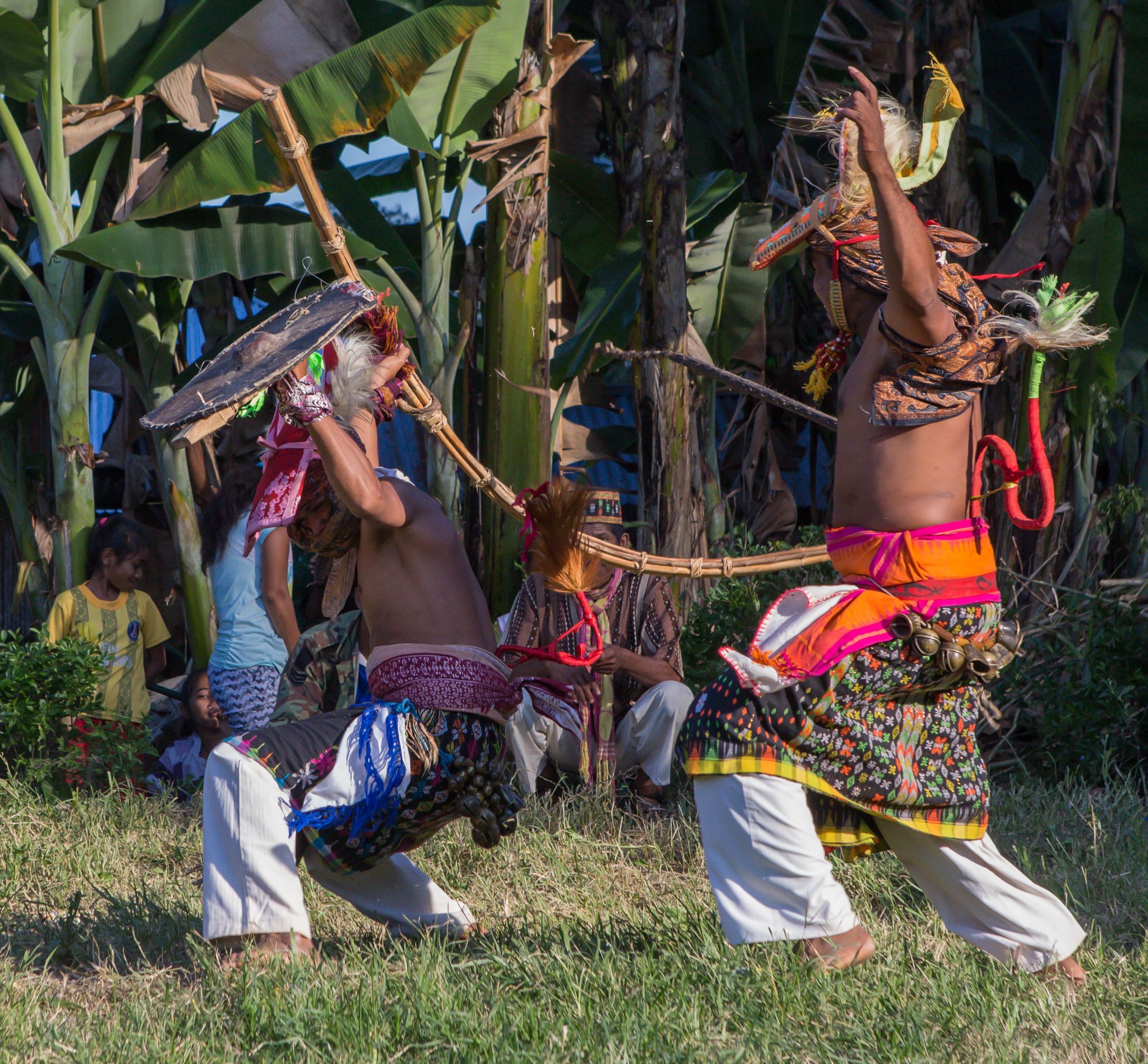
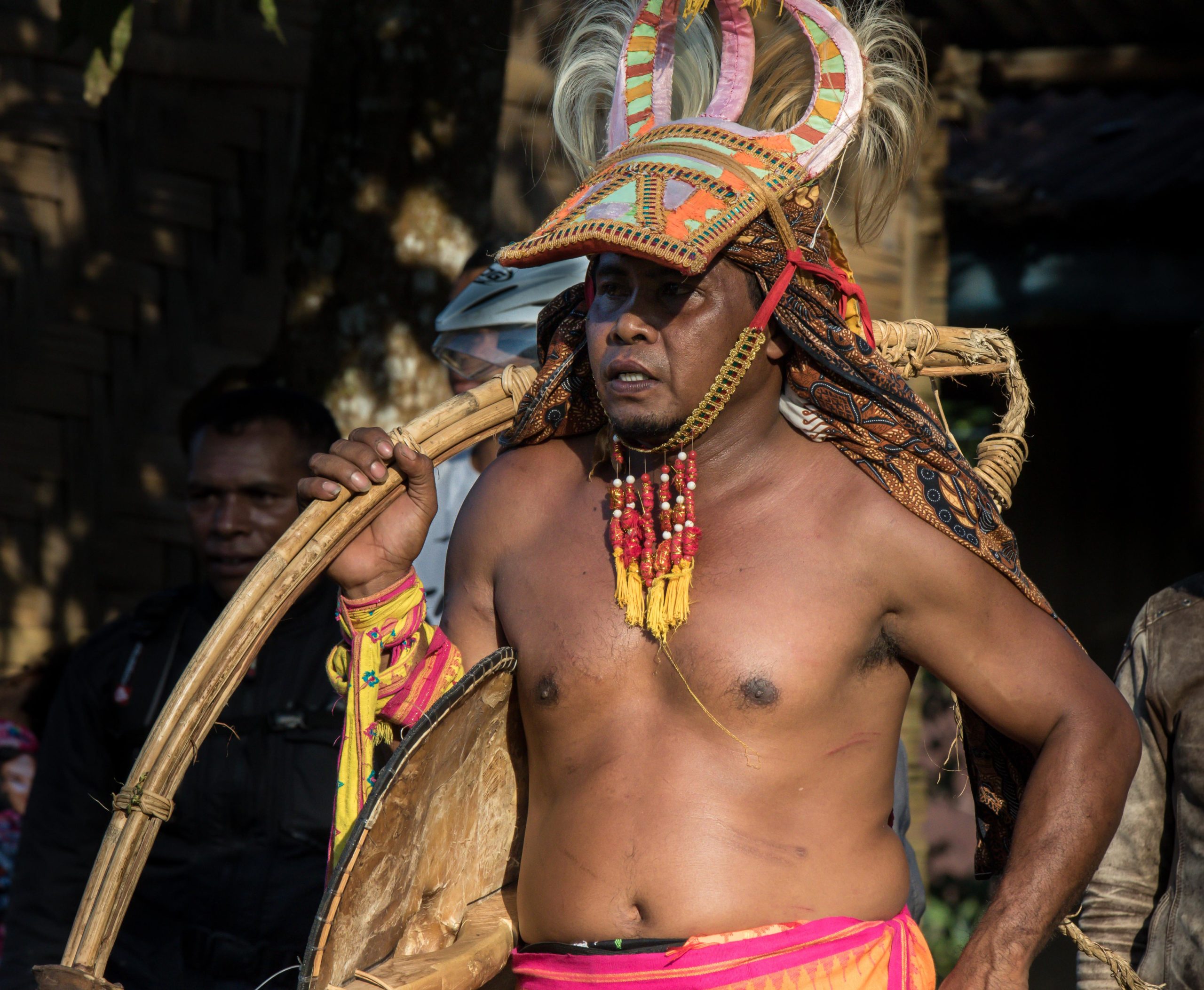
Caci is a ceremonial whip fight performed between two male participants. One fighter attacks with a long whip, while the opponent defends himself using a round shield and a stick.
The duel takes place in an open arena, accompanied by traditional gongs and drums. Participants wear elaborate costumes including:
Ritual Meaning
Caci is not simply a physical contest. It symbolizes:
-
Gratitude after harvest
-
Conflict resolution between clans
-
Celebration of important communal events
-
Masculine bravery and endurance
Blood drawn during the fight is traditionally considered a sign of honor and spiritual blessing.
When Is Caci Performed?
Caci is often held during:
Today, Caci may also be performed for visitors, though traditional ceremonies remain the most authentic setting.
Where to See Caci
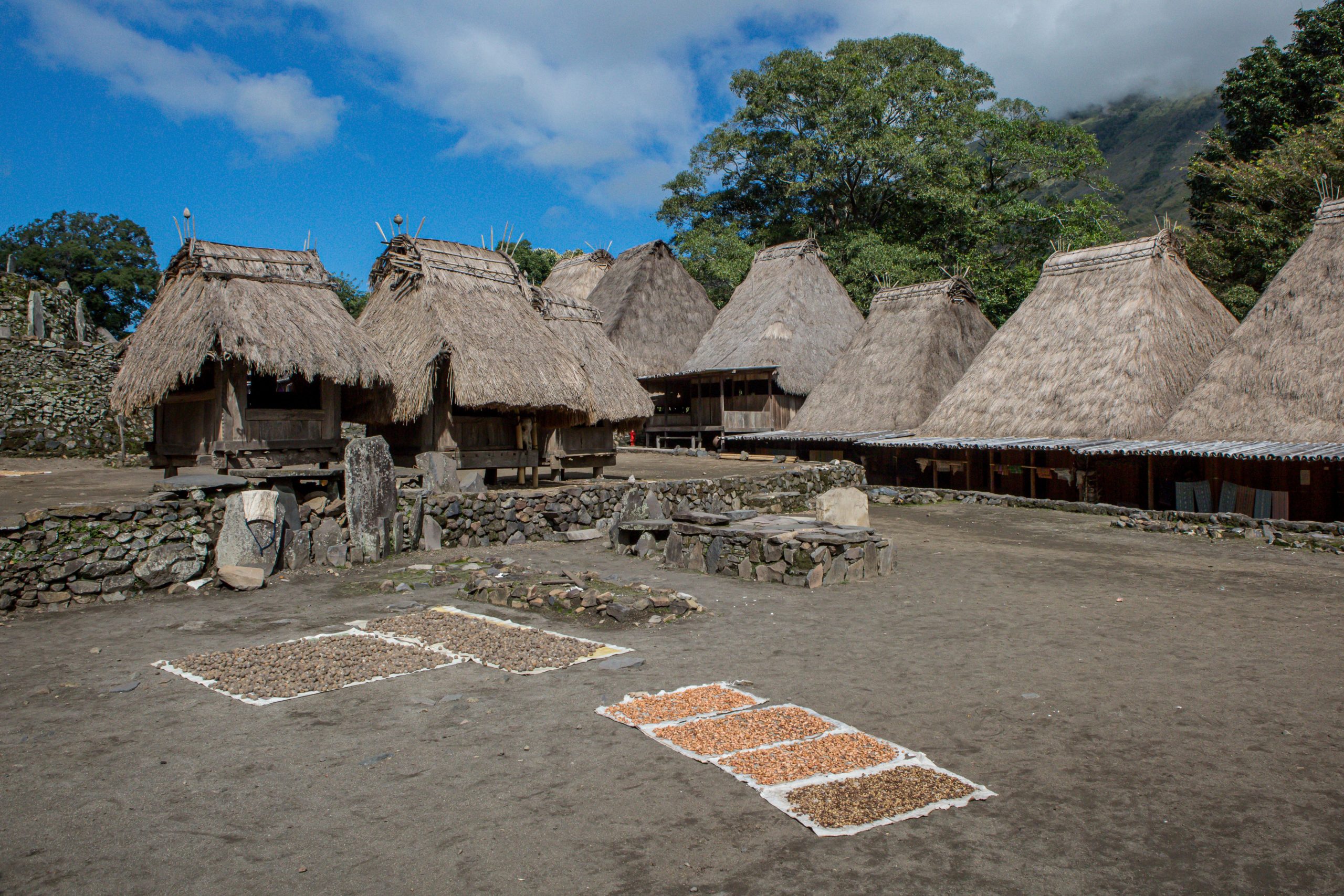
Caci performances are most common in the Manggarai region of western Flores, particularly around Ruteng and surrounding villages.
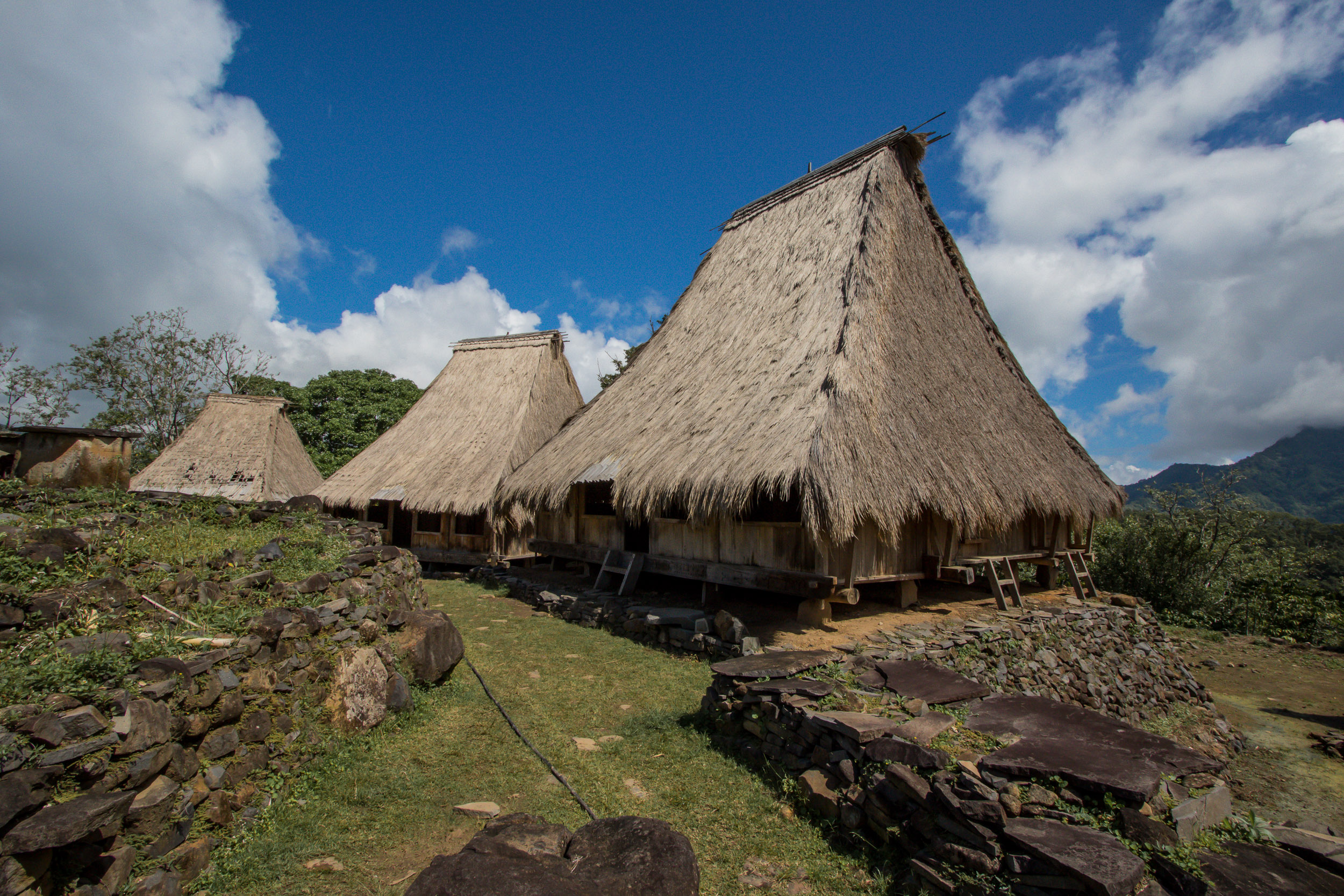
If you are visiting Wae Rebo or exploring the Manggarai Highlands, you may have the opportunity to witness a performance during special events.