The Sacred Symbolism of Otjize
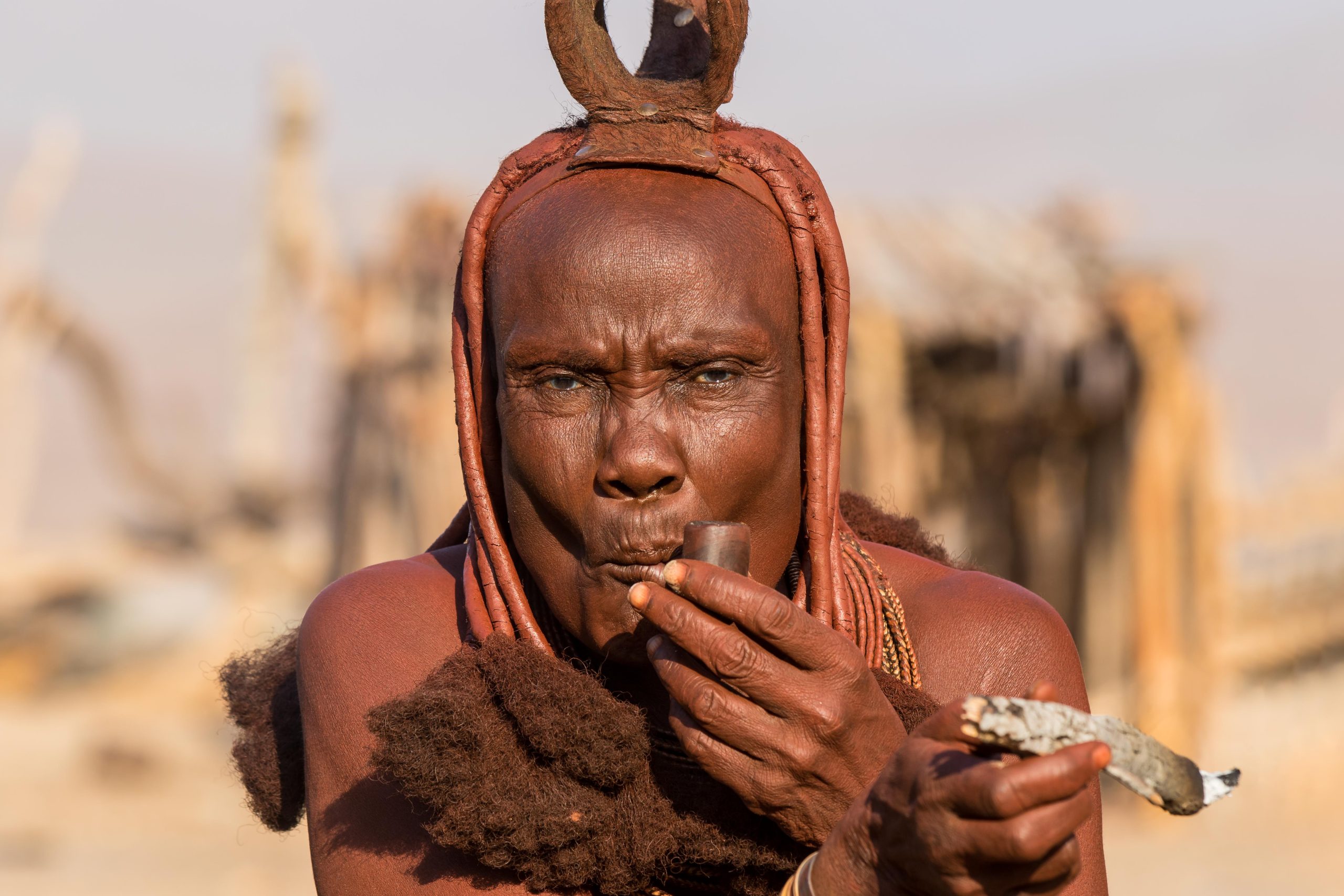
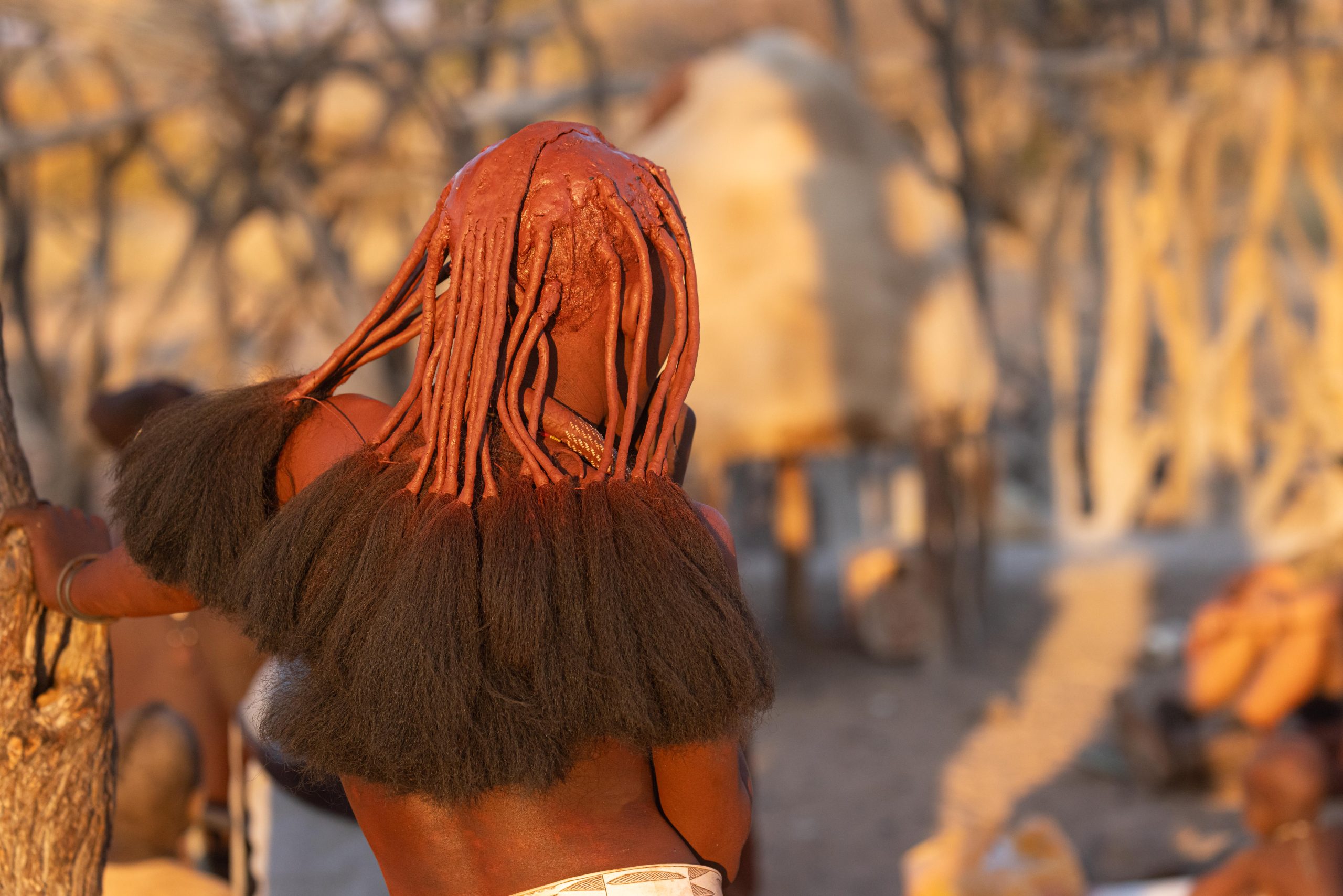
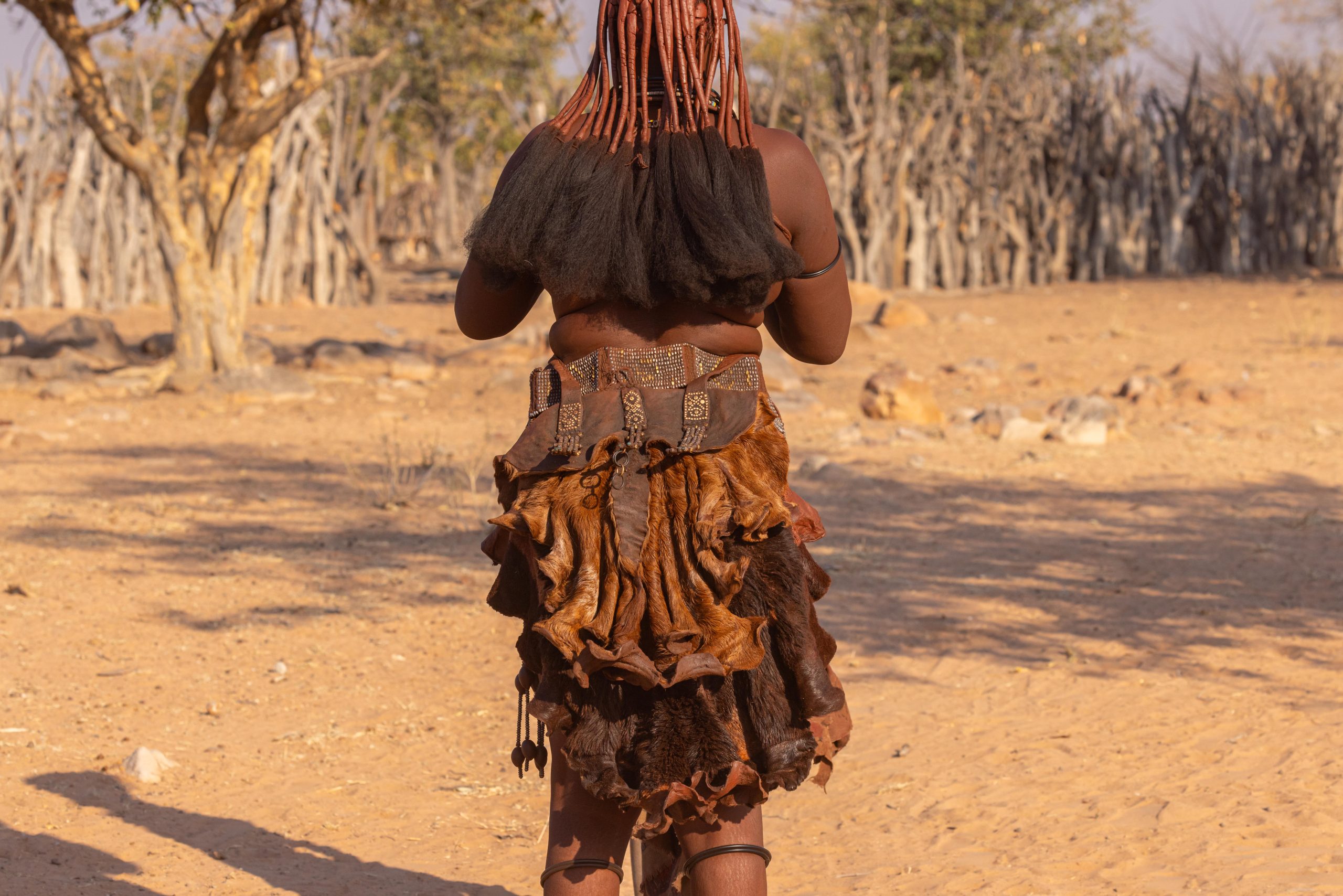
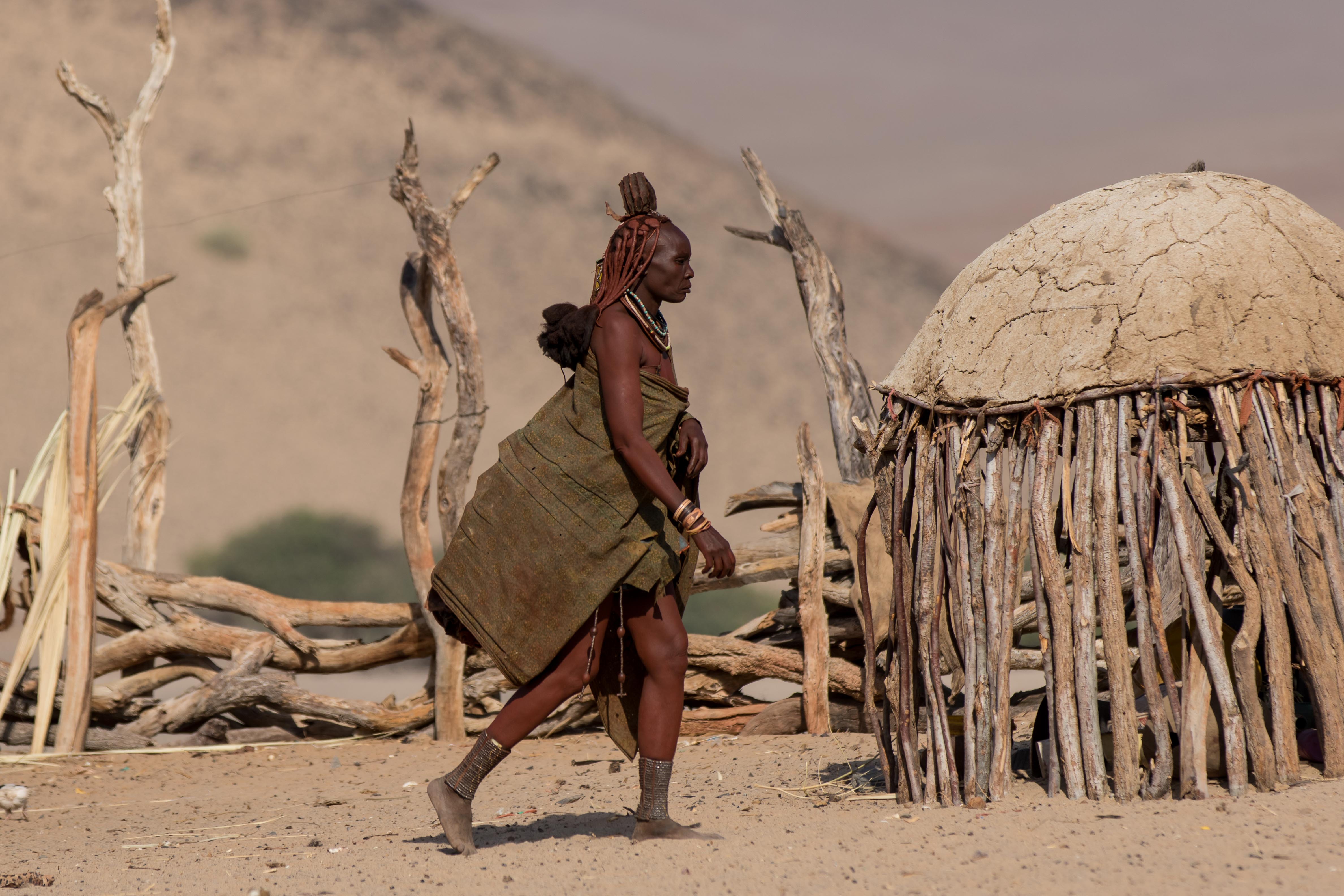
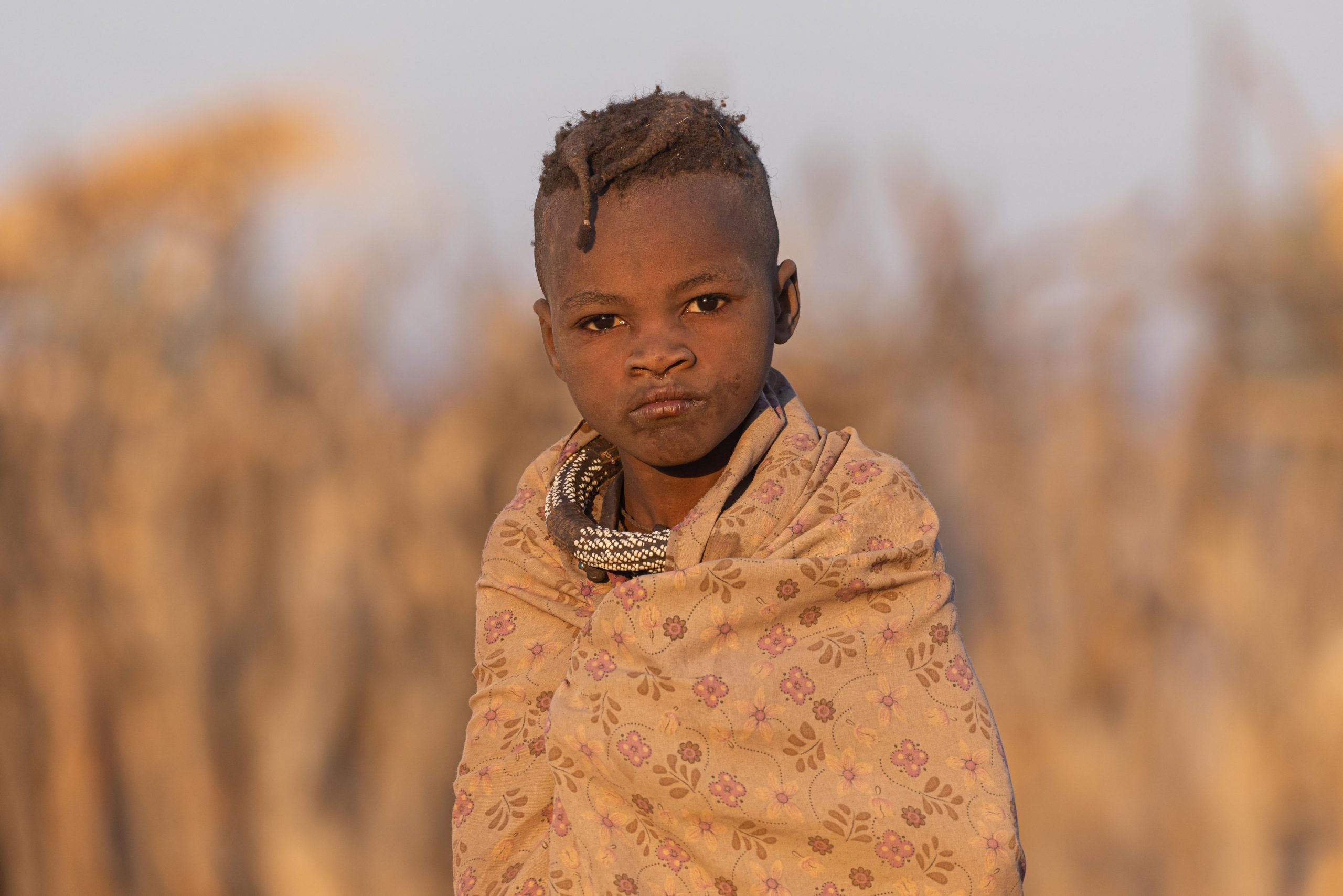
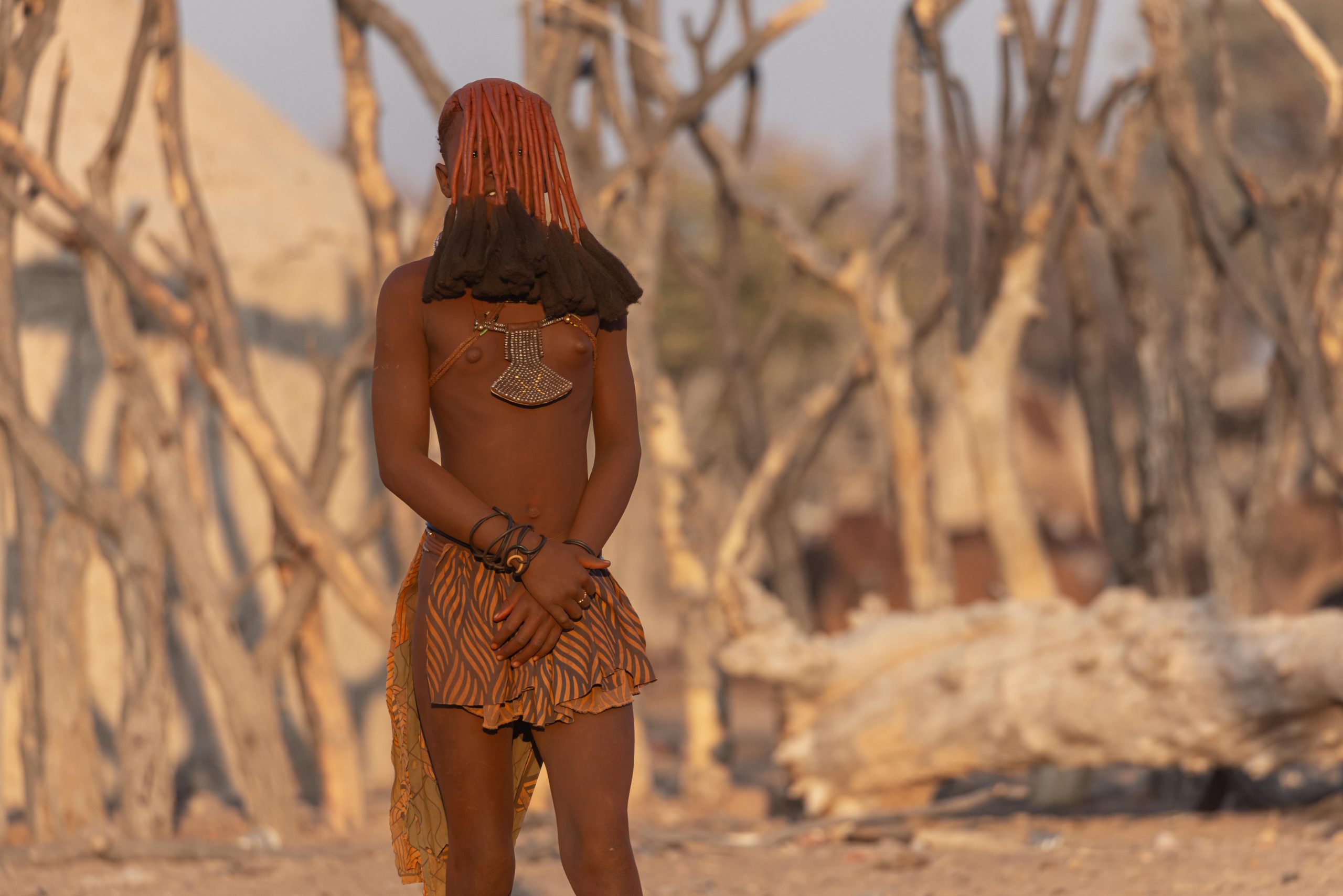
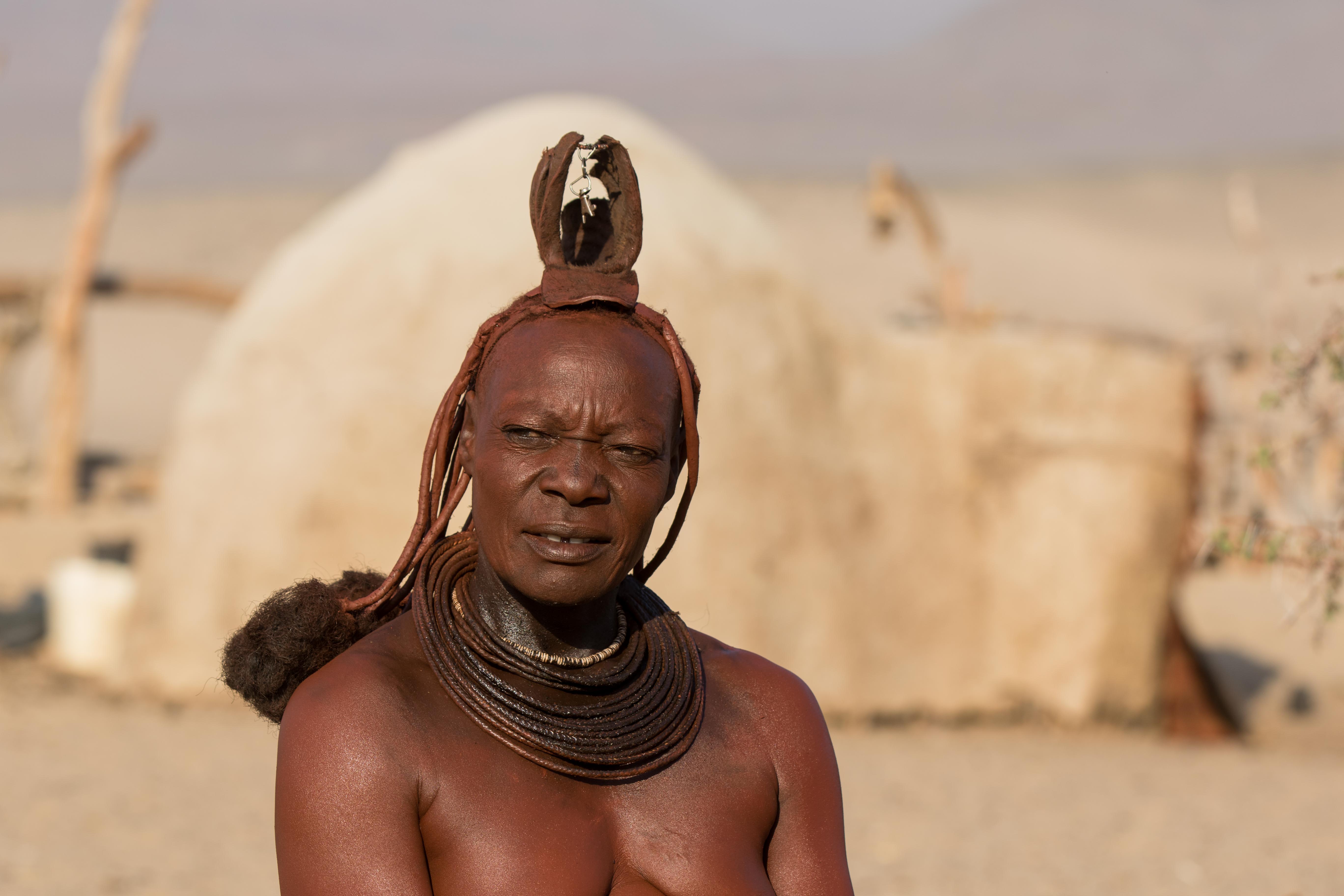
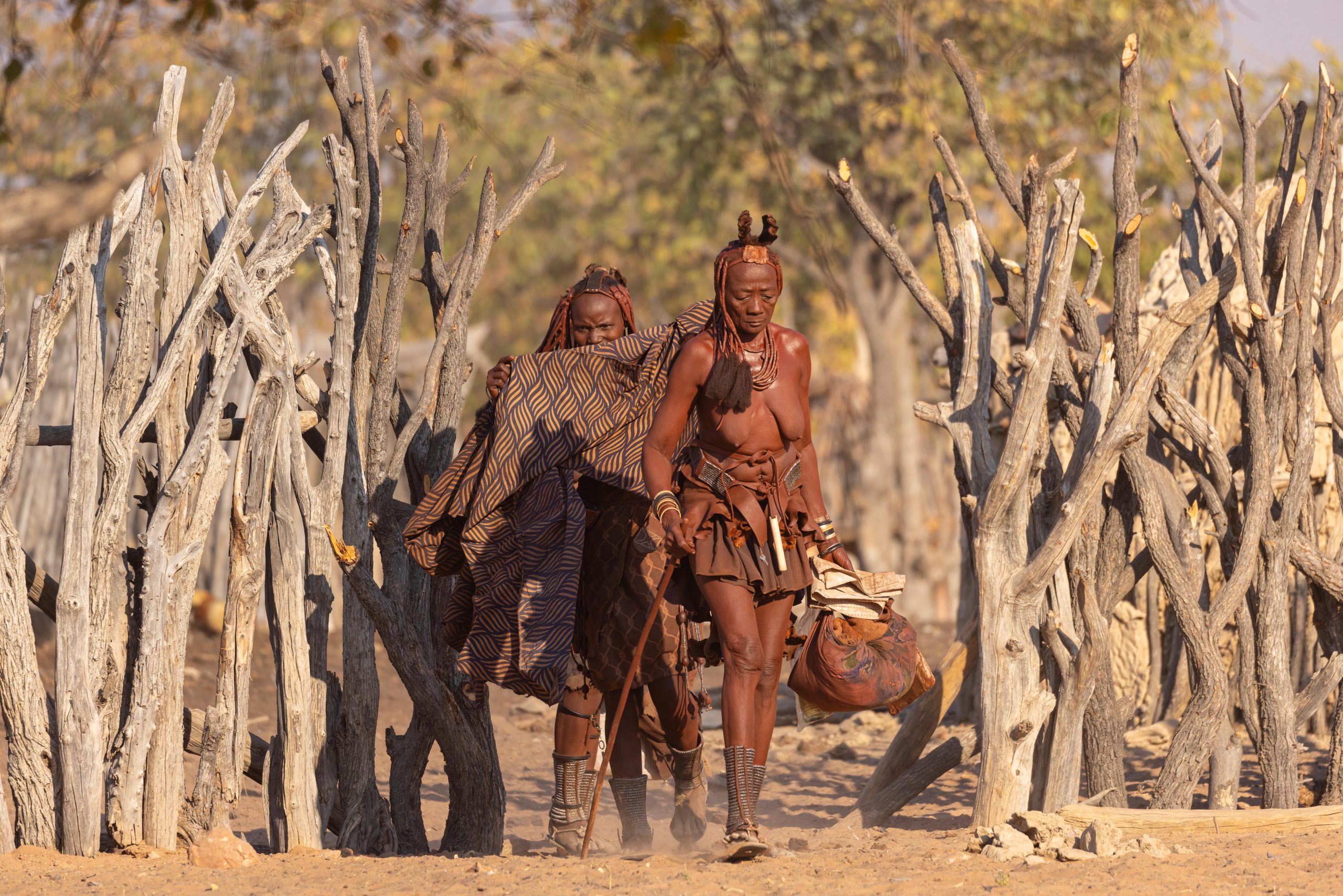
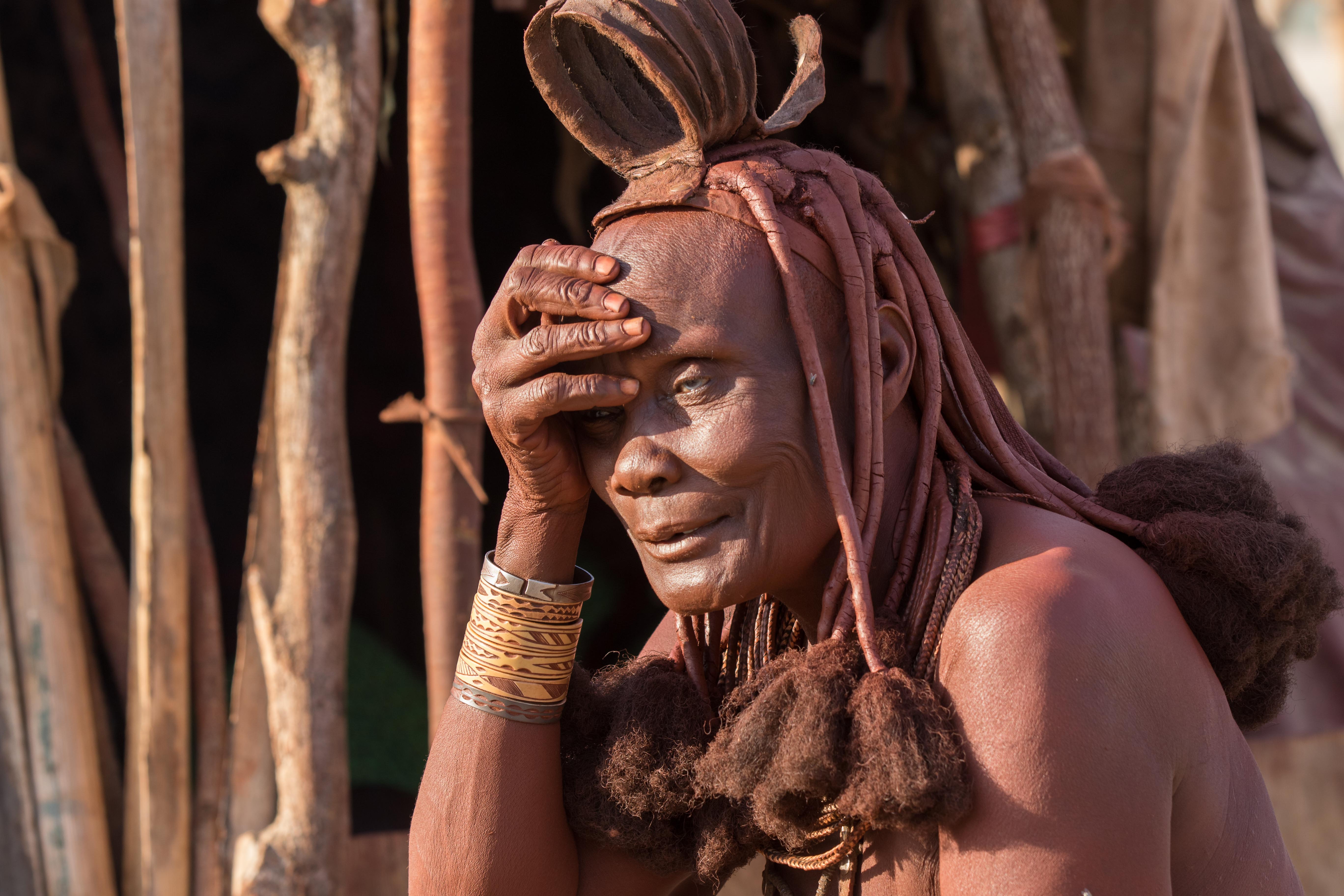
The most defining characteristic of the Himba is the application of otjize — a mixture of cattle fat, ash, and ground ochre. For the women of the tribe, this daily ritual is far more than a cosmetic choice. The deep terracotta pigment symbolizes the red of the earth and the essence of life-giving blood. While it acts as a natural sunblock and cleanser in a climate where water is a precious, guarded resource, it is primarily a badge of cultural identity and beauty that has been passed down through generations.
The Ancestral Fire and the Kraal
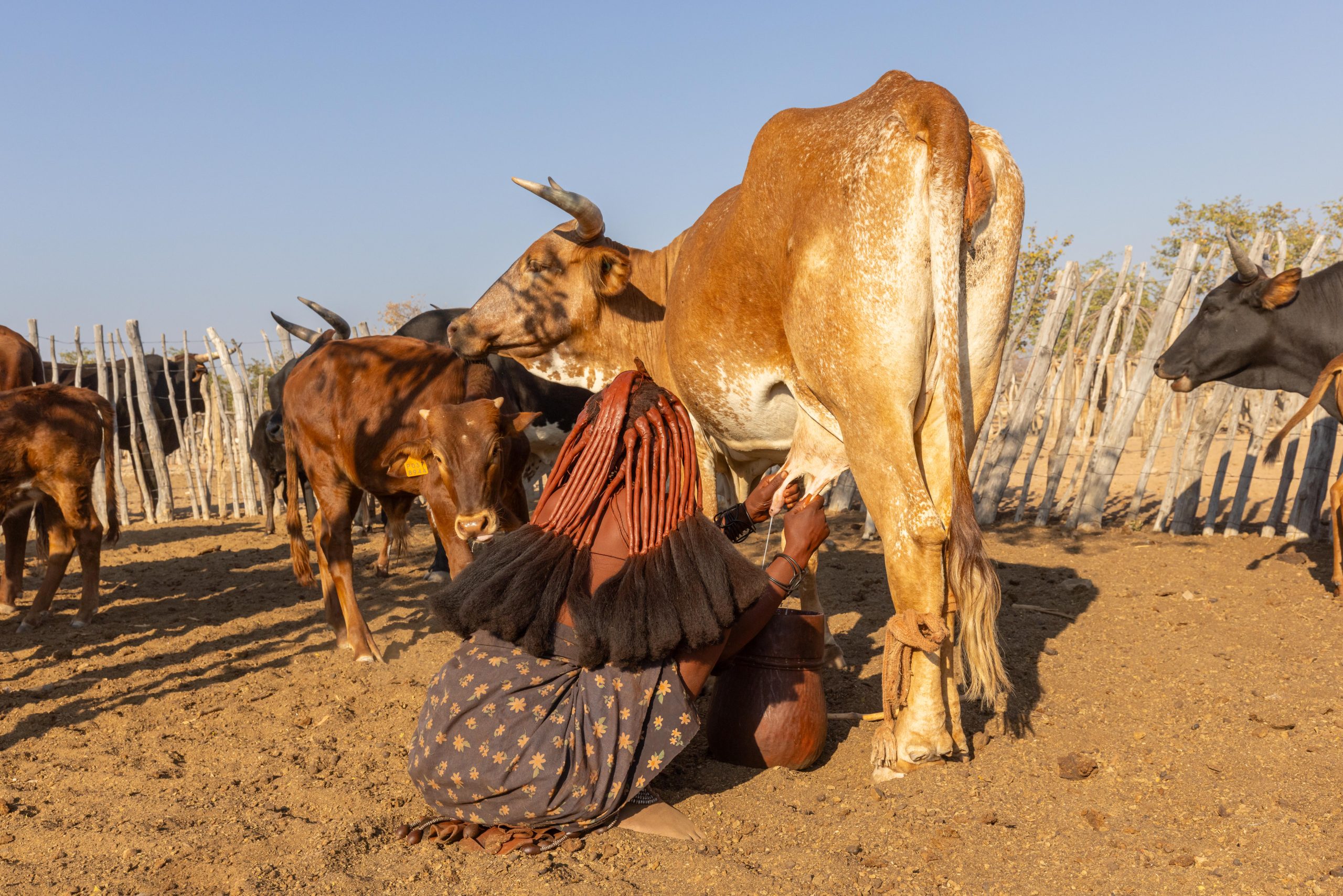
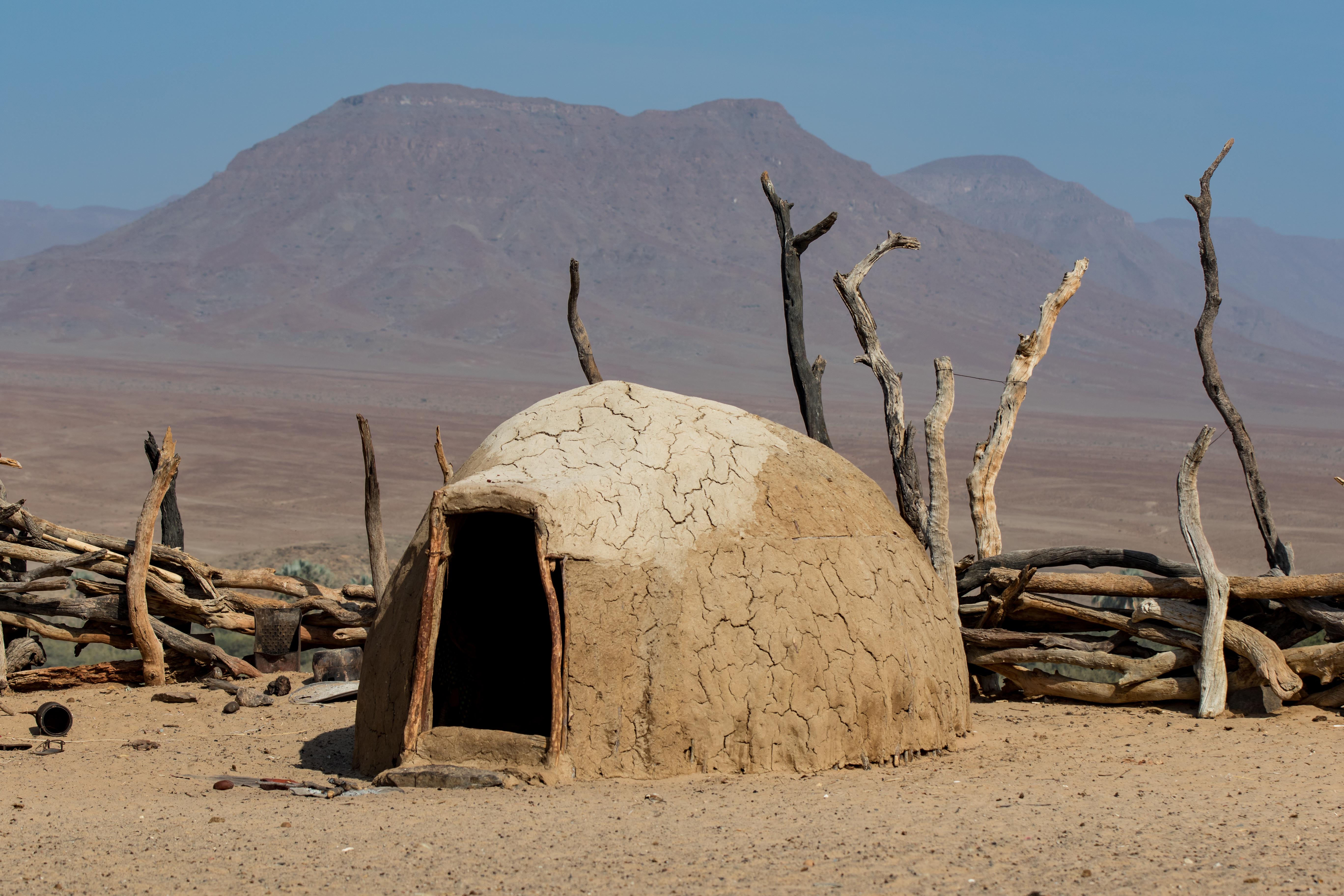
At the heart of every Himba village, or onganda, lies the okuruwo—the sacred ancestral fire. This fire represents the connection between the living and the deceased. It is kept burning continuously to ensure the protection and prosperity of the tribe, acting as a gateway for communication with the ancestors. The layout of the village is intentionally circular, with the cattle kraal at the center, signifying the vital importance of livestock to their survival and social economy.
A Society of Status and Transition
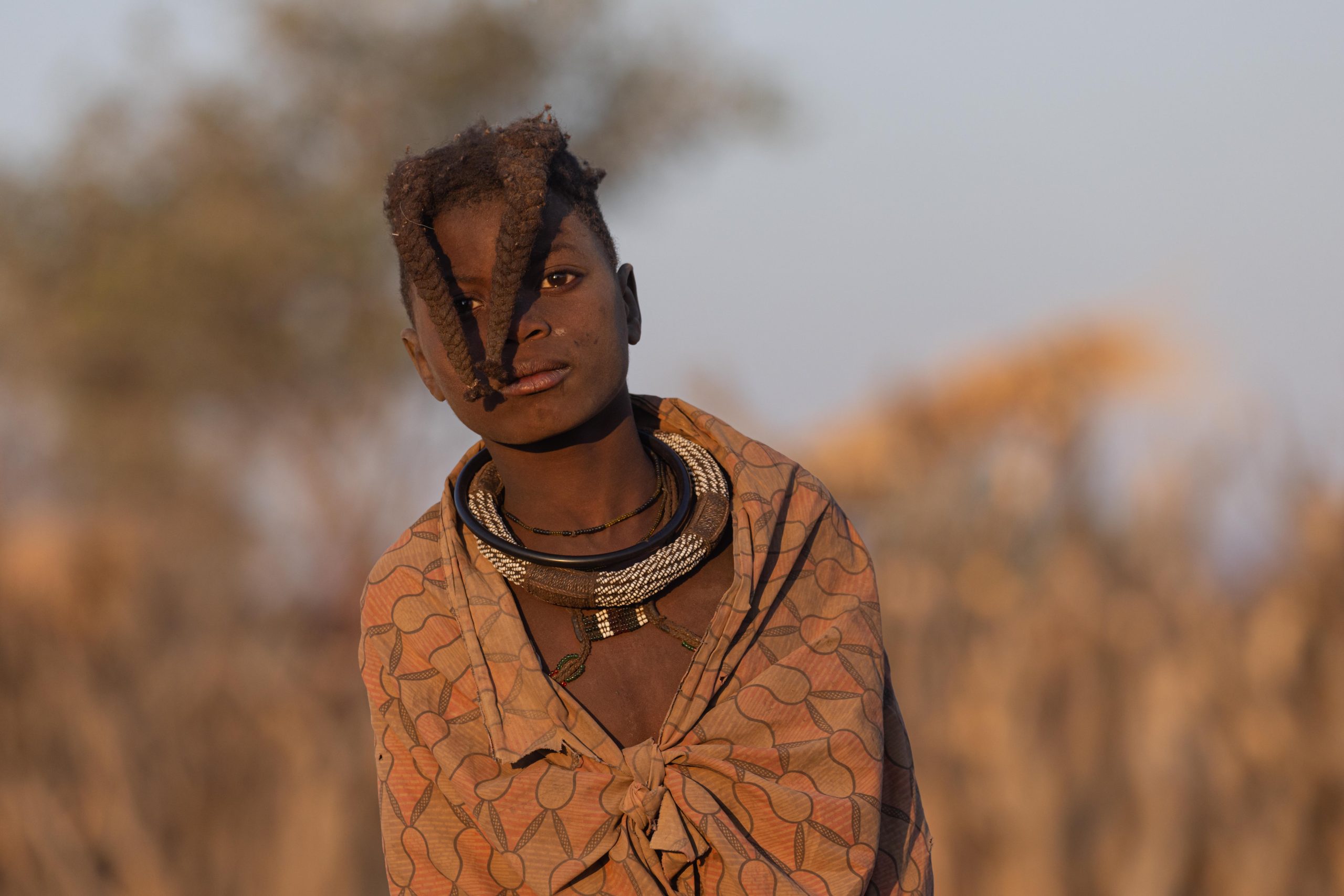
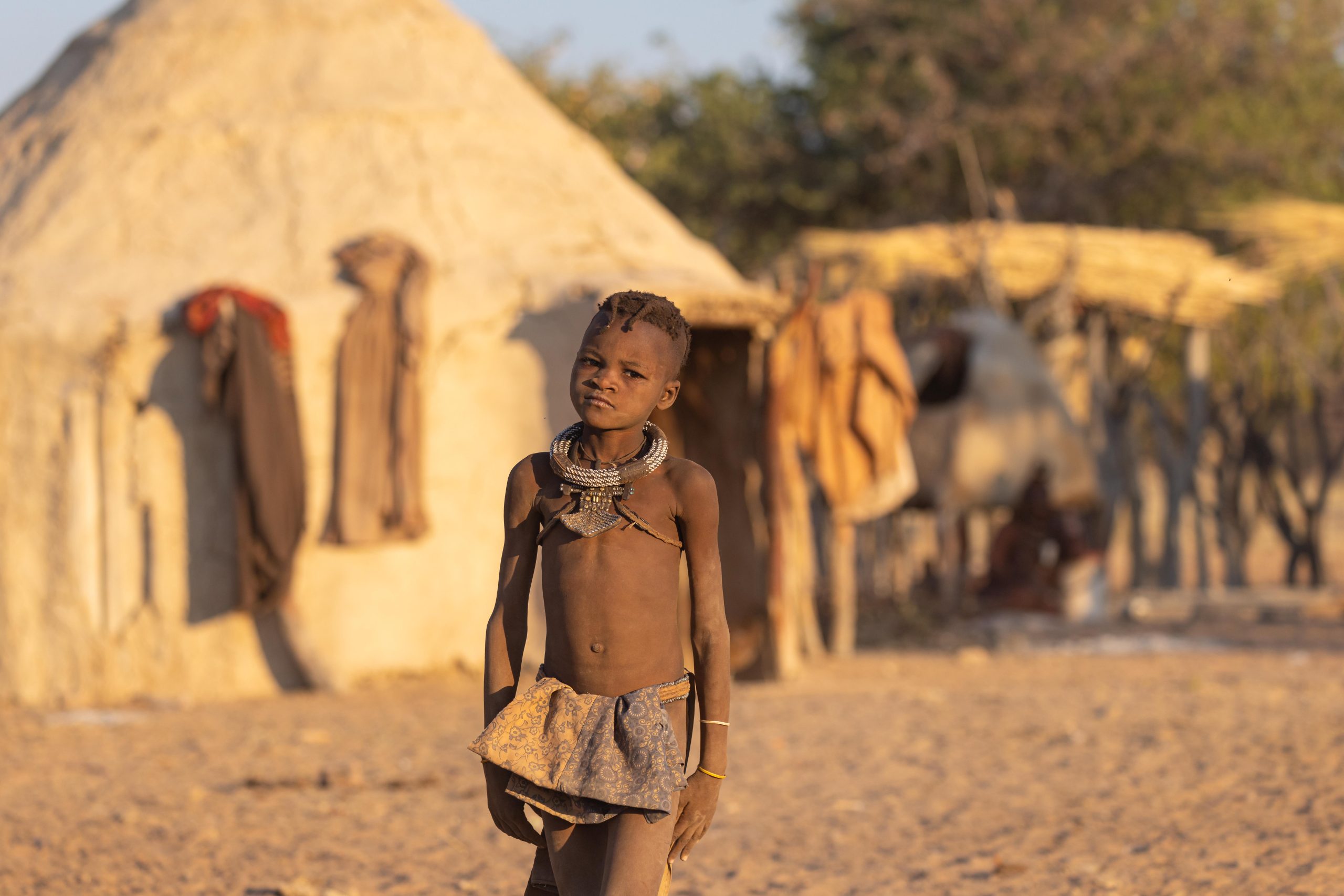
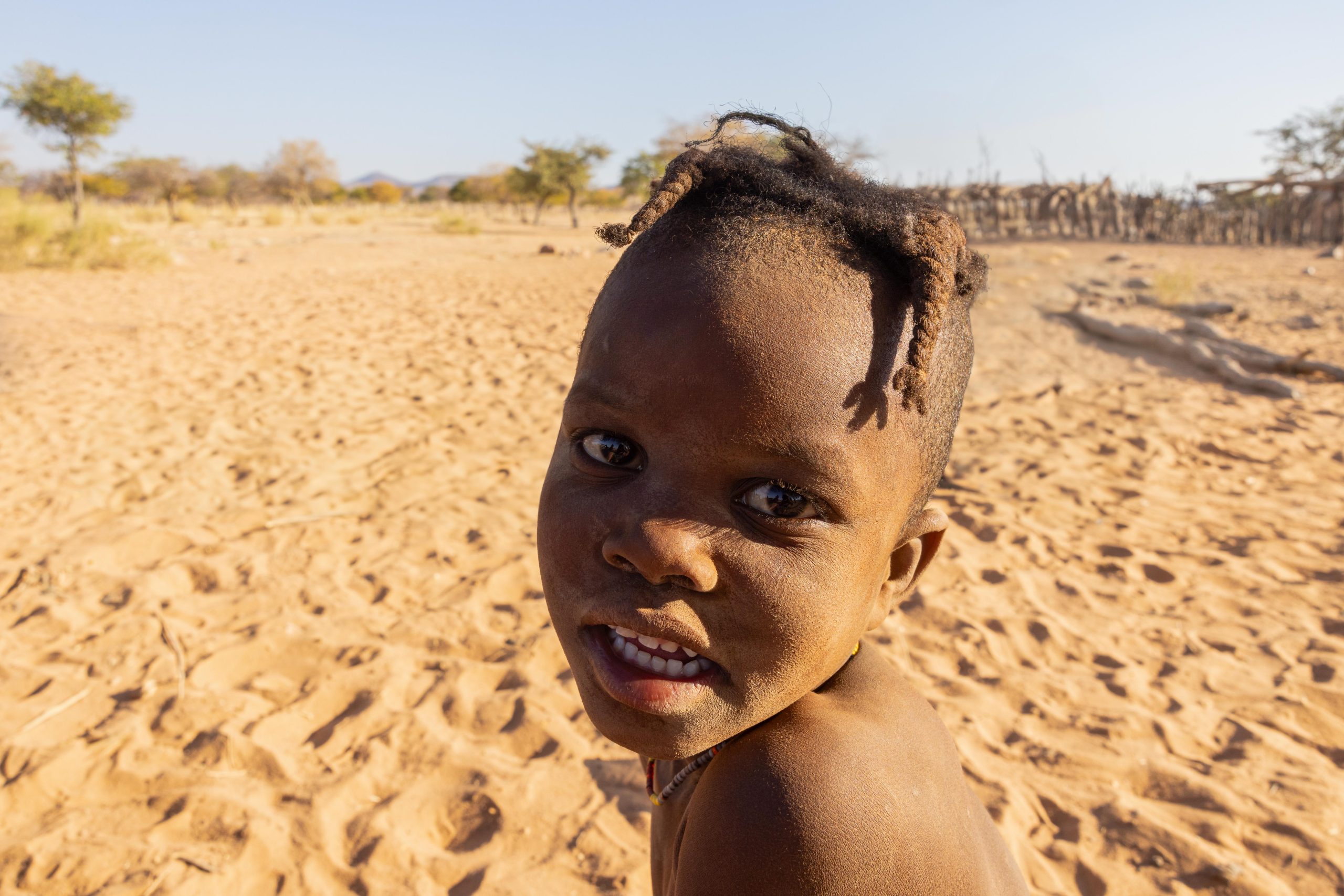
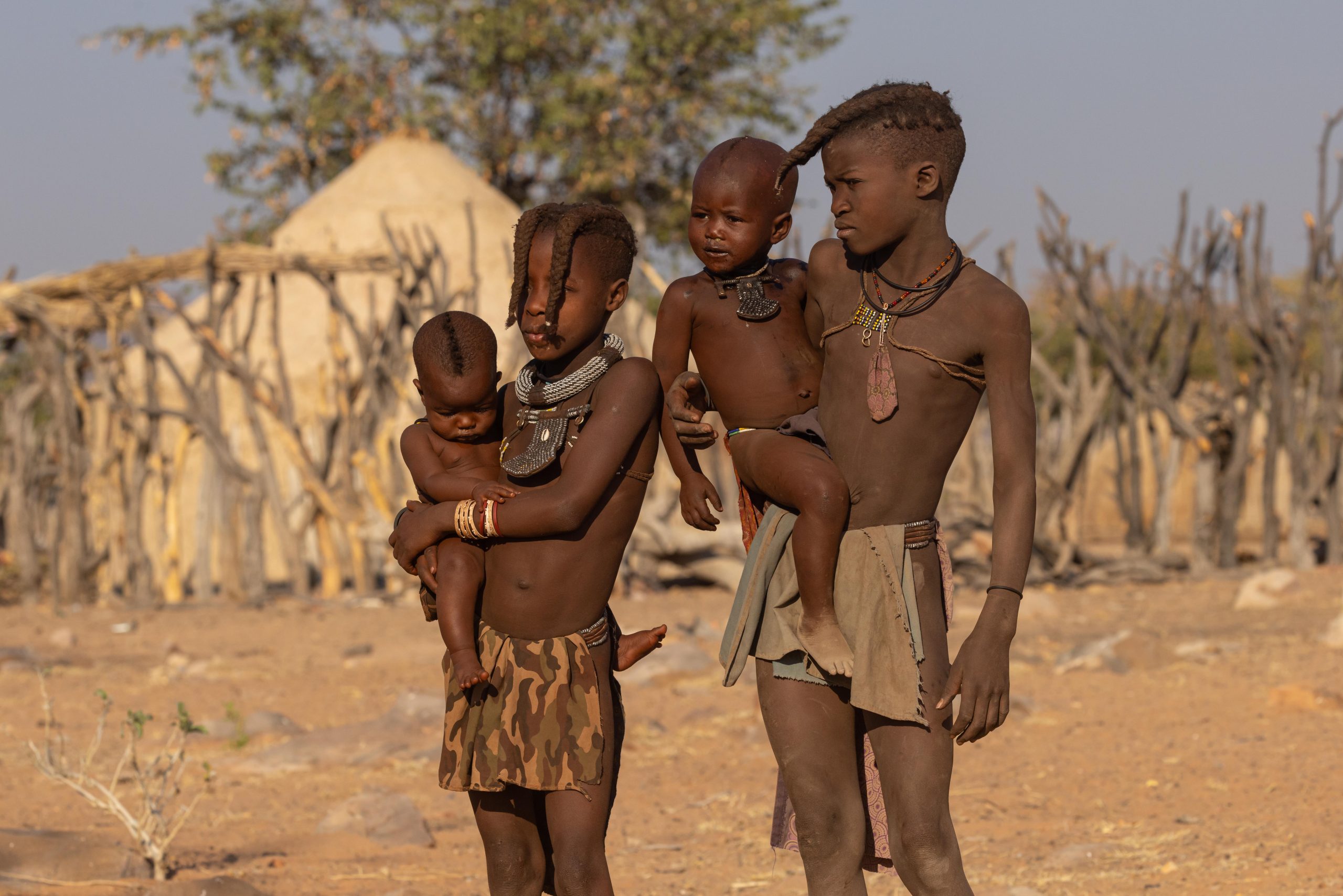
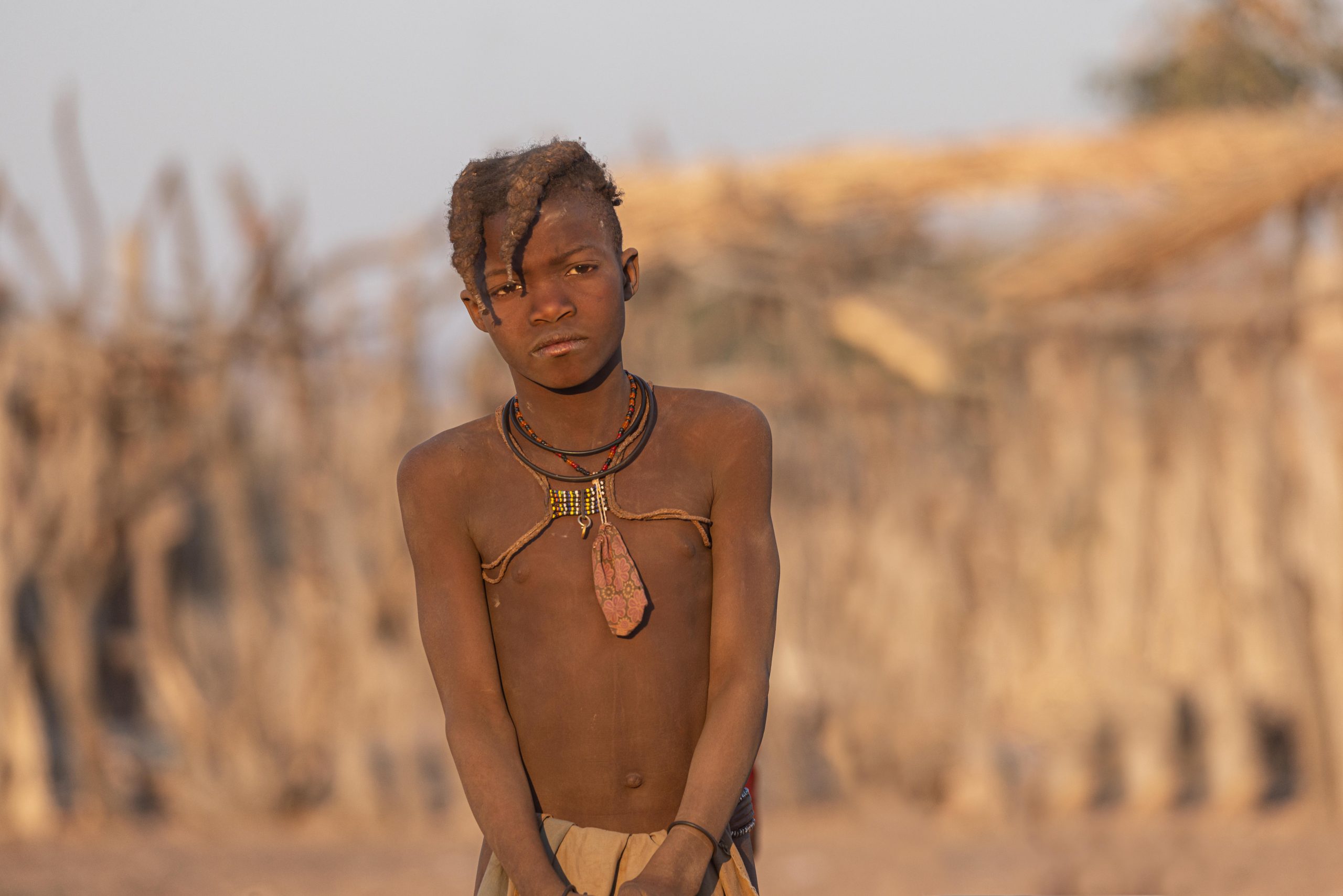
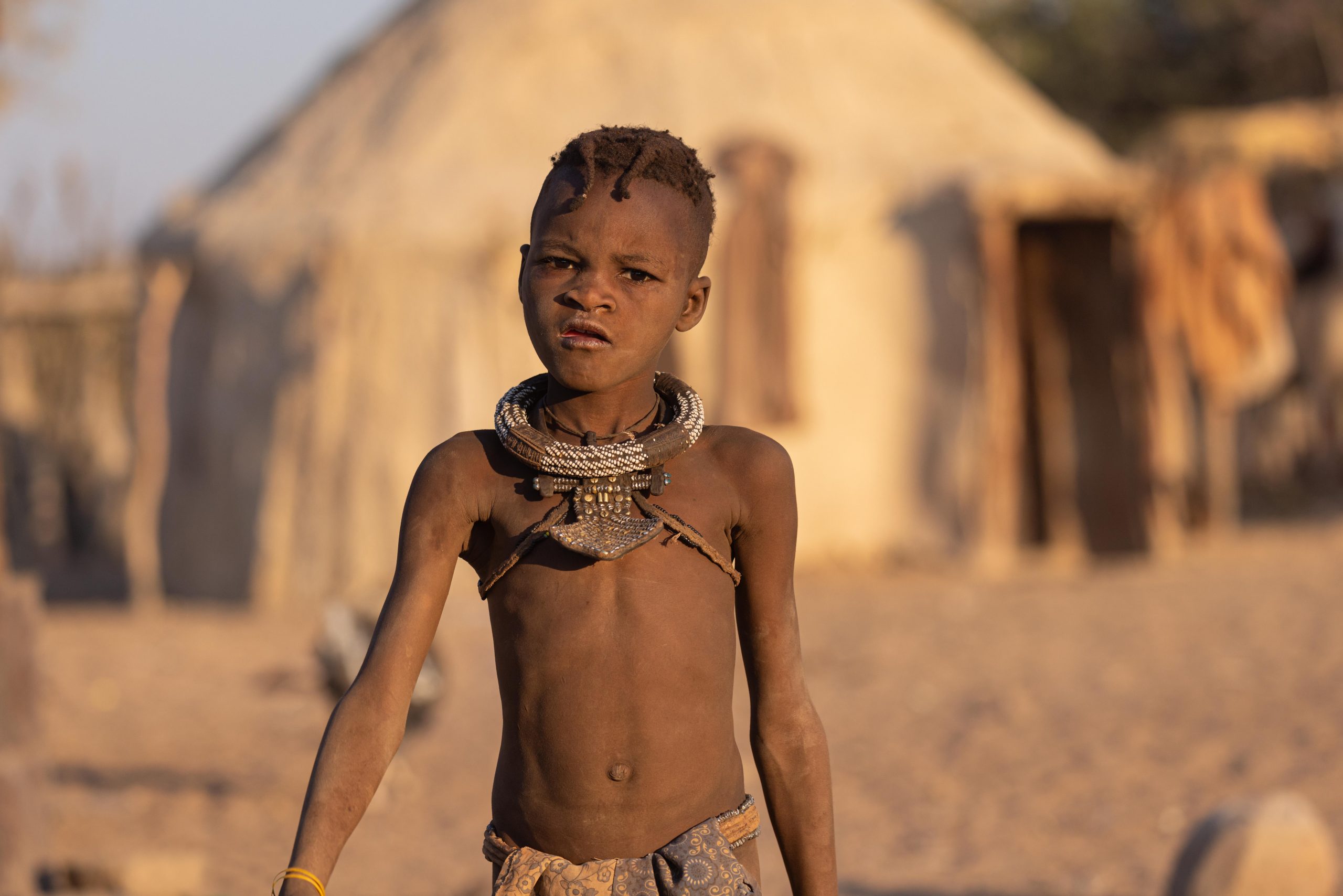
Himba society is structured by a complex system of bilateral descent, where every individual belongs to two clans: one through their father and one through their mother. This social fabric is visible in their physical appearance. Hairstyles and jewelry are not merely decorative; they serve as a visual language. A young girl’s forward-hanging braids, a woman’s erembe crown, or a man’s traditional headpiece each tell a specific story of their stage in life, marital status, and position within the community.
Resilience in the Desert
Survival in the Kaokoland requires an intimate knowledge of the land. As pastoralists, the Himba move their herds according to the seasonal rains, navigating a landscape that is as beautiful as it is unforgiving. Despite the pressures of the modern world and the challenges of a changing climate, the Himba continue to honor the old ways, proving that tradition is not a relic of the past, but a living, breathing strategy for the future.